
The Simple Habits North Carolina Gardeners Use To Keep The Same Coneflowers Coming Back Stronger Every Year
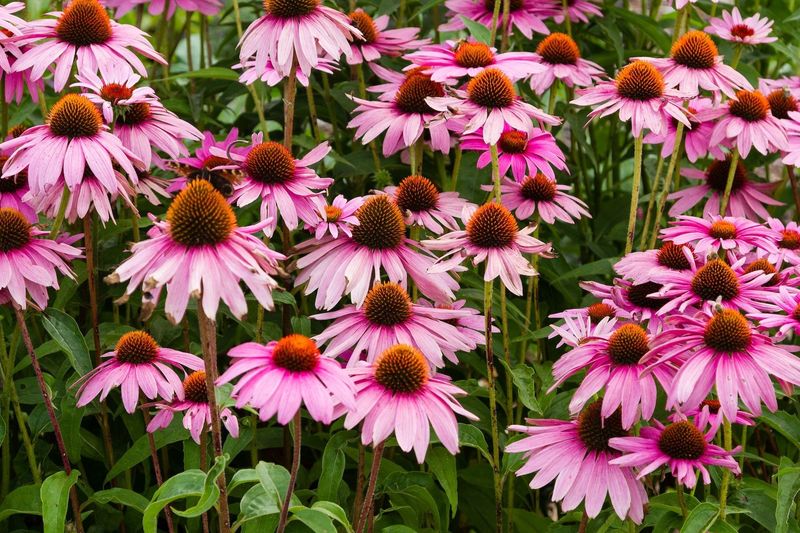
Coneflowers are one of the most reliable native flowers you can grow in a North Carolina yard, and the same plants can come back thicker and healthier year after year. The secret is not fancy tools or expensive products, but a handful of easy habits that also happen to help goldfinches, native bees, and butterflies.
Whether you garden in the Piedmont clay, the sandy Coastal Plain, or the cooler Blue Ridge, these small choices add up to a stronger patch of Echinacea. Here are the simple habits that keep your coneflowers thriving and your backyard buzzing with the wildlife you love.
1. Plant Them In Full Sun With Well-Drained Soil
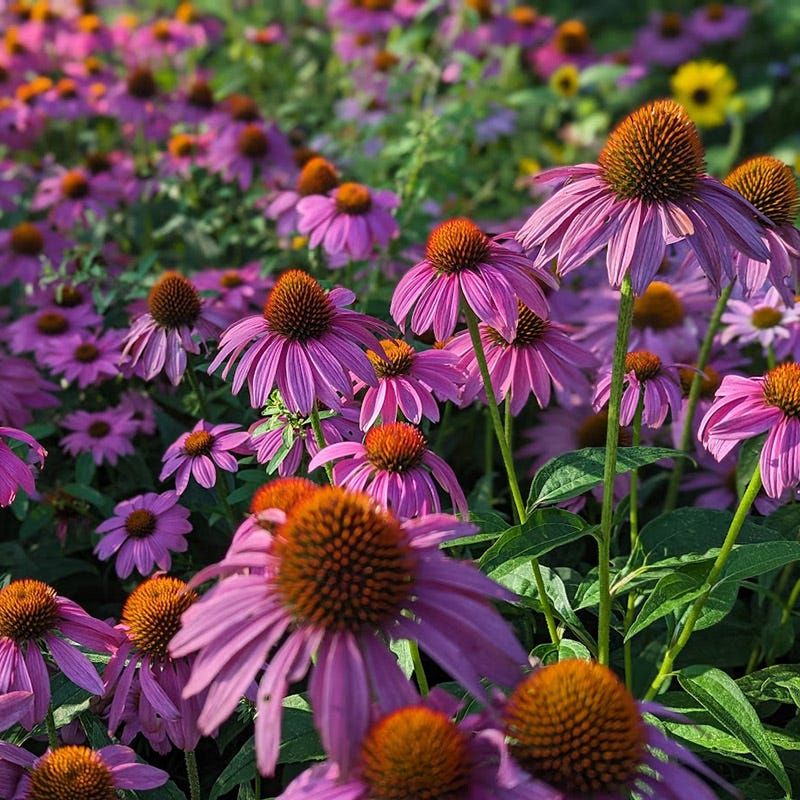
Getting the spot right from day one saves you years of babying weak plants. Coneflowers want 6 to 8 hours of direct sunlight, and in North Carolina that usually means an open bed away from the shade of big oaks or the north side of the house.
Soil matters just as much as sun. These natives are forgiving about soil type, but they truly shine in moist, well-drained loam.
If you garden in heavy Piedmont clay, work in some compost so water drains instead of pooling around the roots.
Resist the urge to feed them heavily. Over-fertilizing pushes out lots of leafy growth but fewer blooms, which is the opposite of what you want.
A plant placed in the right sunny, well-drained spot rarely needs much fuss to keep coming back stronger each season.
2. Choose Native Echinacea Over Fancy Hybrids
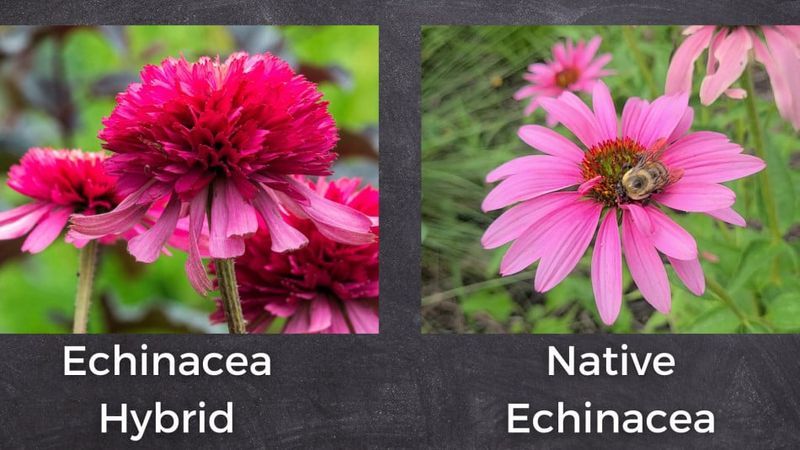
Not all coneflowers are created equal when it comes to lasting for years. The straight native species, purple coneflower (Echinacea purpurea), is built for North Carolina summers and tends to return far more reliably than the flashy double-bloomed hybrids sold at big-box stores.
Those fancy pom-pom hybrids often look stunning the first year, then fizzle out or fail to come back. Many also make it hard for bees and butterflies to reach the nectar, so they give less back to your yard’s ecosystem.
Did you know North Carolina is also home to the rare smooth purple coneflower (Echinacea laevigata), a protected native? You do not need the endangered kind in your bed, but leaning toward true native species instead of heavily bred cultivars gives you tougher plants and a bigger payoff for pollinators.
3. Water Deeply The First Season, Then Ease Off
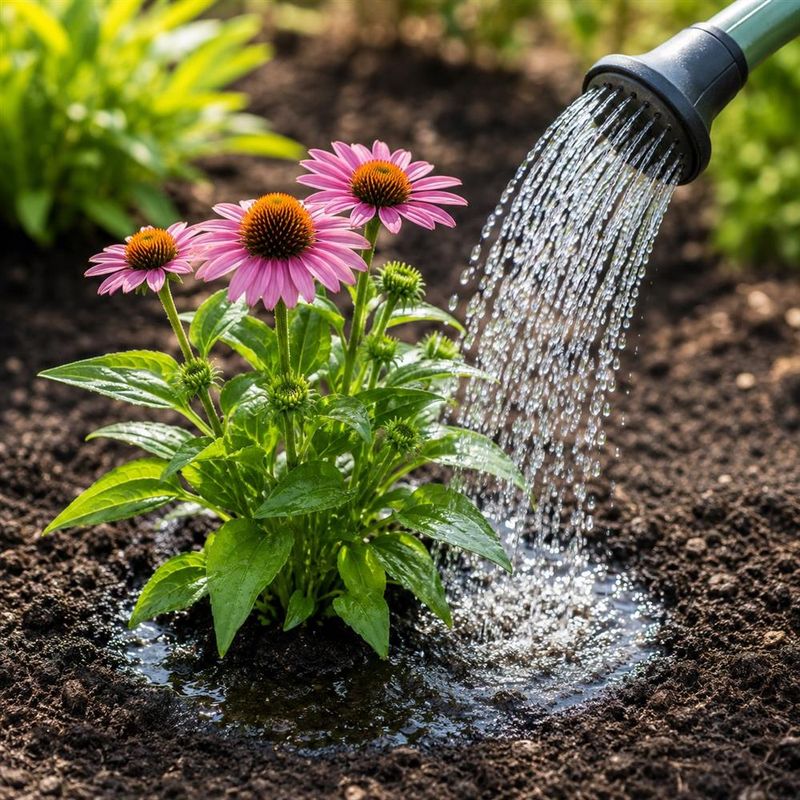
Think of the first growing season as the investment that pays off for a decade. Newly planted coneflowers need steady, consistent moisture so their roots dig deep and anchor themselves before the heat sets in.
Once they are established, the whole game changes. Mature Echinacea become genuinely drought-tolerant and usually only ask for extra water during long stretches of hot, dry summer weather that North Carolina knows all too well.
The biggest mistake is loving them too much. Soggy, waterlogged soil rots the roots and can quietly kill a plant that would have shrugged off a dry spell.
Water deeply and less often rather than a little sprinkle every day, and your coneflowers will reward you with sturdier growth.
4. Deadhead Early In Summer To Keep Blooms Coming
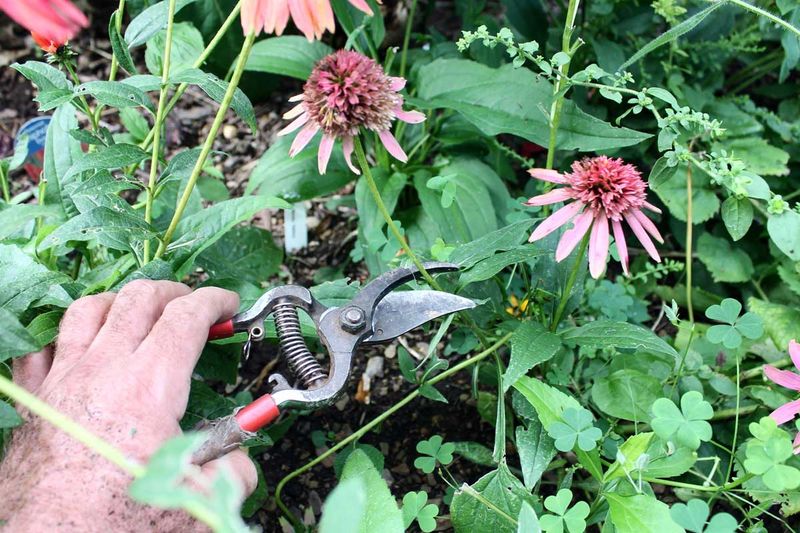
Snipping off faded flowers is like telling the plant to keep the show going. Early in the season, roughly July into August, removing spent blossoms encourages coneflowers to push out fresh blooms and keeps the bed looking tidy.
Technique makes a difference here. Cut the old bloom just above a healthy leaf node or a new side bud rather than leaving a bare stub, and the plant channels its energy right back into flowering.
Keep this to the first half of the season, though. Deadheading nonstop into fall means you rob the birds of the seeds they count on later, so early snipping gives you the best of both looks and longevity without shortchanging your wildlife visitors.
5. Leave The Seed Heads Standing For Goldfinches
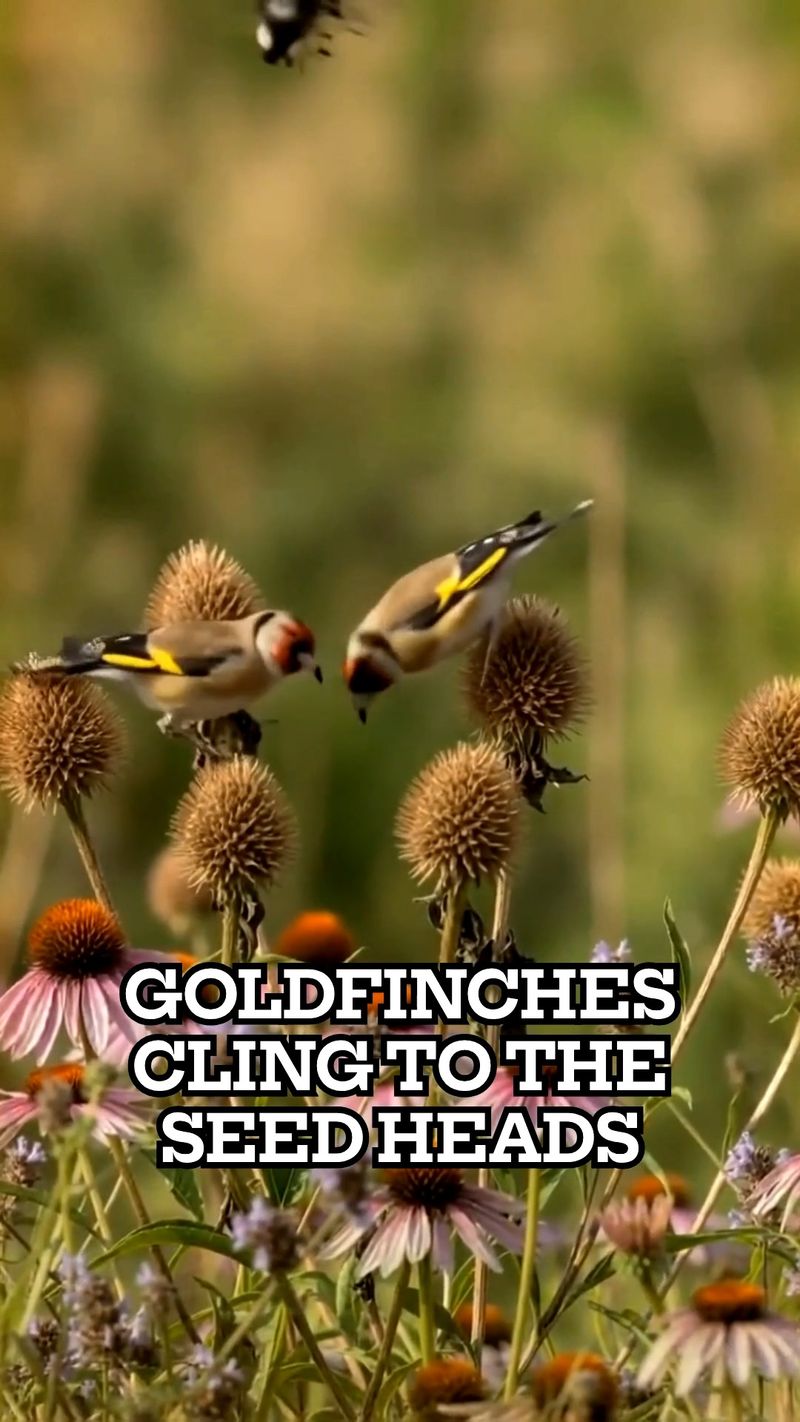
Here is where a little laziness turns into good stewardship. When late summer and fall arrive, stop deadheading and let those spiky seed heads stand tall on the plant.
The payoff is one of the best backyard shows around. Goldfinches, sparrows, chickadees, cardinals, and even blue jays flock to those dried heads to pull out seeds through the cold months when food is scarce across the Piedmont and mountains.
Bright yellow goldfinches clinging to a coneflower stalk on a crisp November morning is the kind of sight that makes a yard feel alive. Skipping this one chore feeds your local birds and lets the plant self-sow a few extras too, so you get more coneflowers for free.
6. Let The Dried Stalks Stand Through Winter
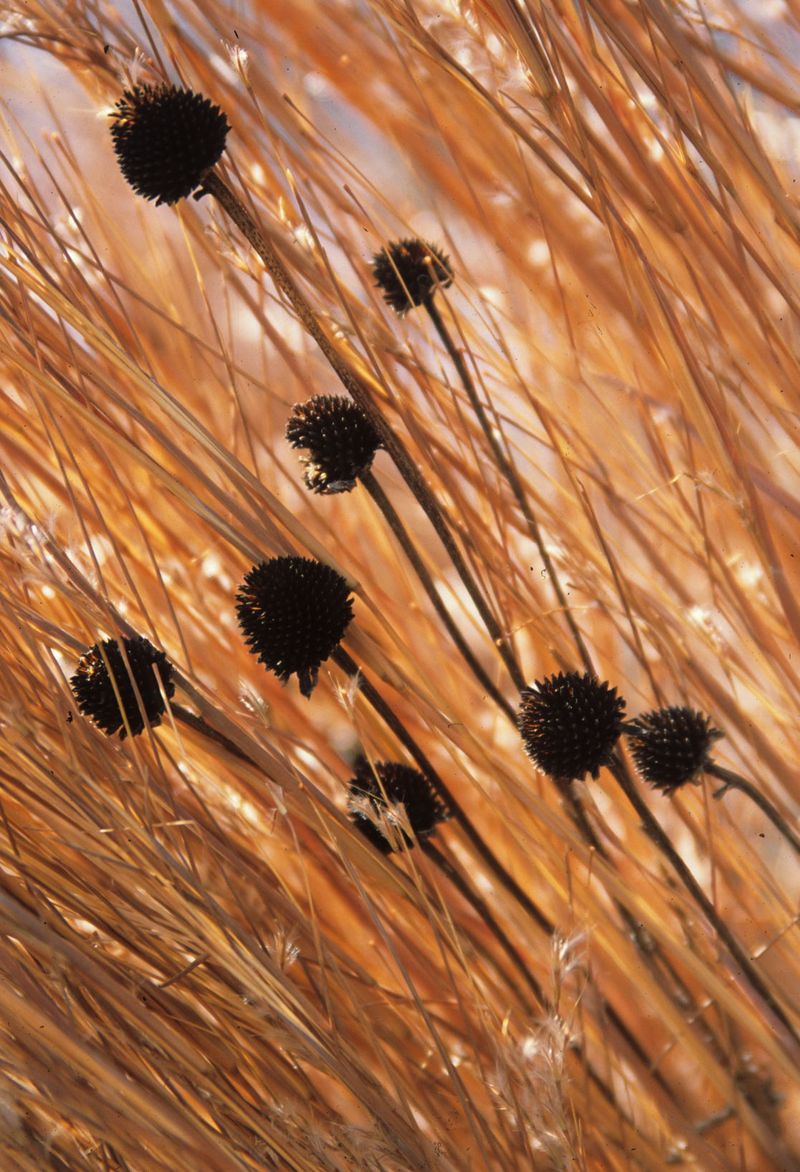
That urge to tidy everything before winter can actually work against your yard’s tiny helpers. Coneflowers naturally go dormant in the cold, and their hollow, faded stems become five-star lodging for beneficial insects.
Native bees in particular may tuck themselves into those standing stalks to overwinter, and other helpful bugs shelter there until spring warms up. Cutting everything to the ground in November erases that habitat right when the insects need it most.
You have options, and both are fine. Some gardeners cut back in late fall, others wait until late winter or early spring before new growth appears.
Leaving the stalks standing gives you birds, bug shelter, and a bit of winter structure in the garden all at once, which is the most wildlife-friendly choice.
7. Use A Light Layer Of Mulch, Not A Blanket
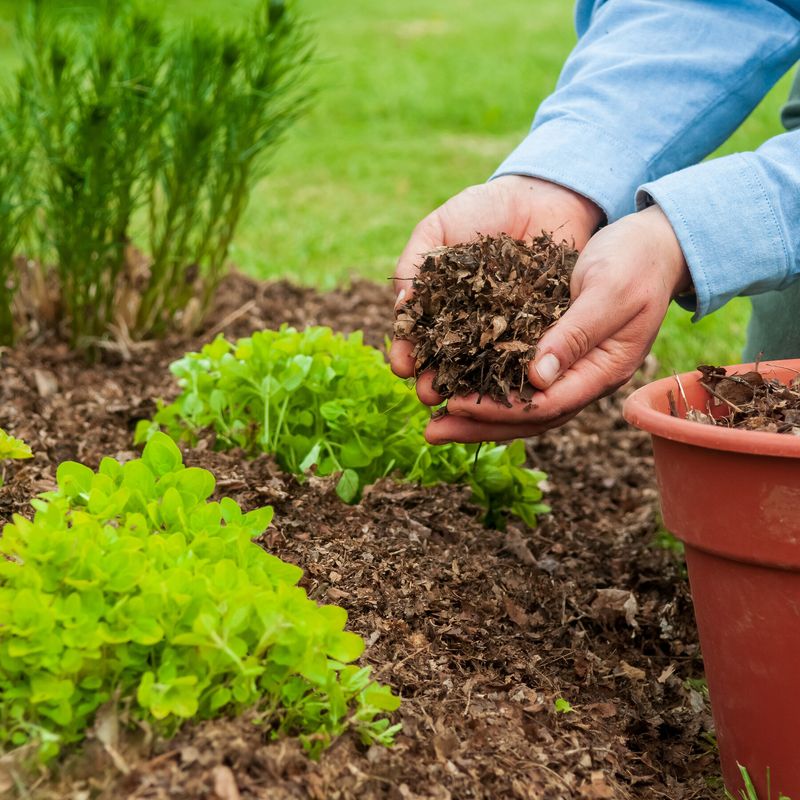
Mulch is helpful, but more is not better with coneflowers. In North Carolina’s milder winters, about two inches around the base is plenty to protect the roots without smothering the crown of the plant.
Pile it too thick and you trap moisture against the stems, which invites rot in our humid climate. A light, breathable layer keeps soil temperatures steadier and holds in just enough moisture during dry spells.
Pull the mulch back an inch or two from the very center of each plant so the crown can breathe. This small adjustment prevents the soggy conditions coneflowers hate and helps them wake up healthy when spring returns to the Coastal Plain and Piedmont.
8. Divide The Clumps Every Three To Five Years
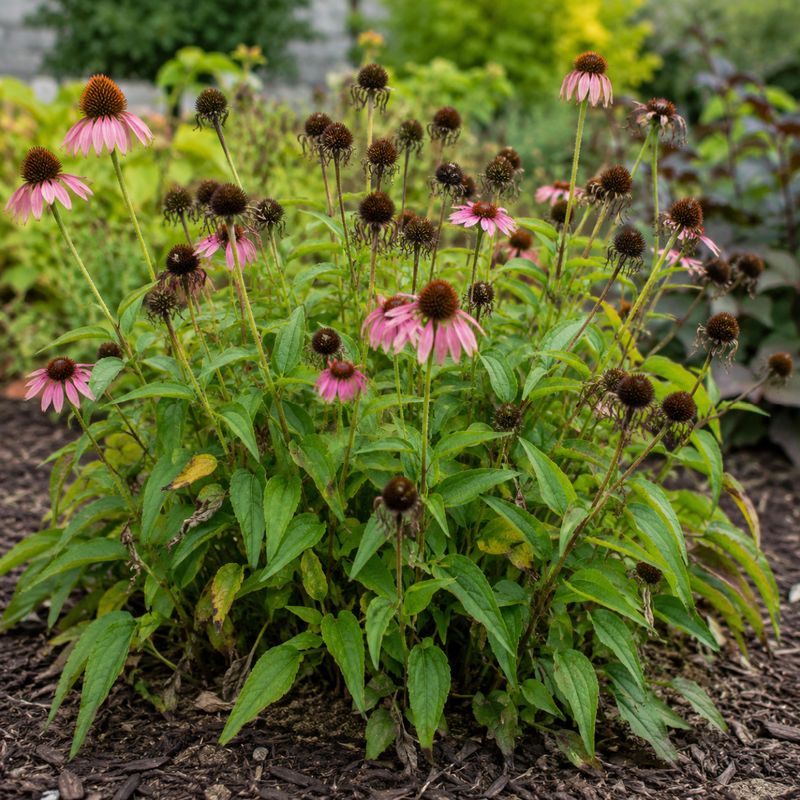
Even the healthiest coneflower patch gets crowded eventually. Every three to five years, the center of an old clump can grow woody and bloom less, which is your cue to divide.
Timing is everything for a clean split. Do it in early spring before new growth begins, or in late fall and winter once the plant is dormant.
Digging up and splitting a coneflower while it is actively flowering stresses it badly, so avoid the summer temptation.
The process is simple. Lift the whole clump, gently tease the rootball apart into sections, and replant each division at the same soil depth it was before, then water well to settle the roots.
You end up rejuvenating tired plants and getting free coneflowers to spread around the yard or share with a neighbor.
9. Skip The Pesticides And Trust The Ecosystem
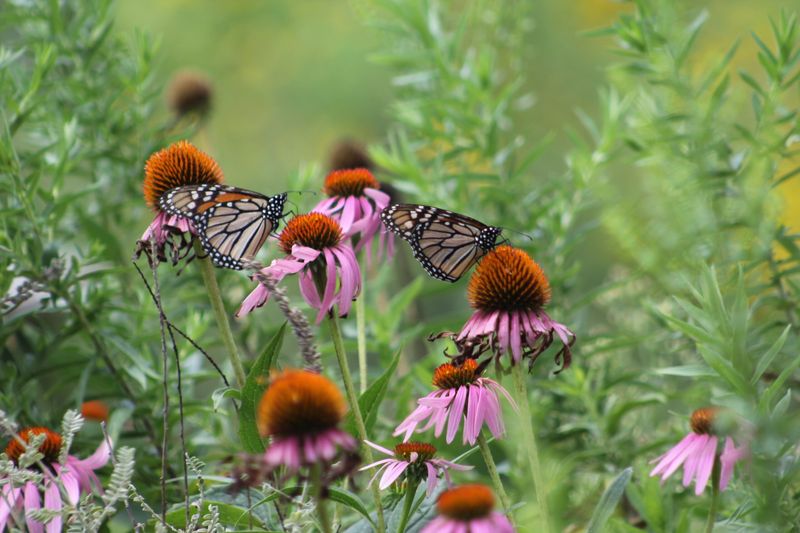
Reaching for a spray bottle at the first sign of a bug can undo all your good work. Coneflowers are tough, and the insects they attract are mostly the ones you want, from native bees to butterflies to predatory bugs that keep pests in check.
Blanket pesticides do not read labels. They harm the pollinators that make your yard hum and can ripple up to the birds and other wildlife that rely on a clean, chemical-free food chain.
Let the garden find its balance instead. A few chewed leaves rarely hurt an established coneflower, and a healthy, spray-free bed becomes a magnet for the box turtles, fireflies, and songbirds that make a North Carolina backyard feel like home.
Being patient here is the habit that ties all the others together.