
The Tree Root Warning Signs North Carolina Homeowners Miss Until The Damage Reaches The Foundation

That big oak shading your North Carolina yard might be quietly drinking the soil out from under your house. Tree roots rarely smash through concrete, but they can dry out our clay soil until the ground shrinks and your foundation shifts.
The early clues are small, easy to shrug off, and usually hiding in plain sight. Here are ten signs to catch now, while the fix is still simple and your trees can stay part of a healthy, wildlife-friendly yard.
1. Hairline Cracks That Keep Growing
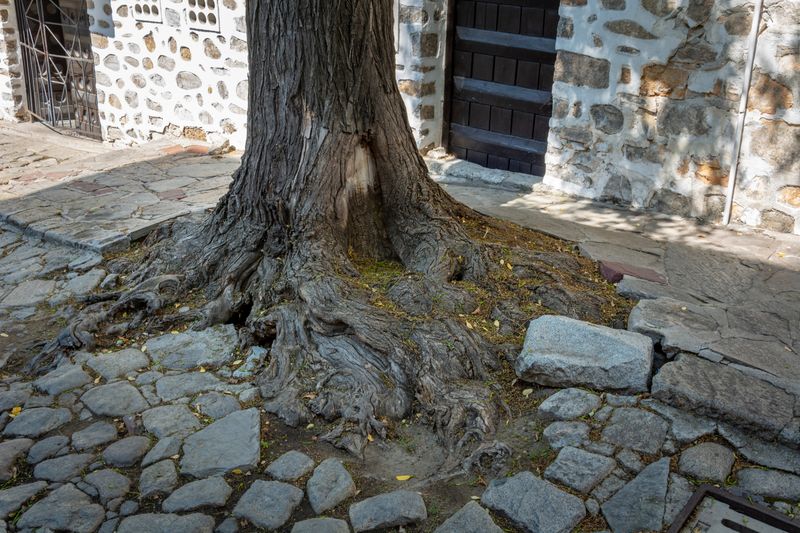
A crack the width of a pencil line seems harmless. Most folks paint over it and forget it.
The trouble is that a crack you can measure today may be twice as wide by next August.
In the Piedmont, red clay swells when wet and shrinks hard during dry spells. A thirsty tree near the house pulls water from one side of the foundation faster than the other, and that uneven drying can pull the footing out of line.
New vertical or diagonal cracks in foundation walls, crawl space blocks, or basement walls are the first real flag.
Try this weekend: put a strip of painter’s tape across the crack and write the date and width on it. Check again after a dry month.
If the gap has widened, call a structural pro before the problem spreads.
2. Stair-Step Cracks in Exterior Brick

Brick tells on a moving foundation better than almost anything else. Those zigzag cracks that climb the mortar joints like a tiny staircase are not just old age.
They mean the wall underneath has shifted.
Walk the outside of your house and pay close attention to the side facing your biggest tree. Oaks, maples, and sweetgums can send roots two to three times as wide as their canopy, so a tree 40 feet away may still be working under that wall.
Fun fact: mortar is designed to be weaker than brick, so it cracks first. That makes it a built-in early warning system, if you know to look.
3. Doors and Windows That Suddenly Stick
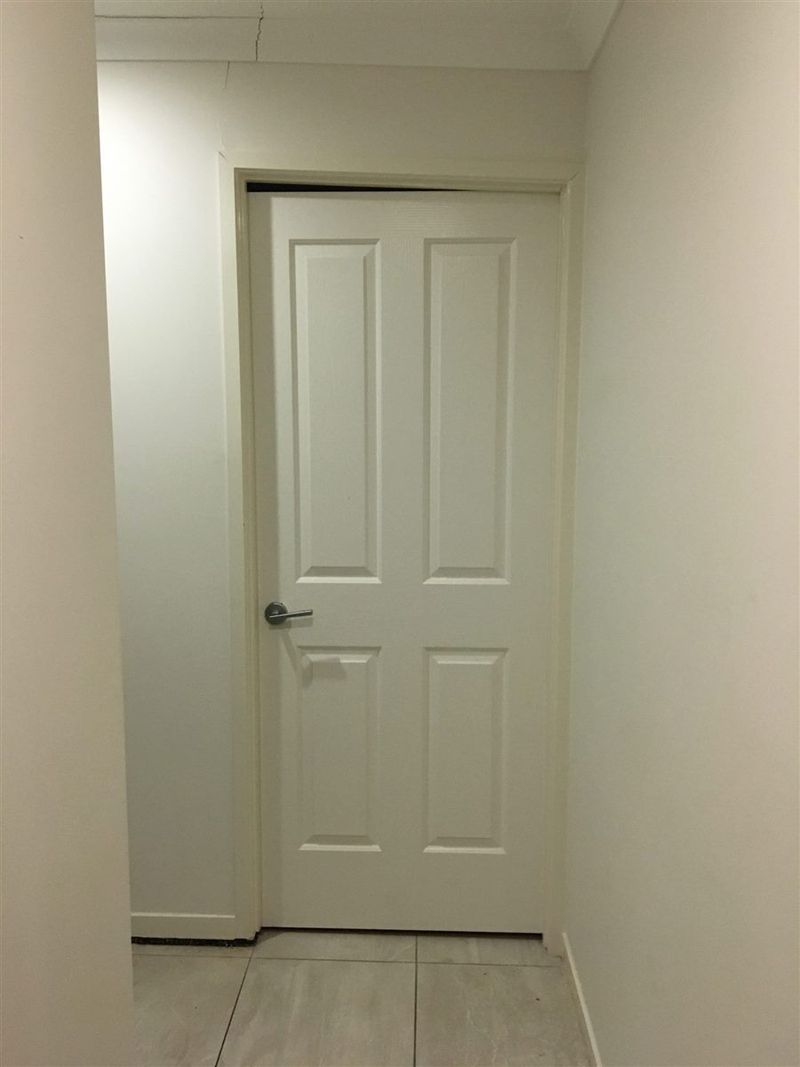
Picture a bedroom door that closed fine for ten years and now scrapes the frame every morning. Humidity gets blamed, and sometimes that is fair in a Carolina summer.
But when the sticking stays through the dry season, look deeper.
As a foundation settles unevenly, door and window frames get pulled out of square. You may notice a wedge-shaped gap at the top of a door, or a window that will not lock anymore.
Note which rooms are affected. If they all line up on the same side of the house, and a large tree stands on that side, you have a strong clue about what is going on below.
4. Floors With a Mystery Slope
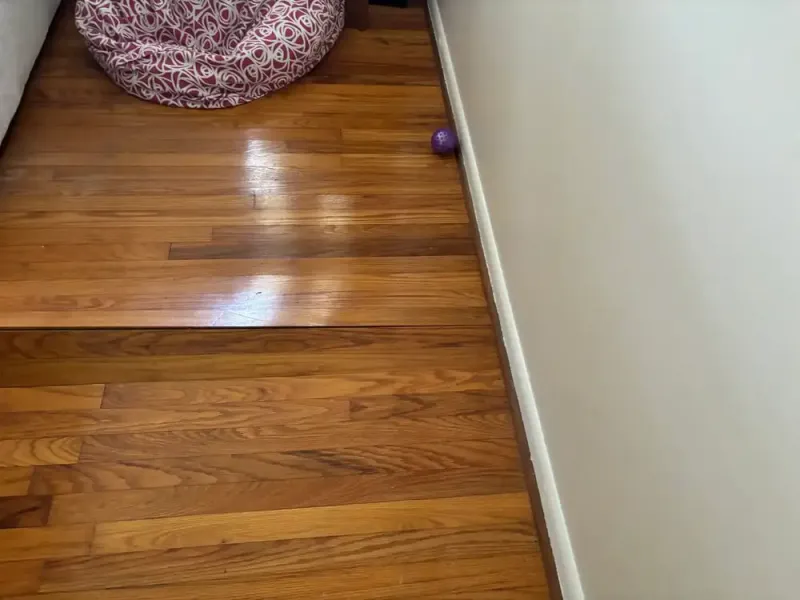
Here is a simple test kids love: set a marble on the floor and watch where it goes. If it rolls steadily toward one wall every time, your floor has a slope.
Gentle dips are common in older homes. A slope that is new or getting worse, though, often points to soil shrinking under part of the house.
In crawl space homes common across North Carolina, that can mean piers settling as roots dry the clay around them.
Feel for soft spots or bouncy areas too. A four-foot level costs little and gives you a clear answer in minutes.
5. Lifted Sidewalks, Patios, and Driveways
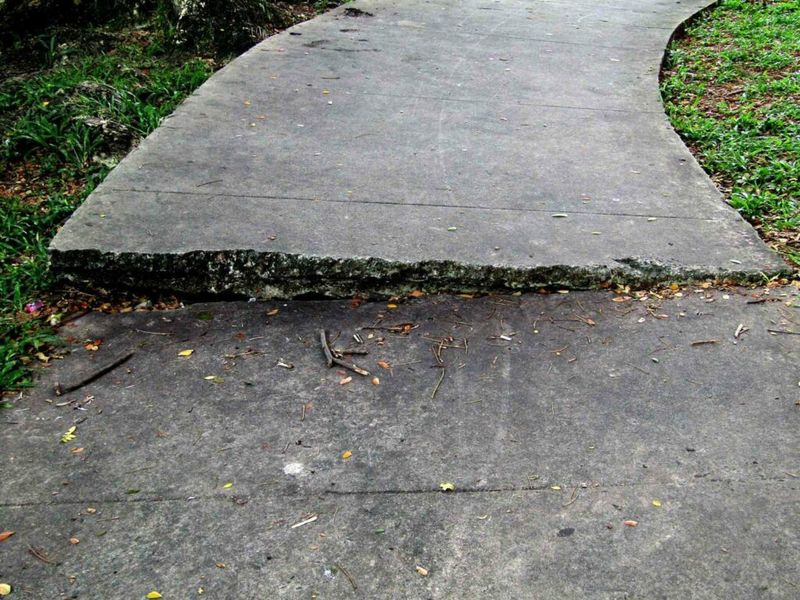
Your driveway is a preview of coming attractions. When a slab tilts up near a big tree, roots are growing right under it, and that same tree has roots heading in other directions too.
Large shade trees can heave concrete within about 10 feet of the trunk. In compacted suburban soil, roots stay shallow because that is where the air and water are, so hardscape takes the hit first.
Do not just grind down the trip hazard and move on. Ask yourself how close that tree is to the house.
If the driveway is lifting and the house is nearby, get the tree and foundation looked at together.
6. Slow Drains and Repeat Sewer Backups
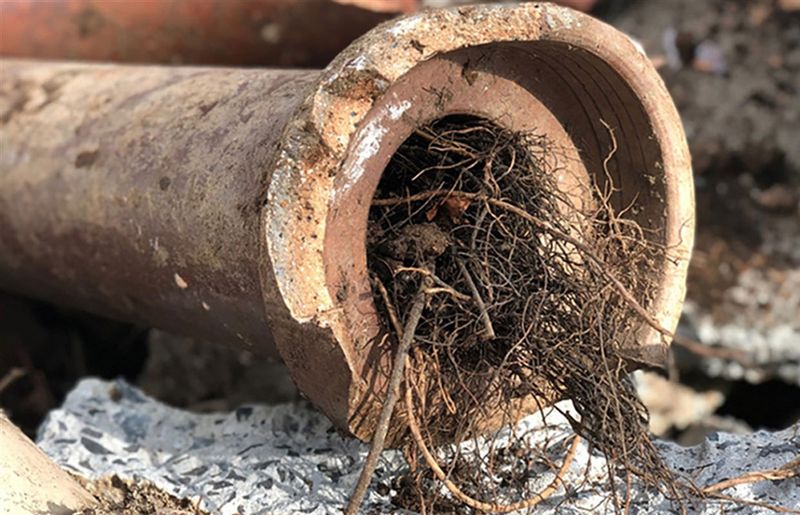
Nobody connects a gurgling toilet to the maple out front. Plumbers do, all the time.
Roots are drawn to moisture, and a sewer line with a tiny leak is basically a water fountain underground. Once roots slip into a joint, they grow and swell, cracking the pipe.
Leaking water then softens soil near the foundation, which creates a whole new problem.
Watch for drains that clog again soon after being cleared, or soggy spots in the yard on a dry day. A camera inspection is inexpensive compared to digging up a broken line.
7. Soil Pulling Away From the House
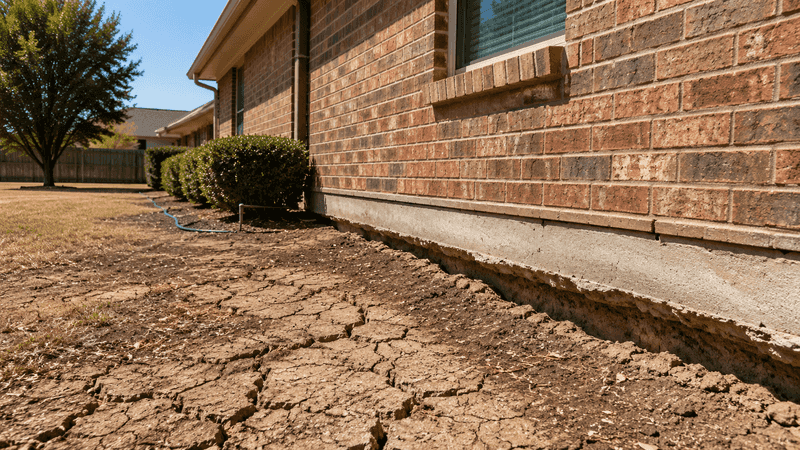
During a long August dry spell, take a stroll along your foundation. See a gap opening between the dirt and the wall?
That is clay shrinking, and nearby roots may be speeding it along.
Repeated dampness along just one wall during rainy months is the flip side of the same coin. The soil keeps swinging wet to dry, and the foundation rides along.
A good steward move: water trees deeply but less often, and spread 2 to 3 inches of mulch over their root zone, never piled against the trunk. Steady soil moisture can reduce roots’ hunt for water near your house, and leaf litter beds also give box turtles and firefly larvae a cool place to hide.
8. Trouble Signs on the Tree Itself
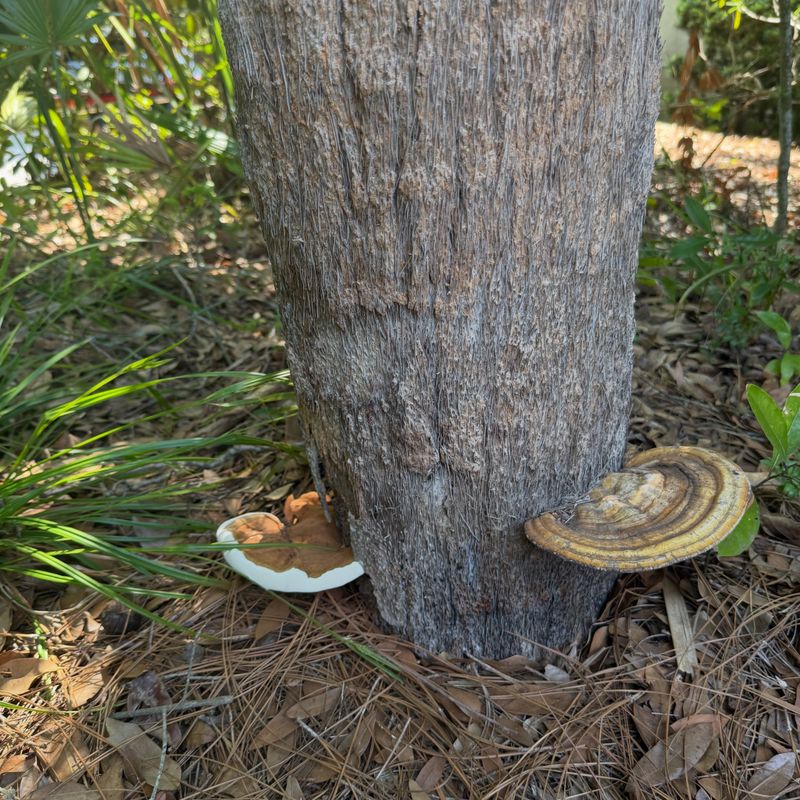
Sometimes the tree is the one waving a red flag. Mushrooms at the base, soil cracking or heaving near the trunk, or a canopy that thins and yellows from the top down can all mean the root system is stressed.
A struggling root system may spread more aggressively looking for water, or it may weaken and leave the tree at risk of falling during a hurricane remnant. Neither is good news for a house nearby.
Bring in an ISA certified arborist. They can judge if the tree can be saved and protect the creatures that use it, like nesting songbirds and the bats that roost under loose bark on summer evenings.
9. A Problem Tree Planted Too Close

Some trees practically come with a foundation repair bill. Silver maple, willow, poplar, and cottonwood are famous for greedy roots.
Mimosa and privet add a second strike, since both are invasives crowding out NC natives.
A handy rule: plant a tree as far from the house as it will grow tall, and add 5 to 10 feet in our clay. Small ornamentals need roughly 8 to 15 feet, and big shade trees 25 to 50 feet or more.
If a mimosa is hugging your wall, removal is a win twice over. Swap it for an Eastern Redbud, which feeds early bees, or a Serviceberry whose berries draw cedar waxwings and bluebirds.
10. Visible Roots Creeping Toward the Foundation
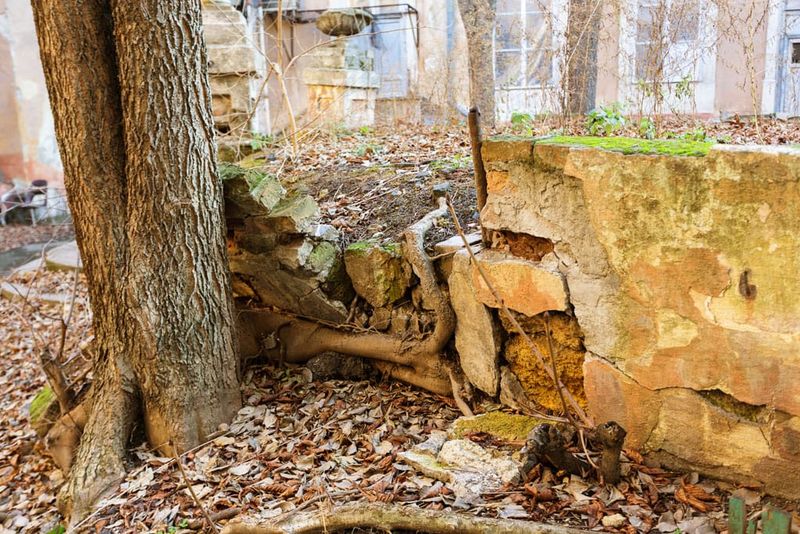
Roots snaking across the lawn toward your wall are not proof of damage, but they are an invitation to pay attention. Where you see one, dozens more are hidden.
For younger trees, a vertical root barrier set 18 to 24 inches deep can steer growth away from the house. Mature trees are trickier.
Root pruning should go to an arborist, since cutting more than about 20 percent of roots in one season can kill the tree.
Crawl space encapsulation can also help steady moisture under the home. The goal is balance: a sound foundation and a shady yard full of goldfinches, fireflies, and native trees like Black Gum and American Hornbeam that behave themselves underground.