
These 13 Perennials Start Out Small But Come Back Bigger And Showier Every Single Year
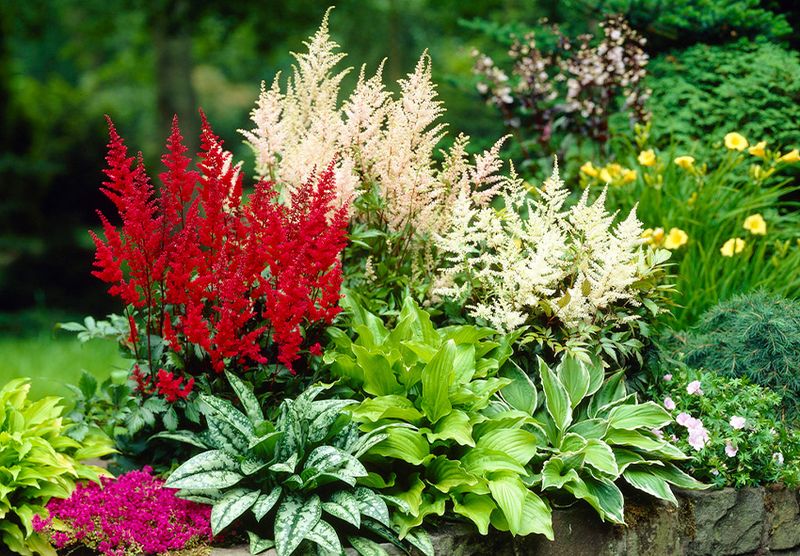
That tiny plant you tucked into the ground last spring might look a little sad right now, but don’t give up on it yet. Many perennials spend their first year building roots underground before they ever show off above it.
Gardeners have an old saying for this: first year sleeps, second year creeps, third year leaps. Here are 13 plants that reward a little patience with more stems, more flowers, and more wow every year.
1. Hydrangea
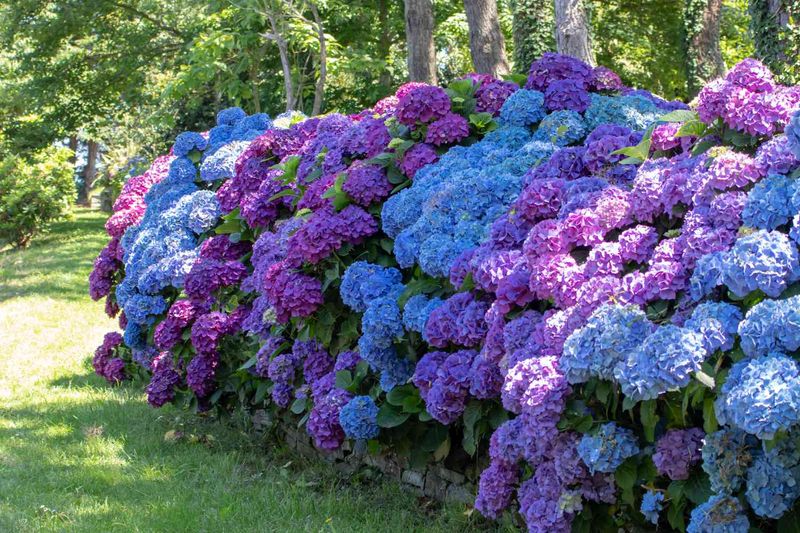
Plenty of gardeners panic when a new hydrangea gives them three flowers and a lot of leaves. Relax.
Your shrub is busy settling in, and by year three it can turn into a wall of blooms.
Panicle types bloom on new growth every summer, so a late winter or early spring trim can push out stronger stems and bigger flower heads. Reblooming kinds like ‘Endless Summer’ flower on both old and new wood.
Skip heavy pruning after August 1st so you don’t cut off next year’s buds.
One common mistake is feeding too much. Extra fertilizer can give you giant leaves and very few flowers, so go easy and let the roots do the work.
2. Clematis
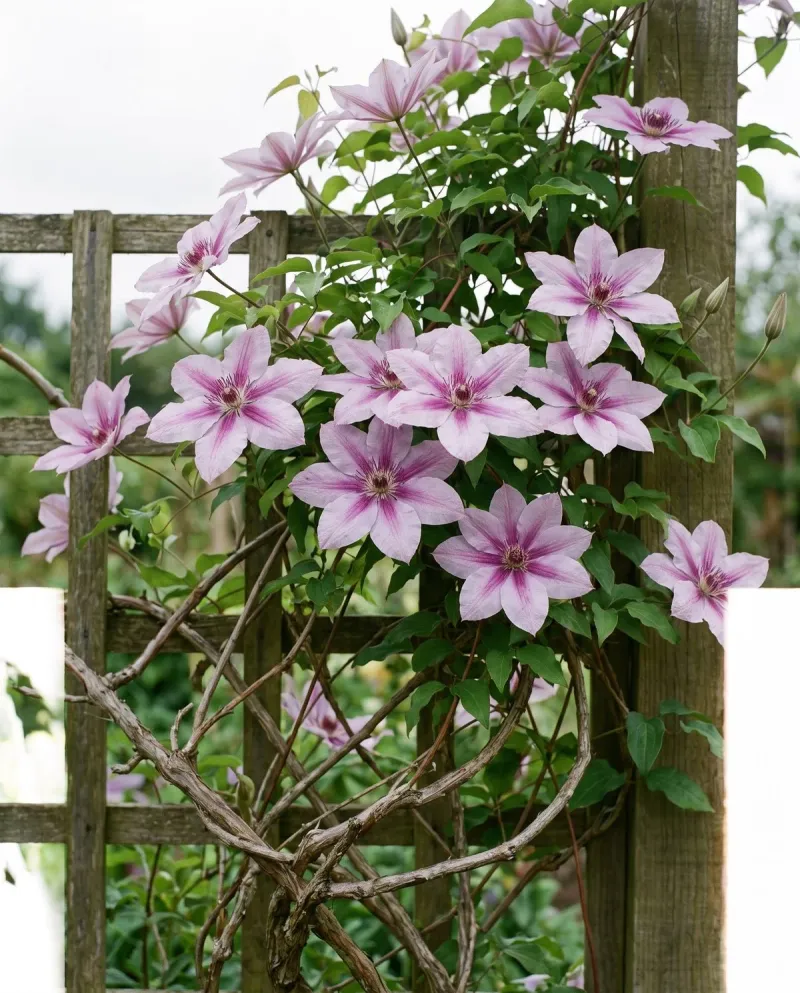
They call it the Queen of Climbers, but in year one your clematis may act more like a shy princess. A couple of thin stems and a flower or two is totally normal.
The roots come first.
Once established, many large-flowered varieties stretch 8 to 12 feet, with blooms anywhere from 4 to 10 inches across. That’s the leap year everyone waits for.
Help it along by keeping the roots cool. Plant a low groundcover or short perennial around the base, water during dry spells, and use a low-nitrogen fertilizer.
Too much nitrogen means lots of vine and not many flowers.
3. Perennial Geranium (Cranesbill)
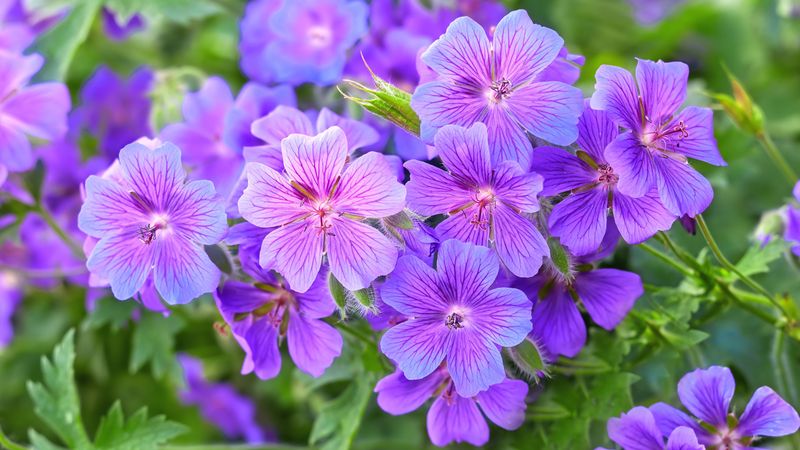
Don’t confuse these with the potted geraniums on your porch. Hardy cranesbills come back every year, and each spring the mound gets wider and the flowers thicker.
Many barely grow the season you plant them, which worries folks. By the next spring, they usually catch up fast.
Want more flowers? Deadhead spent blooms and give a flower fertilizer in spring.
Plant in full to part sun with soil that drains well. Once roots run deep, they shrug off dry spells better than most of your bed.
4. Hollyhock
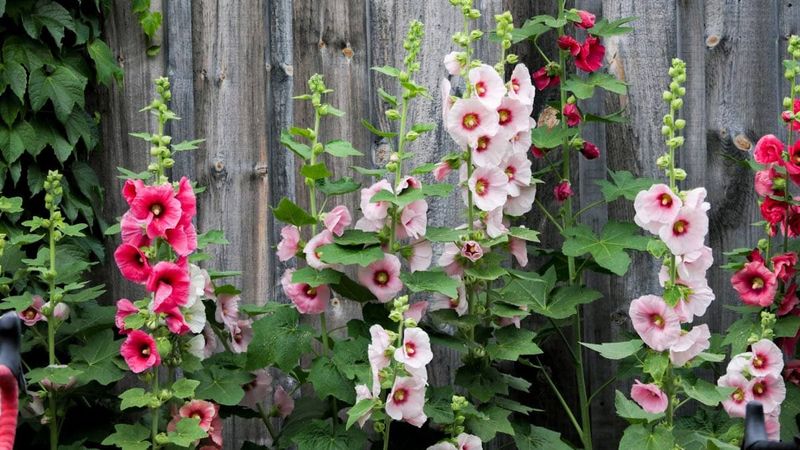
Grandma’s hollyhocks along the garage were never really the same plants each year. Classic hollyhocks are often biennials, but they drop so many seeds that new plants pop up every season.
The result is a clump that seems to grow bigger and bolder over time. Stalks typically reach 3 to 8 feet, lined with big cup-shaped blooms.
Getting the basics right matters. Give them at least 6 hours of sun and rich soil that drains well but holds some moisture.
Prefer flowers in year one? Look for newer true perennial varieties.
5. Hosta
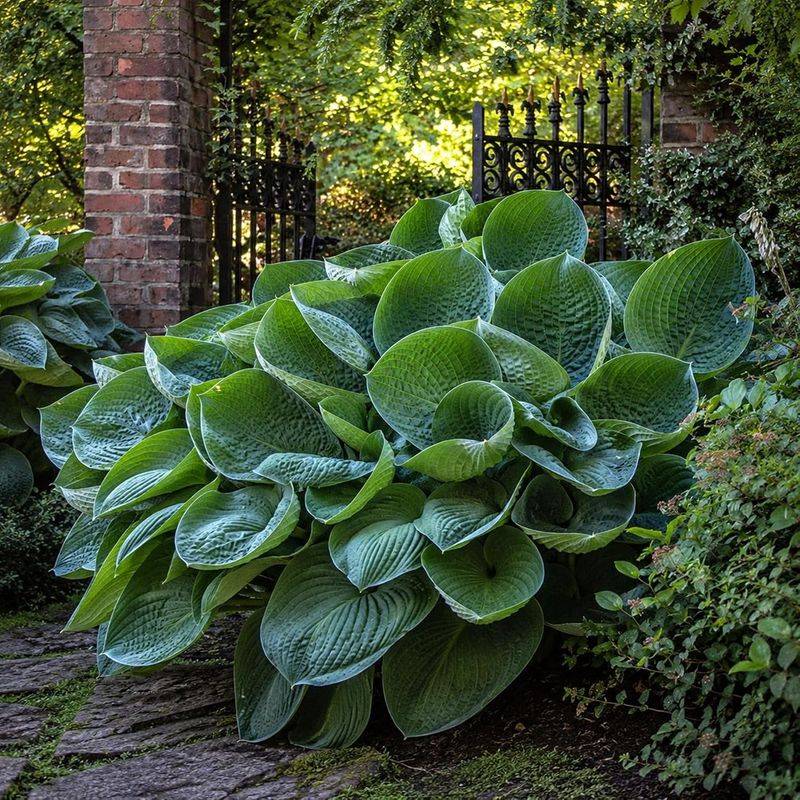
Patience is the price of admission, and hostas pay it back for decades. A plant can thrive for 20 to 30 years or more, getting wider every season.
That little nursery pot with five leaves can become a clump big enough to hide a lawn chair. Giant varieties such as ‘Empress Wu’ are famous for their spread.
Hostas are grown mostly for leaves, so they’re a lifesaver in shady spots where flowering plants sulk. If yours looks small, give it time and steady water before blaming yourself.
6. Daylily
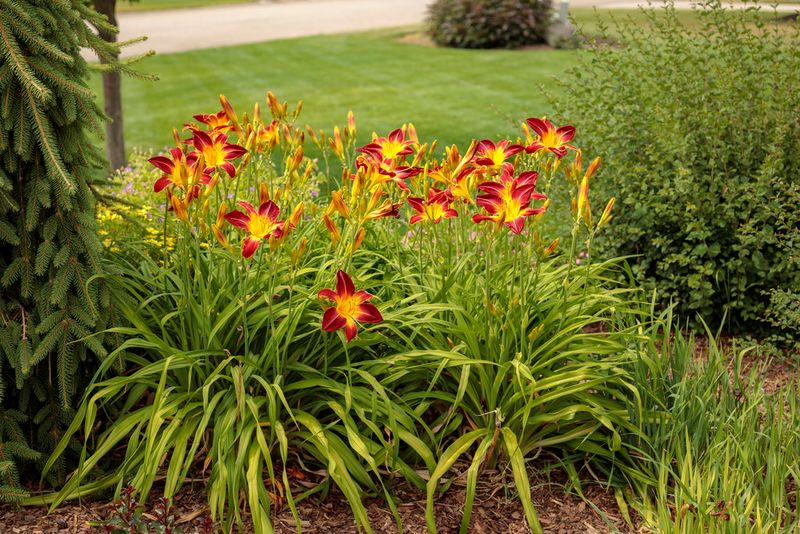
Ever notice daylilies growing beside old farmhouses nobody has tended in years? That’s how tough they are.
Each year the clump fills out with more fans of leaves and more flower stalks. Plants often live past 20 years, blooming from late spring through summer in sunny spots.
Each flower lasts just one day, but a mature clump sends up so many buds you’ll hardly notice. When the center gets crowded, dig and split it, and you’ve got free plants.
7. Daffodil
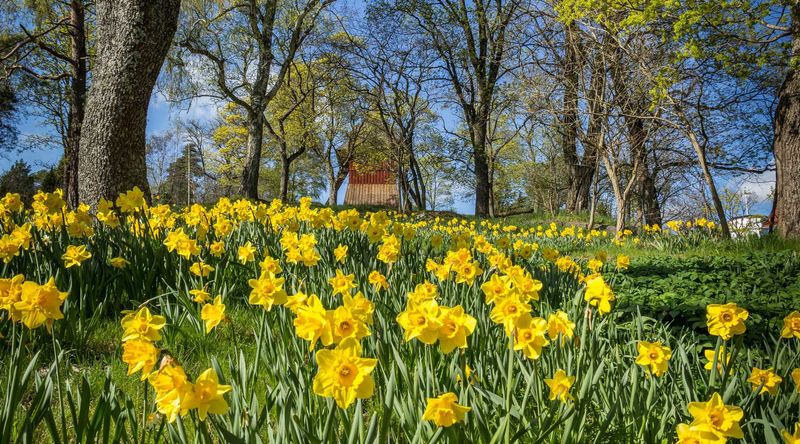
Plant ten bulbs this fall and, a few springs later, you might count thirty. Daffodils multiply underground, slowly turning a small group into a golden drift.
Unlike some spring bulbs that fade after a year or two, daffodils can return almost forever when conditions suit them. They often look better with age.
The trick is leaving the leaves alone after blooming until they yellow. Those leaves feed next year’s flowers, so resist the urge to tidy up early.
8. Peony
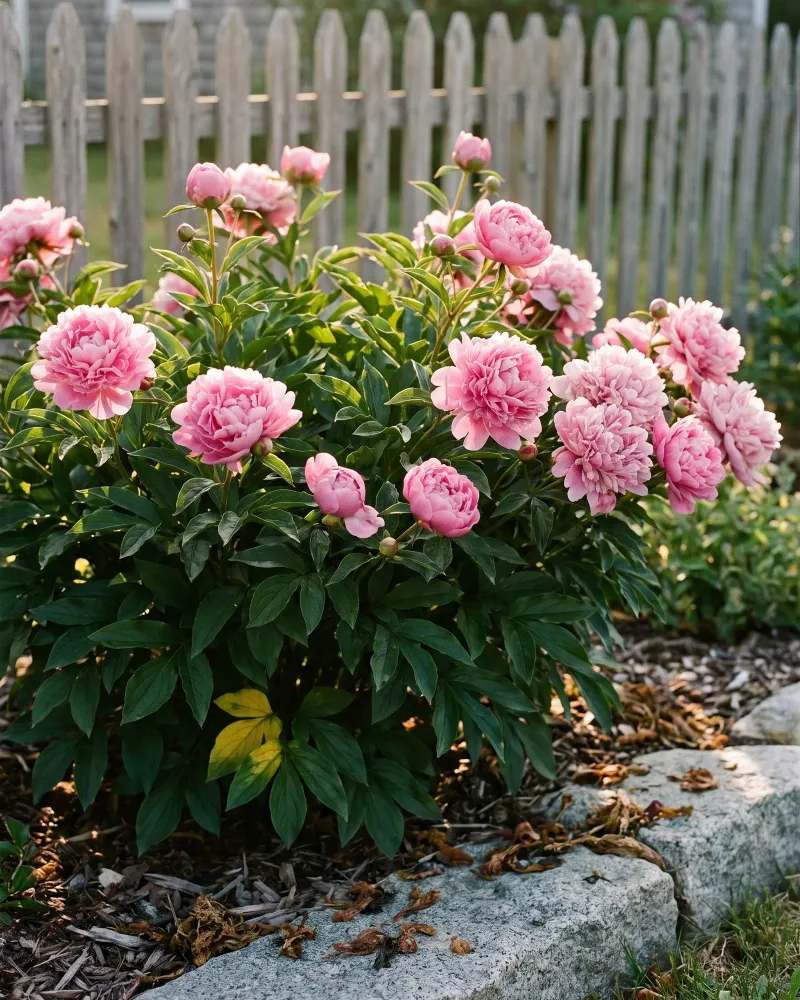
Some peonies have outlived the people who planted them. Plants thriving 50 to 60 years or more aren’t unusual.
Here’s the frustrating part: a young peony may skip blooming for a year or two. That doesn’t mean it’s dying.
It’s putting energy into roots, and each season afterward brings more and fuller blooms.
If yours never flowers, check the planting depth. Buds set too deep often refuse to bloom, so the eyes should sit just under the soil surface.
9. Perennial Salvia
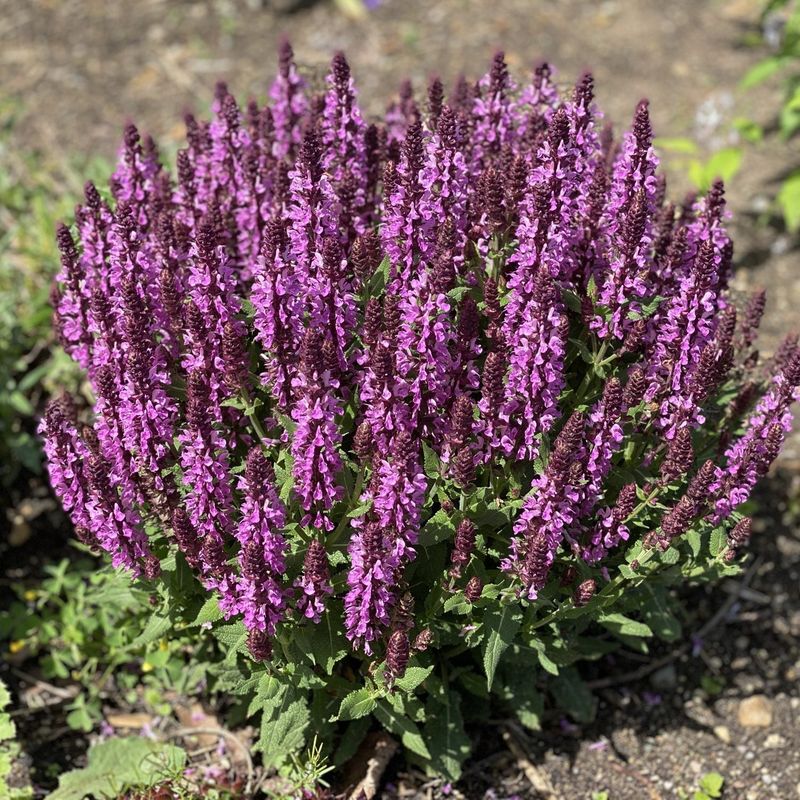
Bees will find your salvia before you finish watering it. These upright spikes grow larger quickly and keep flowering in waves from late spring to fall.
Here’s a trick that pays off: once the first flush fades, cut the plant back. It usually responds with a fresh, full second show.
Salvia handles heat well, making it a smart swap for petunias that fry in hot afternoon spots.
10. Catmint
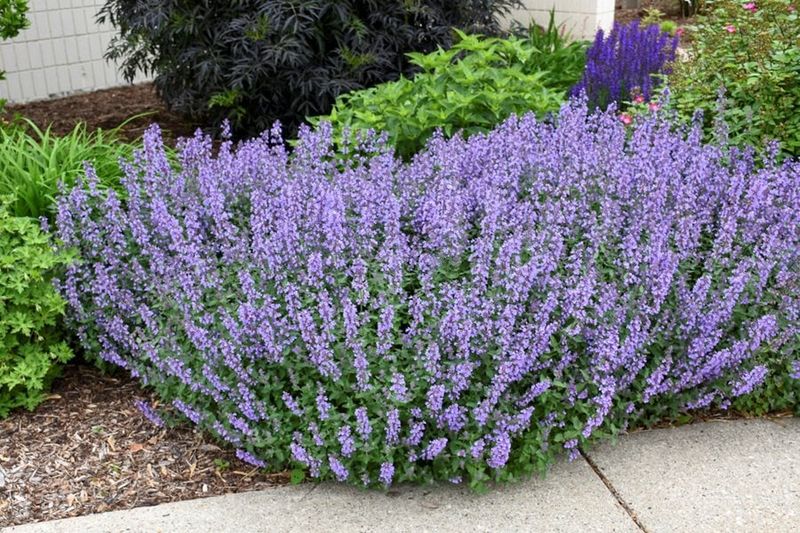
Your cat may roll in it, and honestly, who can blame them? Catmint forms a soft clump that widens a little more every year.
Blue flowers cover it for nearly two months in late spring and early summer. Shear it back afterward, and it often reblooms until frost.
Dry, sunny, neglected corner? Catmint thrives there.
It asks for very little water once settled.
11. Black-Eyed Susan
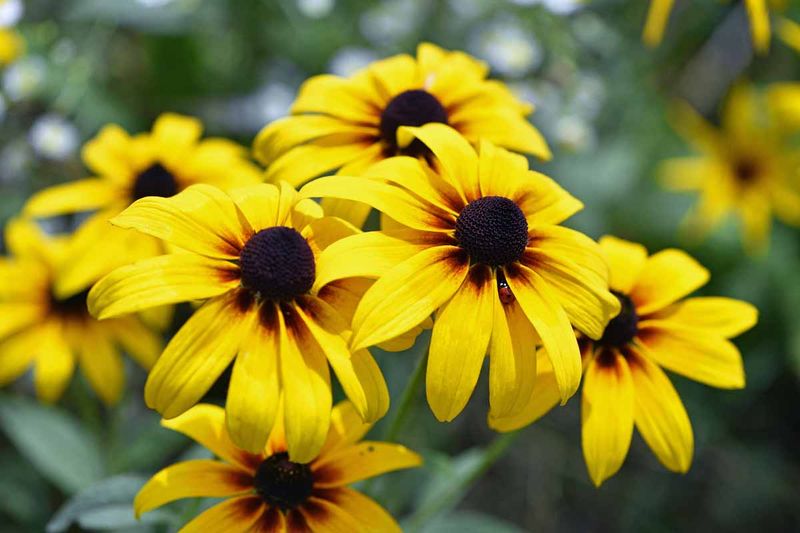
Cheerful and stubborn in the best way, black-eyed Susans come back with almost no fuss. Their golden blooms show up from midsummer into fall.
A clump that started as one plant can fill a whole sunny patch within a few seasons. They handle heat, humidity, and poor soil that would stress fussier flowers.
After the first year, they need little extra watering. Leave some seed heads in fall, and the birds will thank you.
12. Astilbe
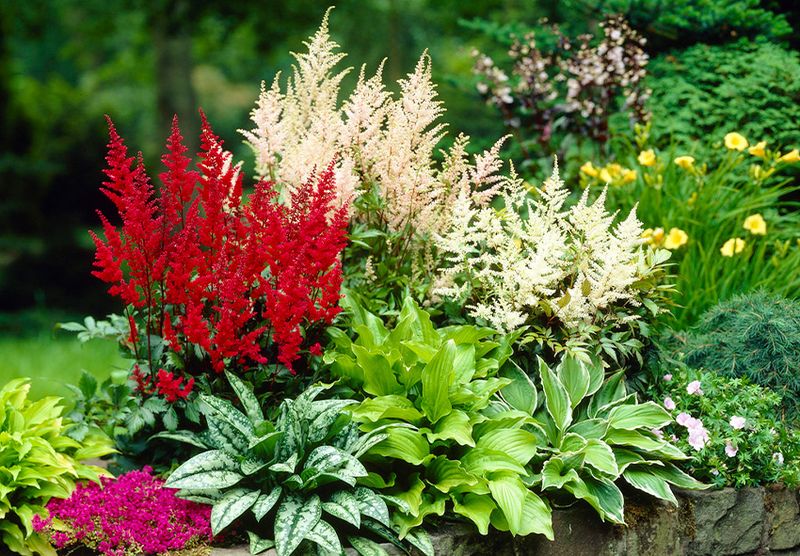
Shade gardens don’t have to be all green. Astilbe sends up feathery plumes in pink, red, and white each summer.
Clumps grow from 1 to 4 feet tall and wide as they mature. Expect a bigger, fuller plant each season if the soil stays moist.
Crispy brown leaves usually mean thirst, not disease. Mulch well and water during dry stretches to keep it happy.
13. Coreopsis
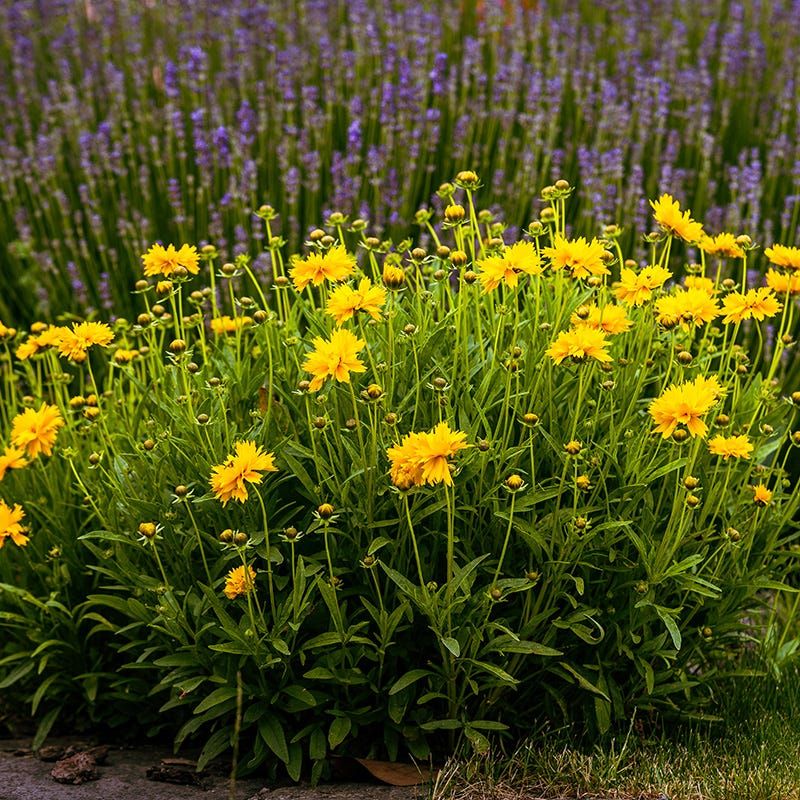
Hot spot killing your petunias? Coreopsis may be the swap you need.
It laughs off heat and drought once its roots settle.
Many perennial types bloom for months with little care, and the clump fills in more each year. Snip faded flowers now and then to keep new buds coming.
It does well in warm climates across much of the US, giving you sunny color right when other plants wilt.