
These 15 Garden Hacks Your Grandmother Swore By Still Work Better Than Anything You’ll Buy This Fall
Your grandmother never bought a fancy spray for her hydrangeas, yet her yard looked amazing every year. She used what she had: coffee grounds, eggshells, old newspapers, and a good sense of timing.
Many of those old tricks still beat the pricey bottles lining store shelves this fall. Here are 15 of them, with simple fixes you can try this weekend to keep your tomatoes, geraniums, petunias, and clematis happy.
1. Newspaper Under the Mulch
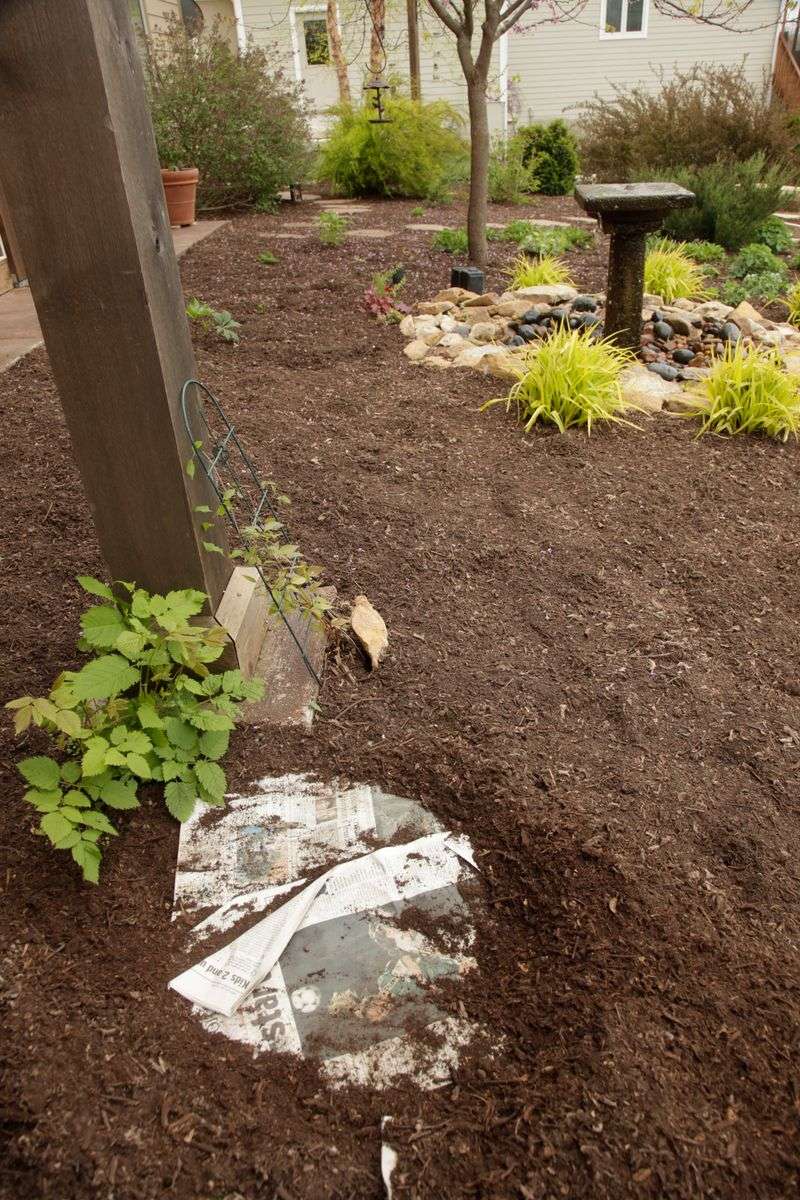
Grandma read the paper every morning, and by afternoon it was smothering weeds in her flower beds. Nothing went to waste in her house, and the garden was where old news went to work.
Lay four to six sheets of plain black-and-white newsprint over bare soil, wet it down so it stays put, then cover it with two or three inches of mulch. Weed seeds can’t get the light they need to sprout, and the paper slowly breaks down into the soil by spring.
Skip glossy ad inserts, since the coating doesn’t rot well.
Fall is the ideal time to do this around your hydrangeas and perennials. Strips of newspaper wrapped loosely around young tomato or pepper stems in spring may also help deter cutworms from chewing through them at the soil line.
2. Coffee Grounds for Hydrangeas
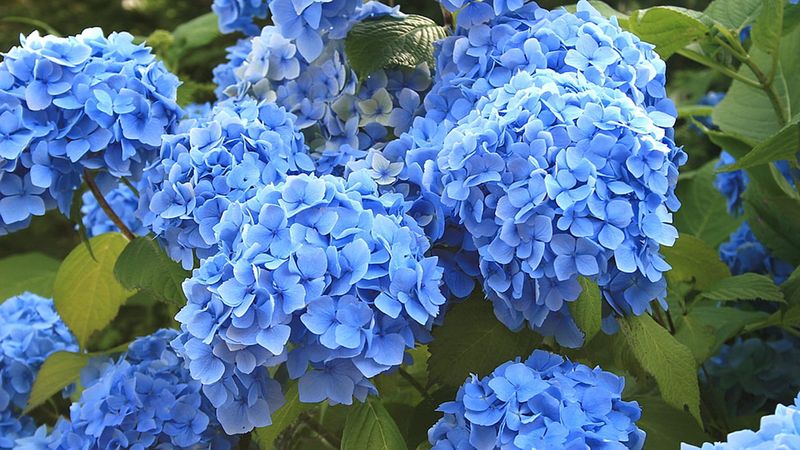
Picture a chipped enamel percolator on the back porch and a trail of grounds leading straight to the hydrangea bush. Grandma believed her morning coffee was the secret to those big blue blooms, and she wasn’t totally wrong.
Used coffee grounds are only mildly acidic, so they won’t flip pink flowers to blue overnight. What they can do is add a little organic matter and a small dose of nitrogen as they break down, which may help leaves stay a deeper green.
The catch is moderation. Scatter a thin layer, about a quarter inch, and scratch it into the top of the soil or mix it into compost first.
Thick piles can form a crust that blocks water, which is the last thing a thirsty hydrangea needs. Roses and blueberries enjoy the same light treatment.
3. Banana Peels for Tomatoes and Geraniums
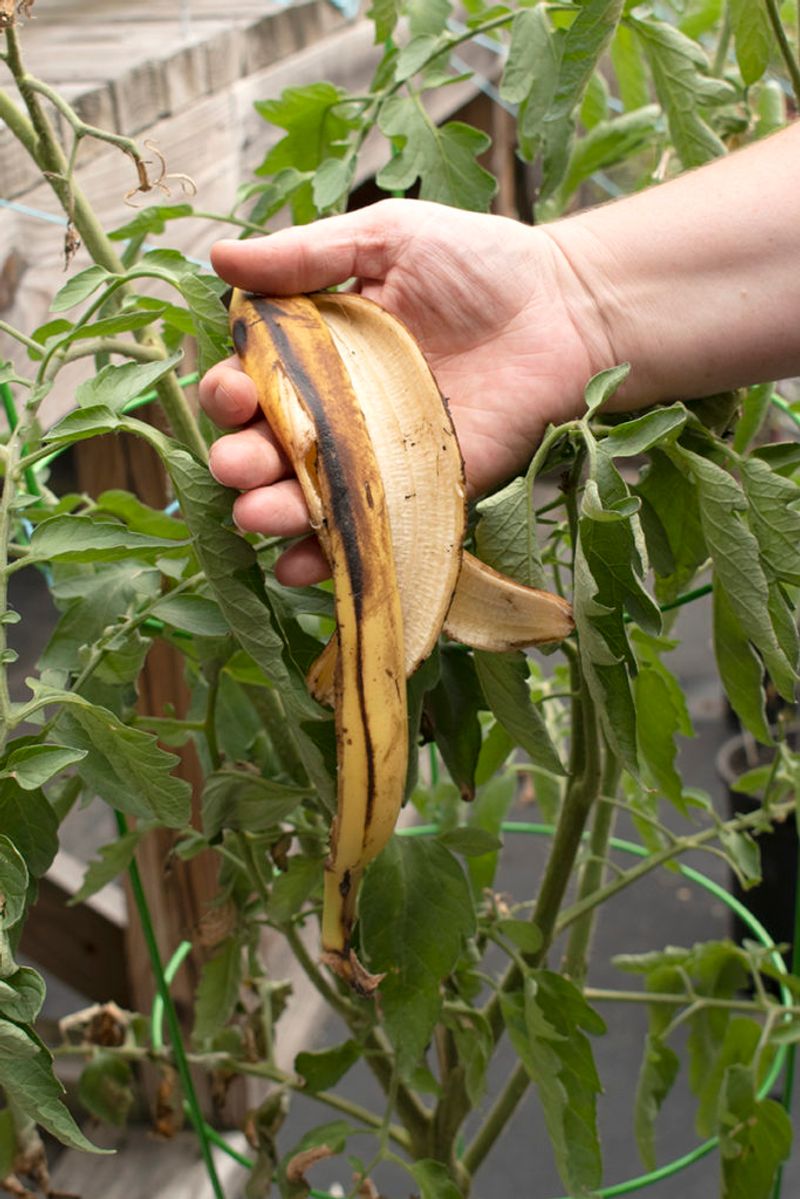
Bananas were a treat in Grandma’s day, so the peels got a second job. She tucked them into the dirt beside her tomatoes and swore the fruit came in sweeter.
Here’s the honest version. Banana peels contain potassium, a nutrient plants use for flowers and fruit, and they release it slowly as they rot.
They won’t replace a balanced fertilizer, but they’re a free little bonus.
Chop peels into small pieces and bury them a few inches deep, a few inches away from the stem. Whole peels left on top just attract fruit flies and critters.
Potted geraniums can get a few buried bits too, and in fall the peels are a smart addition to beds you’re prepping for next year.
4. Crushed Eggshells
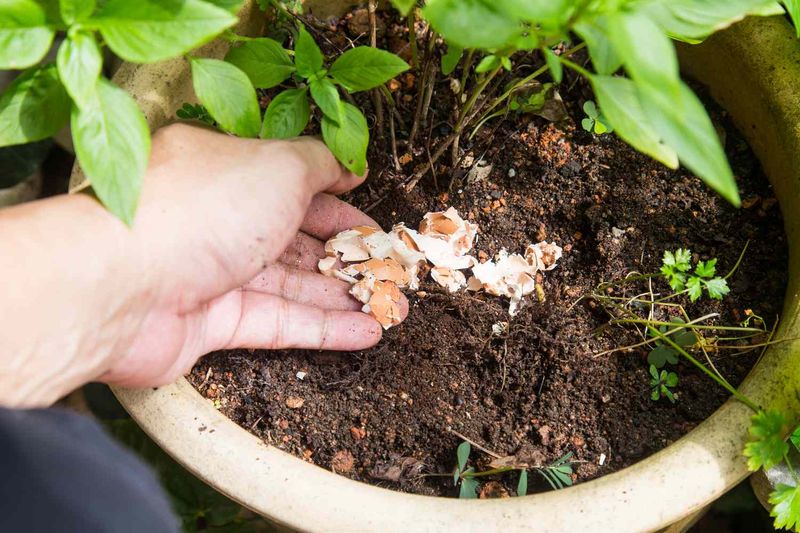
Every carton of eggs in Grandma’s kitchen ended up in two places: the frying pan and the windowsill, where the shells dried out until she had enough to crush. It looked a little odd.
It also made sense.
Eggshells are mostly calcium carbonate, and when ground finely and worked into soil, they add calcium over a long stretch of time. That’s why gardeners link them with tomatoes and blossom end rot.
Truthfully, end rot usually comes from uneven watering, so steady moisture matters more than shells alone.
A ring of sharp, roughly crushed shells around tender plants may help discourage slugs and snails, though results vary. Rinse shells, let them dry, crush them, and save a jar through winter so it’s ready for spring planting.
5. Dish Soap Spray for Aphids
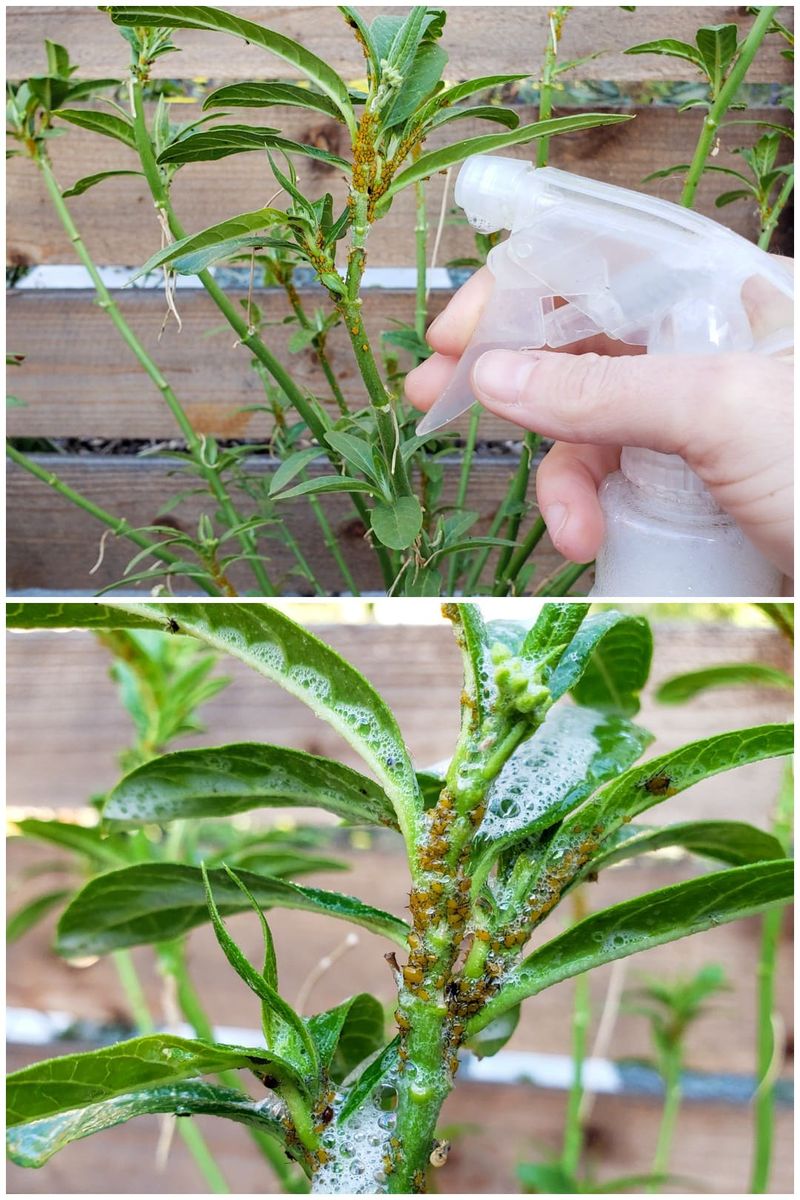
“Wash them off,” Grandma would say, as if aphids were just dirt on the dishes. And honestly, that’s close to how it works.
Mix about one teaspoon of mild liquid dish soap into a quart of water and spray it right on the clusters of soft green or black bugs. The soap breaks down their soft bodies.
It only works on contact, so hit the undersides of leaves and the tips of new growth where they hide.
Test a small patch first and wait a day, because some plants are sensitive. Spray in the cool of morning or evening, never in hot sun, and rinse with plain water after a few hours.
Skip degreasers and anything with bleach. Roses, mums, and nasturtiums are common aphid magnets this time of year.
6. Beer Traps for Slugs
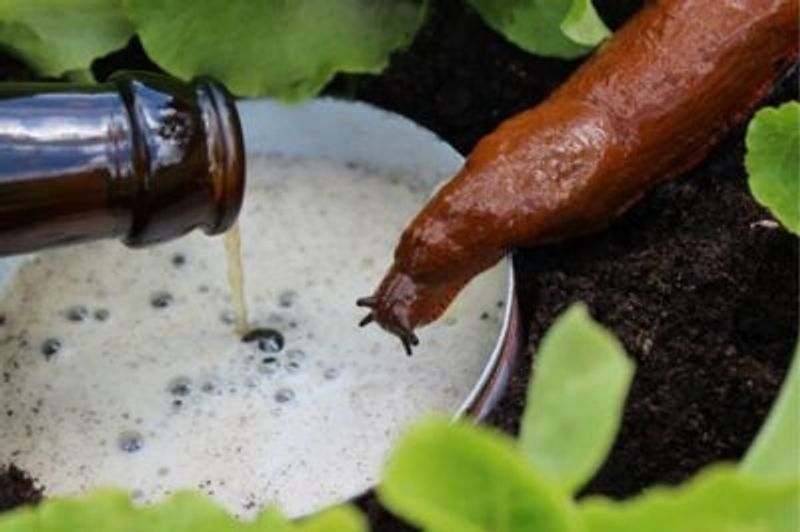
Grandpa’s leftover beer never went down the drain. It went into a tuna can in the petunia bed, and by morning it was full of slugs.
Slugs love the yeasty smell. Sink a shallow container so the rim sits just above the soil line, fill it halfway with cheap beer, and check it each morning.
They crawl in and can’t get out. Refresh it every few days or after rain.
If your petunias, hostas, or lettuce suddenly show ragged holes and silvery slime trails, slugs are the likely culprit. Cool, damp fall nights bring them out in force, so a few traps now may cut down on the population that sticks around to lay eggs.
7. Deadheading Geraniums and Petunias
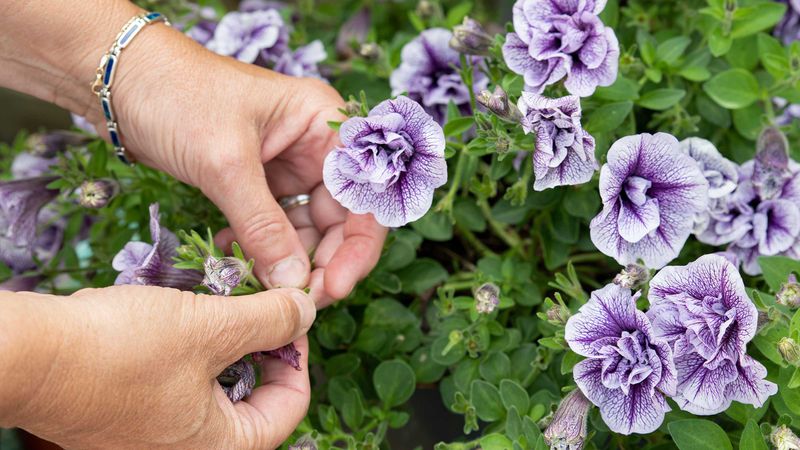
Grandma had a habit of strolling the porch with her coffee, pinching off faded flowers as she went. She called it tidying.
Plant experts call it deadheading, and it is the single best way to keep blooms coming into fall.
Once a flower fades, the plant starts putting energy into seeds. Snap off the spent bloom and the plant tries again with new buds instead.
On geraniums, follow the flower stalk down to where it meets the main stem and snap it off there. Petunias that look leggy and tired can be cut back by about a third, and they’ll often push out a fresh round.
Leave the last hydrangea blooms in fall, though, because many types set next year’s buds on old wood.
8. Stakes and Twine for Tomatoes and Clematis
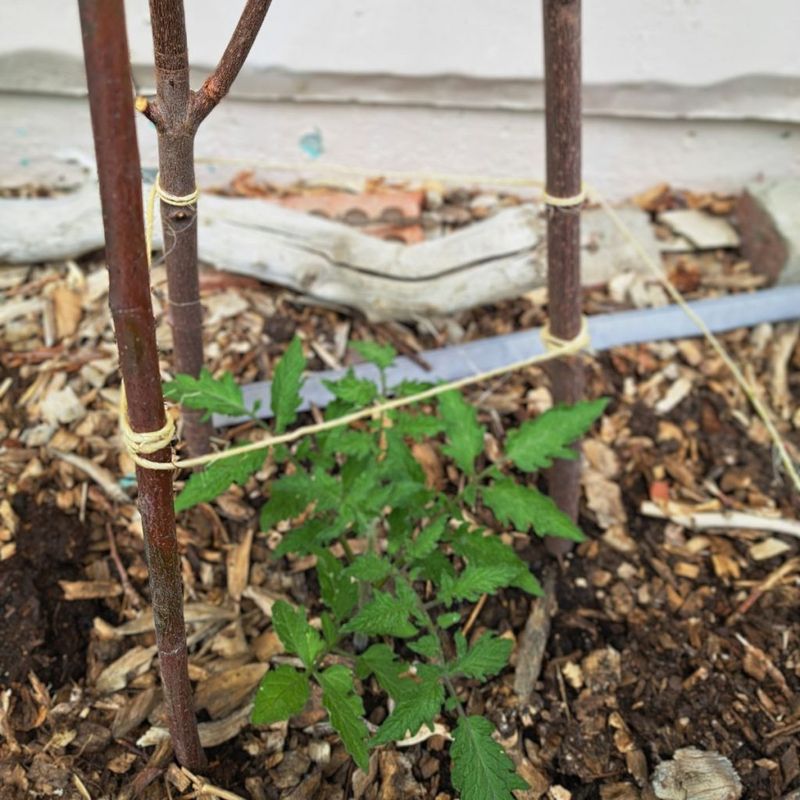
Old wooden stakes, a ball of twine, and a few strips of torn bedsheet. That was Grandma’s whole support system, and it kept her tomatoes off the ground and her clematis climbing high.
Vining plants that sprawl on the soil stay damp, and damp leaves invite fungal diseases like blight and mildew. Getting them up in the air improves airflow and keeps fruit off wet dirt, where it tends to rot.
Tie stems loosely in a figure-eight so the twine doesn’t cut in as they thicken. Clematis grabs on with its leaf stalks, so thin supports like string or wire work better than thick posts.
In fall, check old ties and loosen any that are digging in.
9. Watering at Sunrise
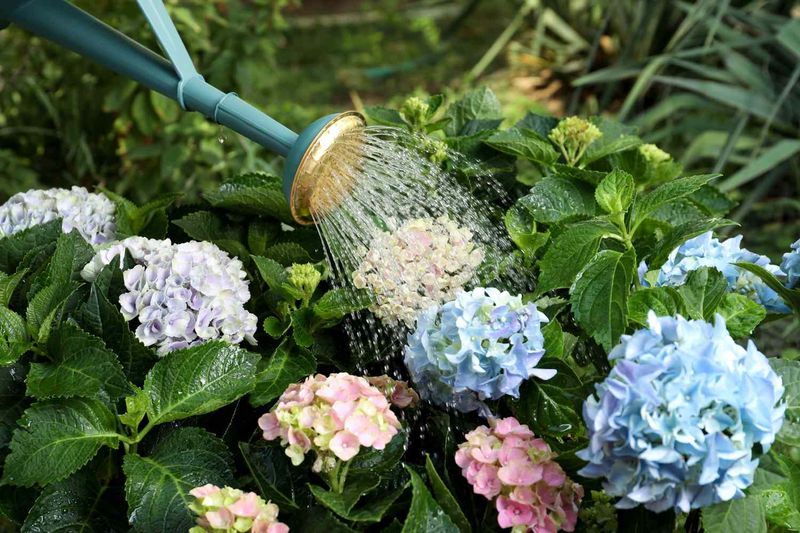
Watering in the morning lets moisture soak in before the day heats up, and leaves dry quickly in the sun. Grandma knew that long before anyone ran a study on it.
Evening watering leaves foliage wet all night, and that’s when mold and mildew get busy. Midday watering loses a lot to evaporation.
Early morning hits the sweet spot.
Aim at the soil, not the leaves. If your hydrangeas droop in the afternoon but perk up by evening, that’s often heat stress, not thirst, so check the soil with your finger before adding more water.
Keep watering in fall until the ground freezes, since evergreens and shrubs need moisture going into winter.
10. Free Leaf Mulch
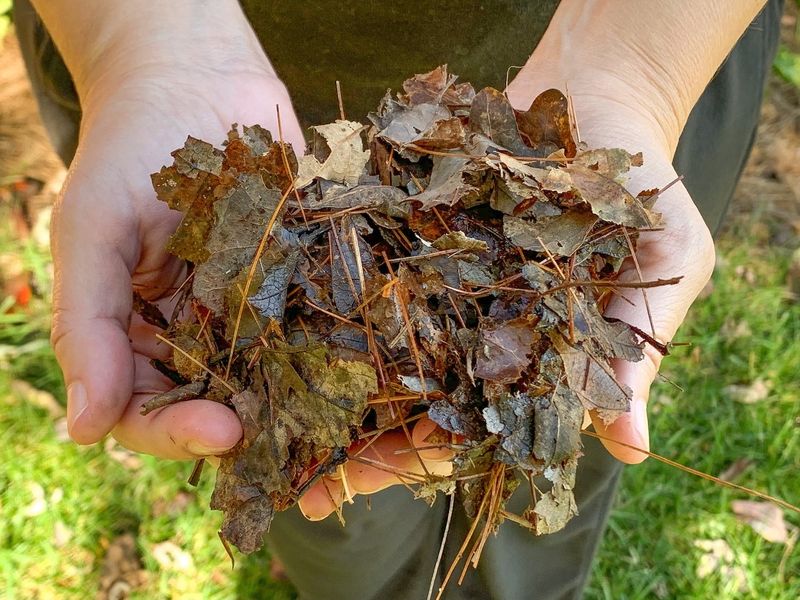
Every October, the neighbors bagged their leaves for the curb. Grandma raked hers straight into the flower beds.
Guess whose soil was richer?
Shredded leaves, straw, pine needles, and grass clippings all work as mulch. A two to three inch layer holds moisture, keeps soil temperatures steady, smothers weeds, and feeds the soil as it breaks down.
Shred leaves first by running a mower over them, because whole leaves can mat into a soggy layer. Keep mulch a couple of inches back from stems and trunks to avoid rot.
Around hydrangeas, roses, and perennials, a fall layer may help protect roots during freeze and thaw cycles.
11. Soaking Seeds Overnight
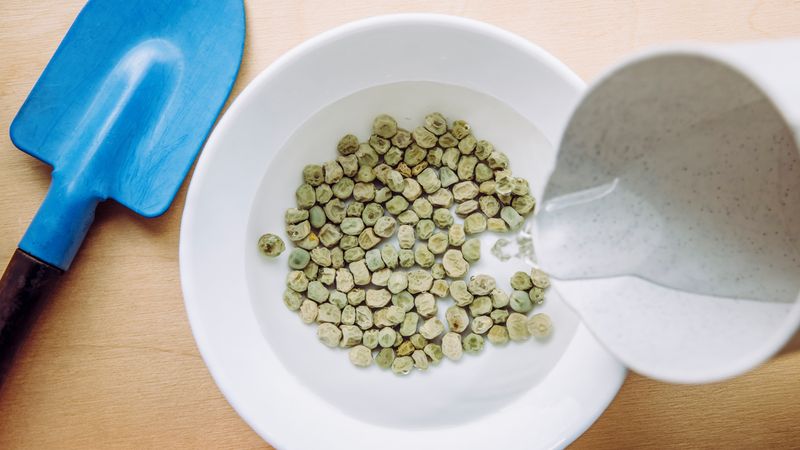
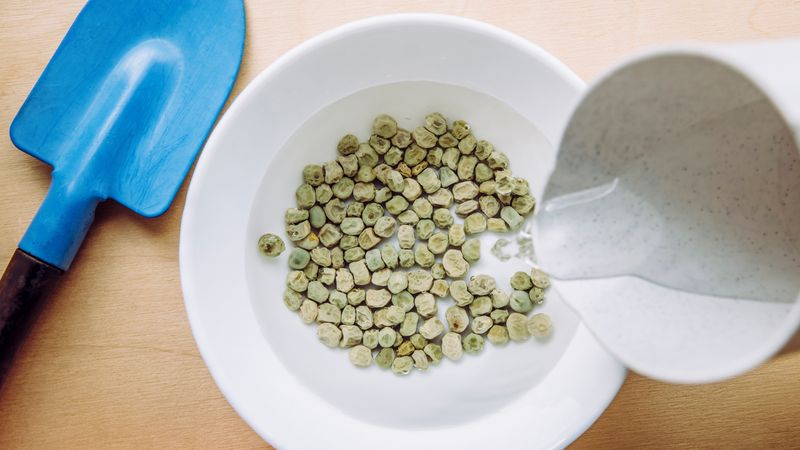
Ever planted seeds and waited weeks for nothing? Grandma’s trick was a saucer of water on the windowsill the night before.
Soaking softens tough outer coats so water can get in faster, which can speed up germination. Big, hard seeds benefit most: sweet peas, nasturtiums, beans, morning glories, and okra.
Use room-temperature water and soak for 8 to 12 hours, but no longer than a day or seeds may rot. Plant them right away.
Tiny seeds like lettuce or petunias don’t need it and are hard to handle wet. Fall is a good time to soak and sow hardy annuals like sweet peas in mild-winter areas.
12. Toilet Paper Roll Seed Pots
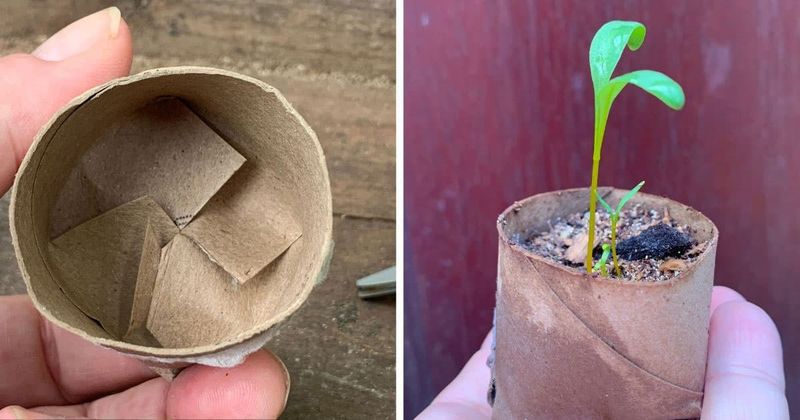
Long before biodegradable pots hit garden centers, Grandma had a drawer full of cardboard tubes. Every one became a seedling home.
Fold one end of a toilet paper roll under, or cut slits and tuck them in to form a bottom. Fill with seed-starting mix, plant, and stand them upright in a tray.
Folded newspaper pots work the same way.
When it’s time to transplant, tear away the bottom and plant the whole thing. Roots aren’t disturbed, which matters for touchy seedlings like squash and cucumbers.
Bury the rim fully below the soil, or it can wick moisture away. Start saving tubes now and you’ll have plenty by late winter.
13. Borage for Bees
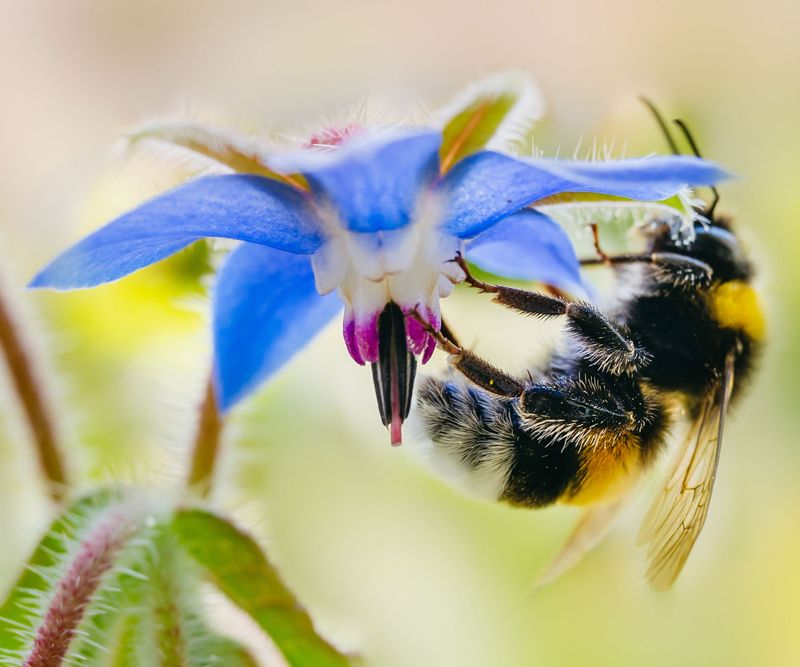
Grandma called borage her bee plant, and those starry blue flowers really do pull pollinators in like a magnet.
Bees visit borage constantly, and more bees nearby means better pollination for tomatoes, squash, cucumbers, and strawberries. Some gardeners also grow it near tomatoes as a companion plant.
Borage is an easy annual that grows from seed in sunny spots with average soil. It often reseeds on its own, so one planting can last for years.
Let some flowers drop seeds this fall and you’ll likely see new seedlings next spring. The fuzzy leaves are edible, but most people just enjoy the blooms.
14. Coffee Filter in the Pot
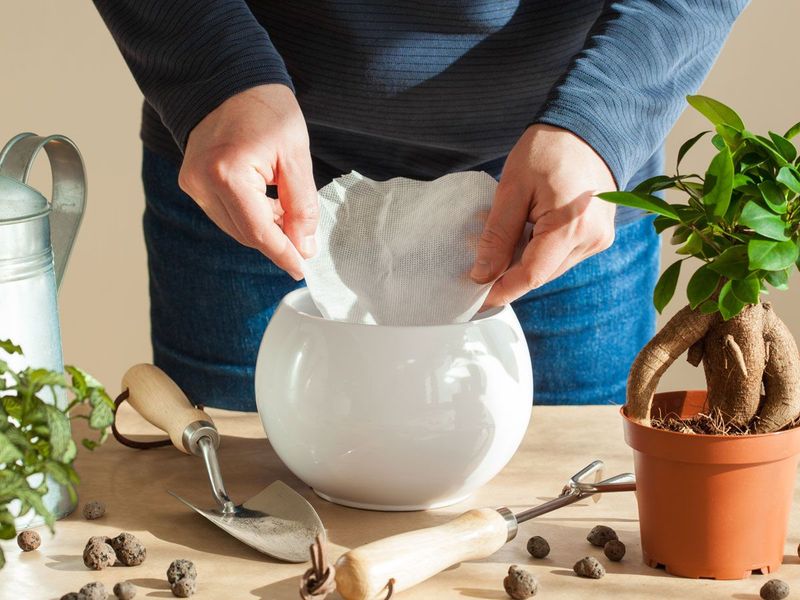
Soil leaking out of the drainage hole and staining the porch drove Grandma crazy. Her fix cost about a penny.
Lay a paper coffee filter over the hole before adding soil. Water passes through, but soil stays put.
It works great for geraniums and houseplants you’re bringing indoors for winter.
Skip the old advice to add gravel at the bottom, though. Studies show it can actually make water collect higher in the pot.
Good drainage holes and a filter are all you need.
15. Trench Composting Kitchen Scraps
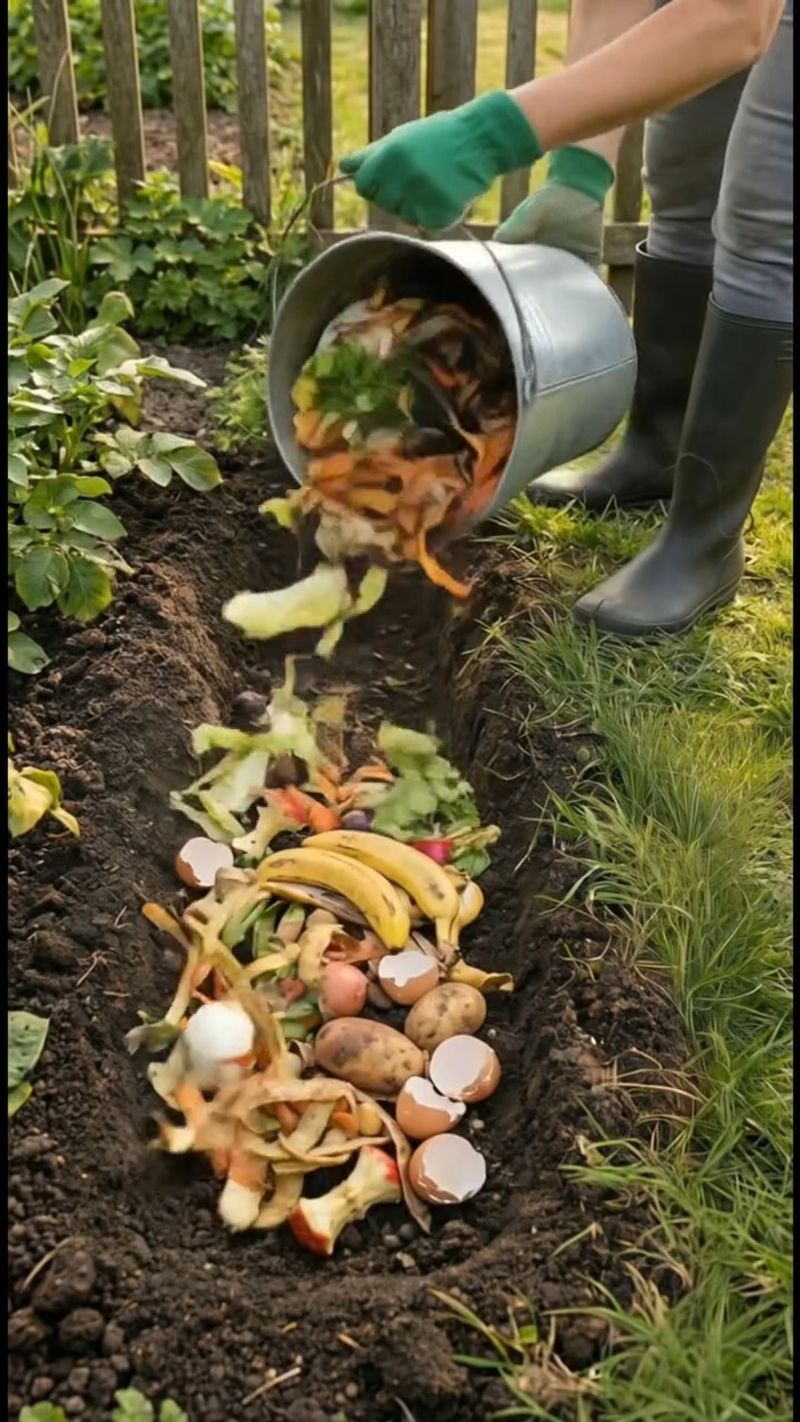
No compost bin, no turning, no fuss. Grandma simply dug a hole at the edge of the garden and buried the scraps right where her tomatoes would grow next year.
Trench composting works by letting worms and soil life break down fruit and vegetable scraps underground. Dig about a foot deep, add scraps, and cover with soil.
Skip meat, dairy, and oils, which attract animals.
Fall is the perfect season. Bury scraps in empty beds now, and by spring planting time, much of it will have turned into rich soil.
Rotate spots so you’re feeding the whole garden over time.