
These 7 Fall Pruning Mistakes Quietly Rob Your Hydrangeas Of Next Summer’s Flowers
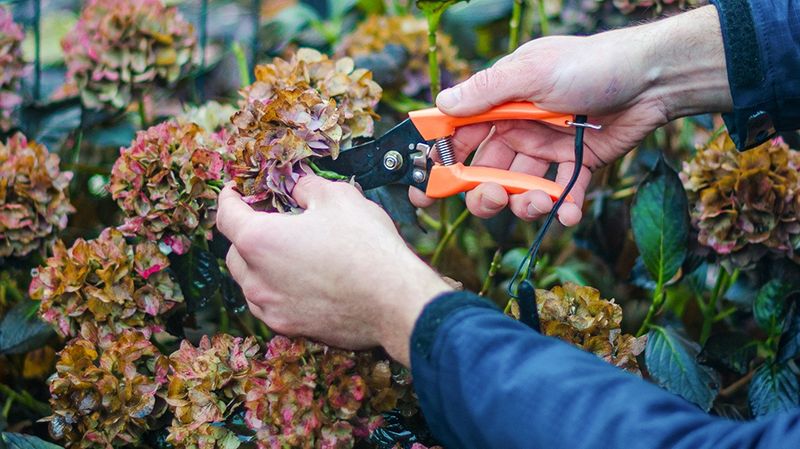
You grab the pruners on a crisp fall afternoon, tidy up your hydrangeas, and feel great about it. Then next summer comes, and the shrub is full of green leaves but has almost no flowers.
The truth is that many hydrangeas have already made next year’s blooms by fall, and one wrong cut can snip them away. Here are seven common fall pruning mistakes, plus simple fixes so your hydrangeas can bloom big again.
1. Cutting Back Old Wood Bloomers in Autumn
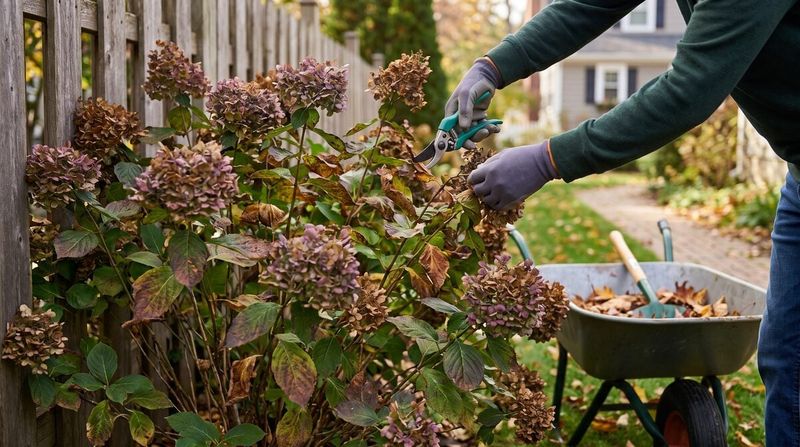
Picture a gift already wrapped and sitting under the tree, then tossed out before anyone opens it. That is what happens when you prune bigleaf, oakleaf, mountain, or climbing hydrangeas in fall.
These shrubs bloom on old wood, which means they set next summer’s flower buds on this year’s stems.
Those buds usually form in late summer and early fall. By the time leaves start dropping, the buds are sitting quietly at the tips and along the upper stems, waiting for spring.
Cut those stems back in October, and you cut the flowers right off with them.
The fix is wonderfully lazy. Put the pruners away for these types until after they bloom next summer, and only trim right after flowers fade.
If you must remove something in fall, stick to stems that are clearly dead, broken, or crossing badly.
2. Turning a Simple Deadhead Into a Deep Cut
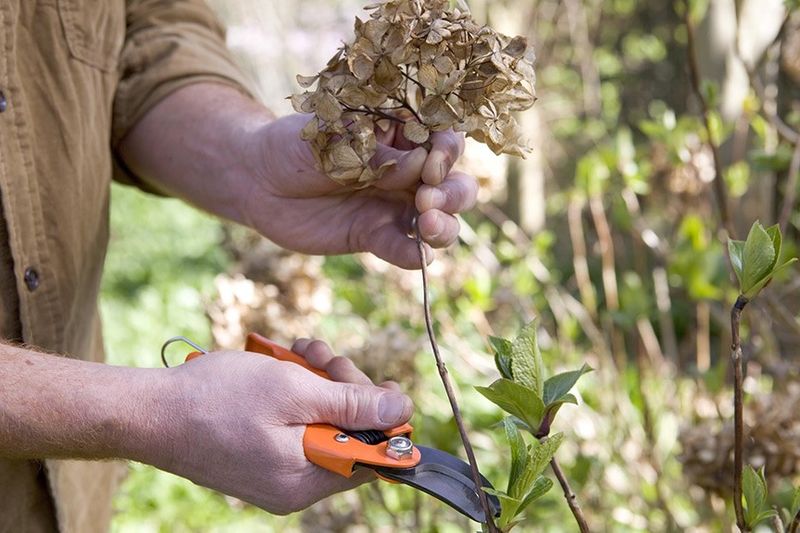
Deadheading feels harmless, and most of the time it is. Snipping off a spent bloom on a bigleaf hydrangea will not hurt next year’s show.
The trouble starts when a quick tidy turns into a few extra inches, then a few more.
On old wood hydrangeas, the best buds often sit just below the faded flower. A deeper cut, even six inches down, can remove the very buds you were hoping to see open in June.
Many gardeners never connect their flowerless summer to that innocent fall cleanup.
Here is an easy rule to remember. Cut only the flower head, right above the first set of healthy leaves or fat buds.
If you cannot see a bud, go higher, not lower.
3. Pruning Smooth and Panicle Types Too Late or Too Hard
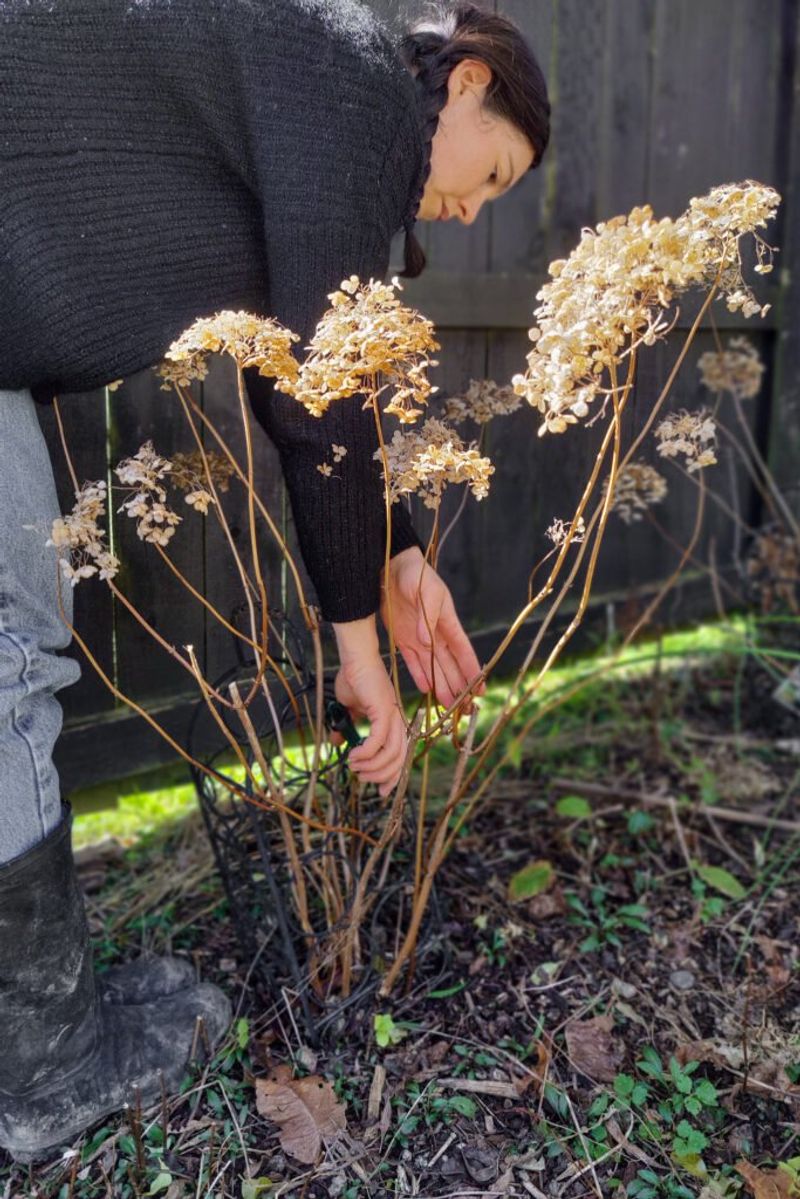
Good news first: ‘Annabelle’ smooth hydrangeas and ‘Limelight’ panicle hydrangeas bloom on new wood. They make flowers on stems that grow in spring, so they are much more forgiving.
Still, forgiving does not mean bulletproof.
A hard cut in early fall, especially during a warm spell, can wake the plant up. It may push soft new shoots that have no time to toughen before the first freeze.
Those tender stems can get damaged, and the shrub spends spring repairing instead of growing strong.
Waiting is the simple answer. Prune these types in late winter or early spring, before new growth starts.
Bonus: the dried flower heads look lovely in snow and give birds a perch.
4. Stripping Dried Blooms Just to Look Neat
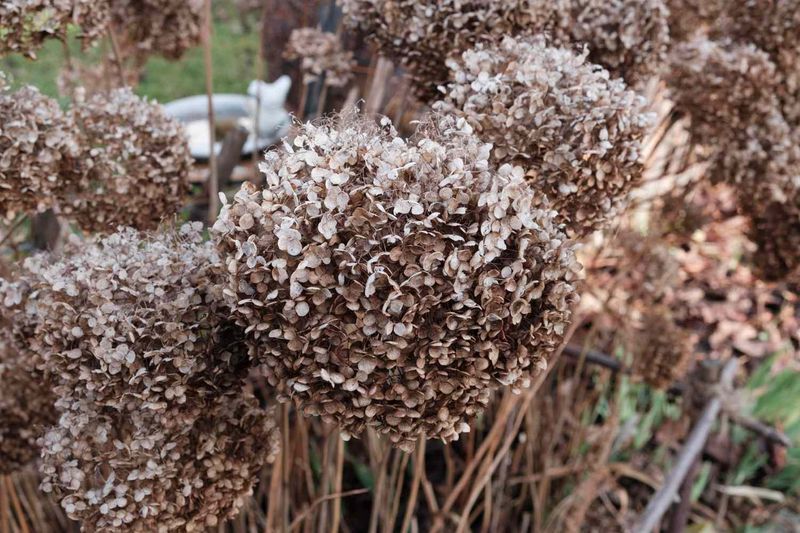
Those crunchy brown flower heads might look messy to you, but to your hydrangea, they act like a warm hat. On bigleaf and other old wood types, the old blooms and stems help shelter the tender buds below from icy wind and sudden freezes.
When you clear them away for a tidy look, the buds sit exposed all winter. In colder parts of the country, that can mean frozen buds and a shrub that leafs out nicely but barely blooms.
It is a sneaky loss, because the plant itself looks perfectly healthy.
Leave the dried heads in place until spring. Once you see buds swelling and the danger of hard frost has passed, you can snip them off.
Your patience gets paid back in color.
5. Chopping Rebloomers Down to the Ground
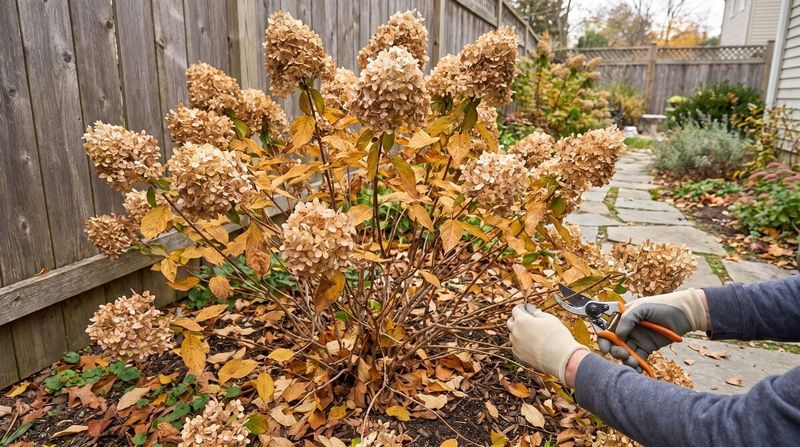
Reblooming hydrangeas like ‘Endless Summer’ feel like a safety net. They flower on both old and new wood, so many people assume any cut is fine.
Technically, they will still bloom, but you may lose the best part of the show.
The old stems carry buds that open first, giving you an early flush of flowers. Cut everything down in fall, and you wait longer for blooms that only come from new growth.
The season feels shorter and the display often looks thinner.
Keep most of the old stems standing through winter. In spring, remove only dead tips and weak canes.
You get early flowers from the old wood and a second wave later, which is exactly why you bought a rebloomer.
6. Not Knowing Which Hydrangea You Have
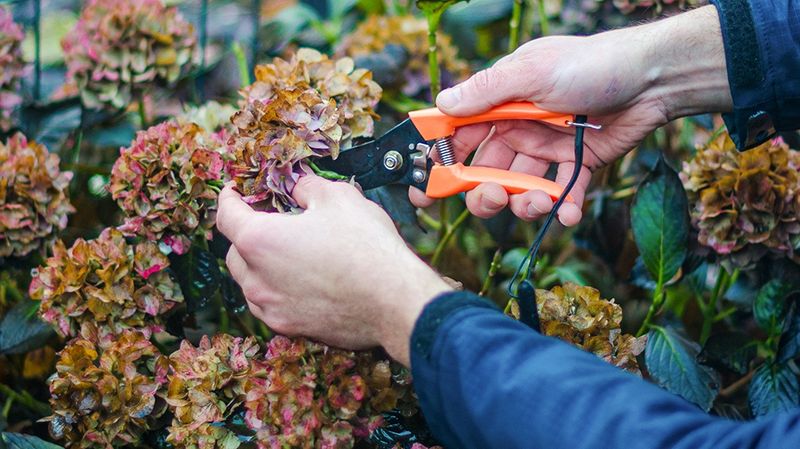
Ever inherited a hydrangea with a new house and no plant tag? You are not alone, and it is one of the biggest reasons pruning goes wrong.
Each type follows its own calendar, so guessing can cost you a whole summer of flowers.
A few clues help. Big round or flat lacy blooms in blue or pink usually mean bigleaf, an old wood bloomer.
Leaves shaped like oak leaves point to oakleaf, also old wood, while cone-shaped white blooms suggest panicle and large white snowballs suggest smooth, both new wood.
Still not sure? Skip fall pruning entirely this year and watch where flowers appear next summer.
Snap a photo, jot a note, and you will know exactly what to do from then on.
7. Reshaping or Shrinking the Shrub in Fall
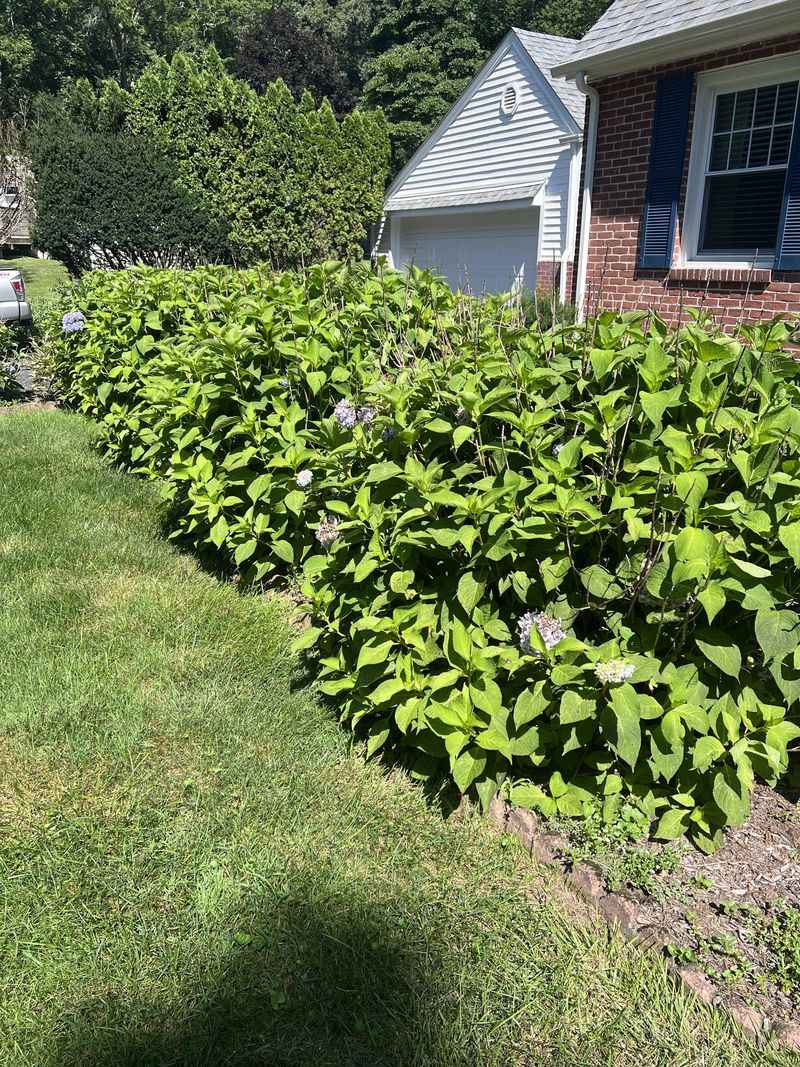
Maybe your hydrangea swallowed the walkway this year, and fall feels like the perfect time to cut it down to size. It is tempting, especially once the flowers fade.
For old wood bloomers, though, a big shaping job in autumn wipes out nearly every bud.
Heavy cuts also stress any hydrangea heading into winter. Fresh wounds and lost stems leave the plant with less stored energy for spring.
A gentler plan works better. For bigleaf and oakleaf types, shape right after summer blooming, or remove a few of the oldest canes at the base each year instead of shearing the top.
If the shrub is simply too big for its spot, consider moving it in early fall or spring. Sometimes the best fix is a better home, not a harder haircut.