
These North Carolina Native Groundcovers Outperform Liriope In Deep Shade And Never Need Dividing
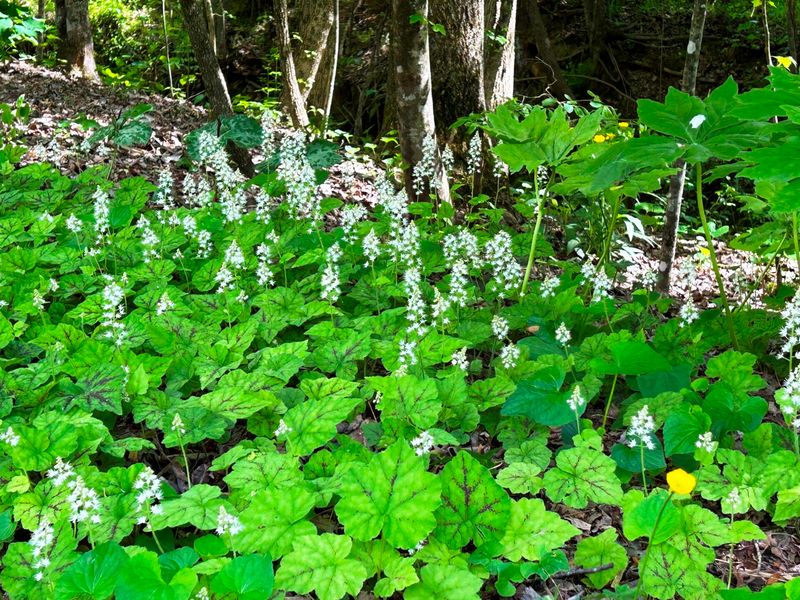
If you have a shady spot where liriope keeps sulking, there is good news for your North Carolina yard. The spreading kind of liriope is actually invasive here, and it does almost nothing for the box turtles, songbirds, and pollinators that call your backyard home.
Native groundcovers fill in thick, smother weeds, and never ask you to dig and divide them every few years. Here are seven local plants that thrive in deep shade while quietly feeding your yard’s wildlife.
1. Allegheny Spurge (Pachysandra procumbens)
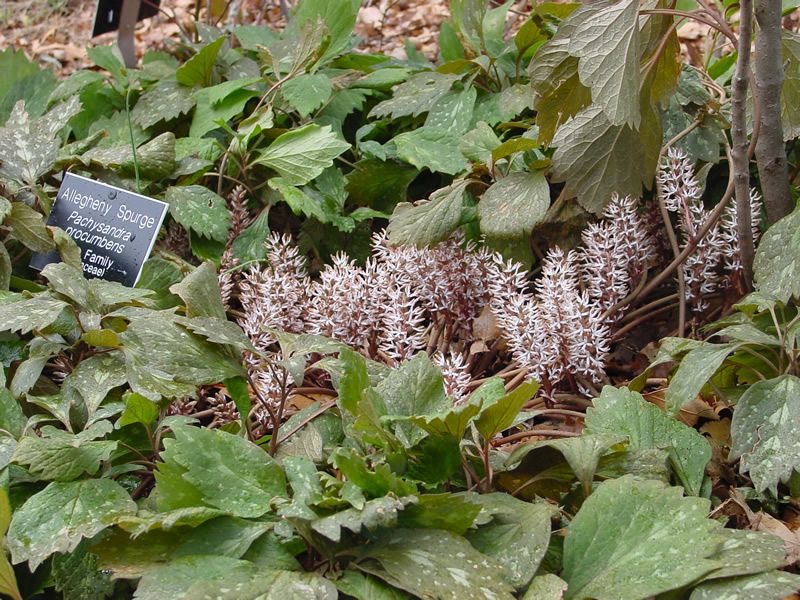
Picture a shady, soggy corner where liriope just rots and sulks. Allegheny spurge shrugs off those conditions, spreading by underground rhizomes into a thick evergreen carpet that chokes out weeds before they get started.
The mottled, silvery-green leaves hang on all winter, and fragrant flowers pop up in early spring. It even tolerates occasional flooding, which makes it a lifesaver for those low spots along downspouts and drainage swales.
Here is the part that matters most for stewardship. Unlike its aggressive Asian cousin, Japanese pachysandra, our native version stays politely where you plant it.
You get all the ground-covering muscle without releasing another bully into the woods.
2. Woodland Stonecrop (Sedum ternatum)
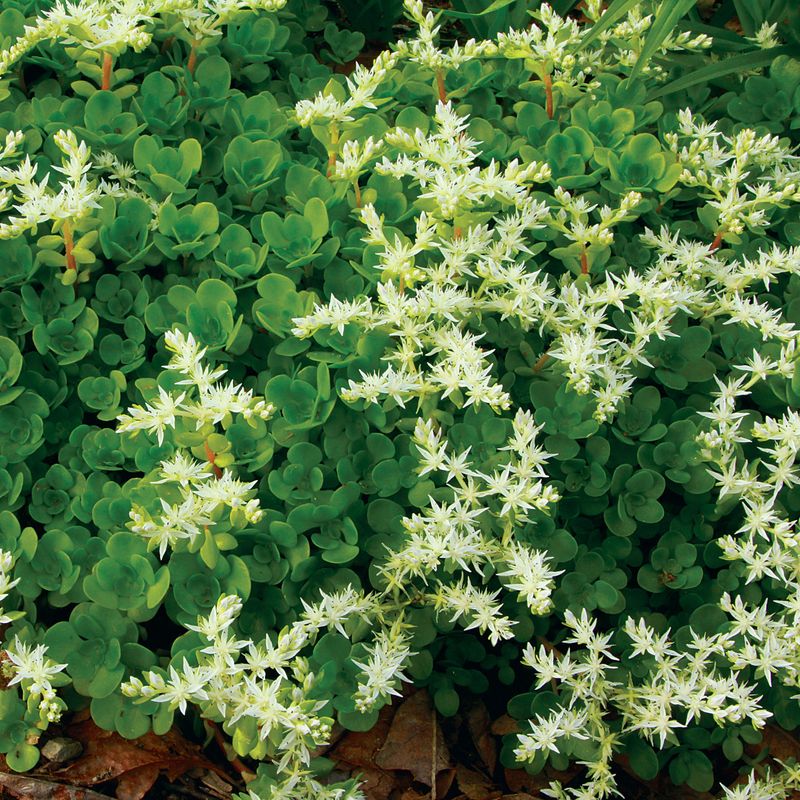
Deer and rabbits treat most tender groundcovers like a salad bar, but woodland stonecrop gets a hard pass from both. This low, succulent native forms tidy little mats and laughs off dry spells that would leave other plants wilting.
From April into June it throws up white, star-shaped flowers that bees and butterflies work over eagerly. It also serves as a host plant for several moth species, quietly feeding the caterpillars that your goldfinches and chickadees rely on to raise their young.
Fun bit for rock gardeners: because it is a true sedum, it will happily creep across stone edges and shallow crevices where almost nothing else survives.
3. Wild Strawberry (Fragaria virginiana)
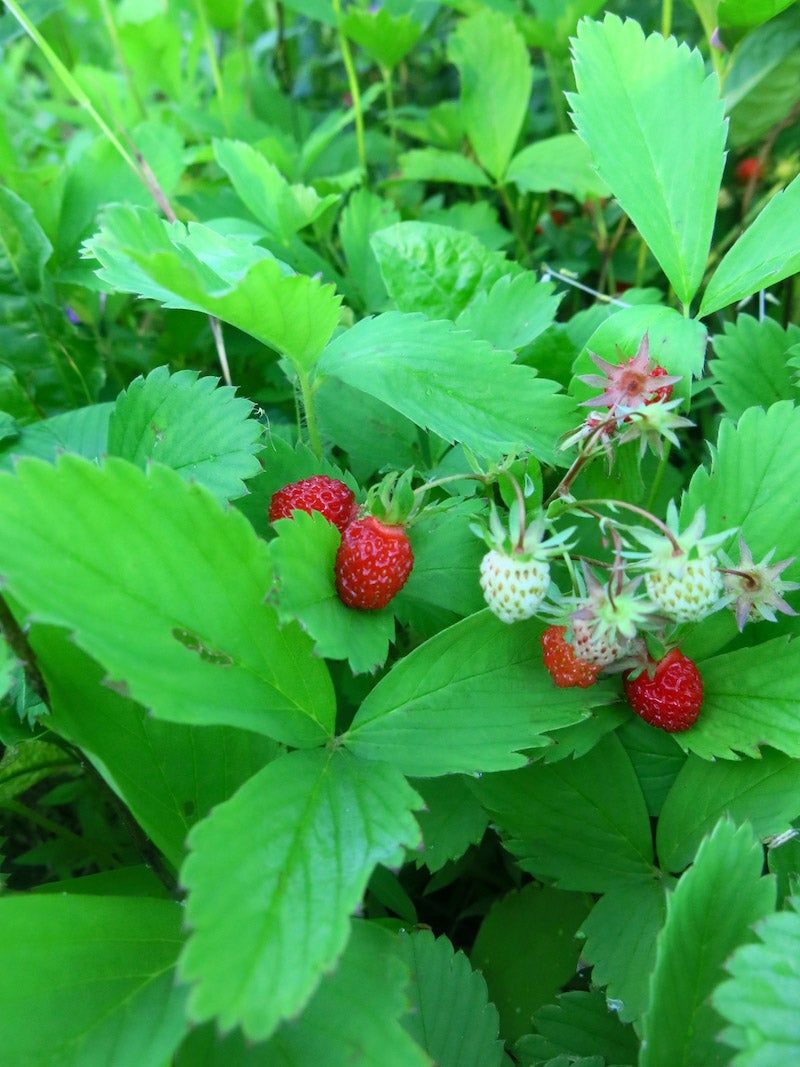
Few groundcovers pull double duty like wild strawberry, which hands you snacks and shelters wildlife at the same time. It spreads fast by runners, stays evergreen, and produces small edible berries that taste far better than they look.
Box turtles absolutely love it. The low leafy cover gives them a place to hide, the fruit gives them a meal, and the loose soil beneath makes good ground for laying eggs.
If protecting those slow-moving neighbors matters to you, this is a plant worth its weight.
Spring flowers feed pollinators, and later the fruit feeds birds and small mammals. Meanwhile its quick-spreading habit shades out weeds so you spend less time fighting them and more time watching who shows up.
4. Partridgeberry (Mitchella repens)
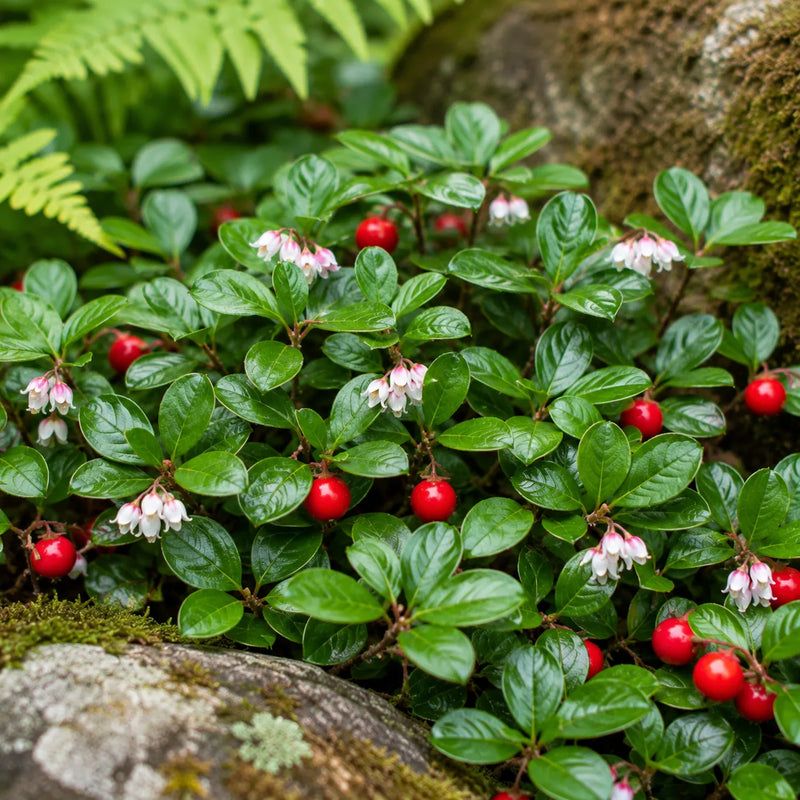
For the deepest, richest shade under old trees, few natives look as polished as partridgeberry. This tiny, glossy, semi-woody vine hugs the ground in a flat evergreen mat, spreading by stolons that root as they run.
What sets it apart is the winter menu it provides. Bright red berries cling on through the cold months, feeding songbirds, ruffed grouse, wild turkeys, quail, and even white-footed mice when almost nothing else is available.
It wants humus-rich, moist soil and does not race across the yard, so think of it as a refined filler for woodland beds rather than a fast blanket. Patience here pays off with a jewel-like carpet you will be glad you planted.
5. Creeping Phlox (Phlox stolonifera and Phlox subulata)
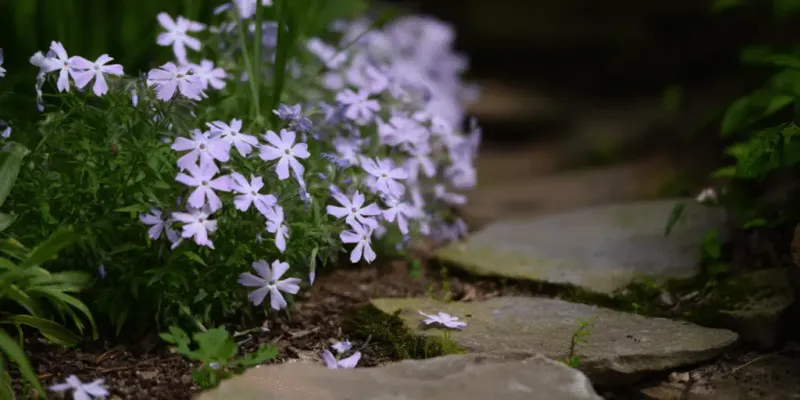
Want color that stops the neighbors mid-walk? Creeping phlox delivers an early spring explosion of pink, purple, and white right when everything else is still waking up.
You actually get two natives to choose from here. Phlox stolonifera is an Appalachian woodlander that handles light foot traffic and spreads by creeping stems that root as they travel.
Phlox subulata, or moss phlox, forms dense evergreen mats across the Piedmont and mountains and is a champ at holding a slope together.
Both suppress weeds as they fill in and shine on erosion-prone banks where mowing is a headache. Plant them at the top of a slope and let gravity and their creeping stems do the rest of the work for you.
6. Golden Ragwort (Packera aurea)
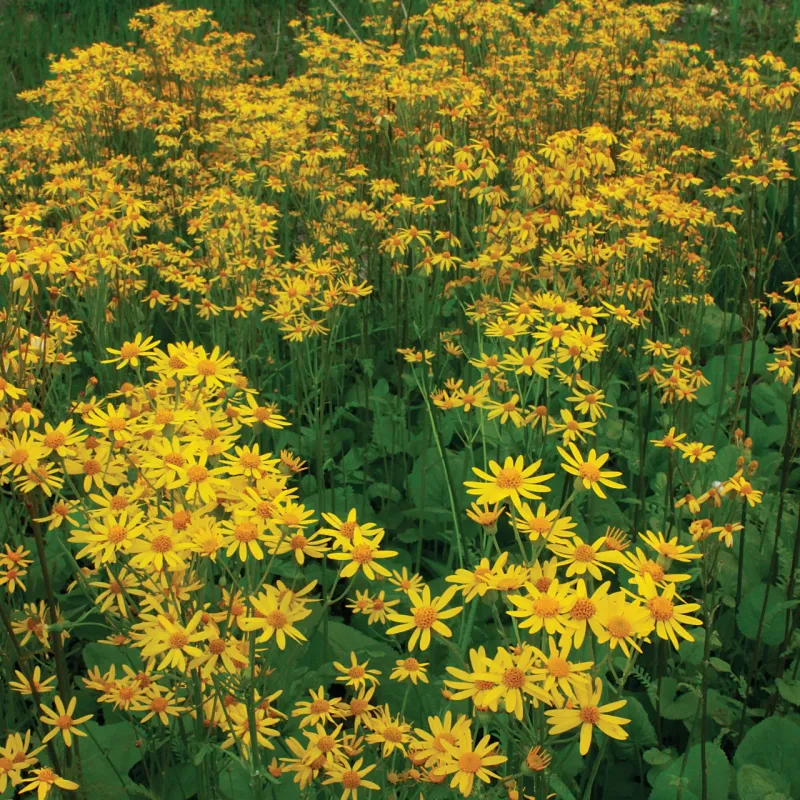
When you need ground covered in a hurry, golden ragwort is the overachiever of this list. It spreads readily into a low green blanket of rosettes, quickly claiming space that weeds would otherwise grab.
Come spring, cheerful yellow flowers rise above the foliage and draw in native bees along with a crowd of beneficial insects. Those good bugs help keep pest populations in check across the rest of your yard.
It is especially handy in moist, part-shade areas where you want fast coverage without babysitting. Give it room, because this one covers ground with real enthusiasm, and enjoy the fact that it never needs dividing to keep looking full.
7. Native Sedges (Carex species)
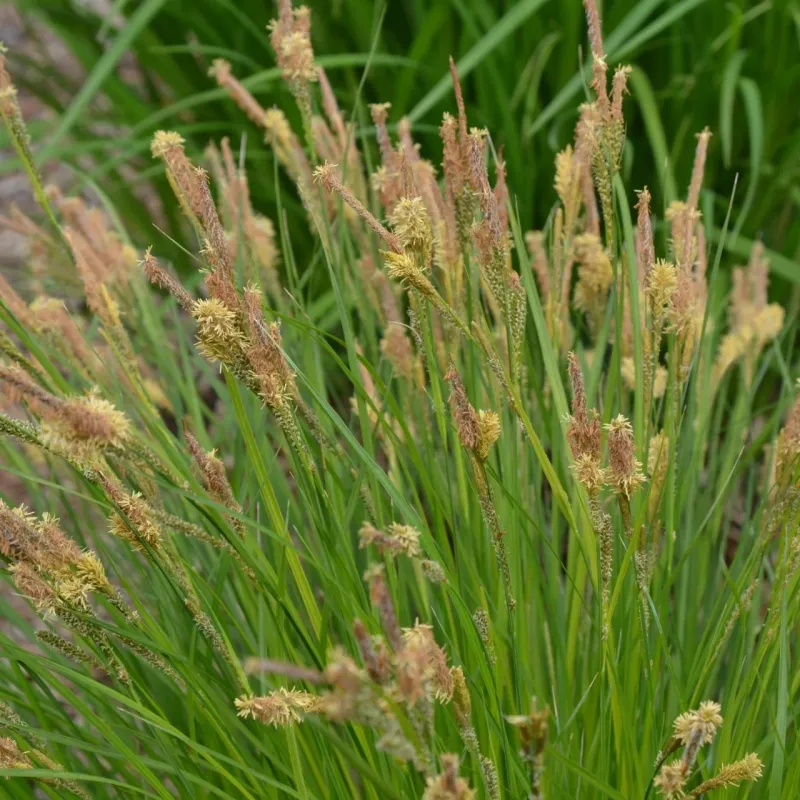
If you originally reached for liriope or mondo grass to get that neat, grassy look, native sedges are the swap you have been waiting for. Species like Blue Wood Sedge and Plantainleaf Sedge form low, tidy mats in part to full shade and stay semi-evergreen through mild coastal winters.
Here is the ecological kicker that grasses cannot match. Native sedges are vital host plants for many moth and butterfly larvae, and those caterpillars are exactly the protein baby birds depend on.
Plant a patch and you are feeding the whole food chain.
They are easy to grow, forgiving of dappled light, and give beds a soft, flowing texture. Best of all, you get the liriope look you liked without the invasive baggage.