
These North Carolina Native Perennials Fill A Dry Shade Slope Better Than Vinca And Never Need Replanting
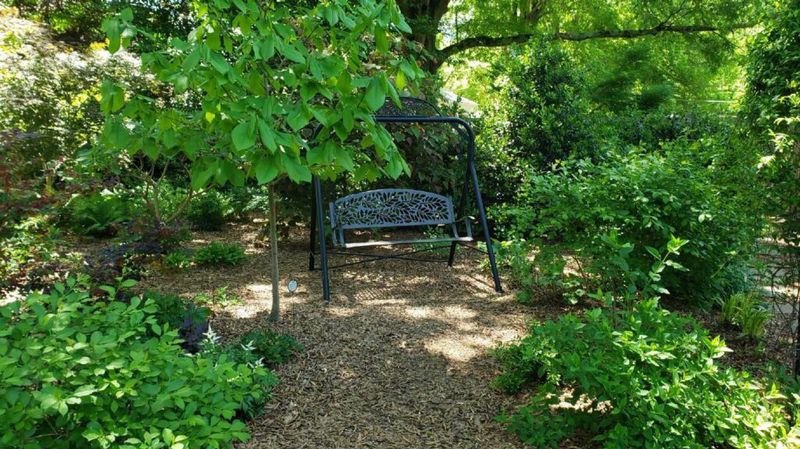
That shady slope under your trees where nothing seems to grow is a real headache, and vinca might feel like an easy fix. The trouble is that common periwinkle is invasive here in North Carolina, and it smothers the native plants our box turtles, bees, and birds depend on.
The good news is that several tough NC native perennials handle dry shade beautifully, hold your soil in place, and feed local wildlife. Best of all, once they settle in, they spread on their own and never ask you to replant.
1. Allegheny Spurge (Pachysandra procumbens)
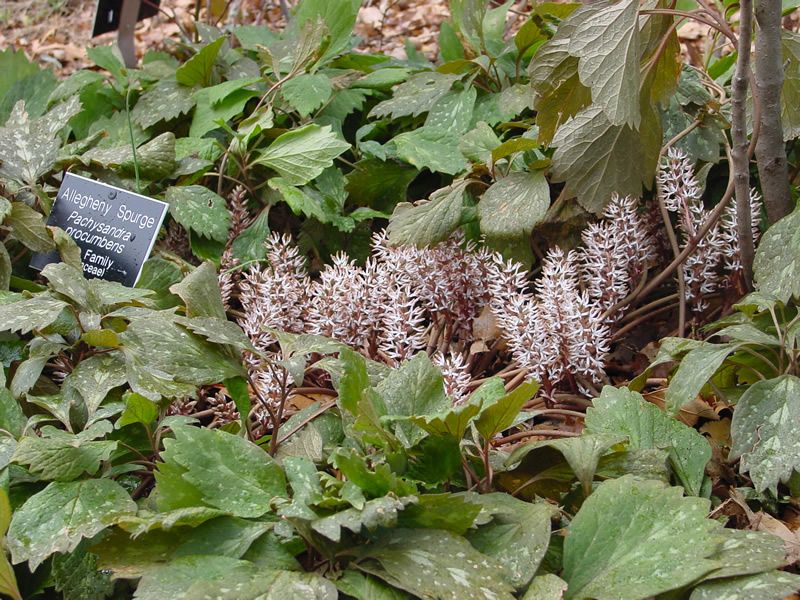
Meet the well-mannered cousin of that aggressive Japanese pachysandra you see swallowing yards. Allegheny spurge is a true Southeastern native that stays put instead of bullying its neighbors, which is exactly why gardeners call it a better citizen in the landscape.
The mottled blue-green leaves turn a bronzy purple in cooler months, giving your slope color when little else is happening. It spreads politely by underground rhizomes, so those bare patches under thirsty tree roots slowly knit together into a soft carpet.
Dry shade is where it shines, tolerating the tough competition beneath maples and oaks that leaves so many plants gasping. Fragrant white bottlebrush flowers appear low in early spring, a quiet treat for early pollinators just waking up.
Plant it once and it does the rest, no annual replanting and no invasive guilt.
2. Green-and-Gold (Chrysogonum virginianum)
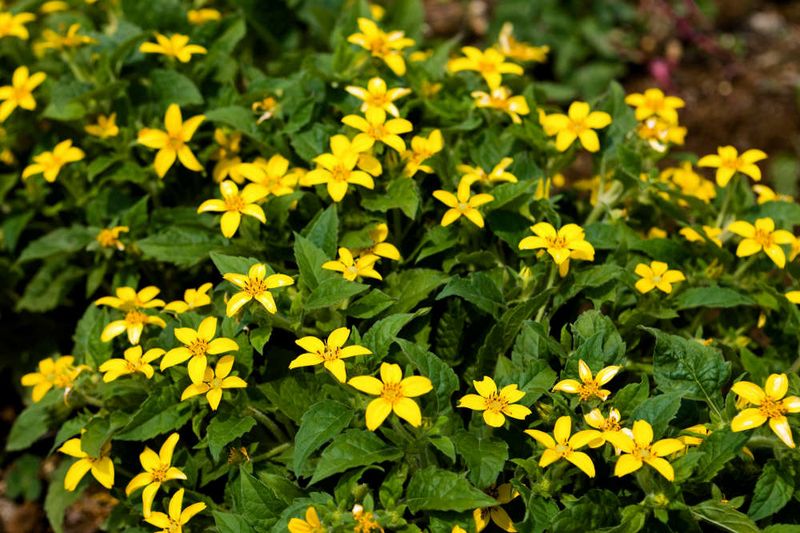
Few natives greet spring as cheerfully as green-and-gold, which throws out bright yellow star-shaped blooms right when your yard needs a lift. And it does not quit after one show, sending up sporadic flowers through summer and into fall.
Heavy shade does not faze it, and it shrugs off a range of soils, making it a natural pick for that dim, dry bank. The semi-evergreen foliage forms a tidy mat that hugs the ground and holds soil against washouts.
Pollinators love the accessible flowers, so you will spot native bees and small butterflies working the blooms all season. For a Piedmont gardener wanting steady color without fuss, this little workhorse earns its spot.
3. Wild Strawberry and Barren Strawberry (Fragaria virginiana / Waldsteinia fragarioides)
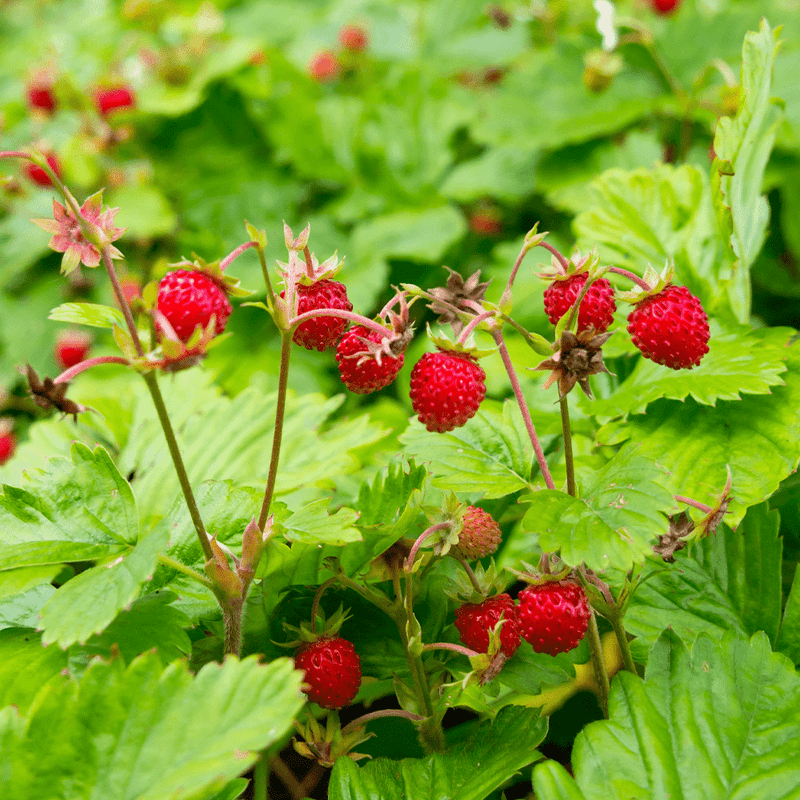
Here is a two-for-one that pulls double duty as ground cover and wildlife buffet. Wild strawberry runs across the ground on quick little runners, stitching a slope together fast while staying evergreen through many NC winters.
Its close relative, barren strawberry, keeps the same handsome look but skips the fruit, offering a tidy evergreen mat that laughs at dry part-shade. Both handle slopes where erosion is a worry.
The payoff for wildlife is real. Wild strawberry flowers feed pollinators, and those tiny red berries become food for songbirds and small mammals scurrying along your slope.
Butterflies use the foliage too, so you are supporting more of the food web than a patch of vinca ever could. Set it loose and it fills in on its own.
4. Woodland Phlox and Creeping Phlox (Phlox divaricata / Phlox stolonifera)
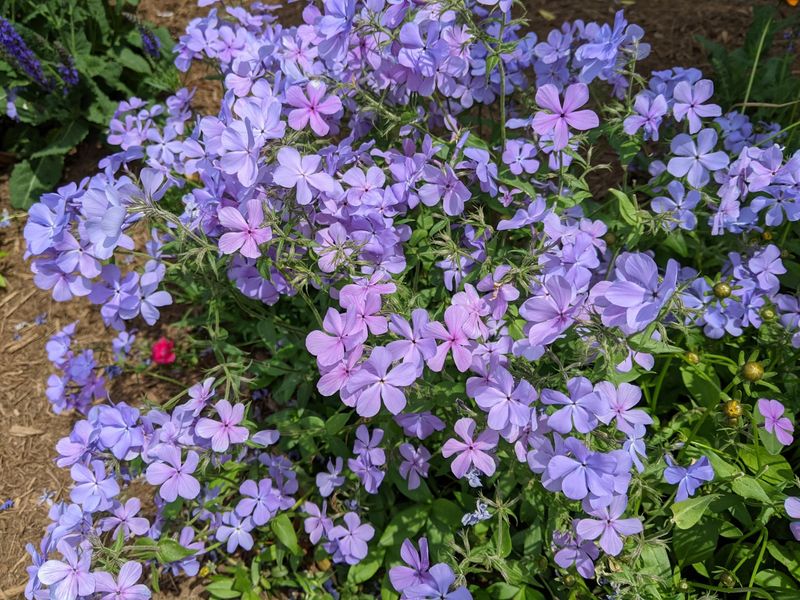
Imagine a hazy drift of lavender-blue washing across your slope in April, and you have got woodland phlox. These spreading wildflowers carry clusters of pink, purple, or white blooms above semi-evergreen foliage, and the fragrance is a bonus on a warm spring afternoon.
Partial shade suits them perfectly, so the middle of your tree-shaded bank is prime real estate. Creeping phlox stays lower and mats more tightly, while woodland phlox stands a touch taller for a softer, cloud-like effect.
What makes them special is the specialist pollinators they support, including long-tongued visitors that reach the tubular flowers. Fun bit: the color can shift subtly from plant to plant, so a naturalized patch reads like a watercolor rather than a solid block.
5. Partridge Berry (Mitchella repens)
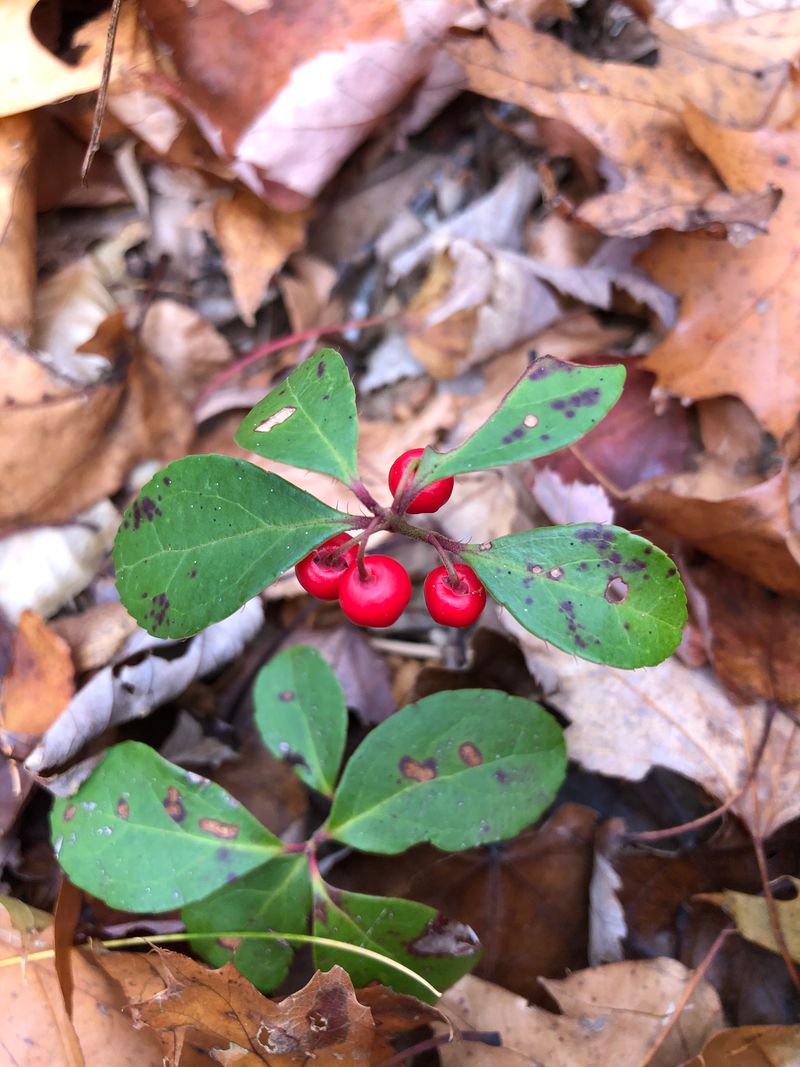
Down at ankle height, partridge berry weaves an evergreen ribbon of tiny paired leaves across the shadiest ground you have got. Even deep shade where almost nothing survives suits this quiet creeper just fine.
From late spring into late summer it opens fragrant little white-to-pink trumpet flowers, always in pairs. Those twin flowers fuse into a single scarlet berry that lingers right through winter, glowing against the snow and feeding wildlife when food is scarce.
Bees, butterflies, and other insects work the blossoms, and the persistent berries help ground-feeding birds. It hugs the earth so closely that it makes an excellent living mulch on a slope, protecting soil year round while asking almost nothing from you.
6. Christmas Fern (Polystichum acrostichoides)
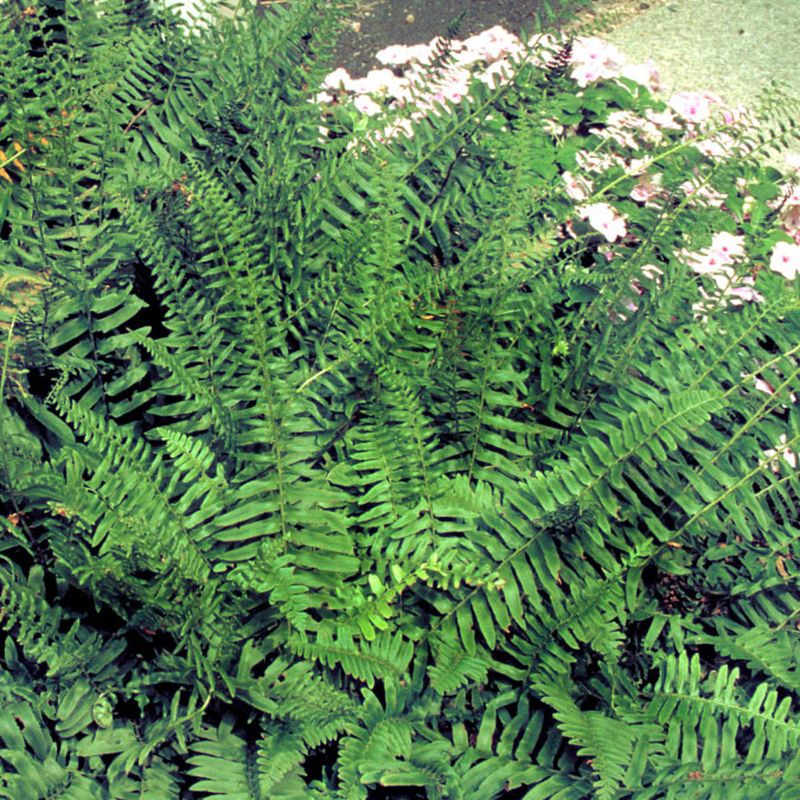
Named for the fronds that stay green straight through December, the Christmas fern brings year-round texture to a slope that would otherwise look bare in winter. Old-timers once cut those glossy fronds for holiday decorating, which is how the name stuck.
Deer tend to leave it alone, a genuine relief for anyone tired of watching browsers mow down their plantings. It settles happily into full and part shade and tolerates the dry, root-filled soil under big trees.
Because its roots grip the ground firmly, it is one of the best natives for holding a bank against erosion. Tuck a few clumps among your flowering groundcovers and you get structure, contrast, and a low-maintenance anchor that returns bigger every year.
7. Galax (Galax urceolata)
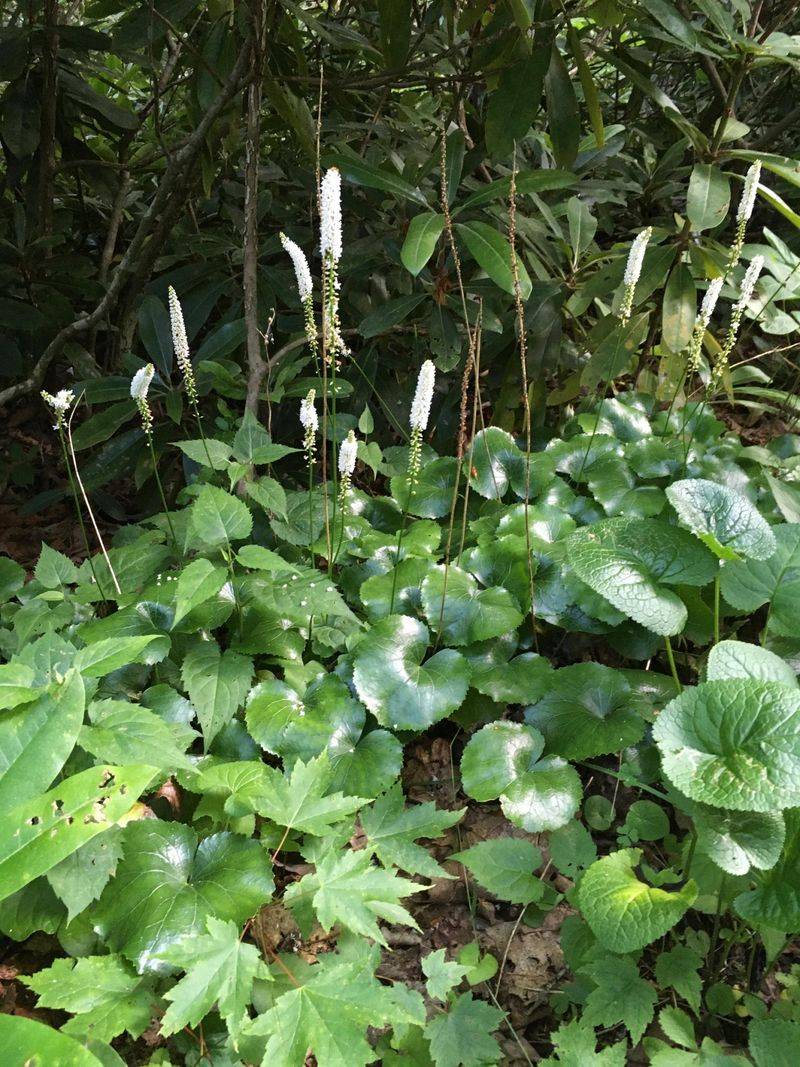
Straight out of the Blue Ridge, galax is the tough mountain native that thrives where the light barely reaches. Its rounded, glossy evergreen leaves form a rich carpet, and in cold weather they blush a beautiful bronze-red that hikers know well from Appalachian trails.
Deep shade is its comfort zone, so the darkest corner of your slope, the one that defeats everything else, is finally solved. Slender spikes of tiny white flowers rise above the foliage in early summer for a delicate contrast.
For mountain and upper Piedmont gardeners especially, galax is a native heirloom worth planting instead of vinca. Once it settles into the acidic, humusy soil it loves, it holds the ground, feeds the ecosystem, and keeps its good looks in every season without a single replanting.