
These North Carolina Native Wildflowers Bloom Their Hearts Out All Season While Everything Else Struggles
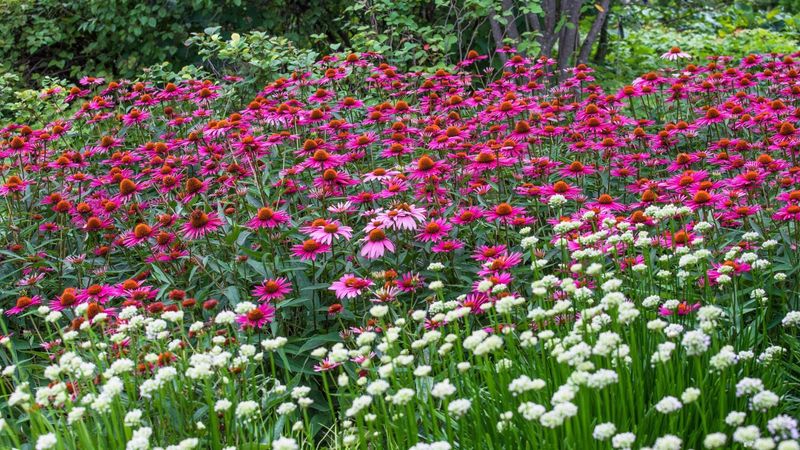
When August heat bakes your yard and half the plants look tired and crispy, some North Carolina natives just keep going. These tough wildflowers hand out color for months while feeding the bees, butterflies, and goldfinches you love to watch.
Best of all, they belong here, so they can shrug off drought and clay soil that make fussy store-bought flowers give up. Here are eight long-blooming natives that will keep your yard alive from spring right into fall.
1. Purple Coneflower (Echinacea purpurea)
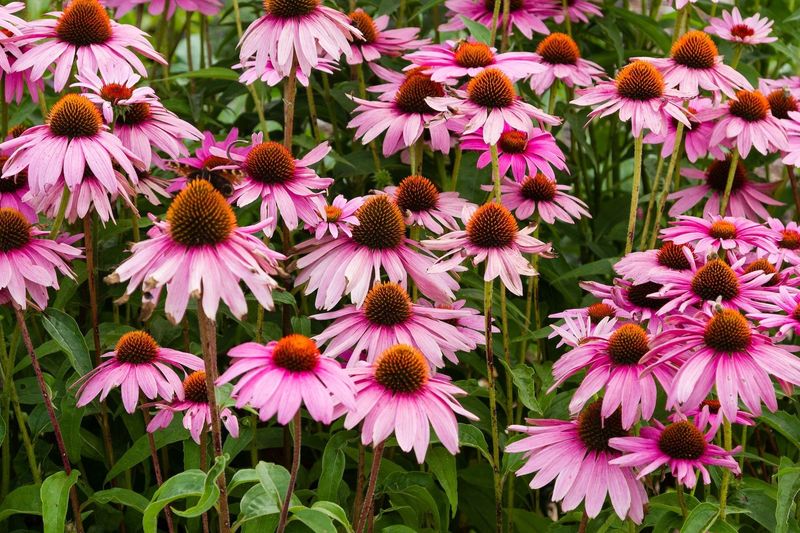
Ask any Piedmont gardener for a bulletproof native and purple coneflower usually comes up first. It starts flowering in early summer and keeps pushing out those daisy-like blooms well into fall, even when rain gets scarce and the clay soil hardens like a brick.
The spiky seed heads are the real gift for your yard. Leave them standing after the petals fade and you will catch goldfinches clinging to the cones, picking out seeds all through the cooler months.
Fun bit of history: coneflower roots were a go-to remedy for many Native peoples long before it became a garden favorite. Give it full sun and a little breathing room, and it will reward you for years with almost no fuss.
2. Black-Eyed Susan (Rudbeckia hirta)
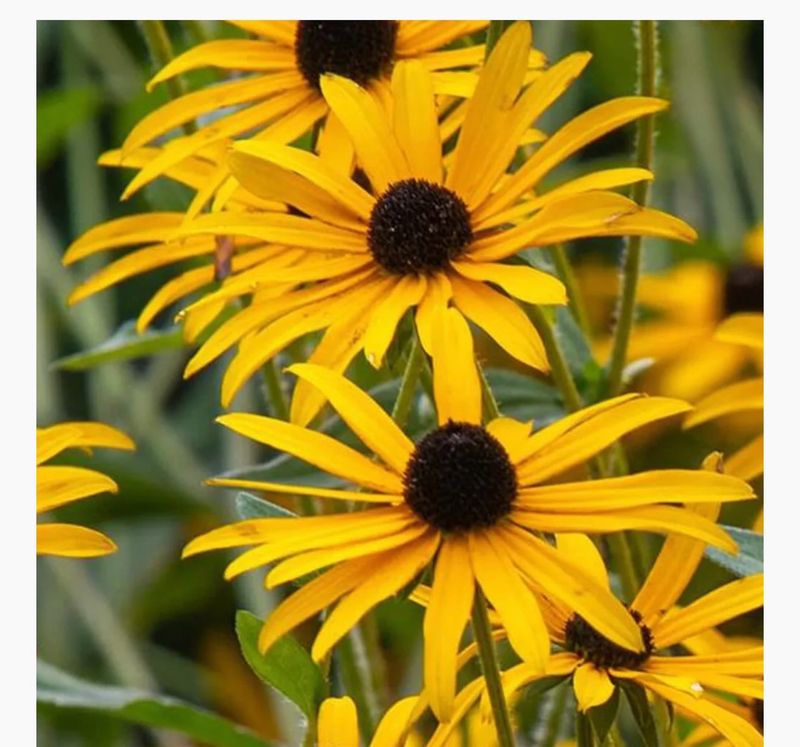
Golden petals wrapped around a chocolate-brown button, black-eyed Susan looks like sunshine that decided to grow legs. It cranks out blooms from June until the first frost, barely slowing down during the ugliest stretches of summer heat.
What makes it earn a spot here is how generous it is with pollinators. Native bees and small butterflies work these flowers all day, and the plant reseeds itself politely, filling gaps where weaker plants have thrown in the towel.
It handles poor soil and drought like a champ, which is why you see it thriving along roadsides and old fields across the Coastal Plain and Piedmont. Plant a patch once and you will likely have volunteers popping up for seasons to come.
3. Butterfly Weed (Asclepias tuberosa)
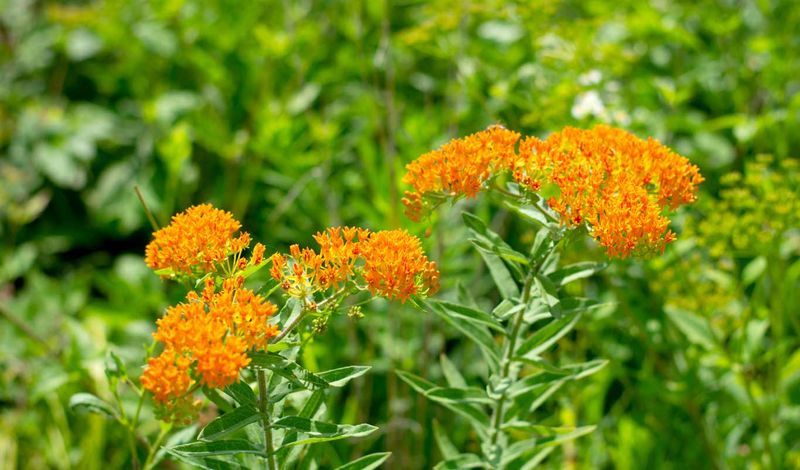
Few natives light up a border like butterfly weed, with clusters of blazing orange that practically glow in June and July. Despite the unglamorous name, it is one of the most valuable plants you can add for wildlife.
Here is the headline: it is a milkweed, meaning monarch caterpillars can feed on its leaves. If you have ever wanted to help monarchs pass through your NC yard, this is a concrete swap that actually matters.
The plant sinks a deep taproot, so it laughs off drought once it settles in. That same taproot means it hates being moved, so pick a sunny, well-drained spot and let it stay put.
Give it patience the first year and steady color the rest of its long life.
4. Cardinal Flower (Lobelia cardinalis)
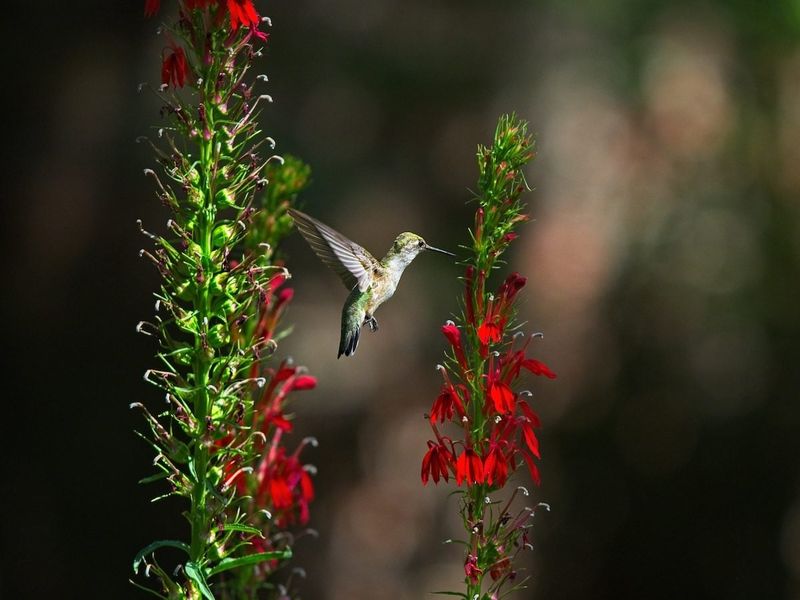
If you have a soggy corner where nothing seems happy, cardinal flower might be the answer you have been hunting for. Its tall spikes of screaming-red blossoms show up in late summer, exactly when a lot of other flowers are fading fast.
Hummingbirds are wild about it. The tubular red flowers are practically built for their long beaks, and a healthy stand can turn your yard into a favorite refueling stop during fall migration.
Unlike most of this list, it prefers moist to wet feet and takes some shade, which makes it perfect along a rain garden, pond edge, or that low spot in the mountains and Piedmont that stays damp. Keep the roots cool and moist and it will glow for weeks.
5. Wild Bergamot (Monarda fistulosa)
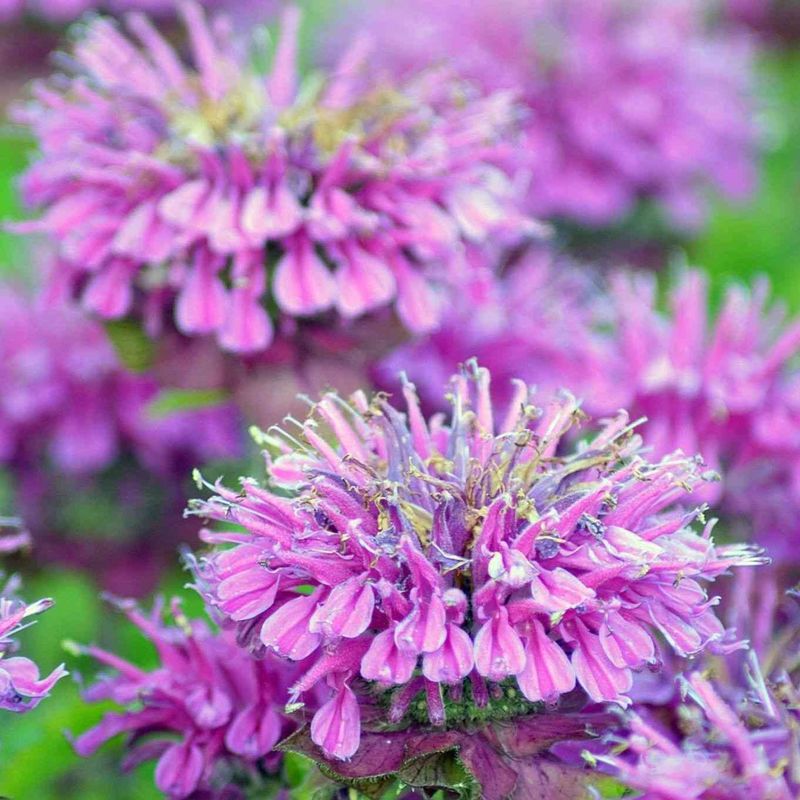
Crush a leaf of wild bergamot and you get a wonderful minty, oregano-like scent that gives it its nickname, bee balm. The shaggy lavender-pink flowers look like little fireworks and keep coming through the heart of summer.
Pollinators absolutely swarm it. Bumblebees, native bees, butterflies, and even hummingbird moths line up, making this one of the busiest plants in the whole yard on a warm afternoon.
Did you know? Its leaves were brewed into a soothing tea long ago, and the plant still carries that spicy fragrance today.
It can spread by runners, so give it room in a sunny bed where it can knit together into a fragrant, buzzing patch that fights off drought without complaint.
6. Coreopsis (Coreopsis lanceolata)
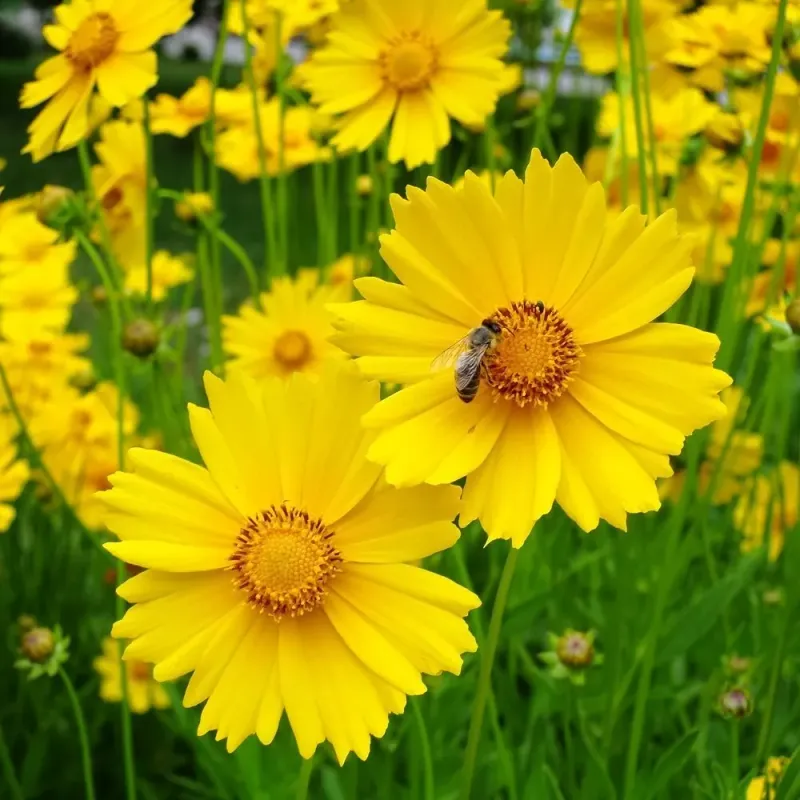
Cheerful yellow daisies on wiry stems, coreopsis is the plant that keeps smiling no matter how rough the weather gets. It blooms early and, if you snip off the spent flowers now and then, it will just keep making more well into late summer.
Toughness is its whole personality. Sandy soil, drought, blazing sun, poor dirt that other flowers refuse, none of it fazes this cheerful native.
Small native bees and beneficial insects lean on it heavily, and the seeds later feed songbirds. As a bonus, it fills space fast, which makes it a smart NC-native choice for crowding out weeds instead of reaching for something invasive to cover bare ground.
7. Joe-Pye Weed (Eutrochium fistulosum)
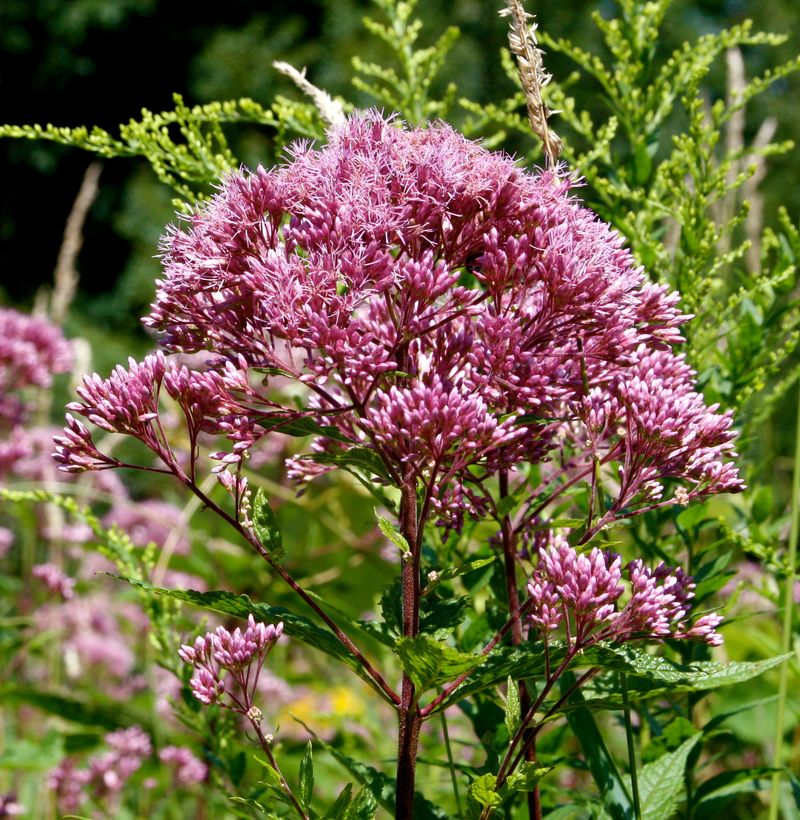
Standing head and shoulders above most of the garden, Joe-Pye weed brings big, dusty-rose flower clouds to the back of the border in late summer. It is a dramatic plant for that stretch when everything else looks worn out.
Butterflies treat it like a landing pad. Swallowtails and monarchs cover the flat-topped blooms, and the plant hums with activity right when your yard needs the show most.
It likes moist ground and can reach six feet or taller, so tuck it into a damp back corner or rain garden where its height becomes a feature instead of a problem. Leave the seed heads through winter and you will give overwintering birds and insects a place to shelter.
8. New England Aster (Symphyotrichum novae-angliae)
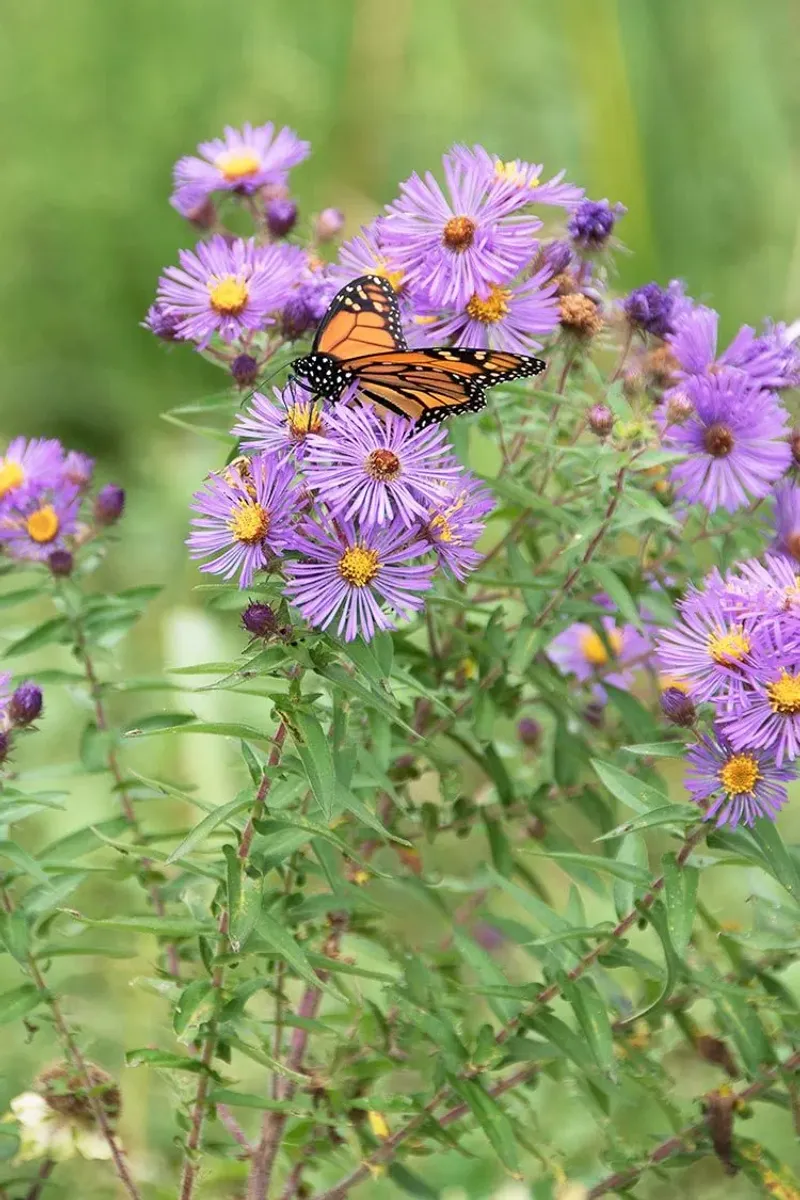
Just when the growing season seems to be winding down, New England aster throws one last party in shades of deep purple and gold. It saves its big display for fall, filling the color gap after most summer flowers have called it quits.
That late timing is exactly why it matters so much. Migrating monarchs and late-season bees depend on these blooms as one of the final nectar sources before cold weather arrives.
It grows well in the mountains and Piedmont, handling clay and average soil without pouting. Pinch it back in early summer for a bushier plant, then step back and let it become a purple beacon that keeps your yard useful to wildlife right up to frost.