
This Native North Carolina Shrub Fills In Fast And Screens A Bare Property Line Within Two Seasons
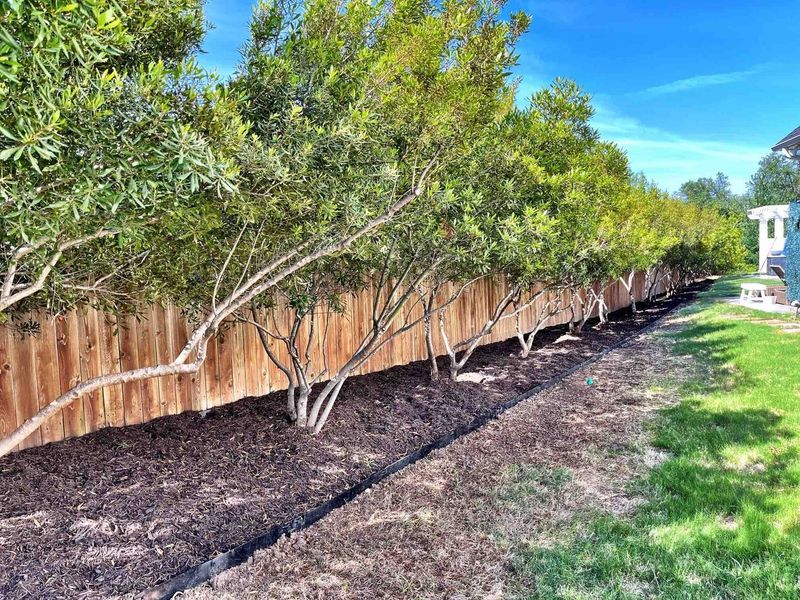
A bare property line is one of the most common frustrations for North Carolina homeowners who want privacy without waiting a decade for results. Southern wax myrtle, a native shrub that thrives across much of the state, can begin blocking ground-level views faster than almost any other native option.
On the right site, with the right plants and care, a new screen can look surprisingly solid within two growing seasons. The catch is that “the right site” does the heavy lifting, and understanding what that means will help you decide whether this shrub belongs on your boundary.
Southern wax myrtle is the fast-screen candidate
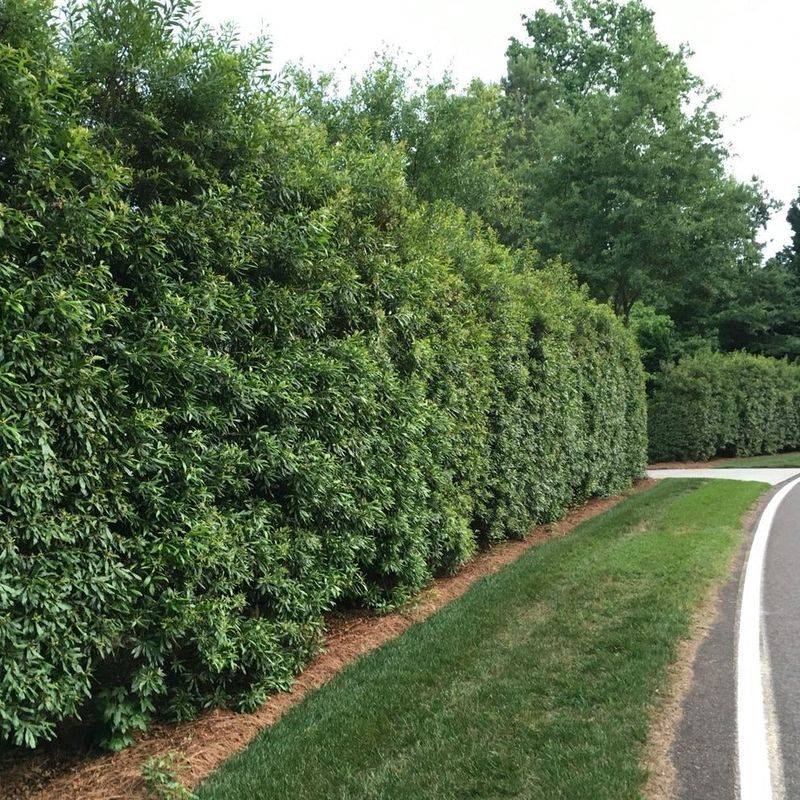
Southern wax myrtle, known botanically as Morella cerifera and formerly listed as Myrica cerifera, is one of the most practical native choices for a homeowner staring at an empty property boundary and wanting results before too many seasons pass. Native across much of the southeastern United States, it has deep roots in North Carolina’s landscape and a reputation for moving quickly once established.
NC State Extension’s plant profile describes its growth rate as rapid and confirms its use for privacy hedges and informal screens, placing it squarely in the Coastal Plain and Piedmont regions of the state.
What sets wax myrtle apart from many other native evergreens is the combination of speed and adaptability. It holds its foliage through most winters across eastern and central North Carolina, making it a broadleaf evergreen that can do screening work year-round on suitable sites.
The U.S. Forest Service species review confirms it is noninvasive, so you are not trading one problem for another by choosing it over a fast-growing exotic.
The article’s title frames a two-season payoff, and that payoff is genuinely possible. Adequately sized, healthy nursery plants on a favorable site can produce visible screening within two growing seasons.
What the evidence does not support is treating that timeline as a guarantee for every bare line in every yard. Transplant stress, small container sizes, poor soil, shade, or an unsuitable region can all push the schedule back.
NC State’s southern waxmyrtle page backs the screening use case while making clear that conditions shape results. The sections that follow explain how to read your own site honestly before committing to a row of plants.
Will wax myrtle fit your part of North Carolina?
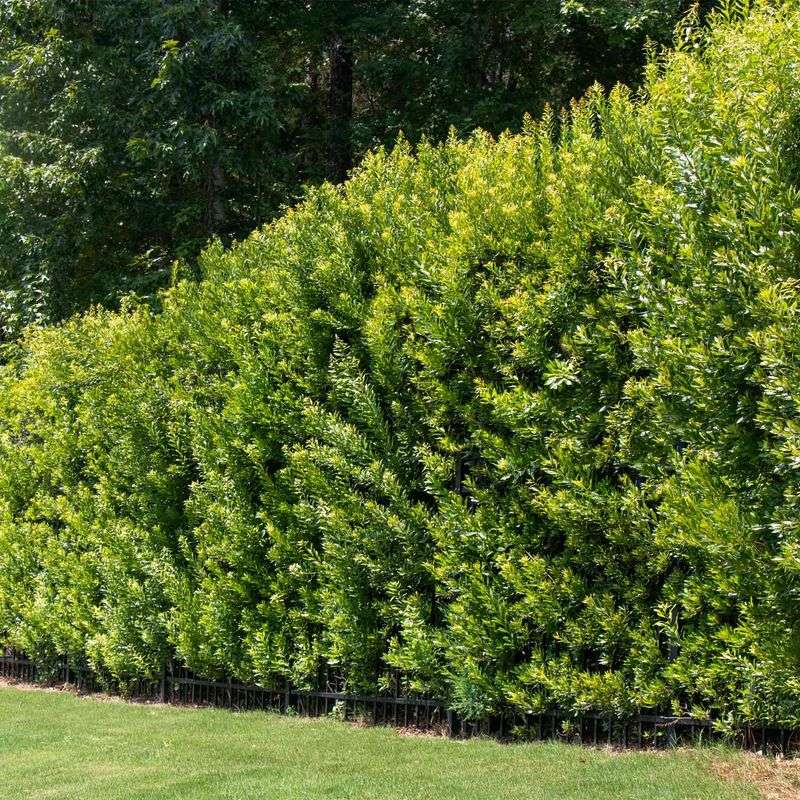
Regional fit is the first question to settle, because a shrub that thrives in Wilmington or Raleigh may struggle badly in Boone or Burnsville. NC State’s plant profile places southern wax myrtle in USDA Zones 7a through 11b and recommends it specifically for the Coastal Plain and Piedmont.
Those two regions cover a large share of North Carolina’s population, so most readers in the eastern half of the state and through the central Piedmont are working on solid ground when they consider this shrub.
Mountain gardeners face a genuinely different situation. NC State’s woody ornamentals handbook warns that North Carolina’s mountain climate differs substantially from the coast, and elevation, cold air drainage, and frost pocket exposure can push conditions well outside what wax myrtle tolerates reliably.
A homeowner at 3,500 feet in Watauga County is not in the same planting universe as one in Wake County, and treating them identically is a planning mistake. If you live in the mountains, a native evergreen proven for your elevation, such as American holly on appropriate sites, deserves a serious look before you invest in a wax-myrtle row.
Within the Coastal Plain and Piedmont, the shrub shows impressive flexibility. It handles full sun and partial shade, tolerates occasional wetness, resists wind and salt spray, and can push through drought once its roots are established.
NC State’s southern waxmyrtle page notes that regular moisture during the establishment window still matters, even for a drought-tolerant plant. A sunny, well-drained spot with reasonable soil will produce better early results than a shaded corner with compacted clay and root competition from nearby trees.
Cold, shade, and poor drainage can all cause browning or thinning, so “broadly evergreen” does not mean equally dense in every condition. Audit your microclimate honestly before buying plants, and check whether NC State’s mountain-region guidance on evergreen screens points you toward a better candidate if your site is marginal.
A fast screen still needs room to spread
Speed is only half the equation. Before buying a single plant, measure the planting strip you have available, because wax myrtle is not a narrow hedge shrub by nature.
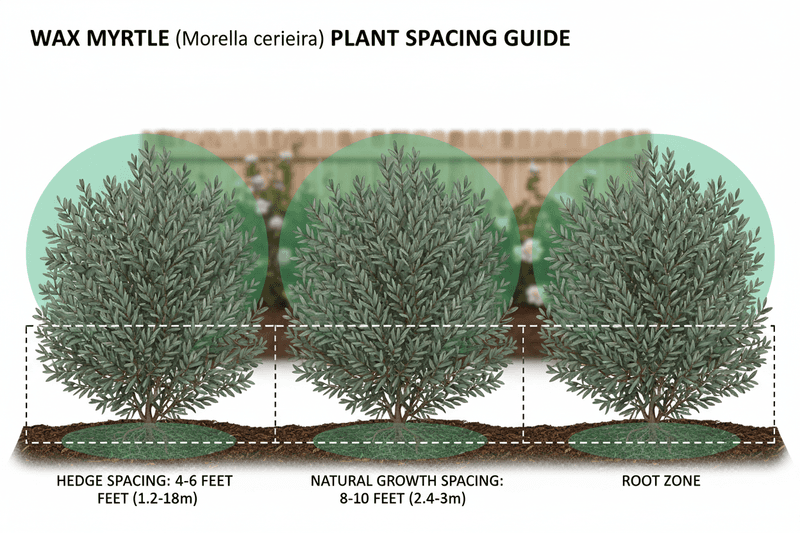
NC State’s plant profile lists a mature size that can approach 20 to 25 feet in height and commonly reaches 8 to 10 feet in width, with some landscape settings producing even larger dimensions. A 3 or 4-foot strip between a fence and a sidewalk is not enough space for this shrub to reach its natural form without repeated intervention.
Screening and complete privacy are also not the same thing, and the distinction matters for managing expectations. A well-spaced row of wax myrtles can block ground-level sightlines effectively, but views over the top of the planting, between individual plants before they knit together, or through seasonal thinning after cold weather are all real possibilities.
NC State Extension’s privacy planting guidance frames this honestly: a shrub row reduces visibility without necessarily eliminating every angle of view, especially in the first few seasons.
Property-line planting adds another layer of complexity. Ordinances in some municipalities regulate how close plantings can be to a boundary, and the mature spread of wax myrtle can eventually push branches onto a neighbor’s property.
Clemson Extension’s waxmyrtle fact sheet reinforces the mature-width reality and the pruning access that comes with it. Pruning from both sides of a property line requires a cooperative relationship with neighbors, or a planting position set back far enough that maintenance stays on your side.
Match the spacing between plants to the expected mature width, not the size of the container you are buying, and the screen will fill in more evenly without plants fighting each other for space.
Prepare the whole planting strip before planting

A bare property line that gets plants dropped into individual holes without any broader preparation is a bare property line that will stay thin longer than it needs to. Competing turf grass and weeds pull water and nutrients away from newly installed shrubs with surprising efficiency, and that competition is one of the most common reasons a promising screen stalls in its first season.
NC State Extension’s evergreen screen guidance recommends clearing the full planting area rather than only improving isolated spots, giving roots a better environment to expand into from the start.
Planting technique follows a straightforward sequence. Set each plant at the same depth as its container root ball, not deeper, and dig the hole wider rather than deeper to give roots an easier path outward into native soil.
Water thoroughly immediately after planting to collapse air pockets and give roots their first drink in their new home. Then apply roughly 2 to 3 inches of organic mulch over the root zone, keeping it pulled back from the trunk or crown so moisture does not collect against the stem and invite rot.
NC State’s woody ornamentals handbook covers this sequence in detail and explains why each step matters for long-term establishment.
Watering after planting is where many screens quietly fail. New 1- to 3-gallon woody plants may need approximately 3 to 5 gallons of water twice weekly during the initial establishment period when rain is insufficient, but that figure shifts with soil type, plant size, season, and weather.
Sandy Coastal Plain soils drain fast and may need more frequent attention than heavier Piedmont clay. NC State’s native plants handbook notes that even drought-tolerant natives need consistent moisture while their root systems are still finding their footing.
Check soil moisture rather than watering on a fixed calendar, and adjust as summer heat or dry spells intensify. Getting establishment right in the first season is the single most effective thing you can do to keep a two-season screen timeline within reach.
Two seasons is possible, but plant size and site decide the pace

The fastest path to a two-season screen starts at the nursery, not in the ground. Large, healthy nursery specimens that already stand 4 to 5 feet tall at purchase have a meaningful head start over 1-gallon containers that spend their first growing season just recovering from transplant stress.
Both will eventually fill in, but the timeline diverges sharply in those early seasons, and the article’s title only holds up when plants are adequately sized for the job from the beginning.
Growth-rate figures in Extension publications vary enough that picking a single number as a planning target would be misleading. Clemson Extension’s waxmyrtle fact sheet gives an annual rate of 12 to 18 inches, which is solid but not the figure that makes a two-season screen easy to picture.
Other sources tell a different story: an Ask Extension report on wax myrtle regrowth documents 3 to 5 feet per year, and Johnston County Cooperative Extension’s native plant feature notes that wax myrtle can add up to 5 feet in a single favorable growing season. That spread is not a contradiction so much as a reflection of how much site conditions, soil, rainfall, and plant health actually drive the outcome.
The practical planning rule that emerges from those conflicting figures is simple: buy for the height you need now, not the height you hope to reach in two years. A row of 5-gallon plants spaced correctly on a sunny, moist, well-drained site in the Piedmont or Coastal Plain stands a real chance of creating meaningful visual screening within two growing seasons.
A row of small containers on a shaded, compacted, drought-prone line may take considerably longer, regardless of what any growth-rate chart suggests. Light levels, root competition from nearby trees, spacing between plants, soil drainage, and regional climate all influence how fast the screen closes in.
Honest site assessment before purchase protects you from disappointment more reliably than any optimistic growth estimate.
Keep the boundary dense without turning it into a chore
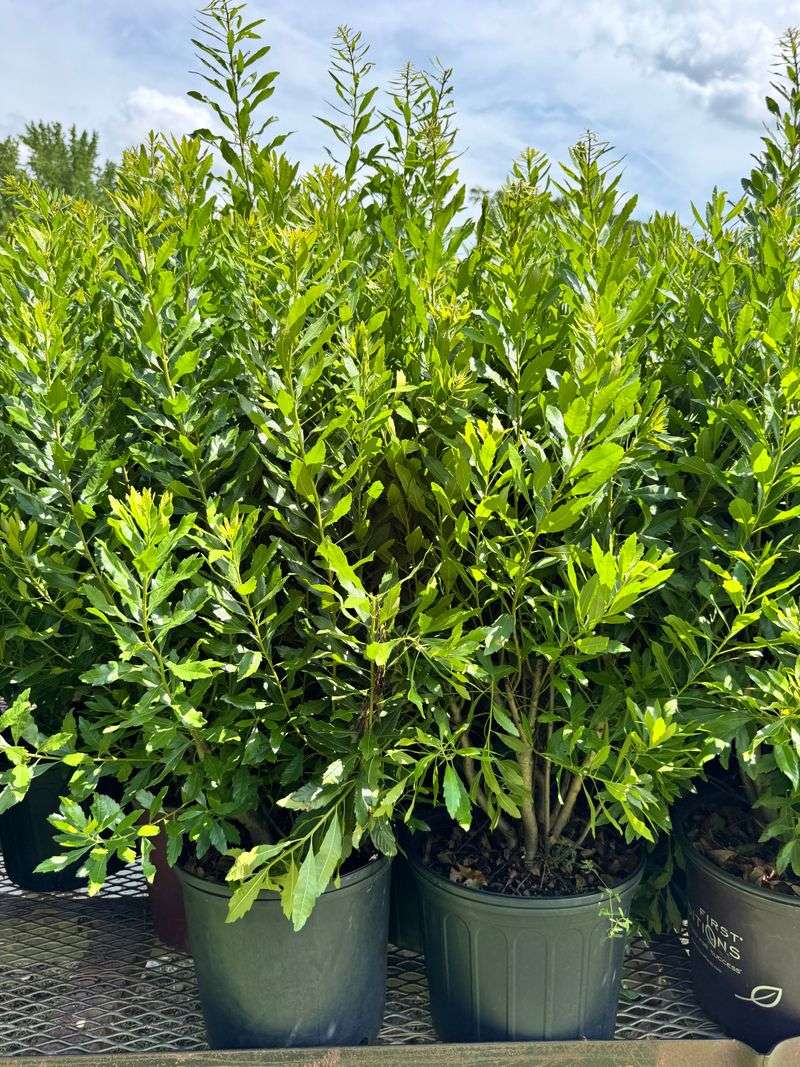
Rapid growth is the feature that makes wax myrtle attractive for screening, and it is also the reason maintenance cannot be an afterthought. Left entirely alone, a row of wax myrtles will sucker freely, sending up new stems from the root zone and gradually expanding the colony’s footprint beyond the original planting strip.
NC State’s southern waxmyrtle page describes this suckering and colony-forming tendency plainly, and homeowners who do not account for it will find their tidy hedge turning into a spreading thicket within a few years.
The choice between a multi-stemmed shrub form and a small-tree form is worth making deliberately rather than by default. Allowing multiple stems to develop produces a denser, bushier screen at lower heights, which is usually what a property-line planting needs.
Removing lower stems to create a tree form opens up sightlines at ground level, which defeats the purpose of a screen. Johnston County Extension’s wax myrtle feature notes the plant’s flexibility for either form, but the screening goal generally favors keeping the multi-stemmed habit intact.
Plan pruning access from both sides of the property line before the plants get large enough that the conversation with a neighbor becomes awkward.
Shaping and thinning are preferable to aggressive shearing. Heavy shearing removes older wood, which carries the next season’s fruit and contributes to natural branch structure.
It also tends to create a dense outer shell of foliage that shades out interior branches, eventually producing a plant that looks full from outside but is hollow and brittle inside. Selective thinning cuts keep the interior open, the natural form intact, and the fruit-bearing wood in place.
NC State Extension’s mixed native hedge guidance also makes the case for combining wax myrtle with other native species rather than running a long single-species row. A mixed screen is harder for any single pest, disease, or weather event to damage across its entire length, and it supports a wider range of wildlife.
The NC State privacy planting resource reinforces that a mixed boundary gives you both resilience and visual variety that a monoculture row cannot match.
Wildlife value does not erase the fire-safety limit
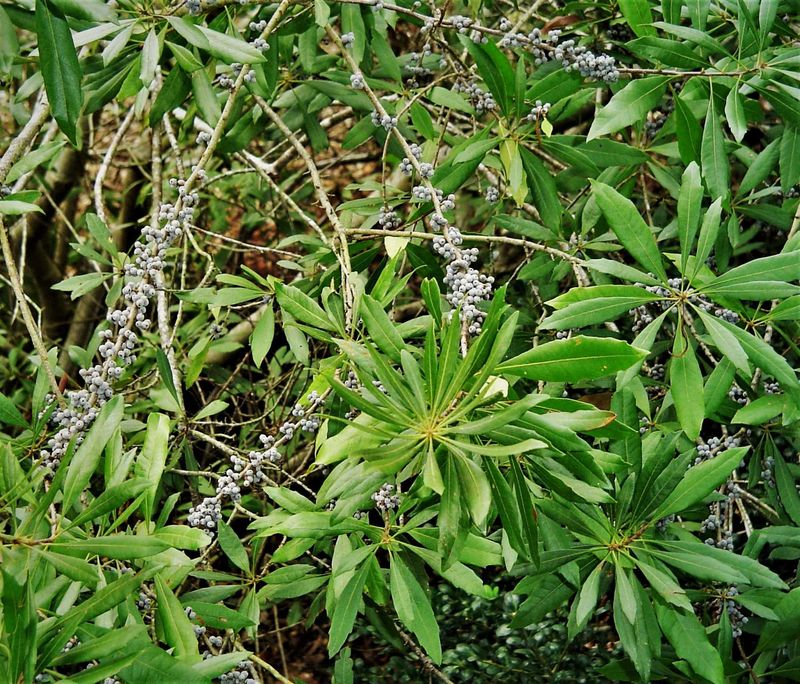
Dense branches and persistent berries make southern wax myrtle genuinely useful for wildlife, and that value is part of why it earns a place in a stewardship-minded yard. The gray-blue waxy fruits cling to branches through fall and winter, providing food for yellow-rumped warblers, tree swallows, and other birds that depend on high-fat berries during cold months.
NC State Extension’s native fall planting guide highlights wax myrtle’s berry production as a meaningful draw for birds in the landscape.
One critical detail shapes how much of that berry value your planting actually delivers. University of Florida IFAS’s wax myrtle publication confirms that southern wax myrtle is dioecious, meaning male and female flowers are borne on separate plants.
Only female plants produce the waxy fruits, and good berry production generally requires a male plant growing nearby to provide pollen. A row planted entirely with female plants will fruit, but performance improves when both sexes are present.
Ask your nursery whether the plants are sexed before you buy, or plan to include at least one male among the females.
The fire-safety consideration requires equal directness. NC State’s southern waxmyrtle page flags the shrub as having high or extreme flammability because of the aromatic compounds concentrated in its leaves, stems, and branches.
That rating is not a reason to avoid the plant entirely, but it is a firm reason to keep it out of the defensible space immediately surrounding a home, particularly in areas where wildfire risk is real or increasing. Native status does not cancel fire risk.
A plant that evolved in the North Carolina landscape still carries the chemical properties it carries, and placing a highly flammable shrub against a wood-frame house introduces a hazard that its ecological benefits do not offset. Use wax myrtle along a property boundary away from the structure, where its screening value and wildlife benefits can do their work without putting the home at greater risk.
Use wax myrtle when the site can support its real size
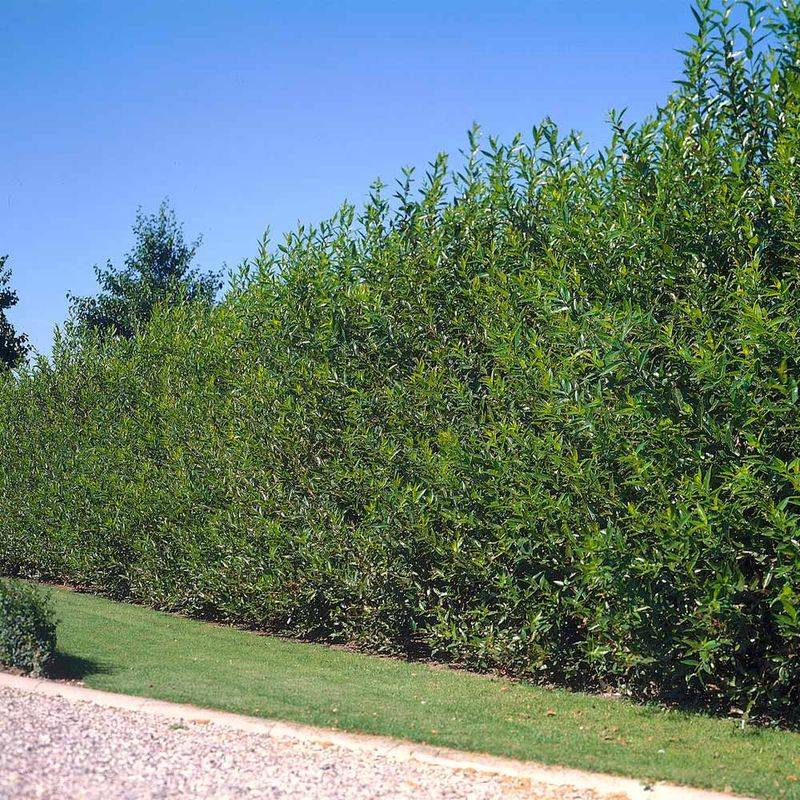
Southern wax myrtle earns its reputation as a fast native screen on the right site, and the checklist for that site is short enough to run through before you leave the nursery. You need enough planting width to accommodate an 8 to 10-foot spread at maturity, a location in the Coastal Plain or Piedmont where USDA Zone 7a or warmer conditions apply, reasonable sun exposure, and a commitment to consistent watering through the first growing season.
NC State’s plant profile and NC State’s southern waxmyrtle page together confirm the regional fit and the maintenance realities you are agreeing to.
Two-season visual improvement is a realistic possibility for adequately sized plants on a favorable site, not a promise that applies to every yard. NC State’s woody ornamentals handbook makes clear that establishment conditions shape results more than species reputation alone.
Accept that suckers will need managing, that pruning will be an ongoing task, and that a mixed planting with other native species will serve your boundary better over the long term than a single-species row.
Homeowners with narrow planting strips, mountain elevations, or homes in wildfire-prone settings should choose a different plant, one sized and proven for their actual conditions. Wax myrtle is a strong candidate where it fits.
Where it does not, forcing it into service creates more work than it saves. The best native screen is the one that grows confidently in the space and climate you actually have.