
Wasting Money On Fancy Fertilizer? 17 Single-Ingredient Kitchen Scraps Your Tomatoes Love Next Summer
Your kitchen trash can is hiding some of the best tomato food you will ever find, and it costs nothing. Tomatoes are hungry plants, and when they go short on nutrients you see yellow leaves, weak stems, and fruit with black, rotten bottoms.
Plenty of the minerals in pricey fertilizer bags also live in peels, shells, and leftover cooking water. Start saving these 17 scraps now, and your plants will be ready to thrive next summer.
1. Banana Peels
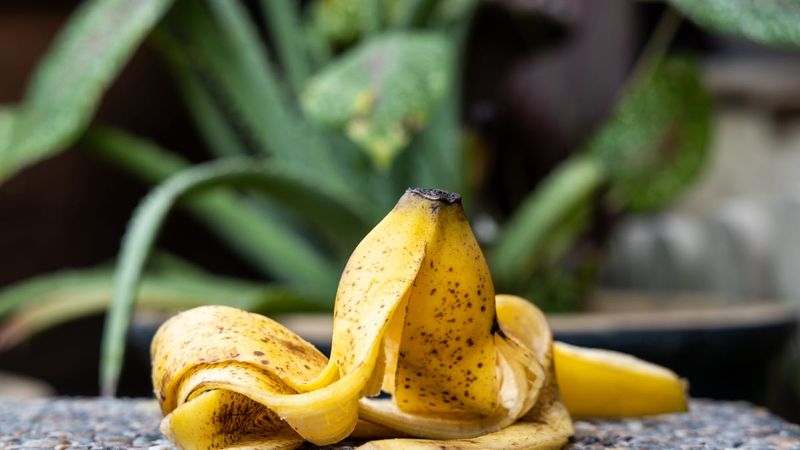
Grandma’s old trick of tucking a banana peel under a tomato plant was not just folklore. Banana peels carry potassium, the nutrient tomatoes lean on when they start setting and ripening fruit.
They also hold a little calcium, magnesium, and phosphorus.
Chop the peels into small pieces, since tiny bits break down much faster than whole peels. Bury them two to three inches deep near the root zone, not right against the stem.
If you would rather skip the digging, soak chopped peels in a jar of water for two or three days and pour the liquid around your plants.
Freeze peels in a bag through winter so you have a stash ready by planting time. Just keep them buried, because peels left on top of the soil can draw fruit flies.
2. Used Coffee Grounds
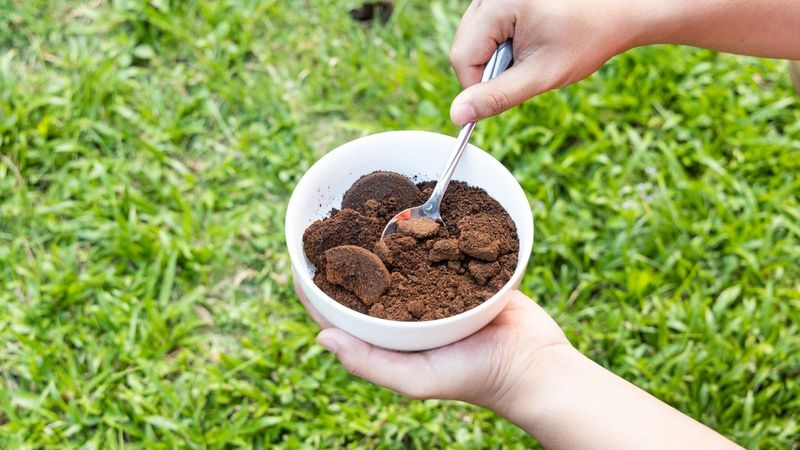
Your morning cup leaves behind a gift. Used coffee grounds contain nitrogen, which fuels the leafy green growth tomatoes need early in the season, plus small amounts of potassium and magnesium.
The catch is that more is not better. Thick layers of grounds can clump into a crust that sheds water instead of soaking it up.
Sprinkle a thin layer a few inches away from the stem and scratch it lightly into the topsoil.
Earthworms seem to love grounds, and their tunneling helps loosen soil for roots. For the safest results, mix grounds into your compost first and let them mellow before they reach your plants.
3. Crushed Eggshells
Few sights hurt more than a gorgeous tomato with a leathery black spot on the bottom. That problem, called blossom end rot, is tied to calcium not reaching the fruit, and eggshells are almost pure calcium carbonate.
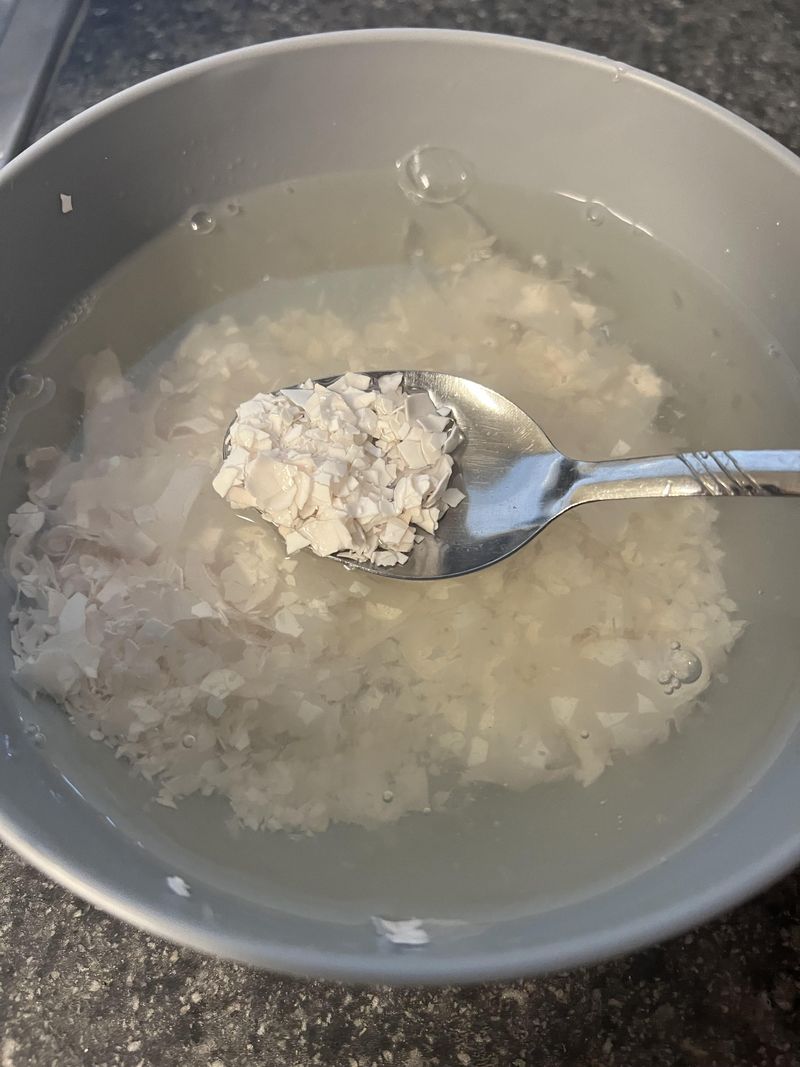
Rinse your shells, let them dry, then grind them into a fine powder in an old blender or coffee grinder. Big chunks can sit in the soil for years, while powder breaks down far faster.
Mix a handful into each planting hole or stir it into your compost pile.
One honest note: blossom end rot usually comes from uneven watering, not just low calcium. Eggshells can help build up soil calcium over time, but steady, deep watering matters just as much.
4. Wood Ash
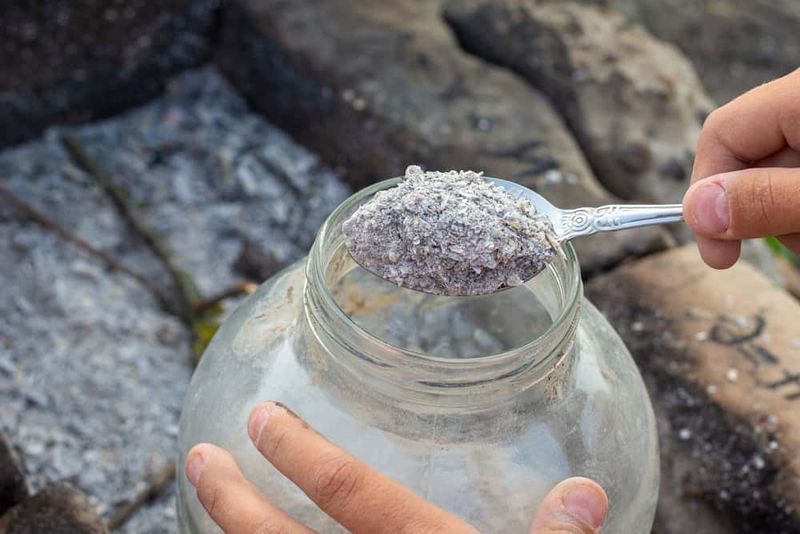
Cozy winter fires leave a bonus behind. Ash from untreated hardwood holds potassium, calcium, and magnesium, three minerals that help tomatoes build sturdy stems and good fruit.
Ash also raises soil pH, which helps if your soil runs acidic. Tomatoes like a slightly acidic range, roughly 6.2 to 6.8, so ash is a poor choice for soil that is already alkaline.
A cheap soil test tells you which camp you are in.
Use a light hand, about a cup worked into a planting hole or a thin dusting around established plants. Never use ash from painted, treated, or pressure-treated wood, charcoal briquettes, or anything with lighter fluid.
5. Used Tea Leaves
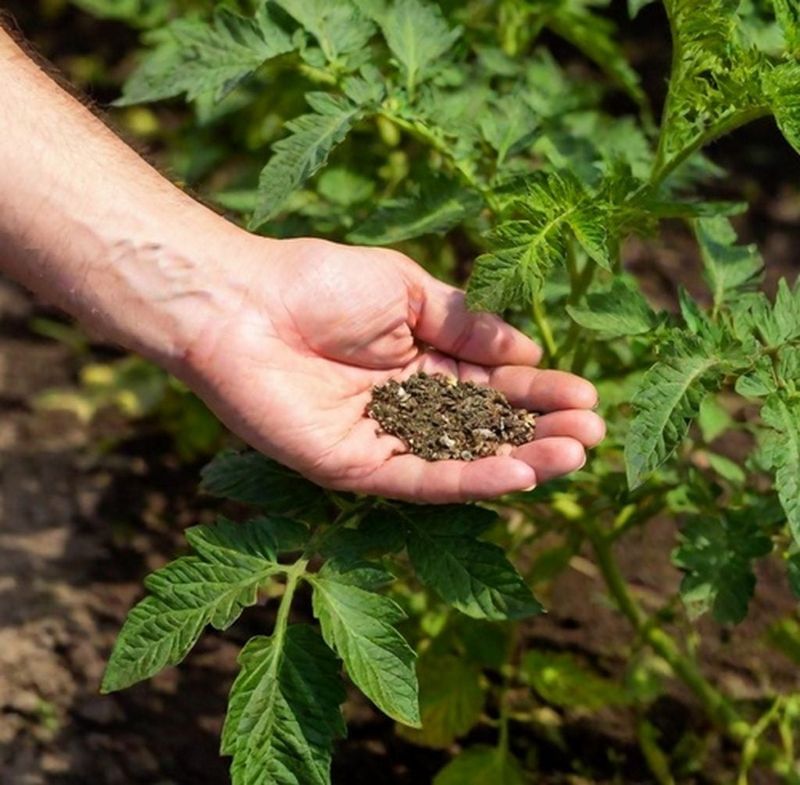
Tea drinkers, you are in luck too. Spent tea leaves offer nitrogen along with a little potassium and phosphorus, and they help soil hold moisture on hot days.
Tear open the bags and use only the leaves. Many tea bags contain plastic fibers that never fully break down, so the paper and string are better left out.
Scatter the leaves around your plants or mix them into the top layer of soil.
They break down quickly and feed soil life as they go. A daily cup or two adds up to a surprising pile by spring.
6. Plain Rolled Oats
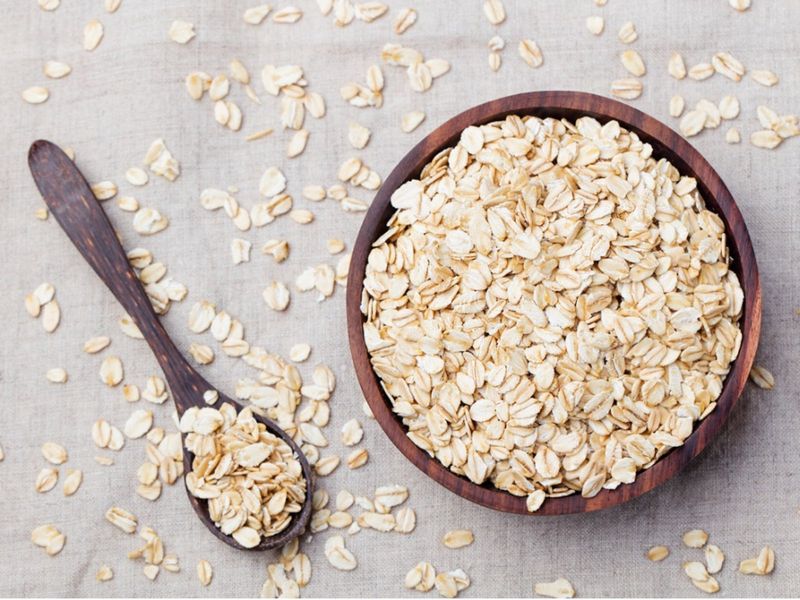
Breakfast for you, slow food for your soil. Plain rolled oats release small amounts of nitrogen, phosphorus, and iron as they break down, and they feed the microbes that keep soil healthy.
Work a quarter cup of dry oats into the top couple of inches of soil around each plant every few weeks. Some gardeners prefer oat water instead, made by soaking one cup of oats in four cups of water for a day and straining it.
Skip instant or flavored packets. Sugar and additives can attract ants and do your tomatoes no favors.
7. Onion Skins
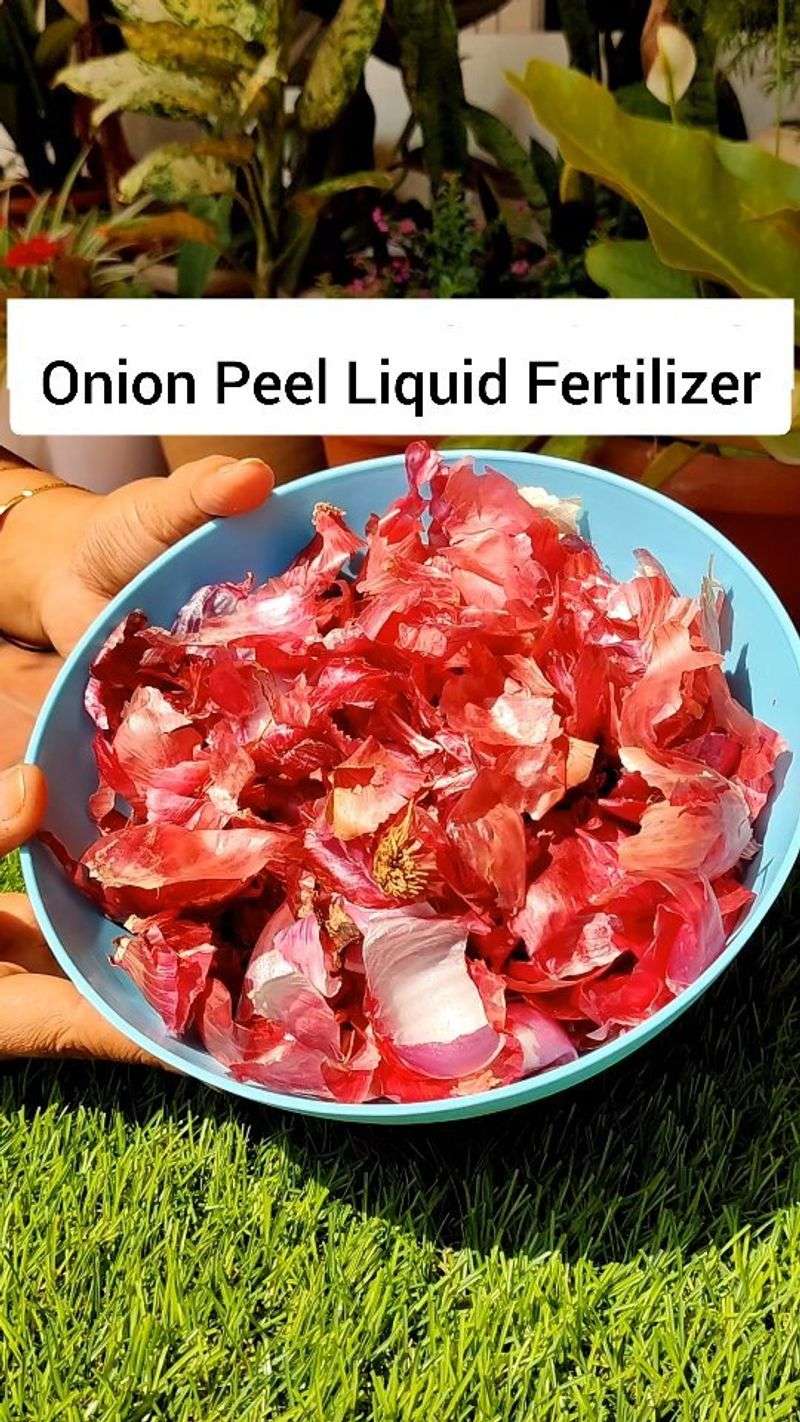
Those papery outer layers you peel off every night are worth saving. Onion skins carry potassium, calcium, magnesium, and iron, all useful for strong tomato growth.
Soak a big handful of dry skins in a jar of water for about a week until the liquid turns amber. Dilute it with four parts water to one part onion water, then pour it around the base of your plants.
You can also grind dry skins and stir them into the soil.
Some gardeners believe onion tea may help deter certain pests. Treat that as a possible bonus, not a promise.
8. Unsalted Pasta Water
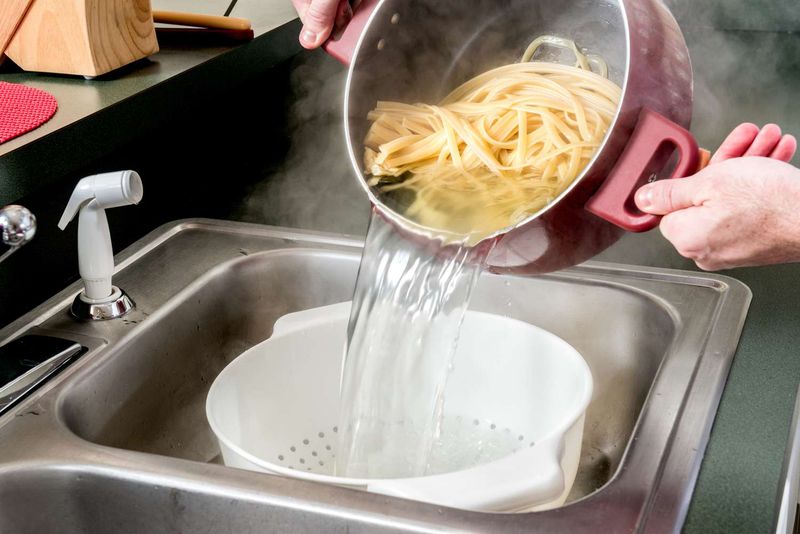
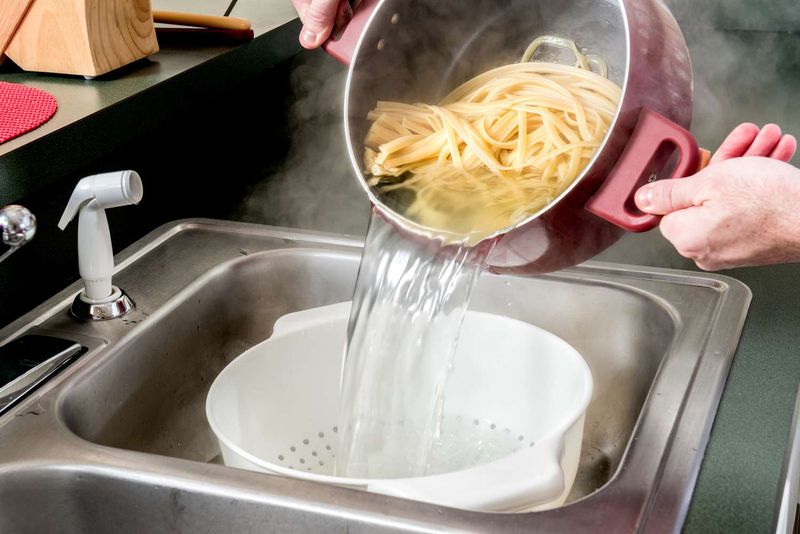
Before you dump that pot down the drain, pause. Water from boiling unsalted pasta or rice carries a little starch and trace minerals that feed soil microbes.
The rules are simple. Let it cool completely, and only use it if you skipped the salt, since salt builds up in soil and harms roots.
Use it as a regular watering now and then rather than every day.
It is a small boost, not a full meal. Still, it saves water and gives your tomatoes a free drink.
9. Vegetable Cooking Water
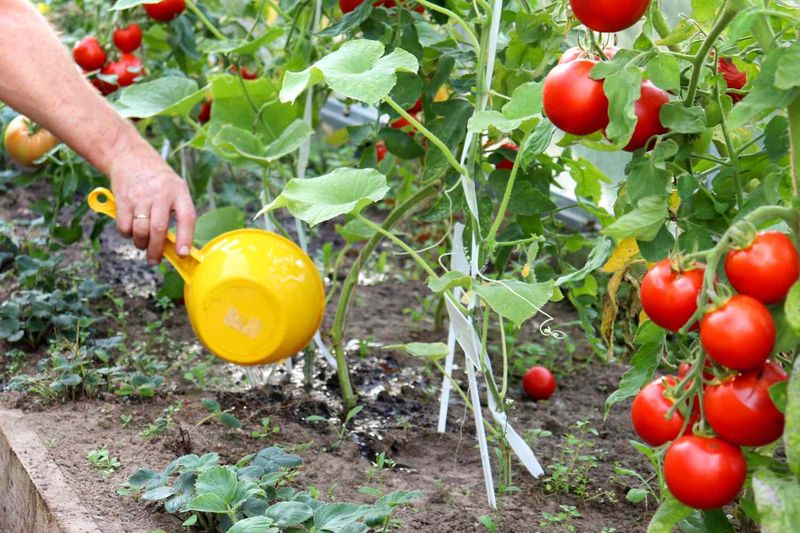
Steaming broccoli or boiling potatoes pulls minerals out of the veggies and into the water. That cloudy liquid holds bits of potassium, phosphorus, and calcium that tomatoes can use.
Cool it fully, keep it salt-free, and pour it at the base of your plants. It works especially well for container tomatoes, which run through nutrients fast because frequent watering washes them out.
Store it in the fridge for a day or two if you cannot use it right away. After that it can start to smell.
10. Fish Scraps
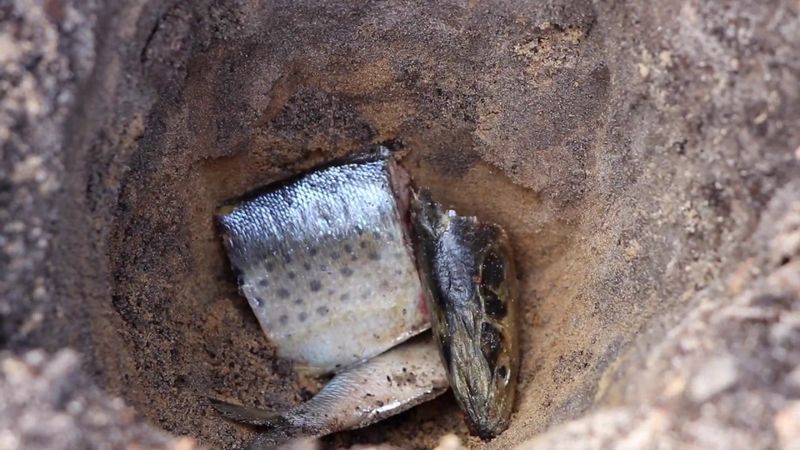
Long before fertilizer came in bags, gardeners buried fish under their crops. Fish heads, bones, and skins release nitrogen, phosphorus, potassium, and calcium slowly as they break down.
Bury scraps at least a foot deep in the planting hole, then add a layer of soil before setting in your tomato. Going deep keeps raccoons, dogs, and cats from digging them up.
Save the scraps in the freezer until spring. Planting day is the best time to use them, since digging near established roots can do damage.
11. Potato Peels
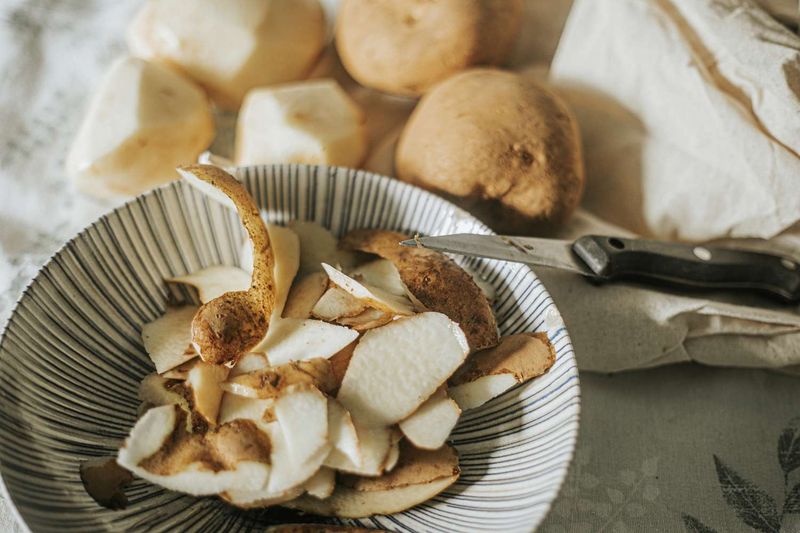
Peeling potatoes for dinner? Those skins pack potassium and phosphorus, two nutrients tomatoes crave once flowers start forming.
Toss them into compost instead of burying them raw. Fresh peels can sprout into surprise potato plants, and potatoes share diseases like blight with tomatoes.
Composting first breaks that link.
Once finished, the compost becomes a rich side dressing. Spread an inch around your plants in early summer.
12. Apple Cores
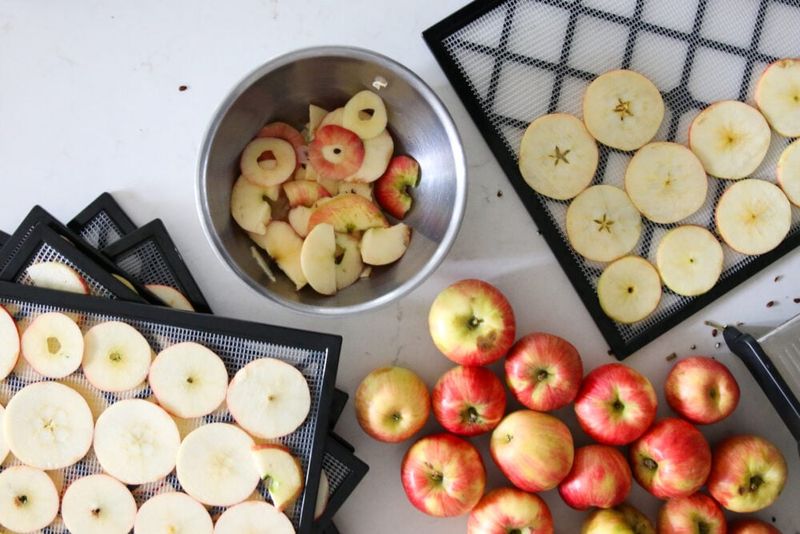
Here is a sweet one. Apple cores and peels break down fast and feed the compost pile with sugars that get microbes working hard.
That busy microbe army turns scraps into crumbly, dark compost your tomatoes will love. Toss in a few cores a week, mixed with dry leaves or shredded paper to keep things balanced.
Do not bury fresh cores beside your plants. They draw wasps and fruit flies and can steal nitrogen while they rot.
13. Carrot Tops
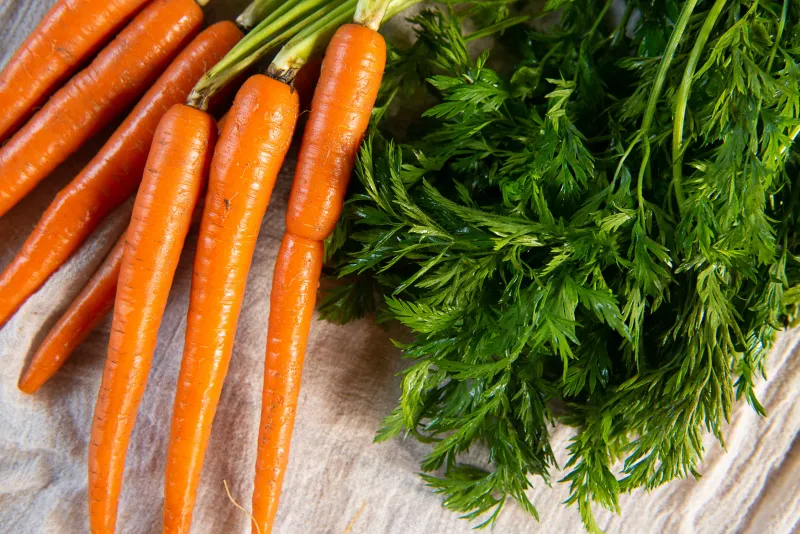
Bought carrots with leafy tops? Those feathery greens are a nitrogen-rich addition to compost.
Green materials like carrot tops heat up a pile and speed decay. Chop them small and layer them with brown materials such as dried leaves.
The result is a nitrogen boost for spring, right when young tomato plants are pushing out new leaves.
14. Melon Rinds
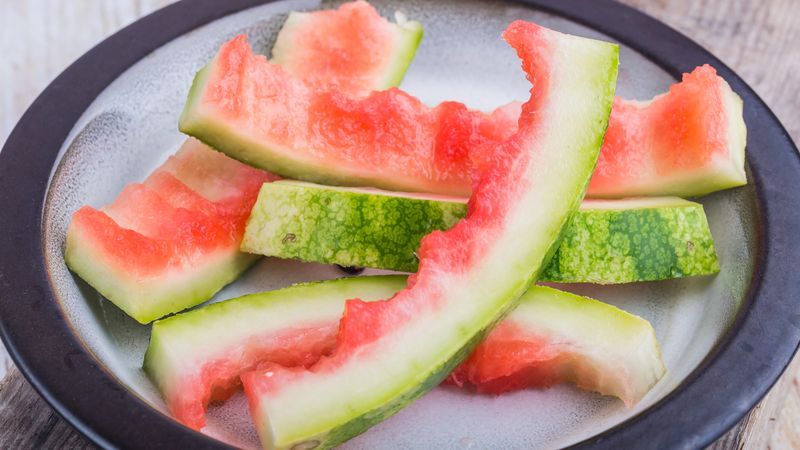
Summer cookouts leave mountains of watermelon and cantaloupe rinds. Most of that weight is water, which keeps a compost pile moist during hot, dry months.
Cut rinds into chunks so they break down within weeks. They add potassium and help your compost finish in time for fall planting prep.
Bury them in the center of the pile to keep flies away.
15. Lettuce Ends
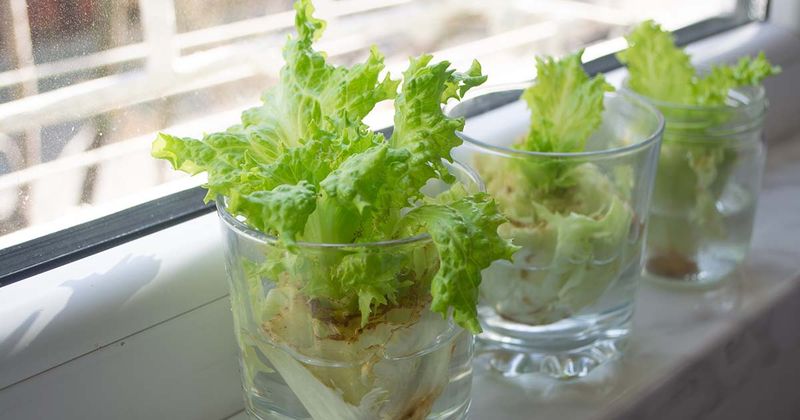
Wilted salad greens feel like a total loss. In the compost, they are anything but.
Lettuce cores and limp leaves rot quickly and add nitrogen and moisture. They balance out drier scraps like eggshells and onion skins.
Toss them in weekly. By next spring, they become part of the dark, rich soil you tuck around new tomato transplants.
16. Shrimp Shells
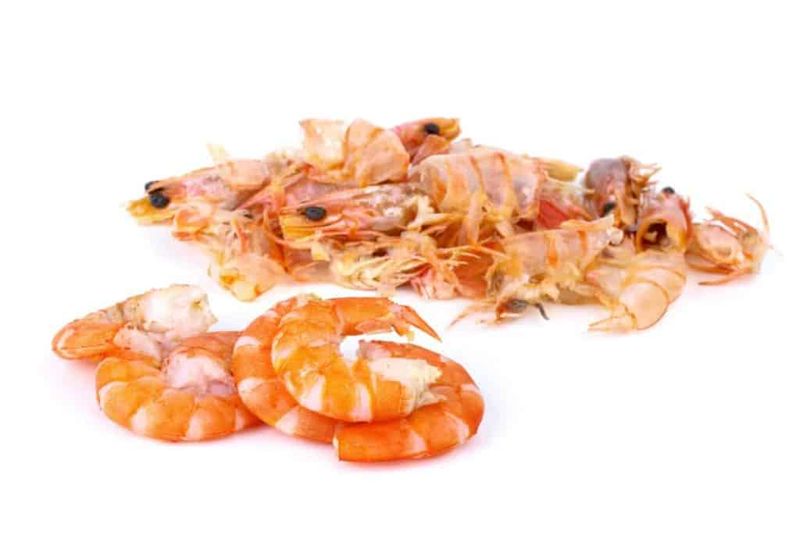
Shrimp night leaves a pile of pink shells that most folks throw out. Those shells hold calcium, nitrogen, and chitin, a material that may encourage helpful soil microbes.
Bury them deep in the center of a hot compost pile, or dig them into empty beds in fall so they break down over winter. Shallow burial will attract animals.
By spring the shells will have softened, feeding the soil right where your tomatoes will grow.
17. Avocado Skins
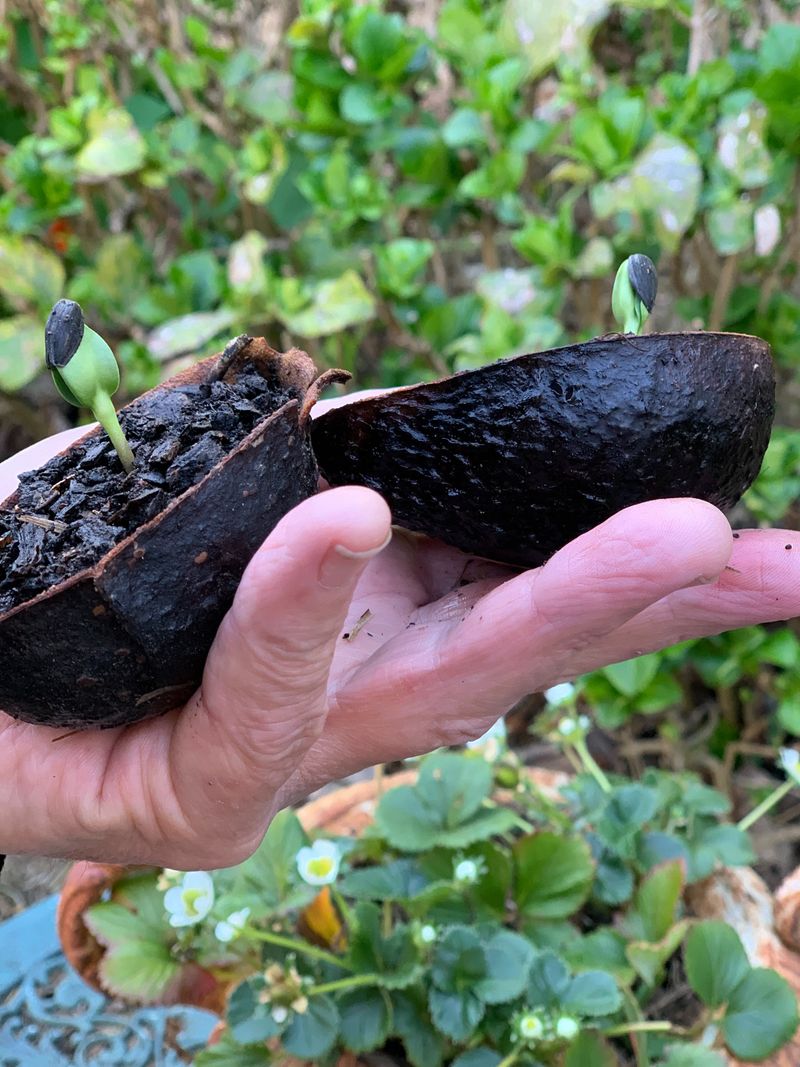
Guacamole fans, keep those skins. Avocado peels add potassium and organic matter to compost.
They are tough, so chop them into small strips before adding them. The pits take years to break down, so smash or skip them.
Toss skins in all winter, and you will have one more free ingredient feeding your tomato beds when warm weather returns.