
What Can Banana Peels Really Do for Your Roses, and What Can’t They Do?
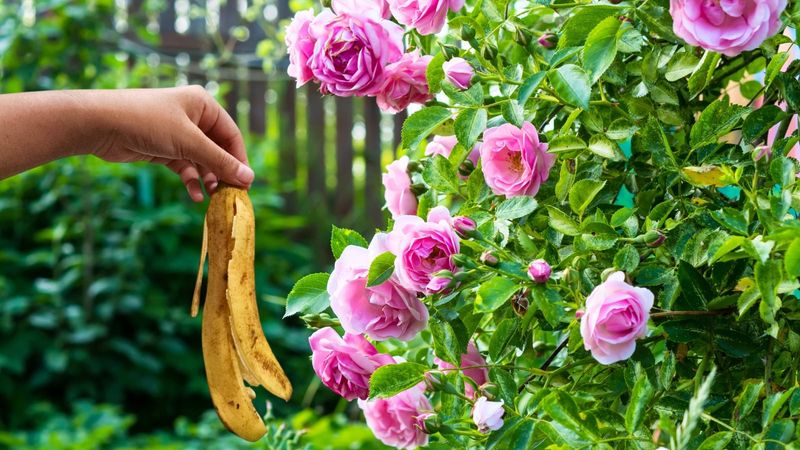
You peel a banana, and the peel lands in the trash while your rose bush sits right outside the window. Plenty of gardeners have heard that tucking that peel into the soil gives roses a big boost.
It is a sweet idea that saves money, but it deserves a closer look before you count on it. Here is what peels can do, what they cannot promise, and what to try instead.
The peel-versus-fertilizer claim has no proven winner
Here is the straight answer to the big comparison: nobody has shown that a raw banana peel feeds roses better than store-bought fertilizer. Nobody has shown that it creates more blooms either.
If you have tucked a peel under your rose bush before, you did nothing harmful by trying a cheap idea, but you also should not expect a miracle.
When a gardener asked about this exact habit, an Ohio State Extension response said it found no data-based science backing the practice for roses. The same response pointed gardeners toward soil testing to find out whether potassium is even needed.
That is a useful clue, because the peel tip assumes your rose is short on potassium, and that is a guess until the soil says otherwise.
Banana peels do contain potassium, so the tip did not come from nowhere. The trouble is that a familiar tip and a proven treatment are not the same thing.
Plenty of garden advice gets passed along for decades without anyone measuring what it does.
The goal of this article is simple. You can keep using your kitchen scraps in smart ways, protect the roses you already own, and skip the pressure of thinking a peel is a fertilizer shortcut.
We will look at what potassium really does, what a rose study actually tested, how composting fits in, and what to check when blooms are slow to show up.
Potassium matters, but a peel is not a measured rose feed
Potassium really is one of the nutrients roses need. According to Mississippi State Extension, it supports root growth, plant vigor, and bloom color.
Roses also depend on nitrogen and phosphorus, so one nutrient alone never tells the whole story.
Think of it like a snack versus a balanced meal. A banana peel contains potassium, but that is different from a fertilizer that delivers a known amount at the right moment.
A bag of rose food lists what is inside. A peel gives you no label, no measurement, and no promise about timing.
Nutrients in organic material also do not leap into the soil on day one. They become available as the material breaks down, and how fast that happens depends on the material and the conditions.
Oregon State Extension notes that organic sources vary in nutrient content and release nutrients over time.
Picture two peels from two bananas, one tucked into cool, damp soil in spring and one dropped on dry ground in July. They may break down at very different speeds and give your rose very different amounts of anything.
That unpredictability is the reason one peel cannot be treated as a balanced, reliable dose.
None of this makes potassium unimportant. It simply means that knowing a nutrient matters is a long way from knowing a peel will supply it when your rose needs it.
What did the banana-peel rose study actually test?
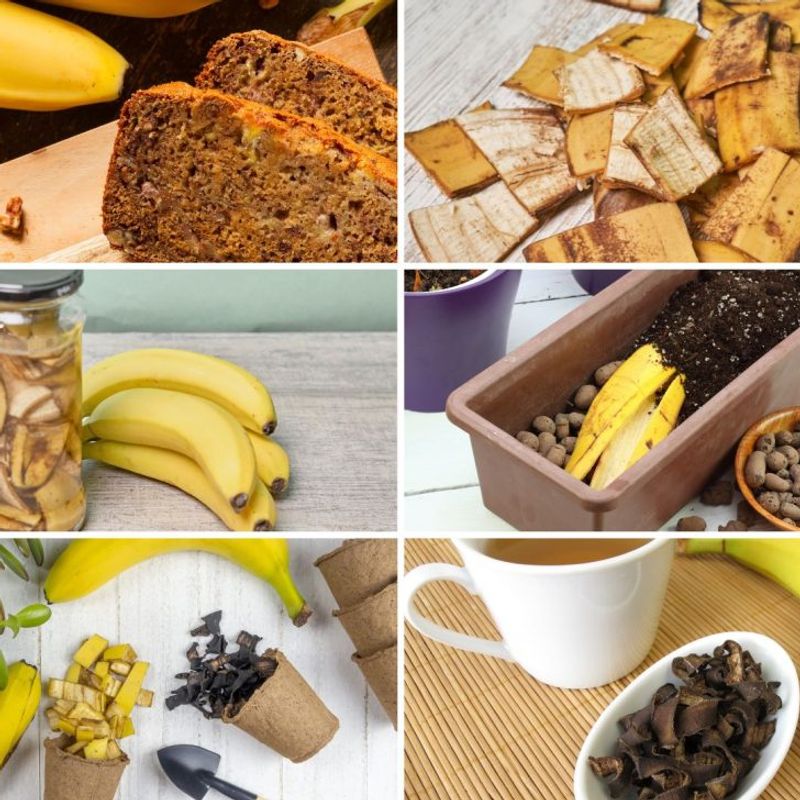
A small study from Indonesia is the one most often pointed to when people talk about banana peels and roses. Researcher Butar-Butar looked at how different doses of Kepok banana peel liquid organic fertilizer affected the growth of rose plants.
The key word is prepared. The peels were turned into a liquid fertilizer and applied at specified dilutions.
That is quite different from what most of us do. Nobody in that study dropped a fresh breakfast peel beside a rose bush.
They also did not test homemade peel-water from a jar on the porch.
The study also did not pit banana peel liquid against store-bought rose food, so it cannot tell us which one works better. It was done in Indonesia, not in a US backyard with US soils and weather.
Results from one setup do not automatically carry over to another.
So what is the study good for? It shows that researchers are curious about banana peels as an ingredient in prepared products.
It does not give you a household recipe, a dose, or a promise of extra blooms.
If you see a claim that cites research on peels, it is worth asking which form was tested: a raw peel, a compost, or a prepared liquid. Evidence about one form does not prove another one works.
Composting is the practical way to reuse the peel
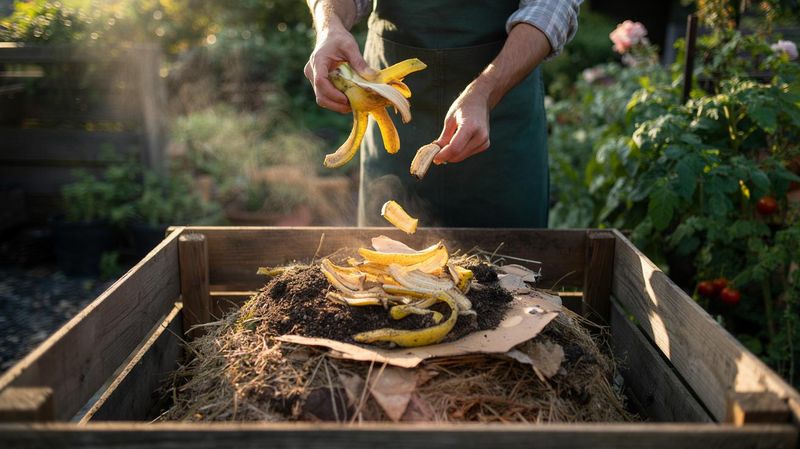
If you hate tossing a banana peel in the trash, composting is a sensible home for it. Add it to a bin or pile with other suitable kitchen scraps and yard materials like dry leaves.
Over time, everything breaks down into a dark, crumbly material you can use around your garden.
Finished compost works best as a soil amendment. According to Oregon State Extension, compost releases nutrients slowly, its nutrient content varies, and it has a lower fertilizer value than concentrated fertilizer.
Its real strength is improving soil structure and helping it hold moisture.
Say you spread an inch or so of finished compost around the base of your rose in spring. You are building better soil, which roses appreciate.
You are not delivering a measured dose of potassium or anything else.
That is why compost and fertilizer are not the same job. A compost pile that includes banana peels is a good habit, but it does not prove those peels meet every nutrient need your rose has.
If a soil test shows a real shortage, compost alone may not be a fast or complete fix.
Also remember that raw peels, finished compost, and prepared liquid products are three different things. Using compost is the version that fits best with how gardeners actually handle scraps, and it keeps the peel out of the landfill.
Let a soil test guide what you feed your rose
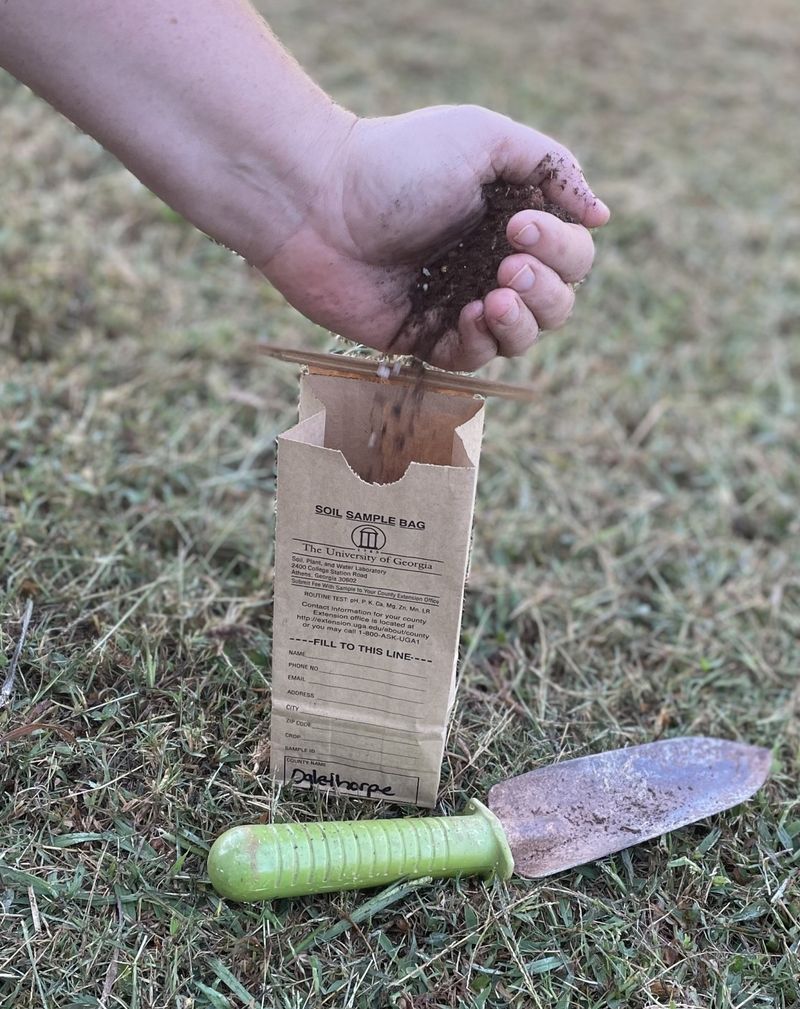
Guessing is the stressful part of feeding roses, and a soil test takes most of it away. The Ohio State Extension response recommends testing the soil to find out whether potassium is needed at all.
Your local county or state Extension office can usually point you to a testing lab.
For an existing rose, the results help you decide whether fertilizer is needed and which nutrients to apply. Then you follow the test recommendations and the directions on the product label.
That approach beats adding a presumed potassium source by default.
Here is a practical example. If your test shows plenty of potassium but low phosphorus, a peel under the bush points you in the wrong direction.
If it shows low potassium, you can choose a product that addresses that, and use the label to apply the right amount.
Store-bought fertilizers are not all the same either. Formulas differ, and so do the needs of different roses, soils, and climates.
Some roses growing in good soil may not need fertilizer at all.
Guidance from University of Maryland Extension also stresses that too much fertilizer can cause trouble of its own. A test keeps you from piling on nutrients your rose does not want, and it protects the plant you already love.
Few blooms can point to problems beyond nutrition
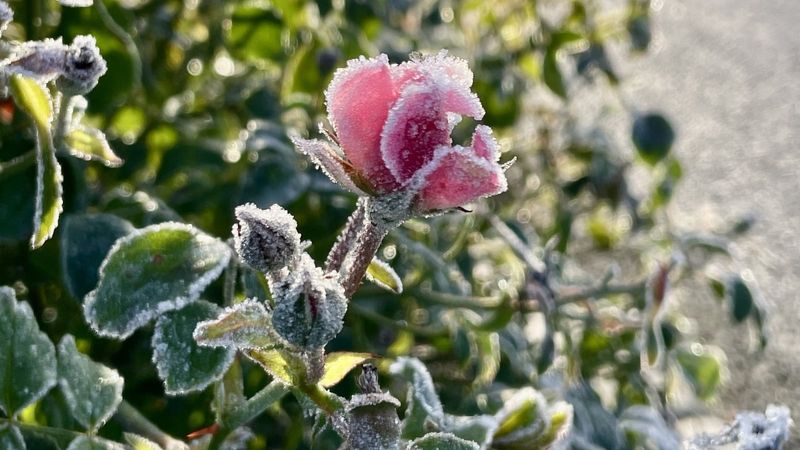
A rose with hardly any flowers can make a gardener want to grab a fix right away. But low blooms do not automatically mean a potassium shortage.
University of Maryland Extension lists several other possible causes: not enough sun, weather stress, pruning, winter injury, and too much fertilizer.
Start with light. Most roses do best with at least six hours of direct sun each day.
If a nearby tree or fence has grown taller, your rose may be getting less light than it did a few years ago.
Next, look at water. Maryland guidance recommends keeping soil evenly moist and watering at the base of the plant rather than over the leaves.
Swings between soggy and bone dry can stress a rose and slow flowering.
Think back on pruning and winter too. If you cut stems at the wrong time, you may have removed the wood that would have carried buds.
Cold snaps can also injure canes, and you may see dark or dead stems in spring.
Then consider feeding. Too much fertilizer can reduce flowering, so adding more is not always the answer.
Maryland Extension advises against fertilizing roses after early August, but that is regional guidance for Maryland, not a date that fits every US climate. Check with your local Extension office for timing where you live.
A rose that skips a season of blooms is often telling you about its conditions, not asking for a banana peel.