
What It Really Means When Fireflies Fill Your North Carolina Yard At Dusk In Late Summer
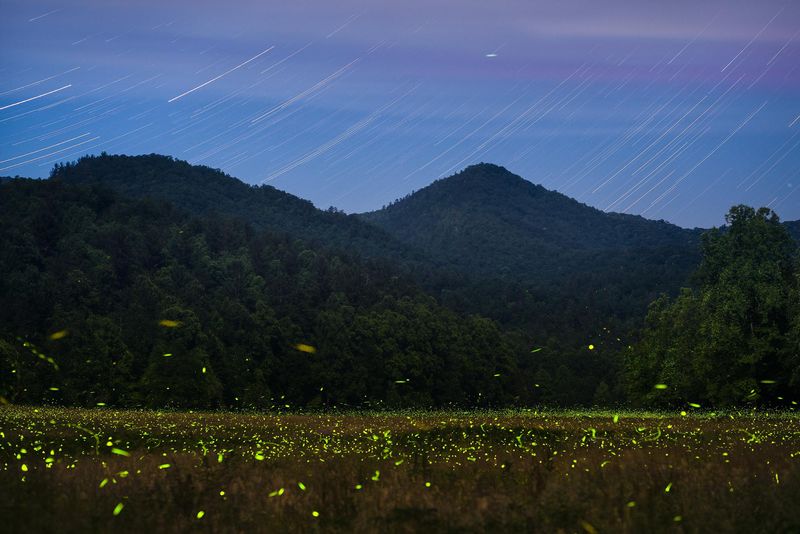
Watching fireflies blink across a darkening backyard is one of those summer moments that stops you mid-step. For North Carolina homeowners, a heavy late-summer display can feel like a sign that the yard is doing something right.
Understanding what that glow actually signals, and what it cannot tell you, puts you in a much better position to protect whatever is drawing them in.
The glow is a habitat clue, not a soil test
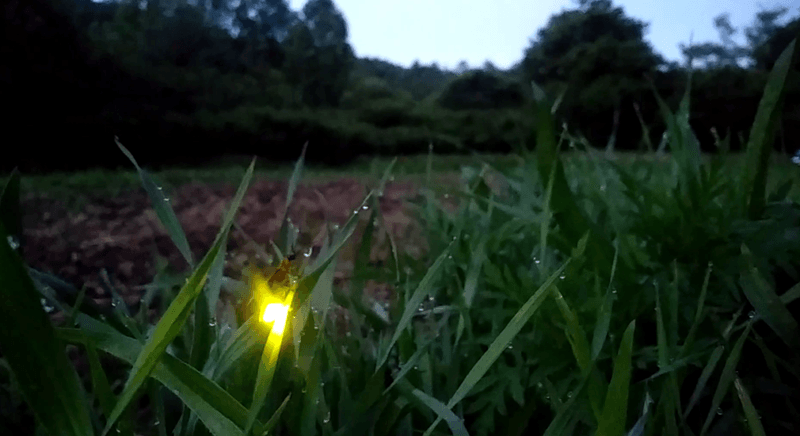
Fireflies blinking across your yard on a late-summer evening mean that one or more species are using or passing through the local area. That much the display does tell you.
According to Xerces Society guidelines on firefly conservation, firefly larvae spend much of their lives in soil, leaf litter, or other ground-level habitat, where they prey on soft-bodied invertebrates such as earthworms, snails, and slugs. A yard that supports active adults is consistent with favorable conditions somewhere nearby, including suitable moisture, ground cover, prey, vegetation, and enough darkness for courtship signals to register.
The display does not, however, prove that fireflies are completing their life cycle on your property. Adults are strong fliers and can move into a yard from surrounding habitat, so visible activity does not confirm that larvae occupy your soil.
Breeding may be happening close by, or it may be happening somewhere else entirely.
Equally important is what the glow cannot establish about your yard. A firefly-rich evening is not a soil test.
It does not reveal whether the soil is fertile, contaminated, low in pesticide residue, or free of ticks. Firefly abundance reflects a combination of species identity, weather, land cover, surrounding habitat, and light conditions, not a single measure of yard quality.
Treating the display as a comprehensive ecological report would lead to overconfident conclusions that the biology simply does not support.
The practical takeaway is this: read the glow as a possible habitat signal worth investigating and protecting. Inspect the ground-level conditions that may be making your yard attractive, take steps to preserve them in a defined area, and resist the urge to declare the whole property certified by the flash.
That cautious, curious approach does more for fireflies than any bolder claim would.
The visible flash began long before dusk
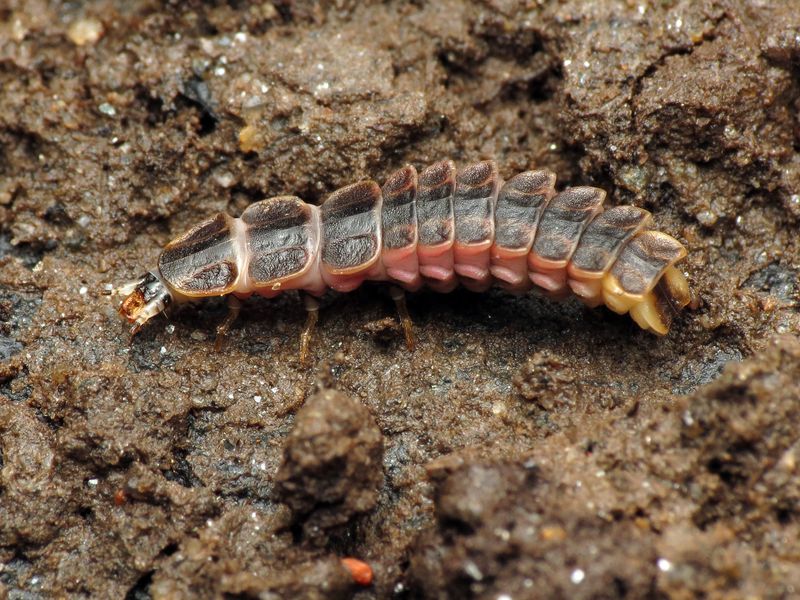
Every adult firefly you see at dusk represents years of slower, invisible work happening at ground level. Firefly larvae can spend one to two years in soil, leaf litter, or other moist ground cover before they ever produce a single flash.
Great Smoky Mountains National Park’s firefly resource notes that adults live for only a few weeks, making the larval stage by far the longer portion of a firefly’s life. The display you see on a warm August evening is the brief, visible tip of a much longer developmental process.
That means a strong late-summer display reflects conditions that existed well before this season began. Research published in Ecological Entomology found that adult firefly abundance is linked to weather during the larval stage in the previous year, connecting what you see tonight to soil moisture, temperature, and prey availability from months earlier.
A good display in August may be the result of favorable conditions last fall or the spring before that, not just what your yard looks like right now.
Weather during the current season also plays a role. A citizen-science study modeling firefly abundance found that temperature and precipitation patterns shape how many adults appear and when they peak.
An unusually dry or cool stretch can suppress a display even when the yard’s physical habitat has not changed at all.
For homeowners, this means one season’s count is not a reliable verdict on the yard’s long-term condition. A bumper display does not confirm permanent improvement, and a quiet summer does not mean the habitat has failed.
Both outcomes can reflect weather and earlier larval conditions as much as anything the current yard management has done. Keeping habitat features in place across multiple years gives fireflies the best chance across the full arc of their life cycle.
Moist soil and leaf litter create a possible refuge
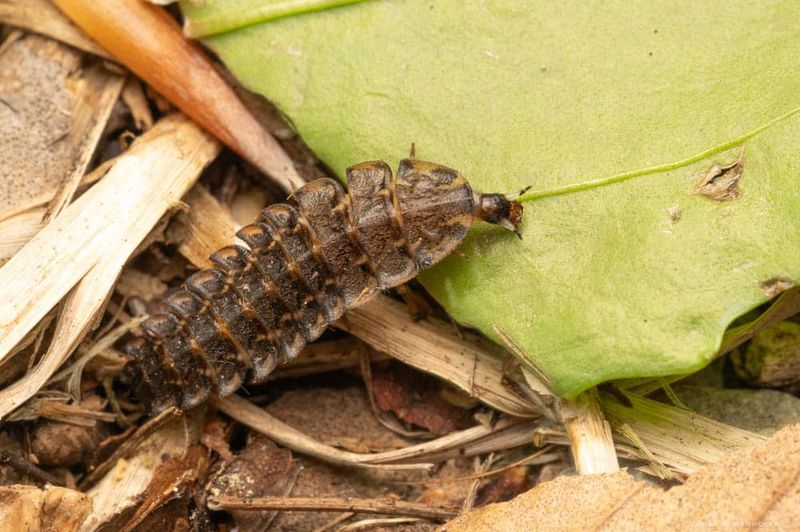
Walk the yard in daylight and look for the conditions that may be making it attractive to fireflies. Shaded soil that stays damp between rains, retained leaf litter, plant debris, downed wood, and undisturbed edges along fences or tree lines are the features most likely to provide cover and prey for firefly larvae.
Xerces Society’s conservation guidelines recommend preserving a designated patch with leaf litter, fallen wood, and undisturbed soil rather than clearing every corner of the property.
One important clarification: damp does not mean swampy. According to Xerces Society’s firefly conservation brochure, firefly species vary considerably in their habitat preferences.
Some favor woodland floors, others use wet bottomlands or stream edges, and some tolerate drier conditions. Permanently saturated soil can actually be unfavorable for certain soil-dwelling larvae or the invertebrates they eat.
The goal is moisture retention, not a bog.
Shade, mulch, and appropriate vegetation are practical tools for keeping soil from drying out between rain events. NC State Extension’s native plants handbook recommends choosing plants according to the site’s actual drainage, soil texture, light, and moisture conditions across the Piedmont, Coastal Plain, or mountain region.
A plant suited to wet sites should not be forced into a dry spot, and a dry site should not be kept artificially saturated just to attract fireflies.
Preserving these features in a specific, defined area gives fireflies a possible refuge without requiring the whole yard to go unmanaged. It also keeps expectations honest.
Leaf litter and damp soil create conditions that may support firefly larvae, but finding those features in your yard does not confirm that larvae are actually present or that the full life cycle is completing on your property. The habitat may be attracting adults from nearby areas, which is still worth protecting.
Darkness gives the courtship signals room to work

Firefly courtship runs on light, which makes your outdoor lighting habits part of the habitat conversation. Males flash species-specific patterns while flying, females respond from perches below, and the exchange continues until a pair meets.
When artificial light fills the yard, those signals can be harder to detect, and some species may flash less or mate less successfully as a result.
Experimental research linked from Xerces Society’s firefly-friendly lighting guidance found reduced flashing and mating behavior under artificial light, though the degree of sensitivity varies among species. That variation matters: one porch light will not eliminate every firefly from the yard, and different species respond differently to the same light source.
The practical goal is reducing unnecessary light, not achieving total darkness.
Turning off porch, landscape, and decorative lights when they are not needed is the simplest step. For lights that serve a real purpose, timers limit the hours they run, motion sensors keep them off until needed, shields or hoods direct the beam downward rather than outward, and warm-toned bulbs are generally considered less disruptive than cool-white LEDs.
Security lights on motion sensors are a reasonable compromise for a lived-in residential yard.
The adjustment does not require sacrificing safety or comfort. A few targeted changes, such as switching a floodlight to a downward-directed fixture and putting landscape lighting on a timer, can meaningfully reduce the light footprint during the hours when fireflies are most active.
Small shifts in light management, applied consistently over a season, give courtship signals a better chance of getting through.
A firefly patch can coexist with a working backyard

Protecting possible firefly habitat does not mean letting the whole yard go. The most practical approach is to carve out one defined section, perhaps a back corner, a shaded border, or a strip along the fence line, and manage it differently from the rest of the property.
Leave leaf litter in place there, allow fallen wood to stay, and mow that area less often or not at all. The rest of the yard, including paths, play areas, and the main lawn, can be maintained as normal.
Mowing height and frequency matter in the habitat patch. Penn State Extension’s firefly guide suggests a 3-4 inch mowing height as one way to support fireflies, though NC State provides different recommended ranges for specific North Carolina turfgrasses, so there is no single correct height for every lawn in the state.
A sensible approach is to follow species-appropriate guidance for your main turf and simply mow the habitat patch less frequently, or leave it unmowed where the space allows.
Moisture conservation in the habitat patch is best handled through shade, mulch, and plants suited to the site, not through nighttime watering. NC State Extension’s water quality guidance generally recommends morning irrigation for landscapes, which supports plant health and reduces disease pressure without creating the damp evening conditions that favor mosquitoes.
For homeowners in the Piedmont, Coastal Plain, or mountains considering a planted depression or rain garden to support moisture retention, NC State Extension’s landscape design handbook notes that properly designed rain gardens are intended to infiltrate water rather than hold it. That approach is far more useful than leaving improvised containers to collect rainwater.
When choosing native plants for the habitat area, match species to your specific region’s light, drainage, soil type, and moisture conditions rather than pulling from a generic firefly plant list. NC State Extension’s native plants resource offers regionally grounded guidance for exactly this kind of site-specific selection.
Mosquito and pesticide fixes can undo the habitat
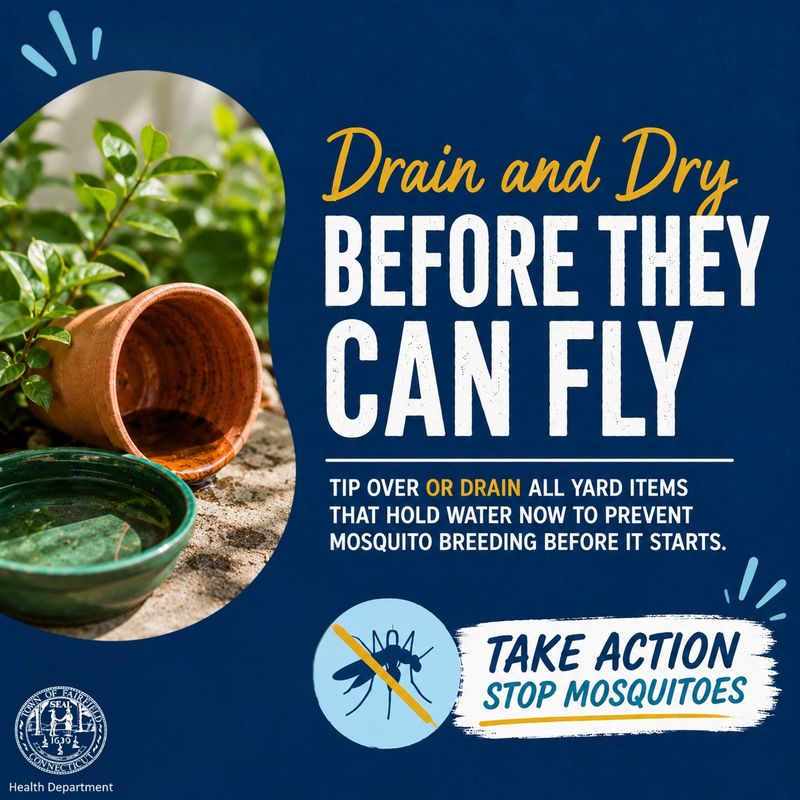
Protecting firefly habitat and managing mosquitoes are not the same job, and they should not be treated as one. Small containers of standing water, including flowerpot saucers, clogged gutters, old tires, buckets, and birdbath water left unchanged for more than a week, are the primary mosquito-breeding concern in a residential yard.
EPA guidance on mosquito bite prevention prioritizes emptying, covering, or cleaning those containers at least weekly rather than defaulting to broad yard spraying. Removing those sources addresses the actual problem without touching the leaf litter and damp soil that may support firefly larvae.
Routine broad-area insecticide applications are where firefly habitat is most at risk. Xerces Society’s factsheet on protecting fireflies from pesticides advises avoiding highly toxic insecticides in firefly habitat and favoring preventive, nonchemical pest management where practical.
Firefly larvae and adults can be directly exposed to insecticides, and treatments that reduce earthworms, snails, and slugs also reduce the prey that larvae depend on. The effect of any specific product depends on its formulation, dose, timing, and application method, so the concern is not that every spray eliminates every firefly, but that routine broad-spectrum use creates ongoing exposure risk.
Two points deserve emphasis here. First, firefly abundance does not certify that a yard is pesticide-free.
Adults can disperse into a yard from surrounding habitat, so a visible display does not reveal the property’s chemical history. Second, fireflies do not provide tick control.
The research reviewed for this article does not establish any connection between firefly presence and tick reduction, so those two yard-management topics should stay separate in planning decisions.
The most firefly-supportive approach to pest management is targeted and selective: address confirmed pest problems with the least-disruptive method available, keep mosquito containers emptied, and reserve broad-spectrum applications for situations where other options have not worked. That approach protects the habitat patch without requiring the homeowner to give up all pest control options.
A late-summer display is not the whole North Carolina calendar
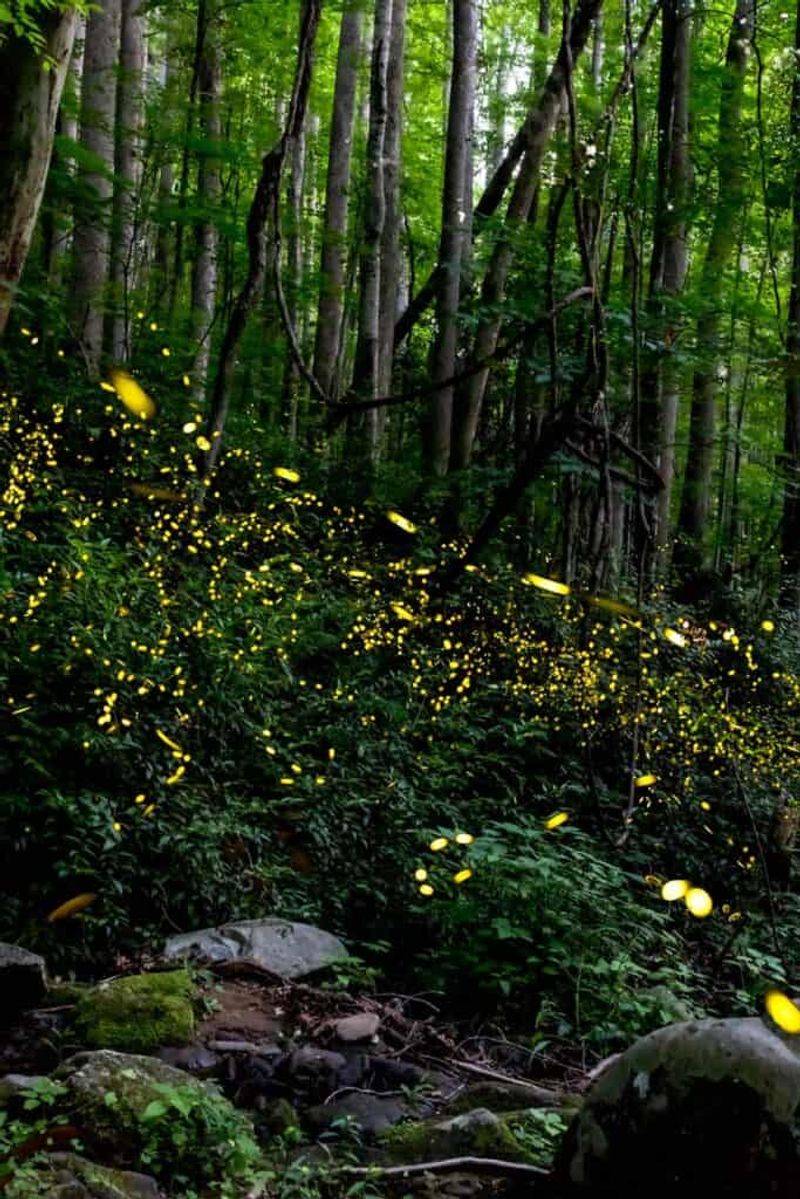
Firefly timing is not the same everywhere in North Carolina, and a late-summer residential display is its own event, not a version of something more famous happening elsewhere. Great Smoky Mountains National Park reports 19 firefly species within its boundaries, including the well-known synchronous firefly, Photinus carolinus.
That species produces the park’s celebrated coordinated light show, which typically occurs around May and June, well before the late-summer displays most residential yards see. Assuming that a busy August yard is hosting the same species or the same phenomenon would be a significant stretch.
The Smokies example is worth knowing precisely because it is specific and documented. It should not be used as a template for interpreting every North Carolina firefly sighting.
Species, habitats, and elevations across the Blue Ridge, Piedmont, and Coastal Plain can produce different timing and behavior, though the available research does not establish uniform statewide differences among those regions in detail.
Weather and precipitation also shape when and how strongly a display appears within a single season. Research in a study on thermally moderated firefly activity found that precipitation extremes can delay or suppress activity even when habitat conditions are otherwise suitable.
A late-summer display that seems weak compared to a previous year may reflect drought, an unusually cool stretch, or earlier larval conditions rather than any change in the yard itself.
Surrounding land cover matters too. A yard bordered by wooded stream corridors, undeveloped lots, or wetland edges may draw adults from those areas during peak activity.
Abundance in any single yard is shaped by the broader landscape, not just what happens within the property lines. Keeping that wider picture in mind helps homeowners interpret their display without over- or underreading what the yard is actually doing.
Read the glow, then protect what made it possible

A yard full of fireflies at dusk is an invitation to pay closer attention, not a certificate of ecological perfection. The display tells you that one or more species found something workable nearby, whether that is moisture, ground cover, prey, darkness, or some combination of those conditions.
Protecting that possibility is straightforward: keep one defined patch covered with leaf litter and lightly managed, conserve moisture through shade and mulch rather than flooding the area, and turn off or redirect outdoor lights during the hours when fireflies are active.
Handle mosquito containers separately by emptying saucers, buckets, and clogged gutters weekly, as EPA mosquito prevention guidance recommends, and reduce routine broad-spectrum pesticide applications where practical. Those two steps protect both the habitat and the people using the yard.
Neither requires abandoning normal lawn care or pest management entirely.
The glow does not answer every question about the yard’s soil, wildlife, or chemical history. What it offers is simpler and more useful: a reason to notice that something is working in a corner of your property, and a starting point for keeping it that way.