
What North Carolina Gardeners With Tick-Free Yards Are Quietly Planting Along Every Border
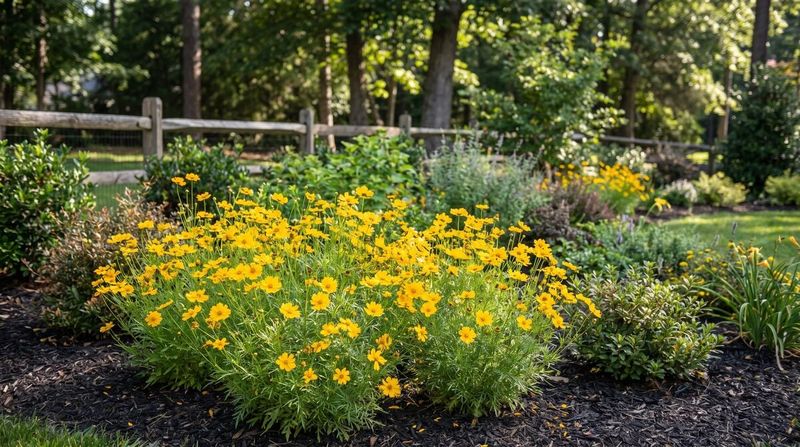
Ticks love shady, damp corners along the edges of a yard, which makes borders the perfect place to fight back. Smart North Carolina gardeners have figured out that certain native plants, paired with a few simple landscaping tricks, make their yards far less welcoming to ticks.
No plant is a magic bug shield, but the right natives can deter deer, keep the ecosystem healthy, and thrive right here in our clay and humidity. Here is what those quiet, tick-savvy gardeners are tucking along every border.
1. Mountain Mints (Pycnanthemum spp.)
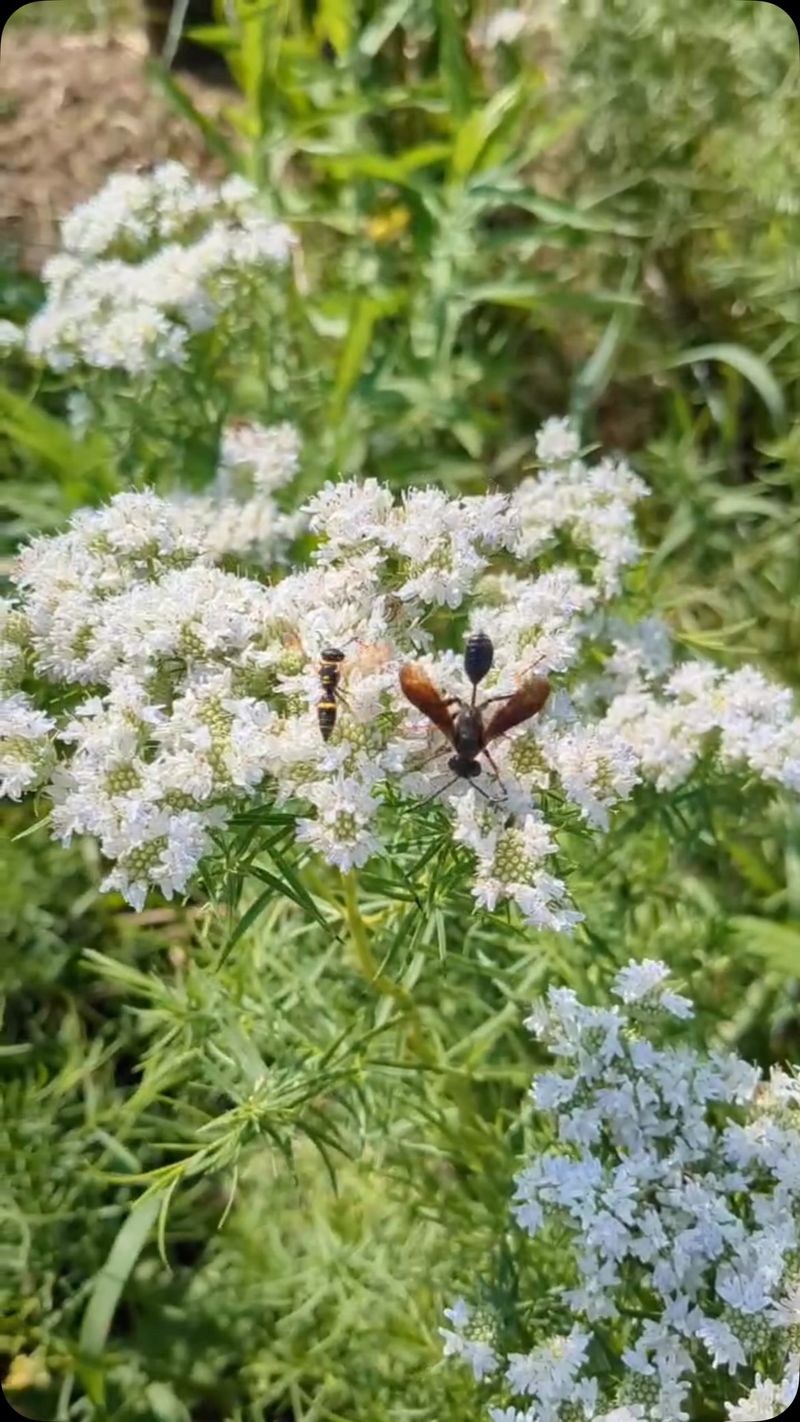
Crush a leaf of mountain mint between your fingers and you get a sharp, thyme-like scent that pollinators adore and deer tend to walk right past. North Carolina is a hotspot for this plant, hosting 13 of the 20 known species, so you are practically spoiled for choice.
Narrow-leaf Mountain Mint (Pycnanthemum tenuifolium) works across the Piedmont, Coastal Plain, and mountains, making it one of the most versatile border plants in the state. Its aromatic foliage and deer resistance mean fewer tick-carrying visitors nibbling near your lawn.
On top of that, few plants pull in as many native bees, wasps, and butterflies. Line a sunny border edge with it and you get fragrance, resilience, and a buzzing crowd of beneficial insects all at once.
2. Bee Balm / Wild Bergamot (Monarda spp.)
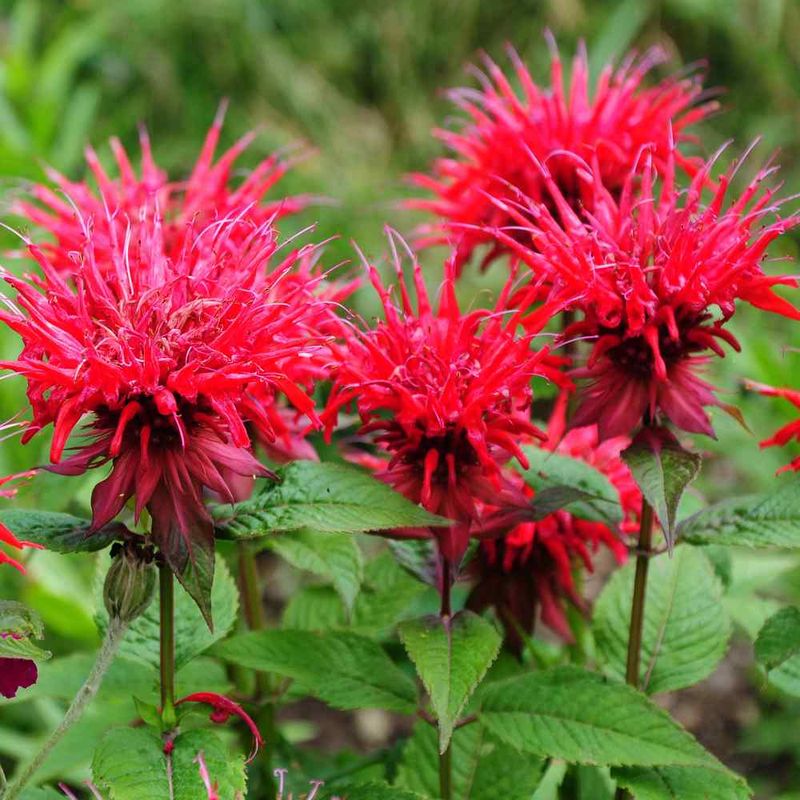
Few natives put on a show like bee balm, whose shaggy red or lavender blooms seem custom-built for hummingbirds. Scarlet Beebalm (Monarda didyma) flourishes in the NC mountains and the wider Appalachian region, while Wild Bergamot (Monarda fistulosa) handles drier spots across the state.
The leaves carry a minty aroma when crushed, which is part of why deer and rabbits usually leave them alone. Fewer deer traffic along your border can mean fewer ticks hitching a ride in.
There is a bonus for the bird lovers, too. Goldfinches feast on the seeds come fall, so a stand of bee balm feeds pollinators in summer and birds later on, doing double stewardship duty at the edge of your yard.
3. American Beautyberry (Callicarpa americana)
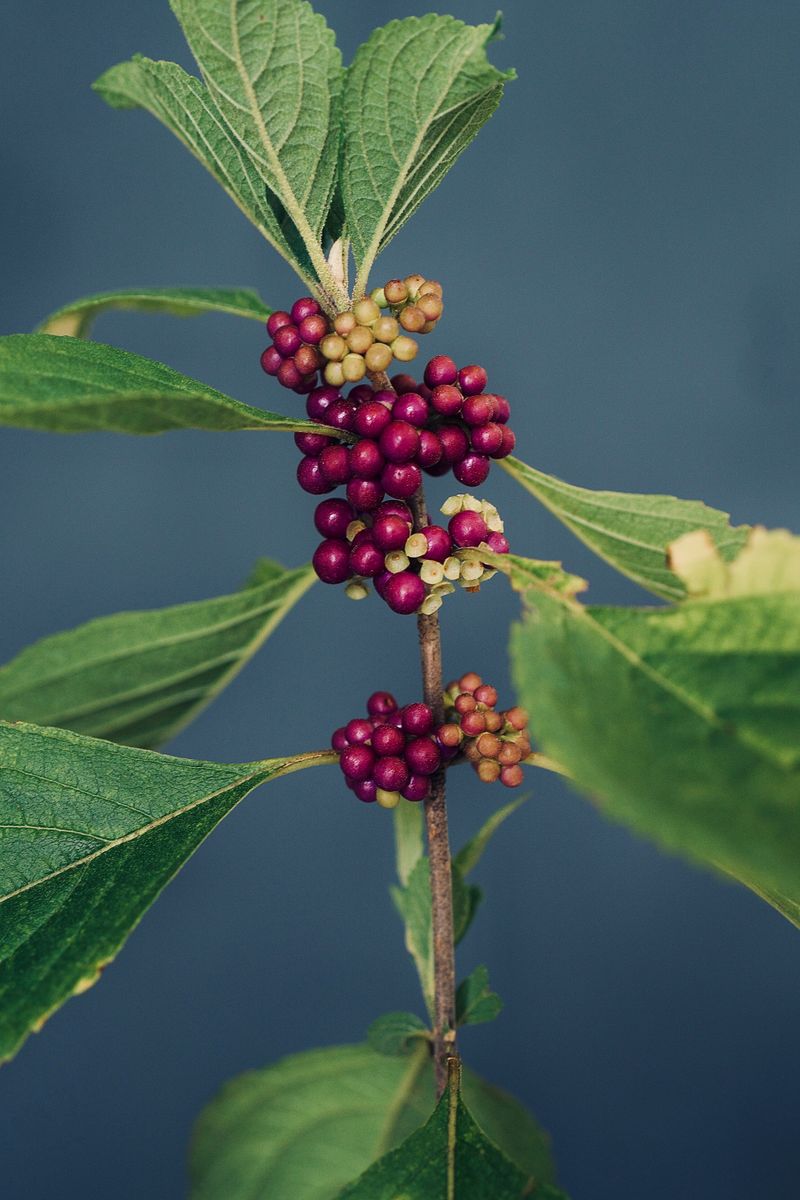
Come fall, American beautyberry lights up the border with clusters of electric-purple berries so bright they almost look fake. This native shrub naturally lives at the edges of woodlands, which makes it a natural fit for that tricky transition zone between lawn and trees.
Birds and small animals rely on those berries as a fall food source, so you are feeding wildlife while you dress up the yard. It handles full sun to part shade and shrugs off deer browsing.
Here is a fun bit of folklore: farmers once crushed beautyberry leaves and rubbed them on livestock to keep biting insects away, and researchers have since studied compounds in the leaves for that very reason. Whether or not it works on your ankles, the shrub earns its border spot for beauty and bird value alone.
4. Lyreleaf Sage (Salvia lyrata)
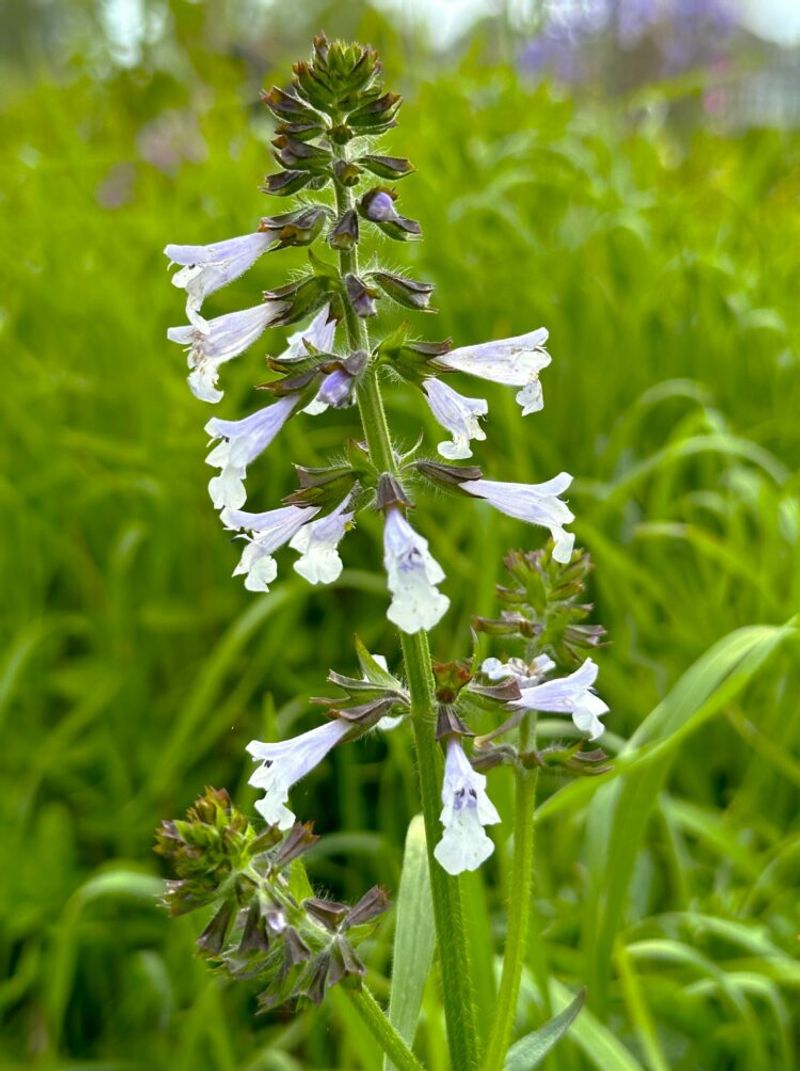
If you have a stretch of border that always looks a little bare, lyreleaf sage quietly fills it in. Native to open woods, meadows, and clearings across North Carolina, this low grower forms an evergreen groundcover that hugs the soil.
Its tidy rosettes and slender flower spikes make it a natural edging plant, and bees love the spring blooms. Because it stays low and dense, it crowds out weeds without creating the tall, shaggy cover that ticks favor.
Think of it as the workhorse of the group: not flashy, but dependable and useful right where the lawn meets the garden.
5. Scarlet Sage (Salvia coccinea)
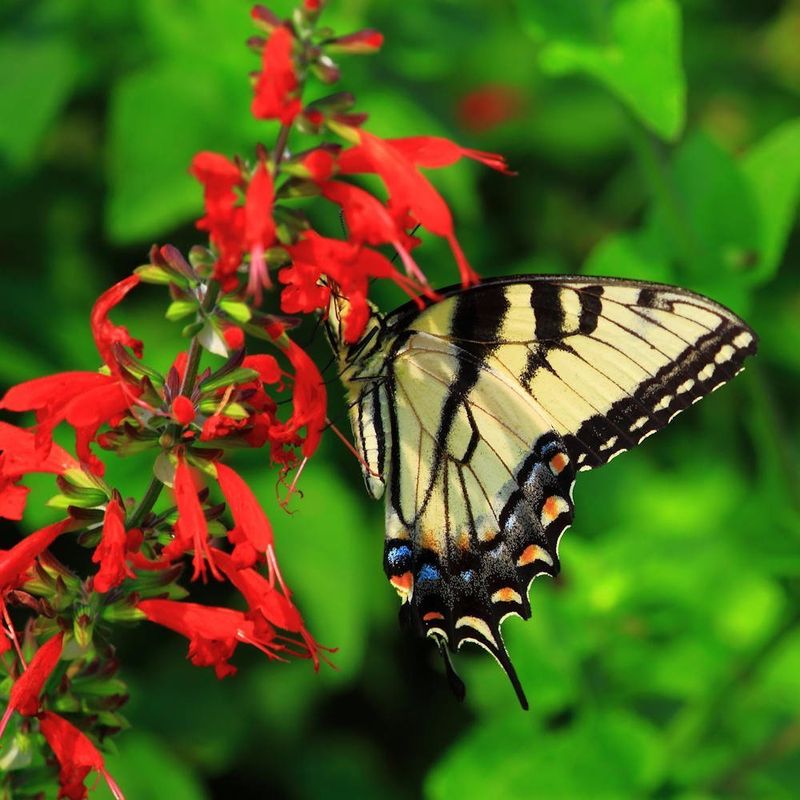
Bright red and impossible to ignore, scarlet sage is the pollinator magnet of coastal North Carolina borders. Native to the southeastern United States, it thrives in the warm, sunny spots that ticks generally avoid.
Hummingbirds and butterflies line up for those tubular blooms, so a border planting turns into a living wildlife show through the warm months. Placed in the open, dry areas where you want people and pets to hang out, it helps keep those spaces both pretty and pleasant.
It also reseeds happily, so once you get it started, scarlet sage tends to keep the color coming year after year with very little fuss.
6. A Dry Barrier Zone Along the Wood Line

The single most powerful trick tick-savvy gardeners use is not a plant at all. North Carolina Cooperative Extension recommends laying down a dry transition strip, at least three feet wide, between your lawn and any wooded area.
Gravel, wood chips, or mulch all work. Ticks avoid crossing dry, open spaces because they dry out quickly, so this simple band acts like a moat that keeps them from marching out of the woods and into your play areas.
It is cheap, doable in a weekend, and pairs perfectly with the native plants above. Set your fragrant, deer-resistant borders just inside that dry strip and you have a layered defense along the whole edge of your yard.
7. Sunny, Dry Placement for Seating and Play Areas

Where you put your bench, hammock, or swing set matters more than most people realize. Ticks cluster in shady, humid pockets near dense vegetation, so anything tucked against the woodland edge is basically a tick waiting room.
Gardeners with tick-free yards keep seating and play spaces out in sunny, dry, open ground. The heat and airflow make those areas genuinely inhospitable to ticks.
Move the kids’ equipment and your favorite reading chair toward the center of the lawn, away from the leafy borders, and you cut your risk dramatically without touching a single plant.
8. A Tidy, Regularly Mowed Edge

Ticks are ambush hunters, and their favorite launch pad is tall grass and cluttered leaf litter. Keeping things tidy is one of the most reliable ways to shrink their hiding spots along your borders.
Mow to three inches or less, rake up fallen leaves, and clear tall weeds and brush, especially where your property meets the trees. A neat edge dries out fast and gives ticks nowhere to lie in wait.
A quick raking session each weekend during spring and summer does more for tick control than almost any product you can buy. It is unglamorous work, but it is the backbone of a truly tick-safe yard.
9. Swapping Out Japanese Barberry for Natives
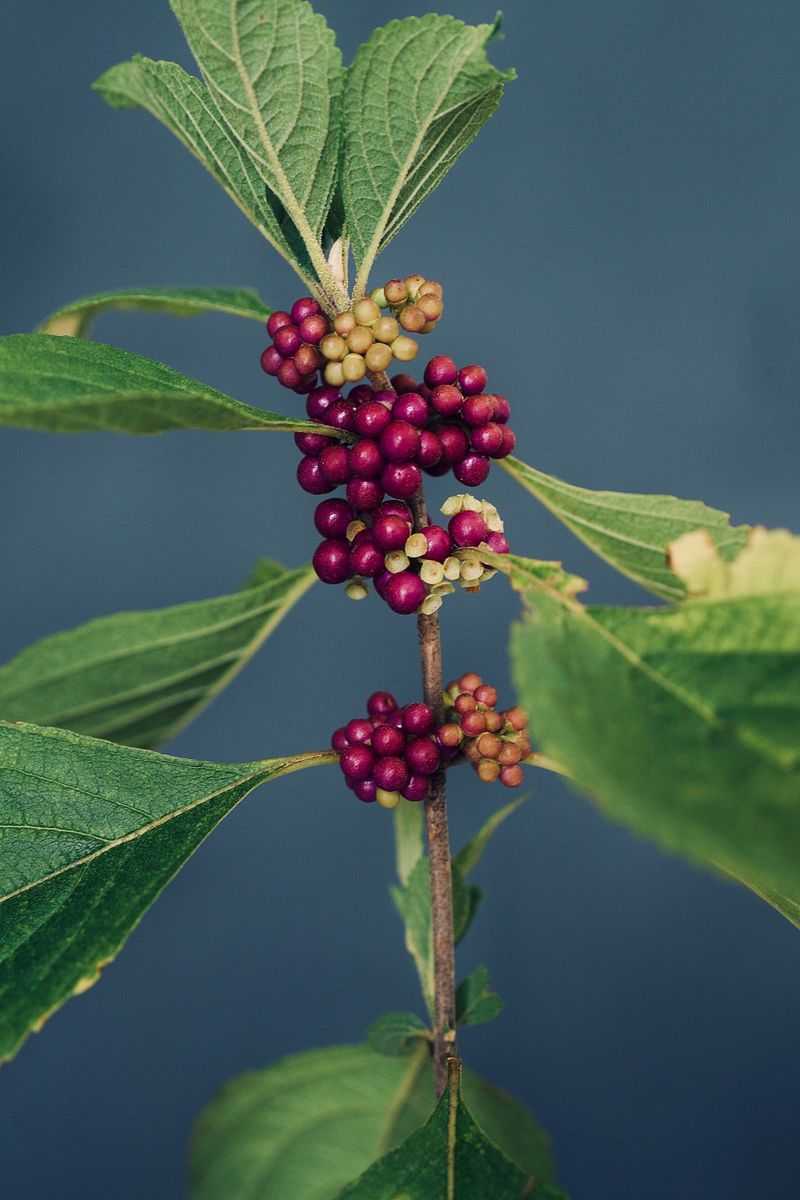
Here is one that surprises a lot of folks: Japanese barberry, a common landscape shrub, is actually a tick’s dream home. Its dense, thorny growth traps humidity and creates the exact damp shelter mice and ticks thrive in, and studies have linked barberry thickets to higher tick numbers.
North Carolina stewards are quietly pulling it out and replacing it with natives like American beautyberry, mountain mint, or bee balm. The swap kills the invasive habitat and rebuilds a healthier, deer-resistant border in one move.
If you spot barberry along your property line, dig it out this season and plant native in its place. You will be doing right by your yard, the local wildlife, and your own ankles all at the same time.