
What Your Lantana Really Needs To Keep Blooming Nonstop Once The Heat Sets In
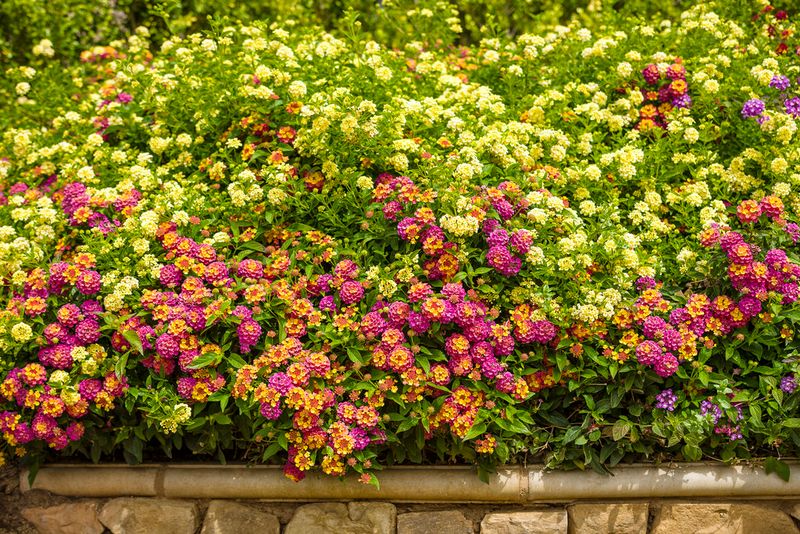
Lantana is one of the toughest flowering plants you can grow in a sunny backyard, yet plenty of gardeners watch the blooms thin out right when summer really gets going. Before you start adjusting your watering schedule or reaching for the fertilizer bag, it helps to look at what the plant is actually telling you. A bloom slowdown in hot weather usually points to something specific, and finding that cause is the fastest way to get the flowers coming back.
Heat is not the whole diagnosis
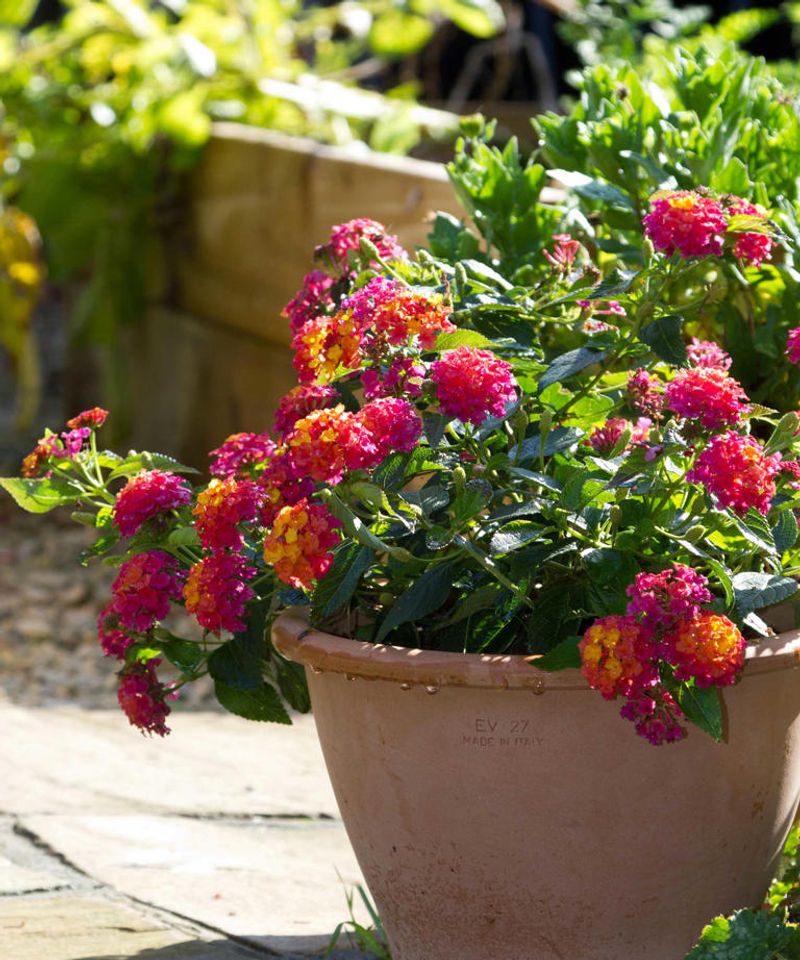
Lantana is genuinely built for heat. It evolved in warm, sunny environments and handles high temperatures, full sun, and relatively dry conditions far better than most flowering annuals. So when blooms slow down in July or August, the heat itself is often not the whole story, and treating it as the only culprit can send you in the wrong direction.
A bloom slowdown in midsummer can have several explanations sitting right there in plain sight. UC IPM’s lantana pest and disease guide lists whiteflies, foliage miners, powdery mildew, overwatering, poor drainage, and nutrient problems as common causes of declining plant performance, and none of those have anything to do with the temperature outside. Clemson Extension’s lantana factsheet reinforces that healthy, established lantana tolerates heat well, which means a struggling plant usually has a different problem underneath.
Before changing anything about your care routine, take a few minutes to read the plant from top to bottom. Fewer flowers with otherwise lush, dark-green foliage can suggest too much nitrogen or too much shade. Persistent wilt that does not ease by evening, or soil that stays wet for days, points toward a drainage or overwatering problem. Leggy stems with small leaves and sparse blooms may mean the plant is stretching for light.
Clusters of small green berries where flowers used to be tell you the plant is putting energy into seed production. Visible insects, sticky residue, or powdery white patches on leaves each call for a different fix entirely.
The practical starting point is inspection, not intervention. Look at the light exposure, feel the soil, check the stems and leaf undersides, and note whether the plant is in a container or an established bed before reaching for the hose, the fertilizer, or the pruning shears. UF/IFAS guidance on lantana emphasizes that species, hybrids, and cultivars differ enough in their growth habits and bloom behavior that what applies to one plant may not apply to another. Knowing what you are actually dealing with makes every next step more useful.
Full sun supports the flower show
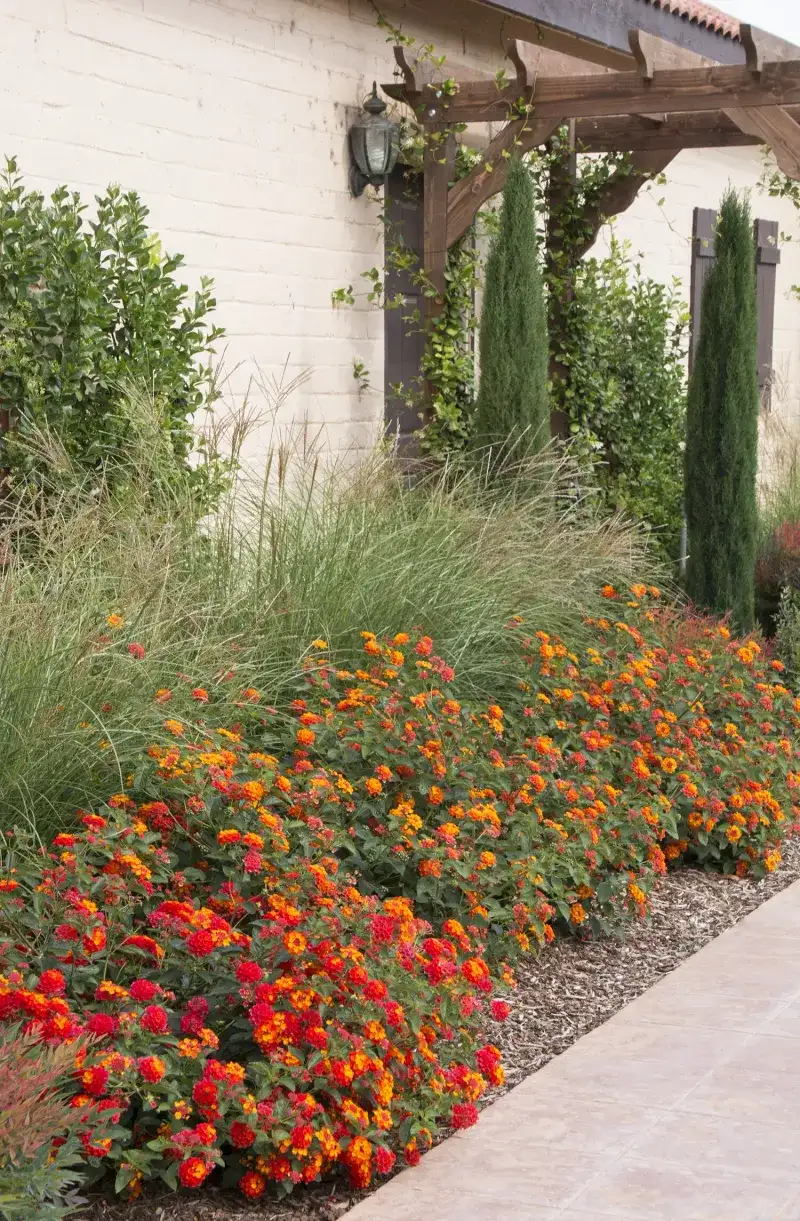
Sunlight is the engine behind a lantana’s flower production, and it is worth verifying that your plant is still getting enough of it. Gardens change from spring to midsummer as nearby trees leaf out fully, shrubs fill in, and fences or structures cast longer shadows at different angles. A spot that received eight hours of direct sun in May may be getting closer to five by July, and that shift can quietly reduce bloom output without anything else going wrong.
University of California Cooperative Extension research on lantana confirms that the plant performs best in full sun, and University of Minnesota Extension recommends a minimum of six hours of direct sunlight daily, with more being better in most cases. Illinois Extension similarly places lantana firmly in the full-sun category, noting that reduced light tends to produce more vegetative growth at the expense of flowering.
The symptom pattern for a light-deprived lantana is pretty recognizable once you know what to look for. The plant may look healthy and even lush, with plenty of green leaves, but the flower clusters become sparse and smaller than usual. Stems can grow longer between leaf nodes as the plant reaches toward available light. You might also notice that blooms concentrate only on the side of the plant facing the brightest exposure.
To check your plant’s light situation, stand at the bed or container location at different points during the day, ideally mid-morning and early afternoon, and observe how much direct sun actually lands on the plant. If a tree canopy, a neighboring shrub, or a structure has grown into the space since you planted, that is your first correction to consider. For a container plant, repositioning it to a sunnier spot is straightforward. For an in-ground plant, selectively pruning an overhanging branch or thinning a crowding neighbor may open up the light without moving anything.
Check the root zone before you reach for the hose
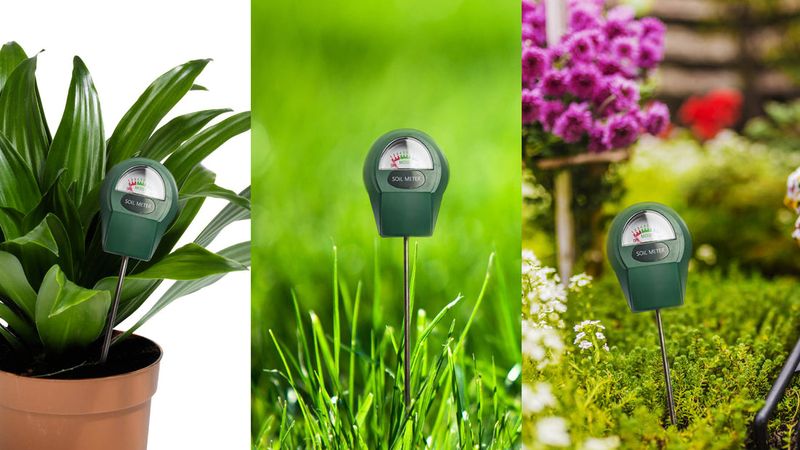
Soil moisture is one of the most direct levers affecting whether a lantana flowers well, but the relationship is more nuanced than simply watering more or watering less. Both prolonged dryness and consistently wet soil can reduce blooms, and the two problems look similar from a distance. Getting your hands into the root zone is the only reliable way to tell them apart.
For plants growing in beds, established lantana is genuinely drought tolerant, but that does not mean it never needs water. Clemson Extension notes that during active bloom periods, a thorough watering when rainfall has been below about one inch for the week can help maintain growth and flowering. That is a regional guideline, not a universal schedule, because soil type, wind, humidity, and how well-established the plant is all change how quickly the root zone dries. A better approach is to push a finger or a narrow trowel a few inches into the soil near the plant’s base.
If the soil is dry and crumbly several inches down and the plant has not had meaningful rain in a week or more, a deep, slow watering at the soil line is worth doing. If the soil is still moist or even cool and damp, adding more water is unlikely to help and may worsen drainage-related problems.
Poor drainage is its own concern. UC IPM and University of Minnesota Extension both identify overwatering and wet soil conditions as contributors to root disease and reduced bloom. If water pools near the plant after rain or irrigation and drains slowly, that is a drainage issue to address before adding more moisture.
Container plants need a separate approach entirely. A small pot in hot, windy weather can dry out in a matter of hours, while a large container in a shaded spot might stay moist for several days. Iowa State University Extension’s container plant care guidance recommends checking the potting mix about one to two inches below the surface and watering thoroughly until water drains freely from the bottom holes. Every container must have functional drainage holes.
During heat waves with strong wind, small pots may need checking once or even twice a day.
One more thing worth knowing: afternoon wilt alone does not confirm that the plant needs water. University of Wisconsin Extension explains that heat, low humidity, and wind can cause temporary leaf drooping even when soil moisture is adequate. Plants that wilt midday but recover on their own by evening are often responding to atmospheric conditions rather than drought. Check the soil before watering, and let the root zone, not the leaves, make the call.
More fertilizer can mean fewer flowers
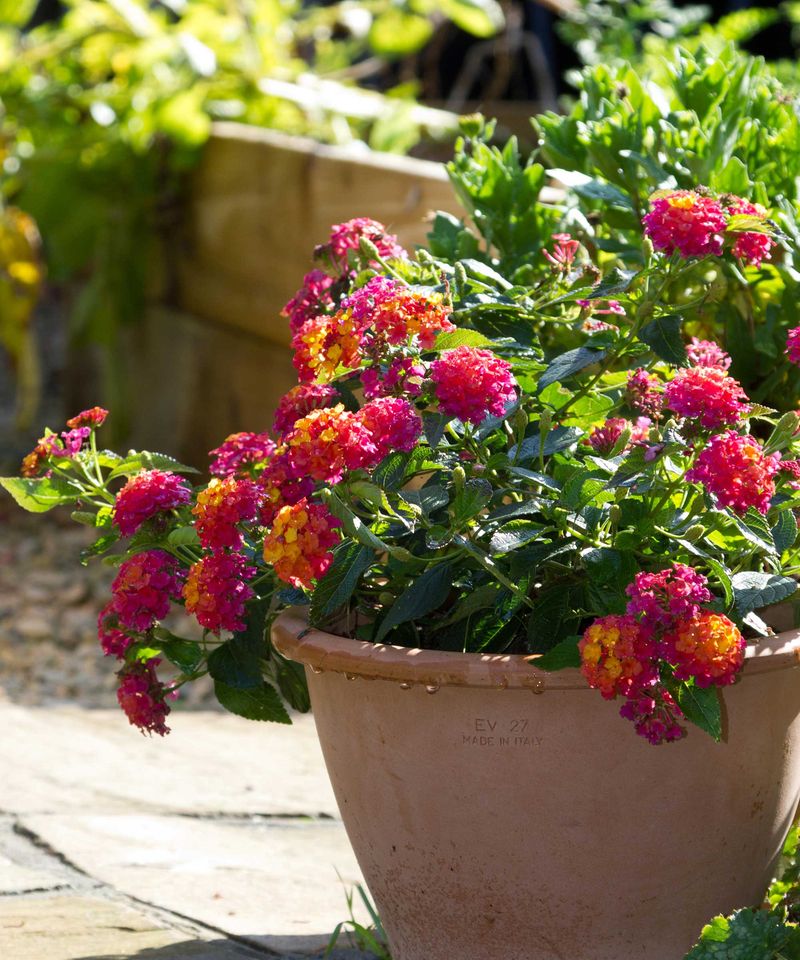
Reaching for a fertilizer bag when flowers slow down is a natural instinct, but with lantana it can backfire. The plant is not a heavy feeder, and pushing it with extra nutrients, especially a high-nitrogen formula, often shifts its energy toward producing more leaves rather than more blooms.
Clemson Extension is clear on this point: a light application in spring is generally all an in-ground lantana needs, and a second application in midsummer is only appropriate for a vigorous plant that is not under water stress. Wisconsin Horticulture Extension echoes that sentiment, noting that lantana grown in reasonably fertile soil may need little to no supplemental feeding at all. Excess fertilizer can also increase the plant’s susceptibility to certain diseases and cause salt buildup in the root zone, which creates its own set of problems.
The symptom pattern for over-fertilized lantana looks a lot like insufficient light at first glance: plenty of healthy green growth, but noticeably fewer flower clusters. If your plant is dark green, vigorous, and pushing out lots of new foliage without blooming well, and you have been feeding it regularly, pulling back on fertilizer is a reasonable first experiment before changing anything else.
Container plants are a partial exception to this general rule. Because potting mix does not hold nutrients the way garden soil does, regular watering leaches fertilizer out of the pot over time. Iowa State University Extension recommends feeding container plants more regularly than in-ground plants, but the key word is regularly at label rates, not heavily. Follow the product label for the specific fertilizer you are using, and choose a balanced formula rather than a high-nitrogen one when the goal is flowering.
A light trim may encourage fresh flowering growth
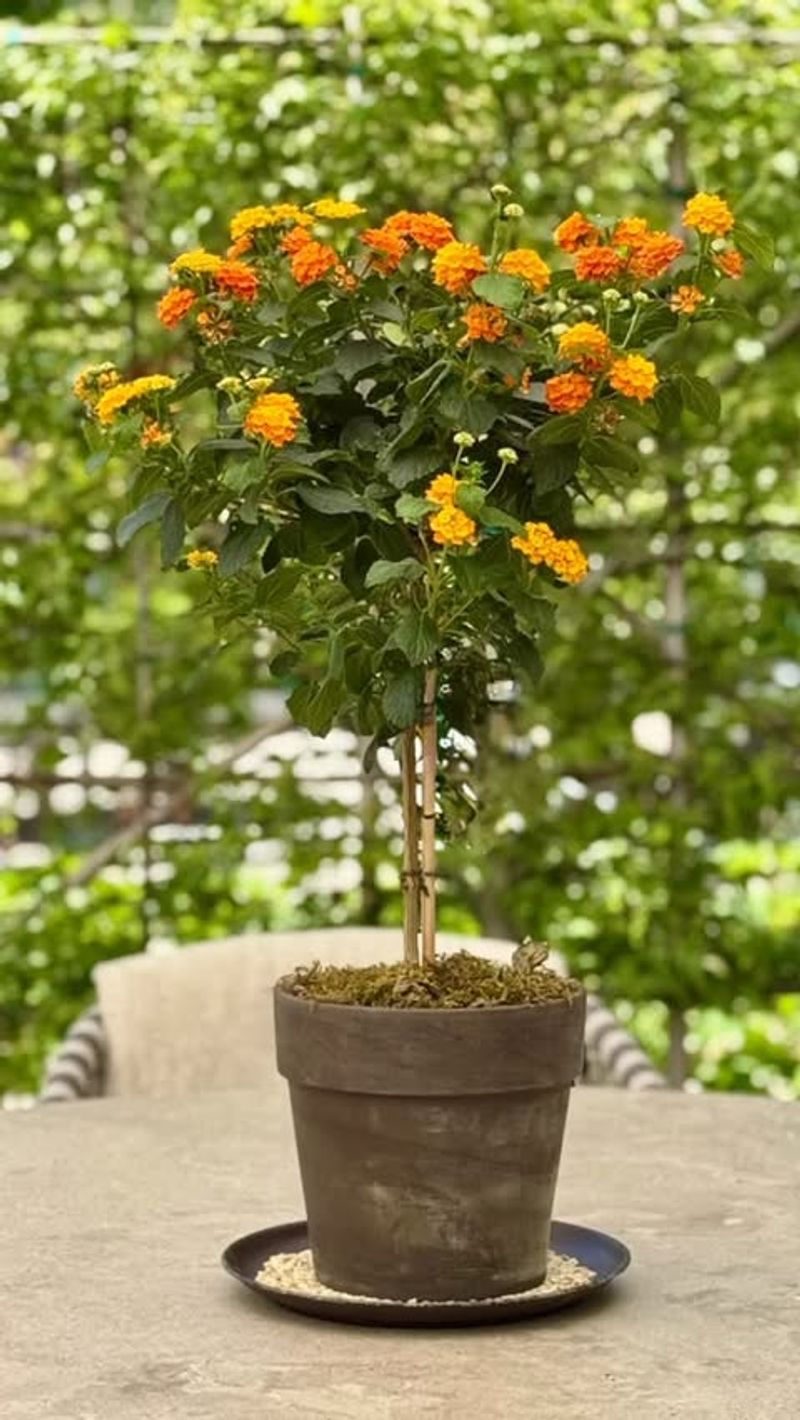
Once you have ruled out light, moisture, drainage, and fertilizer as the main culprits, the plant’s physical condition is worth examining. Lantana that has grown long and leggy through spring and early summer sometimes slows its flowering simply because it has too much old woody growth and not enough fresh, actively growing shoot tips, which is where new flower buds form.
A light summer shearing can help redirect the plant’s energy. Clemson Extension recommends light trimming to encourage repeat blooming and notes that overgrown plants can be cut back by up to one-third of their height and spread. A UC ANR study on pruning effects in lantana found that pruning influenced growth and flowering patterns, reinforcing that how and when you trim matters for the outcome. The one-third guideline applies to an overgrown plant under suitable conditions, not as a routine midsummer prescription for every lantana in every garden.
Timing and moderation matter here. NC State Extension’s pruning guidance cautions that heavy pruning during extreme heat or drought puts additional stress on plants already working hard to manage temperature and moisture. A light shearing on a plant that is well-watered and not heat-stressed is a very different thing from cutting it back hard during a stretch of triple-digit temperatures. After any trim, expect a short bloom pause while new growth develops.
That pause is normal and not a sign that something went wrong.
Deadheading is a related but separate question, and it depends almost entirely on what kind of lantana you are growing. University of Arkansas Extension explains that older, fertile lantana varieties can slow their flowering while producing seeds, so removing spent flower clusters before berries develop can encourage the plant to rebloom. Their profile of New Gold lantana highlights that sterile, self-cleaning cultivars may need very little deadheading at all because they do not produce viable seed. The practical test is to look at your faded flower clusters closely.
If you see small green berries forming, removing those clusters is worth doing. If the spent flowers are simply drying out without forming berries, routine deadheading may not change much.
When flowers are not the only warning sign
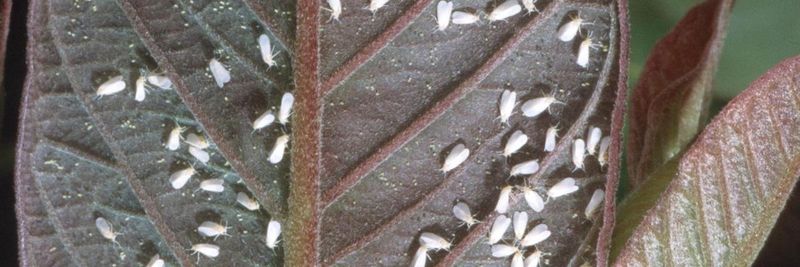
Sometimes a bloom slowdown is accompanied by other changes in the plant that point more specifically to a pest, a disease, or a growing-condition problem that needs its own response. When flowers are the only thing missing and everything else looks healthy, the causes covered earlier in this guide are the right place to start. When leaves, stems, or the soil itself are also showing something unusual, the diagnosis shifts.
UC IPM’s comprehensive lantana resource identifies whiteflies, giant whiteflies, and foliage miners as insect problems that can weaken the plant and affect overall vigor. Powdery mildew and Botrytis are fungal issues that can appear when air circulation is poor or foliage stays wet from overhead watering. Nutrient deficiencies and salt injury from accumulated fertilizer can also show up as leaf discoloration or marginal burn before they affect blooming. None of these symptoms should be attributed to heat damage without checking the plant first.
Improving spacing and air movement around the plant is a low-cost first step when mildew or fungal symptoms appear. University of Minnesota Extension recommends watering at the soil line rather than wetting foliage, which reduces the moisture on leaf surfaces where fungal spores take hold. If a crowding neighbor is pressing against the lantana, thinning that plant can help air move through more freely.
Cultivar identity also changes what you should expect. UF/IFAS notes that lantana covers multiple species, hybrids, and cultivars that differ meaningfully in size, seed production, bloom persistence, and hardiness. An older, fertile Lantana camara type may form seed clusters regularly and need more deadheading, while a newer sterile landscape cultivar may flower differently and require less hands-on management. University of Arkansas Extension points out that knowing your cultivar’s expected behavior helps you separate a normal growth pattern from a genuine problem.
When in doubt, check the plant tag or contact your local cooperative extension office for cultivar-specific guidance.
Match the correction to the symptom
Working through the possible causes in order gives you a clear path forward. Start with light: if the plant is getting fewer than six hours of direct sun due to seasonal shade or crowding, that is the first thing to address. For a container, moving it to a sunnier spot is the simplest fix. For a bed plant, consider whether a neighboring shrub or overhanging branch can be trimmed back.
Next, check the root zone honestly before adding or withholding water. Water a genuinely dry root zone thoroughly and at the soil line. If the soil stays wet for days after rain or irrigation, improving drainage or adjusting watering frequency is more useful than adding more moisture. Clemson Extension and UC IPM both point to drainage and moisture balance as key factors in keeping lantana healthy and blooming.
If the plant is lush and green but not flowering, hold off on additional fertilizer. Remove seed clusters if your cultivar is forming them, and consider a light shearing only when the plant is overgrown, the weather is not extreme, and the root zone has adequate moisture. A UC ANR pruning study shows that timing and degree of pruning influence the outcome, so keep it measured. When visible symptoms on leaves or stems appear, investigate pests or disease before assuming the cause is environmental.
A short bloom pause after pruning, transplanting, or a stretch of drought is normal. The realistic goal is a plant that returns to reliable, regular flowering under good conditions, and that is a worthy outcome.