
When You Should Really Start Filling Your Bird Feeders For A North Carolina Winter
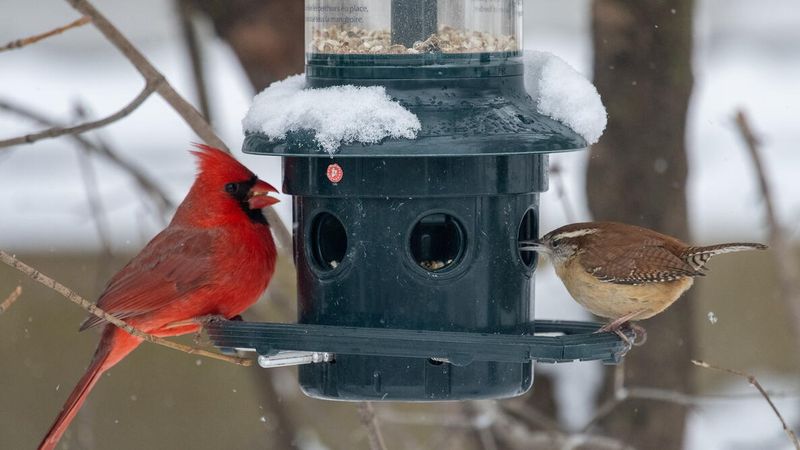
Pick up a bag of birdseed in October and you might wonder if you are already late, or way too early. North Carolina stretches from the Blue Ridge to the coast, so one calendar date cannot work for every backyard.
Your own yard gives better clues than any date on a wall. Here is how to read them so your feeder helps when it counts.
No single date fits every North Carolina yard
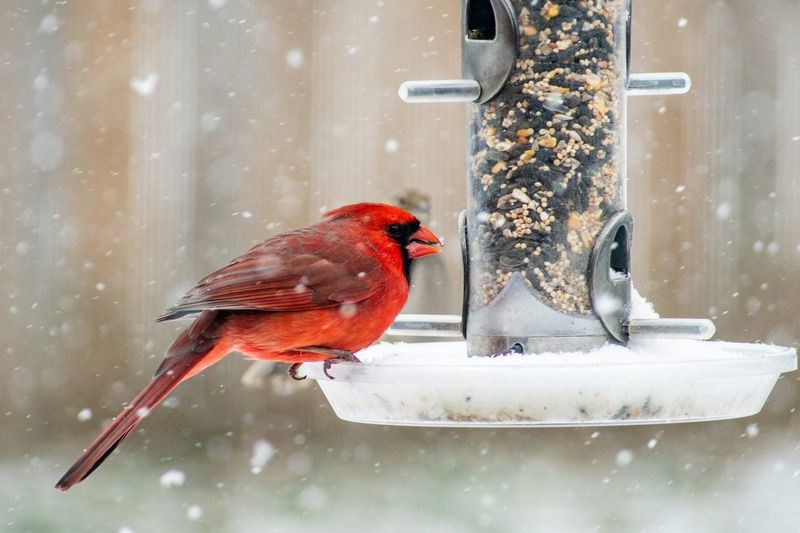
Here is the plain answer: there is no one start date for filling bird feeders across North Carolina. A yard in Boone and a yard near Wilmington face very different fall and winter weather.
What works in one place can be too early or too late in the other.
What you can do on a calendar is prepare. Early in the fall, wash your seed feeder, check for cracks, and buy fresh seed so you are ready.
Then let your own yard tell you when to fill it.
The deciding question is simple. Can the birds around your home find and reach natural food?
Berries, seed heads, and seeds on the ground feed many birds through the cold months. NC State Extension notes that feeders are used most often in winter, when natural foods are in shortest supply.
Feeders are a bonus, not a basic need. Audubon explains that feeder seed is generally supplemental for most seed-eating birds, who use many food sources.
A bad snow or ice storm is the notable exception, because it can bury what they normally eat.
Freeze dates also shift from place to place and year to year, as the NC State Climate Office Freeze Explorer shows. So a mountain gardener, a Piedmont homeowner, and a Coastal Plain neighbor should each watch their own yard.
Ready in fall, filled by local conditions: that is the plan.
Treat the first freeze as a reminder, not a deadline
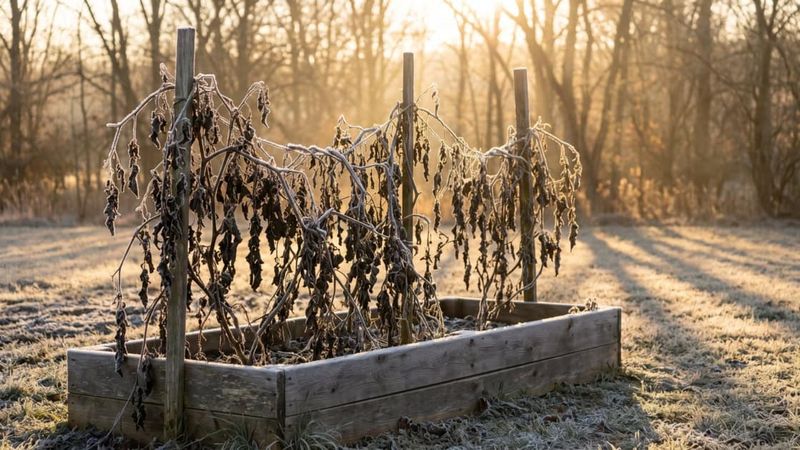
The first freeze of the year feels like a starting gun, but birds do not read the weather report. Think of it as a nudge to walk your yard and see what is going on.
Are berries still hanging on your shrubs? Are seed heads standing in the garden bed?
The timing varies a lot across the state. Mountain yards often see their first hard freeze weeks before the coast does, and any single year can break the pattern.
A date that suits Asheville would make little sense in Morehead City.
To check your own location, try the NC State Climate Office Freeze Explorer. It lets you look up long-term average freeze dates and the dates actually observed near you.
Comparing the two shows how much a given year differs from the usual.
The tool defines a freeze as a temperature of 32°F or below at standard measuring height. Frost is a different thing.
It is the ice that forms on surfaces, and it can show up on the ground at slightly warmer measured temperatures. So a frosty lawn does not always mean an official freeze.
Use that freeze date as a reminder to reassess. Fill the feeder only if you see signs that food is getting scarce or hard to reach.
A cold morning alone does not tell you that.
Watch food access, not a statewide seed shortage
You may hear that you should wait until natural seeds run out. That is too simple.
Natural food does not vanish everywhere at once, and what is out there depends on your street, your neighbors’ plantings, and the nearby woods.
According to NC State Extension, winter birds eat fruits and seeds that persist on plants or lie on the ground. The U.S.
Fish and Wildlife Service also points out that birds use many food sources beyond feeders. When those sources are plentiful, feeder visits can slow down.
So the better test is local. Look at your holly berries, coneflower heads, and the seeds on the ground.
Is the food there, and can birds get to it? Food may become less available or harder to reach in some spots while it is fine in others.
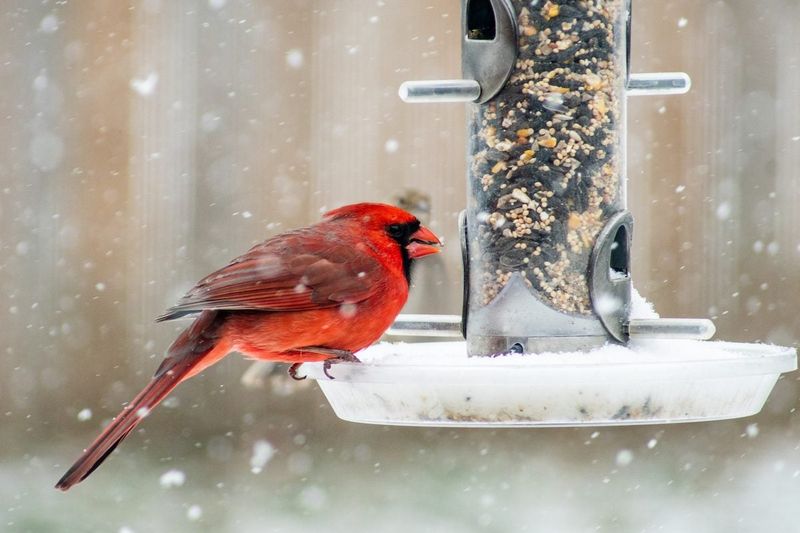
Snow and ice are the clearest example. A layer of ice over seeds or a blanket of snow across the ground can lock birds out of a meal that is technically still there.
Audubon notes that a bad snow or ice storm is when feeder seed can be especially valuable.
Notice that cold by itself is not on that list. A chilly week with open ground and plenty of seed heads does not mean birds are stuck.
Watch what is covered and what is reachable, then fill the feeder when access gets tough.
Winter visitors are a clue, not a countdown
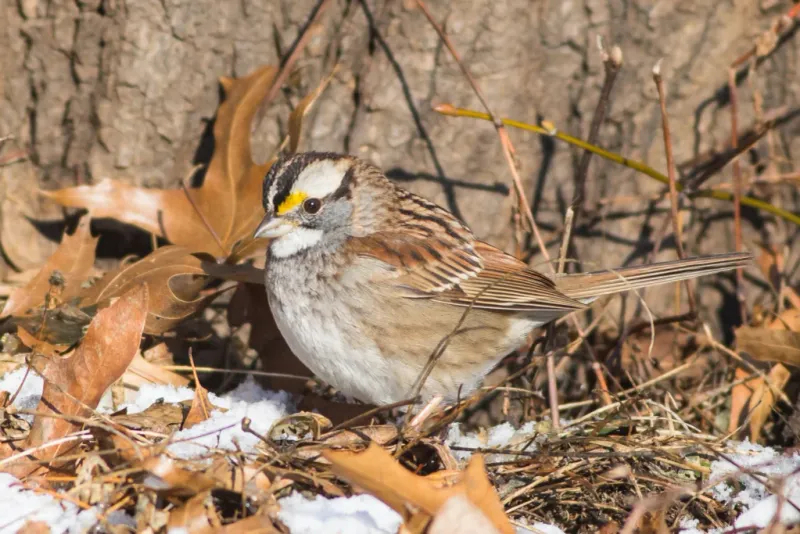
One morning in the fall you glance out the window and spot a bird you have not seen since last spring. That is the seasonal shift at work.
NC State Extension explains that our year-round residents are joined each fall by short-distance migrants that spend the winter in North Carolina.
Two familiar newcomers are Dark-eyed Juncos and White-throated Sparrows. Audubon North Carolina lists them among the winter visitors that may use feeders.
Juncos, with their slate-gray backs and white bellies, often hop around the ground below a feeder picking up fallen seed.
Not every winter bird shows up at a feeder, though. Some spend their days searching for berries, insects, or seeds in plants and leaf litter.
If you leave a corner of the yard a bit leafy, you give those birds a place to forage.
So treat new arrivals as something to notice, not as a countdown. Seeing the first junco is a great reason to check your feeder supplies and look over the natural food around you.
It does not mean every bird in your yard now needs seed from a feeder.
Keep a simple notebook by the window. Jot down the date you see your first winter visitors and what they are eating.
After a season or two, you will have a local record that is more useful than any general rule.
A winter feeder needs upkeep—and may not suit every yard
Once you decide to feed through the winter, plan to keep going. NC State Extension recommends continuing through the season after you start.
Think of it as careful upkeep rather than a sign that birds cannot cope without you, since most of them use many food sources.
Cleaning matters just as much. Crowded feeders and spoiled seed can help spread disease among birds.
Project FeederWatch advises cleaning seed and suet feeders about every week or two, and more often in wet weather or heavy use.
Toss out any seed that looks damp, moldy, or clumped. Rake or sweep up the hulls and droppings below the feeder, too.
If you notice sick birds, take the feeder down and follow disease-specific guidance.
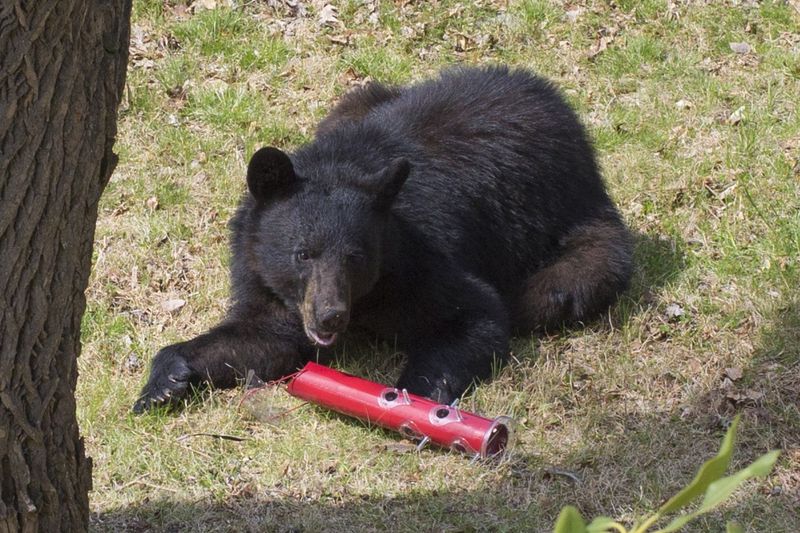
Feeders are not a fit for every yard. Bears in the Southeast can be active year-round, and seed is a strong attraction.
BearWise recommends removing feeders when bears are active. If you live in or near bear country, especially in the mountains, check local wildlife guidance before you fill anything.
A feeder also never replaces your plants. Native shrubs and perennials, such as American beautyberry, winterberry holly, and purple coneflower, offer fruits and seeds that persist into cold weather.
Planting them pays off long after the seed bag is empty.
Let local conditions decide when you fill the feeder
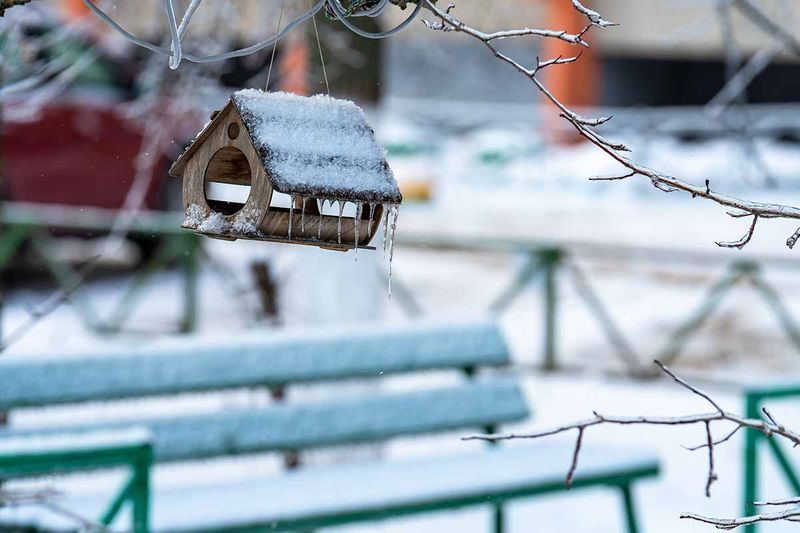
Get your feeder clean and ready in the fall. When the first freeze or the first juncos arrive, take a walk around your yard and see what food is out there.
As the Freeze Explorer shows, these cues land on different days in different places.
Start filling when natural food looks less available or harder to reach. Snow or ice over seeds is the clearest signal, and Audubon notes that is when seed helps most.
Your yard knows the date better than the calendar does.