
Why North Carolina Homeowners Should Keep Leaves Off New Fescue Before They Smother It This Fall
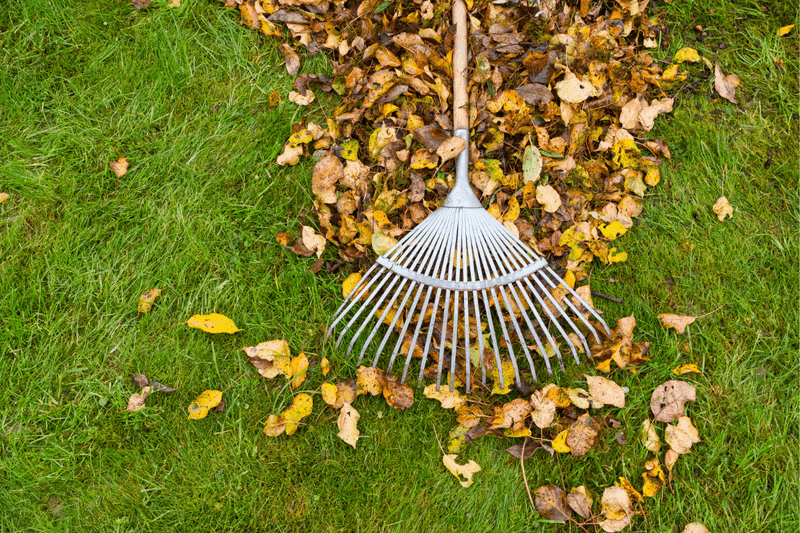
You spent weeks watering and waiting for those first green blades of tall fescue to appear. Now the oaks and maples above your yard are getting ready to drop their leaves.
A thick, soggy leaf blanket can cause real trouble for tender seedlings, but a few stray leaves usually will not. Here is how to protect your new grass while still caring for the rest of your North Carolina yard.
A heavy leaf mat can put new fescue at risk
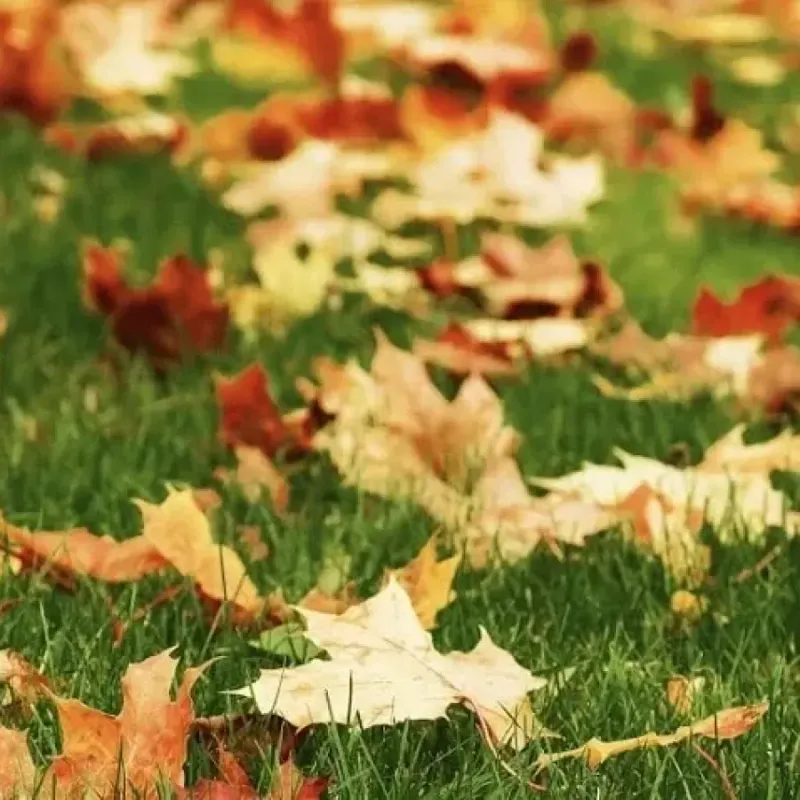
Picture a wet blanket laid over a tray of baby plants. That is the worry with layered leaves on a new lawn.
NC State Extension guidance says leaves should not be allowed to accumulate on a new lawn, because a mat of them can block light, air, and water.
Seedlings have shallow roots and very little stored energy. They depend on sunlight reaching their thin blades and on water and air moving freely at the soil surface.
When leaves pile up and press together after a rain, they can cut off all three.
The key word is accumulation. A light scattering of leaves that lets sun and rain pass through is a different situation from a thick, persistent layer, and nothing here says a few leaves will inevitably kill new fescue.
What deserves your attention is the buildup that sits on the seedbed day after day.
Some research gives useful context. A Wisconsin and Michigan research project reported serious damage to established turf under 6 inches of unmulched leaves, while plots with mulched leaves stayed in excellent health.
That study looked at established lawns, not newly seeded North Carolina fescue, so treat it as a hint about what deep leaf cover can do, not as a direct test of your seedlings.
Keep an eye on the spots where wind drives leaves into drifts, such as fence lines, corners, and the ground under big trees. Those areas are where a mat is most likely to form.
New lawns need frequent leaf removal
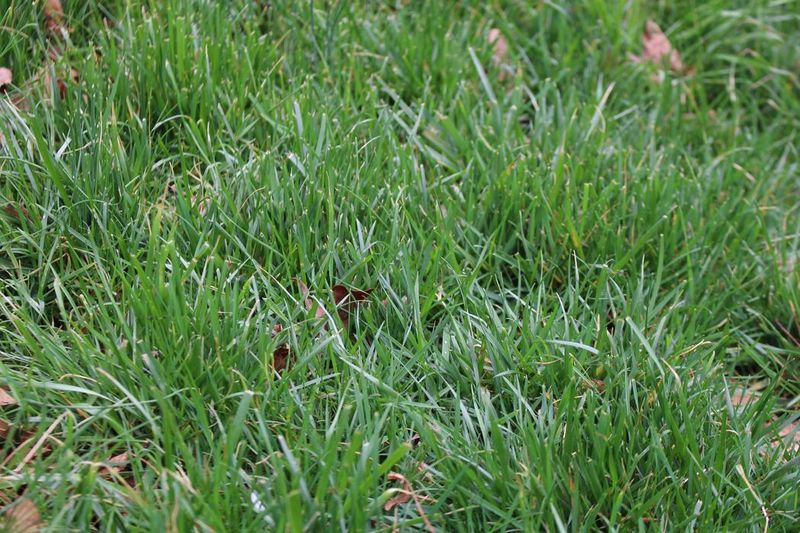
Here is the plain advice from the experts. NC State Extension says to prevent leaves from accumulating on a new lawn and to remove them frequently until the grass is established.
There is a trade-off, and NC State names it. Raking can pull out some seedlings.
Even so, NC State considers leaving the leaves in place the greater risk, since more seedlings may be lost if a mat stays on top of them.
That means the choice is not between a perfect method and doing nothing. It is between a small, known cost and a larger one.
Frequent checks help, because a handful of leaves is easier to deal with than a soggy layer that has been sitting for two weeks.
The guidance does not give a calendar deadline, a seedling height, or a proven tool for removal, so it would be wrong to invent one. Instead, use your own eyes.
If you can still see the seedbed and the young grass clearly, you are in good shape. If leaves are starting to overlap and hide the soil, it is time to clear them.
Go gently and avoid anything aggressive. Lift or lightly move leaves instead of scraping hard at the ground, and work after windy days or storms, when new leaves are most likely to have landed.
Your seedlings will be established at some point, and until then, frequent attention is the practical plan.
Established lawns follow different leaf rules
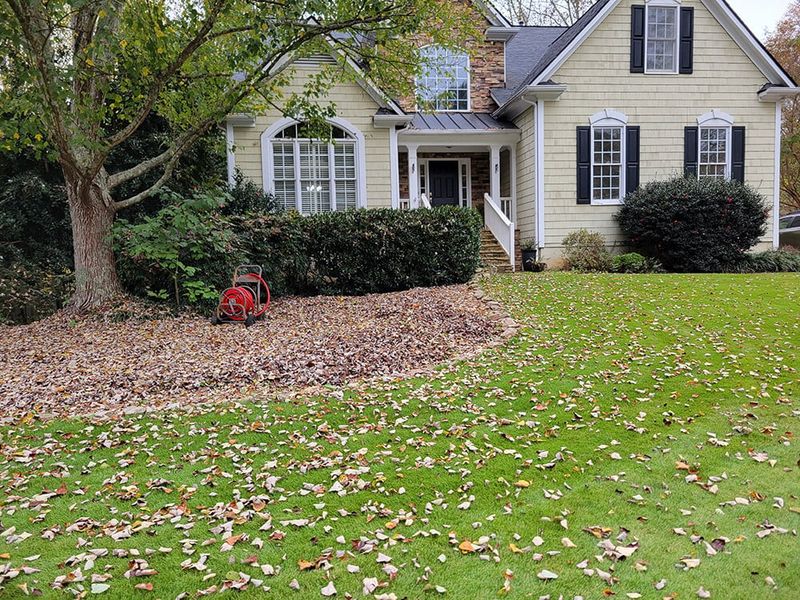
Neighbors with older lawns may tell you they just mow their leaves, and they may be right for their grass. Established turf plays by different rules than seedlings.
Do not carry that habit over to your new fescue.
On established lawns, finely chopped leaves can stay put when the fragments settle down between the grass blades and do not form a heavy layer on top. Iowa State Extension suggests mowing when leaves are thin and dry, mowing often, and collecting the leaves when so much cover remains that little grass is visible.
You may also run into a number from Connecticut. UConn Extension says sunlight must still reach the grass and recommends that no more than 20% of the lawn be covered by leaves after a mulching pass.
That figure is guidance for mulching established turf. It is not a tested safe level for new fescue seedlings, so please do not use it as a green light for leaving leaves on a seedbed.
The Wisconsin and Michigan research mentioned earlier fits here too. Its damaged plots mostly recovered, though weeds were more common in them afterward.
You can read the details in the University of Minnesota summary.
A practical example: if you have a new patch out back and an older lawn in front, treat them separately. The front may handle mulch mowing, while the back needs frequent leaf clearing.
Mowing over very young seedlings is not something this advice supports.
North Carolina’s fescue calendar varies by region
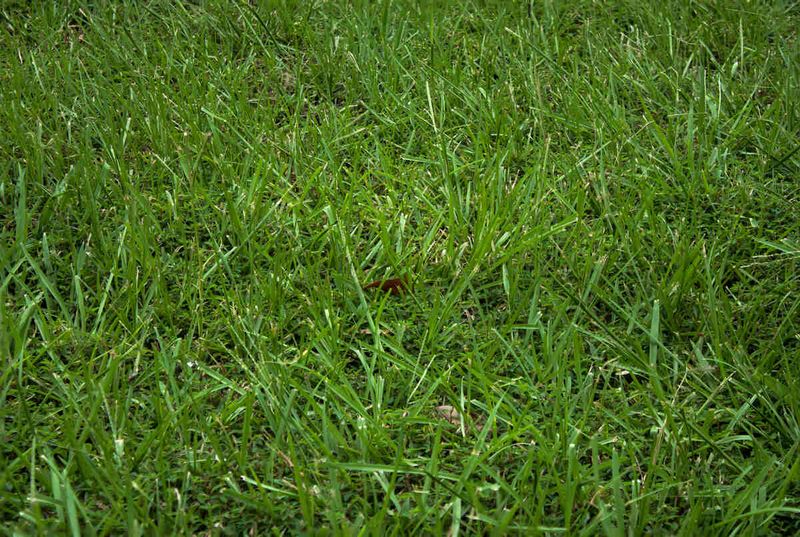
Where you live in the state changes when you seed, and that also changes when your seedlings meet falling leaves. NC State Extension lists these tall-fescue seeding windows: August 15 to September 1 in the mountains, September 1 to October 1 in the Piedmont, and September 15 to October 15 in the Coastal Plain.
NC State also says tall fescue is best adapted to the mountains and the Piedmont. It can be maintained in some Coastal Plain soils, but conditions there can be more stressful for it.
If you garden near the coast, give your new lawn extra attention.
These dates tell you when to sow seed. They do not tell you when seedlings become safe from leaves.
A mountain lawn seeded in late August and a Coastal Plain lawn seeded in mid October may both be young when leaves peak, so the leaf risk can overlap with the seeding season in any region.
Think of the calendar as a reminder to plan ahead. If you seed late in your window, your grass will likely be small just as leaf drop ramps up.
Check the lawn often, and keep following the frequent-removal guidance until the grass is established, using your local extension office or your seed product label for more help.
Keep useful leaves off the new grass
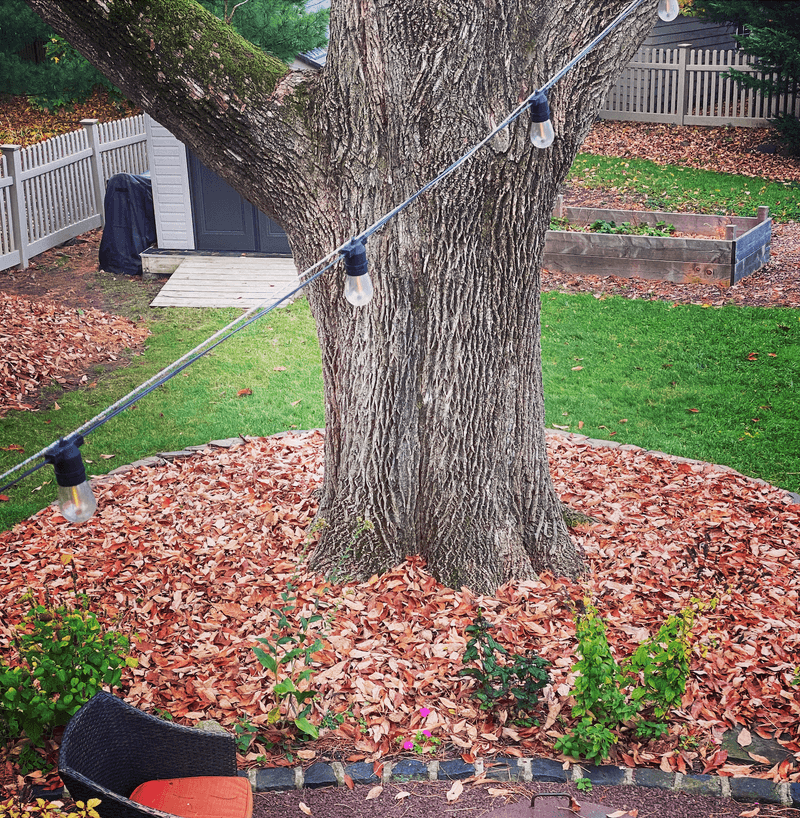
Clearing the seedbed does not mean sending every leaf to the curb. Leaves have real value in the yard, just not on top of baby grass.
A smart move is to shift the extra ones somewhere they can do some good.
University of Maryland Extension notes that intact leaf litter benefits insects and other wildlife. That fits nicely with a new lawn, because you can clear the grass and keep leaf habitat elsewhere on your property.
Landscape beds are an easy home for them. Spread the leaves under shrubs and around perennials, or tuck them in a back corner of the yard where they can settle.
Fireflies, native bees, and other small creatures that spend winter in leaf litter are the kind of wildlife many North Carolina gardeners want to help.
Keep the leaves loose rather than packed against plant stems, and keep them off the sidewalk and driveway so they do not wash around. A bed that gets an extra layer of leaves in November will look tidy and still offer cover for wildlife.
You also do not need to haul every leaf out of the yard. Remove the excess from the seeded turf, and leave the rest of your yard working as a habitat.
Your grass gets light and air, and your wildlife gets a place to shelter.
Prevent a persistent mat, not every fallen leaf
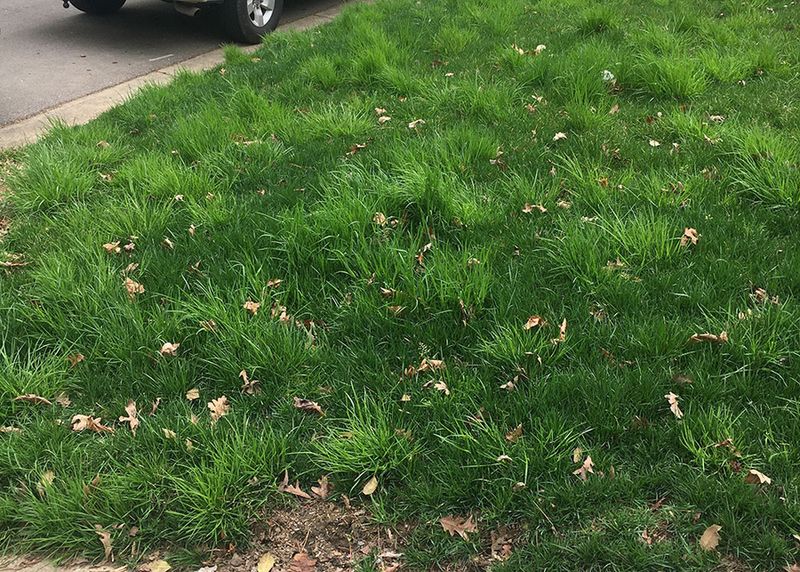
Keep leaves from building into a heavy, lasting mat on your new fescue, and follow NC State Extension’s advice to remove them frequently until the lawn is established. Leave the mulch-mowing habits to older turf, where they belong.
One stray leaf is not a crisis. A blanket that hides the seedbed is the thing to watch for.