
Wrinkleleaf Goldenrod: A Native Fall Flower North Carolina Gardeners Can Consider Alongside Mums
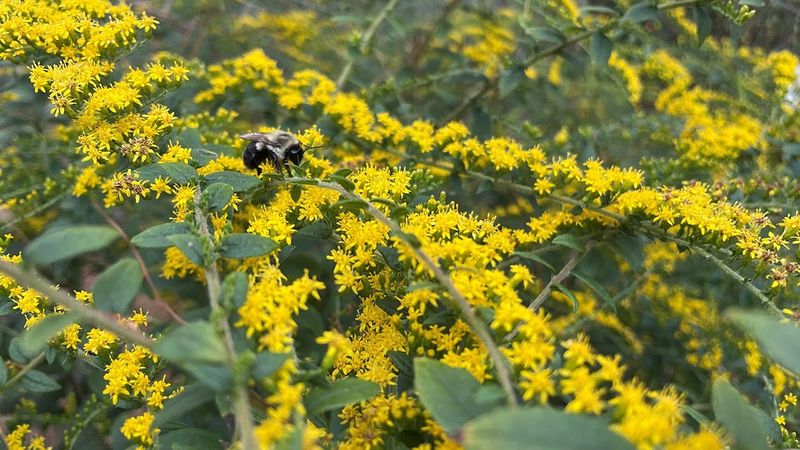
Fall bed color usually means a row of potted mums from the garden center. But there is a native fall flower that grows wild across North Carolina and may earn a spot in your yard too.
Wrinkleleaf goldenrod offers late-season blooms that pollinators can use. Here is how to decide if it fits your bed, and how to plant it without regrets.
A native fall perennial to consider for North Carolina beds

Wrinkleleaf goldenrod (Solidago rugosa) is a plant many North Carolinians have seen along roadsides and field edges without knowing its name. NC State’s Plant Toolbox lists it as a native herbaceous perennial.
That means it has soft, non-woody stems that die back in winter and regrow from the same roots each spring.
It is documented in the Coastal Plain, the Piedmont, and the mountains. NC State’s Extension Gardener Handbook includes it among native fall-blooming perennials found in all three regions.
For a homeowner who wants a yard that works for local wildlife, a plant with deep roots in the state is a sensible place to start.
Let’s be clear about what this article is and is not. There is no evidence that North Carolina gardeners are broadly swapping mums for goldenrod, and goldenrod is not a guaranteed replacement for them.
Think of it as a planting option to weigh, one that might suit a sunny corner, a naturalized edge, or a larger bed where a tall, airy plant has room to move.
The rest of this guide covers what the flowers offer, how they compare with mums, and how to match the plant to your own space. Whether it earns a place in your yard depends on your conditions, so read on before you buy.
Late-season flowers can support a succession of pollinator resources
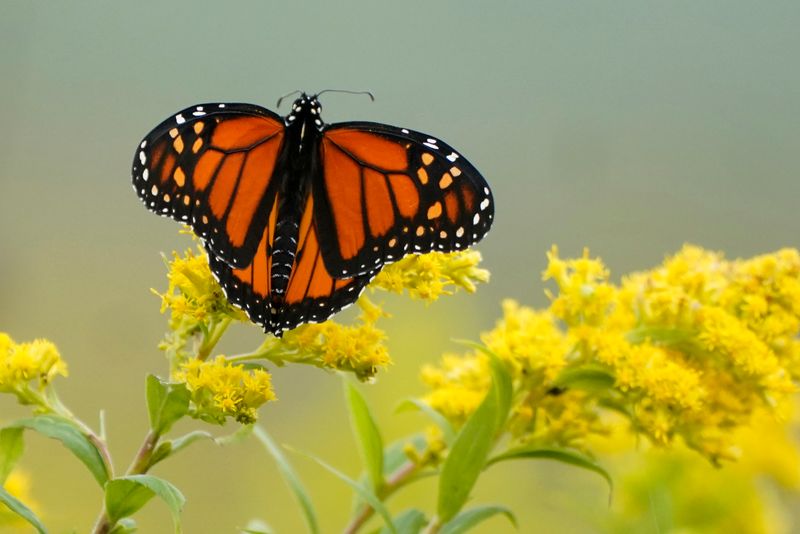
Late summer and fall can be lean times for insects that are still active. Wrinkleleaf goldenrod typically flowers from August to October, with a peak around September, according to NC State’s plant profile.
The same profile notes that it attracts butterflies, bees, and other pollinators.
One plant will not feed a whole neighborhood of insects. The better approach is a lineup.
The NC State handbook recommends growing different native plants that bloom through the seasons so pollinators have a more continuous food supply. Goldenrod can fill the fall slot in that lineup, following spring and summer bloomers.
A few cautions keep expectations realistic. August to October is a typical window, not a promise.
Bloom dates shift with weather, elevation, and your garden’s conditions, so a mountain yard may bloom at a different time than a coastal one.
Pollinator visits vary too. Flowers do not guarantee a steady stream of insects, and nothing says blooms or visitors last until the first frost.
If you want to make the most of it, plant goldenrod near other native flowers so the bed has overlapping color. Then watch what shows up in your own yard.
Noting which insects visit and when will tell you more than any general calendar.
Does wrinkleleaf goldenrod outlast garden mums?

The short answer is that nobody has shown it does. The sources reviewed give no direct comparison of bloom length between wrinkleleaf goldenrod and garden mums in North Carolina yards.
Goldenrod’s typical window, per NC State, runs from August to October.
Mums deserve fair treatment. Virginia Tech Extension describes garden mums as long-blooming fall plants.
It also says hardiness and winter survival depend on the cultivar, planting time, site, and winter conditions, so bloom timing and duration vary from one type to the next.
Mums also are not useless to wildlife. University of Illinois Extension says they can provide late-season nectar for pollinating insects, and some can return as perennials when planted early enough in a suitable spot.
So what is the real difference? Goldenrod is a native perennial that fits a wildlife-minded planting, while mums offer compact, tidy color in pots and borders.
Neither has to cancel the other.
If you already enjoy your mums, keep them. Tuck goldenrod into a spot with more room and see how the two perform in your yard this season.
Match the plant’s size and growing conditions to your bed
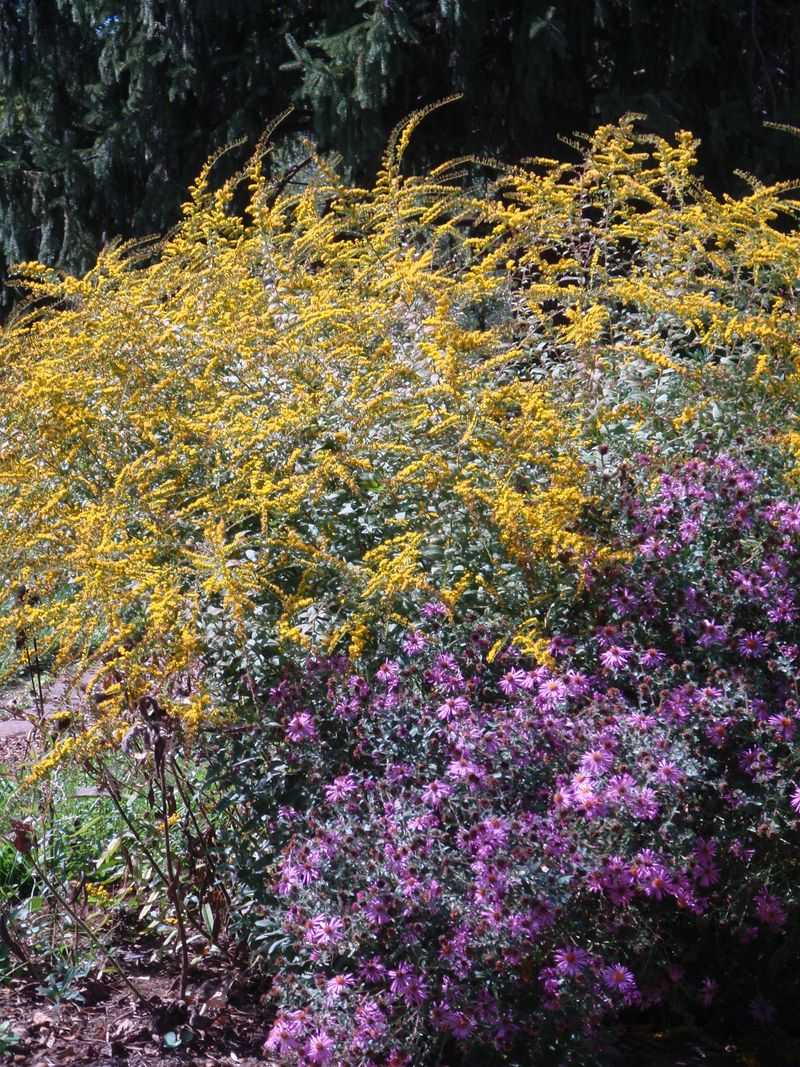
Before buying anything, grab a tape measure. NC State’s Plant Toolbox describes wrinkleleaf goldenrod as roughly 2 to 5 feet tall, topped with arching yellow flower spikes.
That is a big range, and a plant at the tall end will look out of place in front of a low window or at the edge of a walkway.
Think back of the border, a sunny fence line, or the far edge of a naturalized area. Tall plants can also lean or flop, so give them elbow room and avoid crowding smaller neighbors that could be shaded out.
For light, the profile says the plant generally suits full sun to partial shade. Observe your bed through a full day, since a spot that looks sunny at noon may be shaded by afternoon.
Moisture takes more judgment. The species is associated with moist sites, yet the Plant Toolbox lists a range of soil drainage conditions.
A low spot that holds water after rain in the Coastal Plain is a different situation from a dry, fast-draining slope in the mountains or red clay in the Piedmont.
Do a simple test. Dig a hole, fill it with water, and see how long it takes to drain.
That tells you more about your soil than any general rule and helps you decide whether this plant belongs there.
Choose a goldenrod suited to the space available
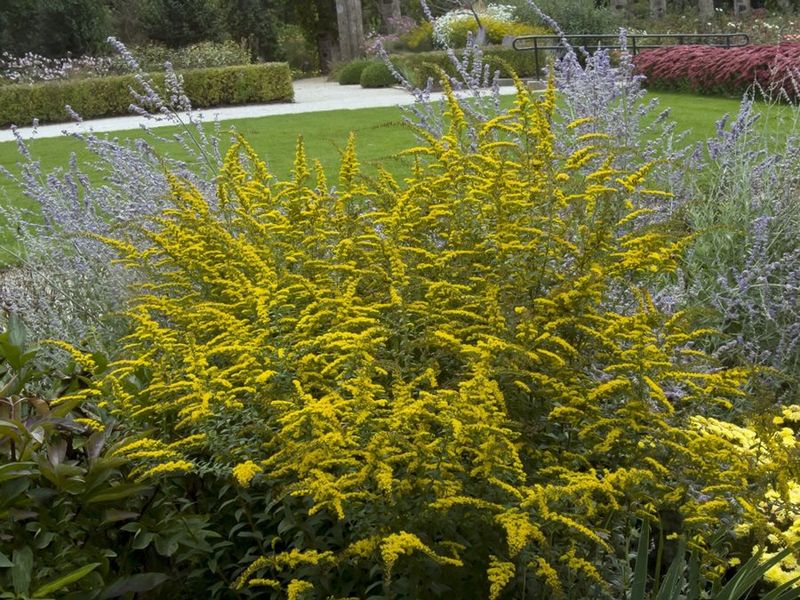
Here is the catch that trips up many gardeners. NC State’s Solidago page warns that some goldenrod species spread aggressively by rhizomes, which are underground stems that send up new shoots.
In a big naturalized area that can be a plus. In a small border, a vigorous goldenrod can crowd out its neighbors within a few seasons and become a chore to pull.
Goldenrods are not all alike. Some are compact and some are rangy, and some are native to certain habitats while others are not.
A cultivar sold at a garden center may behave quite differently from a wild species, and not every goldenrod is native or suited to every site in North Carolina.
Before you plant, read the tag for the exact species or cultivar name. Look up its mature size and spreading habit, and ask a local native plant nursery or your county Extension office if the information is unclear.
If you are worried about spread, place it where it has room, such as a meadow edge, or near a mowed boundary that keeps it in check. Digging out stray shoots each spring also helps keep it where you want it.
One more myth is worth clearing up. Goldenrod gets blamed for fall sneezing, but ragweed blooms at the same time and is the more likely source of airborne pollen.
Individual reactions can still happen, so go by your own experience.
Plant in fall when local conditions cooperate
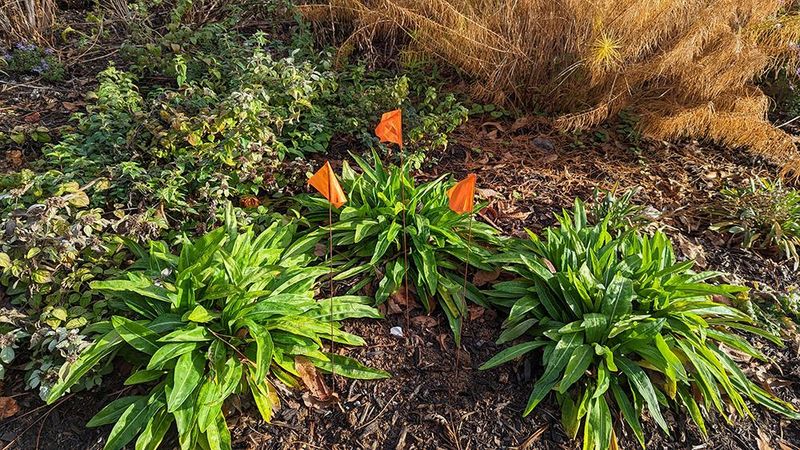
Fall can be a good time to put hardy perennials in the ground, and North Carolina Cooperative Extension in Lee County has advice on fall planting for perennials and trees. Cooler air and warm soil give roots time to settle before winter.
Timing is local, though. NC State’s guidance for Piedmont pollinator gardens, found in this fall pollinator garden article, recommends waiting for cooler conditions and skipping planting during drought.
Those recommendations are regional, not a statewide calendar rule.
A mountain gardener may face an early frost, while a coastal gardener may have warm weather lingering well into autumn. Use your own area’s conditions as the guide instead of a fixed date.
Newly planted goldenrod still needs water if rain is scarce. Check the soil a few inches down every few days, and water deeply when it feels dry instead of giving a light sprinkle that never reaches the roots.
A layer of mulch helps hold moisture, but keep it from piling against the stems. Since goldenrod is a perennial, the top growth may die back in winter, so leave the stems standing if you can, because they can shelter overwintering insects.
Choose goldenrod for the garden you have
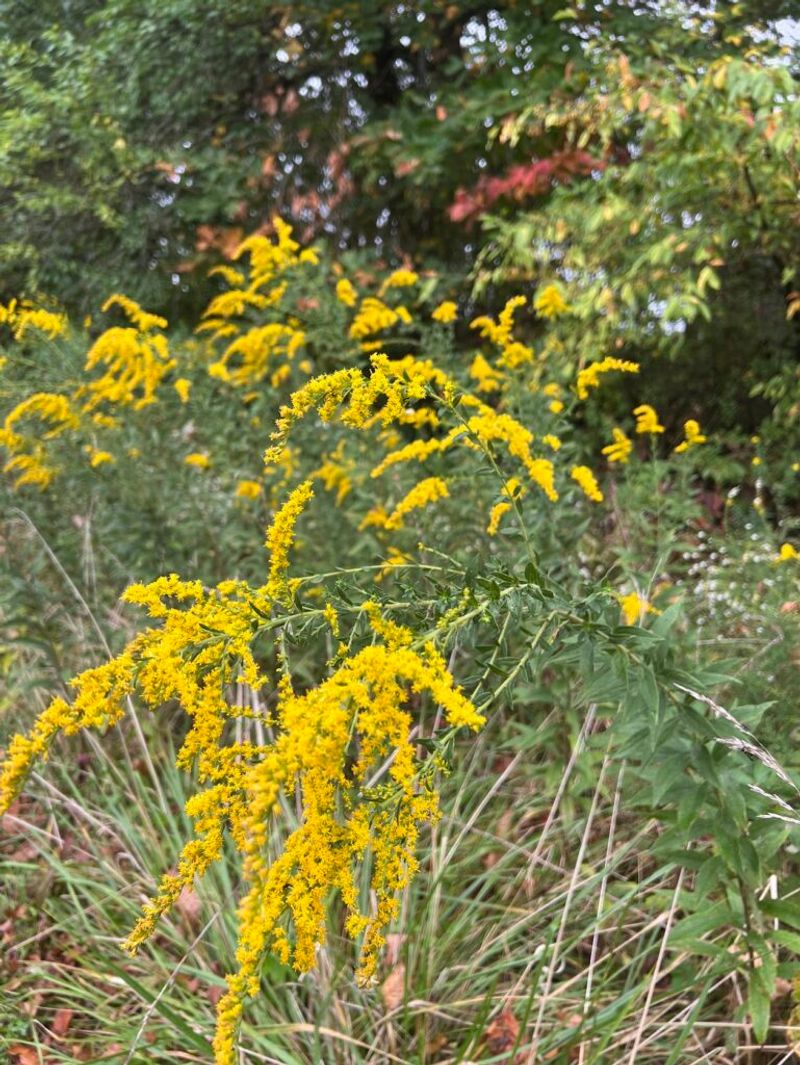
Wrinkleleaf goldenrod can bring native late-season flowers to a bed, as long as its size and site needs fit your yard. Check the spreading habit of the exact goldenrod you pick, and think of it as part of a season-long mix of native plants.
It works as a partner to mums, not a stand-in for them. Your bed’s light, moisture, and room will make the call.