
Your Fall Garden Isn’t Finished When Summer Flowers Fade – 15 Late Bloomers, Berries And Grasses That Carry It To Frost
When your petunias get leggy and your hydrangeas turn papery, it is easy to think the garden is done for the year. It is not.
A handful of tough flowers, berry shrubs, and grasses actually save their best show for September, October, and even the first frosty mornings. Plant a few of them and your yard keeps its color, feeds the birds, and gives you a reason to keep stepping outside.
1. Asters
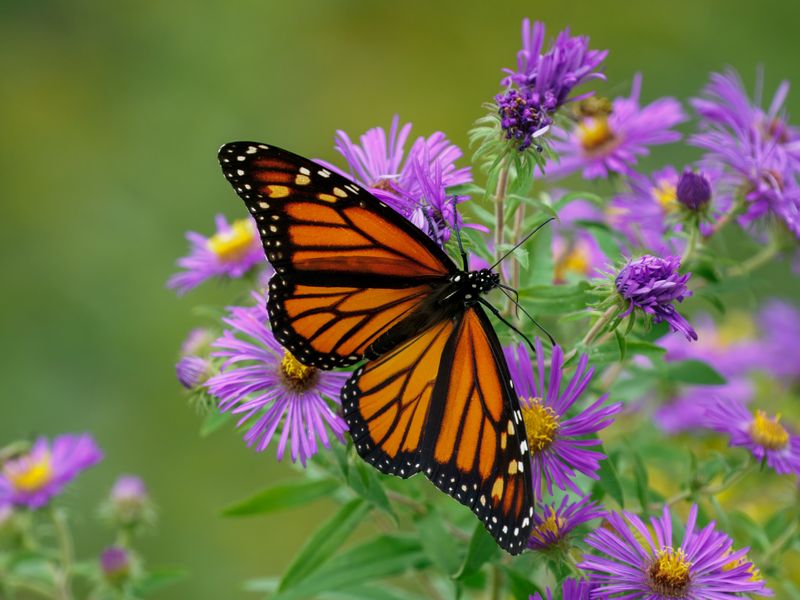
Monarchs heading south treat a patch of asters like a highway rest stop. Just when most perennials look tired, these daisy-like flowers burst open in purple, blue, pink, and white.
Asters bloom from late August until hard frost in much of the US. New England and aromatic asters are the toughest picks for beginners.
One common worry is floppy, bare-legged stems by fall. The easy fix is to pinch the stems back by about a third in early summer, no later than early July.
You get shorter, bushier plants with more flowers and no staking.
2. Black-Eyed Susan
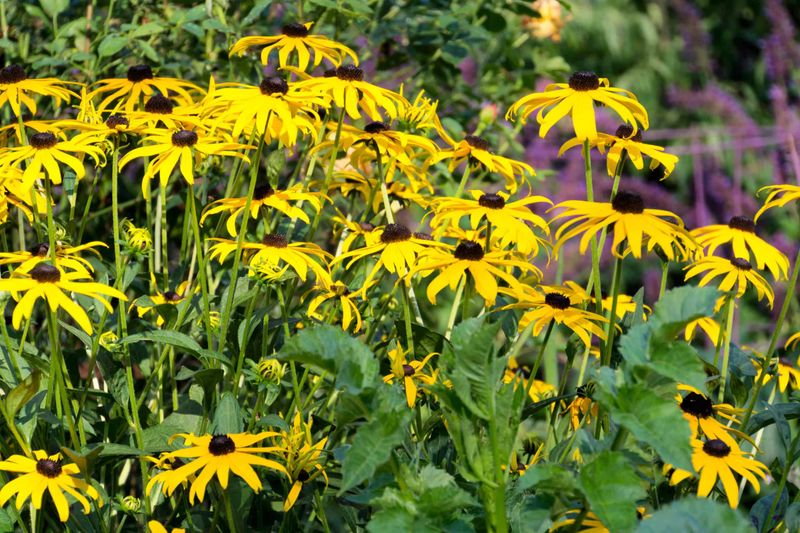
Some flowers ask for attention. Black-eyed Susans just show up, year after year, glowing gold while the rest of the bed fades.
Rudbeckia is a native North American flower that handles heat, dry spells, and so-so soil. Many varieties keep blooming well into fall if you snip off spent flowers through August.
Here is a smart trick for late season. Stop deadheading around mid-September and let the dark cones dry on the stems.
Goldfinches will happily pick them clean, and the seed heads look great poking through early snow.
3. Sedum Autumn Joy
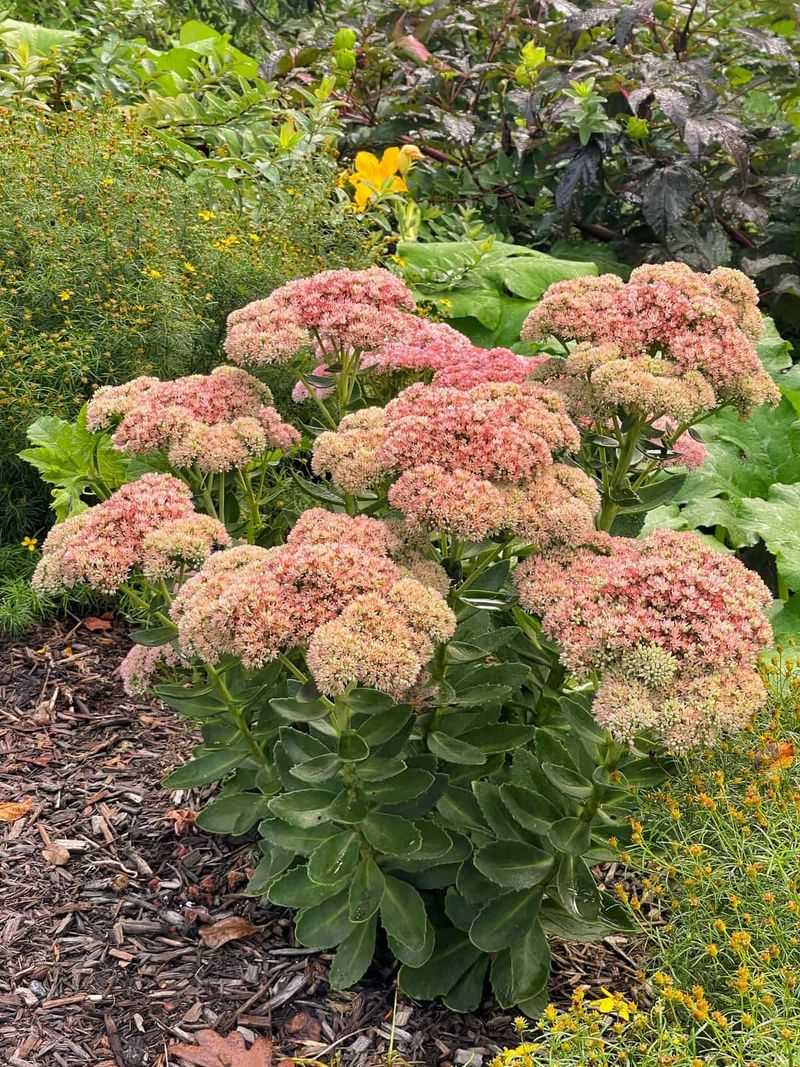
Picture a plant that changes outfits all season without any help. Autumn Joy sedum starts with pale green broccoli-like buds, turns pink in late summer, then deepens to a rich rusty red by October.
Thick, fleshy leaves store water, so it shrugs off drought and hot spots where petunias would fry. Bees crowd the flat flower heads on sunny fall afternoons.
If yours splays open in the middle, the soil is probably too rich or the spot too shady. Give it full sun, skip the fertilizer, and cut it back by half in early June for sturdier stems.
4. Chrysanthemums
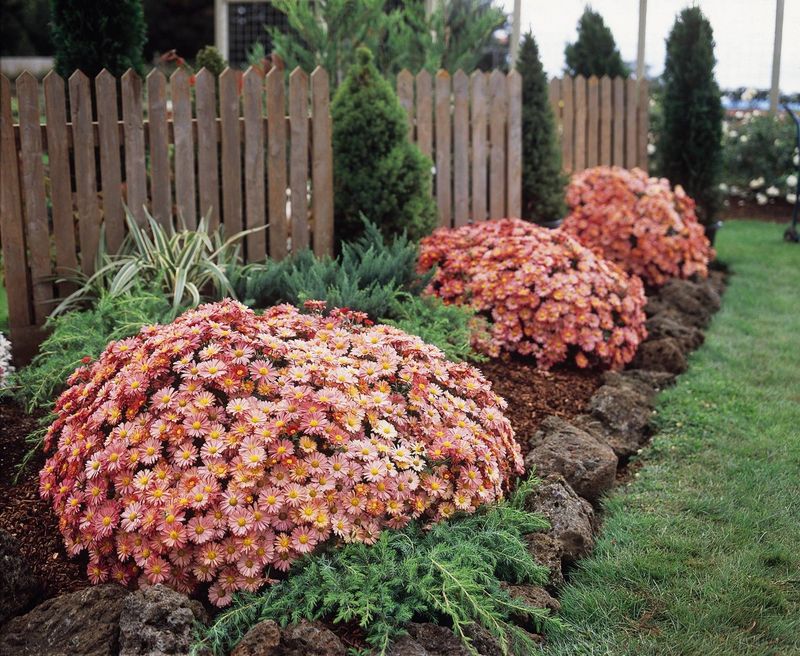
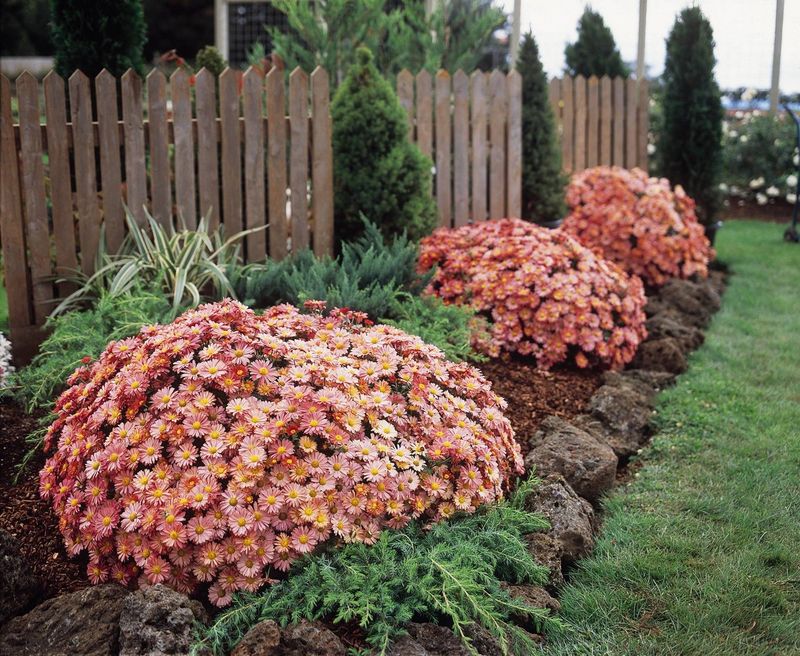
Grocery store mums are the classic fall impulse buy. Most people toss them after one season, but they do not have to die in a pot.
Hardy garden mums can come back every year if you plant them early, ideally by mid-September, so roots settle before the ground freezes. Water them well, since potted mums are often root-bound and dry out fast.
Leave the dead stems standing over winter instead of cutting them down. That old growth may help protect the crown from cold.
Trim it away in spring once new shoots appear.
5. Salvia
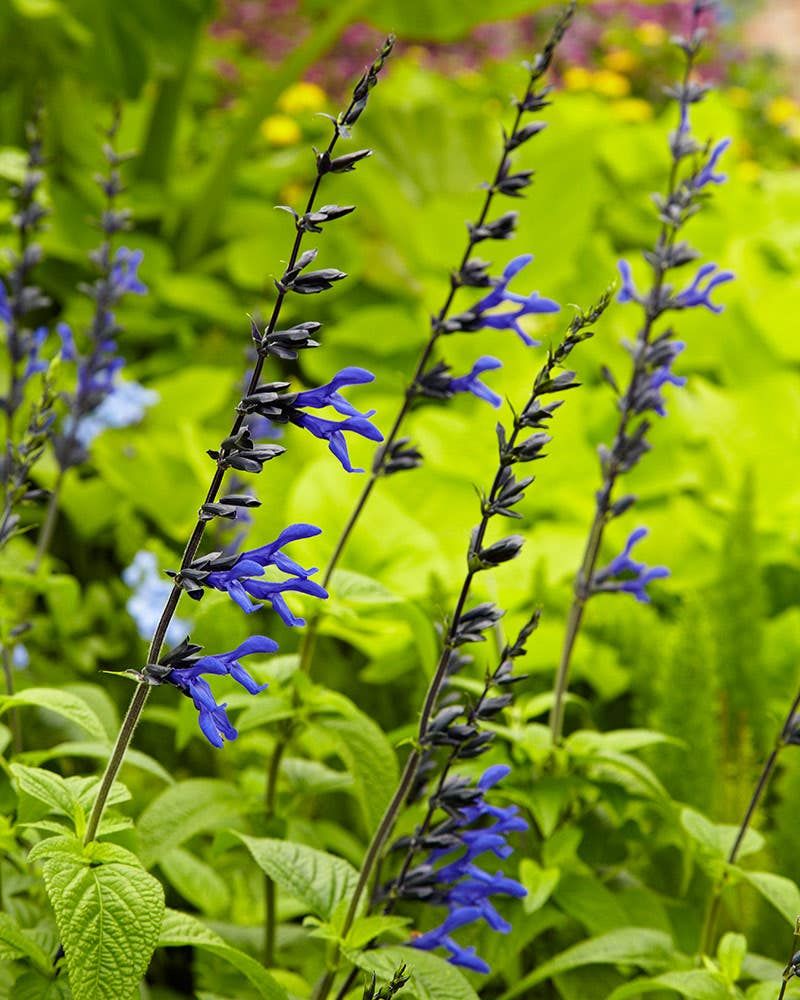
Hummingbirds are picky eaters, and salvia is near the top of their menu. Tubular flowers in blue, purple, red, and pink keep coming long after other nectar plants quit.
Perennial types like May Night rebloom if you shear them after the first flush. Tender types such as Black and Blue or Mexican bush sage often hit their peak in September and October.
Not getting much bloom? Check the sun.
Salvias need at least six hours of direct light, and too much nitrogen gives you leaves instead of flowers.
6. Japanese Anemone
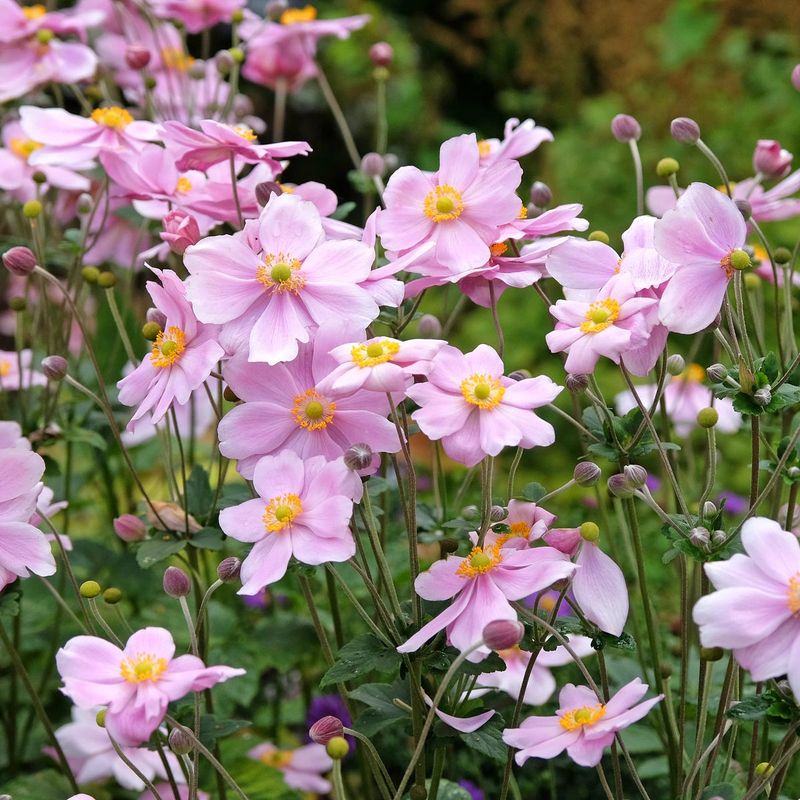
Elegant is the word that comes to mind. Japanese anemones hold pink or white saucer-shaped blooms high on wiry stems, dancing in the slightest breeze.
They are one of the few late bloomers that enjoy part shade, which makes them a lovely partner for hydrangeas whose flowers are drying out. Blooms open from late August into October.
Fair warning: once happy, they spread. Plant them where they can roam a bit, and give them a year or two to settle before judging them.
7. Coneflower
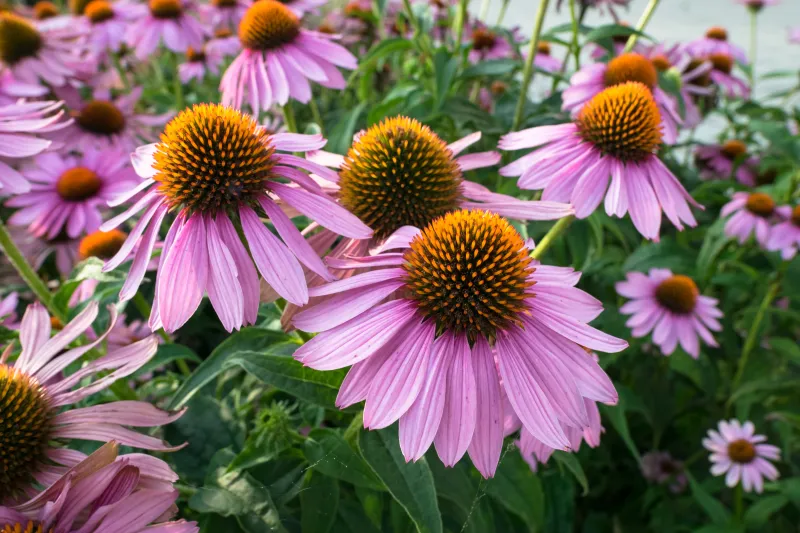
Coneflowers are the marathon runners of the perennial bed. Planted in full sun, purple echinacea often starts in early summer and keeps going into fall.
A light trim of spent blooms through August encourages fresh flowers. After that, let some heads stay for the birds.
If your coneflowers vanish after a year, soggy winter soil is the usual culprit. Good drainage matters more than fertilizer for these prairie natives.
8. Beautyberry
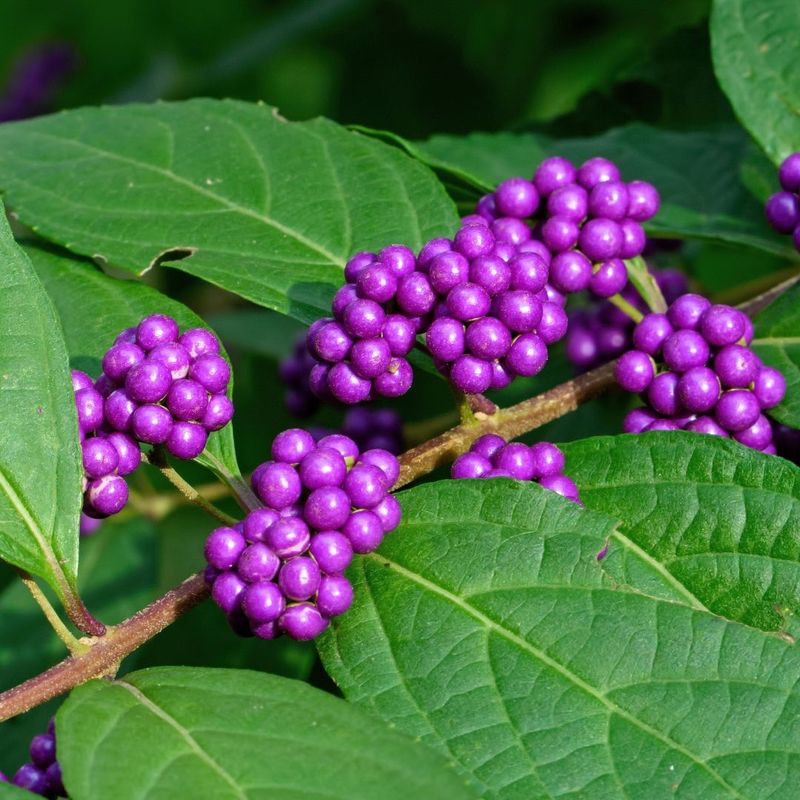
The first time people see beautyberry, they assume someone painted it. Clusters of shiny, almost neon purple berries wrap around the stems in early fall.
The berries often hang on after the leaves drop, giving you color into early winter. Birds like mockingbirds and robins eat them when other food runs short.
Here is the secret to more berries: flowers form on new wood. Cut the shrub back hard in late winter, to about a foot tall, and it rewards you with a fuller crop.
9. Winterberry Holly
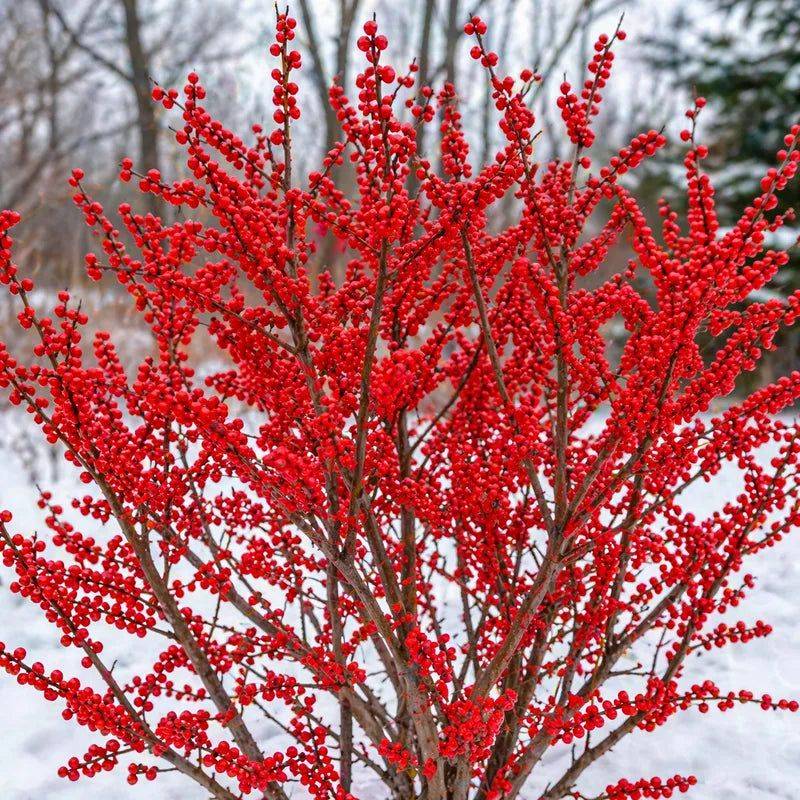
Bare branches dripping with scarlet berries, that is winterberry’s party trick. Once the leaves drop in late fall, the fruit takes center stage straight through the cold months.
This native holly loses its leaves, unlike the evergreen kind, and handles wet soil better than most shrubs.
Plenty of gardeners wonder why their winterberry never fruits. The answer is almost always missing a partner.
Only female plants make berries, and they need a matching male nearby, usually one male for every five or so females.
10. Aronia
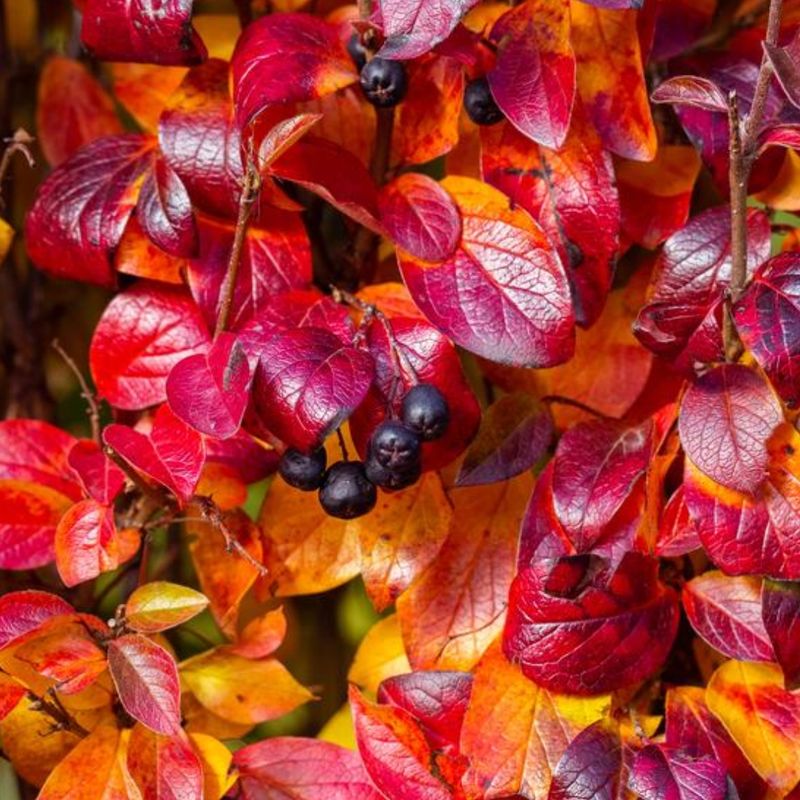
Aronia is the underdog of the berry shrubs. In spring it is pleasant.
In fall it lights up in fiery red and burgundy leaves with clusters of glossy black berries.
Native to eastern North America, it is cold-hardy, handles wet or dry soil, and rarely gets pests. Low Scape Mound and similar compact types fit small yards.
Fun fact: the berries are packed with antioxidants and often go into jams and juices. Raw, though, they are so tart they make your mouth pucker, which is how it earned the name chokeberry.
11. Elderberry
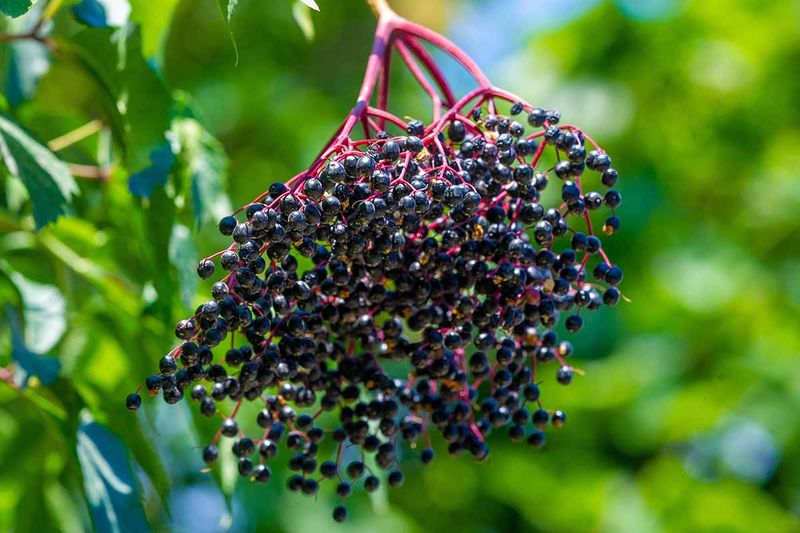
Grandma probably made syrup from it. Elderberry carries heavy clusters of dark fruit in late summer and early fall, so heavy that branches arch toward the ground.
Dark-leaved varieties like Black Lace look striking all season, with pink flowers in summer and berries later.
Birds love the fruit, so if you want some for yourself, harvest when clusters turn fully dark. Unripe berries, stems, and leaves are not safe to eat raw, so cook any berries you keep.
12. Viburnum
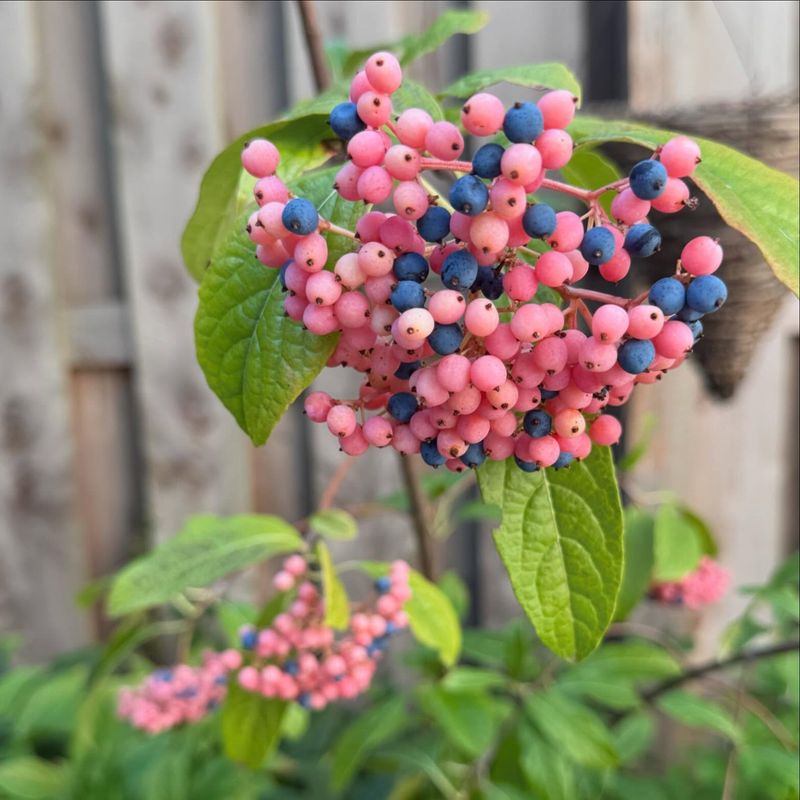
Few shrubs give you three seasons of payoff like viburnum. White spring flowers turn into berries, then the leaves blush red or purple in fall.
Brandywine possumhaw is a showstopper, with pink and blue berries on the same cluster. Arrowwood and cranberrybush types offer reliable fruit too.
Like winterberry, many viburnums set more berries with a second variety planted nearby for cross-pollination. Ask your nursery which partner works for yours.
13. Pink Muhly Grass
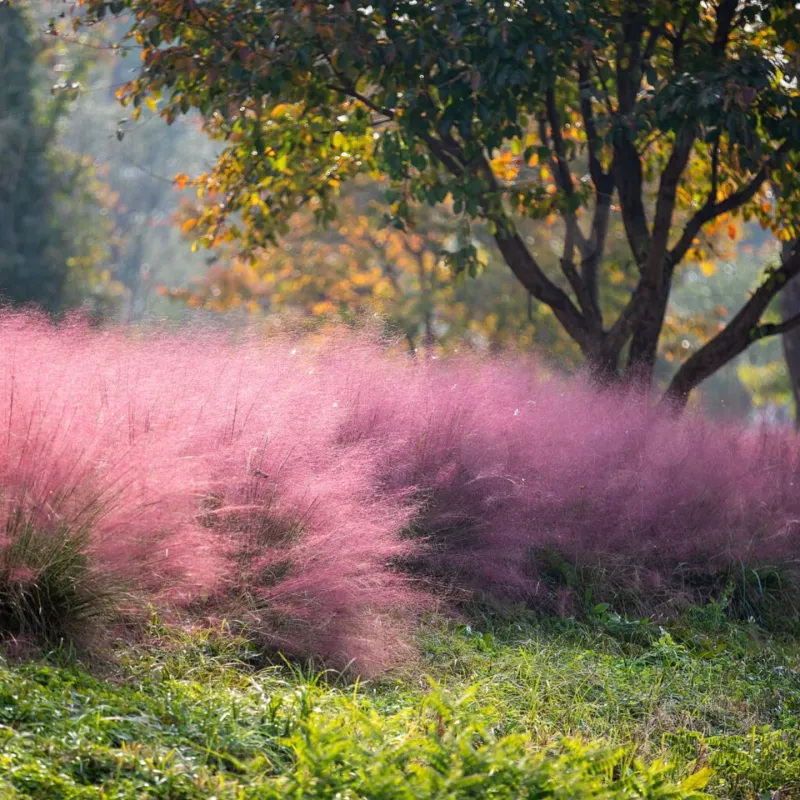
Drive past a planting of pink muhly in October and you might hit the brakes. The airy plumes look like a cloud of cotton candy, especially with the sun behind them.
Native to the eastern US, it loves heat, sun, and well-drained soil. The pink fades to soft tan by late fall but still looks lovely.
Plant several in a row or drift instead of one alone for the biggest wow. Cut back in late winter.
14. Karl Foerster Feather Reed Grass
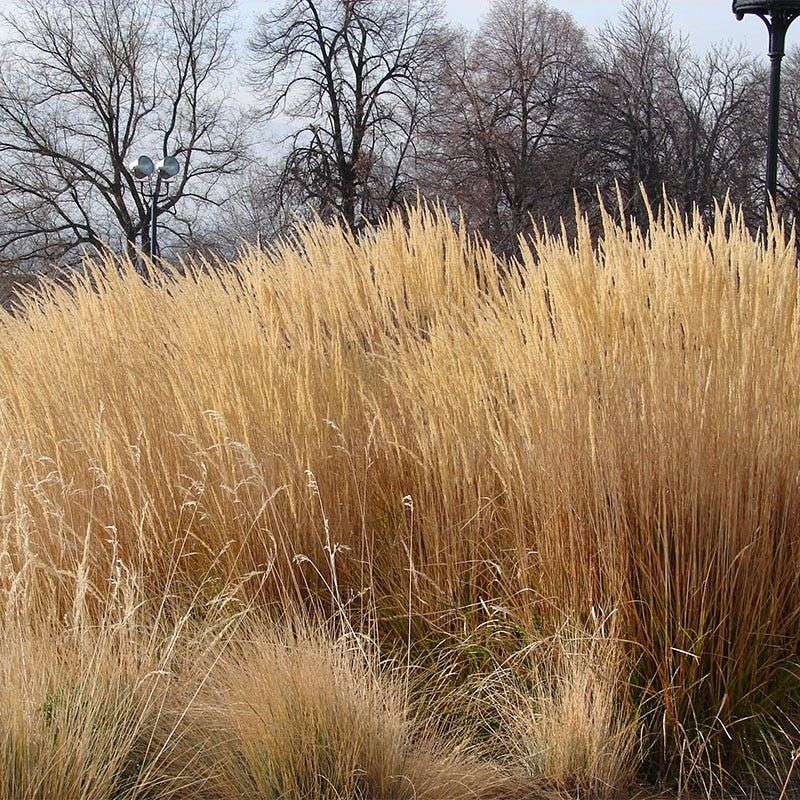
Tidy, upright, and dependable. Karl Foerster feather reed grass stands like a row of soldiers, with wheat-colored plumes from early summer through winter.
It was named Perennial Plant of the Year in 2001 and still earns its spot. It tolerates clay and grows in a narrow footprint, so it fits tight spaces.
Leave it standing all winter for frosty texture, then cut it to a few inches in early spring before new growth starts.
15. Little Bluestem
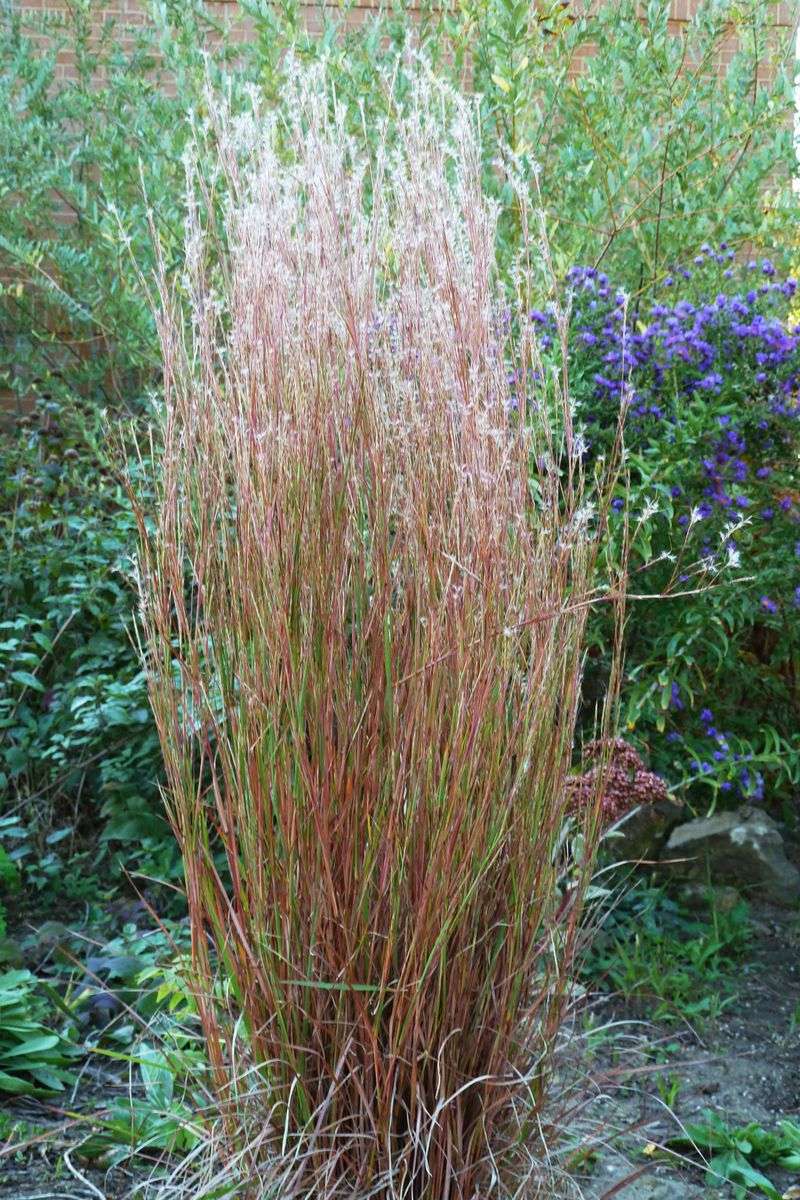
Saving the best color for last, little bluestem starts the year blue-green and finishes in copper, mauve, and purple.
This native prairie grass shrugs off deer, drought, and poor soil. Varieties like Standing Ovation stay upright instead of flopping.
Avoid fertilizing and overwatering, which make it weak. Treat it a little rough and it rewards you with color right up to frost and beyond.
Mix a few of these 15 plants into your beds, and your garden will keep going long after summer says goodbye.