
Your Potted Meyer Lemon Can Often Make It Through A North Carolina Winter If You Bring It In The Right Way
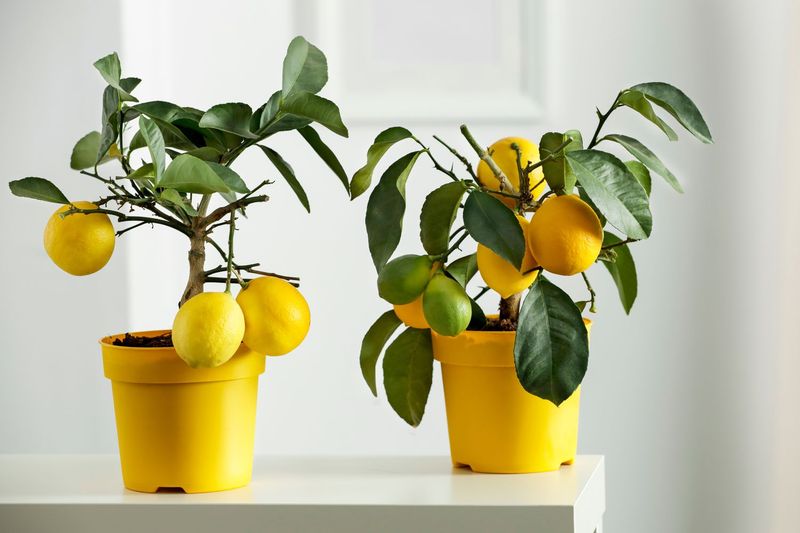
A Meyer lemon in a pot is a small piece of sunshine on a North Carolina patio, and one hard freeze can end its season fast. Moving it indoors at the right time, and caring for it the right way once it is there, can improve its chances of seeing spring.
Nothing here is a guarantee, but a simple routine goes a long way. Here is how to set one up for your own tree.
Bring the tree in before cold threatens it

Meyer lemon cannot survive frost, which is why NC State Extension points gardeners toward container growing wherever winter cold requires bringing the plant inside. A pot gives you the one big advantage that an in-ground tree lacks: you can carry it to shelter.
For a practical trigger, NC State’s container planting calendar for the Piedmont says to move lemons and limes indoors when temperatures fall below 45°F. Treat that as regional guidance from a Piedmont publication, not a rule written for every corner of the state.
Gardeners near the coast and in the mountains live with different winters.
Because of that, watch your own forecast instead of circling one calendar date. Your yard may run warmer or colder than a neighbor’s across town.
You can look up your hardiness zone by ZIP code on the USDA Plant Hardiness Zone Map to get a feel for your area.
You may see Meyer lemon described as more cold-hardy than other citrus, sometimes with a figure around 22°F. Those numbers are injury estimates under certain conditions, not move-in targets, so do not let a pot ride out the cold on that promise.
Roots in a container have far less insulation than roots in the ground, a point NC State makes in its container gardening handbook. A tree that might shrug off a chilly night in the ground can suffer much more in a pot on the patio.
A good habit is to check nighttime lows each evening once autumn settles in. When the forecast heads toward the mid-40s, it is time to start your move.
Prepare the lemon for its move indoors
Picture going from a bright, breezy porch to a dim living room in one afternoon. That is a big shock for a tree, so ease it along.
NC State’s container gardening handbook advises reducing light gradually over about a week before moving tender containers inside.
In practice, slide the pot into a shadier spot for a few days, then a shadier one still. University of Maryland Extension also recommends gradual acclimation when moving citrus between indoor and outdoor conditions.
Gradual change eases the transition, though it will not erase all adjustment stress.
While the tree sits in its in-between spot, give it a thorough inspection. Turn leaves over and look along stems for sticky residue, webbing, cottony clumps, or tiny bumps.
Citrus commonly attracts scale, mites, mealybugs, whiteflies, and aphids, and you do not want to carry them into a house full of other plants.
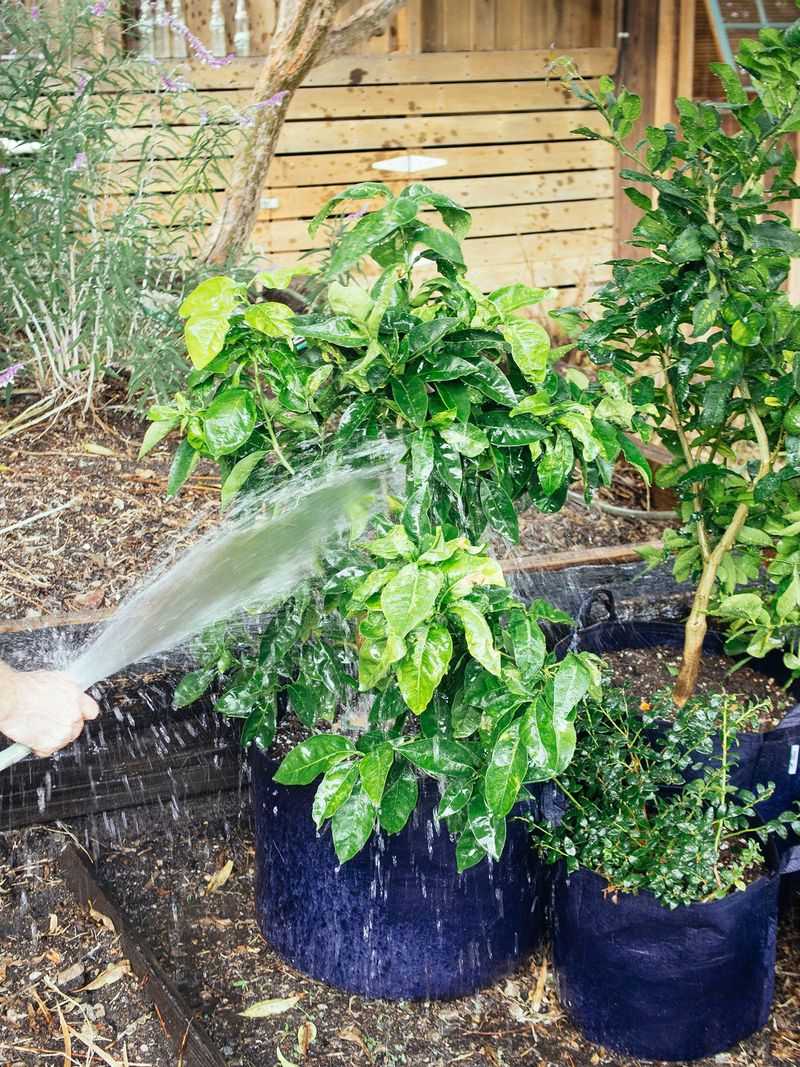
Rinse the foliage with a gentle spray from the hose, including the undersides of leaves. If you find a problem that rinsing does not solve, use only a product labeled for the plant you are treating and for that use, and follow the directions on the label.
Finish by checking the pot for hitchhikers like ants or slugs, and clean the saucer you plan to use indoors.
Give the lemon its brightest indoor spot
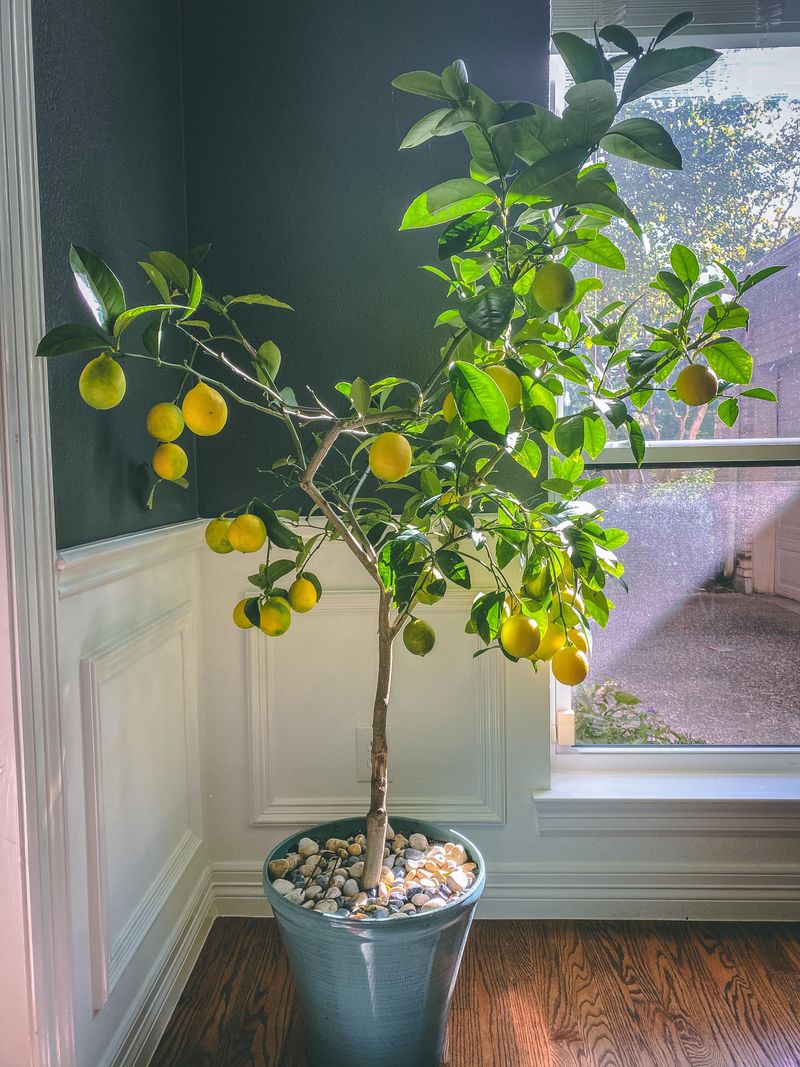
Light is the make-or-break need once your lemon is inside. University of Maryland Extension recommends at least six hours of direct sun daily, and preferably eight to 12.
That is a lot more than most rooms offer in winter.
A south-facing window is usually your best bet, since it collects the most sun through the short days. Pull the pot close to the glass, and turn it now and then so every side gets a turn in the brightest light.
Keep leaves from pressing against cold glass on freezing nights.
If the sunniest window still falls short, a supplemental grow light can fill the gap. Position it according to the manufacturer’s instructions and run it for part of the day to add to what the window provides.
Many homes have a bright spot that sounds good on paper but turns out dim by mid-afternoon, so watch how long sun truly reaches the tree.
Signs that light may be too low include pale new growth, long gaps between leaves, and more leaf drop than you expected. Those clues tell you to move the tree or add a lamp.
A bright spot gives the tree its best shot at staying healthy, but no window can promise flowers or lemons. Think of strong light as the foundation for good care, not a guarantee of any one result.
Water by checking the soil, not the calendar
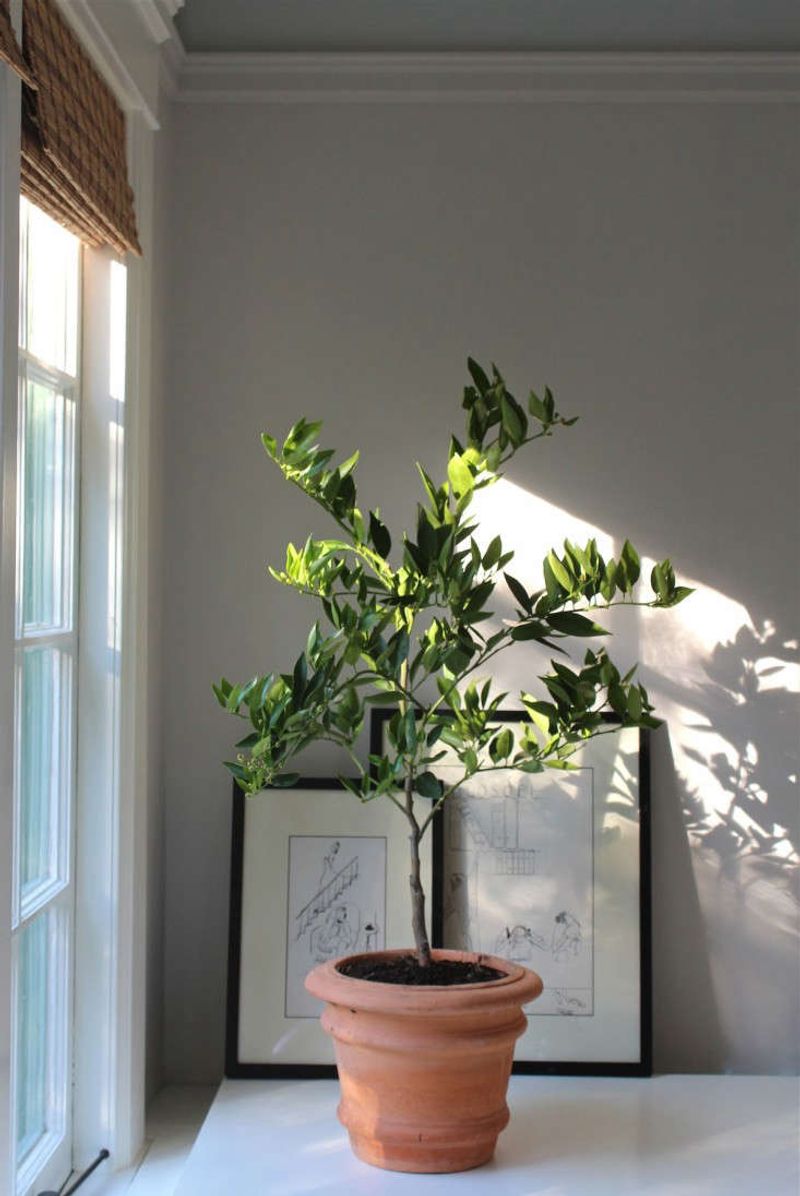
Your finger is a better tool than a calendar. Push it about two inches into the potting mix, and if the soil there feels dry, it is time to water.
If it still feels damp, wait and check again in a day or two.
When you do water, University of Maryland Extension advises soaking the pot thoroughly, letting the extra drain away, and emptying the saucer afterward. Standing water around the roots is a common way indoor citrus gets into trouble.
Winter overwatering is a real risk, because the tree uses less water when growth slows.
Soil moisture is only part of the picture. The same guidance gives general indoor citrus ranges of about 65 to 75°F by day and 55 to 65°F at night, with relative humidity near 50 percent.
Treat those as care targets, not promises of survival, flowering, or fruit. A small humidifier or a pebble tray set beside the pot, kept below the pot’s base, can help if your house runs dry.
Keep the tree away from cold drafts near doors and from heating vents that blow hot, dry air across the leaves. A spot a few feet from a vent often feels very different from one right on top of it.
If you are unsure, lift the pot. A pot that feels light usually needs water, and a heavy one often does not.
Respond calmly to leaf drop and pests
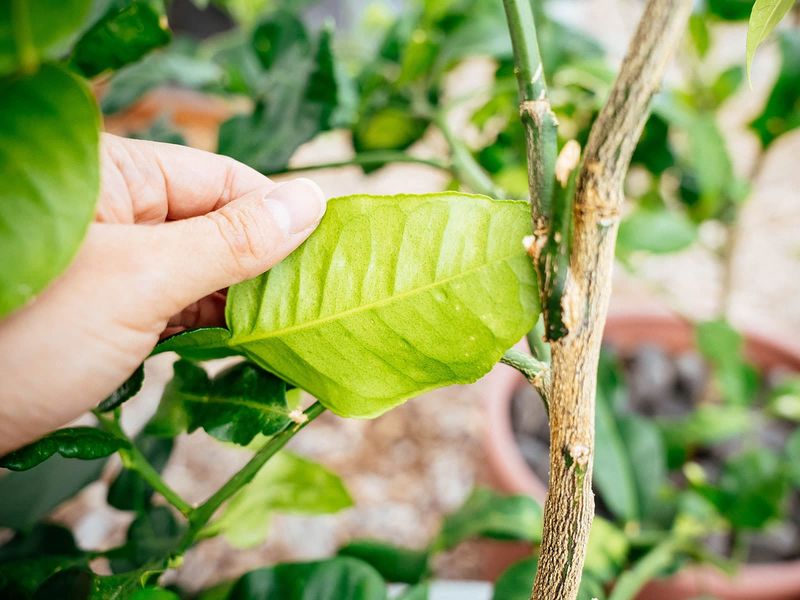
A few leaves on the floor in the first weeks do not mean the tree is doomed. University of Maryland Extension says leaf drop after a move can come from changes in light, humidity, temperature, or watering.
Your lemon has gone from open sky to a living room, and some adjustment is natural.
Instead of panicking, run through a quick checklist. Is the tree getting as much light as you can give it?
Is the soil dry two inches down before you water, and is the saucer empty? Is it sitting near a draft or a heating vent?
Small fixes to those conditions are often the best response.
Keep an eye out for pests as well. Scale, mites, mealybugs, whiteflies, and aphids all like citrus, and warm indoor air suits them.
Look at leaf undersides and stem joints every week or so, and note any sticky film, fine webbing, or white fluff.
Steady, widespread leaf loss or visible bugs call for a closer look rather than a guess. If treatment is needed, use only a product labeled for the intended plant and use, and follow the label directions exactly.
A tree with bare patches but firm green stems and healthy buds still has a good chance of pushing out new growth. Patience, and steady care, tend to serve it better than a flurry of changes.
Keeping the tree alive is not the same as getting lemons
Getting your tree to spring is one goal. Harvesting lemons from it indoors is a separate one.
A lemon can live through winter without ever flowering or setting fruit, and that still counts as a successful season.
According to University of Maryland Extension, indoor citrus needs strong light for good fruit development. That is why a bright window or grow light matters, but a sunny windowsill alone does not guarantee fruit.
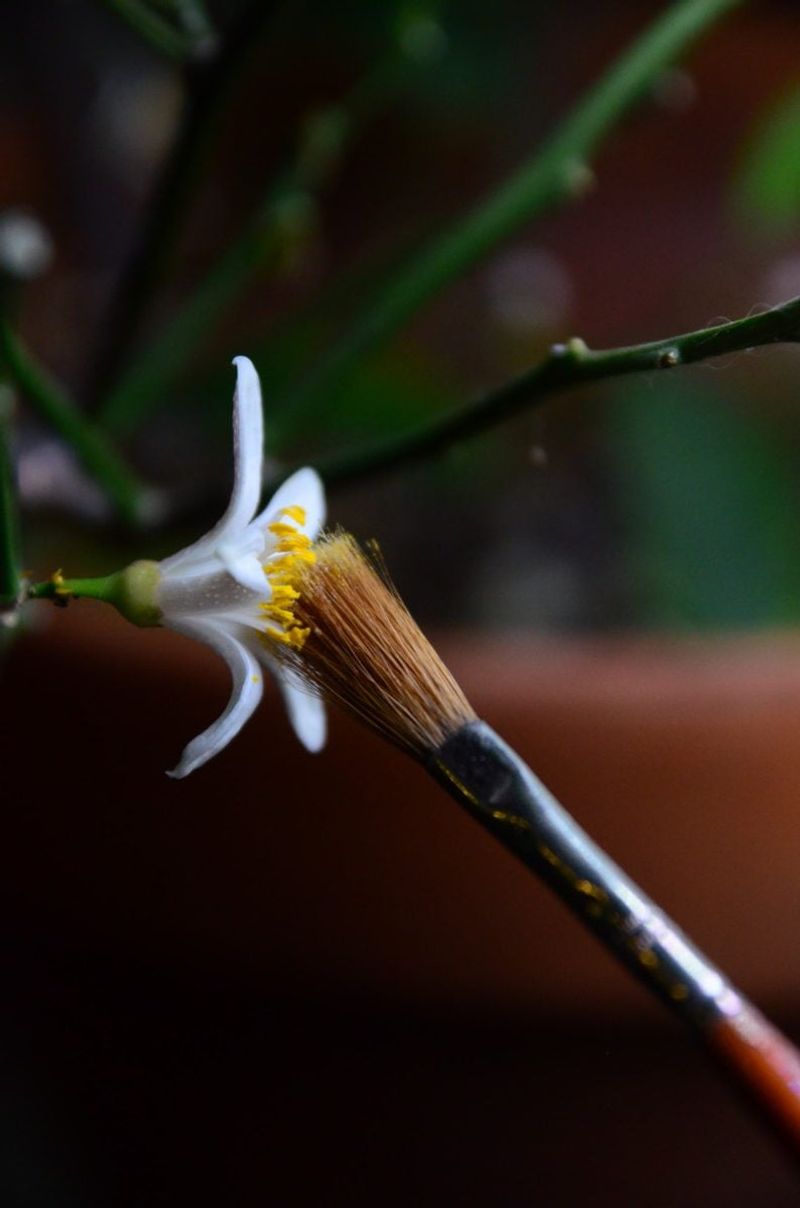
Indoors there are also no bees to do the job of moving pollen. Indoor flowers need hand-pollination to initiate fruit.
If your tree blooms, you can gently transfer pollen from flower to flower with a small, soft brush, then keep up good light and watering.
Even then, results vary. Some trees drop blossoms, set a few fruits, or skip flowering altogether in a given year, depending on light, temperature, and the tree’s health.
So measure your winter by what you can control. Firm stems, leaves that mostly hold on, and a bit of new growth as days lengthen are all good signs.
Any blossoms or fruit are a bonus, and the fragrance of a few flowers in a cold month can be a sweet reward by itself.
Follow a practical winter routine
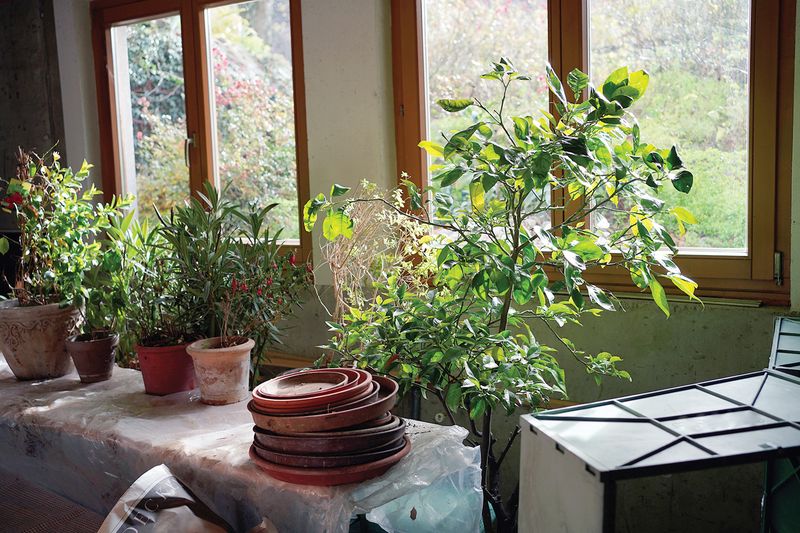
Start with local conditions and regional guidance like NC State’s below-45°F Piedmont advice to bring the tree in before frost, since Meyer lemon cannot survive frost. Acclimate it over a week, wash and inspect the leaves, then give it your brightest spot.
Check the soil before each watering and keep watching for pests, following Maryland Extension’s citrus care tips.
These steps improve the odds but cannot promise survival or fruit. Still, a tree that gets them has a fair shot at greeting spring with new leaves.