
Your Roses Need A Different Routine Once Nights Turn Cold – 9 October Jobs That Carry Them Through Winter
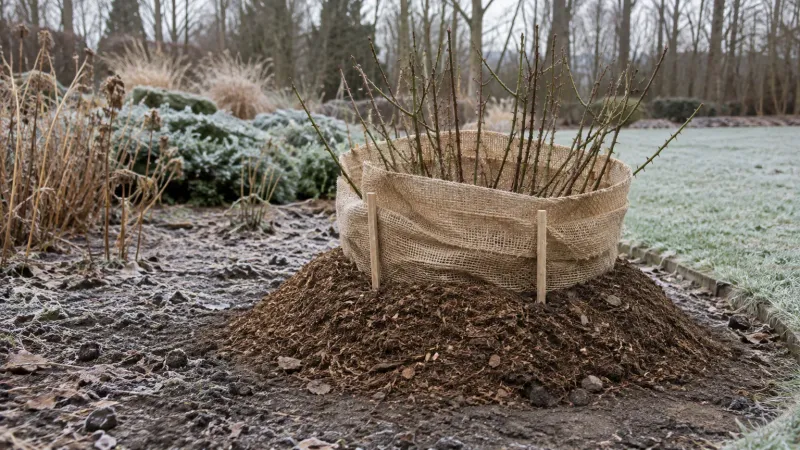
When October nights start to bite, your roses quietly switch gears from blooming to bracing for winter. The habits that kept them happy all summer, like feeding and snipping off old flowers, can actually hurt them now.
A few simple changes this month can mean the difference between a rose that bounces back in spring and one that never wakes up. Here are nine easy jobs to help your roses sail through the cold.
1. Stop Feeding Your Roses

Put the fertilizer bag away and leave it there until spring. Feeding roses in fall pushes out soft, leafy shoots right when frost is on the way.
New growth needs weeks to toughen up, and October simply does not give it that time. Those tender stems can freeze, blacken, and invite rot down into healthier wood.
Most experts suggest your last feeding happen by mid-August or early September. If you missed that window, no harm done, just skip it from here on out and let your rose slow down naturally.
2. Let Rose Hips Form

Here is a job that asks you to do less, which feels almost too good to be true. Stop deadheading and let the spent flowers stay put.
As those faded blooms swell into round seedpods called rose hips, they send a signal through the plant. The message is simple: the season is done, time to rest.
That nudge toward dormancy helps your rose harden off before hard freezes arrive.
Bonus perk? Hips add pops of red and orange to a bare garden, and birds love them.
Fun fact: rose hips are packed with vitamin C and have been brewed into teas for centuries.
3. Clear Away Fallen Leaves and Debris

Ever notice black spots on your rose leaves come back year after year? The culprit is often sitting right on the ground beneath the bush.
Fungal diseases like black spot and pests can spend the whole winter hiding in fallen leaves and petals. Come spring, rain splashes those spores right back onto fresh growth.
Rake up everything under your roses and bag it rather than tossing it in the compost. A tidy bed may help reduce disease pressure next year, and it takes about ten minutes per bush.
4. Keep Watering Deeply Until the Ground Freezes
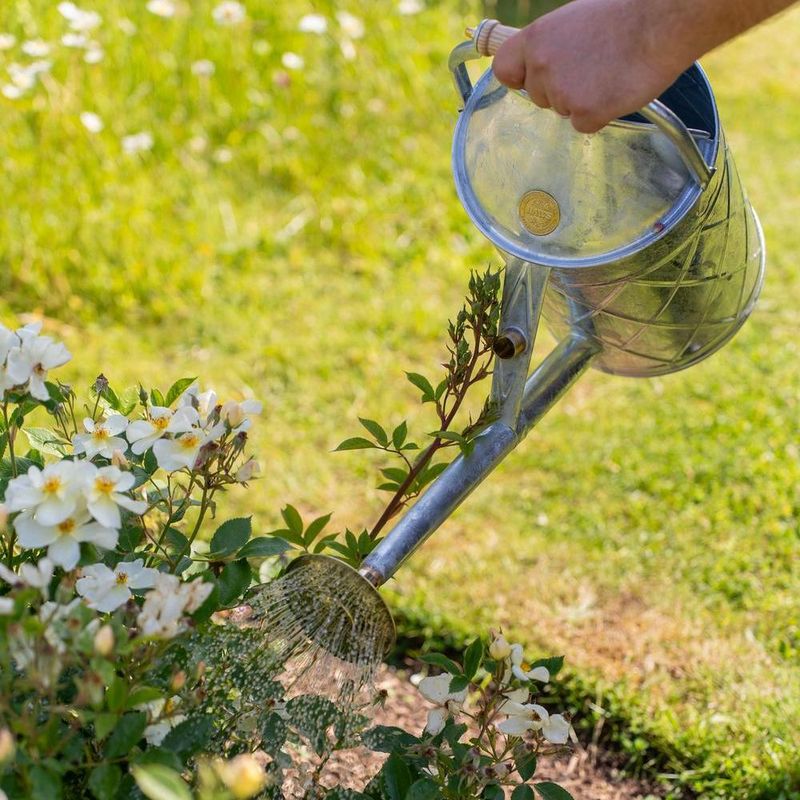
Cool air fools a lot of gardeners into thinking their roses are not thirsty anymore. Dry fall weather, though, can leave roots parched heading into winter.
A well-hydrated rose handles freezing temperatures far better than a stressed one. Give each bush a deep, slow soak about once a week when rain is scarce.
Morning is the best time to water. The soil has the whole day to soak it up before nighttime cold sets in, and leaves dry off quickly, which keeps fungus from getting comfy.
5. Trim Long Canes for Wind Protection
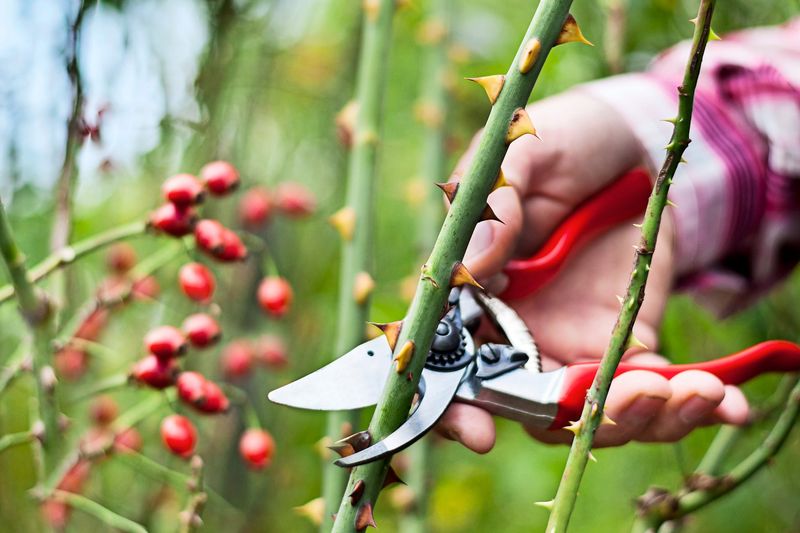
Picture a January windstorm whipping a six-foot cane back and forth until it cracks at the base. Not pretty, and totally avoidable.
Fall is not the time for a big haircut, since heavy pruning can spark new growth. Instead, shorten only the extra-long or floppy canes by about one-third.
That light trim keeps the bush compact so wind, snow, and ice have less to grab onto. Save the real shaping for late winter or early spring.
6. Cut Out Dead or Diseased Canes
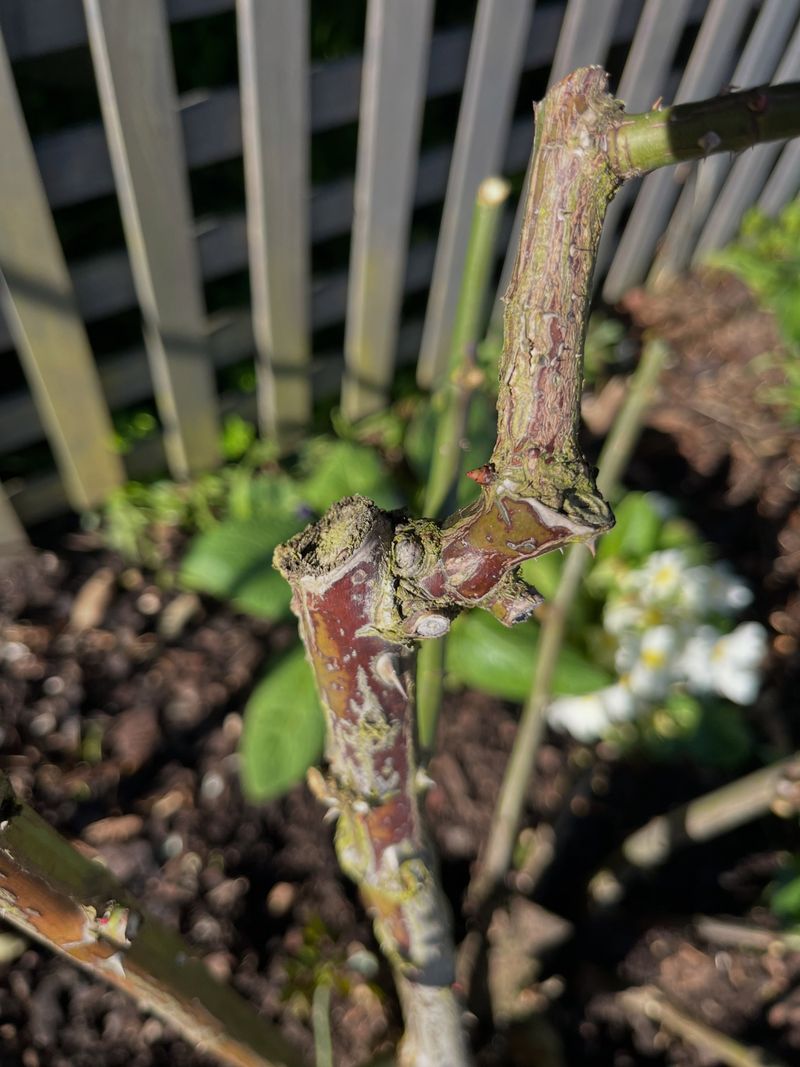
While your pruners are already out, take a slow walk around each bush and look closely. Brown, shriveled, or cracked canes are not going to recover over winter.
Cut them back to healthy, green wood or all the way to the base if needed. Look for white or pale green tissue inside the cut, which tells you you have reached living stem.
Removing damaged wood now can limit the spread of canker and other infections. Wipe your blades with rubbing alcohol between plants so you are not carrying trouble from one rose to the next.
7. Tie Up Tall and Climbing Roses
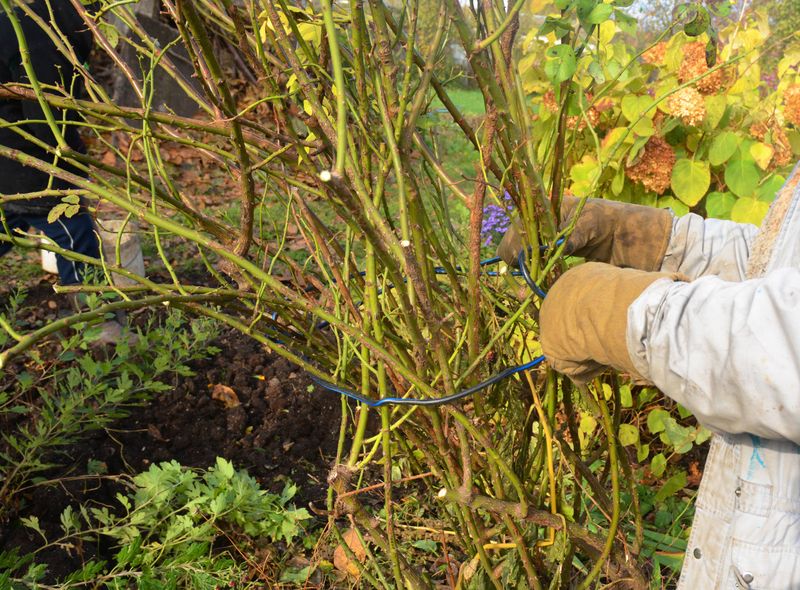
Climbers have a wild streak, and winter wind loves to test it. Loose canes can snap or rock the whole plant loose at its roots.
Gather tall canes together and secure them to their trellis, fence, or support using soft twine or strips of old fabric. Skip wire, which can cut into bark as stems shift.
Keep the ties snug but not tight. Think of it as buttoning up a coat for your rose before stepping out into the cold.
8. Gather Mulch for Mounding
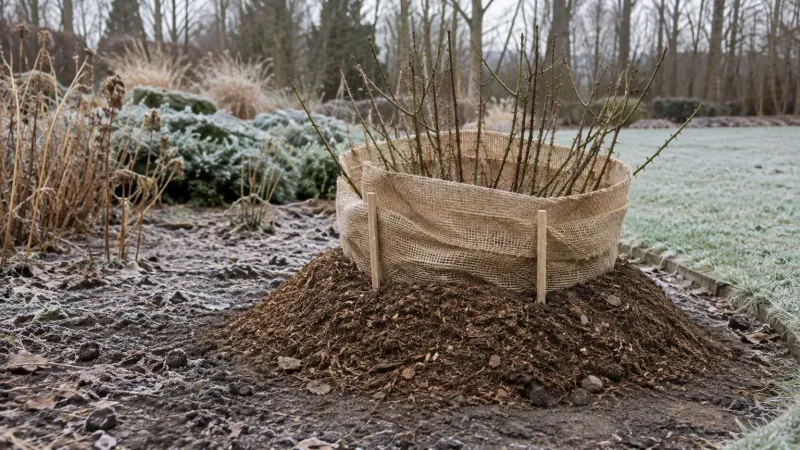
Smart rose growers get their supplies ready before the first hard frost catches them off guard. Start stockpiling compost, extra soil, shredded leaves, or pine needles now.
Once steady hard freezes arrive, usually late October or November depending on where you live, you will mound this material around the base of each bush. That mound shields the graft union, the knobby spot where the rose was joined to its rootstock.
The goal is to protect it from freeze-thaw cycles that can crack and kill tissue. Having materials on hand means you can act fast when the forecast drops.
9. Protect Potted Roses

Roses in containers face a tougher winter than their in-ground cousins. Roots in a pot sit just inches from freezing air on every side.
The easiest fix is moving the pot into an unheated garage, shed, or a sheltered spot against your house. Cool and dark is fine, since the plant is sleeping.
No room indoors? Wrap the pot in burlap or bubble wrap, or sink it into the ground.
Check soil every few weeks and water lightly if it feels bone dry, and your rose should be ready to leaf out come spring.