
Your Tomatoes Thrive On 17 Single-Ingredient Fertilizers You Already Have Sitting In Your Kitchen
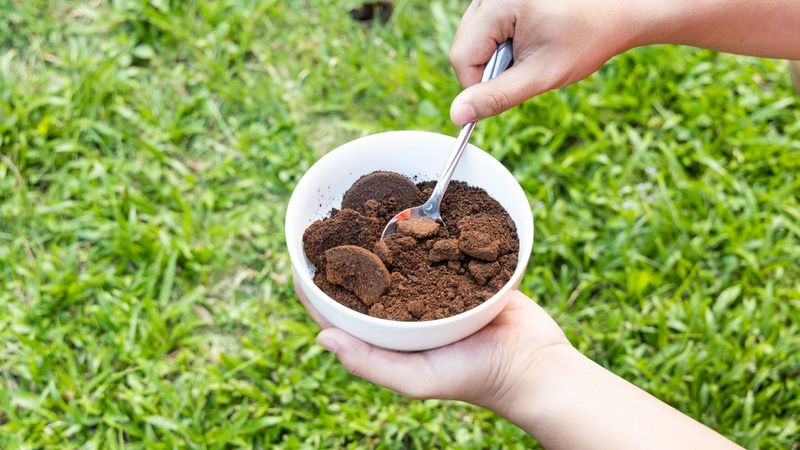
Yellow leaves, slow growth, or black spots on the bottom of your tomatoes can make any gardener panic. The good news is that many easy fixes are already in your trash can, fridge, or pantry.
Each item below does one job well, from adding calcium to feeding the tiny soil life your roots depend on. Pick the one that matches what your tomato plant needs most, and you can start helping it today.
1. Crushed Eggshells
Blossom end rot is the heartbreaker of tomato season. You wait weeks for fruit, then find a sunken black patch on the bottom.
A lack of calcium reaching the fruit is often part of the story, and eggshells are pure calcium waiting to be used.
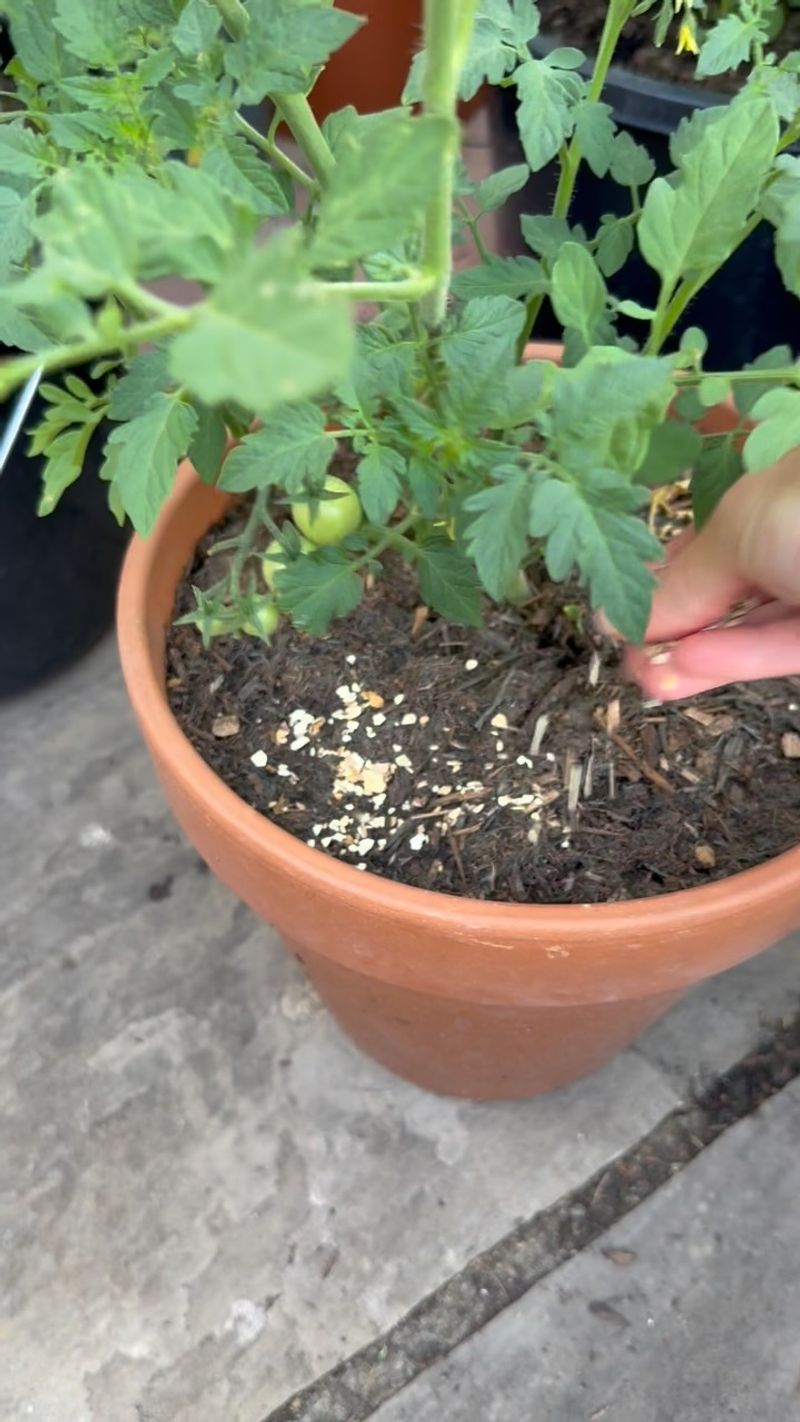
Rinse the shells, let them dry on the counter, then crush them as fine as you can. A coffee grinder or rolling pin works great.
Work a small handful into each planting hole in spring, or scratch some into the topsoil around plants already in the ground.
Here is the honest part: eggshells break down slowly, so think of them as a long-term soil builder, not a same-week rescue. Steady watering matters just as much, because roots can only move calcium when the soil stays evenly moist.
For a quicker option, soak crushed shells in boiled water for a few days, strain, and pour the liquid at the base.
2. Used Coffee Grounds
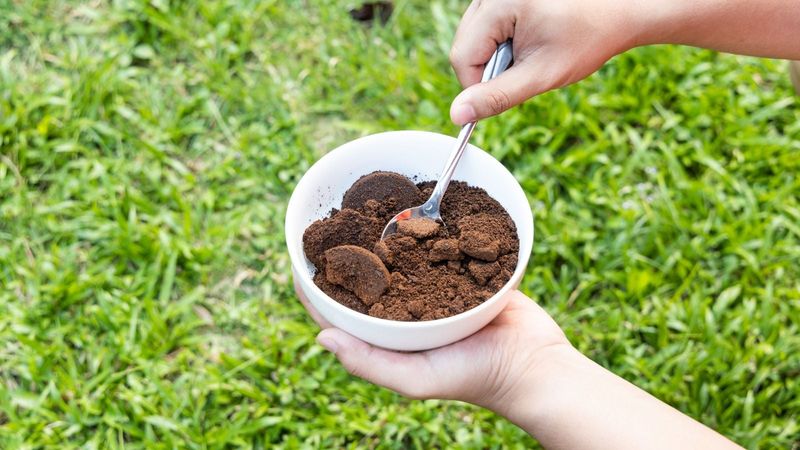
Your morning cup leaves behind a gift. Used coffee grounds carry nitrogen, plus smaller amounts of potassium and phosphorus, which help tomato leaves stay deep green and full.
Tomatoes like soil that is slightly acidic, around 6.0 to 6.8, and grounds fit right in. They also add organic matter, so your soil holds water better during hot July afternoons.
Some gardeners say grounds may help deter slugs, though results vary.
The big mistake is piling them on thick. A wet clump of grounds can mold and form a crust that blocks water.
Spread a thin dusting, mix it into the top inch of soil, or toss grounds into your compost first for a gentler, slower feed.
3. Banana Peels
Lots of flowers but hardly any fruit? Potassium could be the missing piece, and banana peels are loaded with it.
Potassium supports flowering, fruit development, and sturdier stems that hold up heavy clusters.
Peels also bring small amounts of calcium, magnesium, and sulfur. Chop them into small pieces so they break down faster, then bury them a few inches deep near the roots, but not touching the stem.
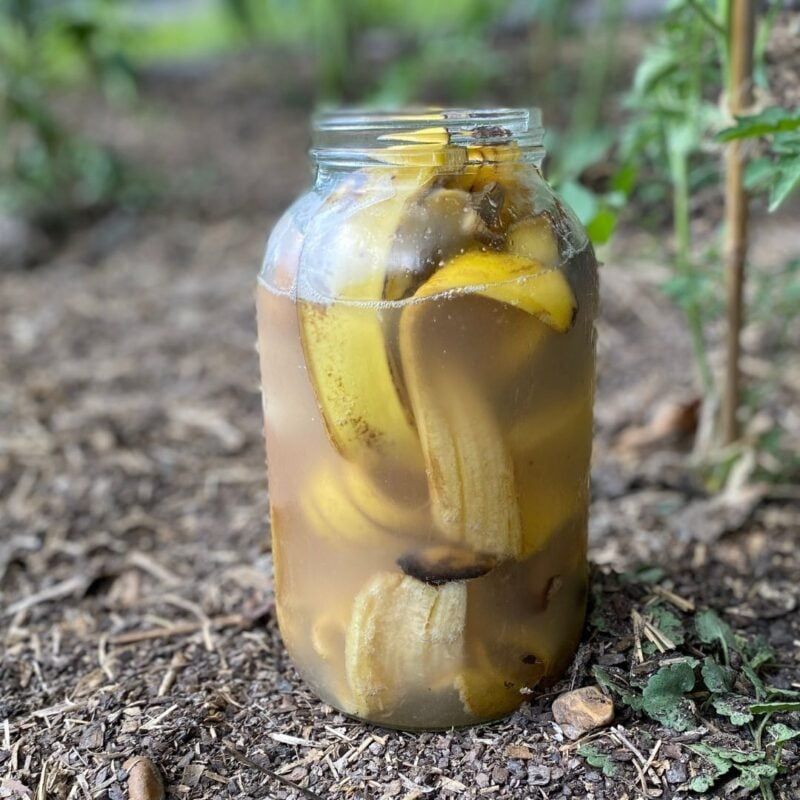
Prefer a liquid? Drop a few peels into a jar of water, let it sit for two or three days, and use that banana tea to water your plants.
Burying keeps fruit flies away better than leaving peels on top of the soil.
4. Epsom Salt
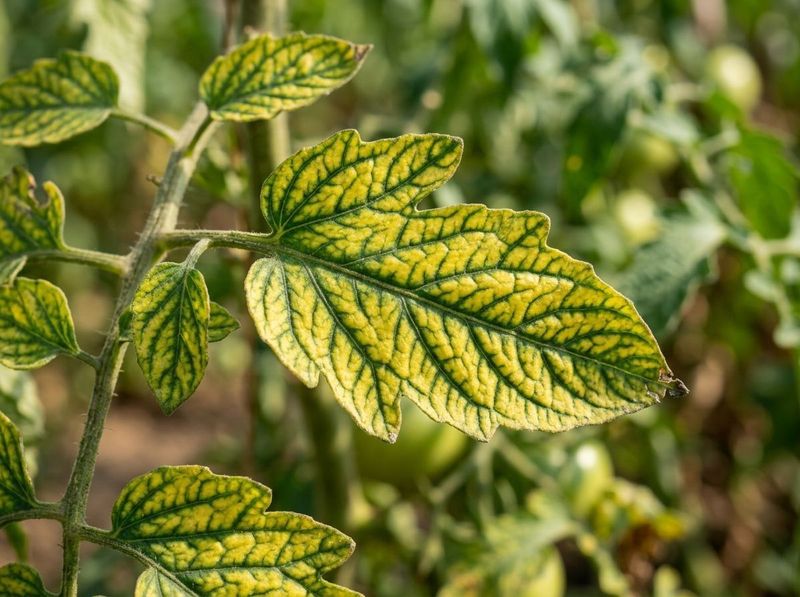
Picture older lower leaves turning yellow while the veins stay green. That pattern can point to low magnesium, and Epsom salt, which is magnesium sulfate, is the classic kitchen-cabinet answer.
Magnesium helps plants make chlorophyll, the green stuff that turns sunlight into energy. It also helps roots take up other nutrients.
When soil truly runs short, a dose may perk plants up noticeably.
Caution matters here. Too much magnesium can block calcium and actually make blossom end rot worse.
A soil test first is smart, then stir one tablespoon into a gallon of water and pour it at the base about once a month during the season.
5. Wood Ash
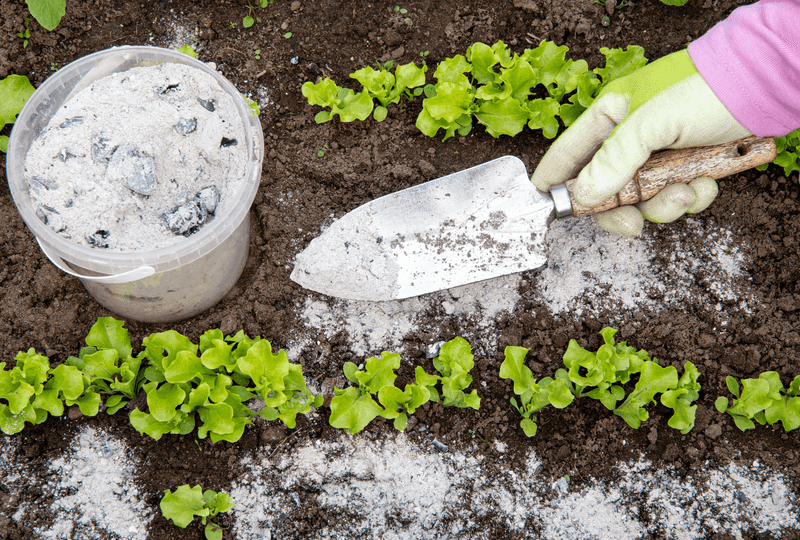
Grandparents with wood stoves knew this trick long before garden centers existed. Fireplace ash holds potassium, calcium, and a bit of magnesium and phosphorus.
Wood ash also raises soil pH, which is a plus if your soil runs too acidic. If your soil is already neutral or alkaline, skip it, because tomatoes can struggle when pH climbs too high.
A cheap pH test kit takes the guessing out.
Mix a modest amount into planting holes or the compost pile. Only use ash from plain, untreated wood, never from painted lumber, charcoal briquettes, or fire starters.
6. Milk
That carton about to expire can do double duty. Milk offers calcium and a little nitrogen as its proteins break down in the soil.
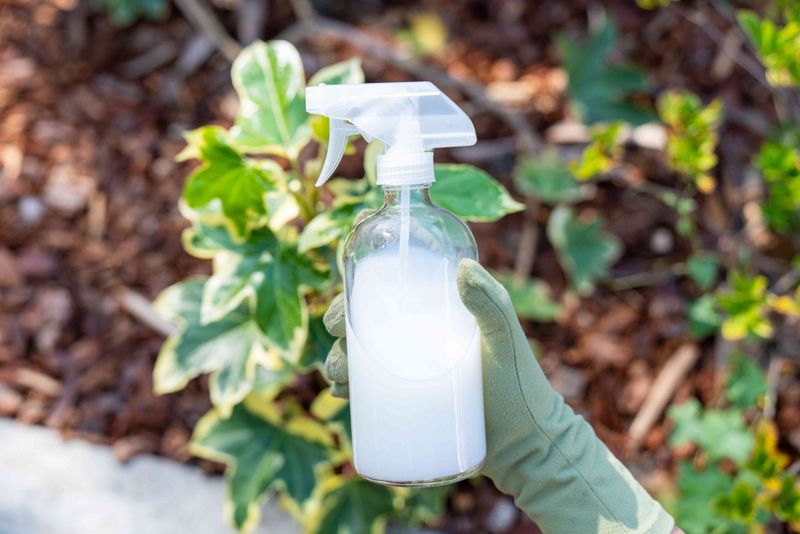
Many gardeners also use diluted milk as a leaf spray, and some studies suggest it can reduce powdery mildew. It is not a cure for serious blight, but it may help as a preventive step on healthy plants.
For soil, mix half milk and half water and pour at the base once a month. For leaves, go weaker, about one part milk to ten parts water, and spray every two to three weeks on a sunny morning.
Skip it if the smell bothers you in summer heat.
7. Unflavored Gelatin
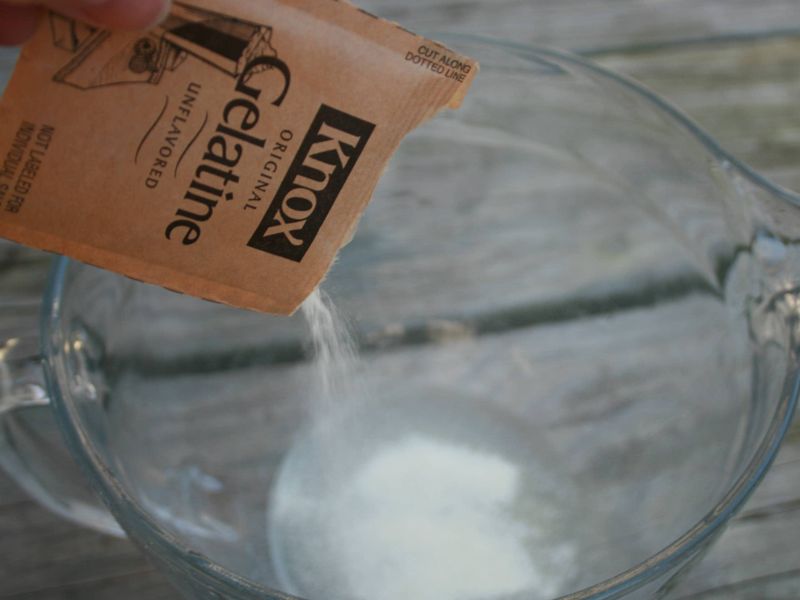
Gelatin in the garden sounds odd until you remember it is mostly protein. Protein means nitrogen, and young tomatoes use plenty of it to grow roots and leaves.
Dissolve one tablespoon of unflavored gelatin in a cup of hot water. Add cold water to make a gallon, stir, and let it cool.
Pour it around the soil every two to three weeks.
This one shines for transplants or plants that look tired after a rough start. Just know it pushes leafy growth more than fruit, so ease off once flowers appear.
8. Rice Water
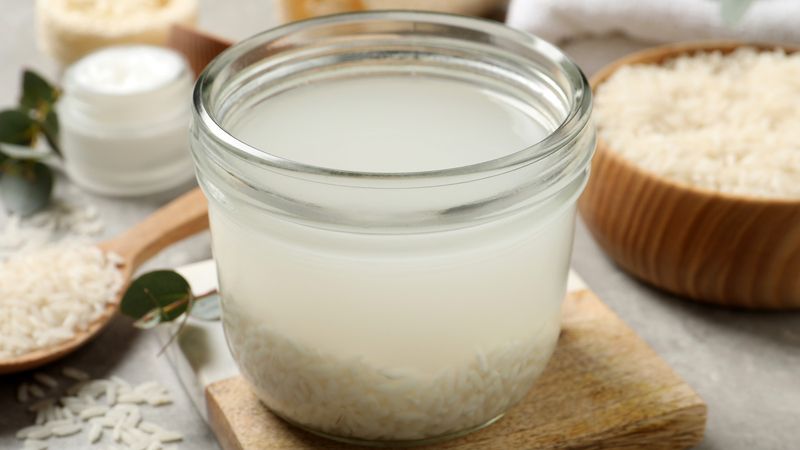
Rinsing rice before dinner? Save that cloudy water instead of sending it down the drain.
It carries starch, some B vitamins, and trace minerals like potassium and magnesium.
The starch is food for helpful bacteria and fungi living in the soil. When those tiny workers are well fed, they help break down organic matter so tomato roots can take up nutrients more easily.
For a stronger effect, let the water sit in a loosely covered jar for a few days to ferment. Mix it half and half with plain water before pouring it at the base.
9. Baking Soda

Old garden lore says baking soda sweetens tomatoes by lowering soil acidity. Results are mixed, so treat that claim as a fun experiment, not a promise.
Where it earns a spot is on the leaves. Fungi tend to like acidic surfaces, and a spray of one teaspoon of baking soda in a quart of water may help slow powdery mildew.
A drop of dish soap helps it stick.
Go easy, though. Baking soda contains sodium, and too much can build up in soil and harm roots.
Test the spray on a few leaves first and use it only when needed.
10. Molasses
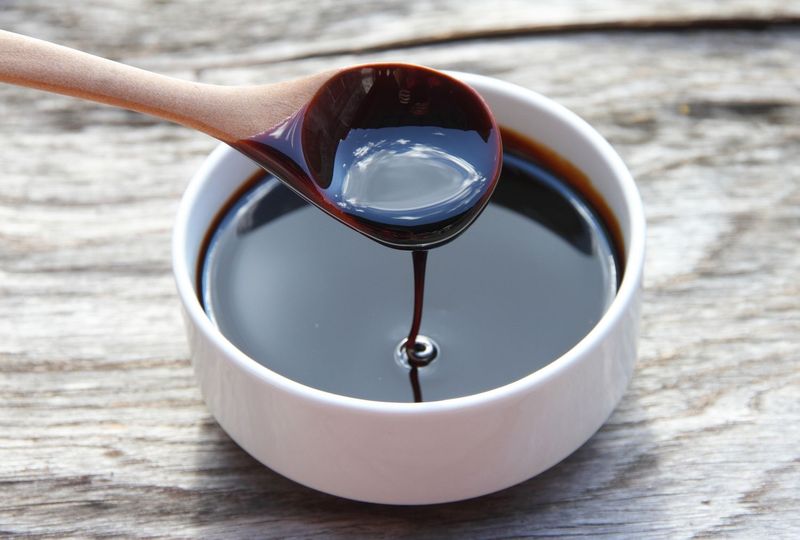
Think of molasses as a snack for your soil, not your plant. Its natural sugars wake up beneficial microbes, and those microbes make nutrients easier for roots to reach.
Unsulfured blackstrap molasses also adds trace minerals like iron and potassium. Stir one tablespoon into two cups of hot water until it melts, then pour that into a bucket and top off with cool water.
Water your tomatoes with it every few weeks. It pairs nicely with compost, since the microbes get both food and a place to work.
11. Garlic Peels
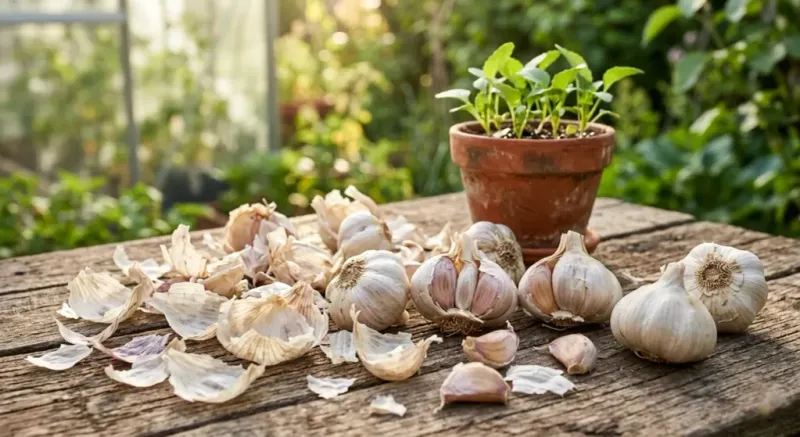
Those papery garlic skins that float all over your counter are worth saving. They contain small amounts of potassium, calcium, and magnesium.
Toss a handful into a bowl, cover with water, and let it steep for three days. Strain out the peels and use the liquid to water your tomatoes.
It is a light feed, so do not expect dramatic overnight changes. It is a zero-waste habit that adds a little something every week.
12. Yogurt
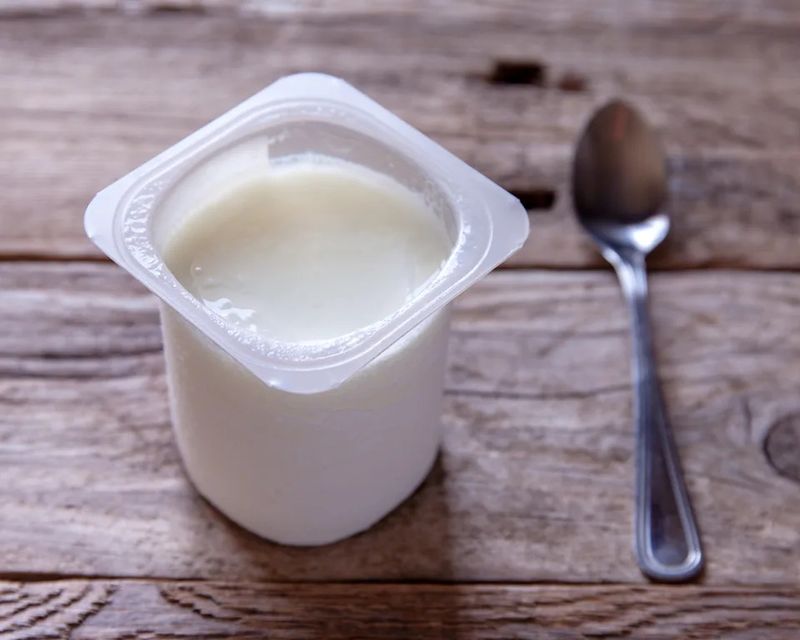
Plain yogurt brings calcium, phosphorus, potassium, magnesium, and nitrogen all in one scoop. That mix supports roots, leaves, and fruit at once.
Mix one cup of plain, unsweetened yogurt into a gallon of water. Stir well and pour slowly at the base so it soaks down to the roots.
Use expired plain yogurt, not the flavored kind full of sugar. Once a month is plenty.
13. Used Tea Leaves
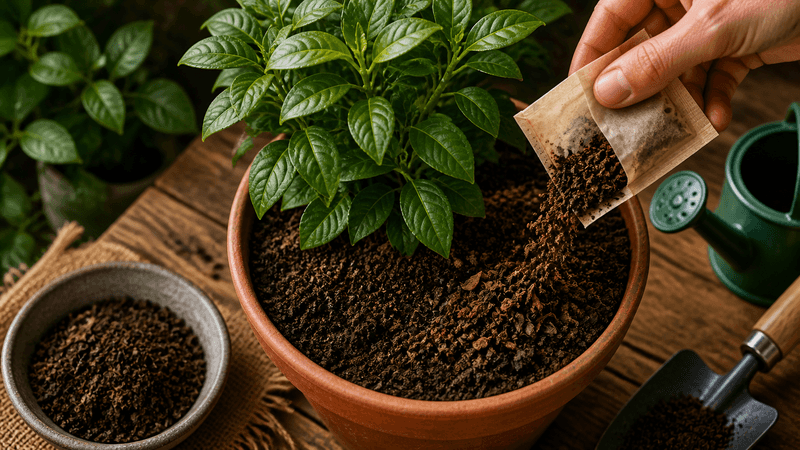
Tea drinkers, your turn. Used leaves add nitrogen, potassium, and phosphorus, plus organic matter that helps soil stay crumbly and moist.
Sprinkle loose leaves around the base and scratch them in lightly. With bags, rip them open and spread the leaves, since many bags contain plastic that never breaks down.
Like coffee grounds, tea is a little acidic, which tomatoes generally enjoy. Keep layers thin to avoid mold.
14. Unsalted Vegetable Cooking Water
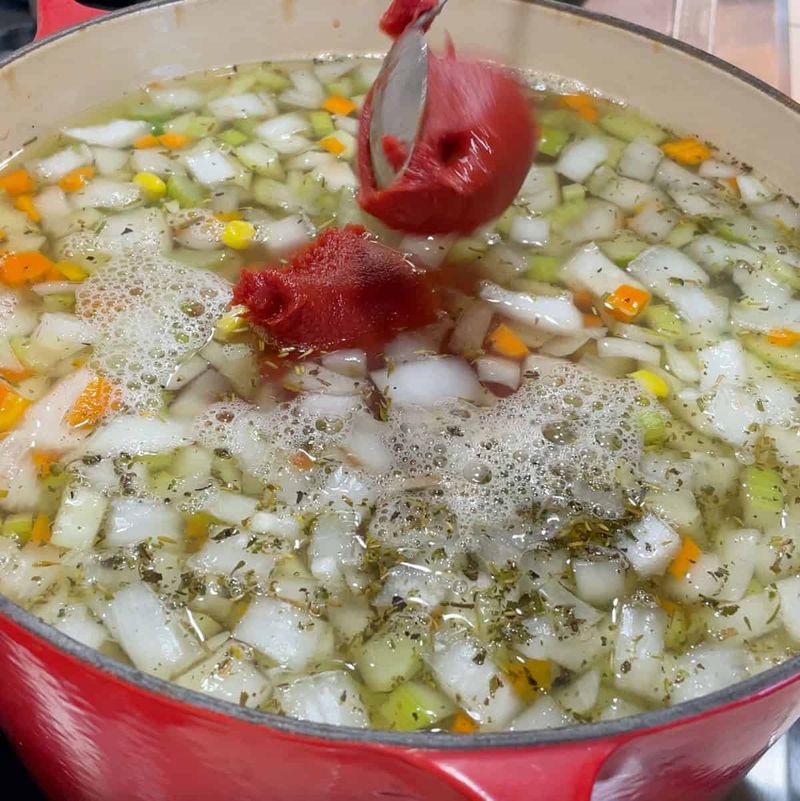
When you boil potatoes, broccoli, or carrots, some of their minerals leak into the water. Potassium and other trace nutrients end up in the pot.
Let the water cool completely, then pour it at the base of your tomatoes. Hot water can damage roots, so be patient.
The one rule: no salt. Salted water harms soil over time.
15. Cornmeal
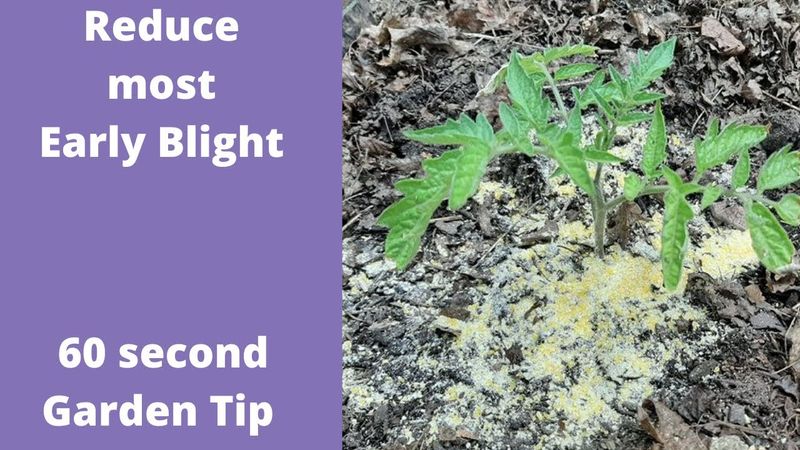
Cornmeal is a slow-release nitrogen source. As it breaks down, it feeds the soil gradually.
Sprinkle a small handful around each plant and scratch it into the top layer. Some gardeners believe it may help with fungus, but science on that is limited.
Use plain cornmeal, not mixes with sugar or salt. A thin layer prevents mold and attracting critters.
16. Dried Seaweed
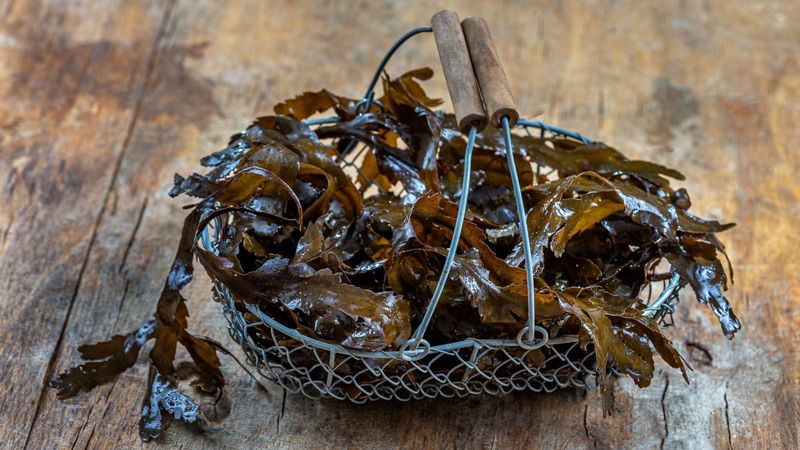
Leftover nori from sushi night can feed your tomatoes. Seaweed carries potassium, magnesium, calcium, and many trace elements.
Gardeners have used seaweed for centuries along coastlines. It may help plants handle stress like heat waves better.
Rinse off any salt or seasoning, crush it into flakes, and sprinkle sparingly. You can also soak it in water for a liquid feed.
17. Sugar
Sugar does not feed tomatoes directly. It feeds microbes in the soil, and those microbes help cycle nutrients toward the roots.
Dissolve just one teaspoon in a gallon of water and use it occasionally. More is not better.
Too much sugar can attract ants and encourage mold. Use it sparingly, and save stronger efforts for the other items on this list.