
Your Zinnias Aren’t Done Blooming—These 14 Late-Summer Mistakes Are Quietly Stalling Them
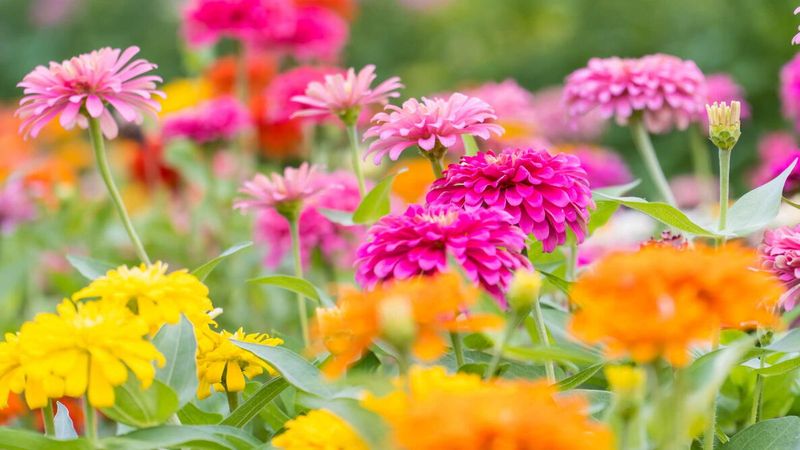
Zinnias are some of the hardest-working flowers in a summer garden, and they can keep pumping out blooms right up until the first frost. But sometimes they slow down or stop, and it usually is not because they are finished. More often, a few small habits are quietly holding them back without you even noticing. Fix these late-summer slip-ups and your zinnias can reward you with weeks of extra color.
1. Skipping Deadheading
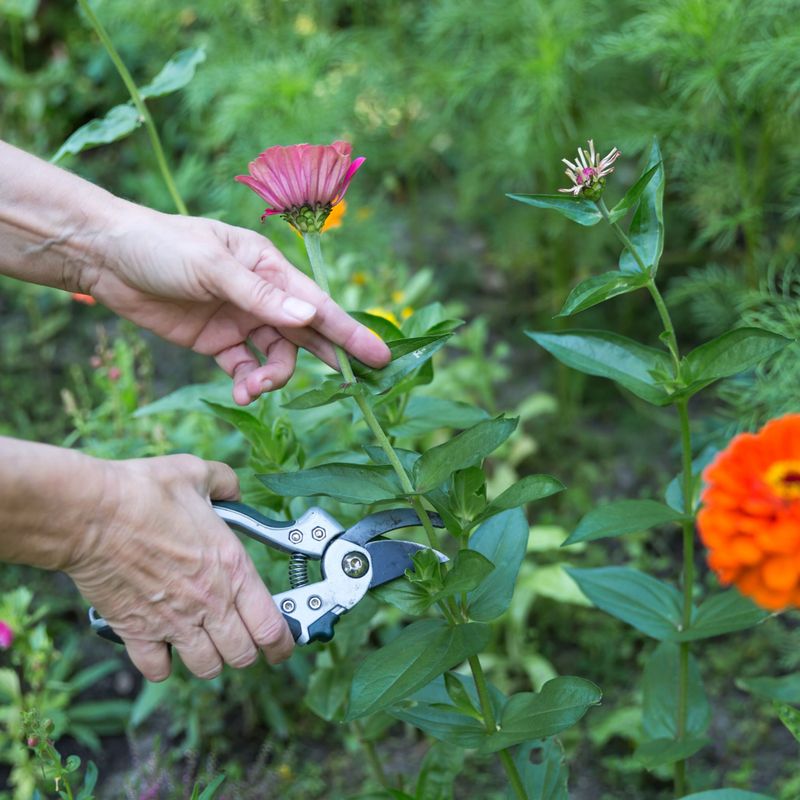
Every spent zinnia flower you leave on the plant sends a quiet message: the growing season is winding down, so start making seeds. That single signal can shift a plant from bloom mode into shutdown mode faster than almost anything else.
Pinching or snipping off faded flowers just above the next set of leaves tells the zinnia the opposite. It keeps reaching for new buds because its job of setting seed is not finished yet. In most US backyards, a quick five-minute walk with scissors every few days is enough to keep the show going.
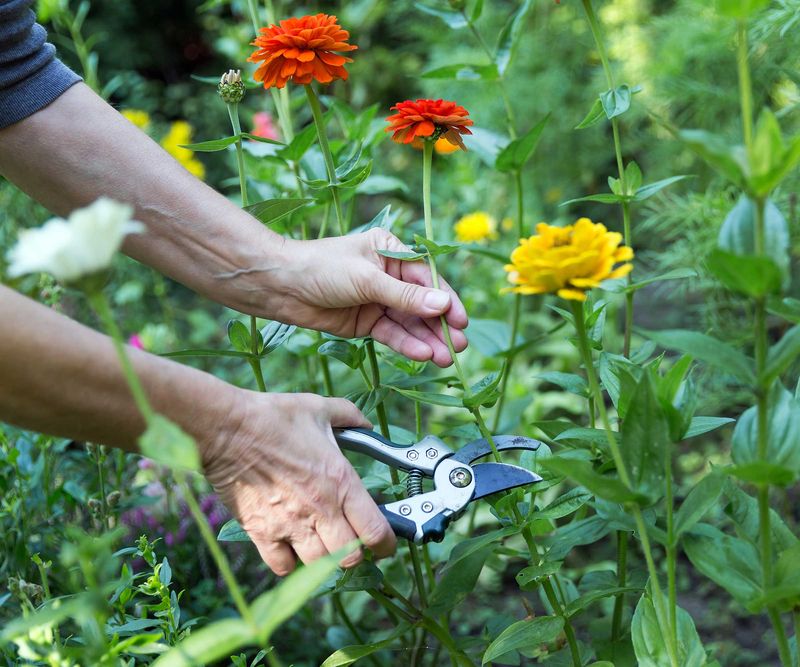
Cut a little deeper than the flower head itself, down to a leaf node, and you will often get two fresh stems where there was one. The plant stays bushy instead of leggy, and you get more flowers for the vase. If you only change one habit this month, make it this one.
2. Letting Seed Heads Mature
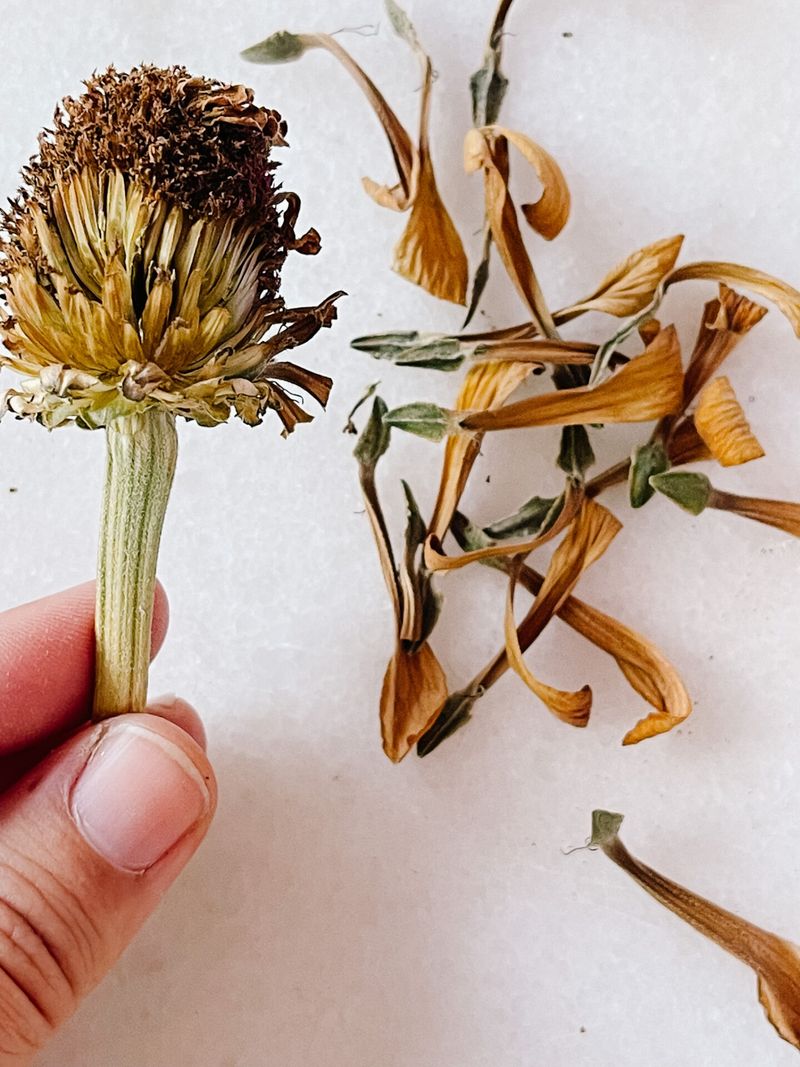
There is a difference between forgetting to deadhead and purposely leaving a few flowers to dry out for seed saving. Both slow blooming, but mature seed heads do it even harder because the plant has fully committed its energy to finishing the next generation.
Once a zinnia feels it has ripened viable seed, it sees little reason to keep flowering. You may notice the whole plant easing off, not just the branch holding the old bloom. Late summer is exactly when that instinct kicks in as days shorten.
If you want seeds, dedicate one or two sacrificial plants at the edge of the bed and let them go to seed there. Keep the rest cleaned up and blooming. That way you get free seed for next year without trading away your September color.
3. Overfeeding With Nitrogen
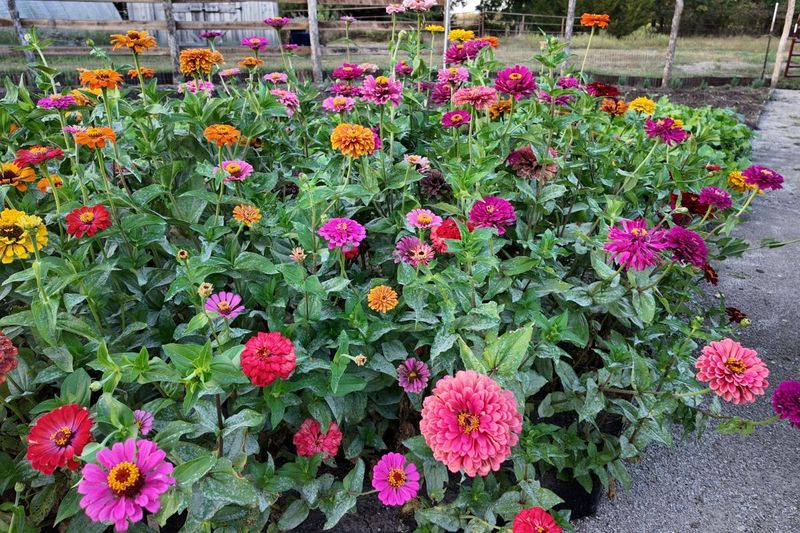
Reaching for a lush, leafy lawn fertilizer and splashing it on your zinnias feels generous, but it can backfire in a big way. High-nitrogen feeds push soft green growth at the direct expense of flowers.
You end up with a tall, jungle-looking plant that is all foliage and few buds. It is the botanical version of eating only bread and wondering why you feel sluggish. Zinnias want a more balanced diet with plenty of phosphorus and potassium to fuel blooms.
Switch to a bloom-focused fertilizer with a lower first number, or ease off feeding entirely if your soil is already rich. A light dose every few weeks beats a heavy hit. Your plants will thank you by putting their energy back into color instead of leaves.
4. Crowded, Unpruned Centers
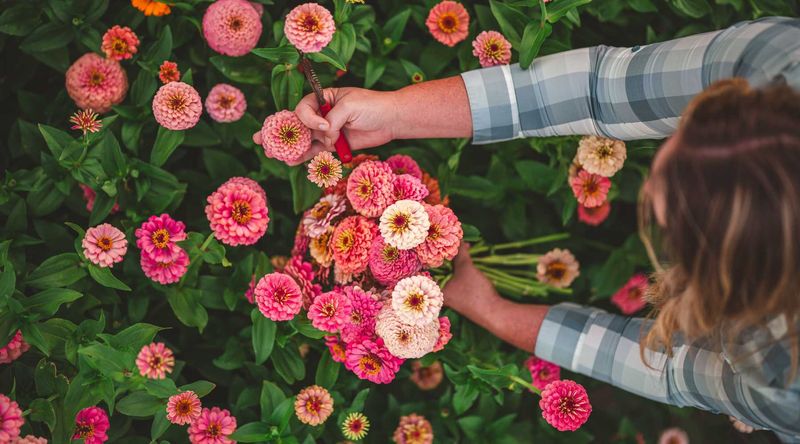
Picture a zinnia patch so thick you cannot see soil between the stems. It looks impressive in July, but by late summer that density traps humid air right in the heart of the plants.
Poor airflow invites fungal trouble and leaves the inner stems shaded and unproductive. Blooms retreat to the sunny outer edges while the middle goes bare. Thinning and light pruning open things back up so light and breeze reach every branch.
Snip out a few of the weakest interior stems and any crossing growth. It feels ruthless in the moment, yet the plant responds by pushing fresh buds where air now moves freely. Give each zinnia elbow room and the whole bed breathes easier.
5. Ignoring Powdery Mildew
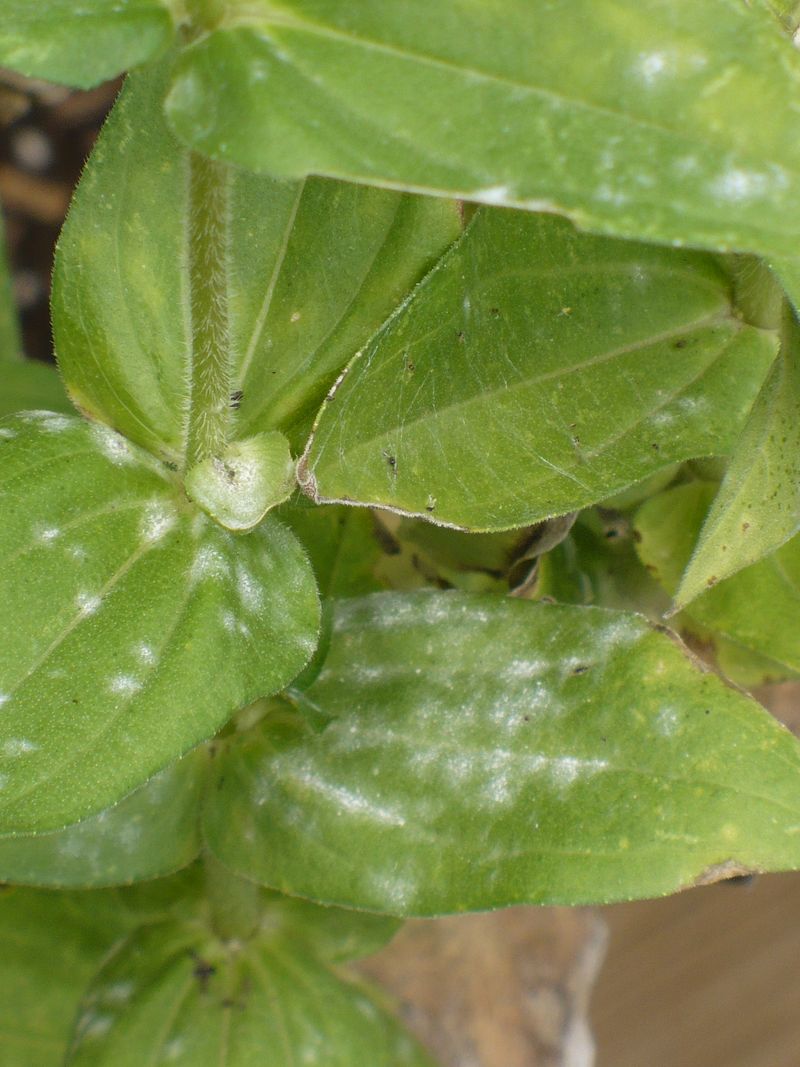
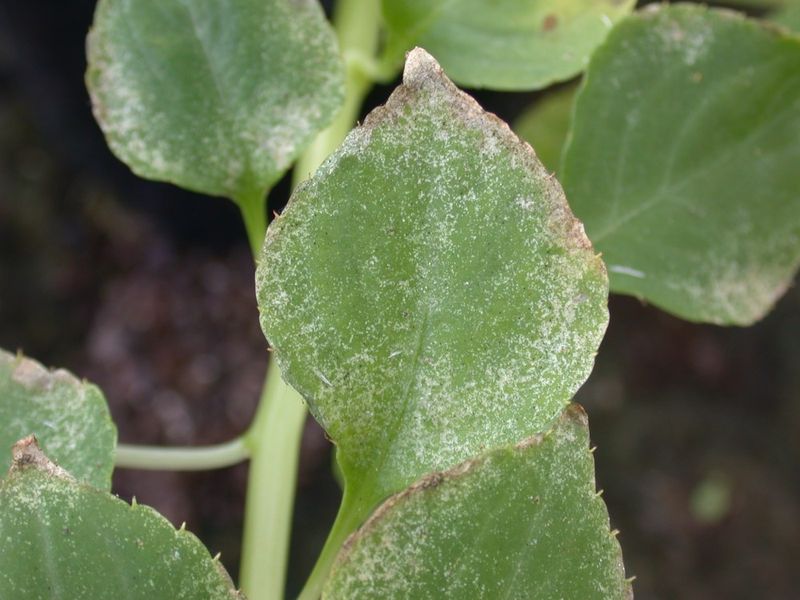
Those dusty white patches creeping across zinnia leaves are not harmless decoration. Powdery mildew is one of the most common late-summer problems in US backyards, and it quietly drains a plant’s ability to bloom.
Coated leaves cannot photosynthesize properly, so the whole plant runs low on energy. Bloom production is usually the first thing to suffer. The trouble often shows up when nights turn cool and days stay warm, exactly the pattern of late August and September.
Remove the worst leaves, improve airflow, and water at the base rather than overhead. A weekly spray of diluted horticultural oil or a baking soda solution may help slow the spread. Catch it early and your zinnias can keep flowering right through the season instead of fading out.
6. Watering From Above

Grab the hose, aim it at the whole plant, and call it done. It is the easiest way to water and also one of the sneakiest bloom stoppers for zinnias in the back half of summer.
Wet foliage sitting overnight is a welcome mat for the fungal diseases that shut down flowering. Zinnias famously dislike having their leaves splashed. The fix is simple and costs nothing extra.
Water at the base, ideally in the morning so any stray splashes dry quickly. Soaker hoses and drip lines make this almost automatic. Keep the roots happy and the leaves dry, and you remove one of the biggest quiet threats to a long bloom season.
7. Cutting Stems Too Short
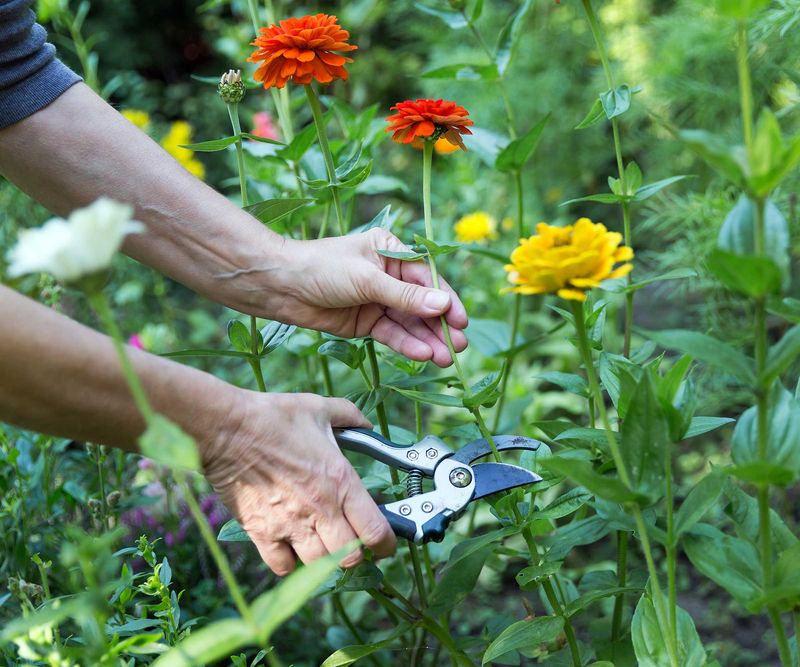
Bouquet lovers, this one is for you. When you harvest zinnias for the vase, snipping a stubby little stem right below the flower actually costs you future blooms.
Zinnias branch from wherever you cut. A short cut leaves only a couple of leaf nodes to sprout new stems, while a deep cut down into the plant triggers several fresh shoots. Florists call it cut-and-come-again for a reason.
Reach well down the stem, taking 12 inches or more where you can, and cut just above a pair of leaves. It looks aggressive, but the plant answers with a burst of new branching. More cutting, done right, genuinely means more flowers.
8. Letting Soil Dry Out and Bake
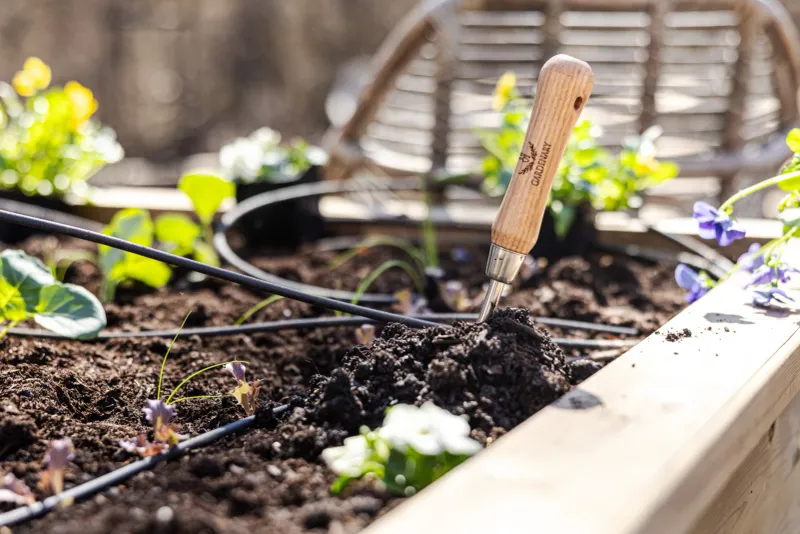
Late summer heat can turn garden soil into something like a dry sponge, and zinnias caught in that swing between bone-dry and soaked get stressed fast. Stressed plants pause blooming to protect themselves.
Inconsistent moisture is the real culprit, not just dryness. When roots yo-yo between drought and flood, the plant plays defense instead of producing flowers. A steady, deep soak beats frequent shallow sprinkles every time.
Mulch two to three inches around the base to hold moisture and steady the soil temperature. Check with a finger a couple inches down before watering. Even, reliable moisture keeps zinnias relaxed enough to keep flowering into fall.
9. Not Watching for Spider Mites
Turn a struggling zinnia leaf over in late summer and you might spot fine webbing and tiny moving specks. Spider mites love the hot, dusty conditions of August, and they multiply almost overnight.
These pests pierce leaf cells and suck out the juices, leaving stippled, bronzed foliage that cannot support heavy blooming. Because they are nearly invisible, gardeners often blame the weather while the mites keep working. Reduced flowering is a classic warning sign.
A strong spray of water to the undersides of leaves knocks them back, and insecticidal soap can help when they get established. Keeping plants well watered and dust-free removes the conditions mites crave. Beat the mites and your zinnias regain the strength to bloom.
10. Growing Them in Too Much Shade
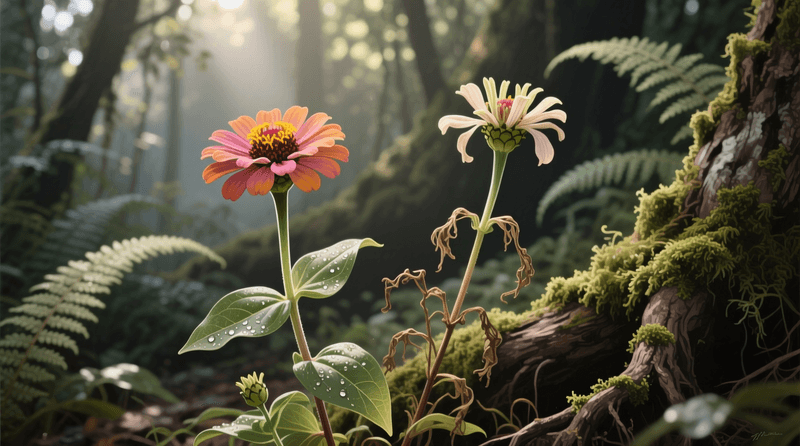
A tree that was just a sapling a few years ago may now be throwing afternoon shade across your flower bed, and zinnias notice. These are full-sun flowers through and through.
With less than six hours of direct light, they stretch toward the sky, grow floppy, and cut back sharply on blooms. As the sun sits lower in late summer, a spot that baked in June can slip into partial shade by September. Plants that were thriving suddenly stall.
Container-grown zinnias are the easy fix here since you can simply slide them into a sunnier corner. For in-ground plants, note the shady spot and plan brighter placement next year. Sunlight is the fuel behind every zinnia bloom.
11. Leaving Pest-Chewed Foliage in Place
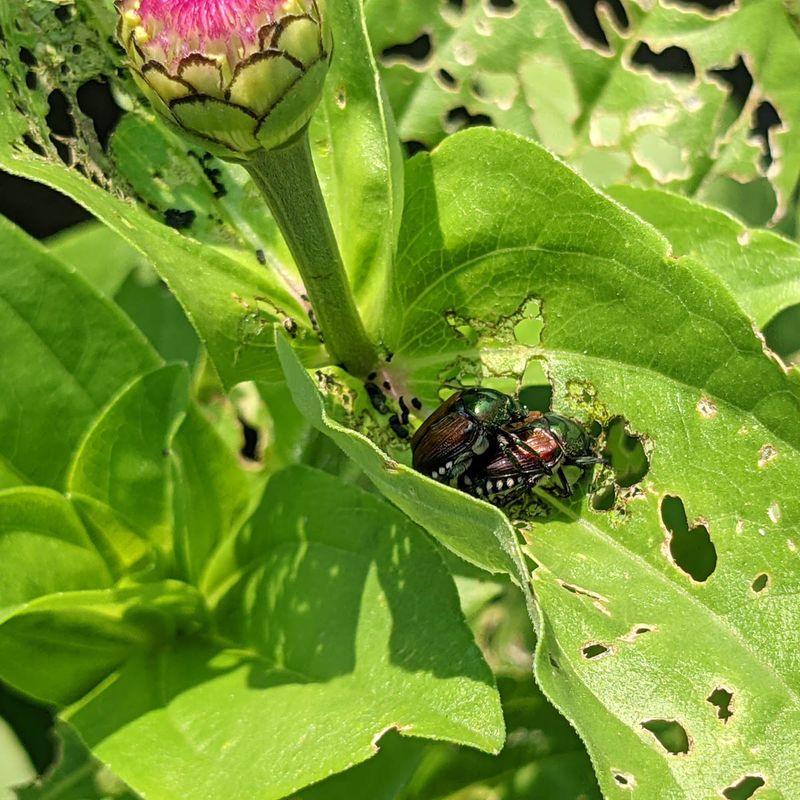
Japanese beetles, caterpillars, and slugs all take their turn on zinnia leaves as summer winds down, and the ragged holes they leave do more than look bad. Damaged foliage forces the plant to spend energy healing instead of blooming.
Chewed leaves also become entry points for disease, compounding the stress. Many gardeners tolerate a little munching, but heavy damage pulls resources straight away from flower production. Late-season pest surges are common across US backyards right when you want peak color.
Hand-pick beetles into soapy water in the cool morning hours, and clip off badly shredded leaves. Interplanting with strong-scented herbs like basil or planting marigolds nearby may help keep some chewers moving along. A cleaner, healthier plant channels its energy back into buds.
12. Forgetting to Pinch Early
Here is a mistake that happens back in spring but shows its cost right now. Skipping that early pinch when plants were young leaves you with tall, single-stemmed zinnias that run out of steam sooner.
Pinching the growing tip when a seedling is about knee-high forces it to branch low and produce many more flowering stems all season. Plants that never got pinched put everything into one main stalk, and once that tires, blooming drops off. By late summer the difference is obvious.
You cannot rewind spring, but you can still cut plants back moderately now to encourage a fresh flush of branching. Snip a third off the leggiest stems and feed lightly. Next year, pinch early and you will bank blooms for the long haul.
13. Reading Yellowing Leaves as Normal
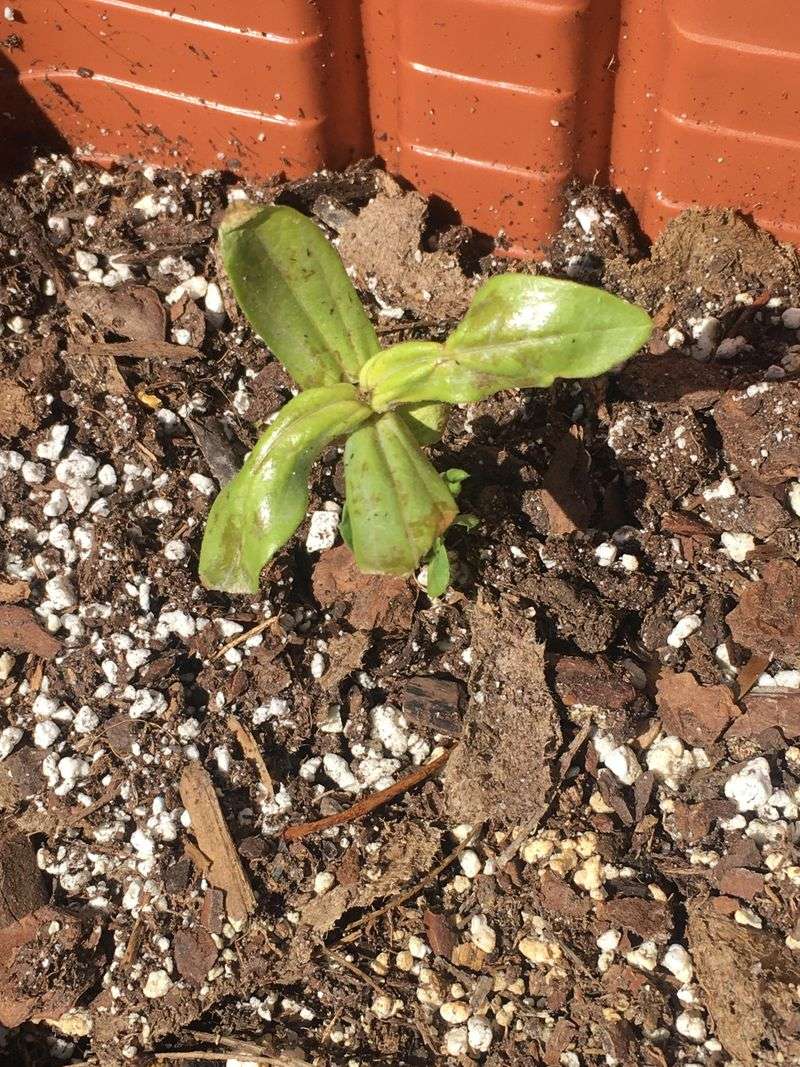
Yellow lower leaves are easy to shrug off as just part of aging, but they are often a signal worth reading. Foliage color is a zinnia’s way of telling you something is off before blooming collapses.
Uniform yellowing can point to nitrogen shortage or waterlogged roots, while yellow between green veins may hint at other nutrient gaps. Each pattern is a different message. Late-summer soil, drained by months of growth, frequently runs low on the fuel plants need to keep flowering.
Look closely at where and how the yellowing appears before you act. A gentle, balanced feeding and improved drainage often turn things around. Treat leaves as an early-warning dashboard and you can correct problems while there is still plenty of blooming season left.
14. Giving Up on the Season Too Soon
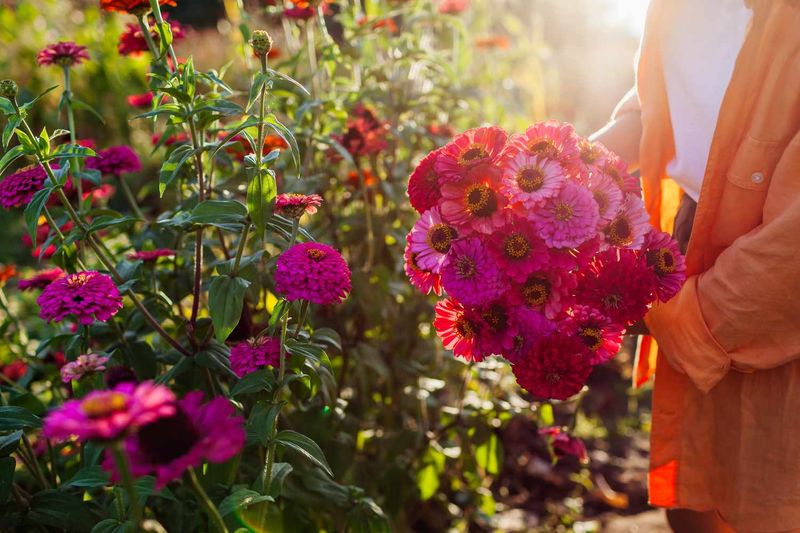
Somewhere around Labor Day, plenty of gardeners mentally close up shop and stop tending their beds. That surrender may be the most costly mistake of all, because zinnias will happily bloom until the first hard frost if you keep supporting them.
Attention fades right when a little care pays off most. Skipped deadheading, dried-out soil, and unnoticed pests all pile up in the plants people have quietly abandoned. Meanwhile, the gardeners who keep going enjoy vivid color deep into October in many US zones.
Keep snipping, keep watering at the base, and keep watching those leaves. A light feeding and a tidy-up can spark one more generous flush of flowers. Your zinnias are not done, so do not act like they are.