
10 Powerful Weed-Smothering Plants That Keep Your Beds Thriving Without Constant Weeding
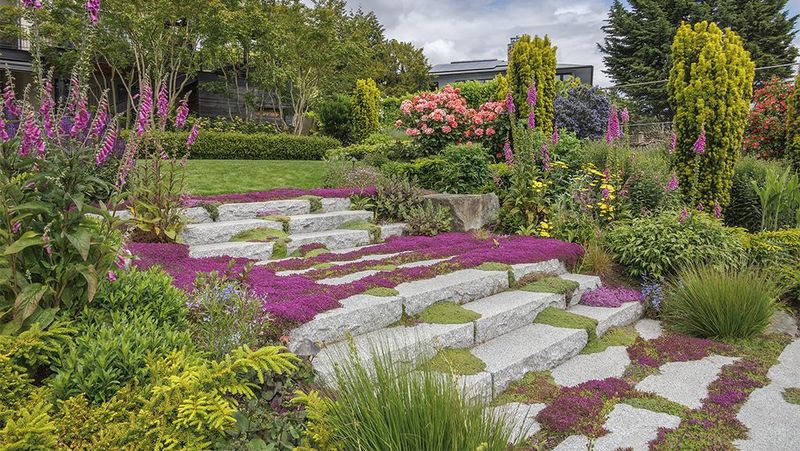
Weeds have a way of showing up uninvited and stealing water, nutrients, and sunlight from the plants you actually want. One of the smartest tricks gardeners use is planting living ground covers that spread out and shade the soil so weeds never get a chance to sprout. These hardworking plants act like a green blanket over your beds, cutting down on hours of hand-pulling every week. Here are ten reliable weed-smothering plants that keep your garden looking full and healthy while doing the weeding work for you.
1. Creeping Thyme
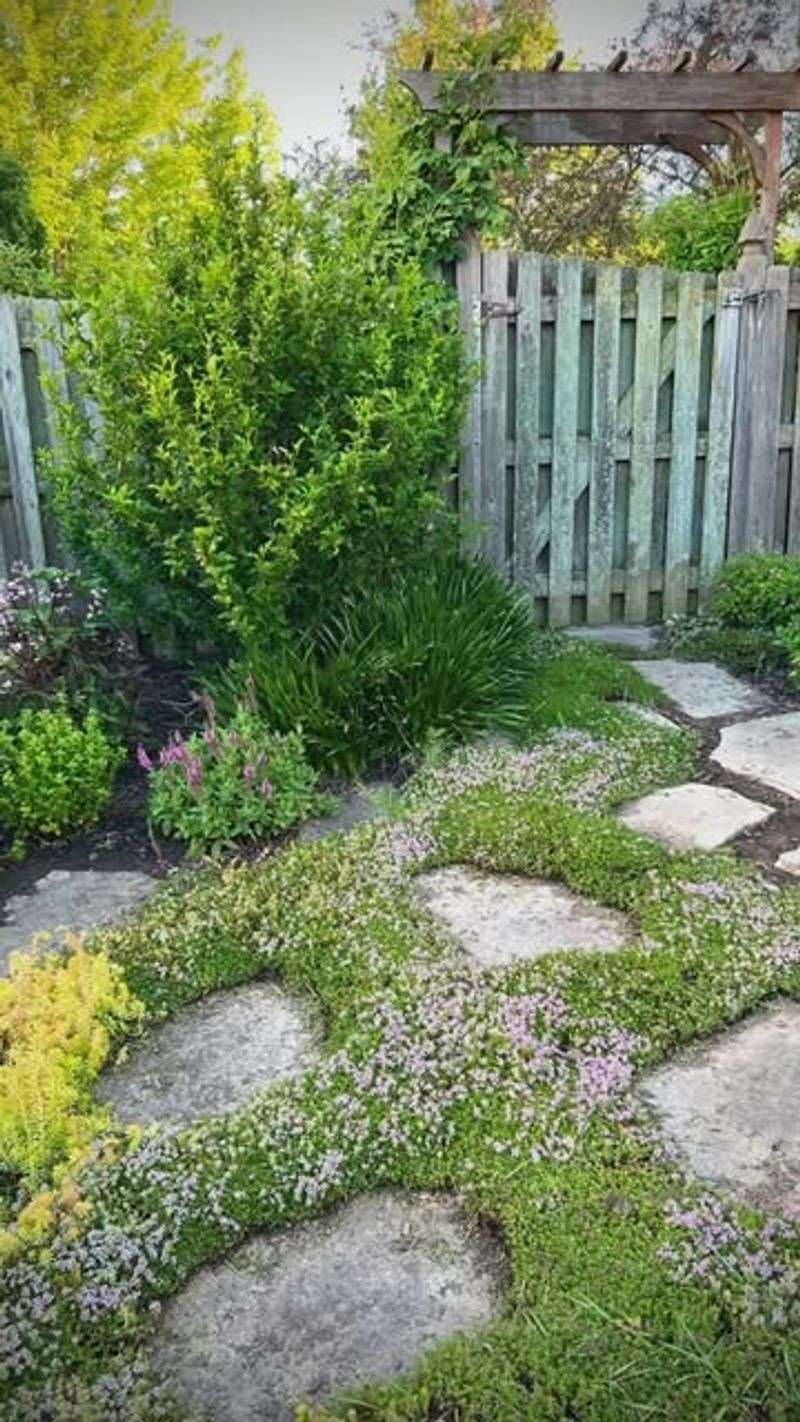
Step on a patch of creeping thyme and it releases a warm, herby scent that instantly tells you this is no ordinary ground cover. It hugs the soil in a dense mat only a couple of inches tall, weaving between pavers and along bed edges where taller plants would flop over.
Because it grows so tightly packed, weed seeds simply cannot find bare dirt to take root. In much of the US it stays evergreen through mild winters and bursts into tiny pink or purple flowers by early summer, drawing bees right to your yard.
Thyme loves the same hot, dry, well-drained spots that make weeding miserable, so it earns its keep in the toughest corners of the garden. Once established, it shrugs off drought and rarely needs babysitting. Give it full sun and lean soil, and it will spread a little more each season without ever becoming a bully.
2. Sweet Woodland Sedge (Carex)
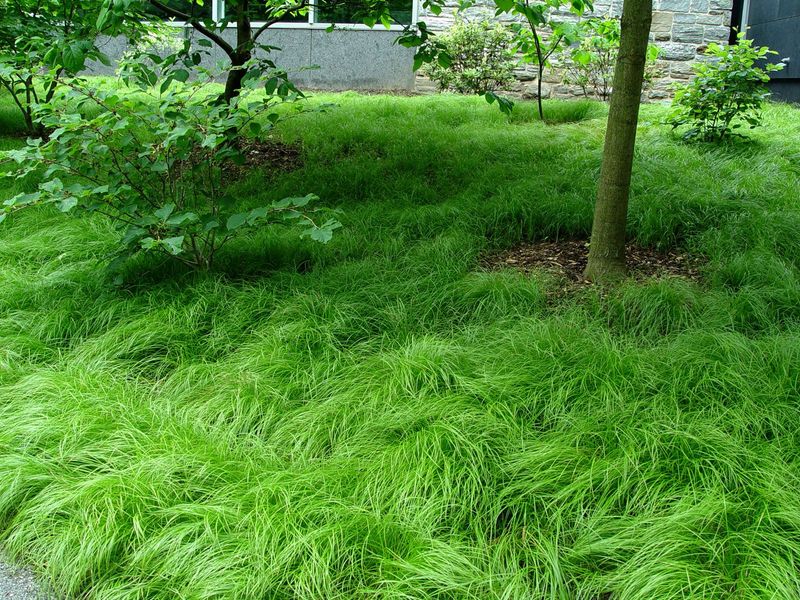
Gardeners who fight weeds in the shade often feel stuck, since most smothering plants demand full sun. Carex, the woodland sedge, flips that problem on its head by thriving under trees and along the north side of the house where grass gives up.
Its fine, arching blades pack together into a soft green carpet that blocks light from reaching the soil below. That shade is exactly what stops weed seeds from germinating in those tricky low-light beds.
Native varieties are especially valuable because they support local insects and need almost no fertilizer once rooted. They stay tidy without mowing, though a single spring haircut keeps them looking fresh. If you have a shady bed that always seems to grow more weeds than anything you plant, sedge may be the fix you have been missing.
3. Ajuga (Bugleweed)
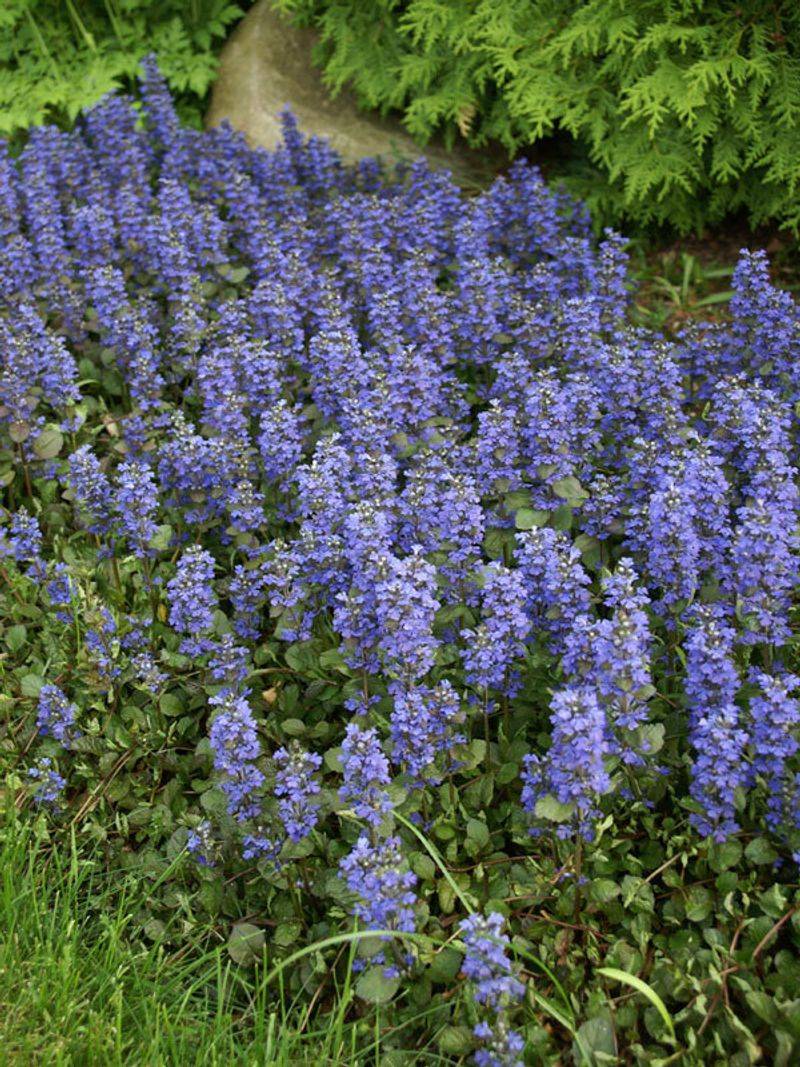
Few plants fill in as fast as ajuga, which sends out runners that knit a glossy carpet across bare soil in a single season. Its leaves come in deep bronze, purple, and even variegated cream, so the ground cover itself becomes a design feature rather than just a weed blocker.
Come spring, spikes of blue-violet flowers rise a few inches above the foliage and light up shady borders. Bees and other pollinators love them, adding movement to corners that usually sit quiet.
Ajuga tolerates part shade to full shade and handles foot traffic better than most low growers. Because it spreads so eagerly, plant it where you actually want coverage and edge it away from lawns you care about. In the right bed, it smothers weeds so thoroughly that hand-pulling becomes a rare chore instead of a weekly one.
4. Creeping Phlox
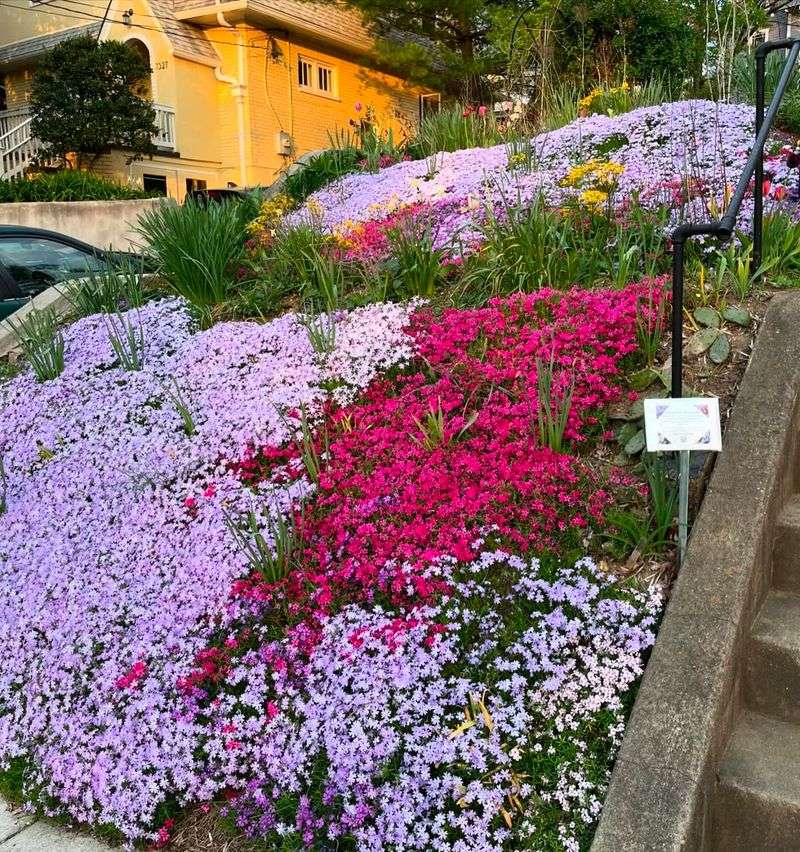
When spring arrives, creeping phlox explodes into a waterfall of pink, lavender, or white blooms so thick you can barely see the foliage underneath. That dramatic show is only half the story, because those needle-like leaves stay dense year-round and choke out weeds long after the flowers fade.
It works beautifully on slopes and along the front of beds, cascading over rocks and retaining walls where weeds usually sneak in. The mat it forms sits low and tight, leaving no gaps for unwanted seeds.
Full sun and decent drainage are really all it asks. Once the plant settles in, it comes back stronger each spring and slowly widens its territory. For anyone who wants a ground cover that pulls double duty as a jaw-dropping flower display, phlox delivers on both fronts.
5. Sedum (Stonecrop)
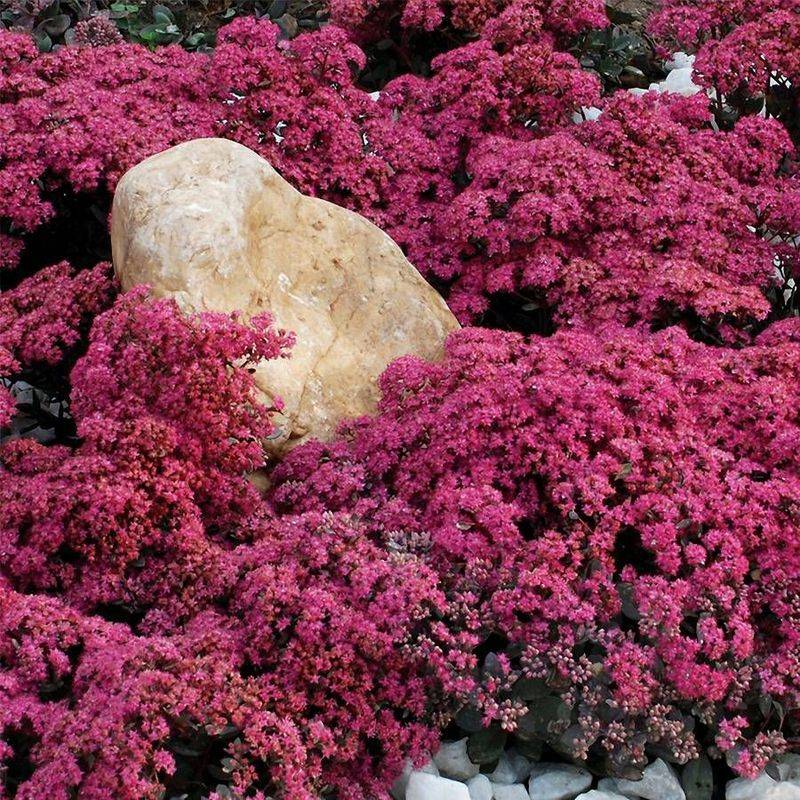
Talk about a plant that thrives on neglect, sedum stores water in its plump, fleshy leaves and shrugs off the driest, sunniest, most forgotten spot in your yard. Low-growing types spread into a succulent quilt that hugs the ground and leaves no room for weeds to squeeze through.
The leaves themselves range from jade green to burgundy, and late-summer flowers in yellow, pink, or red keep pollinators busy when many other blooms have faded. That extended season of interest sets it apart from ground covers that peak once and quit.
Sedum handles poor soil, gravel, and rooftop-level heat without complaint. It rarely needs water once rooted, making it a smart pick for slopes, edges, and spots your hose barely reaches. Plant it and mostly forget it, and it repays you by keeping the weeds down all on its own.
6. Lamb’s Ear
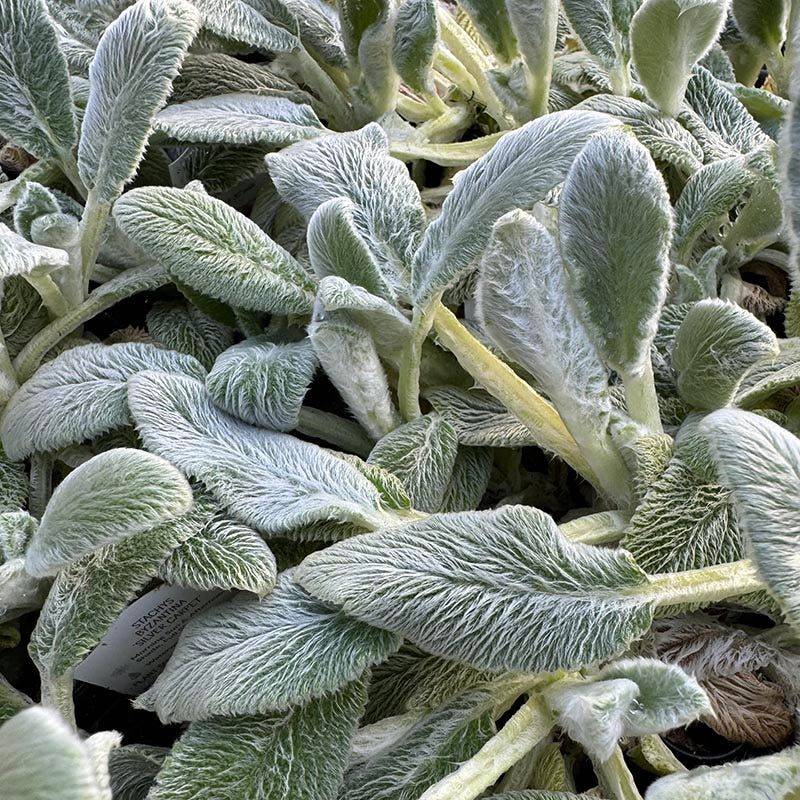
Reach down to touch lamb’s ear and you will understand its name instantly, since the silvery leaves feel like soft, fuzzy velvet. Kids adore it, but its real garden job is the way those broad woolly leaves overlap into a solid layer that blocks sunlight from the soil.
The pale, almost white foliage brightens up beds and pairs beautifully with darker greens and bold flowers nearby. It brings texture that few other ground covers can match.
Give it full sun and it spreads steadily without turning into a nuisance, filling gaps where weeds would otherwise take hold. It handles dry spells with ease, though it dislikes soggy soil. Trim off any flower stalks if you want the leaves to stay lush and low, and the plant will keep quietly smothering weeds season after season.
7. Vinca Minor (Periwinkle)
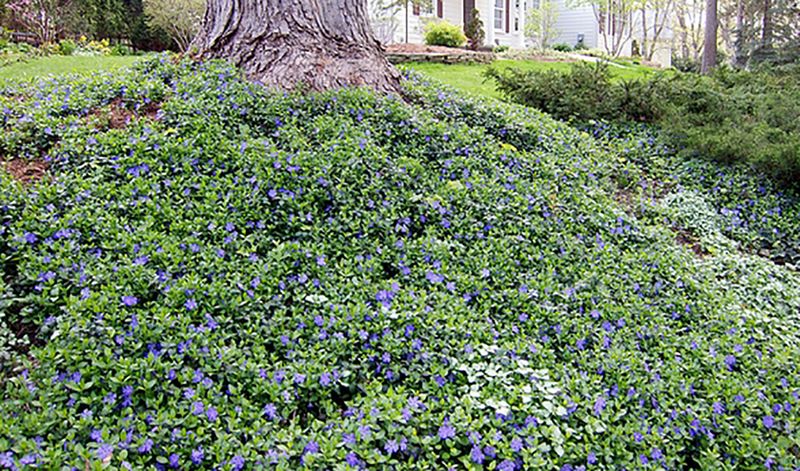
Shady, sloped ground under trees has defeated many gardeners, yet vinca minor treats that exact spot as home turf. Its glossy dark green leaves stay on the plant through winter in most of the US, giving you year-round coverage that never leaves the soil exposed for weeds.
Dainty blue-violet flowers appear in spring and pop up again here and there through the season, sprinkling color across ground that would otherwise look bare. The trailing stems root as they travel, quickly stitching together a seamless mat.
Vinca handles drought, deer tend to leave it alone, and it asks for almost nothing once it settles in. Keep an eye on its spread near wild areas, since it moves fast, but inside a defined bed it is one of the most dependable weed blockers around.
8. Creeping Jenny
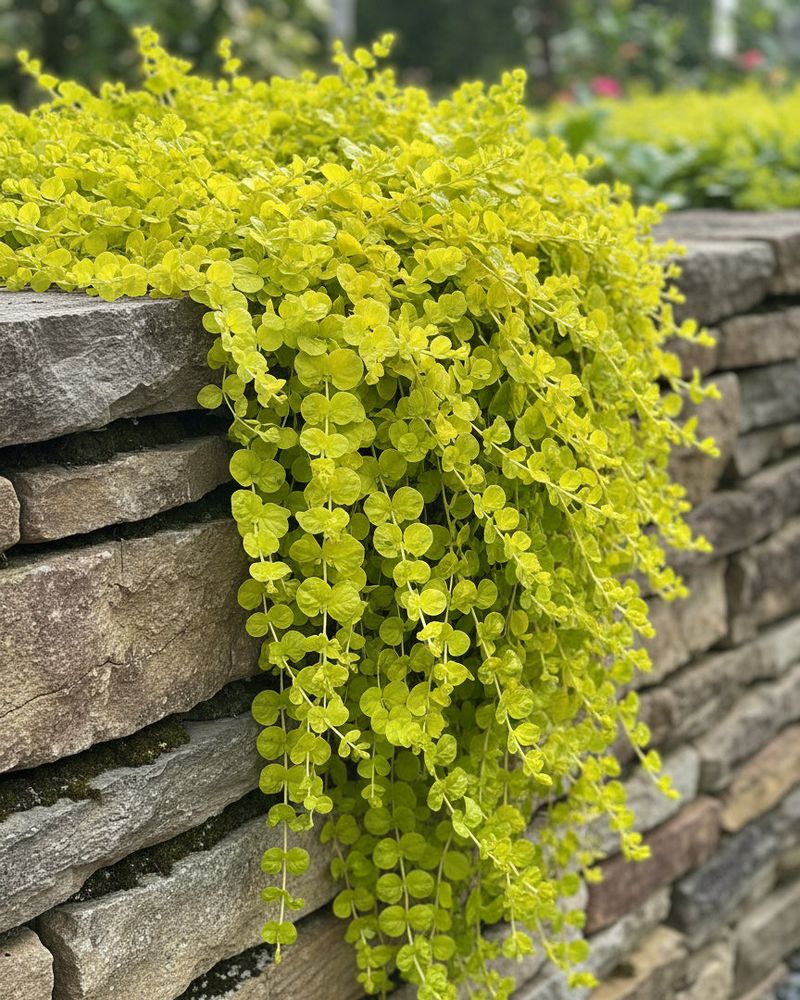
A ribbon of chartreuse spilling over the edge of a bed usually means creeping Jenny has moved in, and it does so with cheerful enthusiasm. Its rounded golden-green leaves grow on trailing stems that root wherever they touch, forming a bright carpet that leaves weeds nowhere to go.
The lime color really glows in shade or dappled light, brightening the darker corners where many plants sulk. It also tolerates moist soil that other ground covers hate, so it shines around downspouts, ponds, and low spots that stay damp.
Small yellow flowers dot the foliage in summer as a bonus. Because it spreads quickly, it works best in contained beds or along borders where you welcome its energy. Water it during dry stretches and this vigorous grower will blanket bare ground faster than almost anything else on this list.
9. Wild Ginger
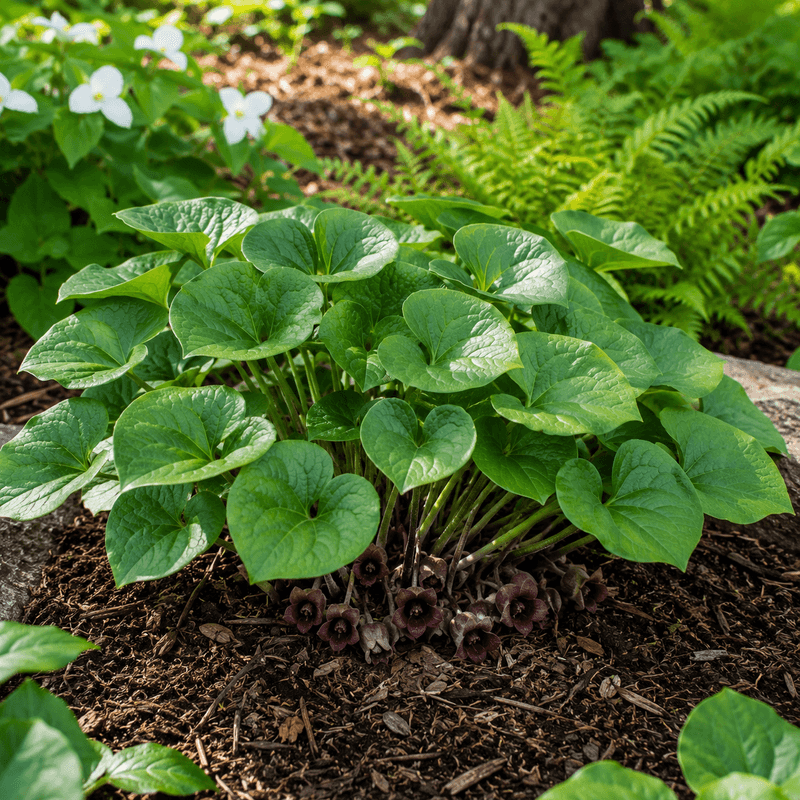
Deep, dry shade is the graveyard of most ground covers, but wild ginger settles into those gloomy woodland spots and thrives. Its heart-shaped leaves grow in overlapping layers that form a lush, low blanket right where grass and weeds both struggle.
Native varieties are a gift to backyard ecosystems, offering shelter for beneficial insects and a truly natural look under mature trees. The hidden maroon flowers tuck beneath the leaves, a quirky detail most people never notice unless they go looking.
Once its slow-creeping roots take hold, the dense foliage shades out weed seedlings before they get going. It prefers rich, moist soil and rewards patience with years of trouble-free coverage. For a shady native bed that fights weeds while blending into the woods, few plants feel more at home.
10. Sweet Woodruff
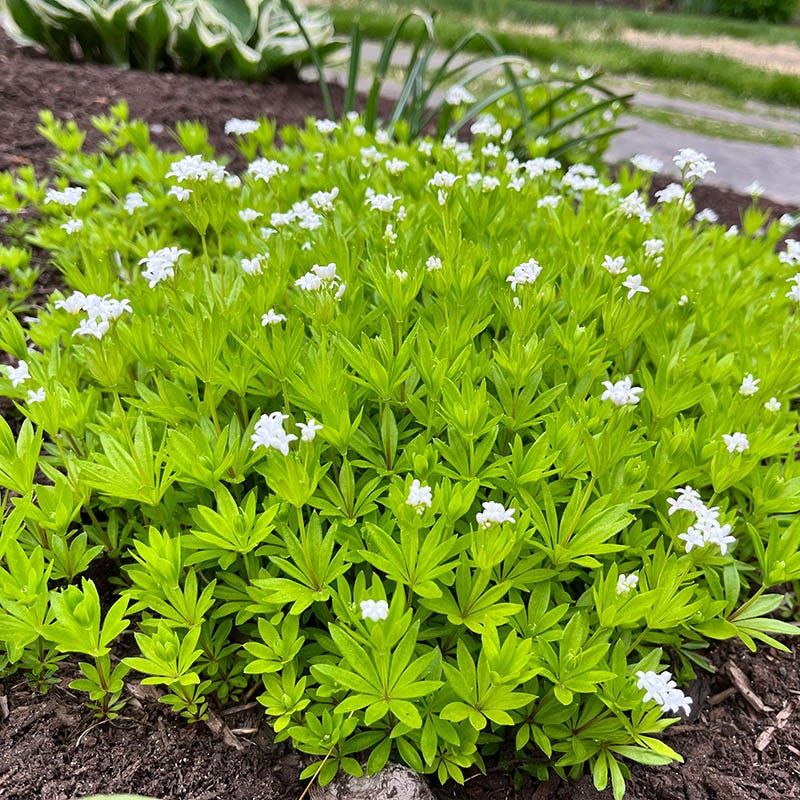
Brush against sweet woodruff and you catch a faint scent of fresh hay, a charming quirk that has made it a favorite in shade gardens for generations. Whorls of narrow leaves circle each stem, and they knit together into a delicate green mat that quietly crowds out weeds beneath trees and shrubs.
In late spring the whole planting fills with tiny white star-shaped flowers, giving woodland beds a soft, snowy glow. That gentle beauty comes with real muscle underground, where its spreading roots claim territory weeds would love to have.
It prefers cool, moist, shady conditions and asks little in return. In the right spot it fills in fast without smothering nearby perennials. For gardeners who want a fragrant, old-fashioned cover that handles the shade and does the weeding for them, sweet woodruff is a quiet overachiever.