
10 Reasons Your Hydrangeas Struggle In August Heat (And 7 Fixes That Actually Work)
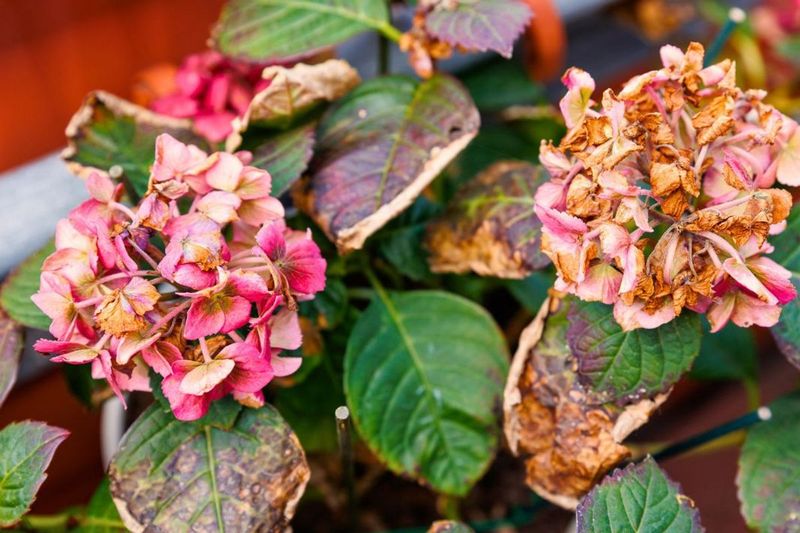
Your hydrangeas looked amazing in June, and now August rolls in and they are flopping over like they gave up on life. Do not panic, because a droopy or crispy hydrangea is usually sending you a message, not writing its will.
Once you learn what the summer heat does to these thirsty shrubs, the fixes are surprisingly simple and cheap. Here are the exact reasons your plant is struggling and the moves that actually turn things around.
1. Dehydration From Not Enough Water
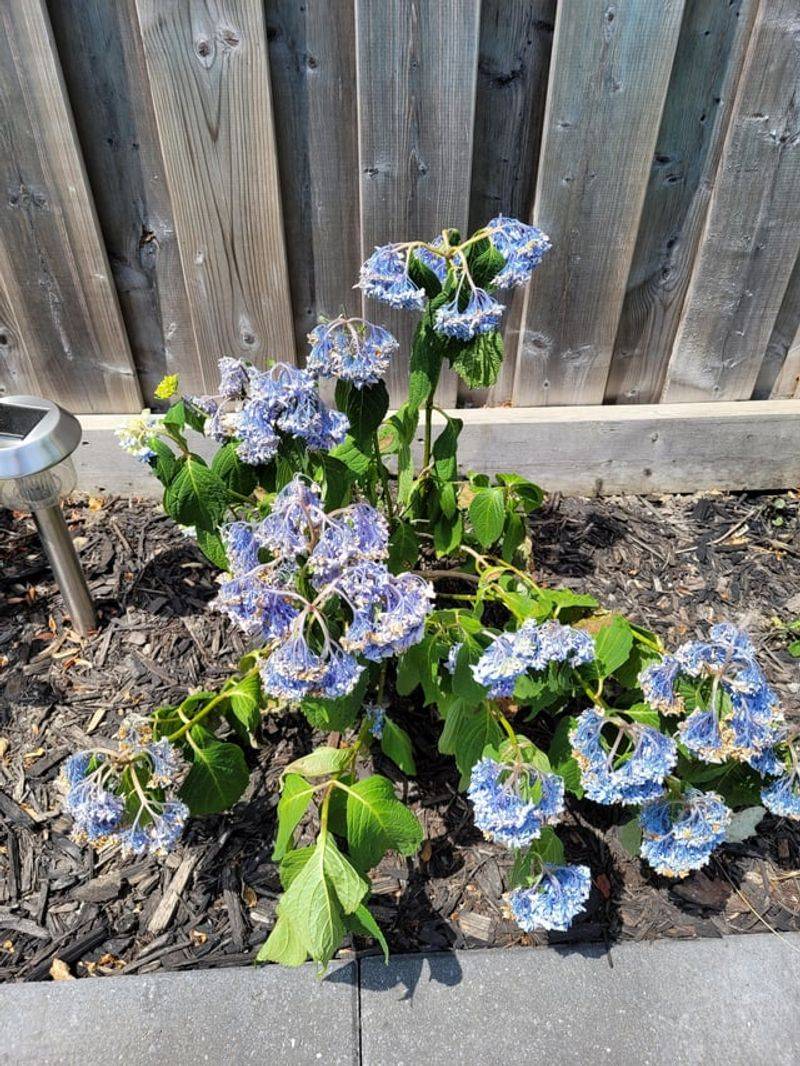
Ever walk out at 3 PM and find your hydrangea face-down like it fainted? That dramatic wilt is almost always thirst.
Those big, thin leaves lose water fast through a process called transpiration, and on a scorching August day they can drink faster than the roots can refill.
Hydrangeas grow shallow roots that live near the surface, so when the top few inches of soil bake dry, the plant runs out of accessible moisture. The result is drooping leaves and stems that beg for a drink during the hottest stretch of the afternoon.
Here is the tricky part. A little midday wilt that bounces back by evening is normal and not an emergency.
Persistent drooping that sticks around after sunset is the real warning sign, telling you the soil is running on empty and it is time to water deeply.
2. Too Much Harsh Afternoon Sun
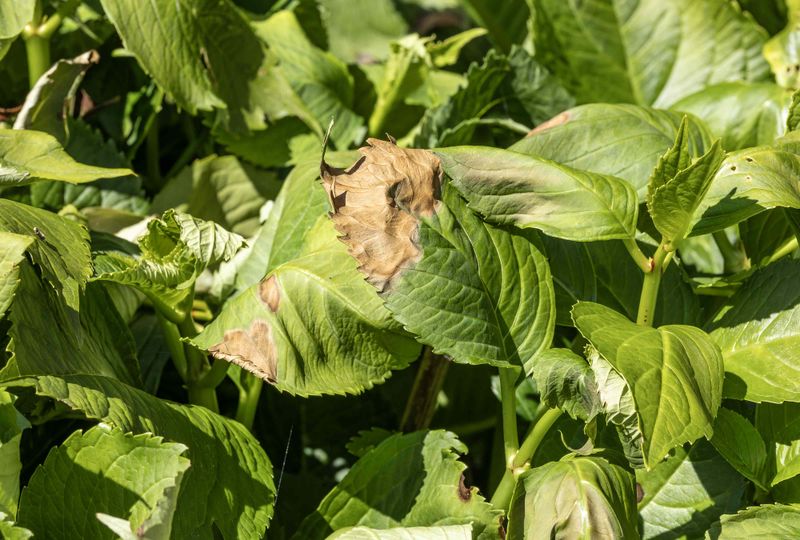
Sunlight sounds like a good thing until you see brown, crispy edges creeping across your blooms. Hydrangeas appreciate morning light, but the blazing afternoon sun in warmer regions can cook them alive.
When rays hit hardest between roughly 2 PM and 5 PM, leaves and flower petals develop scorch marks that look like someone touched them with a hot iron. You will notice dry, brown patches along the edges, faded color, and flowers that turn papery and crisp.
Bigleaf types are especially fussy about this. They evolved for dappled woodland light, not open, sun-blasted borders.
If your plant sits in a spot that gets full sun all afternoon, that placement alone can explain the summer meltdown, no matter how faithfully you water.
3. Overheated Roots And Soil
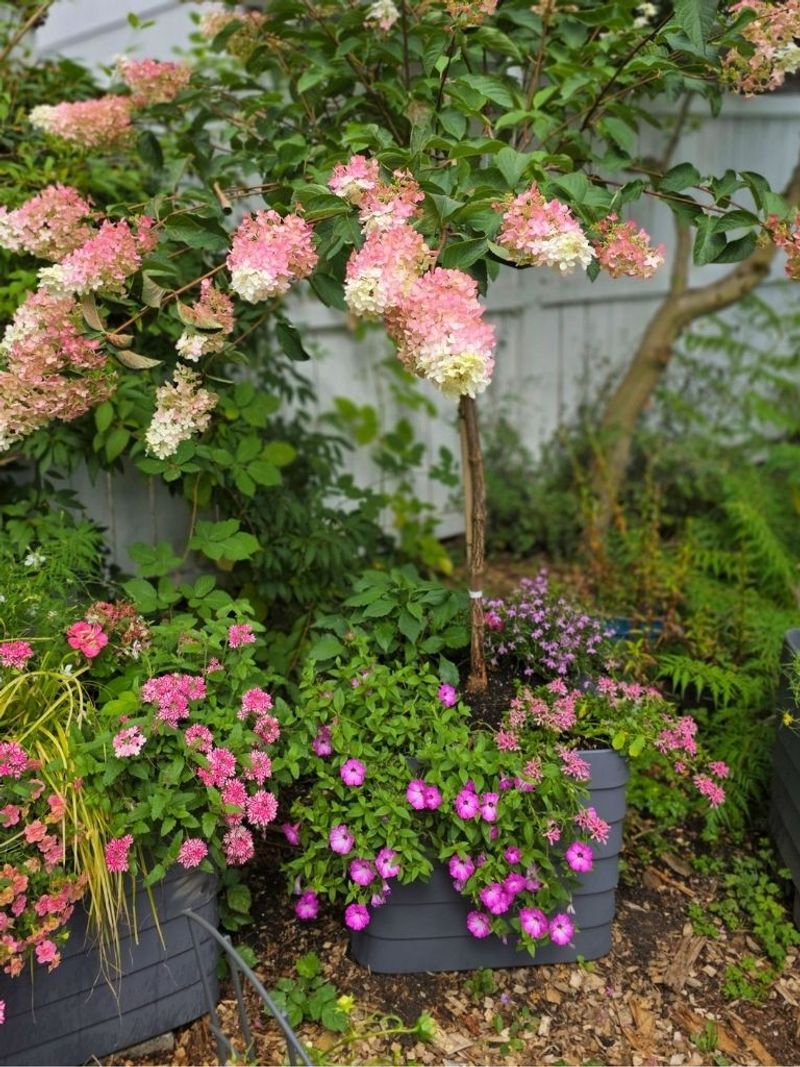
We tend to obsess over the leaves and forget what is happening underground. In peak summer, the soil around a hydrangea can heat up like a parking lot, and roots simply do not function well when they are hot.
An overheated root zone dries out faster and adds a layer of stress on top of everything else the plant is dealing with. Even a well-watered hydrangea can look miserable if its roots are basically sitting in a warm oven all day.
Bare soil is the biggest culprit here, because there is nothing shielding the ground from direct sun. Keeping that root zone cool is one of the most overlooked ways to help your shrub coast through a brutal heat wave.
4. Soil That Cannot Hold Moisture
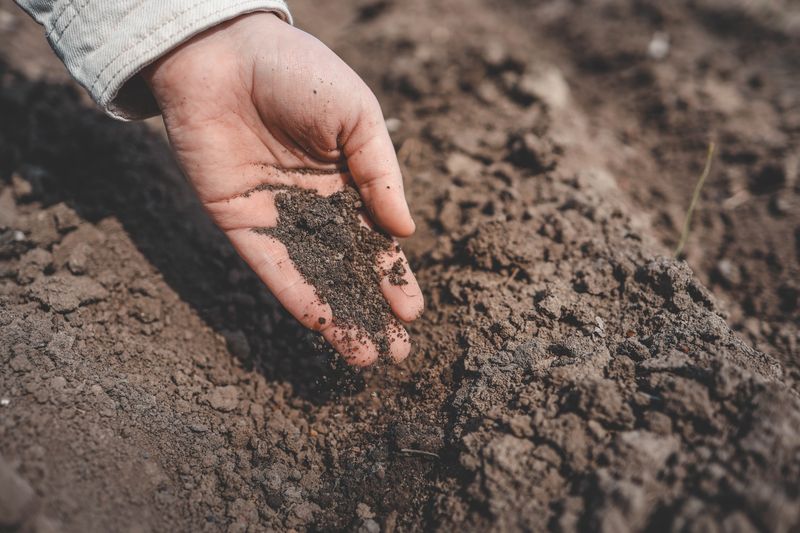
Not all dirt is created equal, and your soil type quietly decides how often your hydrangea struggles. Sandy soil drains so fast that water rushes past the roots before they can grab a drink, while heavy clay can bake into a hard crust that repels water entirely.
Either extreme leaves your plant thirsty even when you feel like you are watering constantly. You pour, the water vanishes or pools on top, and the roots stay parched.
Think of good soil like a sponge. It should hold enough moisture to keep roots happy between waterings without turning into a swamp.
If yours drains too quickly or refuses to absorb at all, that is a structural problem worth fixing before the next heat spell arrives.
5. Overwatering And Poor Drainage
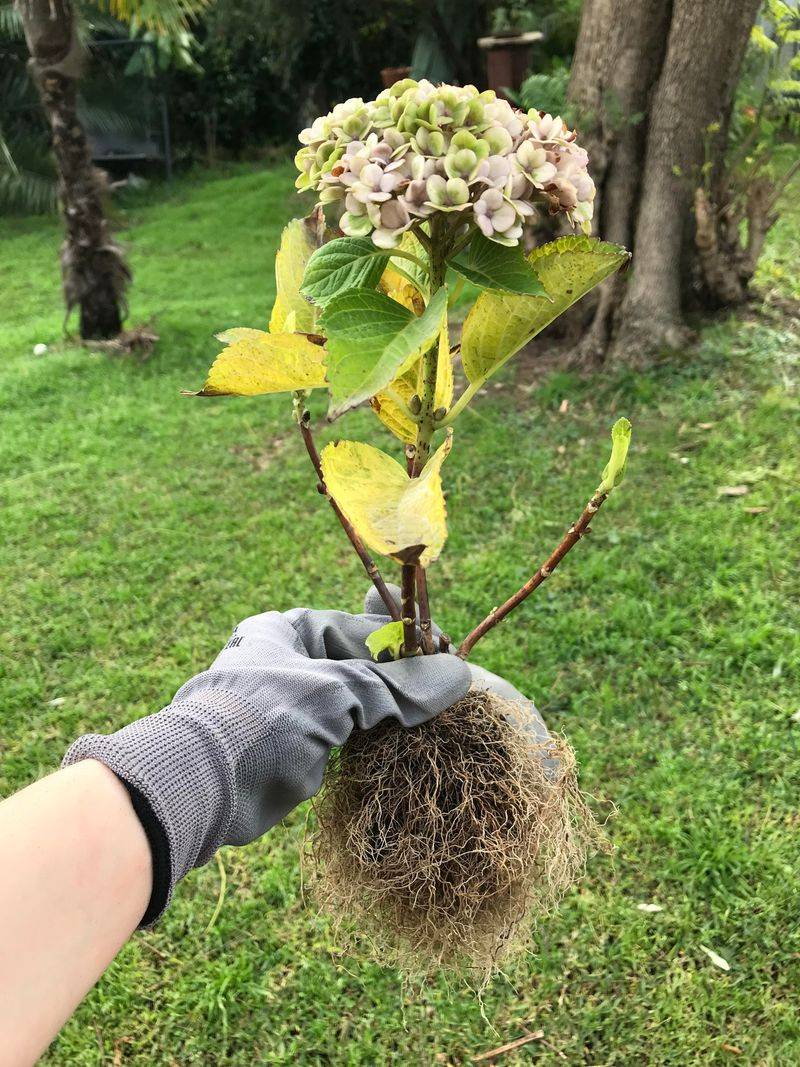
Plot twist: sometimes a wilting hydrangea is drowning, not thirsty. It feels backwards, but soggy, waterlogged soil suffocates roots and invites root rot, and rotted roots cannot pull up water at all.
That is why a hydrangea sitting in constantly wet ground can droop even though the soil feels plenty moist. The plant looks dehydrated on the outside while its roots are quietly failing underneath.
Watch for yellowing leaves, which often point to too much water rather than too little. Before you grab the hose again, poke your finger a few inches into the soil.
If it comes out muddy, the answer is better drainage, not another drink.
6. Fertilizing At The Wrong Time
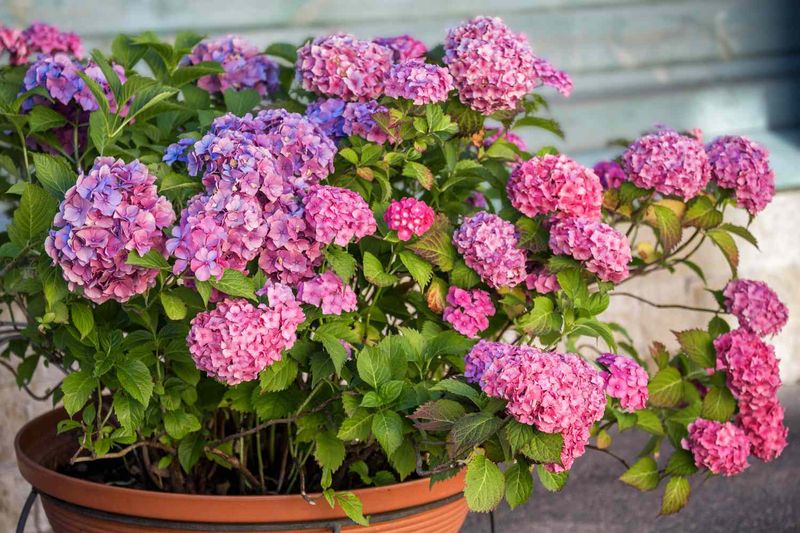
Feeding a struggling plant feels like the caring thing to do, but in August it can backfire hard. When temperatures climb past 90 degrees, fertilizer can chemically burn the roots and pile stress onto a plant already gasping in the heat.
On top of that, fertilizer pushes out tender new growth at the worst possible moment. That soft, fresh foliage is a magnet for pests and has almost no chance of toughening up before summer stress or the eventual cold sets in.
A hydrangea does not need a nitrogen boost during a heat wave. It needs to hunker down, hold its moisture, and survive.
Save the feeding for spring or early summer when the plant can actually put that energy to good use.
7. Pests And Diseases Moving In
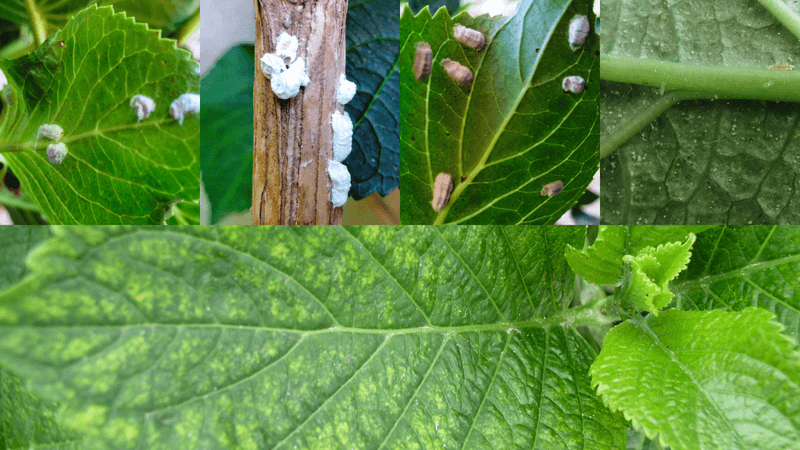
Heat and humidity roll out a welcome mat for the tiny troublemakers that love to attack stressed plants. Spider mites and aphids thrive when it is hot and dry, and fungal diseases like powdery mildew flourish in muggy, crowded conditions.
The clues are small but telling. Fine webbing on the undersides of leaves, tiny yellow dots called stippling, or a dusty white coating on the foliage all point to unwelcome guests setting up camp.
A weakened hydrangea is basically an open invitation. Pests and fungus zero in on plants that are already run down from heat and drought, which is why these outbreaks so often show up in the thick of August rather than the cool of spring.
8. Transplant Shock From Summer Planting
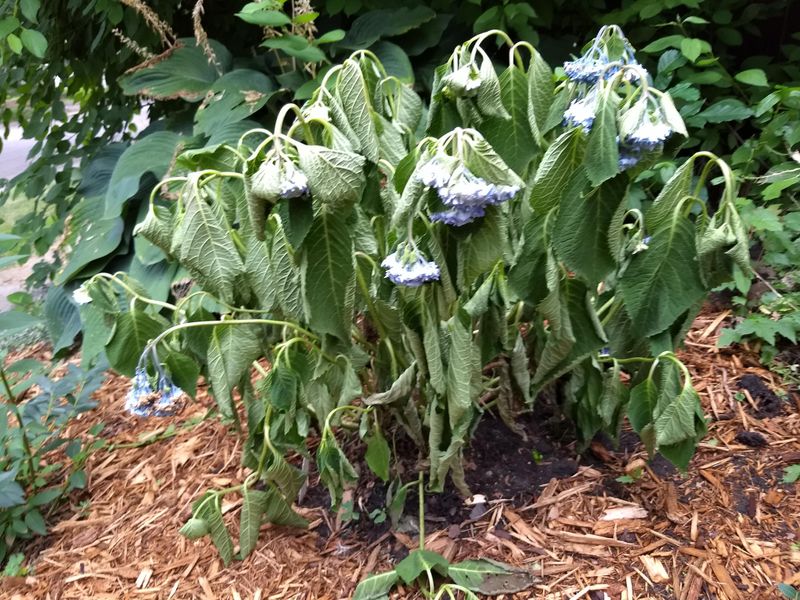
Bought a gorgeous new hydrangea at the garden center and popped it in the ground during a July heat wave? That timing might be the whole story behind its sad, wilting act.
Freshly planted hydrangeas have not yet stretched their roots into the surrounding soil, so they are far more vulnerable to heat than an established shrub. Add scorching temperatures on top of the move, and the stress multiplies fast.
The plant is essentially juggling two hard jobs at once: settling into a new home and surviving brutal weather. Whenever possible, new hydrangeas go in during spring or fall, but if one is already in the ground, extra shade and steady water can help it hang on until it roots in.
9. Competition From Nearby Trees And Shrubs
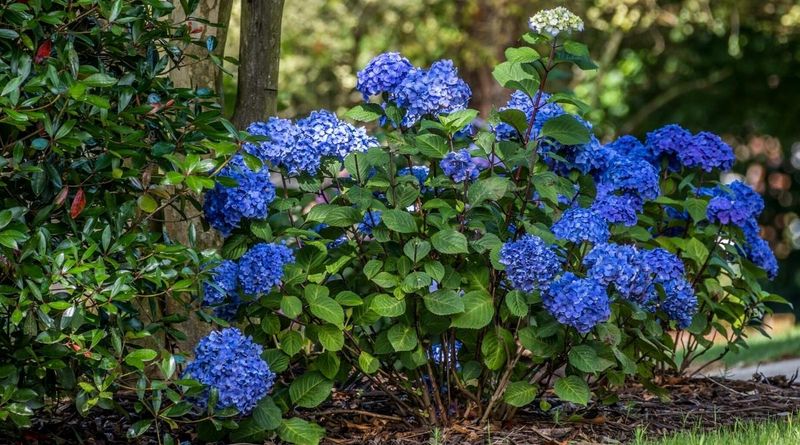
Your hydrangea might be losing a tug-of-war it never signed up for. Planted too close to a big tree or an established shrub, it has to fight much larger, greedier root systems for every drop of water in the soil.
Those mature neighbors win almost every time. Their deep, sprawling roots hog the moisture, leaving your hydrangea in a chronic state of drought even when you think you are watering enough.
Ever water faithfully and still see wilting? Check what is growing nearby before you blame yourself.
Sometimes the real problem is not your watering habits at all but a thirsty maple stealing the show a few feet away.
10. Growing A Variety That Hates Heat
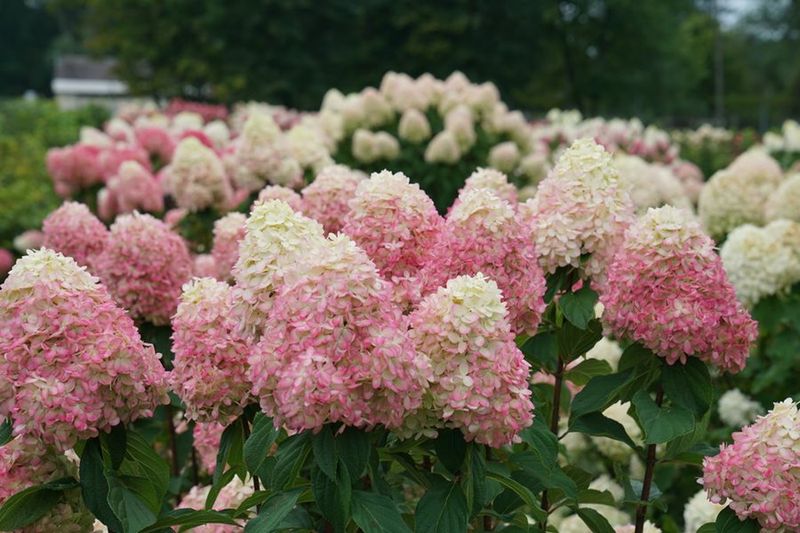
Sometimes the plant itself is simply not built for your climate. Not every hydrangea handles a heat wave the same way, and choosing the wrong species can doom you to a summer of babysitting.
Bigleaf hydrangeas and mountain hydrangeas are the divas of the group, wilting and scorching the moment things get intense. Panicle and oakleaf types, on the other hand, shrug off heat and sun with much more grace.
Fun fact worth remembering: panicle hydrangeas are tough enough to handle full sun in most of the country, which makes them a smart pick for hot, exposed spots. If your current variety struggles every single August no matter what you do, the long-term fix might simply be swapping in a tougher cousin.