
North Carolina Bats, Bat Houses, and Mosquitoes: A Conservation Project Worth Doing Right
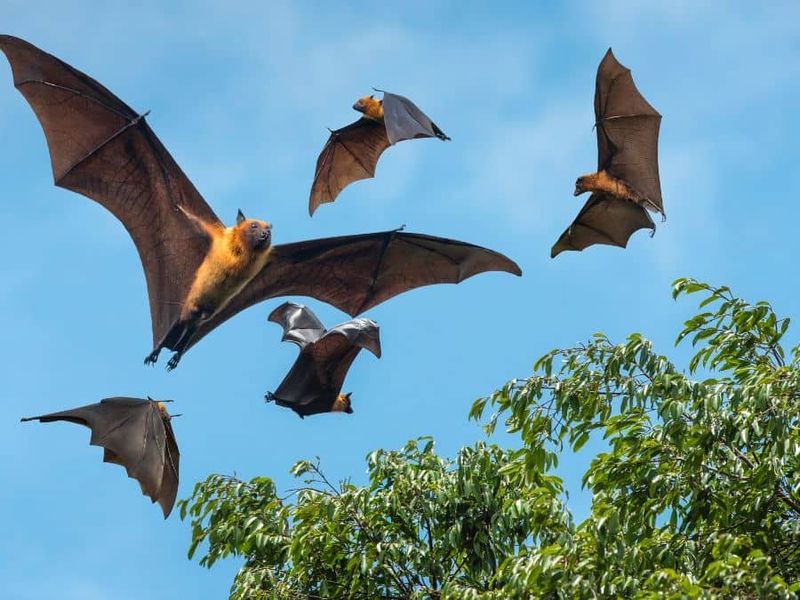
Bats swooping through a summer evening in North Carolina are one of the yard’s best wildlife sightings, and it is tempting to think of them as a free mosquito patrol working the night shift. The truth is a bit more layered: bats do eat mosquitoes, but the science does not support the idea that hanging a bat house will empty your yard of the insects biting you at the cookout.
What a well-placed bat house can do is support native wildlife, contribute to a healthier local ecosystem, and add one more natural predator to the mix while you handle mosquito breeding sites the proven way.
What the evidence really says about bats and mosquitoes

Plenty of people have heard that bats eat enormous numbers of mosquitoes every night, and that claim has been repeated so often it feels like settled fact. The actual research tells a more complicated story, and North Carolina homeowners deserve the honest version before they invest time and money in a bat house.
A 2018 peer-reviewed diet study in the Journal of Mammalogy analyzed guano from little brown bats and big brown bats and found mosquito DNA in 71.9% of little brown bat samples and 33.3% of big brown bat samples. That confirms these bats genuinely consume mosquitoes as part of their diet.
What the study did not measure was whether bat activity reduced mosquito abundance in any yard, lowered the number of bites people received, or decreased the risk of mosquito-borne disease.
A separate study of occupied bat boxes reinforced that caution. Researchers examining guano from bat boxes found mosquitoes in only 11% of 90 samples, with moths making up the largest share of the diet.
The authors specifically noted that evidence for large-scale mosquito suppression by bats was limited. Eating some mosquitoes and suppressing a mosquito population are two very different outcomes.
Bat Conservation International is candid on this point as well, acknowledging that there is no clear evidence bat houses significantly reduce garden insect problems. A bat house installed in a North Carolina yard may support bats and add natural insect predation to the mix, but no published study establishes that it will produce reliably fewer mosquitoes or fewer bites in a residential setting.
Treat a bat house as a conservation contribution with possible insect-predation benefits, not as a replacement for the mosquito-control steps that actually work at yard scale.
Why North Carolina bats make a conservation project worthwhile
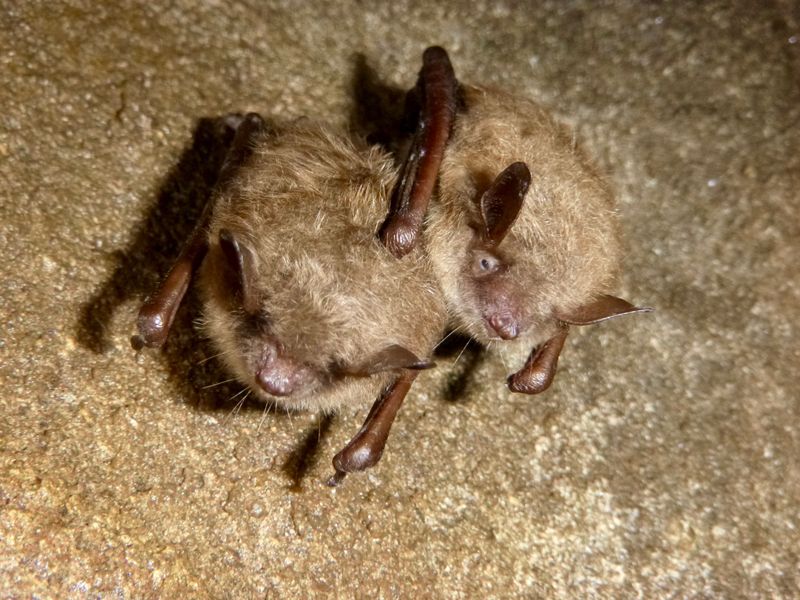
Setting aside mosquito counts for a moment, there are genuinely compelling reasons to make your yard friendlier to bats. North Carolina is home to 17 bat species, and the NC Wildlife Resources Commission classifies all of them as nongame wildlife, meaning they receive legal protection and cannot be harmed or taken without authorization.
Four species are federally threatened or endangered, and 10 are listed as Species of Greatest Conservation Need in the state’s wildlife action plan.
These animals face real pressures. White-nose syndrome, a fungal disease, has killed millions of bats across North America, and North Carolina populations have not been spared.
Loss of natural roosting habitat, including old trees with loose bark and historic barns, has pushed some species to look for alternatives. A properly designed bat house can serve as supplemental roosting habitat during the summer maternity season, when females need warm, stable spaces to raise pups.
Bats are broad insect predators. NC Wildlife notes that they consume many kinds of insects, and mosquitoes are among them, though they are far from the only prey.
Thinking of bats as general insect predators rather than mosquito specialists is both more accurate and more useful when setting expectations for your yard. The conservation case stands on its own: supporting native wildlife, helping offset habitat loss, and contributing to a yard that functions as part of a larger ecosystem.
Those outcomes are worth pursuing even when the mosquito-reduction effect is uncertain. A bat house installed for the right reasons, with realistic expectations, is a meaningful act of backyard stewardship in North Carolina.
Choose or build a bat house that can function as a real roost

Not every bat house sold at a garden center is actually suitable for bats. Many decorative boxes are too small, too smooth inside, or poorly ventilated, and bats will simply skip them.
If you want to give bats a real chance at using the structure, the design details matter from the start.
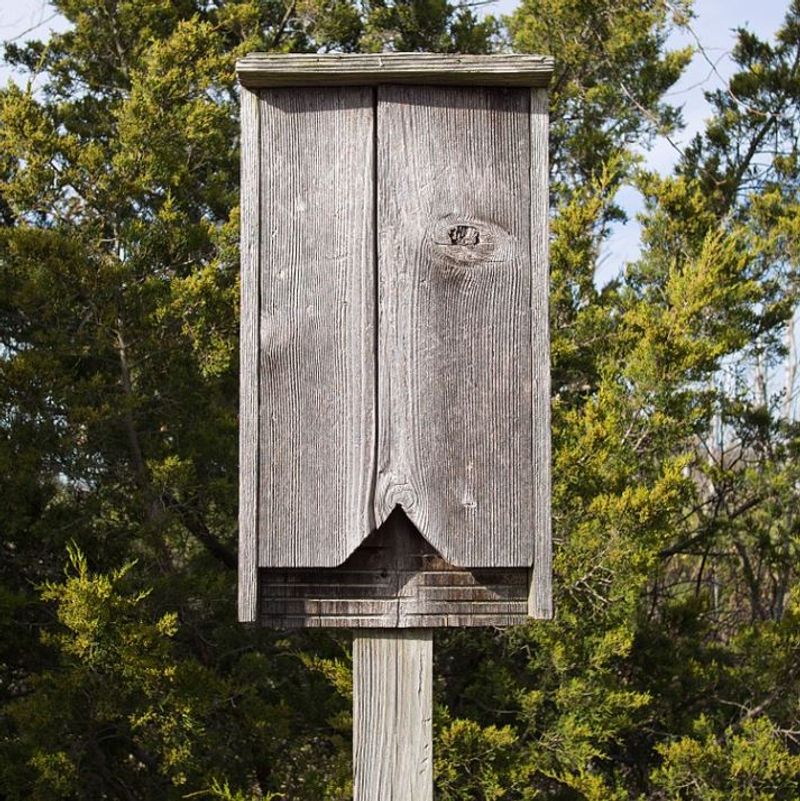
Bat Conservation International recommends building or buying a house made from untreated wood, with rough interior surfaces that bats can grip, narrow roosting gaps between interior partitions, sealed seams to retain heat, and ventilation designed for your local climate. In North Carolina’s warm summers, overheating is a genuine risk.
A house that traps too much heat can become dangerous rather than helpful, so proper ventilation is not optional.
Chamber dimensions matter too. A single-chamber house is better than nothing, but a larger multi-chamber house with several roosting spaces provides the temperature gradient bats need to move around as conditions change through the day.
BCI publishes detailed plans that meet these standards, and purchasing a house that carries BCI certification is a reasonable shortcut if you are not building from scratch.
One point that sometimes surprises people: you cannot speed up occupancy by placing a bat inside the box, smearing guano on the entry, playing recorded bat calls nearby, or using ultrasonic devices as attractants. BCI is explicit that these methods do not work reliably and that bats need to discover the house on their own terms.
Even a perfectly built, correctly placed bat house may sit empty for a full season or more, and some houses are never used. Building well and siting carefully gives you the best odds, but occupancy is never guaranteed.
Site the house for bat access and North Carolina heat
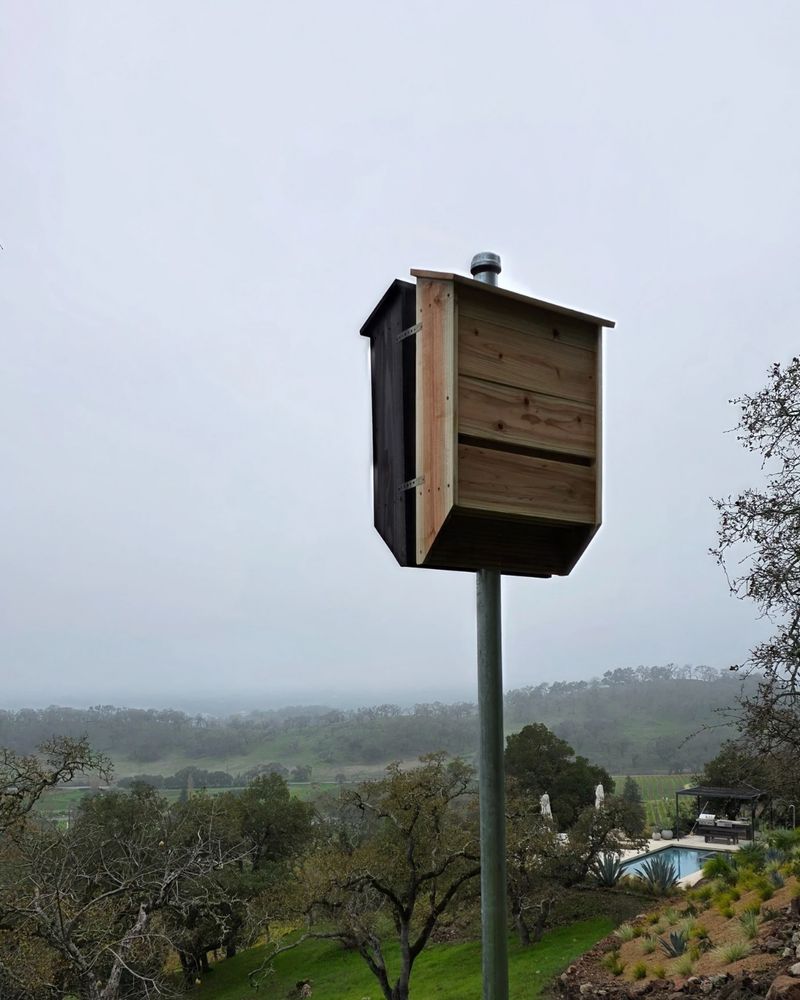
Where you put a bat house often matters more than which house you buy. Siting decisions affect temperature, predator access, flight approach, and whether bats ever find the structure in the first place.
Getting this right requires thinking through several factors at once rather than following a single rule.
Bat Conservation International’s placement guidance calls for mounting the house roughly 12 to 20 feet above the ground, with at least 12 feet of clear, unobstructed space below the exit so bats can drop into flight without hitting anything. Nearby water, such as a pond, stream, or rain garden, improves the odds of attracting bats because they drink on the wing and hunt near water sources.
Proximity to water is one of the stronger factors in bat-house occupancy research.
Keep the house away from branches that could give raccoons, snakes, or other predators a path to the entrance. Mounting on a building or a freestanding pole is generally better than mounting in a tree for exactly this reason.
A tree-mounted house also tends to have more flight obstructions around the exit, which bats find discouraging.
Sun exposure in North Carolina deserves careful thought. Advice to give a bat house full afternoon sun was developed partly for cooler northern climates.
In the Piedmont, Coastal Plain, and mountain regions of North Carolina, a house that bakes in full afternoon sun can overheat, particularly during July and August. Morning sun with afternoon shade may be preferable in many NC locations, keeping the interior warm enough for pups without crossing into dangerous temperatures.
When you have room, consider installing two houses on different sides of a building or pole, one with more sun exposure and one with more shade, so bats can move between them as conditions shift.
Finally, place the house over a garden bed or another easy-to-clean surface, not over a patio, grill, doorway, children’s play area, or anywhere guano will fall onto people or food. Guano accumulation is manageable, but it needs to land somewhere appropriate from the start.
Make the surrounding yard safer without trying to force occupancy

Once the bat house is up, the best thing you can do is make the surrounding yard a place bats are comfortable passing through, without expecting them to show up on your schedule. Several yard habits support that goal, and most of them are good stewardship practices regardless of whether bats ever move in.
Water is the single most useful habitat element near a bat house. A small pond, a rain garden, or even a large, consistently filled birdbath gives bats a place to drink and hunt on the wing.
Native plantings along the water’s edge attract the insects bats feed on and add broader habitat value for other wildlife at the same time.
Cats are a serious concern that often goes unmentioned in bat-house guides. BCI identifies cats as a common cause of bat casualties and notes that cats can learn where bats exit a roost and wait for them.
Keeping outdoor cats inside around dusk and overnight, especially during the summer maternity season when pups are learning to fly, is one of the most direct protective steps a homeowner can take.
Pesticide and herbicide use is worth reconsidering as well. BCI advises avoiding routine pesticide and herbicide applications when trying to attract bats, because chemicals can reduce the insect prey bats depend on or potentially expose bats through contaminated insects.
This is conservation guidance, not proof that every labeled product use will harm bats directly. Still, reducing routine spraying where possible supports the insect community that makes your yard worth visiting in the first place.
Frame these changes as stewardship choices, not as a second mosquito-control system running parallel to the bat house.
Protect bats, buildings, and people
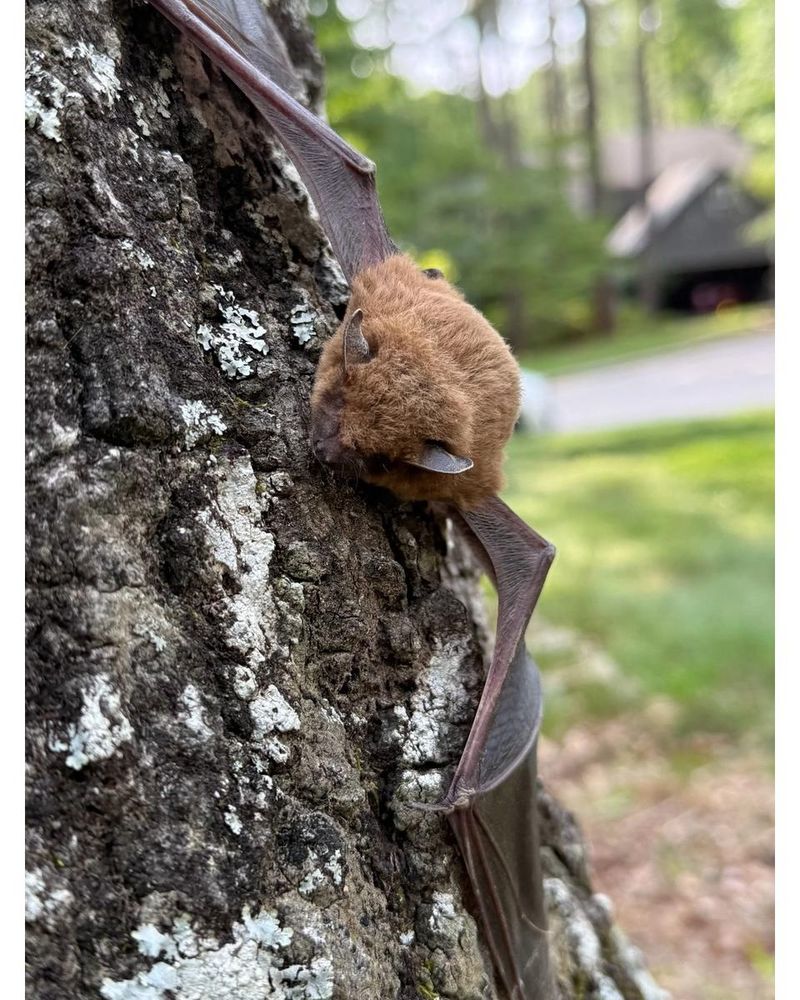
Before bats become a regular presence in or around your property, a few legal and safety realities are worth understanding clearly. Getting these wrong can put bats, your home, and your family at risk.
A bat house does not function as a lure that redirects bats away from your attic. BCI is direct on this point: if bats are roosting inside your home, the solution is careful exclusion combined with sealing entry points, not simply putting up a box outside and hoping they relocate.
Bat houses can provide supplemental habitat, but they do not solve an existing structural problem.
North Carolina law restricts when bats can be excluded from an occupied structure. The NC Wildlife Resources Commission enforces a moratorium on bat eviction from May 1 through July 31 each year.
During that period, flightless pups may be present inside the roost, and excluding adult bats can trap young ones inside, where they will die. NCWRC advises completing any exclusion work before May 1 or waiting until August.
Paid exclusion work must be performed by a licensed wildlife control agent; check current NCWRC guidance before starting any exclusion project yourself.
Rabies is a small but serious consideration. Most bats do not carry rabies, and a bat flying normally through your yard at dusk is not a cause for alarm.
The risk comes from direct contact. NC Department of Health and Human Services identifies bats as a recognized rabies-vector species in the state and notes that bat bites can be tiny and go unnoticed.
If you find a bat on the ground, behaving unusually, or inside a room where a sleeping, unconscious, intoxicated, very young, or cognitively impaired person was present, do not handle it with bare hands. CDC guidance is to avoid contact, contact local animal control or public health authorities, and seek prompt medical advice if exposure may have occurred.
Washing any potential wound thoroughly with soap and water while waiting for guidance is also recommended.
Keep guano accumulation in mind as an ongoing management task. Place the house where droppings can be cleaned up easily, and never position it over a grill, outdoor dining area, children’s play space, or doorway.
Use dependable mosquito controls alongside bat habitat
A bat house is a conservation project, not a mosquito-management plan. The steps that actually reduce mosquito populations and biting rates in a residential yard do not depend on whether any bat ever uses your new roost, and skipping them because you have a bat house up is a mistake worth avoiding explicitly.
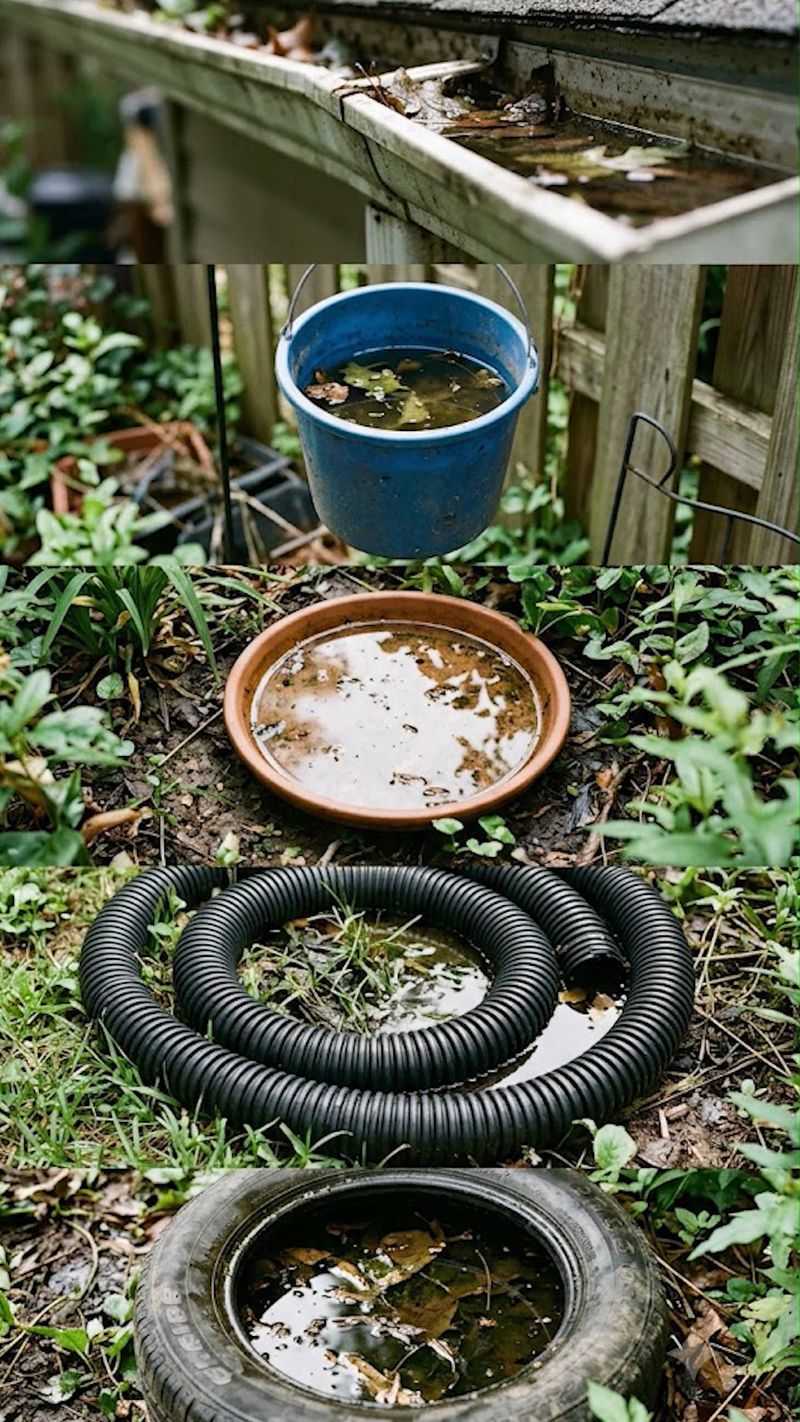
Mosquitoes breed in standing water, and the single most effective yard-level action is removing or managing every water-holding container and surface on your property. CDC recommends emptying and scrubbing water-holding containers at least once a week, covering rain barrels with tight-fitting mesh or lids, clearing water from tarps and pool covers after rain, and cleaning gutters so water drains freely.
Tree holes, buckets, flower-pot saucers, and even bottle caps can produce mosquitoes if left with water in them long enough.
When standing water cannot be removed, covered, or drained, a labeled larvicide can help. CDC notes that Bacillus thuringiensis israelensis, commonly called Bti, is available in several EPA-registered consumer products and kills mosquito larvae in eligible standing water without harming most other organisms when used as directed.
Bti does not affect adult biting mosquitoes, so it works best as one part of a broader source-reduction effort rather than a standalone fix.
For personal protection, EPA-registered repellents and window screens remain the most reliable tools for preventing bites. Products containing DEET, picaridin, IR3535, or oil of lemon eucalyptus are registered for this use and supported by a substantial body of evidence.
Bats in your yard do not change the math on any of these steps. Think of bat habitat as something you add on top of a functioning mosquito-management routine, not instead of one.
Install a bat house for habitat, not a mosquito guarantee
The clearest decision rule for a North Carolina homeowner considering a bat house is this: install one because it may support native bats and contribute to a healthier yard ecosystem, not because occupancy or mosquito suppression is assured. Bat Conservation International is straightforward that bats may never move into a new house, and even a colony that does take up residence may eat a diet that is mostly moths, beetles, and other insects rather than the mosquitoes you were hoping to reduce.
The diet research confirms that bats do eat mosquitoes and are worth having around as part of a diverse, wildlife-friendly yard. That is a genuinely good reason to build and site a bat house carefully, keep cats inside at dusk, reduce routine pesticide use, and let bats find the roost on their own timeline.
It is not a reason to ease up on emptying containers, applying labeled larvicides to unavoidable standing water, or using repellents when you need them.
Do the bat house right, manage mosquito breeding water directly, and you will have both: a yard that is genuinely better for North Carolina wildlife and a mosquito-control routine that does not depend on whether any bat ever shows up.