
11 Perennials That Do More Than Bloom, They Pull Birds, Bees And Butterflies Into Your Yard
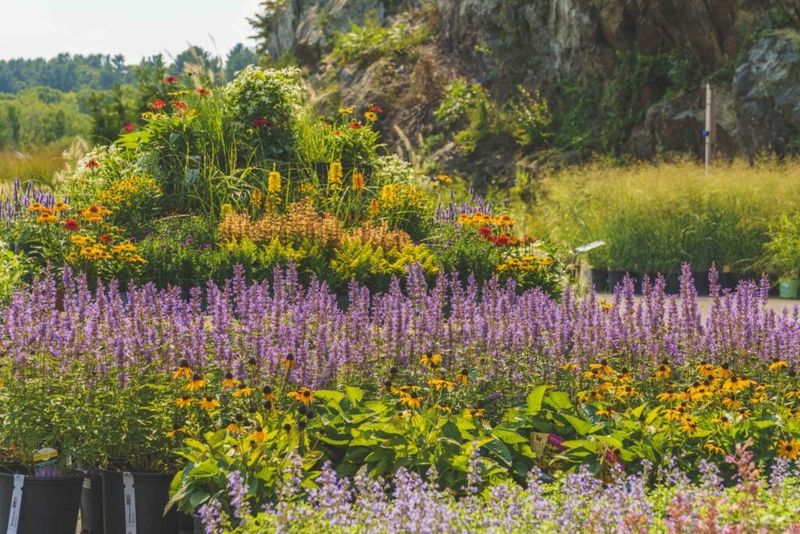
Planting perennials is one of the easiest ways to turn a quiet yard into a busy hangout for birds, bees, and butterflies. The best part is that these plants come back year after year, so you do the work once and enjoy the show every season.
Below are 11 perennials that bloom beautifully and also feed and shelter the wildlife you want to see up close. Each one earns its spot for a different reason, so you can mix and match to fill your yard with color and buzzing, fluttering life.
1. Anise Hyssop (Agastache foeniculum)
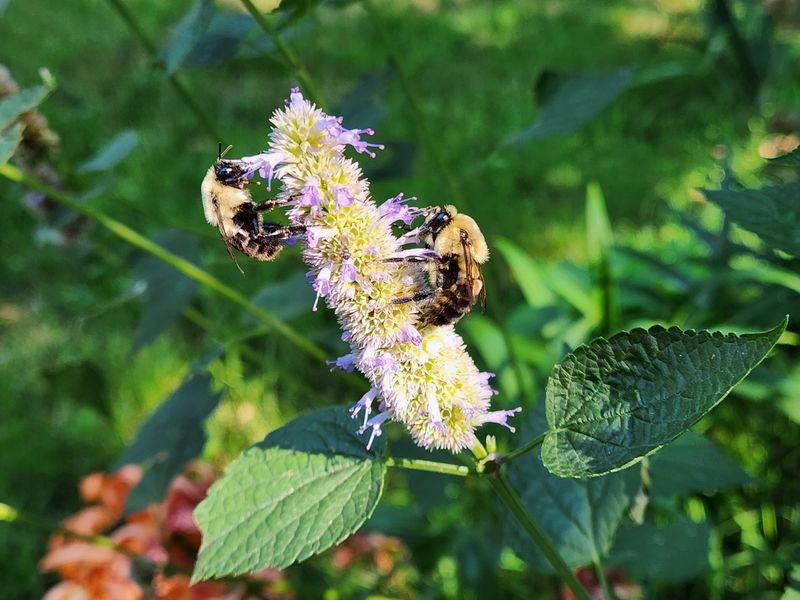
Rub a leaf of Anise Hyssop between your fingers and you get a sweet, licorice-like smell that hints at how much nectar this plant is packing. Honeybees and other helpful insects go wild for its super-sweet blooms, treating those purple spikes like an all-day snack bar.
Native to North America, it holds up in tough spots and asks for very little from you. Give it full sun and soil that drains well, and it mostly takes care of itself.
If your Anise Hyssop looks floppy or thin, it may be sitting in soil that stays too wet or getting too much shade. Move it somewhere brighter and drier, and it usually bounces right back with more upright, bloom-covered stems.
2. Aster (Symphyotrichum spp.)
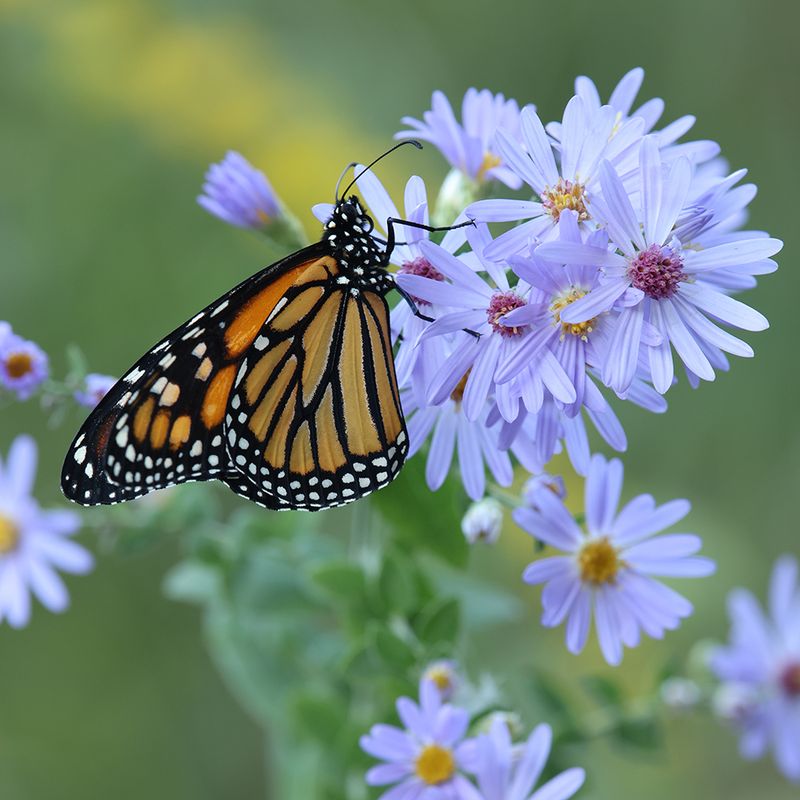
When most of your garden is winding down for the year, Asters show up like the last open diner on a cold night. Their late-season blooms feed native bees and monarch butterflies right when other food is getting scarce.
That timing is exactly why they belong on this list. Monarchs fueling up for their long migration lean on flowers like these, and your yard can be a much-needed pit stop.
Stick with native varieties for the best pollinator payoff, and plant them in full sun. If your Asters get tall and flop, pinch them back in early summer for a bushier, sturdier shape by fall.
3. Bee Balm / Wild Bergamot (Monarda fistulosa)
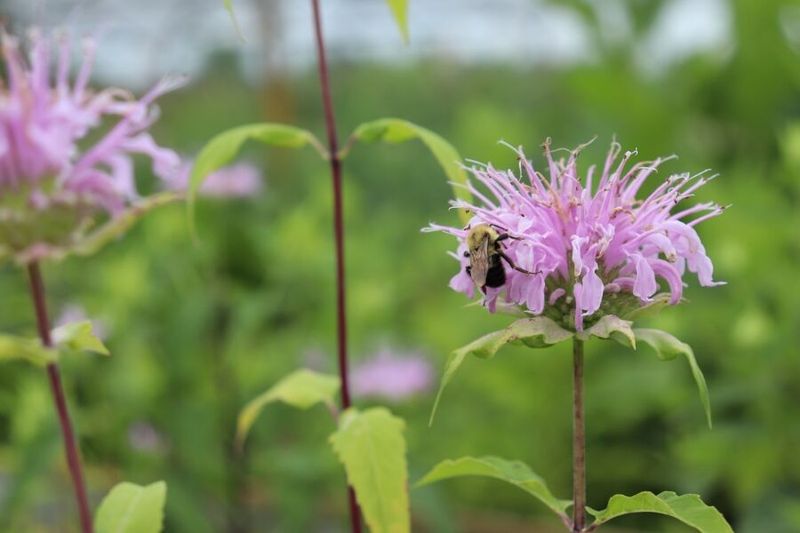
Bee Balm practically announces itself with shaggy, firework-shaped flowers that seem built for showing off. Beneath the looks is a serious pollinator magnet, which is why gardeners often call it a superstar.
Those tubular blooms are a favorite of native bees and fat, fuzzy bumblebees, and monarch butterflies drink from them too. Hummingbirds sometimes join the party, giving you a lot of action from one plant.
Good airflow matters here, since crowded Bee Balm can get powdery mildew that coats the leaves in gray dust. Space your plants out, water at the base instead of overhead, and you can reduce those mildew problems while keeping the flowers coming.
4. Blazing Star (Liatris spicata)
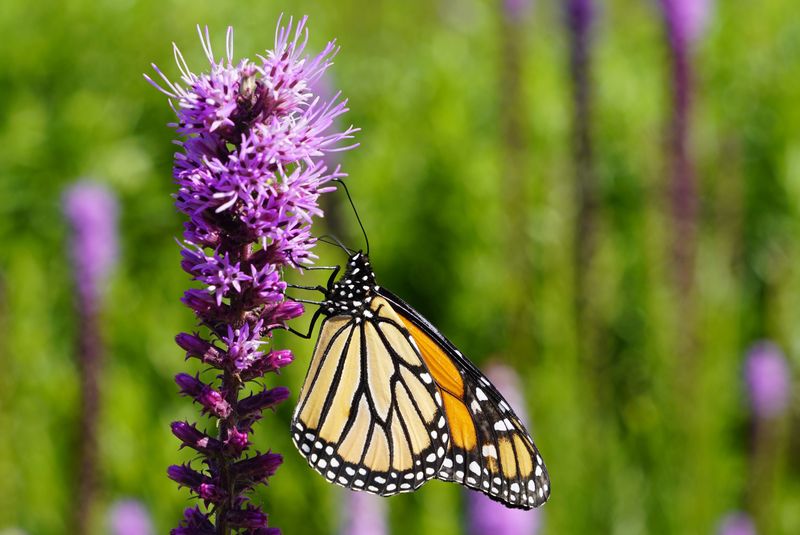
Few plants grab a butterfly’s attention like Blazing Star, with its tall purple wands that bloom from the top down. It reads like a landing strip, and butterflies treat it that way.
Monarchs, swallowtails, and painted ladies all show up for the nectar, making this prairie native a butterfly favorite you can count on. The vertical shape also adds height and structure to a flower bed without much fuss.
It loves full sun and well-drained soil, and it handles dry spells like a champ once settled in. If yours leans or topples, it is usually reaching for more light, so plant it where the sun hits it most of the day.
5. Butterfly Weed / Milkweed (Asclepias tuberosa)
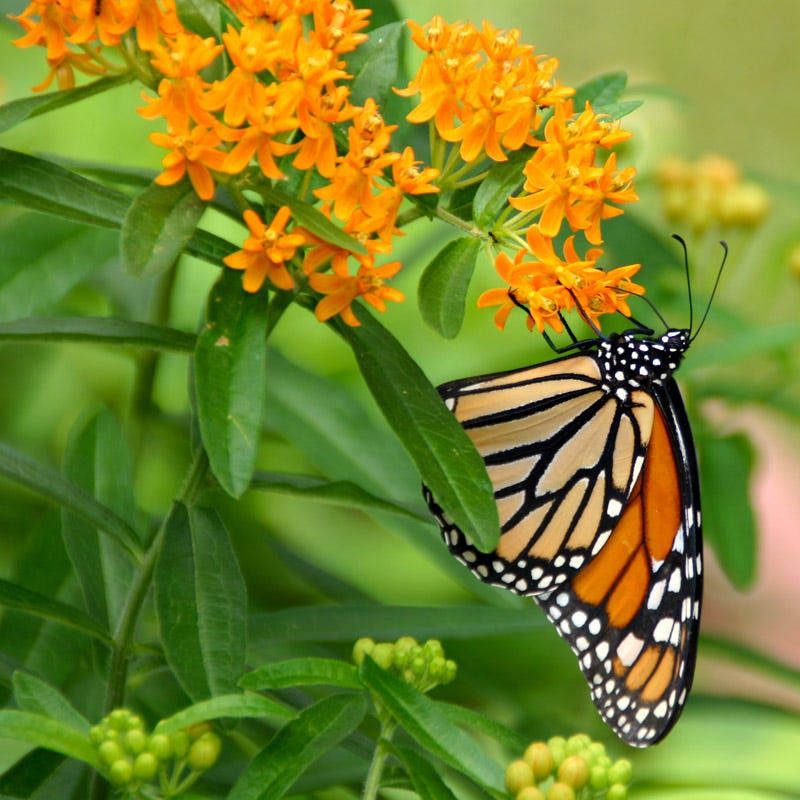
Bright orange and impossible to ignore, Butterfly Weed does something most flowers cannot: it feeds baby monarchs, not just the grown-ups. Monarch caterpillars can only eat milkweed, and this is one of the prettiest kinds to grow.
That role as a host plant is what sets it apart from every other bloom on this list. Plant it and you are not just offering a snack, you are offering a nursery.
It wants full sun and dry, well-drained soil, and it dislikes being moved once its deep taproot settles in. Be patient in spring too, since it is famously slow to wake up and often one of the last perennials to sprout.
6. Hydrangea (Lacecap, Smooth, or Panicle Varieties)
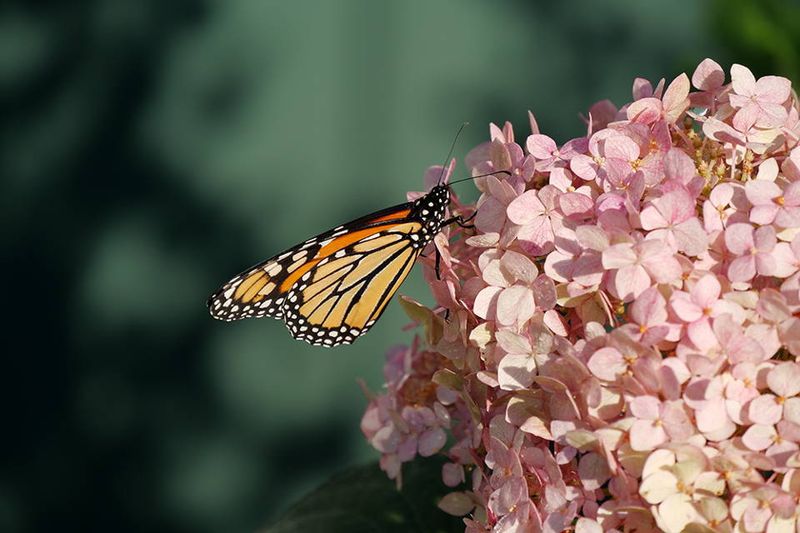
Not every hydrangea helps pollinators, but the right ones turn a classic shrub into a bee buffet. Lacecap types, Smooth Hydrangea, and Panicle Hydrangea all offer open flowers that bees and butterflies can actually reach, and some leave seeds behind for songbirds.
If your hydrangea is wilting, it is almost always thirsty rather than sick. These plants like steady, deep watering, especially in heat, so soak the roots well and keep the soil moist but never soggy.
Wondering why your hydrangea is not blooming? The usual culprit is pruning at the wrong time.
Cut bigleaf types right after they flower, but wait to prune panicle types until late winter or early spring so you do not snip off this year’s buds.
7. Clematis (Clematis virginiana)
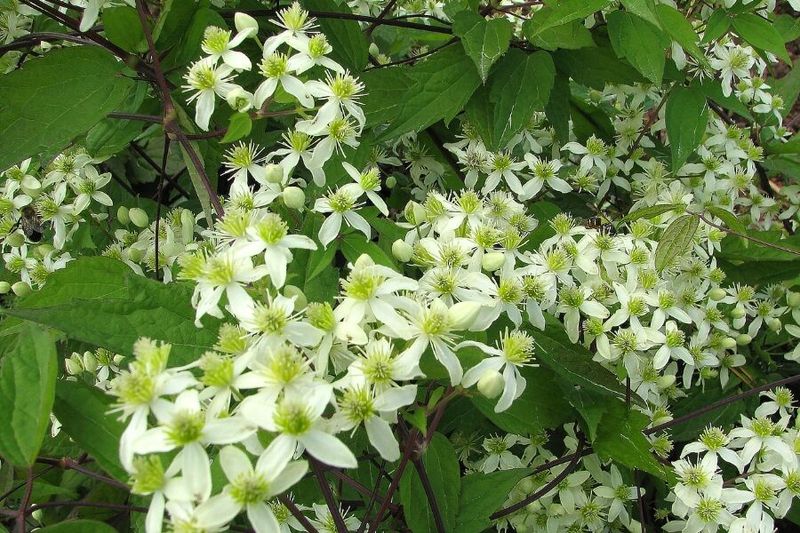
Give a clematis something to climb and it will reward you with a curtain of flowers that pulls in bees and butterflies. The native Virgin’s bower goes further, drawing hummingbirds and offering leafy cover where songbirds can hide.
That double duty as food and shelter makes it more than a pretty vine. Birds get a safe place to perch while pollinators work the blooms.
If your clematis is struggling to climb, it needs a sturdy trellis or wire to twine around, since it cannot grip a smooth wall on its own. Spotted leaves can point to clematis wilt or powdery mildew, and better air circulation around the vine can help prevent both.
8. Perennial Geranium
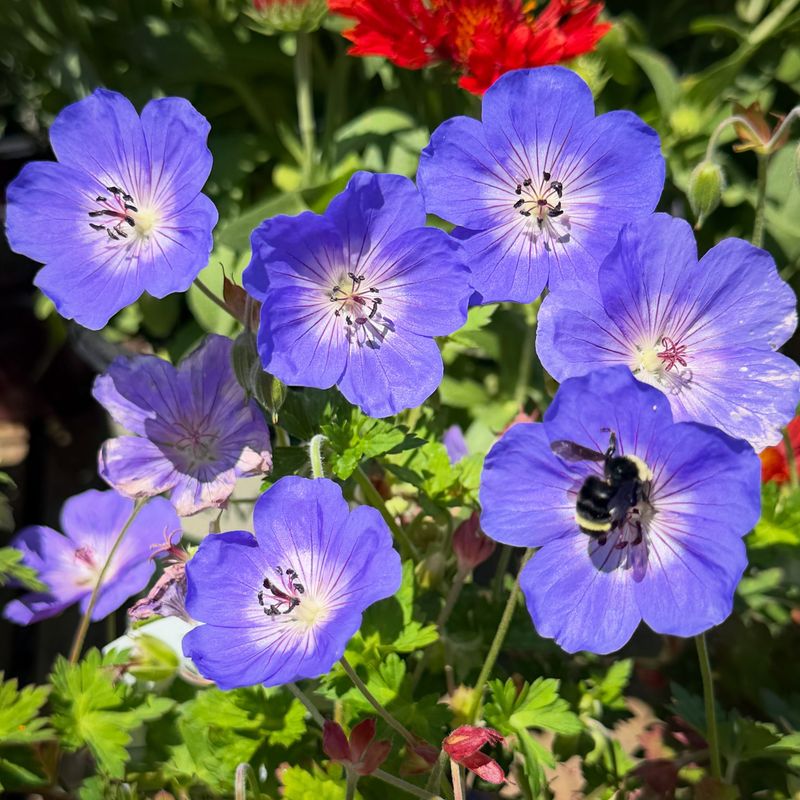
Hardy perennial geraniums do quiet, dependable work along the front of a flower bed, and the pollinators notice. Butterflies and bees drop in on the blooms, while the aromatic leaves may help deter pests like mosquitoes and aphids.
To keep your geranium blooming longer, snip off the faded flowers as they fade. Deadheading like this nudges the plant to push out fresh buds instead of setting seed, stretching the color across the whole season.
If your geranium is drooping, look down at the soil first. These plants dislike wet feet, so make sure they sit in well-draining ground and get moderate water, and ease off if you have been overwatering.
9. Echinacea (Coneflower)
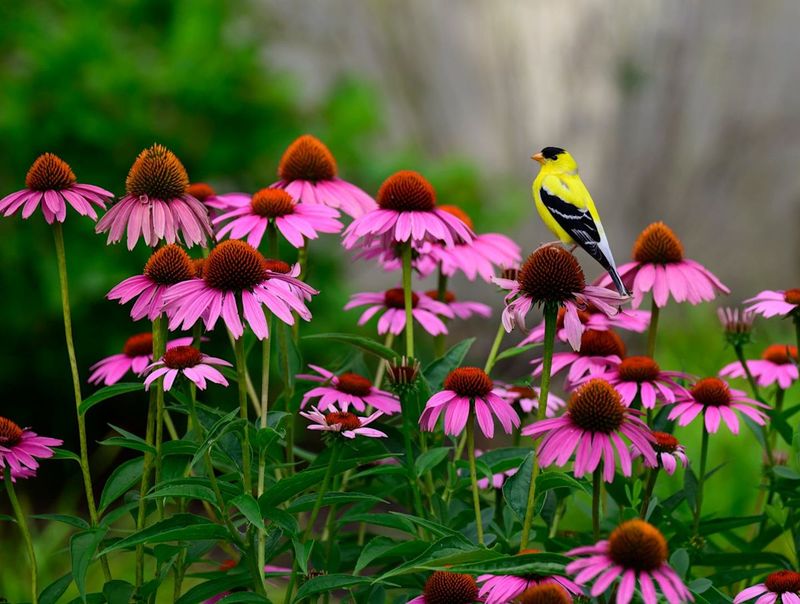
Coneflowers pull off a neat trick: they feed pollinators all summer, then feed birds all winter. Butterflies, bees, and hummingbirds crowd the nectar-rich blooms, and later the spiky seed heads become a favorite of goldfinches well into the cold months.
Easy-care and native across USDA Zones 3 through 9, they are about as low-stress as a flower gets. Leave some spent flowers standing and you get winter interest plus a bird feeder that refills itself.
If your coneflowers are flopping over, the cause is often too much shade, soil that is too rich, or plants packed too tightly together. Give them full sun and a little breathing room, and those stems will stand up straight.
10. Lavender
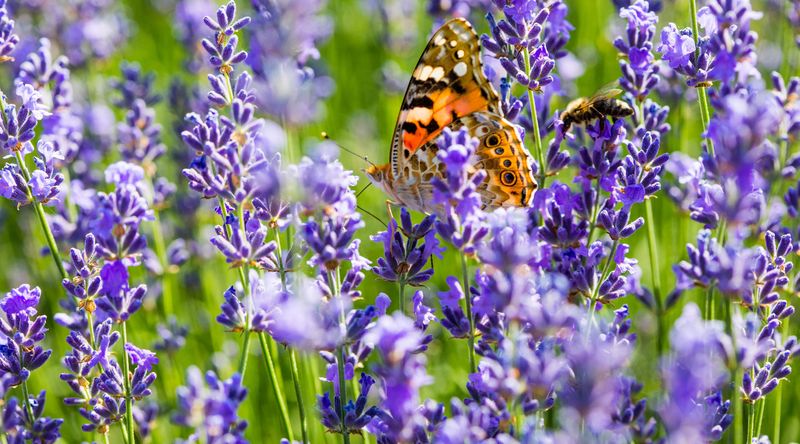
The scent of lavender relaxes people, but for bees and butterflies it is more like a ringing dinner bell. They cover the purple spikes on warm days, and the fragrant oils double as a natural pest deterrent that can repel mosquitoes, flies, moths, and fleas.
Sun and sharp drainage are the secret to keeping it happy. Lavender prefers things on the dry side, so if yours is struggling, check that it is not sitting in damp, shady soil and cut back on watering.
Should your lavender look leggy or woody, prune it after it flowers, taking off up to a third of its height. Just avoid cutting deep into the old woody stems, since that can damage the plant instead of refreshing it.
11. Pentas (Egyptian Starcluster)
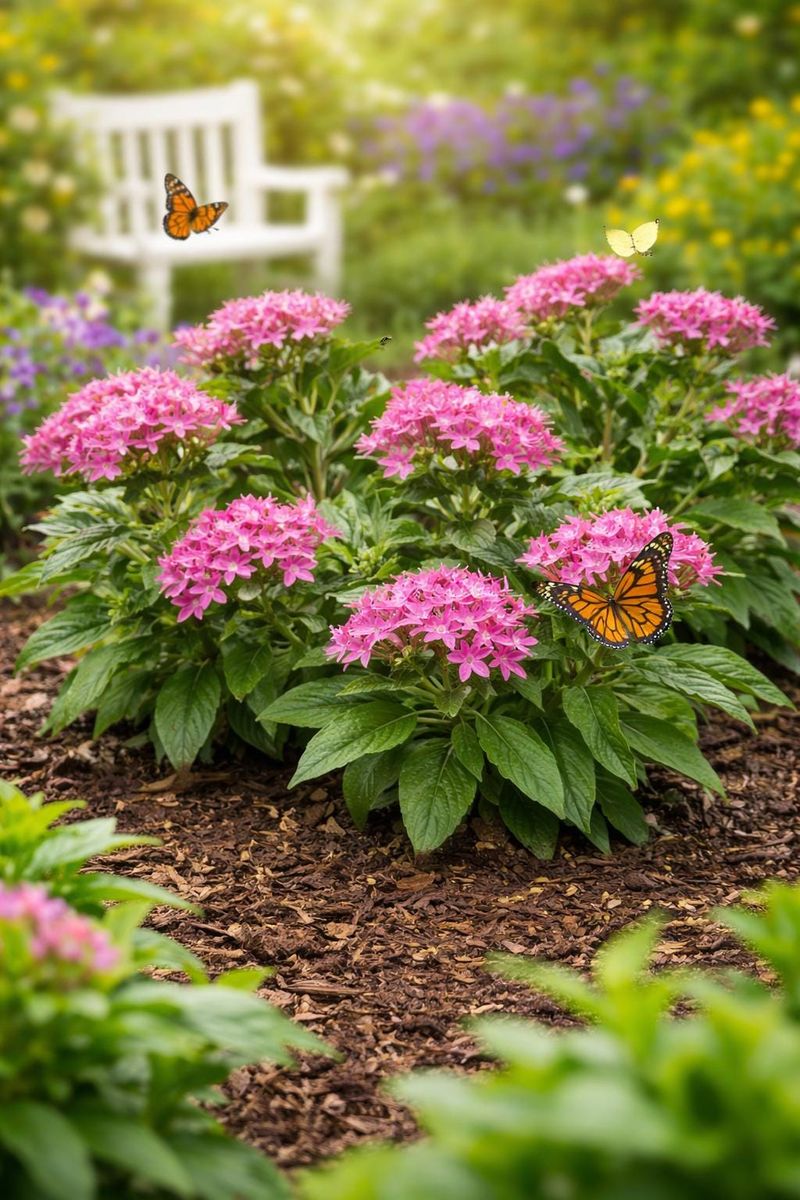
Star-shaped and packed into tidy clusters, pentas flowers act like a bullseye for butterflies and hummingbirds, and the red varieties are especially hard for them to resist. Few plants keep the fliers coming back quite like this one in warm weather.
If your pentas are not blooming well, sunlight is usually the answer. Give them full sun for the most flowers, water deeply one to two times a week once established, and deadhead spent blooms to keep new ones forming.
One heads-up for gardeners across the US: pentas are only truly perennial in the warm, frost-free zones 10 and 11. In zone 9 and colder, they are usually grown as tender annuals and will not survive a freezing winter outdoors.