
17 Single-Ingredient Fertilizers That Power Up Your Tomatoes Without Overcomplicating It
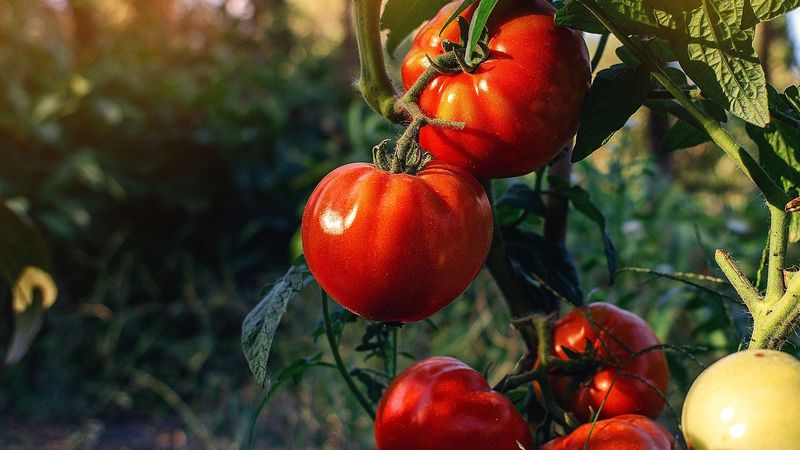
Your tomato plants send signals when something is off, like yellowing leaves or sunken brown spots on the fruit. The good news is you probably already have a fix sitting in your kitchen or garden shed.
Each item on this list uses just one simple ingredient, so you can feed your tomatoes without buying fancy blends or memorizing complicated recipes. Match the right helper to what your plant needs, and watch those vines bounce back.
1. Epsom Salt
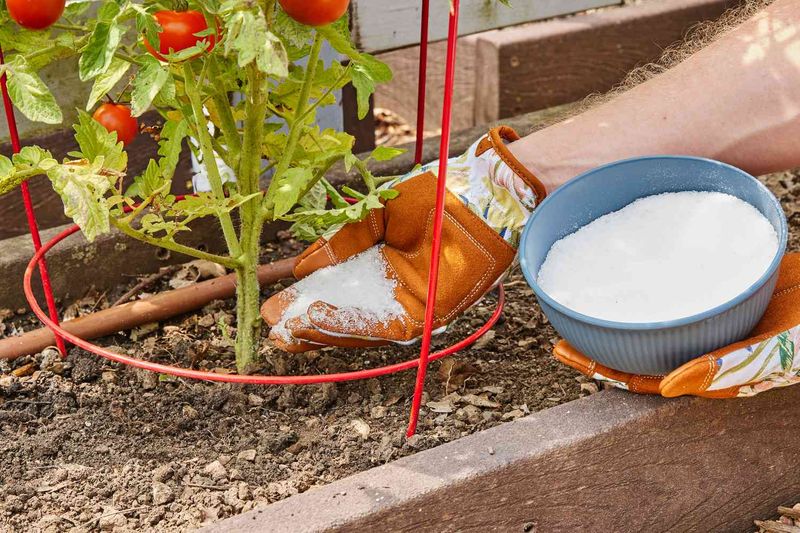
Yellow leaves with stubbornly green veins are a classic cry for magnesium, and Epsom salt answers fast. Chemically speaking it is magnesium sulfate, a nutrient your tomato leans on to build chlorophyll and run photosynthesis smoothly.
Magnesium also helps your plant grab onto other nutrients like nitrogen and phosphorus, so a small dose can wake up sluggish growth. Many gardeners swear it deepens leaf color and encourages more blossoms, which may translate to more fruit down the line.
To use it, stir one tablespoon into a gallon of water and pour it around the base, or mist it on as a light foliar spray. Repeating every couple of weeks once flowering starts keeps the supply steady, and you can also mix a tablespoon or two into the soil at planting time.
Go easy, though. Too much magnesium can block calcium uptake, so a quick soil test before regular use saves you trouble.
And if you are hoping it cures blossom end rot, know that it will not when the real culprit is a calcium shortage.
2. Crushed Eggshells
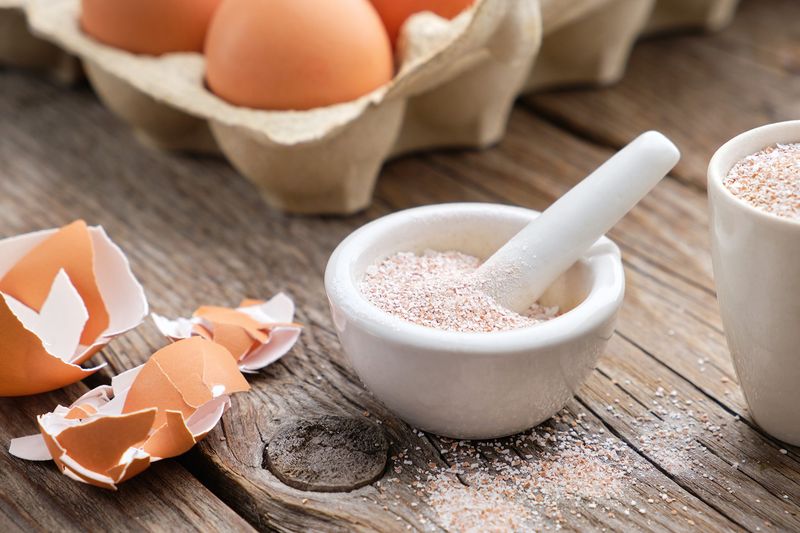
That carton of eggs you cracked for breakfast holds a slow-release calcium boost for your tomatoes. Calcium builds sturdy cell walls, and gardeners often reach for eggshells when they spot the sunken brown patches of blossom end rot creeping onto their fruit.
Beyond calcium, shells carry trace amounts of nitrogen, potassium, and phosphorus, giving your soil a gentle nutritional nudge. To prep them, rinse and dry the shells, then crush or grind them into a coarse powder.
Work a handful into the planting hole or scatter it around established plants. The calcium seeps out gradually as the shells break down, making this a season-long investment rather than an instant fix.
Grinding them finer or tossing them in your compost speeds things up.
Keep your expectations realistic. Shells decompose slowly, so their calcium takes time to become available, and they will not deliver a complete diet on their own.
Whether they truly beat blossom end rot depends a lot on soil pH and steady watering, not just calcium alone.
3. Banana Peels
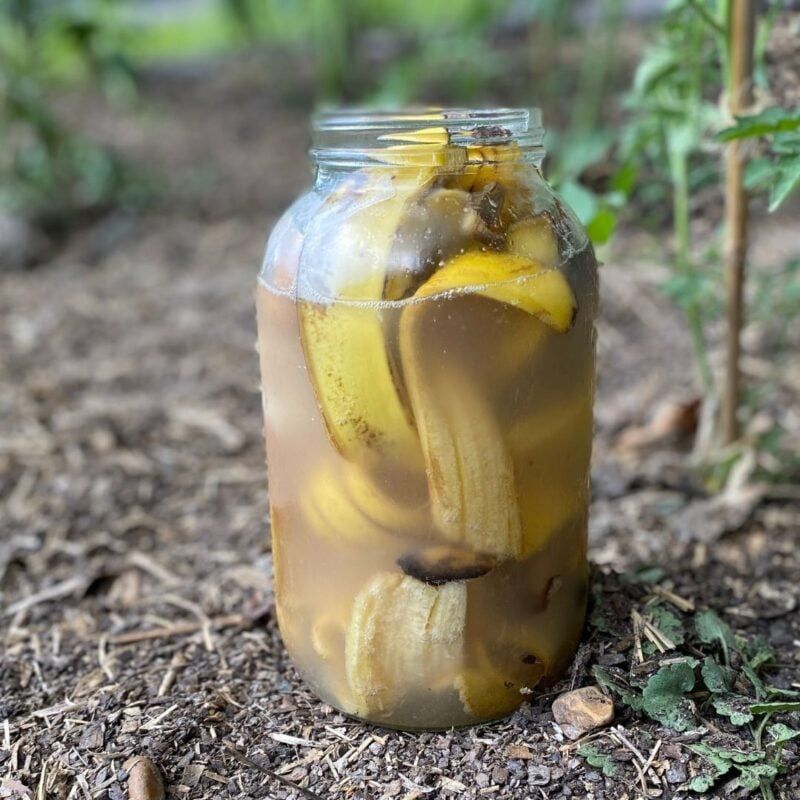
Before you toss that banana peel, remember it is loaded with potassium, the nutrient tomatoes crave for plump, flavorful fruit and steady flowering. Peels also sneak in a little phosphorus, magnesium, and calcium for good measure.
One easy method is chopping the peel into small pieces and burying them a few inches down near the roots. If you would rather feed with a liquid, soak the peels in water for a day or two to brew a simple nutrient tea you can pour at the base.
Some folks dry and grind peels into a powder so they always have a stash ready when planting season rolls around. Whichever route you take, bury the pieces deep enough that curious critters do not come sniffing around your beds.
4. Wood Ash
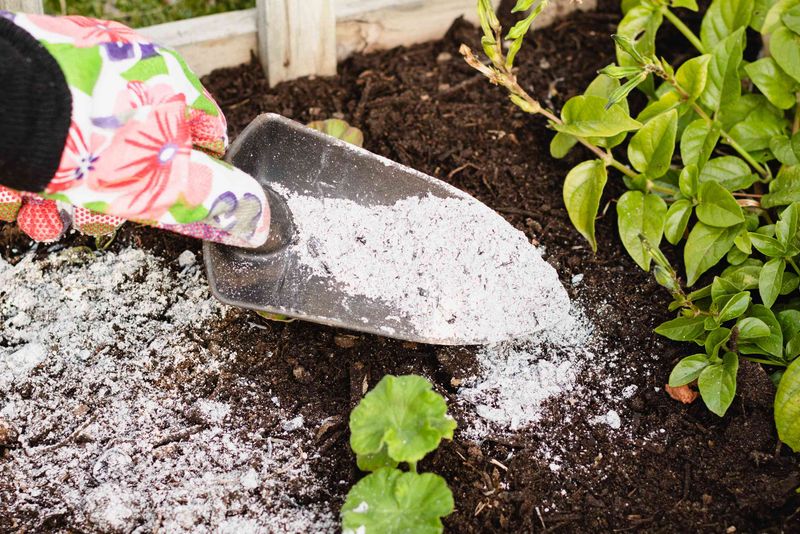
Leftover ash from your fireplace or fire pit can do double duty in the garden once it cools completely. Ash from untreated wood delivers potassium and calcium, and it nudges soil pH upward, which is handy if your beds run too acidic.
Scatter a light dusting around your plants, keeping it clear of the stems, then rake it gently into the topsoil. A little goes a surprisingly long way here, so think teaspoons per plant rather than handfuls.
Be picky about your source. Only clean, untreated wood ash belongs near tomatoes, never ash from charcoal briquettes or painted lumber.
Test your soil pH before you start, because piling on ash can tip the soil too alkaline, and tomatoes really dislike that.
5. Coffee Grounds
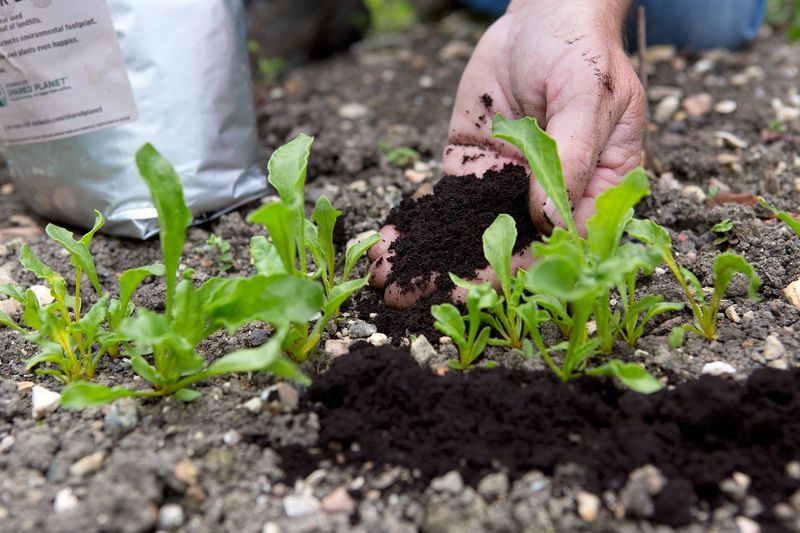
Your morning brew leaves behind grounds that tomatoes happen to appreciate. Used coffee grounds supply nitrogen, potassium, and phosphorus, the trio behind healthy growth and lush green leaves, plus a slight acidity that suits tomatoes preferring a pH between 6.0 and 6.8.
There is a bonus, too. Grounds improve soil structure and water retention, and they can help deter slugs and snails from munching your plants.
Sprinkle a thin layer no thicker than half an inch around the base, keeping it a few inches from the stem, or work it into the soil.
You can also steep grounds in water for a quick coffee tea, though composting them first often neutralizes issues and speeds up nutrient release. Moderation matters, since a thick layer can crust over and repel water, and some gardeners warn the caffeine may slow germination or stunt tender growth.
6. Bone Meal
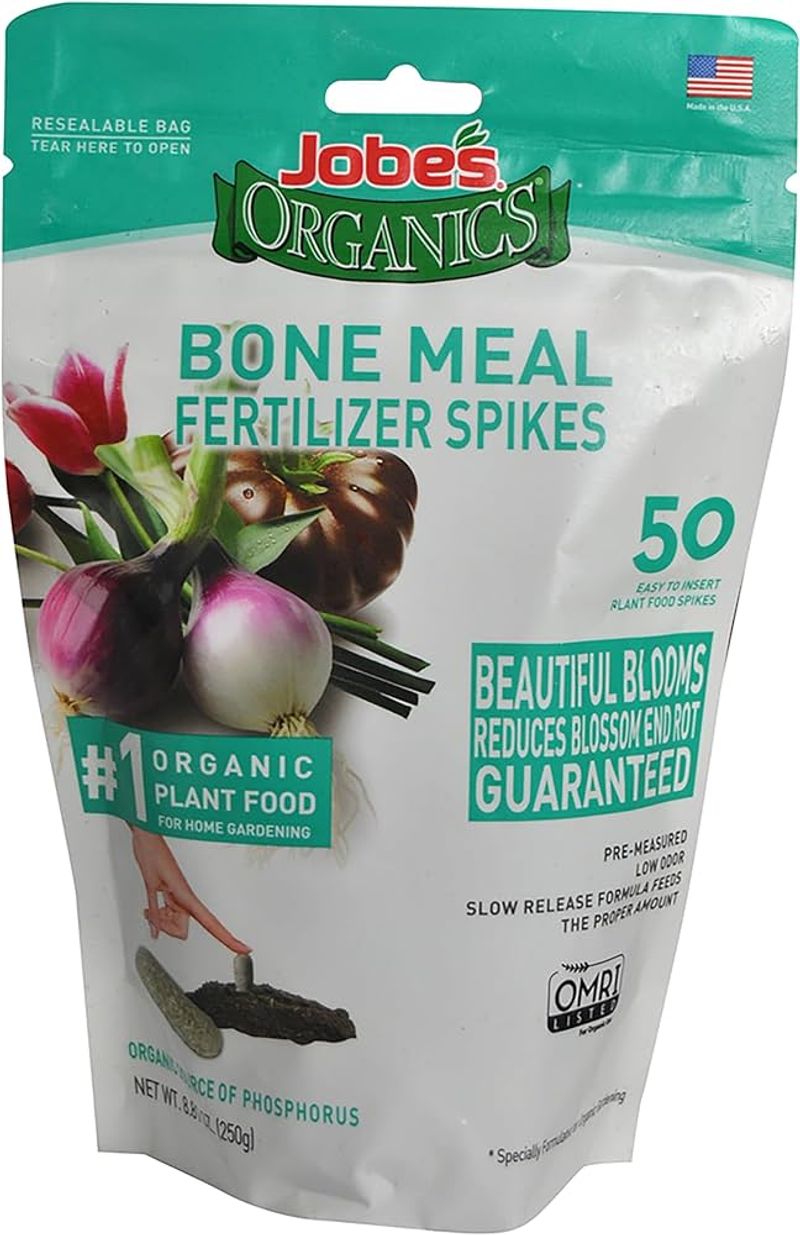
When your tomatoes need help building strong roots and setting flowers, bone meal steps up as a phosphorus powerhouse. That phosphorus fuels the root system and flower production, which eventually means more fruit hanging on the vine, and you get a dose of calcium along the way.
For transplants, mix a couple of tablespoons into the planting hole to give them a sturdy foundation. Because it breaks down slowly, a single application can carry a plant through much of the season.
Established plants can take a handful every three weeks or so after a couple of months of growth. Keep in mind that bone meal only earns its keep when your soil actually lacks phosphorus and the pH sits in the range that lets roots absorb it.
7. Blood Meal
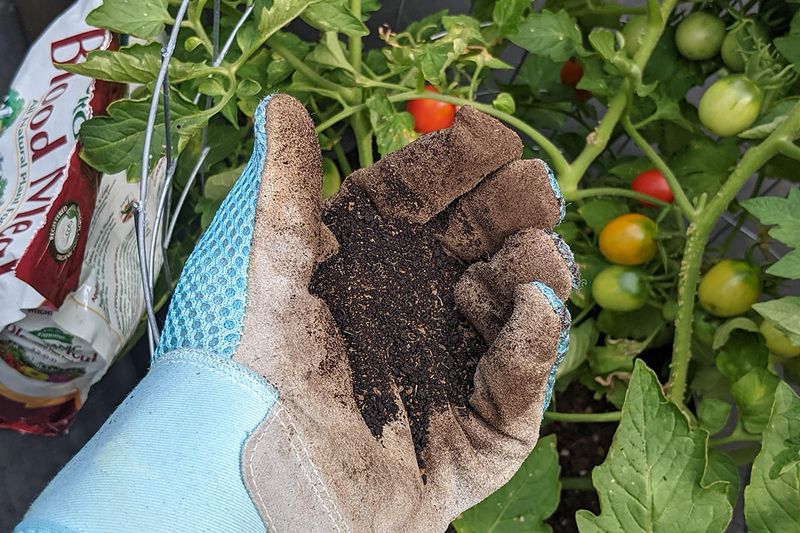
Pale, stalled-out tomato plants that seem stuck often just need a jolt of nitrogen, and blood meal delivers it fast. Concentrated and quick-acting, this natural nitrogen source jumpstarts green, leafy growth when your plants look tired and washed out.
A little goes far. Sprinkle a small amount onto the soil surface and water it in, following the package rates closely so you do not scorch the roots.
One early-season feeding can be enough to power that first flush of leafy growth.
Resist the urge to overdo it. Too much nitrogen pushes your plant to grow leaves like crazy while shortchanging the fruit you actually want, so treat blood meal as a targeted boost rather than a regular pour.
8. Fish Emulsion or Fish Meal
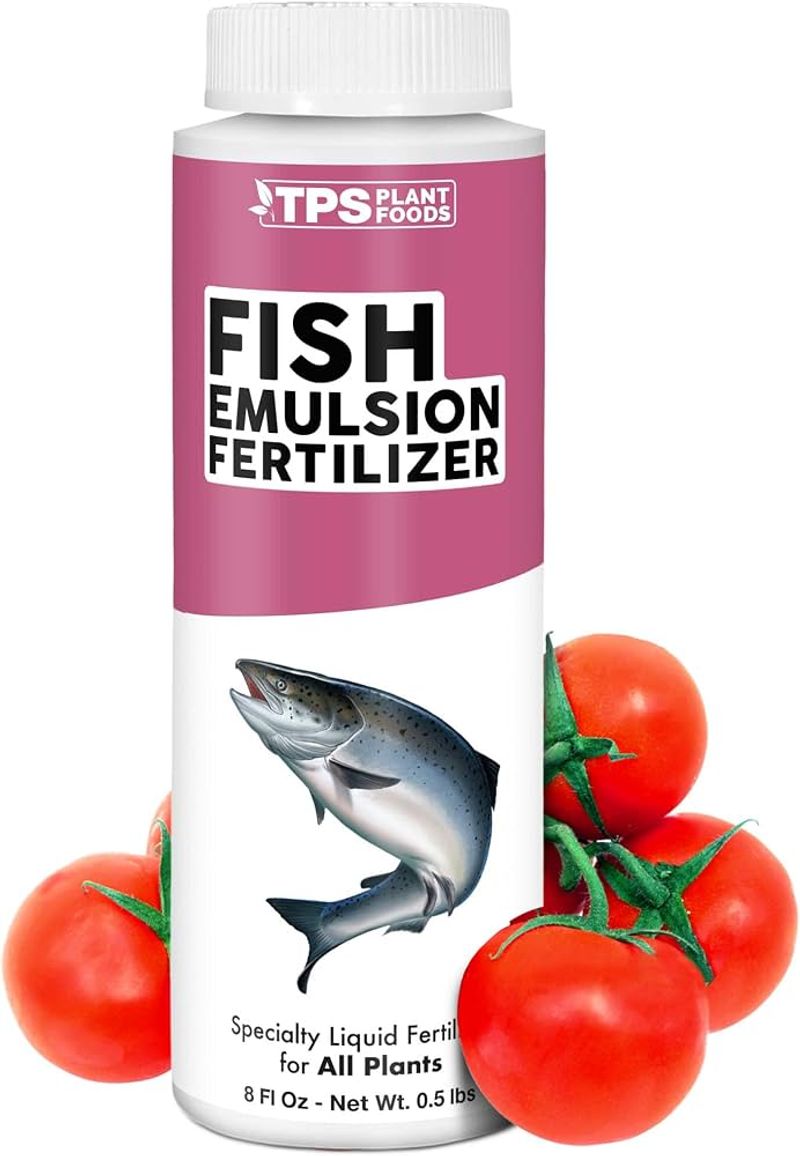
Smelly but mighty, fish-based feeds pack a nitrogen punch alongside a broad mix of nutrients that greens up tomatoes quickly. Fish emulsion is the liquid version, while fish meal is a dry, granular form that also carries varying amounts of phosphorus and potassium.
For the emulsion, dilute it according to the label, often one to two tablespoons per gallon of water, and pour it at the base of your plants every couple of weeks. The meal works best mixed into the soil before planting so it has time to break down and release its nutrients.
A word of warning on two fronts. Overloading nitrogen can steer your plant toward leaves instead of fruit, and fish emulsion has a strong odor that lingers, so you might want to feed on a breezy day.
9. Finished Compost
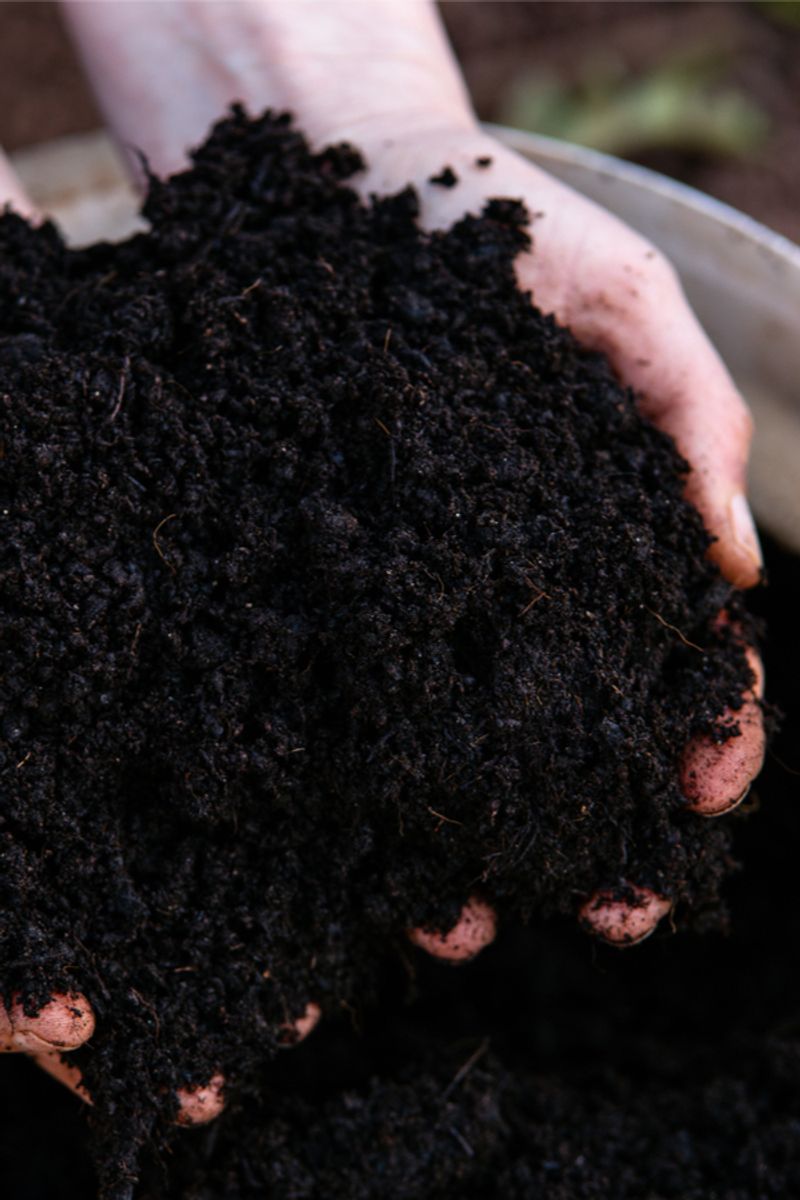
Often called black gold by gardeners, finished compost is the quiet workhorse that improves everything at once. It acts as a slow-release, balanced fertilizer stocked with nutrients while also boosting soil structure, drainage, and water retention.
The real magic happens underground, where compost feeds beneficial microbes that unlock nutrients and hand them to your tomato roots. Spread two to three inches across the bed and mix it in before transplanting to set the stage for a strong season.
For plants already in the ground, a light layer around the base works nicely as a top dressing. Just keep it a few inches away from the stem so the plant stays happy and rot-free.
10. Powdered Milk
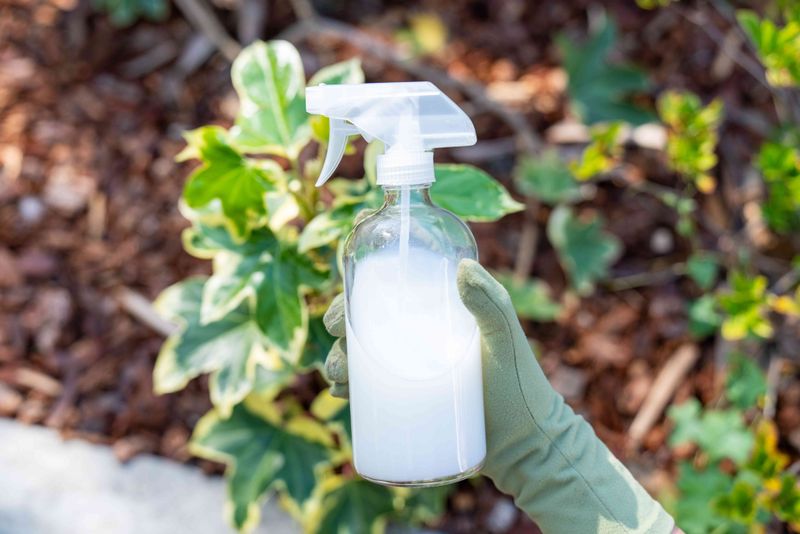
Here is a pantry surprise: powdered milk doubles as a calcium supplement for your tomatoes. That calcium keeps fruit firm and helps head off blossom end rot, the frustrating brown blemish that ruins otherwise perfect tomatoes.
Application could not be simpler. Sprinkle a few tablespoons of the dry powder into the planting hole, or stir it into water for a milky drink you pour right at the base of the plant.
Restraint is key with this one. Too much powdered milk can invite mold to bloom across the soil surface, so a modest dose does the job without creating new headaches.
11. Alfalfa Meal
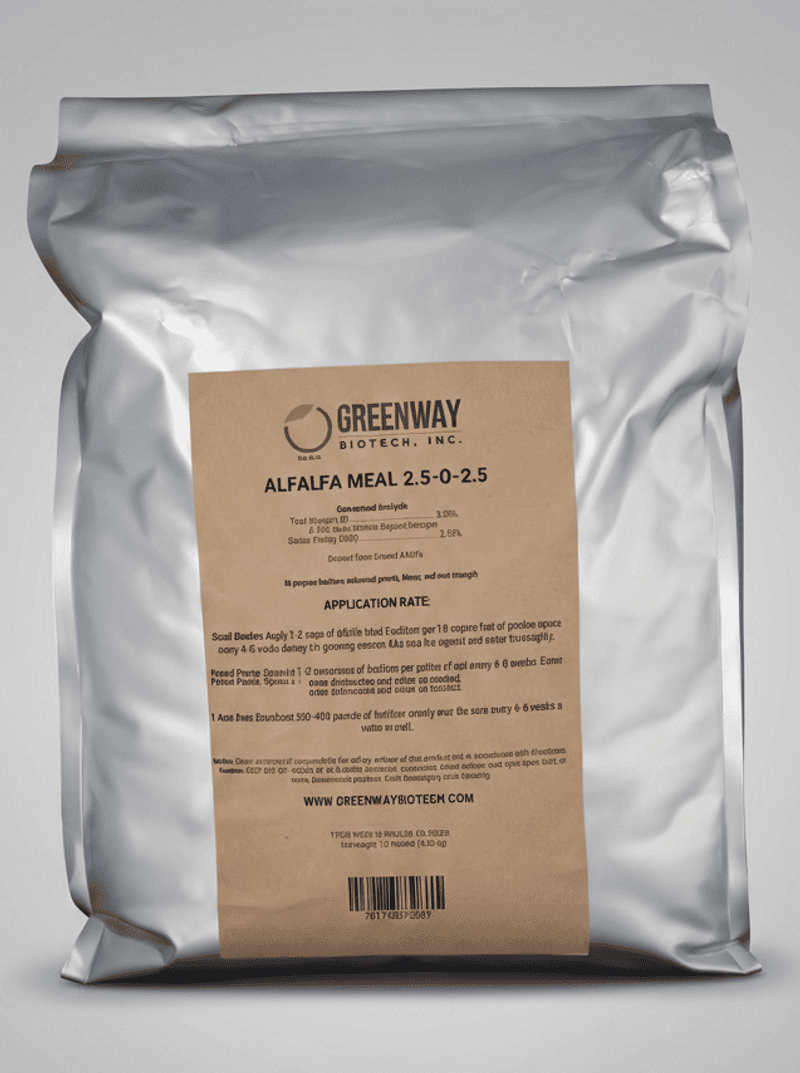
Alfalfa meal brings something the others do not: a natural growth stimulant called triacontanol tucked in alongside its nitrogen. That combo encourages faster, healthier growth while the meal also feeds soil microbes and slowly improves your beds over time.
Scatter a handful around each plant and scratch it into the topsoil so it can start working. If you prefer liquid feeding, soak the meal in water to brew an alfalfa tea and pour it around the roots.
Think of alfalfa meal as a gentle, long-game booster rather than a quick fix. It rewards patience by building richer soil and steadier plants season after season.
12. Kelp Meal
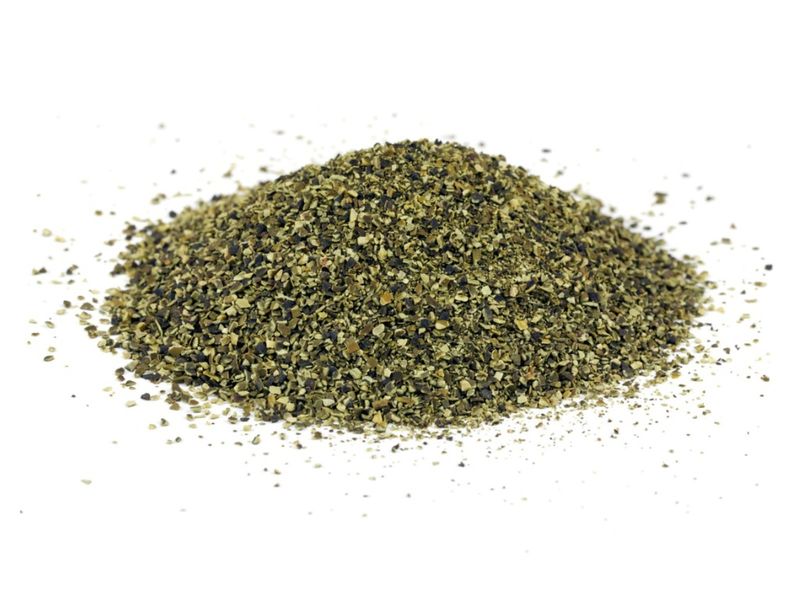
Straight from the ocean, kelp meal loads your tomatoes with potassium plus a wide range of trace minerals like calcium and magnesium. That broad mineral spread supports overall plant health and, many gardeners say, sweeter, fuller flavor in the fruit.
Most growers simply incorporate kelp meal into the soil, letting it release its minerals as it breaks down. Mixing it into your beds before planting gives the nutrients time to settle in and become available to hungry roots.
What sets kelp apart is that variety of trace elements, the little extras that other single ingredients often skip. If your soil feels tired or your tomatoes seem to lack that extra vigor, this seaweed helper fills gaps you might not even notice.
13. Aspirin
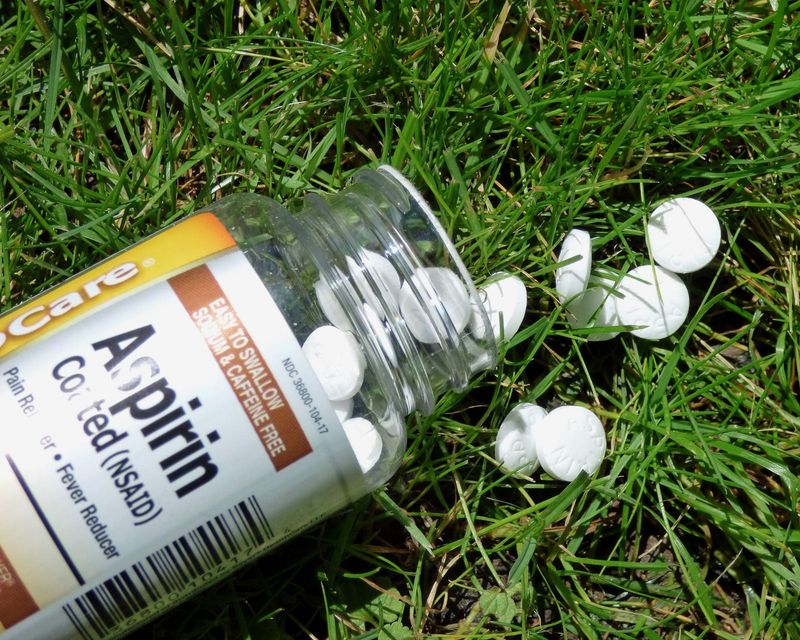
Reaching for the medicine cabinet to help your tomatoes sounds odd, yet aspirin has a following among gardeners. Its active ingredient, salicylic acid, is believed to boost a plant’s natural immunity and help it shrug off stress.
To try it, dissolve aspirin in water and apply it to your plants, or crush a couple of tablets and drop them into the planting hole. The idea is to prime the plant’s defenses rather than feed it in the usual sense.
Set your expectations accordingly. This one is more of a garden hack than a true fertilizer, since its benefit leans toward plant health and resilience instead of delivering actual nutrients to the soil.
14. Molasses
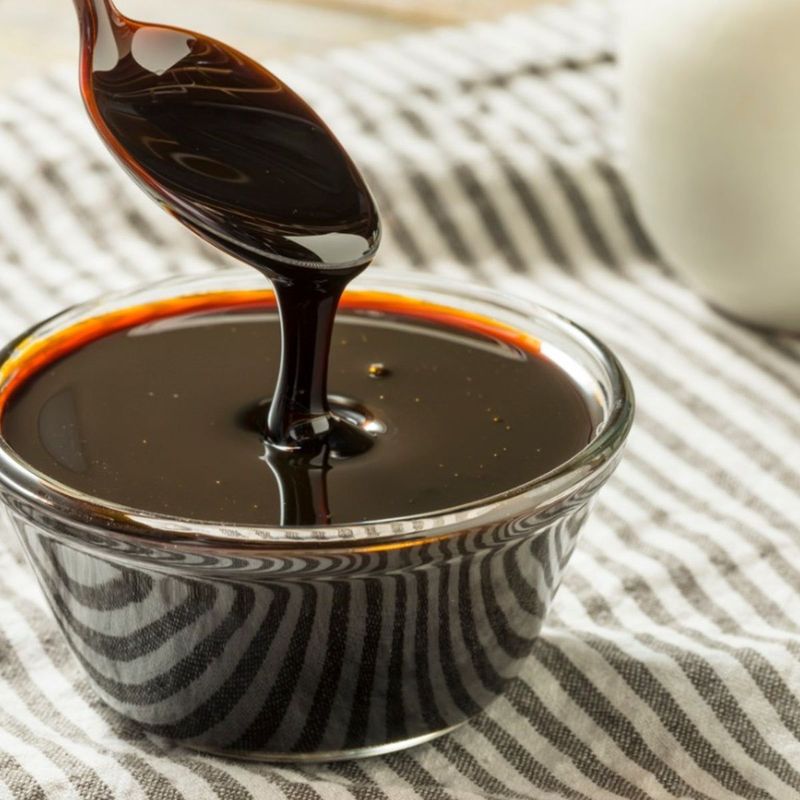
Sweet and sticky, molasses feeds the tiny life forms living in your soil rather than the plant directly. It offers sugars and trace minerals that nourish beneficial soil organisms, and a thriving underground community means healthier tomatoes above ground.
Mixing it up is easy. Stir one tablespoon of molasses into two cups of hot water until it fully dissolves, then pour that into a bucket and top it off with cool water to dilute before watering your plants.
What makes molasses stand out is its focus on soil biology, the invisible helpers that so many fertilizers ignore. Give the microbes a treat, and they return the favor by keeping your root zone lively and productive.
15. Worm Castings
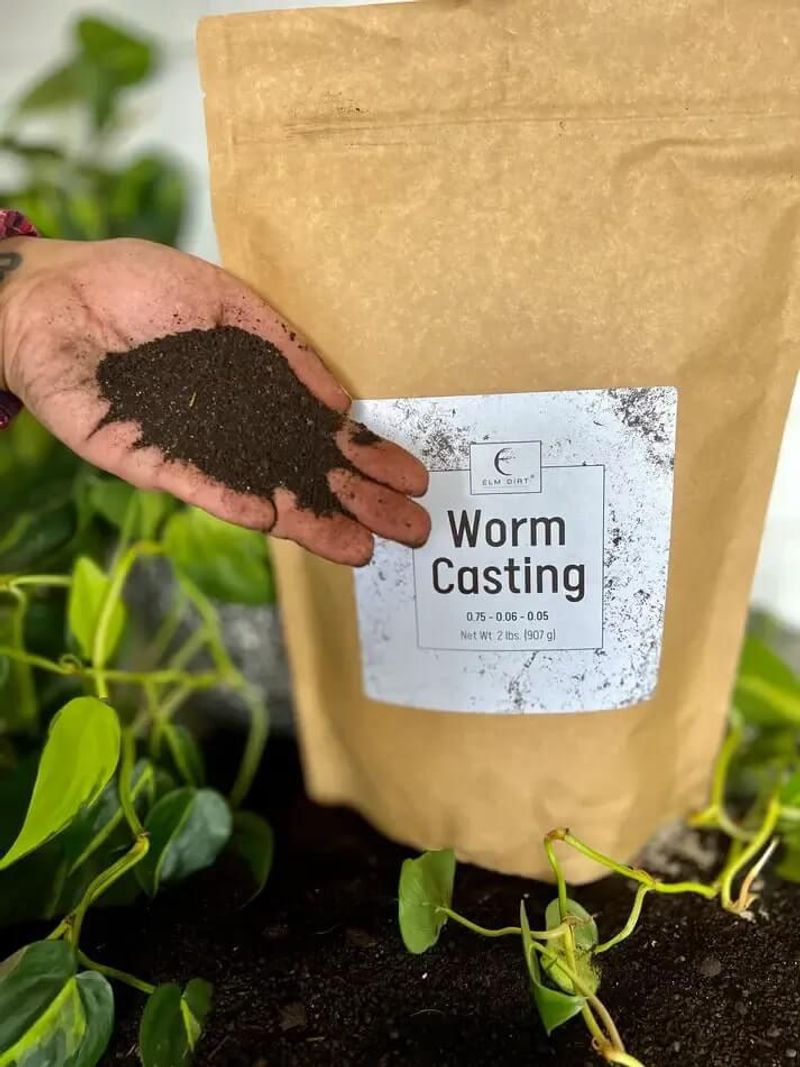
Worm castings, sometimes called vermicompost, are basically the rich leftovers earthworms produce as they process organic matter. Packed with beneficial microbes, they hand your tomatoes a gentle, slow-release supply of nutrients that will not shock tender roots.
Using them is refreshingly low-effort. Blend about two cups into your compost mix, or simply scatter the castings directly around your plants and let nature take over.
The standout quality here is that living microbial punch combined with a mellow, steady feed. If you want something forgiving that improves your soil while nourishing your plants, worm castings are hard to beat.
16. Nettle Tea

Those stinging nettles you usually curse are secretly high in nitrogen, exactly what leafy, hungry tomatoes love. Brewed into a tea, they become a potent homemade feed that costs you nothing but a little patience.
Harvest the leaves, chop them up, and steep them in water for around three weeks to create a concentrated tea. Because it is so strong, dilute the brew well before giving it to your plants so you do not overwhelm them.
A couple of practical notes. Wear thick gardening gloves when handling nettles to avoid the sting, and pair this nitrogen-rich feed with something high in phosphorus so your plants get the signal to flower and fruit, not just grow leaves.
17. Onion Peels
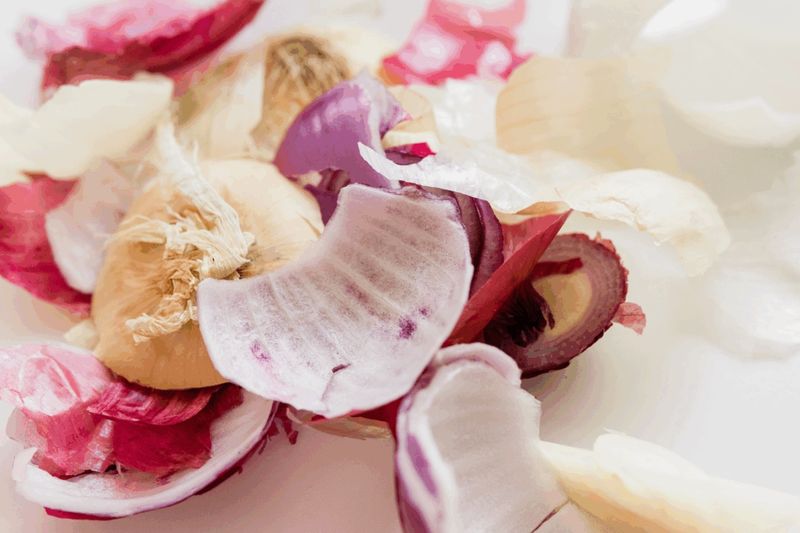
The papery skins you peel off before cooking hold a quiet gift of potassium and calcium for your tomatoes. Rather than sweeping them into the trash, put those dry outer layers to work in your garden.
You have two simple choices. Grind the dry skins and sprinkle the bits straight into the soil, or soak the peels in water for about a week, strain out the solids, and use the leftover liquid as a homemade fertilizer.
Onion peels round out this list as proof that almost any single kitchen scrap can feed your plants. With just one humble ingredient, you close the loop between your cooking and your tomato patch.