
11 Perennials That Turn Your Backyard Into A Stop For Birds, Bees, And Butterflies
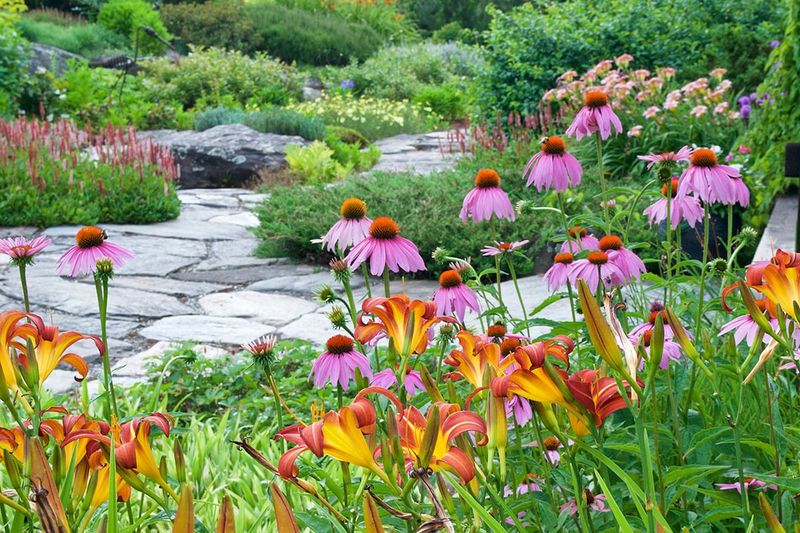
Turning your yard into a busy pit stop for wildlife starts with the right plants. Perennials come back year after year, so you plant once and enjoy the buzz of bees, the flutter of butterflies, and the songs of birds for many seasons. The best part is that these plants do the heavy lifting for you, offering nectar, seeds, and shelter without much fuss. Here are eleven tough, beautiful perennials that will help your backyard become a favorite stop for pollinators and birds across the United States.
1. Purple Coneflower (Echinacea purpurea)
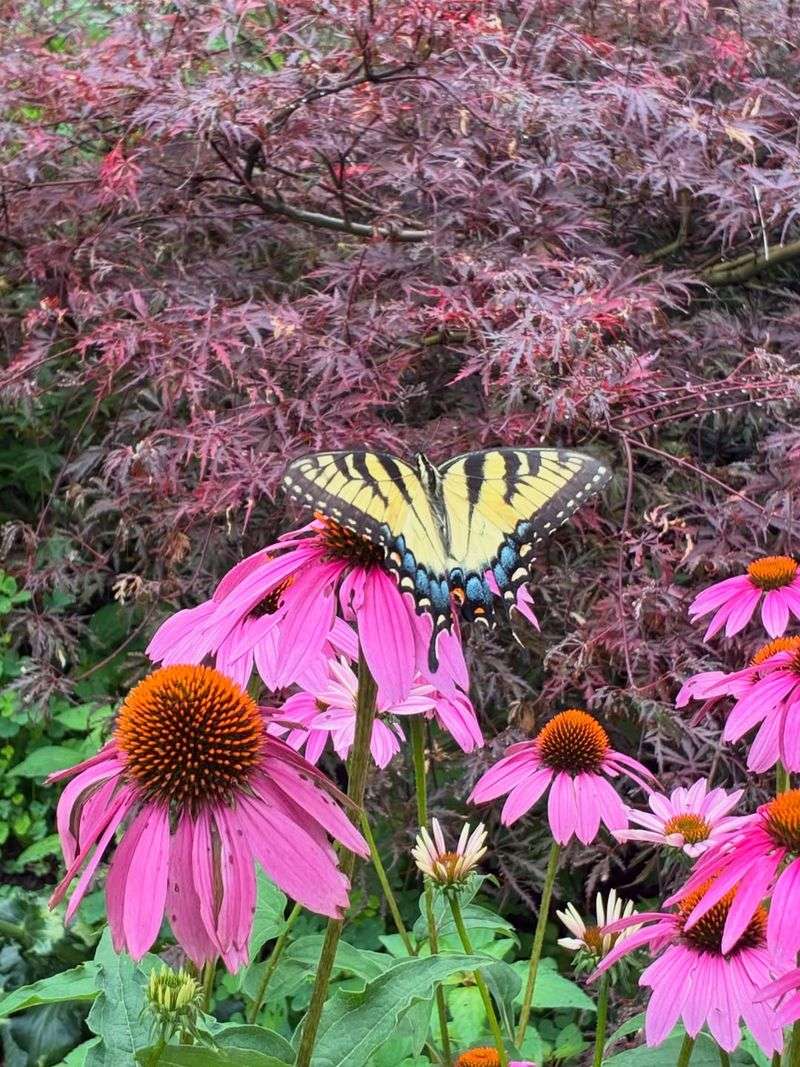
Ask any seasoned gardener for a can’t-miss pollinator plant and coneflower almost always comes up first. Its raised, spiky center acts like a landing pad and snack bar all in one, drawing bees and butterflies from midsummer straight through early fall.
What sets it apart from the rest of this list is the second act. Leave the spent flower heads standing into winter and goldfinches will cling to them, pecking out the seeds when other food gets scarce.
Coneflowers shrug off drought once their roots settle in, which makes them a reliable choice for hot, dry spells in most US zones. Plant them in full sun, give them decent drainage, and they will spread into a cheerful patch over a few years. Fun fact: the name Echinacea comes from a Greek word for hedgehog, a nod to that prickly center.
2. Butterfly Weed (Asclepias tuberosa)
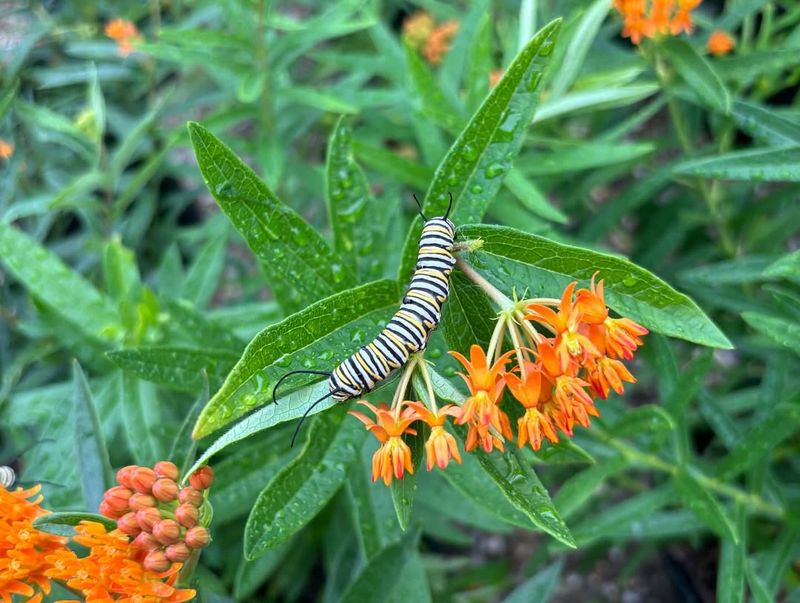
If monarchs had a favorite restaurant, butterfly weed would have a permanent reservation. As a native milkweed, it is the only kind of plant monarch caterpillars can eat, so growing it directly supports the next generation of these famous orange travelers.
The glowing orange blooms are a magnet for adult butterflies and bees too, buzzing over the flat flower clusters all summer long. Unlike some milkweeds, this one stays tidy and clump-forming rather than sprawling everywhere.
It loves lean, sandy soil and full sun, and it genuinely dislikes being fussed over or overwatered. Give it a dry, sunny corner and leave it alone, and you may reduce the chance of root rot that ruins pampered plants. A deep taproot makes it tough once established, though it also means it hates being transplanted, so pick its spot with care.
3. Black-Eyed Susan (Rudbeckia hirta)
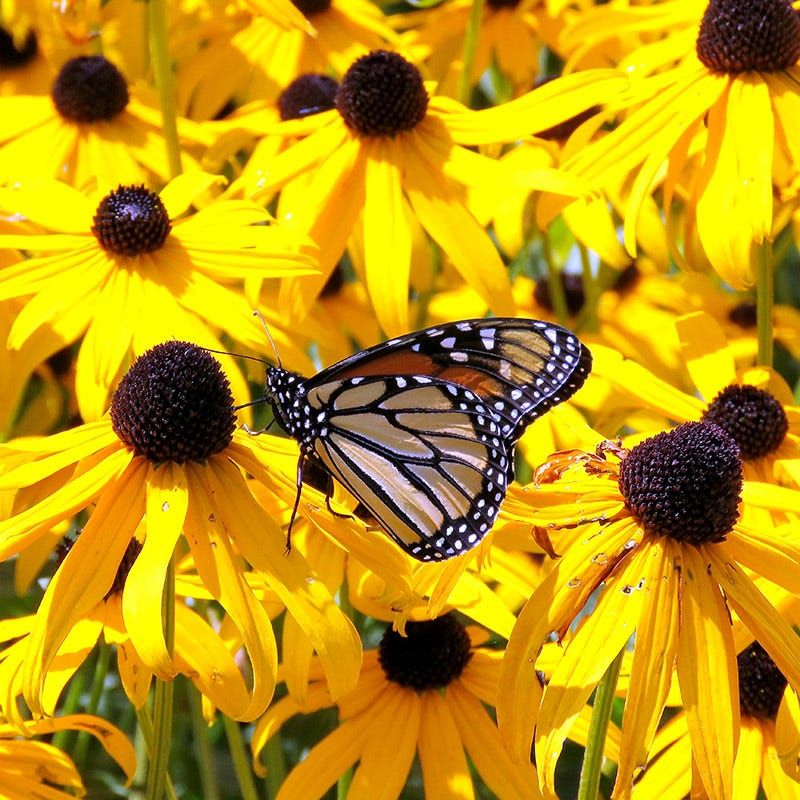
Golden petals wrapped around a chocolate-brown button make this one of the most recognizable faces in any American backyard. Black-eyed Susans bloom generously from summer into fall, filling gaps left by earlier flowers just when pollinators need a steady supply.
Bees and butterflies work the open, daisy-shaped blooms all day, and once the petals drop, the seed heads become a buffet for sparrows and finches. That long stretch of usefulness is exactly why they earn a spot here.
They are wonderfully unfussy, tolerating clay, heat, and neglect better than most. Deadheading keeps new buds coming, but if you stop in late season the birds will thank you. Pair them with coneflowers and grasses for a low-effort meadow look that feeds wildlife for months.
4. Bee Balm (Monarda didyma)
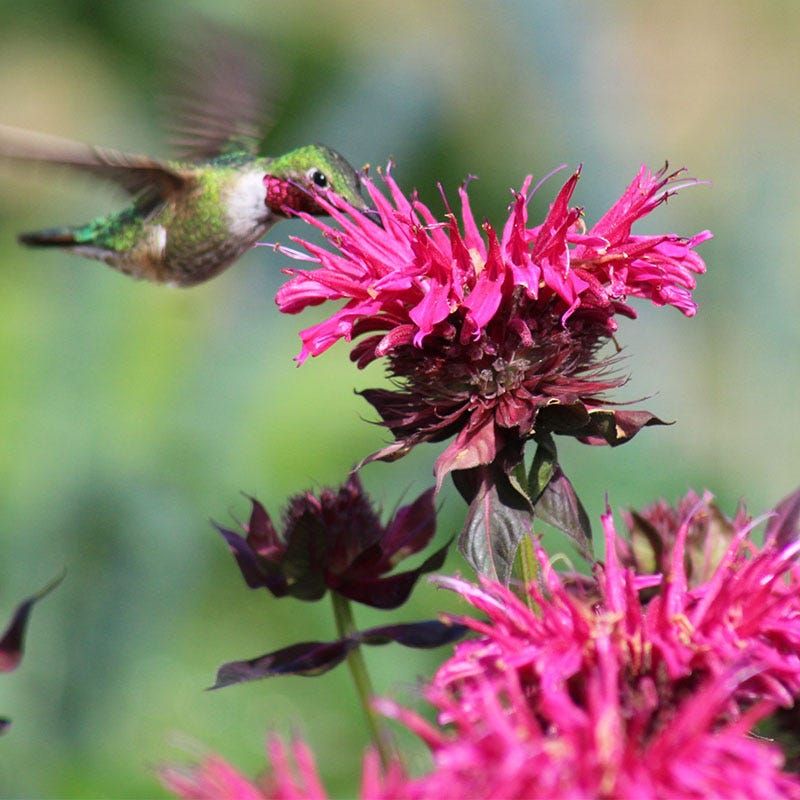
Rub a bee balm leaf between your fingers and you will catch a sharp, minty scent that tells you exactly what family it belongs to. The wild, whiskery blooms look like tiny fireworks and come in reds, pinks, and purples that hummingbirds simply cannot resist.
Tube-shaped flowers are built for long tongues and beaks, so alongside the bees you will spot hummingbirds and butterflies dipping in for nectar. It brings a vertical splash of color that many flat-topped perennials on this list can’t match.
Give it moist soil and good airflow, since crowded, damp plants can pick up powdery mildew on the leaves. Choosing mildew-resistant varieties and spacing plants apart may reduce that problem. Native to North America, bee balm was once brewed into a soothing tea by Indigenous peoples and early settlers, which is how it earned the nickname Oswego tea.
5. Blazing Star (Liatris spicata)
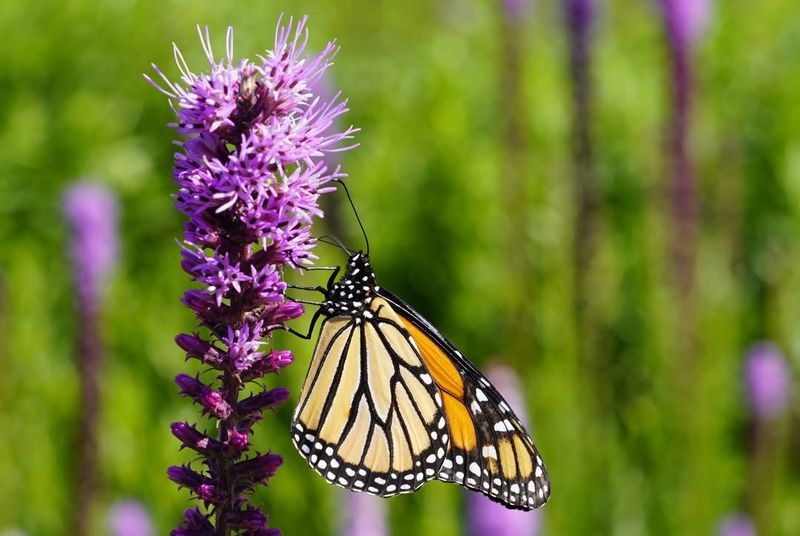
Picture a garden of mostly round, flat flowers, then imagine tall purple wands rising straight up through the middle. That vertical drama is what blazing star brings, and pollinators use those spikes like a ladder, working from top to bottom.
Butterflies especially adore it, and a single flowering stalk can host several at once during peak bloom. Bees crowd the fuzzy purple flowers too, making it one of the busiest plants in a late-summer bed.
Growing from a bulb-like corm, it handles heat and drought with ease and stands strong without staking in most spots. Come winter, songbirds pick the seeds from the dried spikes, so there is no reason to cut it back early. Plant a few clusters together for the biggest impact and the longest line at the nectar counter.
6. Joe-Pye Weed (Eutrochium purpureum)
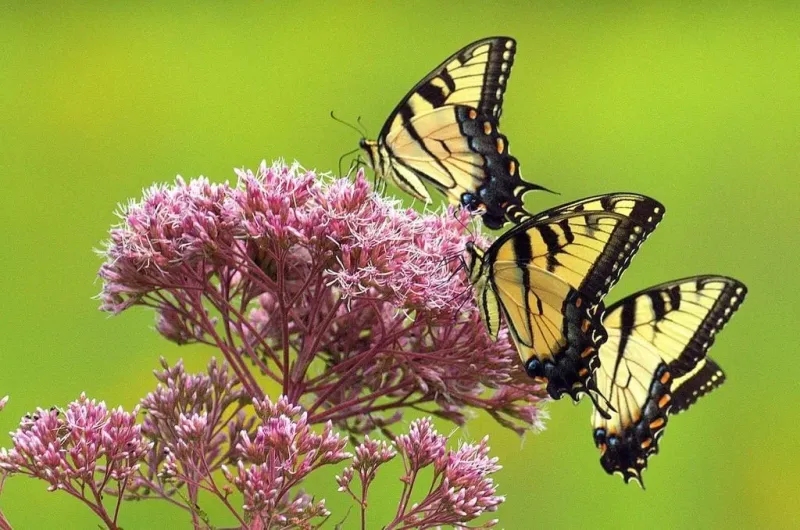
Standing head and shoulders above most border plants, Joe-Pye weed can reach five to seven feet tall, crowned with big domes of dusty-pink flowers. Those enormous flower clusters become crowded landing zones for swallowtails, monarchs, and dozens of bees at a time.
Its towering height is the reason it belongs here, giving you a back-of-the-border anchor that also happens to be a pollinator hotel. Few other perennials feed so many insects from a single plant.
It prefers moist soil and does beautifully near rain gardens, ponds, or low spots where water tends to collect. Late summer is its moment to shine, filling the gap right before fall bloomers take over. Named after a folk healer said to have used it, this native giant proves that bigger really can be better for wildlife.
7. Salvia (Salvia nemorosa)
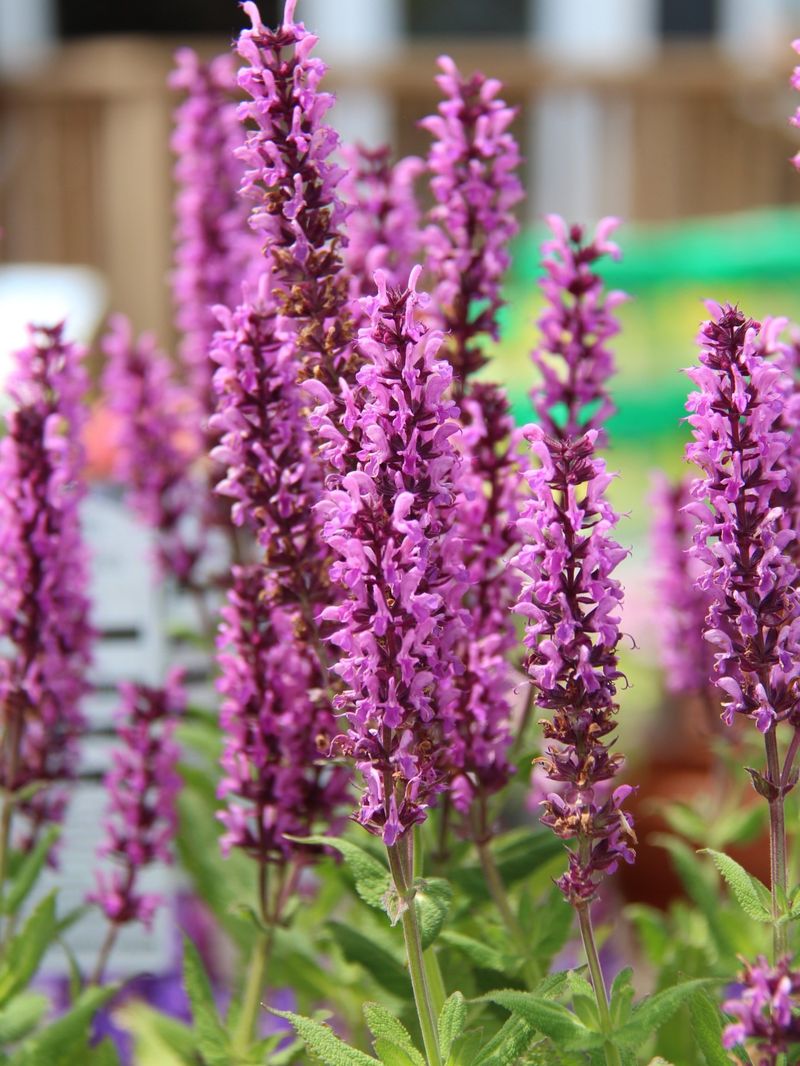
Reliable and endlessly blooming, salvia is the perennial that keeps working when others take a break. Slim spikes of purple, blue, or pink flowers rise above neat foliage, and if you snip off the faded stalks, a fresh flush appears within weeks.
Hummingbirds and bees treat it like an all-you-can-eat station, and its repeat blooming means the buffet rarely closes from late spring through fall. That marathon flowering habit is its ticket onto this list.
It thrives in full sun and average soil, standing up to heat and drought without complaint. Deer and rabbits tend to leave the aromatic leaves alone, which is a quiet bonus for gardeners tired of nibbled plants. Compact and well-behaved, it slots easily into borders, containers, and small city yards alike.
8. Goldenrod (Solidago)
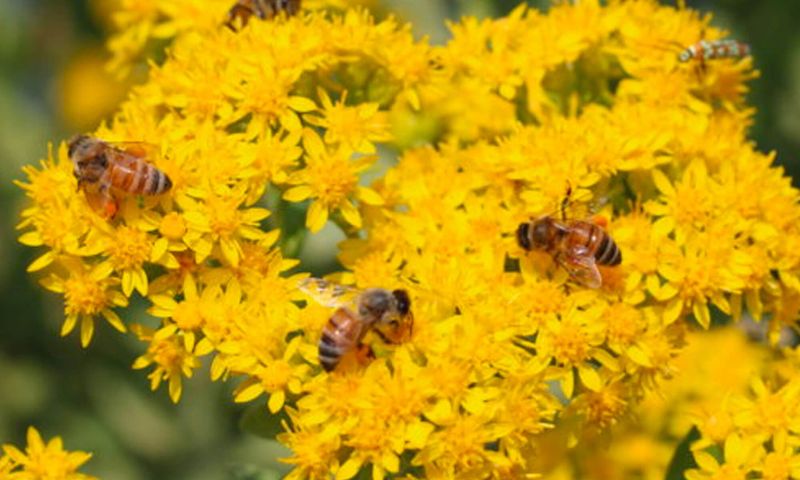
Poor goldenrod gets blamed for fall allergies it never causes, when ragweed is the real culprit blooming at the same time. Set that myth aside and you will discover one of the most valuable late-season food sources a garden can offer.
When almost everything else has faded, its arching sprays of tiny yellow flowers explode with activity. Bees stocking up for winter, migrating butterflies, and countless small pollinators swarm it, making goldenrod a crucial refueling stop when the calendar turns cool.
It grows happily in poor soil and full sun, and modern clump-forming varieties stay put instead of running wild. Later, the seed heads feed finches and sparrows through the colder months. If you want to support wildlife right up to the first frost, few plants pull their weight like this cheerful golden native.
9. Cardinal Flower (Lobelia cardinalis)
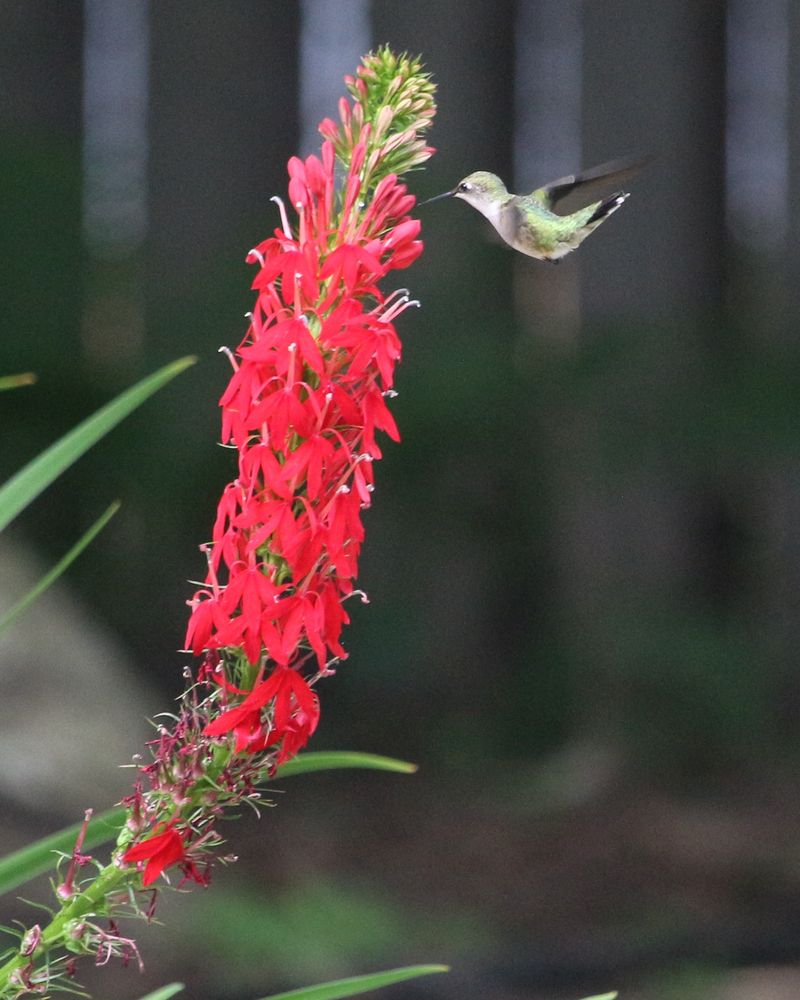
Few flowers stop you in your tracks like the electric scarlet of a cardinal flower. That fiery red is no accident; it is nature’s billboard aimed squarely at hummingbirds, which see red better than most insects do.
The long tubular blooms line up along tall stalks, perfectly shaped for a hummingbird’s slender bill. While butterflies visit too, this plant’s real claim to fame is being an absolute hummingbird magnet in the second half of summer.
Unlike the drought-lovers on this list, it craves consistent moisture and does best in wet soil, along streams, or at the edge of a pond. A little afternoon shade helps in the hottest regions. Give it the damp spot it wants and you will be rewarded with a ruby ribbon of flowers and a steady parade of tiny winged visitors.
10. Aster (Symphyotrichum)
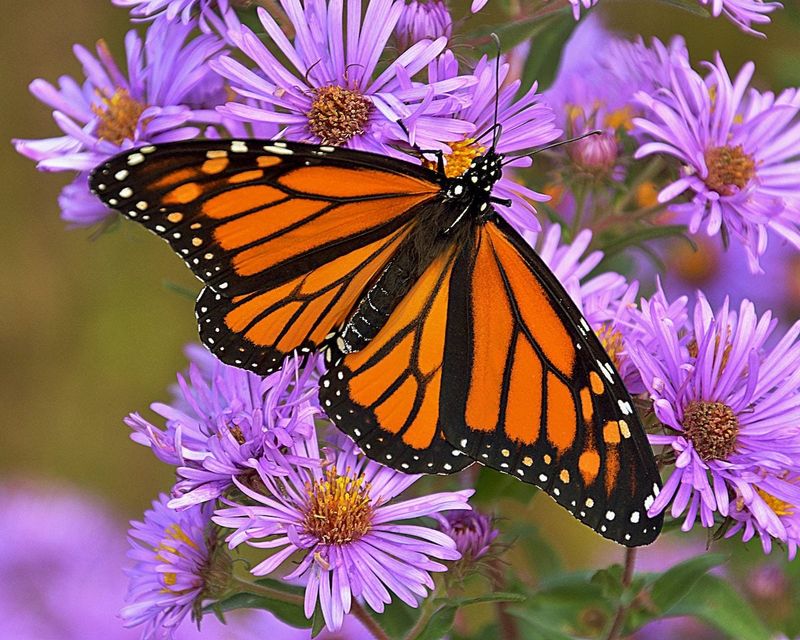
Just when the garden seems ready to call it a season, asters burst open in waves of purple, blue, and pink. Their timing is everything, offering nectar deep into fall when migrating monarchs desperately need fuel for the long journey south.
Star-shaped flowers cover the plants so thickly that a single clump can look dusted with color, and bees pile on to gather the last pollen before winter. That late-blooming generosity is precisely why asters round out a wildlife garden.
They pair naturally with goldenrod, and the purple-and-gold combination is a classic prairie duo that pollinators recognize on sight. Most types handle a range of soils and light conditions, spreading into fuller clumps each year. Leave the stems up over winter and you provide shelter for overwintering insects and seeds for hungry birds.
11. Lavender (Lavandula)
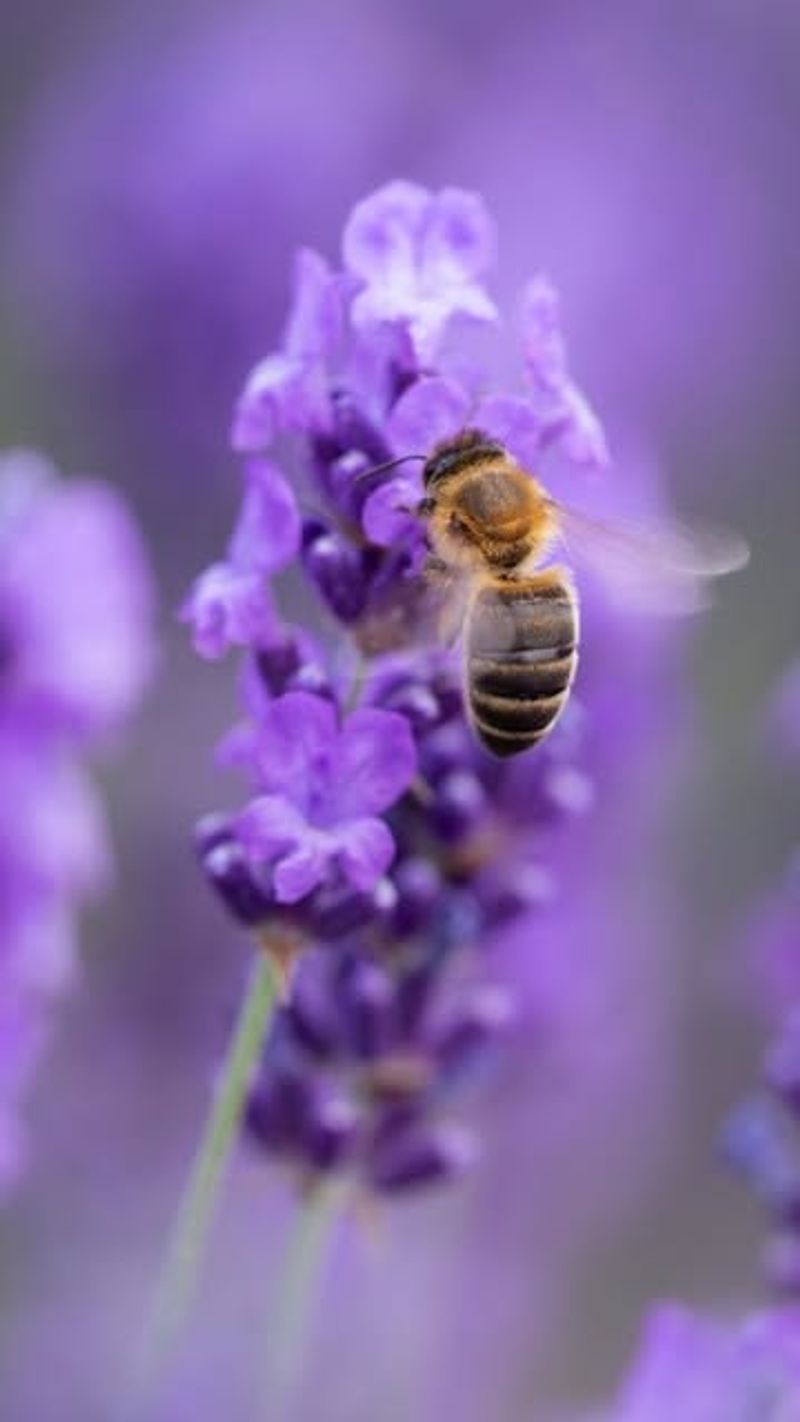
Brush past a lavender plant on a warm afternoon and the air fills with that unmistakable calming scent. Bees adore it just as much as we do, and on a sunny day a patch of lavender practically hums with activity.
Beyond feeding pollinators, its strong fragrance may help mask the smells that draw certain garden pests like mosquitoes and moths, giving it a double duty few plants on this list can claim. Plant it near a patio and you get flowers, wildlife, and a natural aromatic buffer all at once.
Sun and sharp drainage are the keys to success; soggy roots are its biggest enemy, so raised beds and gravelly soil suit it well. Once the blooms fade, trim the plant lightly to keep it bushy for next year. Compact, silvery, and endlessly useful, lavender is proof that a wildlife garden can smell as good as it looks.