
If mosquitoes take over your patio at dusk, these fragrant plants make it their least favorite spot

Nothing ruins a peaceful evening outside faster than a swarm of hungry mosquitoes showing up right at sunset. The good news is that certain plants give off scents that bugs can’t stand, and you can grow them right on your patio. These aren’t just pretty greenery either, they pull double duty by smelling wonderful to you while pushing mosquitoes to look for somewhere else to hang out. Here are seven fragrant plants that may help turn your patio into the one place mosquitoes want to avoid.
1. Citronella Grass
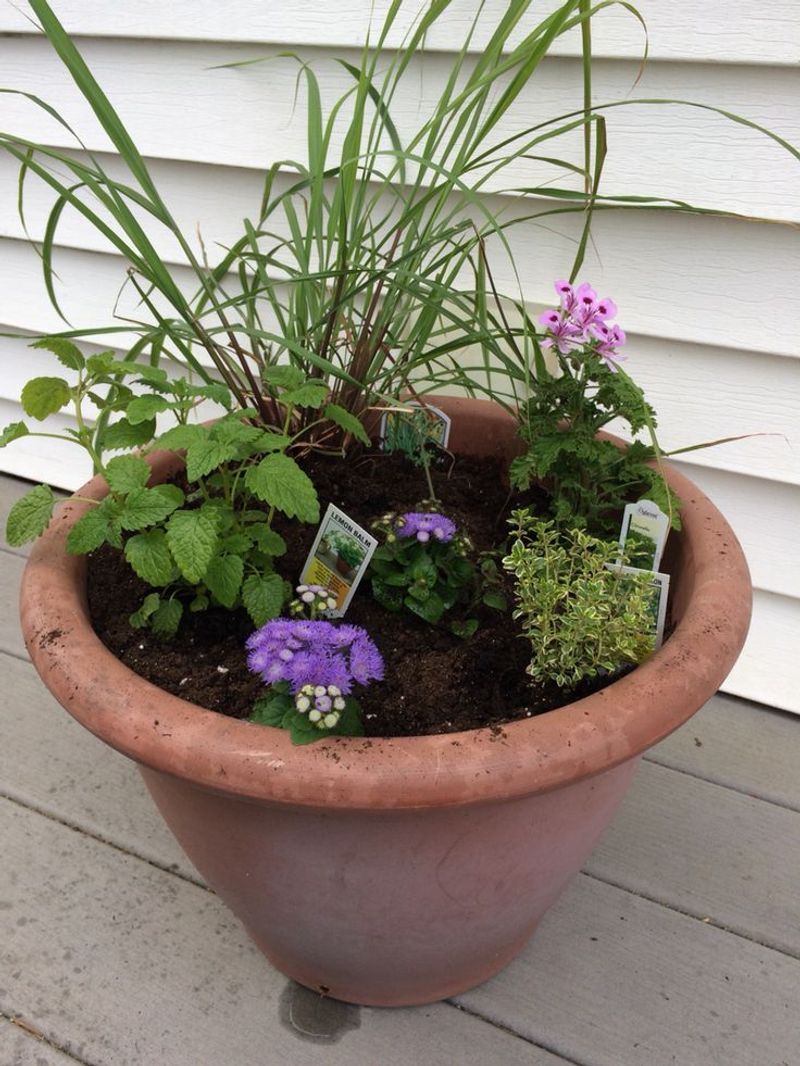
Ask almost anyone which plant fights mosquitoes and the first answer you will hear is citronella. There is a good reason for that reputation, since the oil pressed from this tall tropical grass is the same stuff packed into those familiar backyard candles and torches.
Growing the actual plant, sometimes sold as Cymbopogon nardus, gives you a living version of that scent instead of a burning wick. The lemony aroma is strongest when a leaf gets brushed or crushed, so tucking a pot near a walkway or the edge of a bench where people pass by helps release it into the air.
In most US backyards it grows best in a large container that you can bring indoors before the first frost, since it dislikes cold weather. Give it full sun, roomy soil, and regular water, and it can shoot up several feet tall in a single warm season. It will not build an invisible force field around your whole yard, but placed close to where you sit, the fragrance may help nudge mosquitoes toward calmer, less scented corners.
2. Lavender

Few plants earn their spot on a patio as easily as lavender, which manages to look beautiful, attract pollinators, and bother mosquitoes all at the same time. Those silvery leaves and purple flower spikes carry an oil that people find soothing but many biting insects seem to dislike.
Once established, lavender is famously tough. It shrugs off dry spells, loves baking in full sun, and actually resents soggy roots, which makes it a low-fuss choice for hot summer months across much of the country.
Set a few pots along the sunny side of your seating area and rub a sprig between your fingers now and then to wake up the scent. You can even snip stems, tie them into small bundles, and hang them near the door. Fun bit of history: Roman soldiers were said to toss lavender into their bathwater, and the plant’s very name traces back to the Latin word for washing. Centuries later it is still pulling double duty, this time keeping your evening air smelling clean while it quietly works against the bugs.
3. Lemongrass
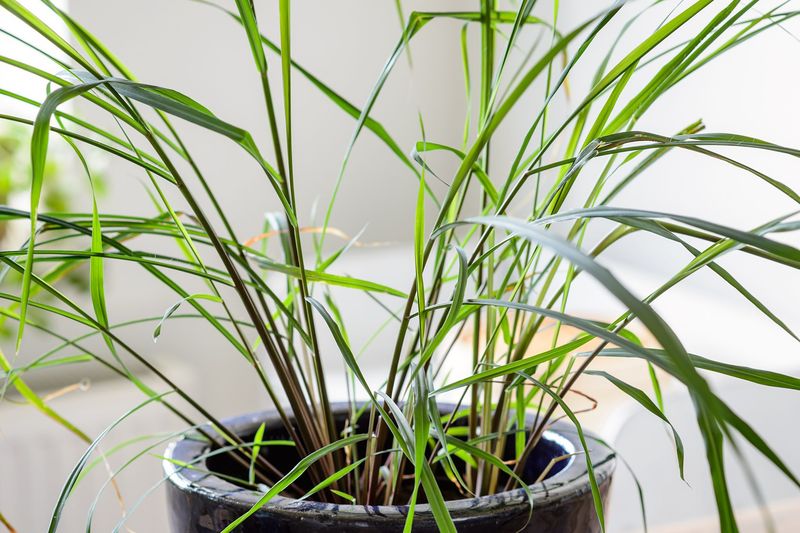
Cousin to citronella and just as punchy, lemongrass brings a bright citrus kick that does more than season your soup. The same natural citronella oils that flavor Southeast Asian cooking also happen to be a scent mosquitoes would rather steer clear of.
Home gardeners love it because it earns its keep twice. You get a fragrant hedge of arching green blades for the patio, plus fresh stalks you can harvest for tea, stir-fries, and marinades.
Warm weather is its happy place, so plant it in a big pot with rich soil and full sun, then water it steadily through the heat. It grows fast and clumps up quickly, giving you a lush screen by mid-summer. When frost threatens, move the container to a bright spot indoors and it will ride out the winter. Crush or bruise a few blades before company arrives so the lemony oils float into the air right when the dusk mosquitoes usually clock in.
4. Basil
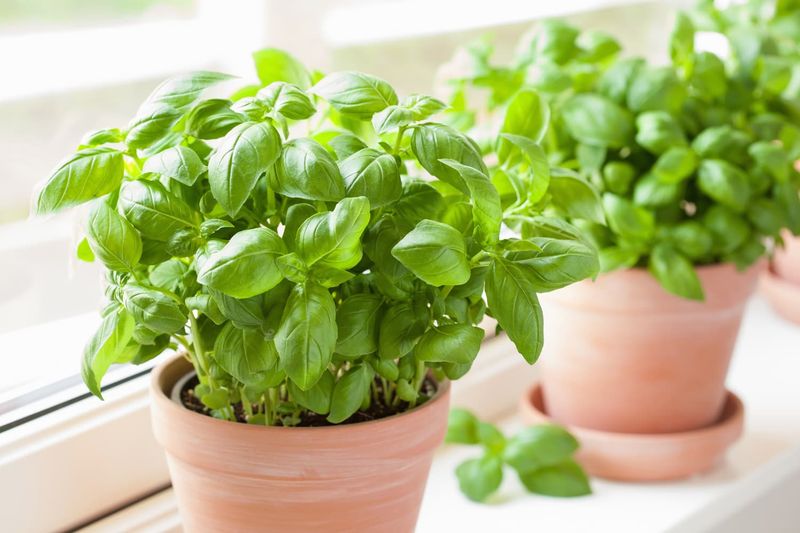
Here is a plant you probably already grow for dinner that pulls a second shift as a bug deterrent. Basil releases its aroma without any crushing or bruising, which sets it apart from a lot of other herbs on this list.
That means a healthy pot sitting on the patio table quietly puts scent into the air all on its own. Mosquitoes and even some flies tend to keep their distance from the strong, spicy-sweet smell that we happen to find delicious.
Lemon basil and cinnamon basil carry especially bold fragrances, so they are worth seeking out if repelling bugs is your goal. Keep the plant in full sun, pinch off flower buds to keep the leaves coming, and water when the top of the soil feels dry.
The real bonus is convenience. You get a mosquito-discouraging centerpiece within arm’s reach of the grill, and dinner-fresh leaves whenever you want to toss a few onto a plate.
5. Marigolds
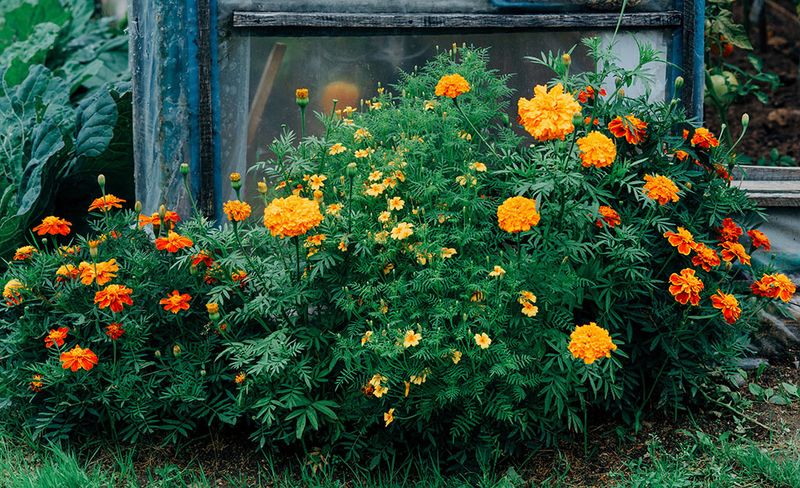
Bright, cheerful, and almost impossible to kill, marigolds add a pop of orange and gold while doing sneaky work against pests. They contain a natural compound called pyrethrum, an ingredient you will actually find listed in plenty of commercial insect sprays.
The catch is the smell. Not everyone loves the sharp, slightly musky scent these flowers give off, but that is exactly what makes mosquitoes and other garden nuisances want to move along.
Because they are so forgiving, marigolds are a great pick for anyone who kills every houseplant they touch. Plant them in pots or tuck them into the edges of raised beds, give them sun, and deadhead the spent blooms to keep new ones coming all season.
Gardeners often ring their vegetable beds with marigolds to shield tomatoes and beans from aphids and beetles, so lining your patio containers with them does the same protective favor for your evening lounging spot.
6. Rosemary
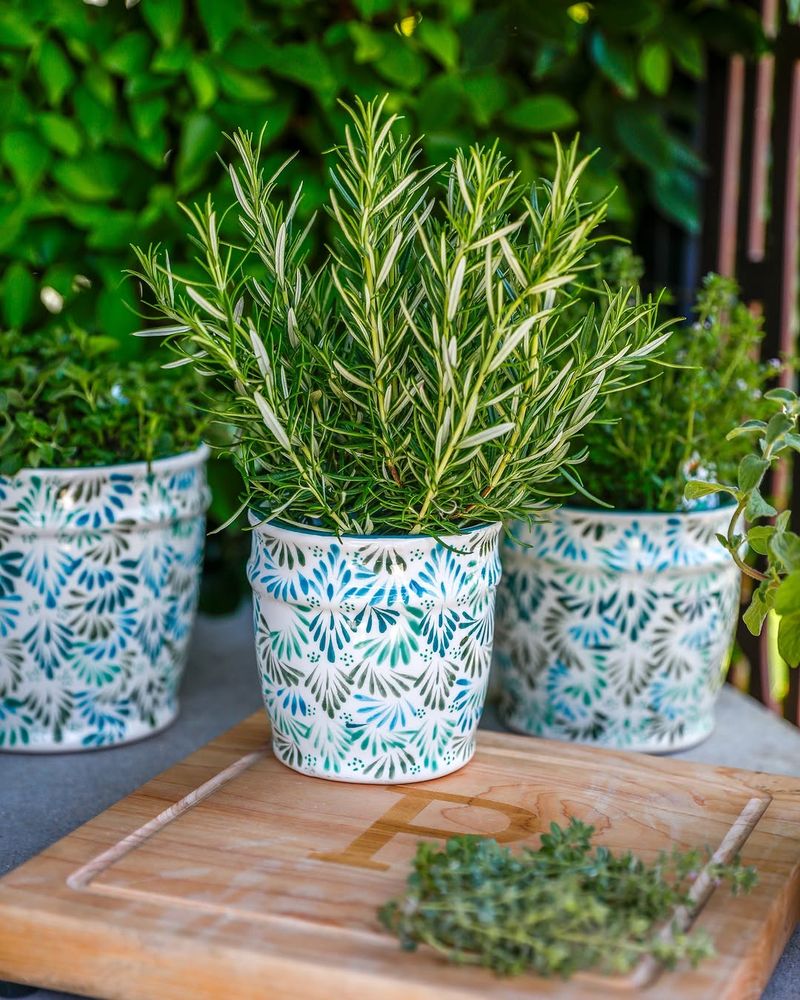
Tough as an old boot and smelling like a Sunday roast, rosemary is a Mediterranean shrub that laughs at heat and drought. Its woody, pine-like fragrance is pleasant to us and genuinely off-putting to mosquitoes hunting for a landing spot.
What makes rosemary especially handy is how well it takes to being tossed onto the grill. Drop a sprig or two on the hot coals and the smoke that curls up carries a scent that biting insects avoid, so you get flavor and protection in one move.
Grow it in a well-draining pot in full sun and resist the urge to overwater, since soggy roots are about the only thing that will do it in. In milder US regions it can stay outside year-round, while colder-zone gardeners can bring it indoors to a sunny window.
Trim it into a tidy little topiary or let it sprawl, either way you get a fragrant, drought-friendly guard for the edge of your seating area.
7. Catnip
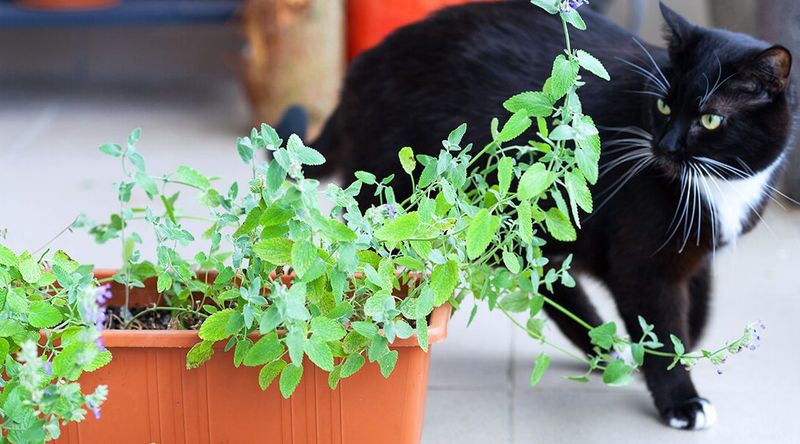
Save the biggest surprise for last, because studies have suggested the oil in catnip can be dramatically more effective at repelling mosquitoes than many people expect from a plant your cat rolls around in. Researchers have pointed to a compound called nepetalactone as the reason bugs give it such a wide berth.
Part of the mint family, catnip is a vigorous grower that will happily spread if you let it, so keeping it in a container is the smart move for a patio. It asks for very little, tolerating so-so soil and only needing water when things get dry.
One friendly warning: the same scent that sends mosquitoes packing may bring every neighborhood cat to your yard for a nap. If that sounds charming rather than annoying, plant a pot near your feet and enjoy the double show of fewer bugs and the occasional visiting feline.
Pinch a leaf between your fingers to release the aroma when you settle in for the evening, and let this humble mint quietly outperform its fancier neighbors.