
12 Backyard Plants Butterflies Flock To (And 5 Popular Picks They Completely Ignore)
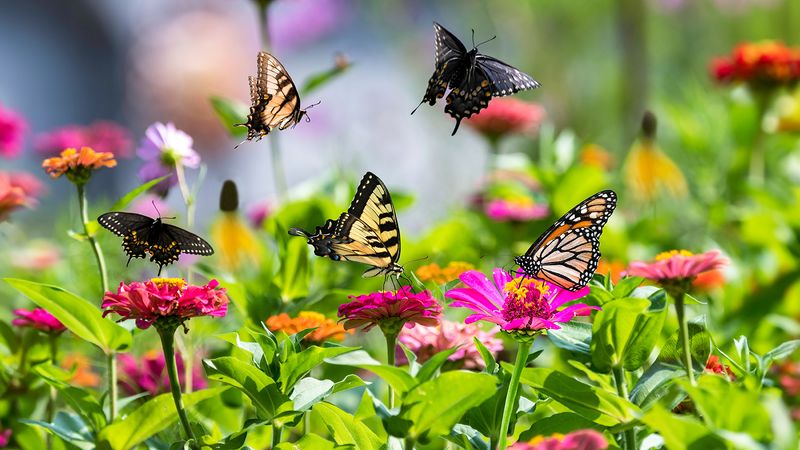
Watching butterflies drift through your yard feels like a little bit of magic, but they are pickier than most gardeners realize. Some plants act like a butterfly buffet, drawing in wings of every color, while others sit untouched all season long. Knowing which flowers actually pull them in can turn a plain patch of dirt into a living, fluttering show. Here are twelve plants butterflies genuinely love, plus five popular picks they tend to skip right past.
1. Milkweed
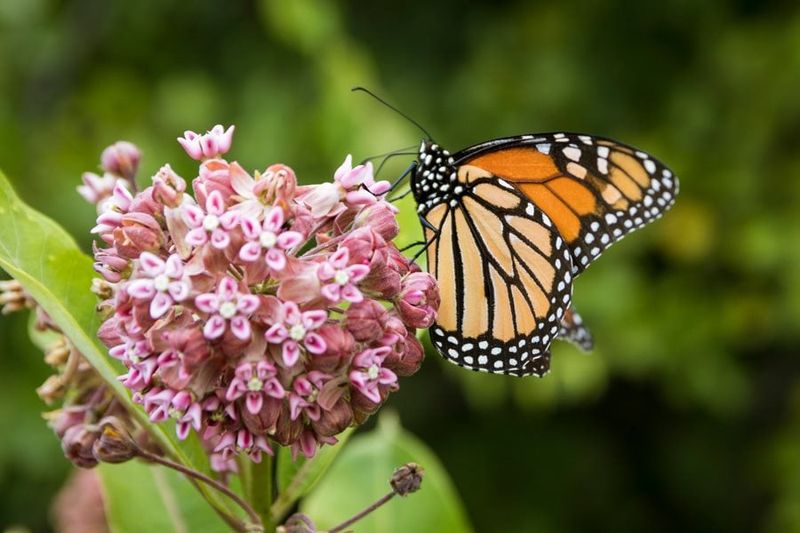
Ask any butterfly gardener what to plant first and milkweed almost always wins the vote. Monarch caterpillars can only eat milkweed leaves, which makes it the single most important plant if you want to see those famous orange-and-black wings return year after year.
Beyond feeding hungry caterpillars, the clustered pink and orange blooms offer nectar to a wide crowd of adult butterflies. Varieties like common milkweed, swamp milkweed, and butterfly weed each suit different corners of a US backyard, from soggy low spots to dry sunny beds.
Fun fact: monarchs actually store the mild toxins from milkweed in their bodies, which makes them taste terrible to birds. Plant a few clumps in full sun and you may become a stop on the monarch migration map.
2. Coneflower (Echinacea)
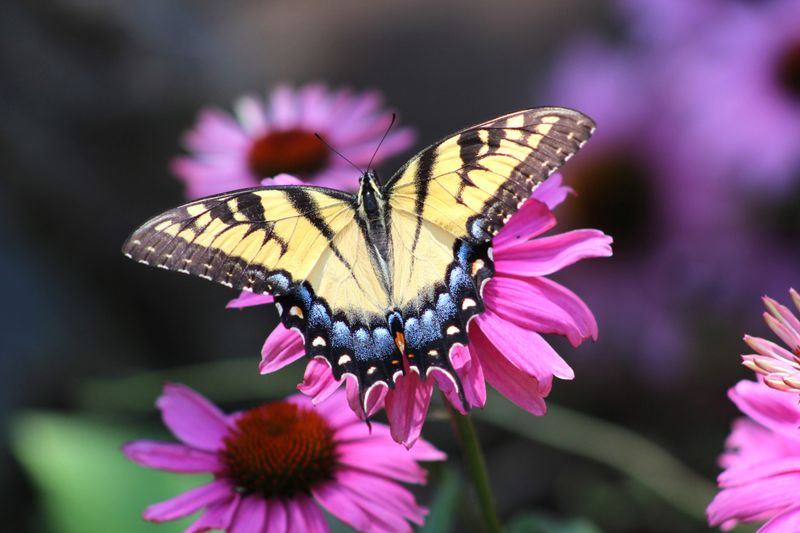
With their raised, spiky centers and wide daisy-like petals, coneflowers practically hand butterflies a landing pad. The sturdy purple, pink, and orange blooms give delicate wings a stable spot to perch while sipping nectar.
Tough as nails, these prairie natives shrug off summer heat and drought across most US zones, blooming from midsummer well into fall. That long flowering window keeps food on the table when many spring flowers have already faded.
Leave the spent seed heads standing through winter and you get a bonus crowd of goldfinches snacking on the seeds. It is one of the rare plants that works double duty for both butterflies and songbirds.
3. Butterfly Bush
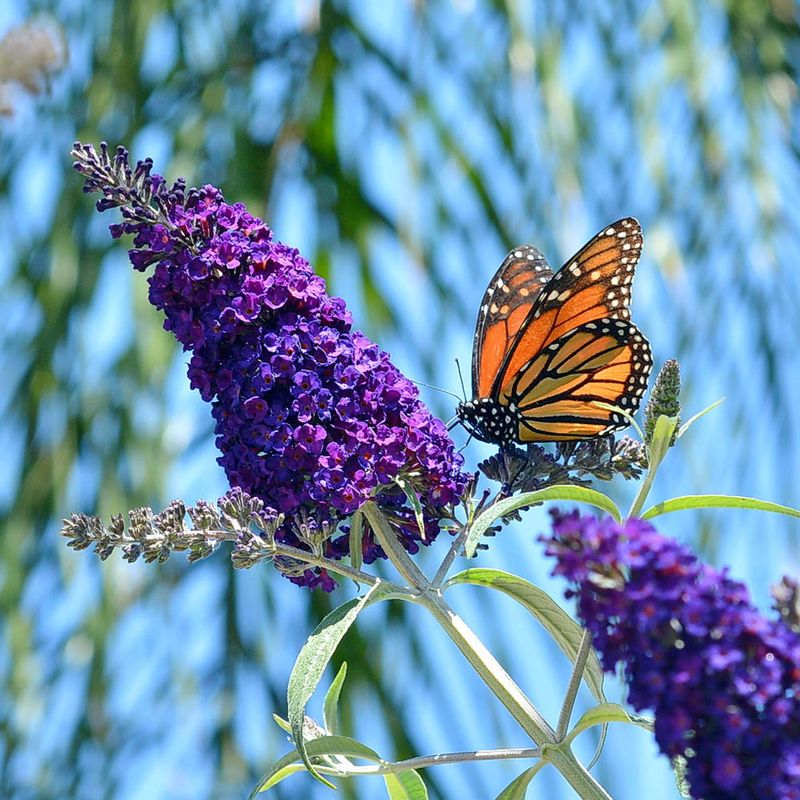
The name says it all, but this shrub earns it. Long cone-shaped flower spikes in purple, pink, and white release a honey-sweet scent that pulls butterflies from surprising distances.
A single mature butterfly bush can host a dozen visitors at once on a warm afternoon, turning it into the busiest corner of the yard. It blooms hard from summer through fall, especially if you snip off faded flowers to trigger fresh ones.
One honest note for US gardeners: butterfly bush can spread aggressively and is considered invasive in some states. Look for sterile or seedless varieties so you get all the wing traffic without letting it take over the neighborhood.
4. Zinnia
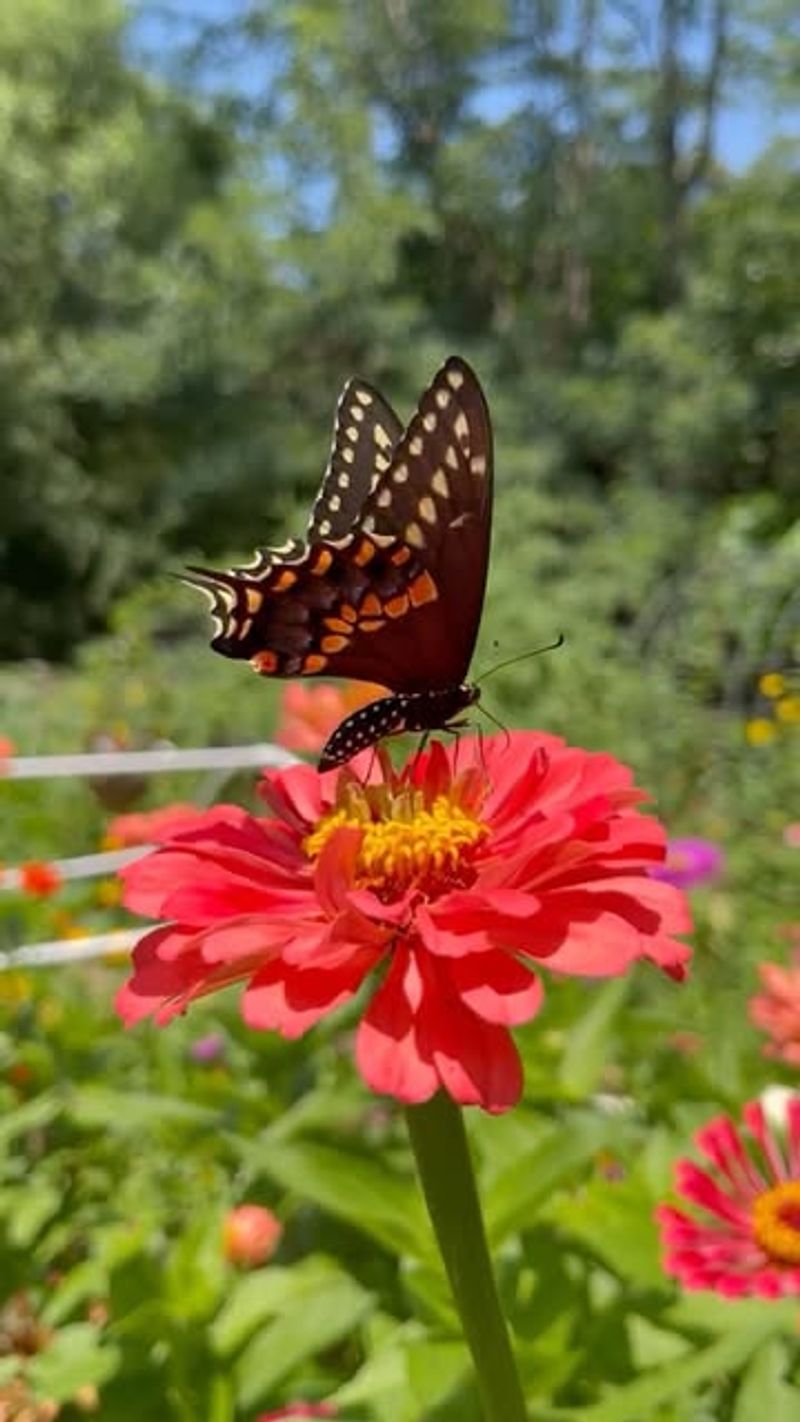
Cheap seeds, fast growth, and nonstop color make zinnias the friendliest starter flower for anyone chasing butterflies. Scatter a packet in spring and by midsummer you have a jam-packed patch buzzing with activity.
Butterflies favor the single-petal and open-centered types because the flat blooms make nectar easy to reach. Tall varieties in red, orange, and hot pink seem to earn the most visits in US backyard trials.
Keep cutting or deadheading and zinnias just keep pumping out flowers until frost. For families with kids, few plants deliver such a reliable, colorful butterfly show for so little effort or money.
5. Lantana
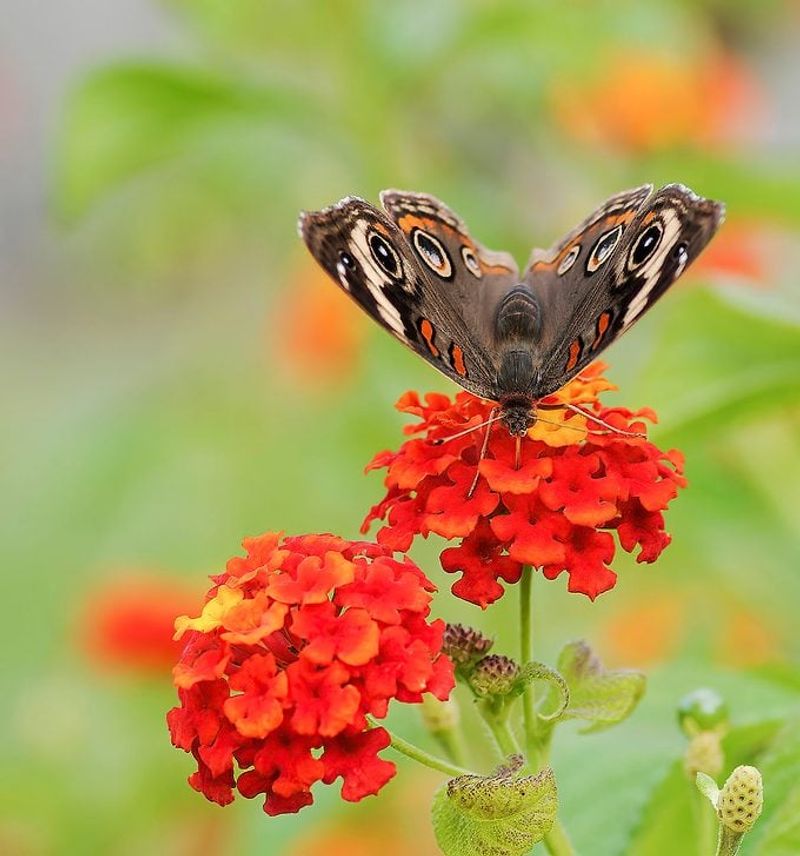
Clusters of tiny flowers that shift from yellow to orange to pink on the same head give lantana a candy-like look butterflies cannot resist. Each little bloom is a mini nectar cup, so one plant offers dozens of feeding stations at once.
Heat and dry soil barely faze it, which makes lantana a champion in hot southern US yards and containers on baking patios. It blooms from late spring straight through fall without much fuss.
Swallowtails, skippers, and sulphurs all seem to line up for it. Just keep in mind lantana berries are toxic if eaten, so place it away from curious pets and toddlers.
6. Black-Eyed Susan
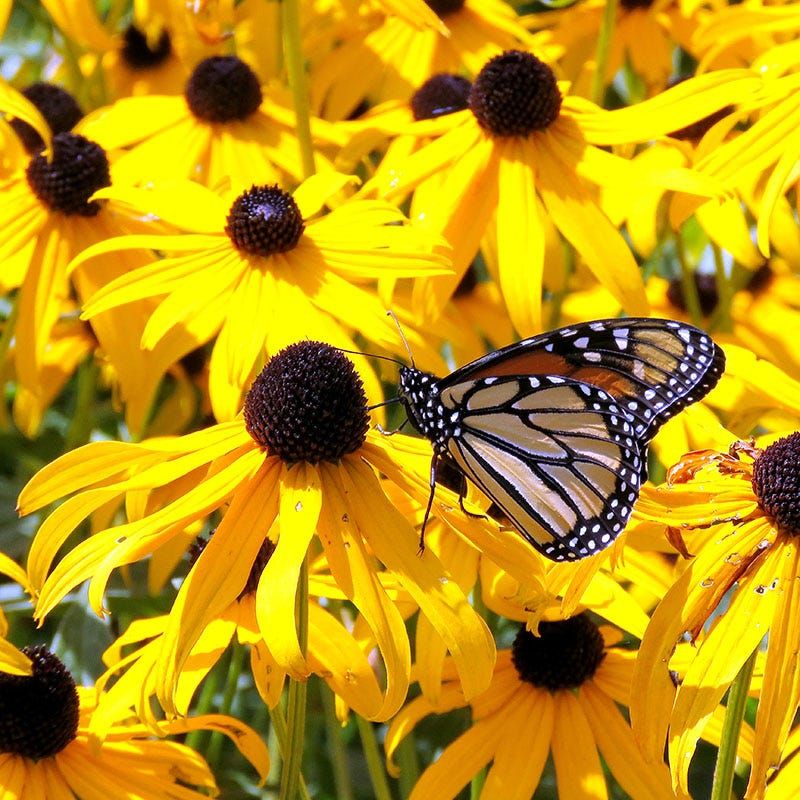
Golden petals wrapped around a dark chocolate center give black-eyed Susans a cheerful, sunflower cousin look that lights up any bed. They spread easily and bloom for weeks, giving butterflies a dependable summer target.
Native across much of the US, these wildflowers handle poor soil, heat, and neglect while still drawing steady wing traffic. Their flat, open faces make perfect perches for feeding.
Plant them in drifts rather than singles and the mass of gold becomes a beacon butterflies spot from across the yard. Come autumn, leave the seed heads for finches to enjoy.
7. Joe-Pye Weed
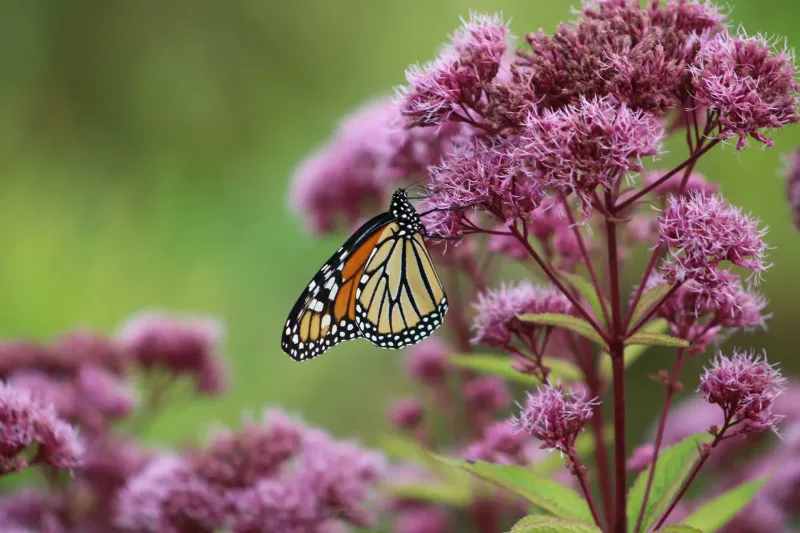
Standing head and shoulders above most perennials, Joe-Pye weed can top six feet and crowns itself with dusty pink flower domes in late summer. That timing matters, because it feeds butterflies when many other plants are winding down.
The huge flower heads act like landing platforms crowded with tiny nectar-rich florets. On a warm August day, a single stand can flutter with swallowtails and fritillaries all at once.
It loves moist soil, so tuck it into a low, damp corner where fussier plants sulk. As a bonus, its towering height adds a dramatic back-of-the-border backdrop for the whole butterfly garden.
8. Verbena
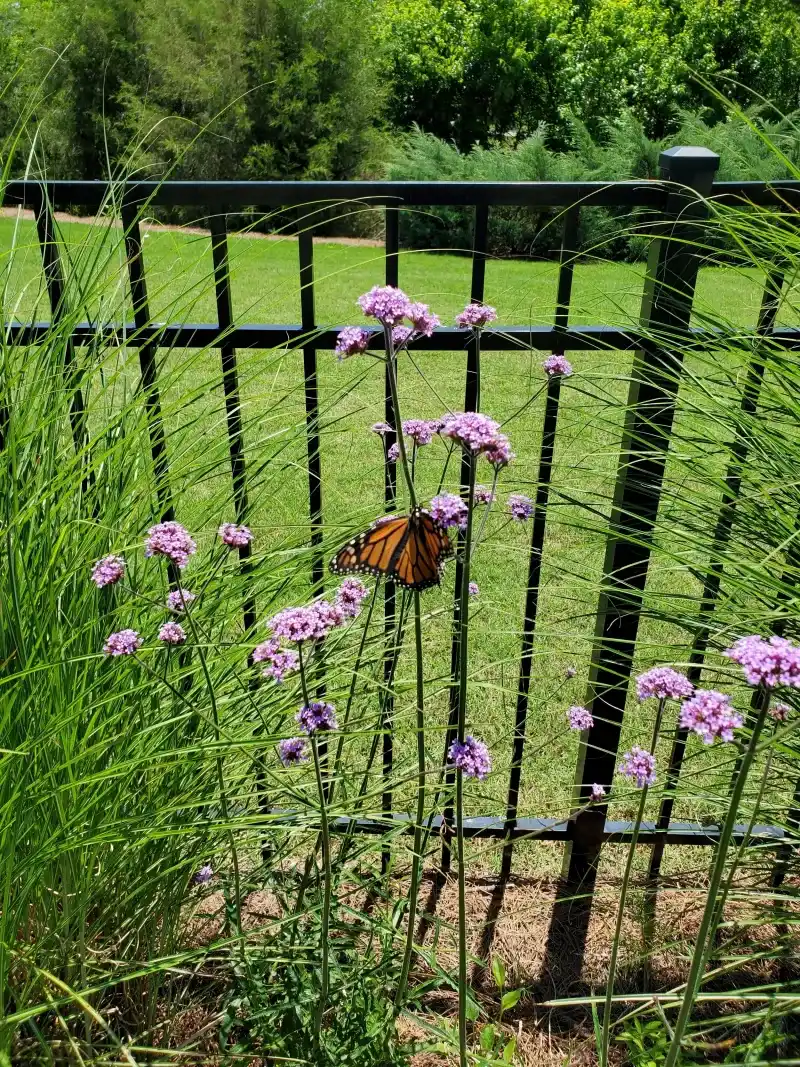
Delicate flat-topped clusters on airy stems give verbena a lacy, floating quality that butterflies adore. The tall variety, sometimes called Verbena bonariensis, waves in the breeze and becomes a see-through purple haze in the garden.
Because the blooms sit high on slender stalks, butterflies can feed without competing for space, and you get a clear view of every visitor. It flowers tirelessly from early summer until frost knocks it back.
Drought-tolerant and low-maintenance, verbena reseeds itself gently, popping up in new spots each year. Pair it with coneflowers for a layered look that keeps wings coming all season.
9. Aster
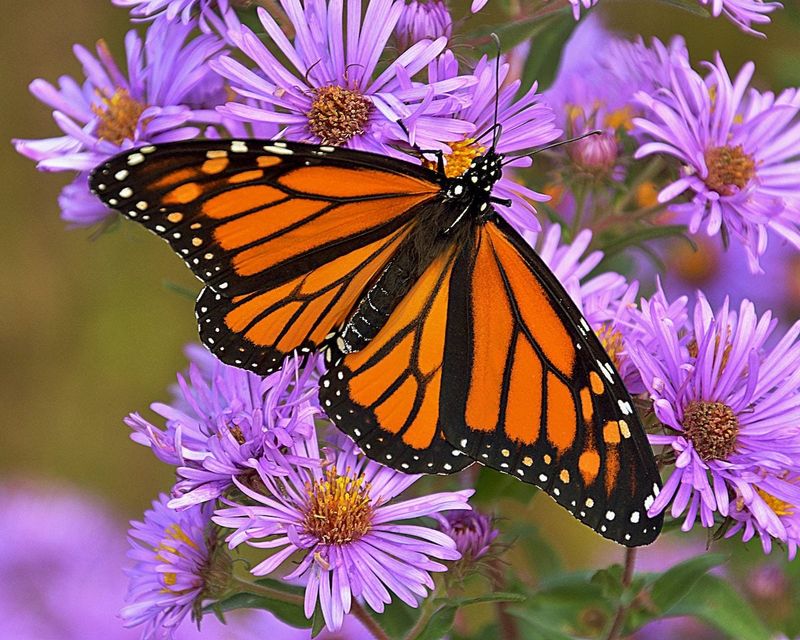
When most flowers have called it quits for the year, asters step up with a burst of purple, blue, and pink starry blooms. That late-season timing makes them a lifeline for butterflies fueling up before fall migration.
Migrating monarchs in particular lean hard on aster nectar during their long trip south. A patch of asters near the end of summer can become a genuine pit stop for traveling wings.
They pair beautifully with goldenrod, and the purple-and-gold combo is a classic fall meadow look. Cut them back in early summer for bushier plants loaded with even more flowers later.
10. Phlox
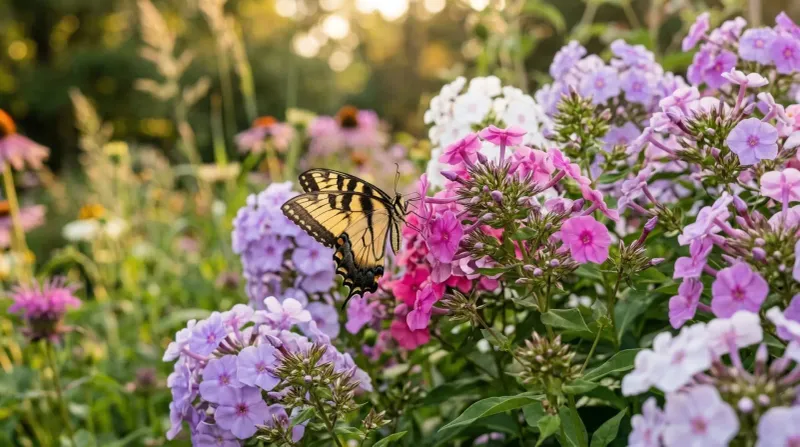
Sweetly fragrant and packed into rounded clusters, garden phlox perfumes the whole yard on warm evenings and reels in butterflies by the dozen. The narrow flower tubes suit long-tongued visitors like swallowtails perfectly.
Tall garden phlox blooms in mid to late summer in shades of pink, lavender, and white, filling the gap between early and fall flowers. Give it good air flow to keep the leaves free of powdery mildew.
There is an old-fashioned charm to phlox that feels right at home in a US cottage garden. Plant it near a patio and enjoy both the scent and the parade of wings up close.
11. Pentas
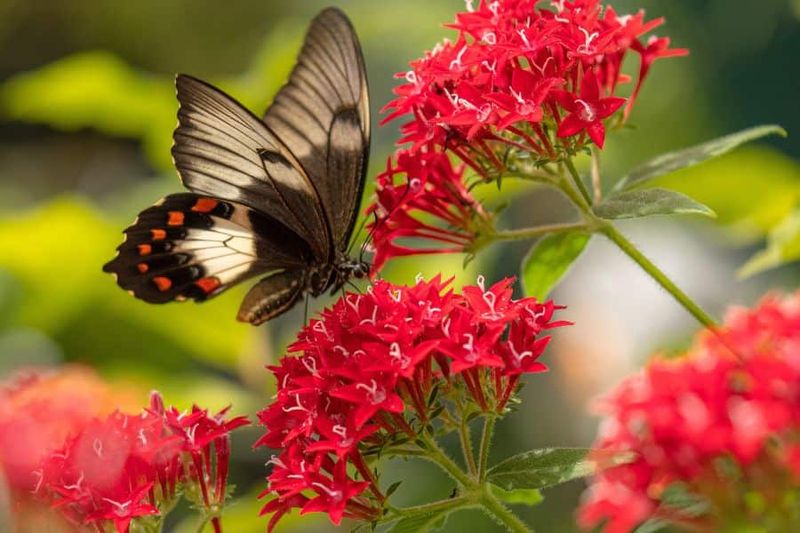
Star-shaped flowers packed into bright domed clusters give pentas a tropical flair that butterflies treat like a magnet. Each cluster holds dozens of nectar-loaded stars in red, pink, purple, or white.
Heat is no problem here, so pentas thrive in southern US gardens and containers through the sweltering months when other flowers fade. They bloom relentlessly from spring until the first cold snap.
Gardeners in butterfly-heavy regions like Florida and Texas swear by them for drawing swallowtails and monarchs to small spaces. Drop a few in pots by the door and enjoy the traffic right where you sit.
12. Blazing Star (Liatris)
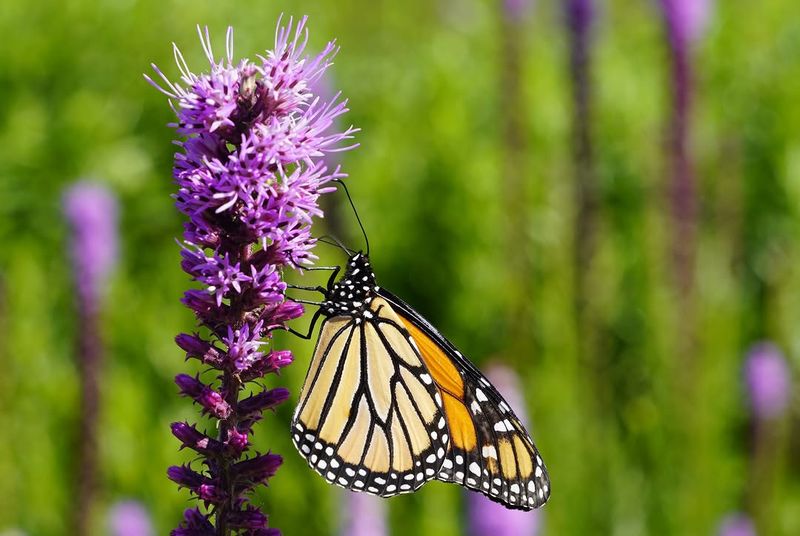
Unlike most flowers that open from the bottom up, blazing star’s fuzzy purple spikes bloom from the top down, creating a bold vertical exclamation point in the garden. Butterflies cling to the spikes and work their way along the tiny florets.
Native to US prairies, liatris handles heat, drought, and clay with ease while still putting on a striking summer show. The upright form adds welcome structure among rounder, bushier plants.
Its nectar draws monarchs, swallowtails, and skippers in strong numbers. Plant the corms in fall or spring in a sunny, well-drained spot and let the purple torches do the work.
13. Impatiens
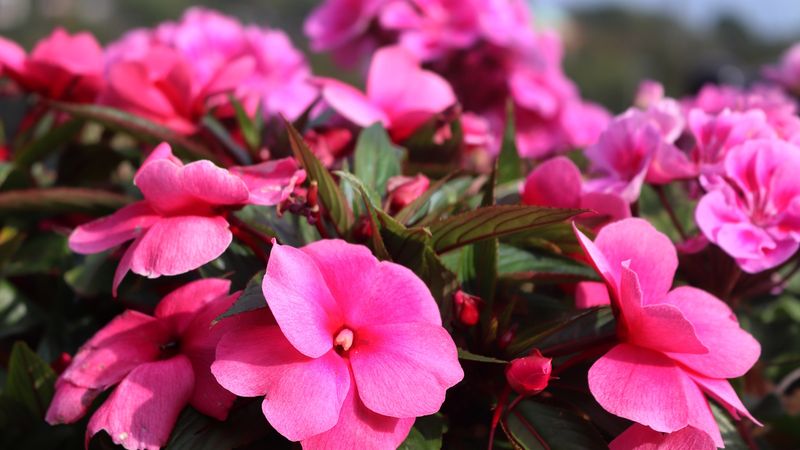
Here is where the disappointment starts. Impatiens fill shady beds with reliable color, which is exactly why so many gardeners plant them, yet butterflies almost never stop by.
Part of the problem is location, since butterflies want sun-drenched flowers and impatiens live in the shade. The blooms also offer very little accessible nectar for the effort a butterfly would spend visiting.
They are a fine choice for brightening a dim porch corner, just do not expect any wings to follow. If pollinator traffic is your goal, spend that bed space on a sun-loving nectar plant instead.
14. Petunia
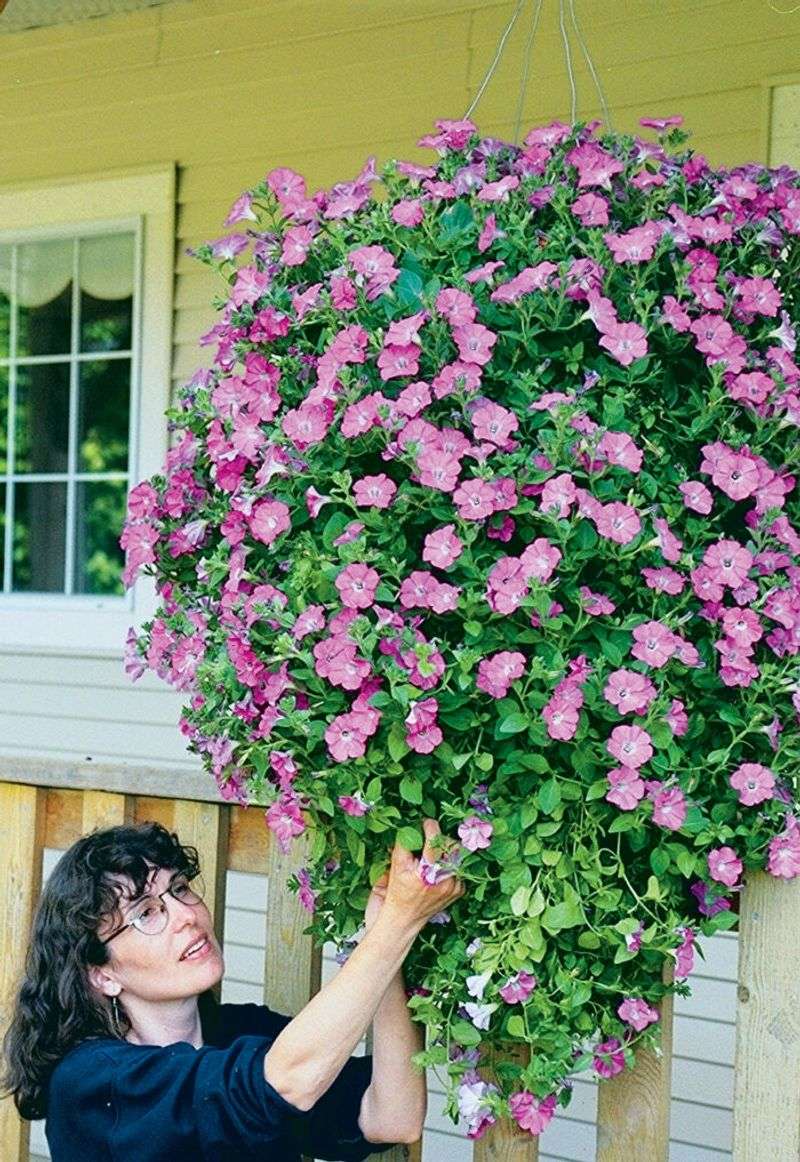
Few flowers are as popular as petunias, spilling out of hanging baskets on porches all across the country. For all their color, though, they rarely earn more than a passing glance from butterflies.
The trumpet-shaped blooms hide their nectar deep at the base, and most butterfly tongues struggle to reach it. Modern hybrid petunias have often been bred for looks rather than nectar, leaving little reward inside.
Hummingbirds and hawk moths sometimes work them, but daytime butterflies mostly move on. Keep petunias for their curb appeal and rely on flat, open blooms elsewhere to bring in the wings.
15. Marigold
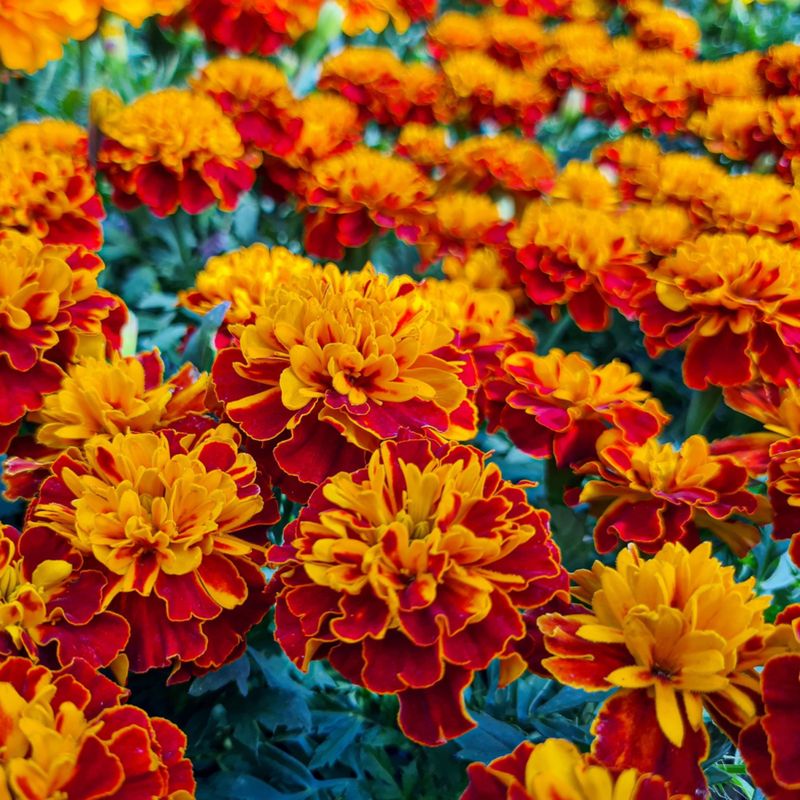
A garden staple for generations, marigolds are famous for repelling pests with their pungent scent, which is a clue to why butterflies keep their distance too. That same strong smell that bugs dislike does butterflies no favors.
The dense, ruffled double blooms most gardeners grow also bury whatever nectar exists under layers of tightly packed petals. A butterfly simply cannot get in to feed.
Marigolds still earn a spot as a companion plant near vegetables, where they may help deter certain garden pests. Just do not count them as a nectar source for your fluttering visitors.
16. Begonia
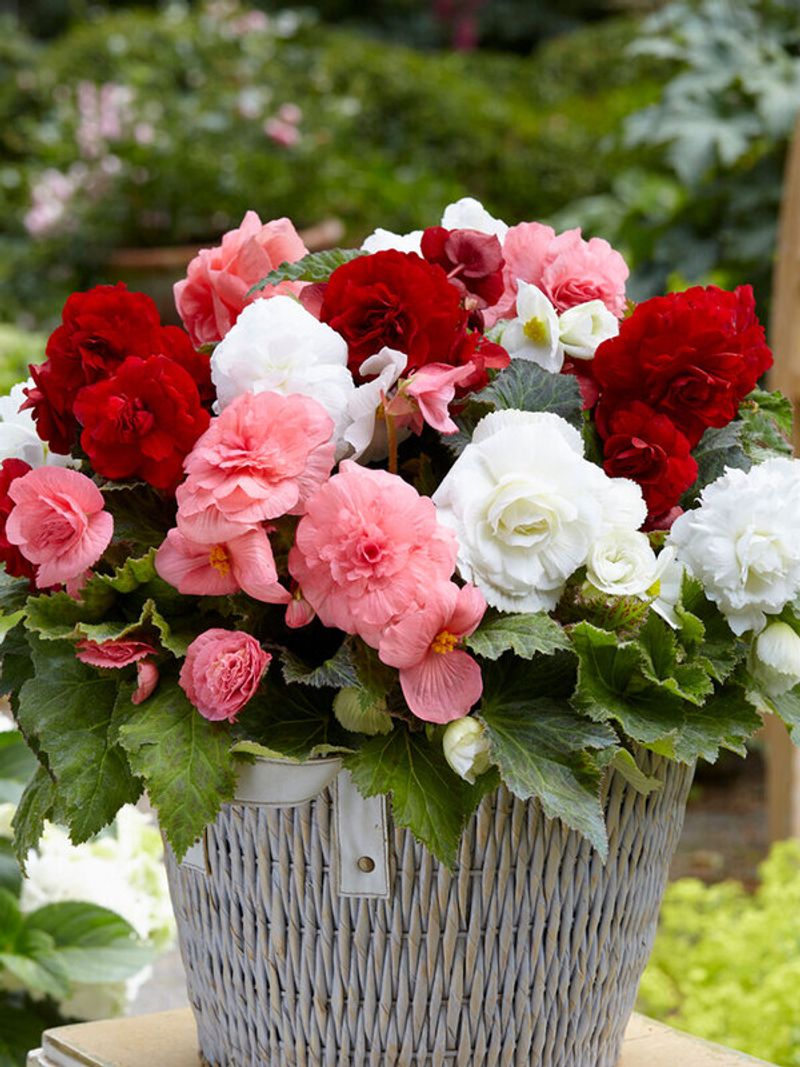
Glossy leaves and tidy little blooms make begonias a favorite for containers and shady borders, yet they leave butterflies completely cold. The waxy flowers produce almost no nectar worth chasing.
Many begonia types also separate their male and female flowers, and the showy ones butterflies might notice offer nothing to drink. Shade-loving habits keep them away from the sunny spots butterflies patrol anyway.
There is nothing wrong with begonias for filling a dim corner with foliage and color. For pollinator payoff, though, they are one of the emptiest picks on this list.
17. Boxwood
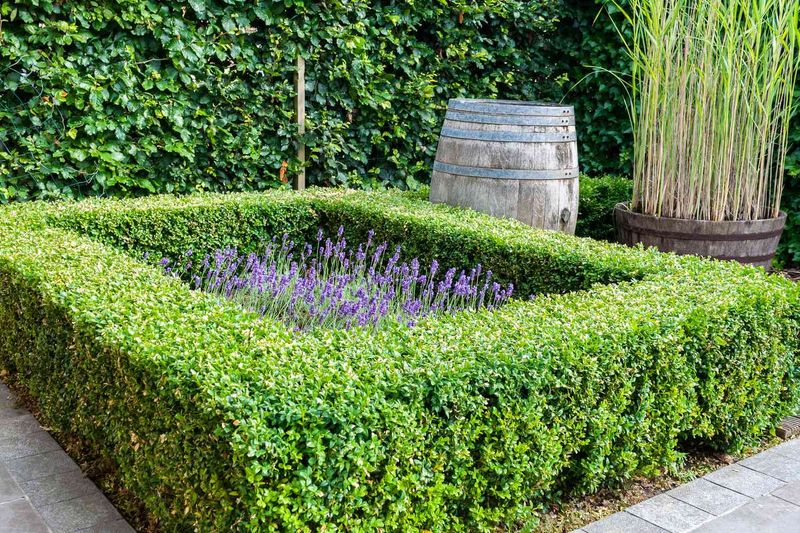
Rounding out the ignored list is a plant that is not even trying to attract anything: boxwood. Prized for tidy hedges and neat green globes, its tiny greenish flowers are so plain that butterflies rarely register them.
Gardeners grow boxwood for structure and evergreen form, not blooms, so the near-total lack of nectar comes as no surprise. The clipped shapes offer no landing appeal either.
Use boxwood to frame a butterfly garden and give it shape, then fill the beds inside with the nectar-rich plants from earlier in this list. Structure from the shrubs, color and wings from the flowers, and everybody wins.