
What Your Lantana Really Needs To Keep Flowering Nonstop Once The Heat Cranks Up

Lantana is supposed to be the plant that loves summer, yet plenty of gardeners watch their once-blooming shrubs go quiet right when the heat peaks. Before you reach for the hose or a fertilizer bag, the real answer might be hiding on the underside of a leaf. A small, easy-to-miss pest called the lantana lace bug can quietly damage buds and foliage while you assume the sun is to blame. Knowing what to look for, and where to look, puts you back in control without guessing.
Heat alone should not shut down a healthy lantana
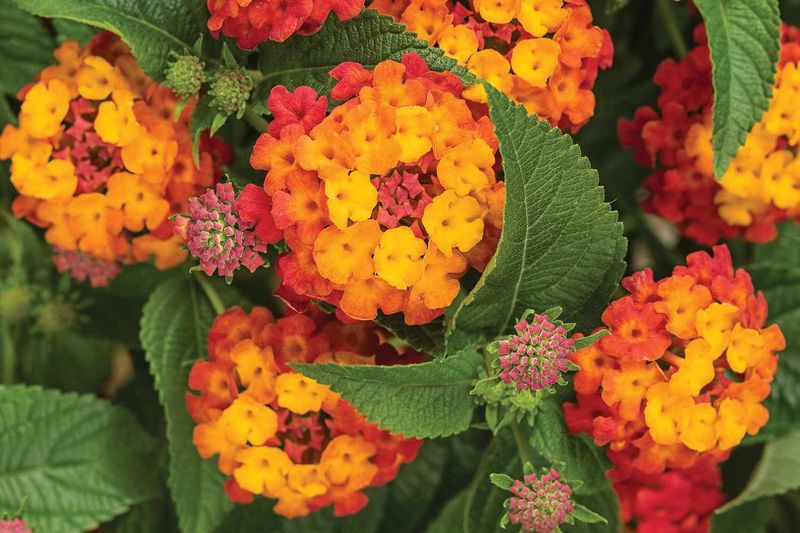
Lantana earned its reputation as a heat-loving plant for good reason. Extension services across the country consistently describe it as heat- and sun-tolerant, capable of blooming reliably through the hottest months when its basic needs are met. So if your plant was producing clusters of color in June and suddenly went quiet by late July, the temperature outside is probably not the whole story.
A sudden midsummer drop in flowers deserves a closer look rather than an automatic change in watering or feeding. Several things can slow or pause flowering during hot weather: too much shade, drought stress, overwatering, poor drainage, excess fertilizer, or a cultivar that pauses to set seed. One possibility that gardeners often overlook is a small pest called the lantana lace bug. A UGA Extension field report notes that lace bug populations can build during hot weather in some regions, though this is a regional observation rather than a universal rule that applies to every garden in every state.
The key shift here is moving from a generic heat-stress assumption to a symptom-based diagnosis. Mississippi State Extension and University of Illinois Extension both describe lantana as a heat-tolerant bloomer, which means a struggling plant is giving you a signal worth reading. Check the leaves, assess the light, feel the soil, and think about what you have been feeding it before drawing any conclusions. Each of those factors leaves its own kind of evidence, and knowing what to look for makes the difference between a fix that works and one that makes things worse.
The leaf undersides reveal what may be stealing the show
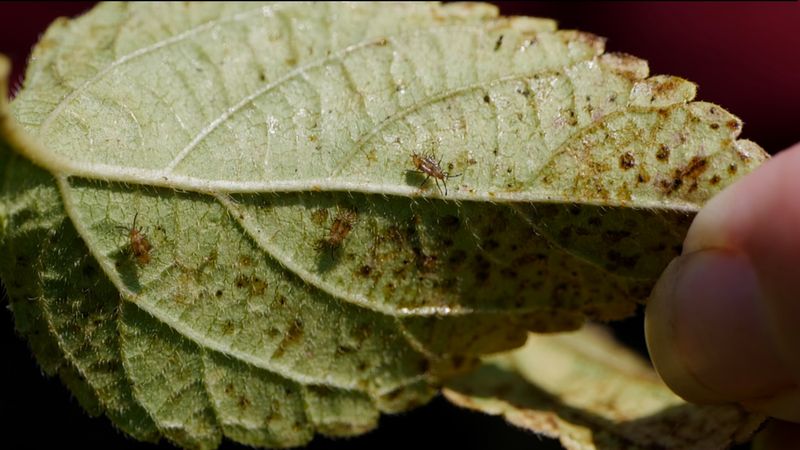
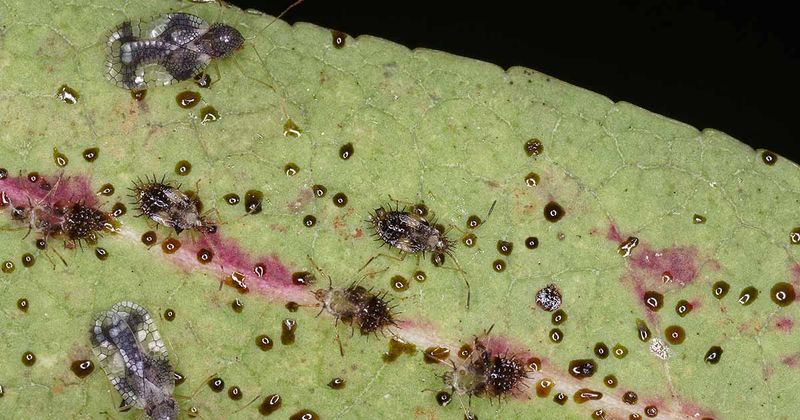
Turn a few lantana leaves over and you might find the explanation for a flowering slump that has nothing to do with the weather. Lantana lace bugs are small, flattened insects with lacy-patterned wings. Adults are gray-brown, nymphs are darker and spiny, and both stages cluster on leaf undersides along with shed skins and tiny dark excrement spots. The upper leaf surface, by contrast, mainly shows the result of their feeding: a pale, washed-out stippling or bleaching that spreads across the leaf as damage accumulates.
What makes lace bugs especially relevant to flowering is that they do not limit their feeding to mature foliage. UGA Extension’s ornamental pest guide and NC State Extension’s lantana lace bug profile both note that the insects can feed on developing buds and flowers, not just leaves. When a heavy population works through an actively budding plant, the result can be brown or failed buds alongside bleached foliage, and a visible drop in the number of open flowers.
That combination of symptoms matters for diagnosis. A simple lack of blooms by itself could mean many things, including shade, drought, or cultivar behavior. Brown or failed buds paired with stippled, papery-looking leaves are a much stronger indicator that lace bugs may be involved. Look for all the pieces together: upper-surface bleaching, failed buds, and the actual insects, shed skins, or excrement spots underneath.
Keep in mind that finding a few lace bugs does not automatically confirm they are the cause of a major flowering decline. Population size, plant health, and how long the infestation has been present all factor in. The undersides of the leaves give you the evidence you need to make a more informed call before deciding how to respond.
A weekly underside check catches problems early
Building a quick inspection habit into your warm-season routine is one of the most useful things you can do for a lantana that blooms reliably. Once a week during hot weather is a reasonable baseline, with extra attention any time flowering drops off more abruptly than usual. The goal is to catch a developing pest population before it reaches the point where it visibly affects buds and flowers.
The inspection itself takes only a few minutes. UGA Extension recommends turning leaves over and examining the undersides with a hand lens, which makes it much easier to spot small adults, dark spiny nymphs, attached shed skins, and the dark excrement spots that lace bugs leave behind. Check multiple leaves scattered across the plant rather than just the ones closest to eye level. Outer and upper foliage that gets the most sun exposure can sometimes show heavier activity, but sampling broadly gives you a more accurate picture of what is actually happening.
Do not judge the plant from above and call it clean. Upper surfaces mainly show the pale stippling that results from feeding, and that damage can look like drought stress, nutrient issues, or simply sun bleaching if you are not expecting it. The insects themselves are almost always found underneath.
Checking the flower remnants is worth adding to the routine as well. Brown, dried buds that never opened and partially damaged flowers near areas of stippled foliage are the kind of combined evidence that helps you decide whether to intervene, keep monitoring, or redirect your attention to a non-pest cause like watering or light. A weekly check builds the observational baseline that makes those judgment calls easier over time.
Mild infestations respond best to low-impact intervention
Catching a lace bug problem early gives you the best range of options, and the least disruptive ones work well at mild infestation levels. Start by conserving the natural predators already present in your garden. Lacewings, minute pirate bugs, and predatory mites feed on lace bug eggs and nymphs, and they will do some of the work for you if you avoid disrupting them with broad-spectrum pesticides.
For leaves that are already heavily damaged and covered in insects, removing those individual branches or leaf clusters and disposing of them away from the garden reduces the population immediately without any chemical input. It also removes some of the egg masses and nymphs before they can mature and spread to new growth.
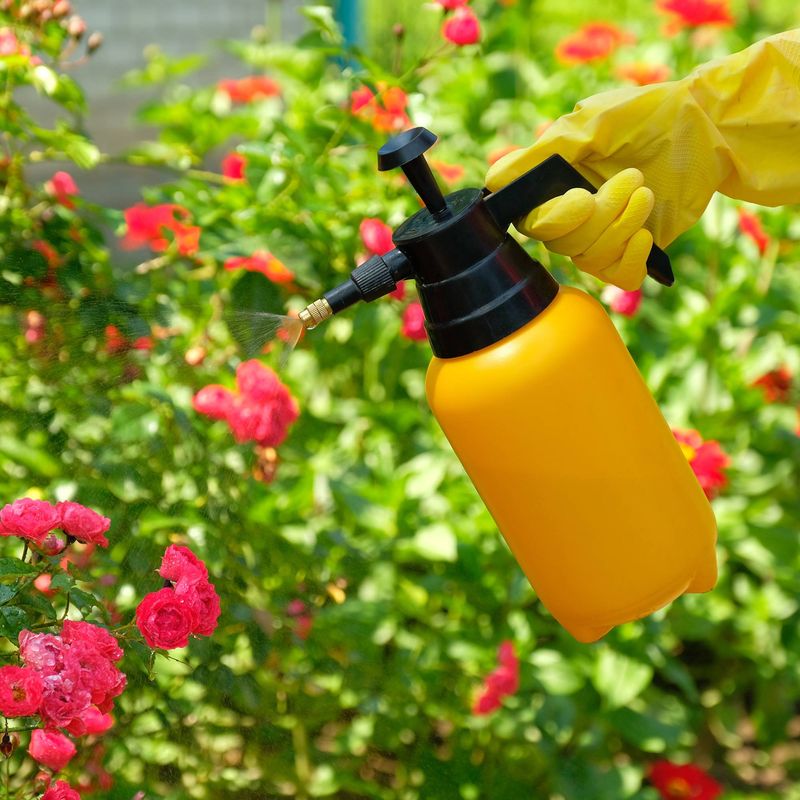
A strong stream of water directed at the undersides of the leaves is one of the most practical first responses available. UGA Extension recommends this approach specifically for lace bugs, noting that repeated applications are more effective than a single pass. The key word is repeated: one spray dislodges many insects, but eggs and any survivors will need follow-up attention over the next several days. Make it part of your watering routine for a week or two and check the undersides afterward to gauge progress.
Insecticidal soap or horticultural oil can also reduce lace bug populations when applied according to the product label, and both are lower-impact options compared to systemic insecticides. Neither is a guaranteed cure, and both require thorough coverage of the leaf undersides to make contact with the insects. Plan to monitor closely after any application and repeat if populations rebound. Systemic insecticides are not the right starting point for a mild infestation on a plant that is actively blooming and visited by pollinators.
Protect pollinators while treating a flowering plant
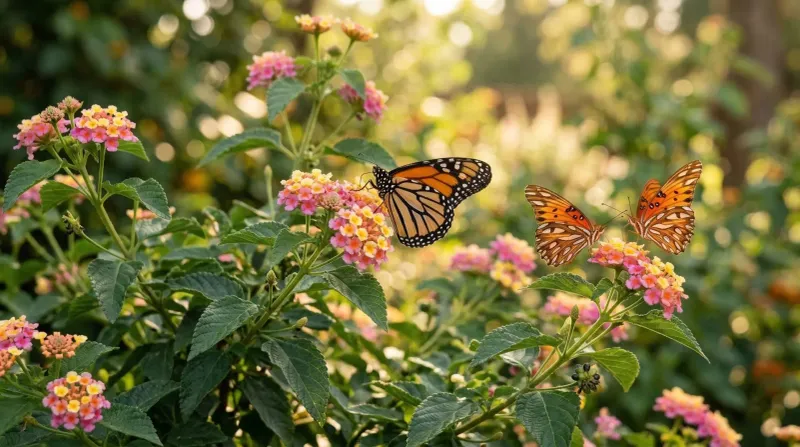
Lantana is genuinely one of the better pollinator plants you can grow. Bees, butterflies, skippers, and hummingbirds all visit the flowers regularly, which means any pest treatment decision carries real consequences beyond the plant itself. That context changes how you approach even lower-impact products.
The first rule is straightforward: read the label before applying anything. UGA Extension’s pest management guidance emphasizes label compliance and pollinator caution when treating ornamental plants that attract beneficial insects. The label is also a legal document, so using a product on a pest or plant it is not registered for is both ineffective and potentially illegal. Verify that the product is labeled for both lantana and for lace bugs specifically before purchasing.
Timing applications to minimize pollinator contact is one of the most practical steps you can take. Treat in the early morning or evening when bees and butterflies are less active, and try to avoid spraying open flowers directly. Even products marketed as lower-risk, including insecticidal soap and horticultural oil, can harm bees and other beneficial insects on contact. EPA guidance on pollinator protection makes clear that lower toxicity does not mean zero risk, and that application practices matter as much as product choice.
If the infestation is mild and you have already started with water sprays and leaf removal, hold off on any spray product and monitor for a week. Many mild populations can be brought down significantly with nonchemical methods alone when caught early. Reserve chemical options for situations where the population is clearly overwhelming the plant’s ability to recover and where you can apply safely with flowers and pollinators in mind.
Water, light, and fertilizer still shape summer flowering
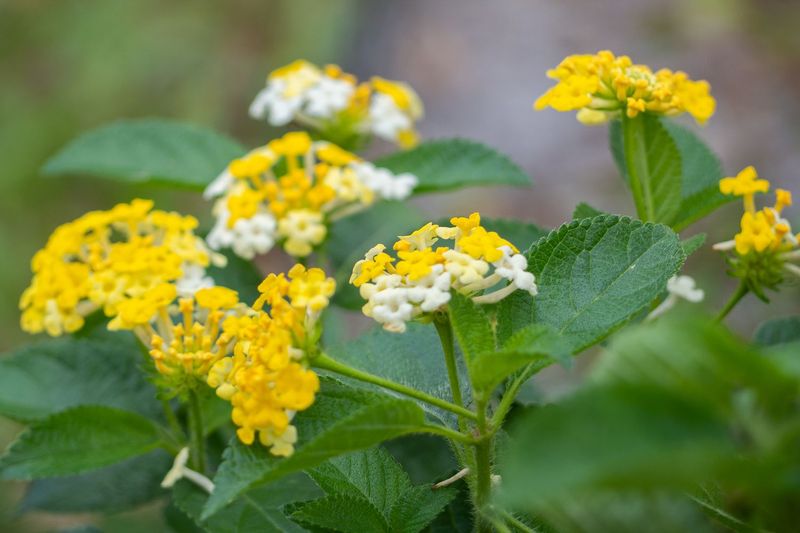
Addressing a possible lace bug problem does not replace the basics, and sometimes the basics are the whole problem. Lantana performs best in full sun, and most extension sources recommend at least six to eight hours of direct sunlight per day. A plant that has been gradually shaded out by a neighboring shrub, a new fence, or a growing tree canopy will produce fewer flowers over time, and no amount of pest control or fertilizer will fix a light deficit.
Watering is where many gardeners get tripped up in both directions. Established in-ground lantana is genuinely drought tolerant, but prolonged dryness can still reduce growth and slow flowering. Clemson Extension’s lantana factsheet and University of Minnesota Extension both note that containers dry out much faster than in-ground beds and may need daily watering during peak summer heat. The right approach is to check the soil before watering rather than following a fixed schedule that ignores your actual conditions.
Persistently wet soil is just as much a problem as dry soil. Poor drainage suppresses root function, can lead to root rot, and will show up as reduced vigor and fewer blooms even when the plant looks watered. UC IPM’s lantana profile notes the importance of well-drained soil for healthy performance.
Fertilizer deserves its own mention because the instinct to feed a struggling plant can backfire with lantana. Excess nitrogen in particular tends to push leafy growth at the expense of flowers. A light application in spring is generally sufficient for established plants, and any summer feeding should be modest and should never be applied to a water-stressed plant. If your lantana is sitting in rich, heavily amended soil that you feed regularly, cutting back on fertilizer may actually improve flowering rather than reduce it.
Pruning and deadheading depend on the lantana you grow
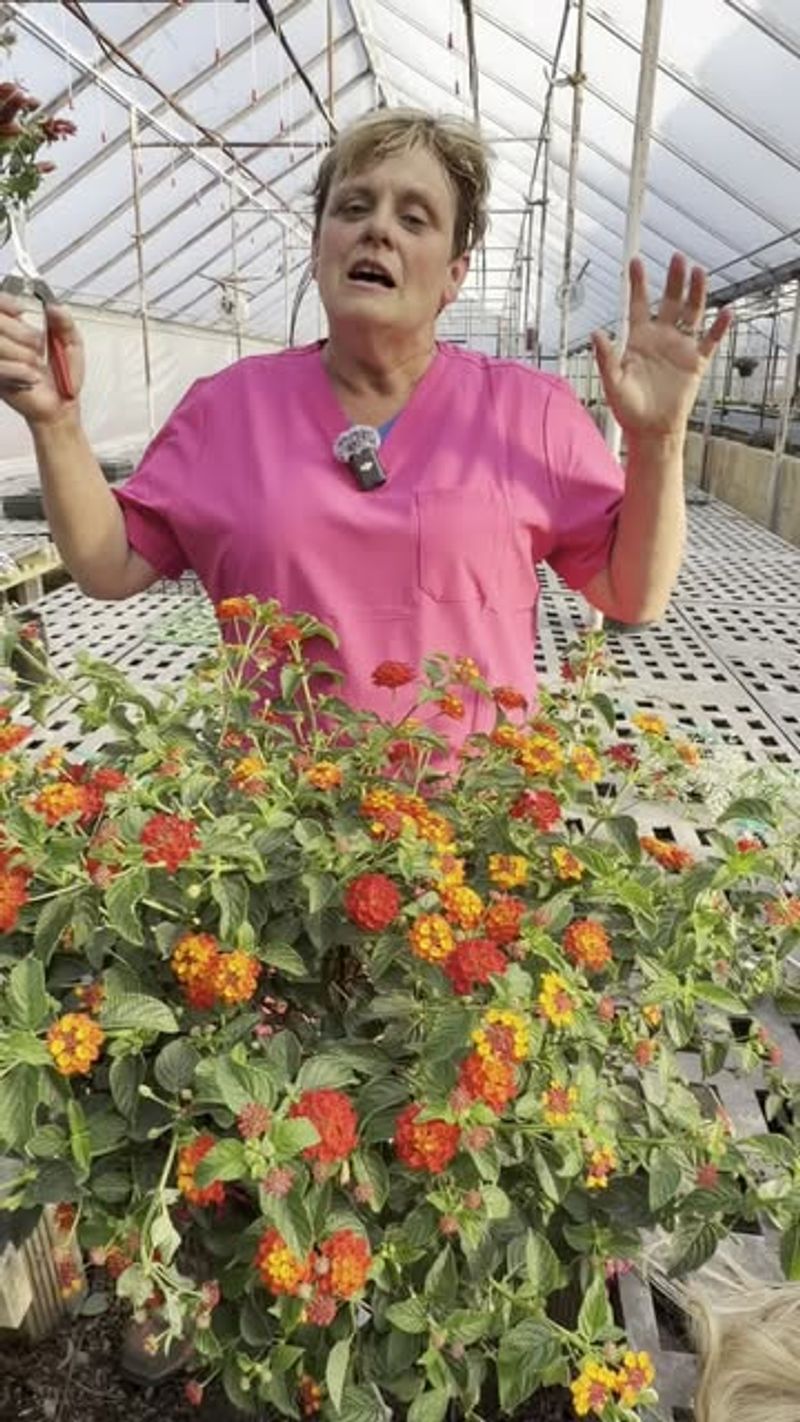
Not every lantana needs the same pruning attention, and assuming otherwise can lead to unnecessary work or a missed opportunity to encourage fresh bloom. Light summer tip shearing is a reliable way to push new branching on most varieties. Clemson Extension recommends lightly shearing the tips during summer to encourage fresh growth and notes that a plant that has outgrown its space can generally be cut back by up to one-third without serious harm. This kind of trim is different from a hard cutback and is well-tolerated during the growing season.
Deadheading is where cultivar identity really matters. Older or fertile Lantana camara varieties are capable of setting seed and forming small berries, and a plant that has shifted energy toward seed production will slow down its flower output noticeably. For these types, removing spent flower clusters before the berries develop can redirect that energy back toward new blooms. University of Arkansas Cooperative Extension notes this distinction between seed-forming and non-seed-forming types as relevant to deadheading decisions.
Many of the newer cultivars sold at garden centers today are sterile or near-sterile, meaning they produce little to no viable seed. University of Wisconsin Extension describes these types as largely self-cleaning, requiring little routine deadheading to keep producing flowers. If you are spending time deadheading a sterile variety every week, you are probably not gaining much for the effort.
If you are unsure which type you have, look at the spent flower heads after blooming. Fertile types will develop small clusters of green berries that turn dark as they ripen; sterile varieties tend to dry down without forming noticeable fruit. That one observation can help you decide whether a weekly cleanup is worth your time or whether a light trim every few weeks is all the plant actually needs.
Use a diagnosis-first routine before changing care
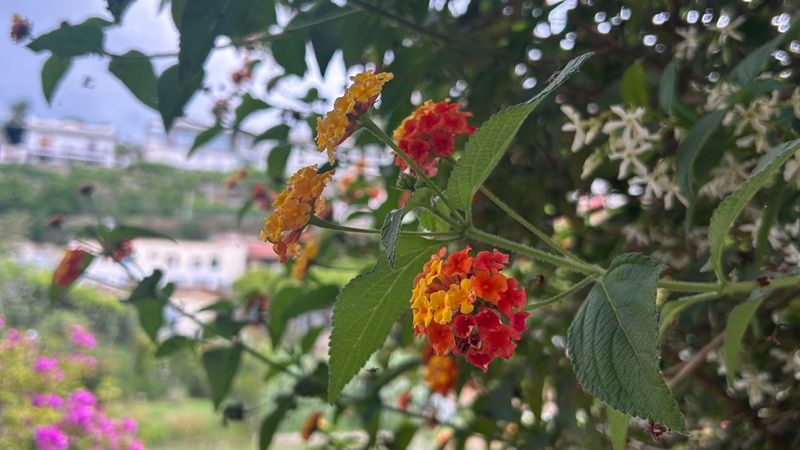
When lantana flowers drop off during hot weather, the most useful first move is observation rather than action. Start by turning over several leaves across the plant and checking the undersides carefully. Look for the combination of pale stippling on upper surfaces, brown or failed buds, and the physical signs of lace bugs underneath: gray-brown adults, dark spiny nymphs, shed skins, or dark excrement spots. UGA Extension’s inspection guidance supports this as a repeatable warm-season habit rather than a one-time check.
If the symptom pattern points toward lace bugs, start with low-impact responses: remove heavily affected leaves, direct a strong stream of water at the undersides repeatedly over several days, and monitor the population before considering a spray product. If the leaves look clean and the buds are intact, shift your attention to the growing conditions. Assess sunlight, check soil moisture at the root zone rather than just the surface, confirm that drainage is adequate, and think about how much fertilizer the plant has received. Clemson Extension and University of Minnesota Extension both point to these baseline conditions as the foundation of reliable summer performance.
Also consider your cultivar. A fertile variety pausing to set seed, a plant recently moved to a shadier spot, or a container that dried out twice last week can all produce the same symptom: fewer flowers. The goal of this routine is to support summer flowering when conditions allow, not to guarantee that every plant blooms on demand. A gardener who knows what to look for is already better equipped than one who changes care routines at random.
The leaf undersides are a good place to start every time.