
13 Houseplants You’ll Want To Think Twice About Before Bringing Indoors This Winter
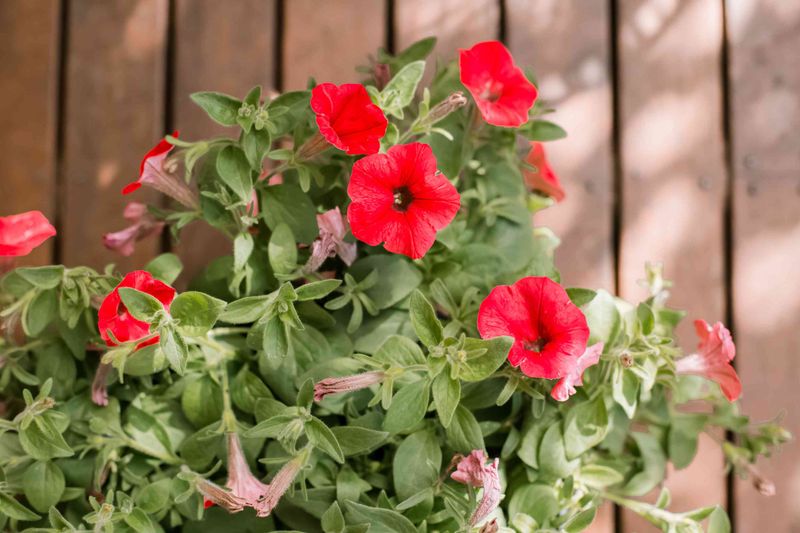
Every fall, plenty of gardeners carry their favorite potted plants inside, hoping to keep them alive until spring. Then the yellow leaves, dropped buds, and bugs show up, and it feels like you did something wrong.
The truth is that some plants just hate dry, dim, heated rooms, no matter how much you love them. Here are 13 plants worth a second look before they cross your doorstep, plus easy ways to save them anyway.
1. Hibiscus
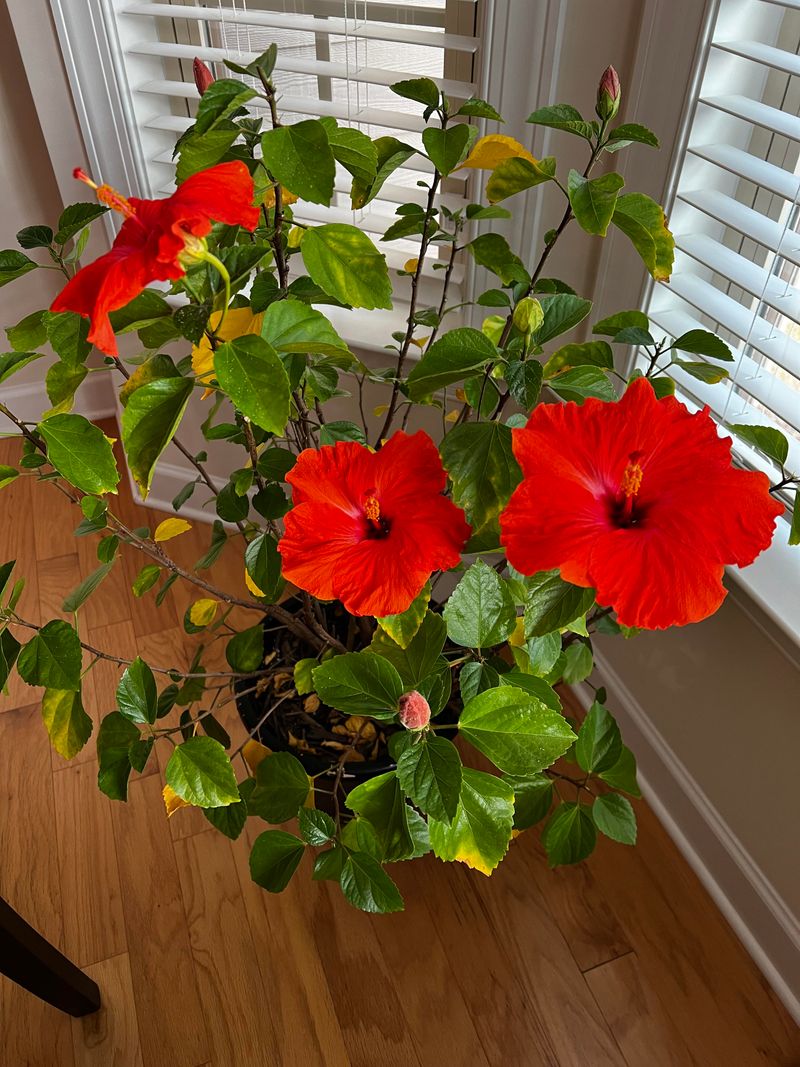
Picture a hibiscus that bloomed all summer on the patio, then dropped half its leaves within a week of coming inside. That leaf shower is the most common complaint gardeners have with this tropical beauty.
It is not dying, it is reacting to the sudden drop in light and humidity.
Tropical hibiscus wants full sun and moist air, and a heated house in January offers neither. Expect leggy stems and few, if any, flowers until spring.
Spider mites and whiteflies also love these plants and can spread to your other houseplants.
If you still want to save it, spray the leaves and check the undersides for pests before moving it. Give it your sunniest south window and water only when the top inch of soil feels dry.
A light trim by about a third can help it handle the move with less stress.
2. Mandevilla
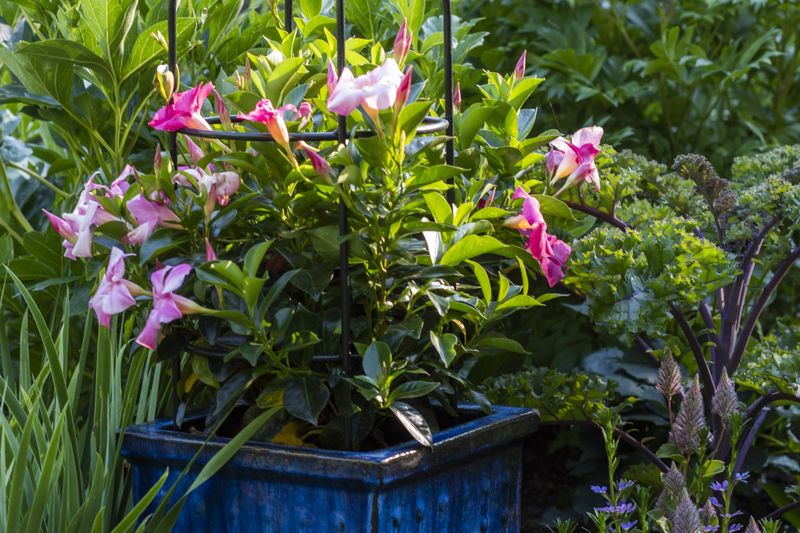
Gorgeous pink trumpets on the porch rail, a sad tangle of bare vines by February. Mandevilla is famous for that before-and-after story.
This climber needs bright light and warmth to keep its glossy leaves.
Indoors, it often stretches toward the window and quits flowering. Mealybugs can also hide in the twining stems, waiting for a cozy home.
Here is a smarter option many growers use. Cut the vine back to about 12 inches, let it rest in a cool, bright spot around 55 to 60 degrees, and water sparingly.
It may look plain all winter, but it can bounce back with fresh growth once it goes outside after your last frost.
3. Geraniums
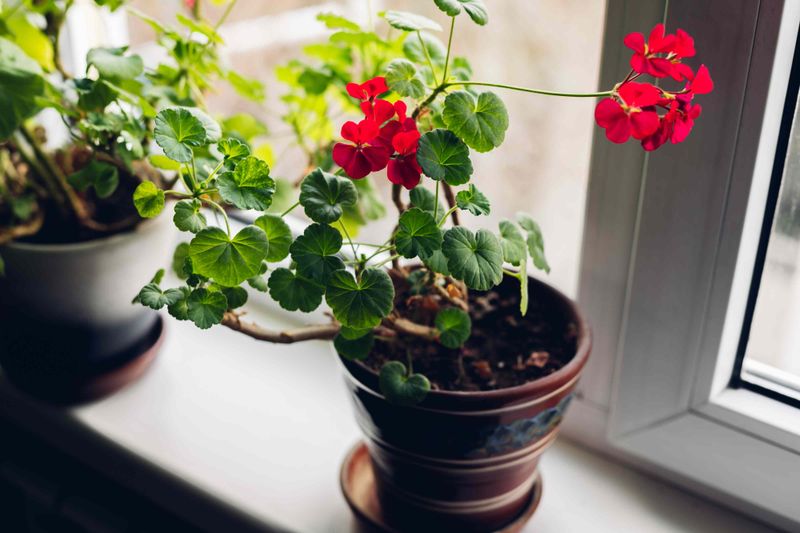
Good news first: geraniums are one of the easier plants to carry through winter. The catch is that they get leggy fast when light is weak.
Long, bare stems with a tuft of leaves at the tip is the classic winter geranium look.
These plants like it cool and bright, closer to 55 to 65 degrees than a toasty 72. Warm rooms and dim corners push them to stretch.
Overwatering is the other big mistake, since soggy soil can lead to stem rot.
Try one of these simple fixes:
Place them in your brightest window, let the soil dry between waterings, and pinch back stretchy stems. Or take 4-inch cuttings in fall and root them in small pots, which saves space and gives you fresh, compact plants for spring.
4. Gardenia
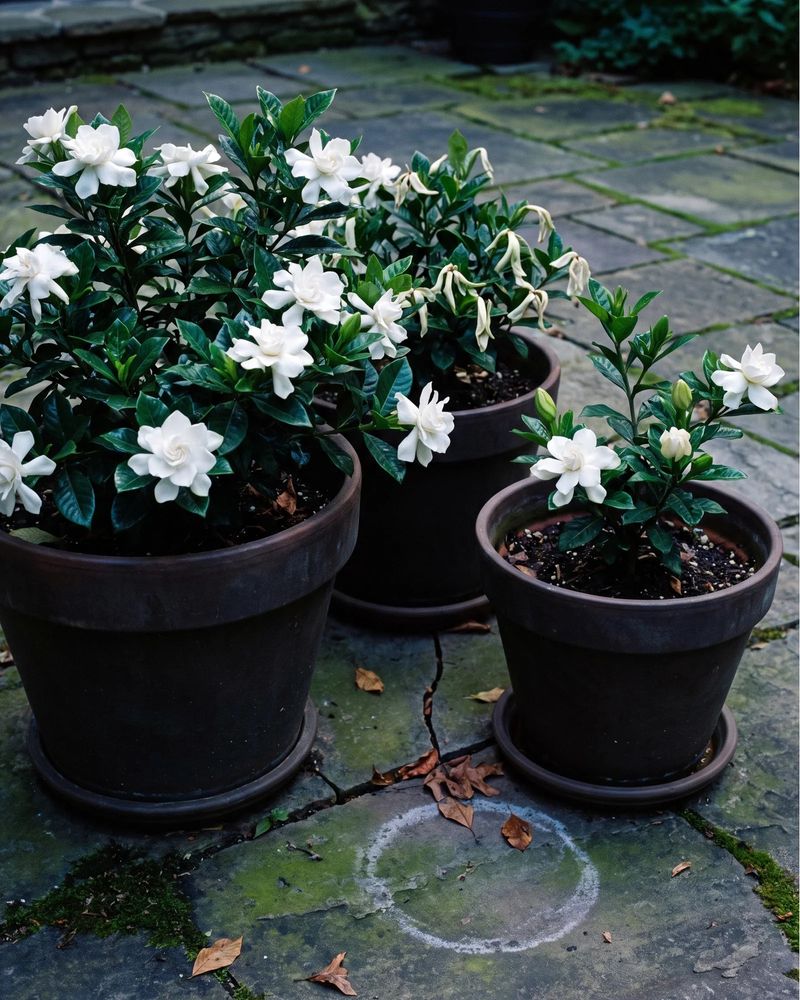
Few plants smell sweeter, and few are pickier. Gardenias have a reputation as divas, and winter is when they earn it.
Bud drop is the heartbreak here, those fat buds turning brown and falling off before they open.
The causes are usually dry air, temperature swings, or moving the pot around. A gardenia wants bright light without harsh sun, steady moisture, high humidity, and acidic soil.
That is a long wish list for a heated home.
If you take one inside, keep it away from heat vents and drafty doors. Set the pot on a tray of pebbles and water to raise humidity.
Then pick a spot and leave it there, because gardenias really dislike being shuffled around.
5. Citrus Trees
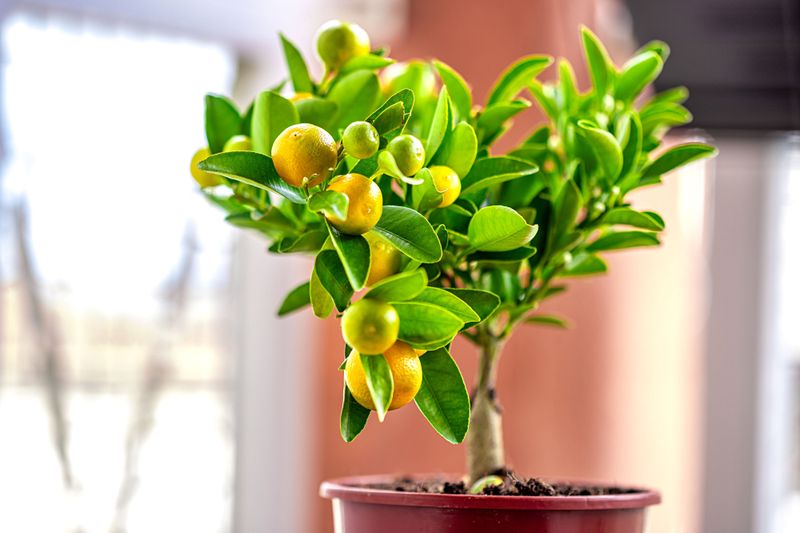
A potted lemon tree feels like a little bit of Florida in your living room. Unfortunately, winter indoors is more like a cloudy cave to citrus.
Short days plus warm rooms add up to a poor match.
When light runs low, citrus trees often drop leaves and sometimes their young fruit. Scale insects can also creep in, showing up as small brown bumps on stems and sticky residue on leaves.
Fixes that may help:
A grow light running 12 to 14 hours a day can make a real difference. Water deeply but only when the top couple inches of soil are dry, since wet roots in winter are a fast route to trouble.
A cooler room, around 55 to 65 degrees, also slows the tree down so it needs less light.
6. Maidenhair Fern
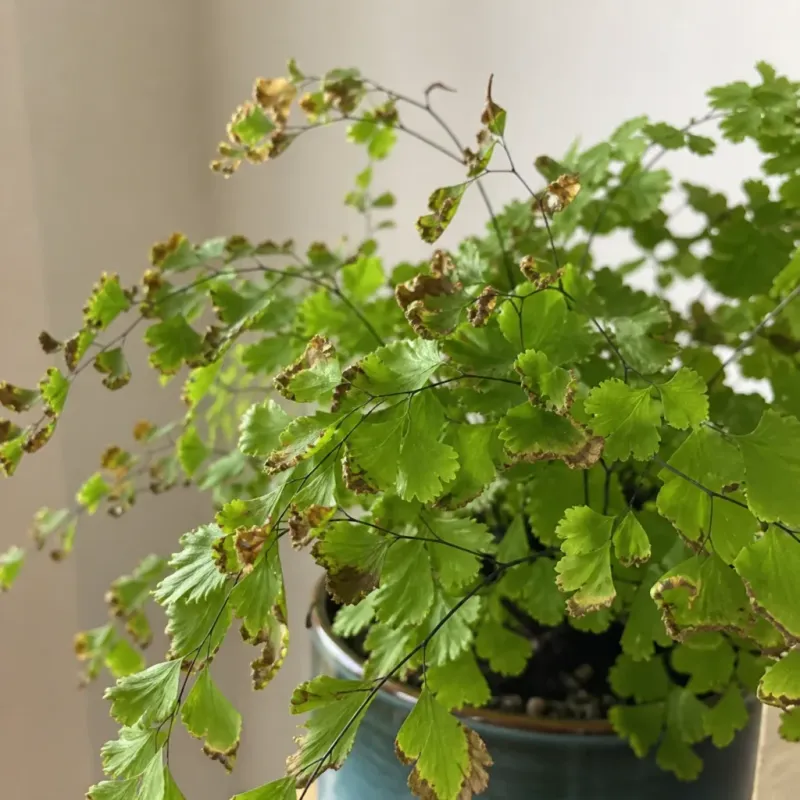
Lacy, airy, and breathtaking on a shaded porch. Then the furnace kicks on, and the whole plant can crisp up in what feels like an afternoon.
Maidenhair fern may be the most dramatic plant on this list.
Its fine fronds collapse if the roots dry out even once, and dry winter air turns the leaf edges brown. Homes often drop below 30 percent humidity in winter, while this fern prefers much more.
A steamy bathroom with a bright window is its best shot. Keep the soil evenly moist, never soaked, and group it with other plants to share humidity.
If it browns anyway, cut the dead fronds to the soil line. The roots are often still alive and can push out new growth.
7. Temperate Bonsai Trees
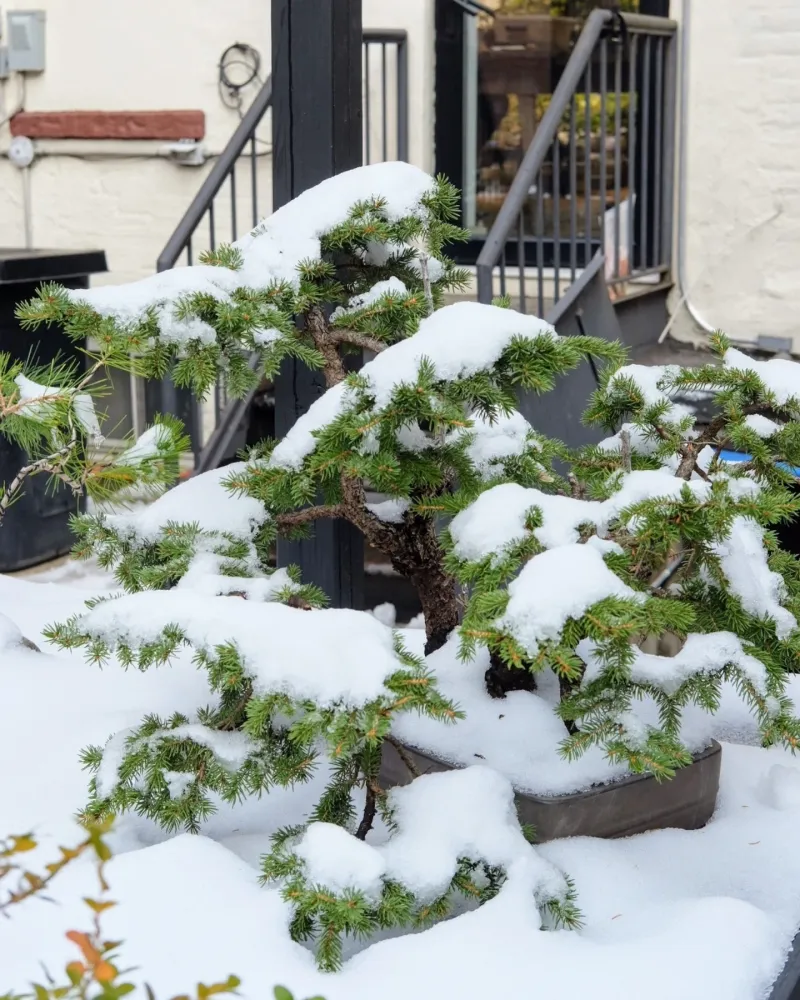
Did you know a juniper bonsai is really just a small outdoor tree in a shallow dish? That is why so many die on a coffee table.
Temperate bonsai like junipers and maples need a cold winter rest to stay healthy.
Without a dormant period, they wear themselves out. Warm, dry indoor air also dries their shallow soil incredibly fast, and brown needles are often the first warning.
The kinder choice is usually to keep them outside with some protection. Tuck the pot into mulch against a sheltered wall, or move it to an unheated garage or porch that stays between about 25 and 40 degrees.
Check the soil every week or two so it never goes bone dry.
8. Rosemary Christmas Trees
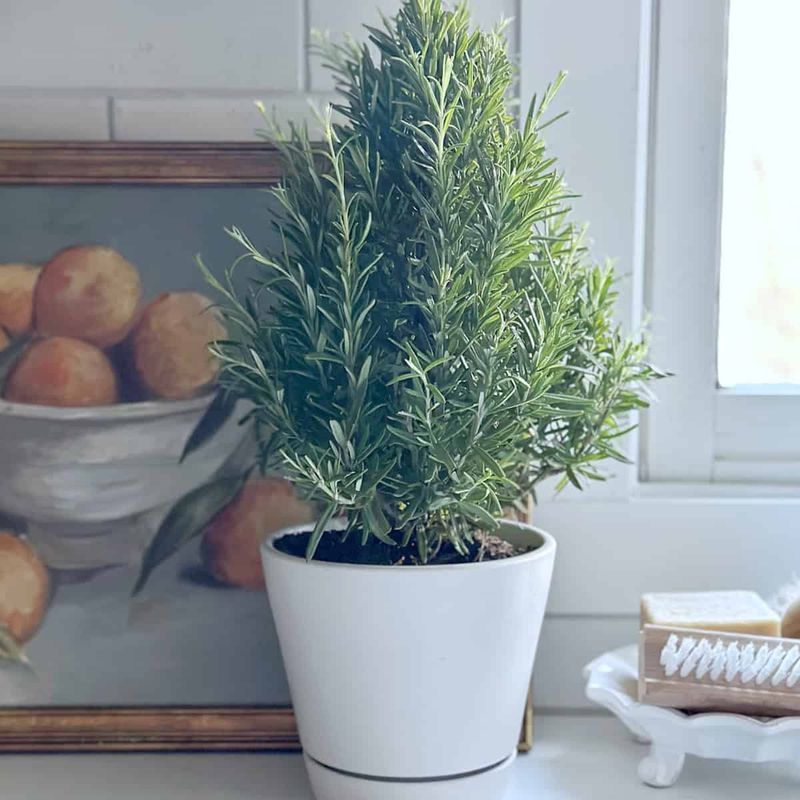
They show up at the grocery store every December, trimmed into cute little cones. By January, plenty of them are brown and brittle.
Rosemary trees are a holiday gift that often comes with a short fuse.
Many are sold root-bound, and rosemary craves around 14 hours of bright light plus cool temperatures. A warm kitchen with winter sun does not come close.
Powdery mildew can also show up as white dust on the needles.
To give yours a fighting chance, repot it into a slightly bigger pot with gritty soil. Put it in your coolest bright window or under a grow light.
Water when the top inch is dry, and do not let it sit in a saucer of water.
9. Croton
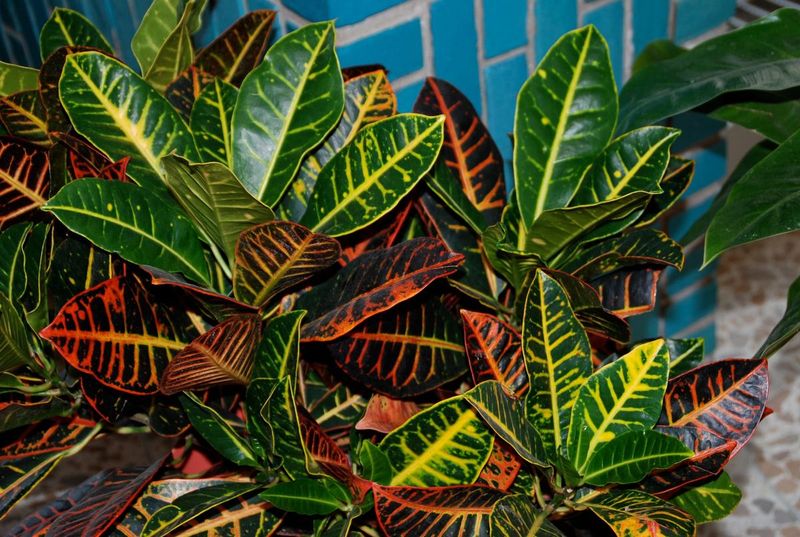
All that red, orange, and gold makes a croton look tough. It is not.
Move it a few feet or let a cold draft hit it, and you might find a ring of fallen leaves the next morning.
Crotons need lots of light to keep their bold colors, and they fade toward plain green in dim rooms. They also sulk with inconsistent watering, and overwatering in winter is a common way to lose one.
Choose a bright spot away from exterior doors and heat vents. Water when the top inch of soil dries, and mist or use a humidifier nearby.
Watch for spider mites, which leave fine webbing and speckled leaves when the air gets dry.
10. Caladiums
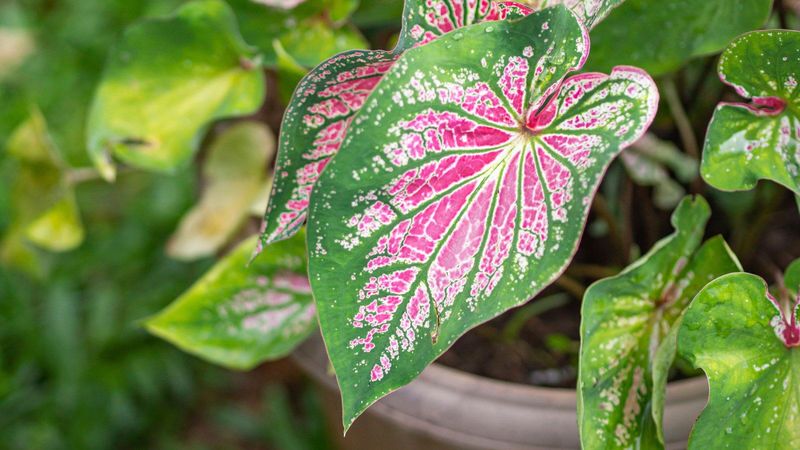
Here is the honest truth about caladiums. Bring them in, baby them, and their leaves will still flop and fade in a few months.
They are built to go dormant, and no amount of care changes that.
So the yellowing is not your fault. It is just the plant’s natural clock.
The easier path is to let the foliage die back, then dig up the tubers before night temperatures fall below about 60 degrees. Let them dry for a week or so, brush off the soil, and store them in dry peat or a paper bag somewhere around 50 to 60 degrees.
Next spring, after the soil warms, plant them back out for another season of painted leaves.
11. Elephant Ears

Trying to squeeze a six-foot elephant ear through the back door is a memory many gardeners would rather forget. These giants simply take up a lot of room.
Indoors, their huge leaves often yellow and droop in the low light anyway.
Spider mites also love the big leaf surfaces once the air turns dry.
Storing the tubers is usually much easier. After a light frost blackens the leaves, cut the stems back to a few inches and dig up the tubers.
Let them dry, then keep them in a box of peat or wood shavings in a cool, dark, frost-free spot like a basement. Some Alocasia types do better as houseplants, so check which kind you have first.
12. Coleus
Coleus is the friendly neighbor of the shade garden, colorful and easy all summer. Inside, though, it tends to stretch out, drop lower leaves, and lose its punch.
Low light is the usual reason.
The bigger worry is pests. Mealybugs and whiteflies love coleus, and a full-size plant can carry them straight to your favorite houseplants.
Cuttings are the clever workaround. Snip a few 4-inch stems, strip the lower leaves, and set them in a glass of water on a bright sill.
They root fast and take up almost no space. Rinse them well first, and you get pest-checked, compact plants to grow on until spring.
13. Petunias
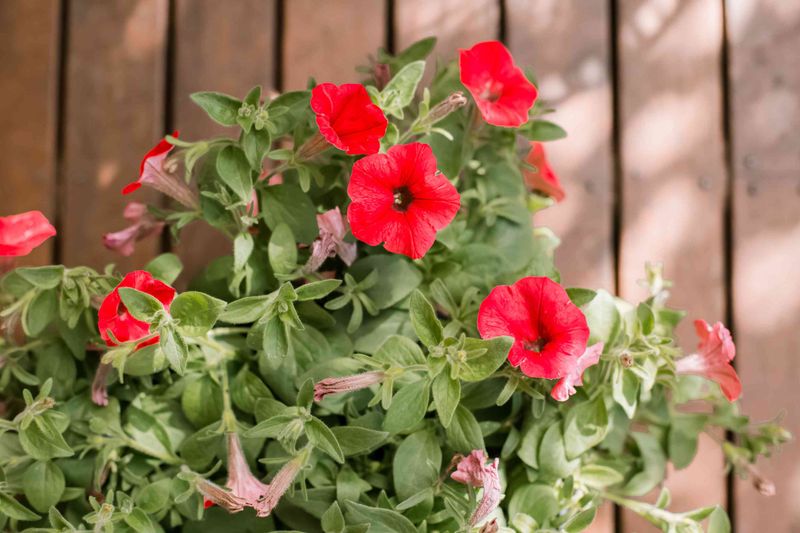
It is tempting to rescue that hanging basket of petunias after one last flush of blooms. Most of the time, though, the plant is already running out of steam.
Many petunias are grown as annuals, and by fall they are leggy and tired.
Indoors, they often get worse, with sticky leaves from aphids and very few flowers. The same goes for other annuals like zinnias and cosmos, which are meant to finish their life cycle in one season.
Instead of fighting it, enjoy them until frost, then compost the plants. If you have a favorite variety, try a few cuttings in a bright window.
Or simply plan to buy fresh, vigorous petunias next spring, which usually bloom far better.