
13 Signs Your Lawn Is Begging To Be Dethatched Before Winter Sets In
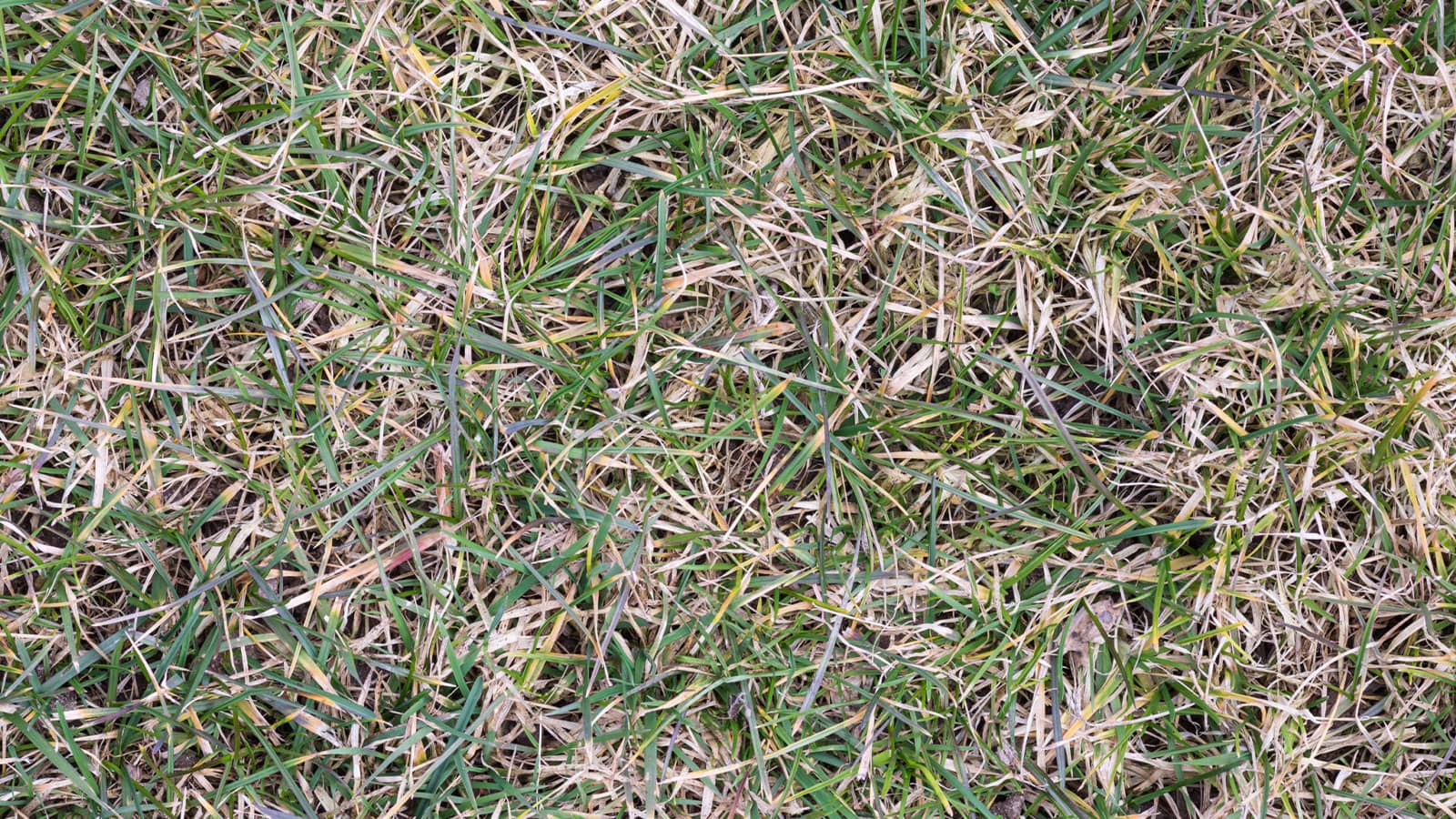
Under every lawn sits a hidden layer of dead grass, roots, and stems called thatch. A little of it is fine, but too much can choke your grass, trap disease, and leave you with ugly patches come spring.
Fall is the best time to fix it, because your grass still has time to recover before the cold arrives. Here are the clues that tell you it is time to grab a rake.
1. Your Turf Feels Spongy Underfoot
Walking across your yard should feel firm, like a well-packed trail. If it feels more like stepping on an old mattress, something is going on below the blades.
That squishy bounce usually comes from a thick mat of thatch sitting between the grass and the soil. Thatch builds up when dead stems and roots pile up faster than soil microbes can break them down.
Try a simple test. Walk slowly over a few different spots and pay attention to how your feet land.
If certain areas feel noticeably softer, mark them for a closer look before the weather turns cold.
2. The Thatch Layer Measures Over Half an Inch
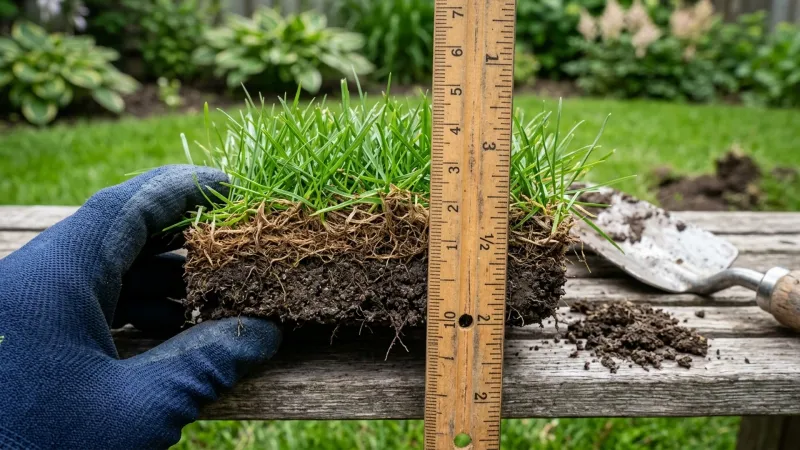
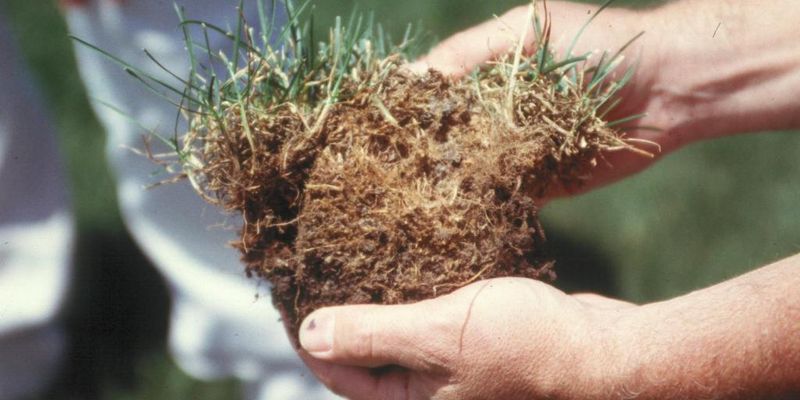
Numbers don’t lie, and this is the one sign you can measure with a ruler. Grab a garden trowel or knife and cut a small wedge of turf about 2 to 3 inches deep.
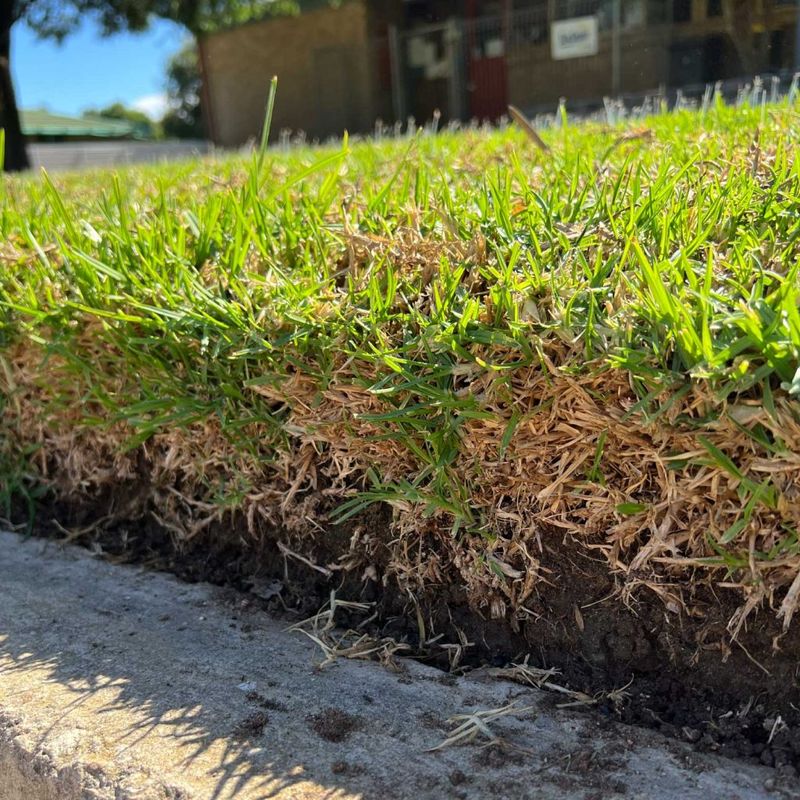
Look at the side of the plug. You will see green grass on top, dark soil on the bottom, and a brown, spongy band in between.
That middle band is your thatch.
Up to half an inch is actually healthy, since it cushions the grass and holds a bit of moisture. Anything thicker means it is time to dethatch.
For some cool-season grasses like Kentucky bluegrass, even a layer over one-third of an inch can start causing trouble.
Check two or three spots across the yard, because thatch rarely builds evenly.
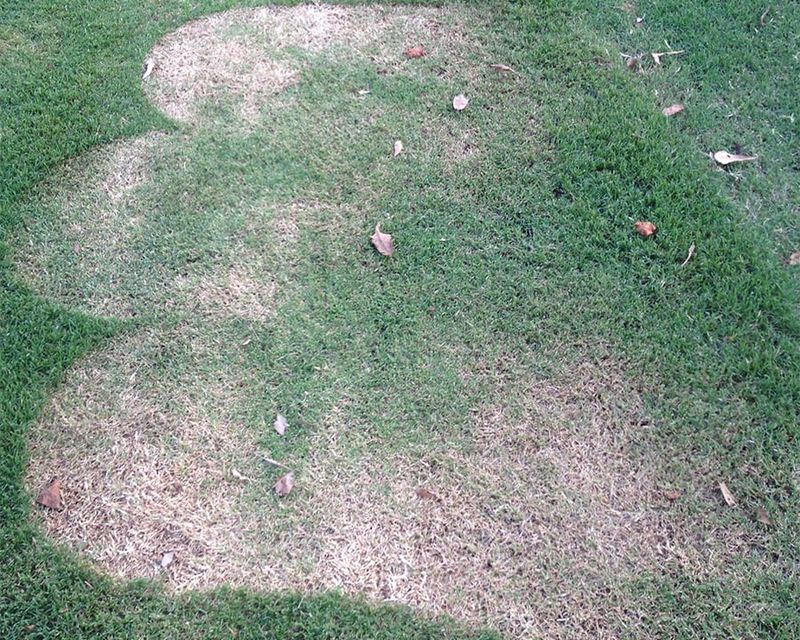
3. Yellow or Brown Patches That Won’t Go Away
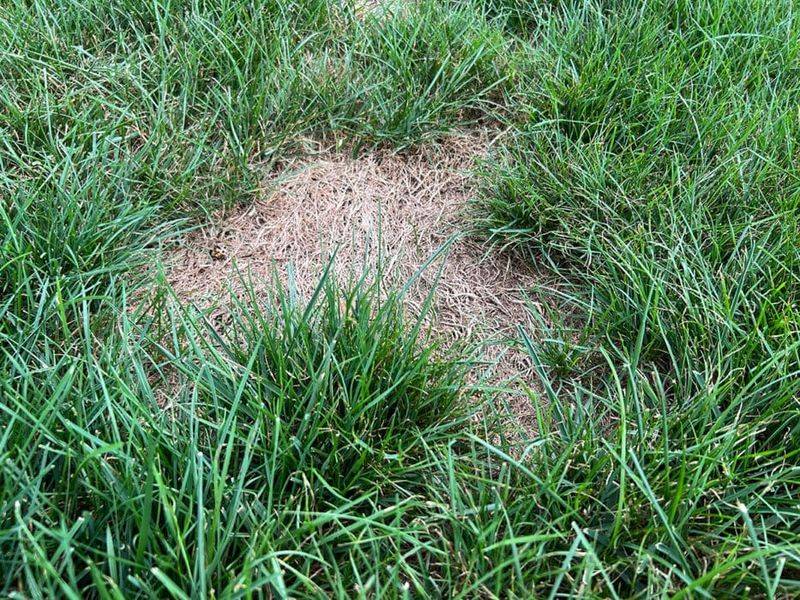
Few things are more frustrating than doing everything right and still staring at dead spots. You water on schedule, you fertilize, maybe you even reseed, and those patches just sit there.
Thick thatch may be the hidden culprit. It acts like a sponge that soaks up nutrients and water before they ever reach the roots, so your grass slowly starves even while you feed it.
Before blaming your fertilizer brand, pull back the grass in a brown patch and peek underneath. A heavy, matted layer tells you the food is getting stuck on the way down.
Dethatching opens the door so your hard work can finally pay off.
4. Water Pools or Runs Off the Surface
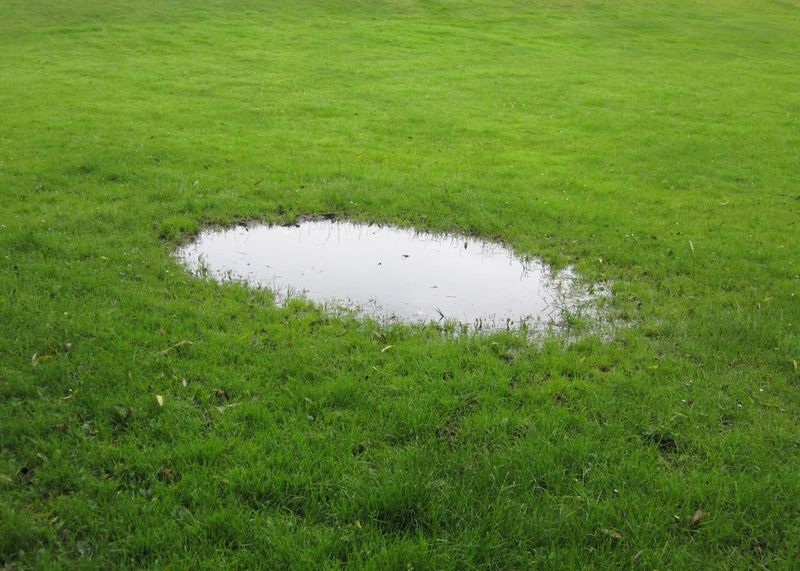
Picture a raincoat lying over your lawn. That is basically what heavy thatch does when water hits it.
Instead of soaking into the soil, water beads up, sits in puddles, or rolls straight down the slope toward the sidewalk. Thatch made mostly of tough roots and stems can actually repel water once it dries out.
Run your sprinkler for 15 minutes, then watch. If you see puddles forming fast or streams heading for the driveway, your soil is not getting a drink.
Before winter, that matters a lot, because standing water can freeze and damage the crowns of your grass.
5. Your Lawn Looks Thirsty Even After Watering
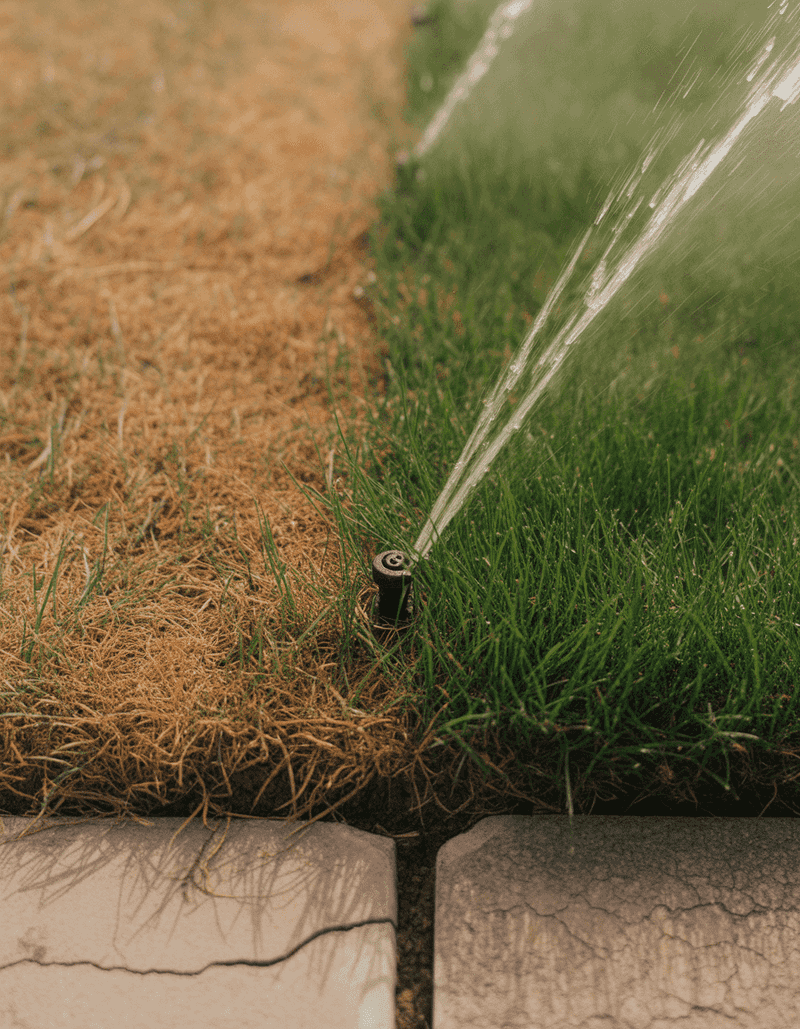
Here’s a strange one. You just watered yesterday, yet the grass looks limp, curled, and a little gray-blue, like it hasn’t had a drink in weeks.
Thatch can trap moisture up high where roots can’t reach it. The top inch stays damp while the soil below stays bone dry, so your grass wilts even though you did your part.
Push a finger or a small trowel into the soil after watering. If the thatch feels wet but the dirt underneath is dusty, you’ve found the problem.
Clearing that layer lets water travel down where it belongs, and you may even end up watering less.
6. Pests and Lawn Diseases Keep Showing Up
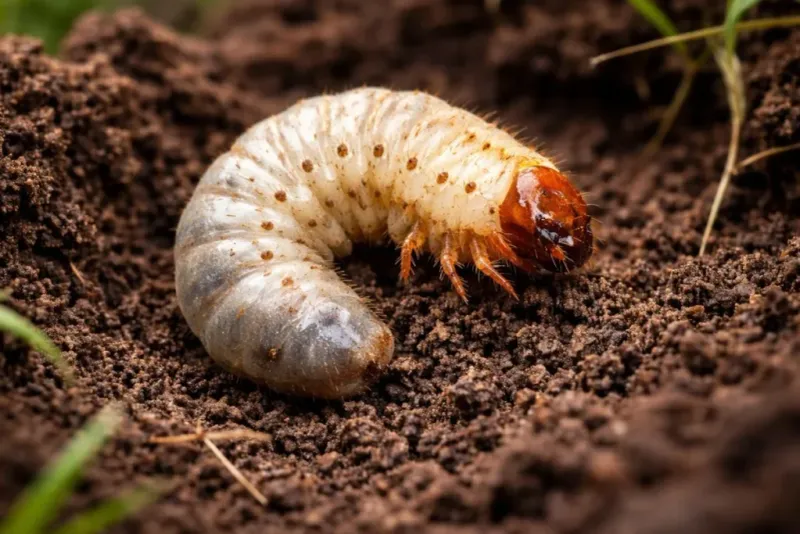
Grubs and chinch bugs love thatch about as much as cats love a sunny windowsill. It gives them shelter, warmth, and an all-you-can-eat buffet.
Thick thatch also holds moisture, which can create a cozy home for fungi behind brown patch, pythium blight, and snow mold. Snow mold is a real worry before winter, since it grows under snow cover and leaves gray or pink matted circles when the snow melts.
If you keep spotting bugs or odd fungal rings, check your thatch depth. Removing that layer in fall can reduce the hiding places pests and fungi depend on, though it won’t cure an active infestation on its own.
7. Lawn Treatments Don’t Seem to Work
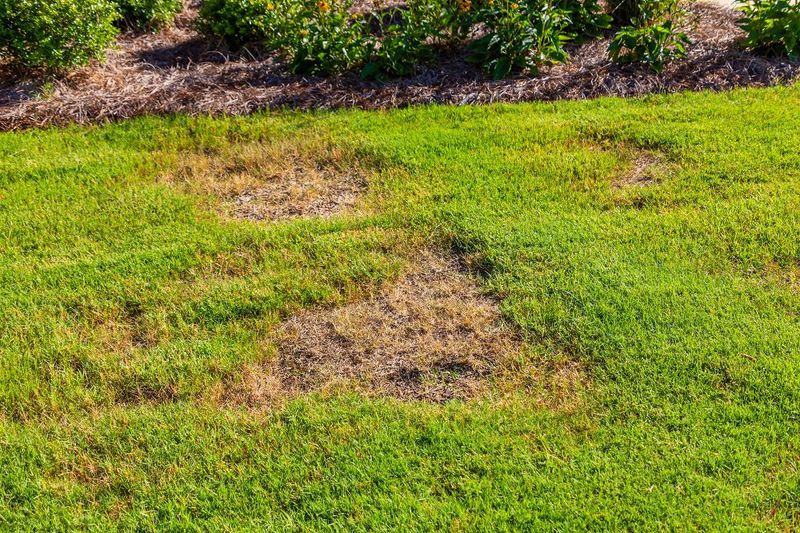
You spent good money on that bag of grub control or weed killer. A few weeks later, nothing looks different.
Many lawn treatments need to reach the soil or roots to do their job. A thick thatch layer catches granules and liquids like a net, holding them where they break down without ever touching the target.
So before you buy another product, check the thatch. Dethatching first, then treating, gives each application a fair shot at actually working.
That saves you money and keeps extra chemicals from washing away unused.
8. Mowing Is Tricky and You Keep Scalping
Ever finish mowing and notice odd bald stripes where the blade dipped too low? That scalping can be a sneaky thatch signal.
When thatch gets thick, mower wheels sink into the soft layer. The deck drops, the blade cuts lower than you set it, and suddenly your grass is shaved down to brown stems.
Watch your wheels next time you mow. If they press visibly into the turf, the ground is too spongy.
Scalped grass heading into winter is weaker and more likely to suffer cold damage, so fixing the cause now really helps.
9. Overseeding Isn’t Filling in Thin Spots
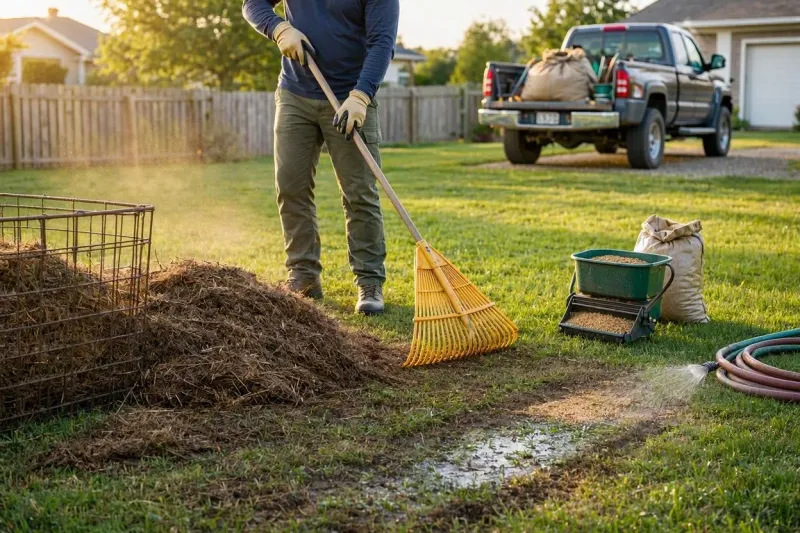
Grass seed is a lot like a tiny plant with big dreams. It needs to touch soil to sprout and grow strong roots.
When you scatter seed over thick thatch, most of it lands on that dead layer and never reaches the dirt. It dries out, washes away, or becomes bird food.
If your thin areas stay thin after reseeding, that is a strong hint. Dethatch first, rake away the debris, then overseed.
Early fall is ideal, because warm soil and cool air give new grass a running start before frost.
10. Grass Roots Stay Shallow
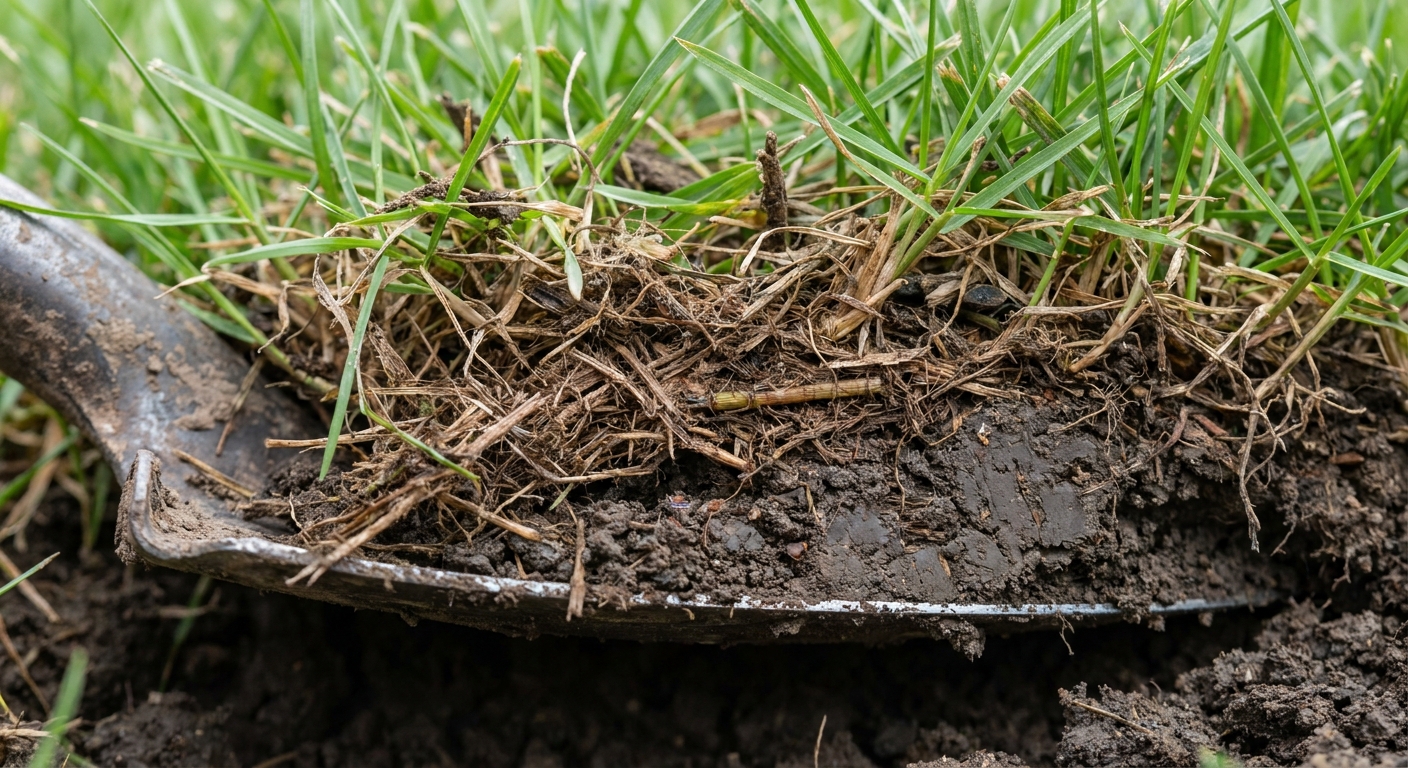
Grab a handful of grass and give it a gentle tug. Healthy turf holds tight, with roots reaching several inches into the soil.
If a clump lifts out easily and the roots look short and tangled in brown fibers, they are living in the thatch instead of the ground. Roots go where the water and food are, and thatch holds plenty of both near the surface.
Shallow roots leave grass weak against drought, heat, and freezing temperatures. Clearing thatch in fall encourages roots to grow deep while the soil is still warm, building a tougher lawn for winter.
11. The Grass Base Looks Puffy or Raised
Get down on your knees for this one. Part the grass with your fingers and look at where the stems meet the ground.
Normally, grass grows right out of the soil. When thatch is extreme, the base of the plants sits noticeably above the dirt, perched on a puffy brown cushion.
That raised look means your lawn is practically floating. It’s one of the clearest visual signs that thatch has gone way past healthy levels.
12. Your Lawn Looks Dull and Tired
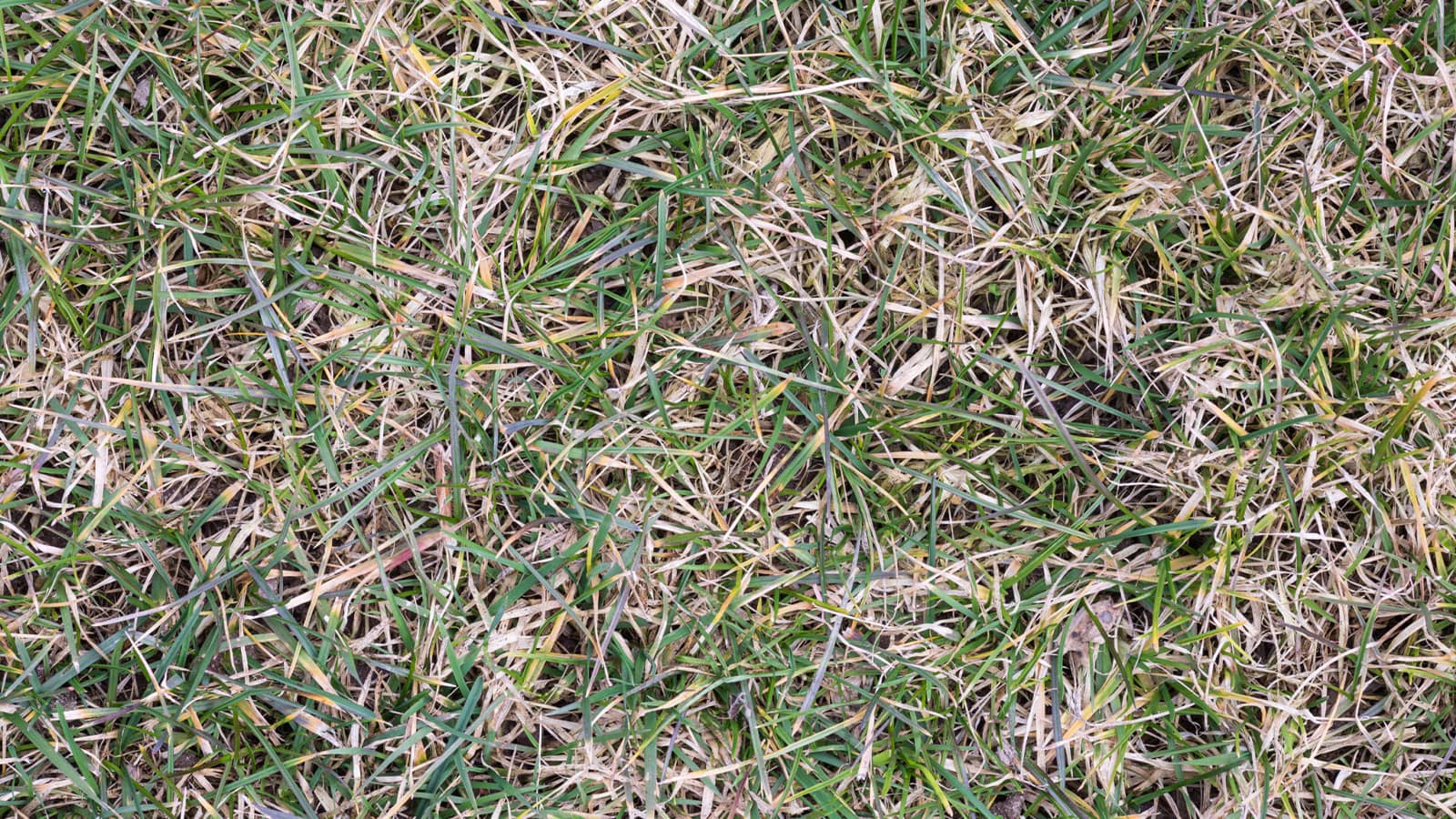
Sometimes there is no single dead patch or puddle. The whole yard just looks blah, like it needs a long nap.
A dull, faded lawn often means something is quietly holding it back. Thatch blocks air, water, and nutrients just enough to keep grass from ever looking its best.
Compare your lawn to a neighbor’s with similar sun and grass type. If yours seems flat and tired despite regular care, a quick thatch check could explain it.
Many homeowners are surprised how much greener things look the season after dethatching.
13. A Screwdriver Won’t Push Into the Soil
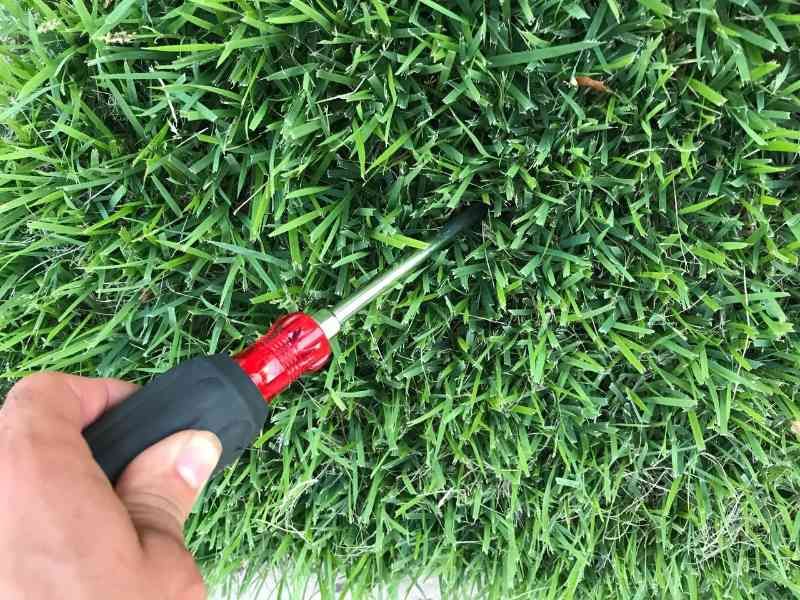
Every gardener should keep a long screwdriver handy. It’s one of the cheapest lawn tests out there.
Push it straight down into moist soil. It should slide in several inches without much effort.
If you hit stiff resistance right away, heavy thatch, compacted soil, or both may be to blame.
When the screwdriver test fails, pair dethatching with core aeration for the best results. Doing both in fall helps air and water reach the roots, cuts down on snow mold risk, and speeds drainage when spring melt arrives.