
13 Strawberry Tricks That Fill Your Patch With Sweeter, Bigger Berries Next June
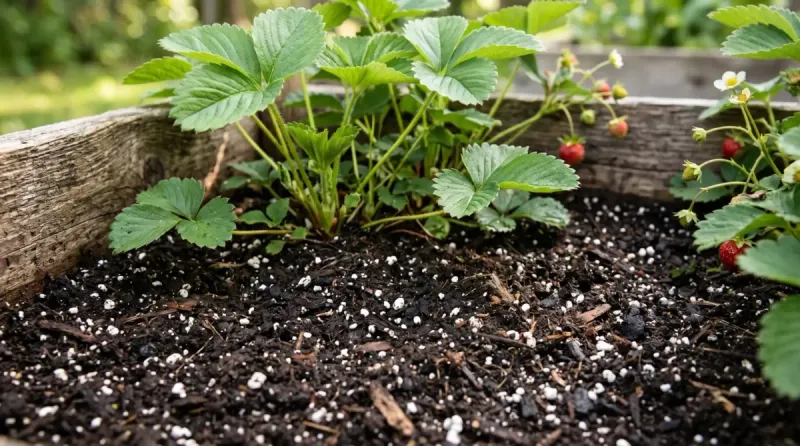
If your strawberries came in small, sour, or few and far between this year, your plants are not broken. Most strawberry problems come from a few simple habits that are easy to fix once you know them.
The work you do now, from late summer through spring, decides how your patch performs next June. Here are 13 tricks that can turn a so-so patch into a bowl of sweet, fat berries.
1. Give Them Eight Hours of Sun
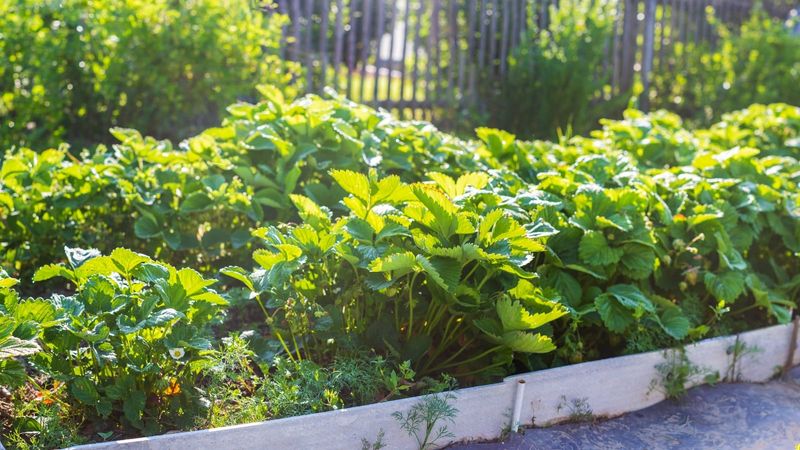
Picture two strawberry plants, one in full sun and one tucked beside a fence. The sunny one wins every time, and the berries taste like candy by comparison.
Sunlight is what builds sugar inside each fruit.
Strawberries need at least six hours of direct sun, but eight or more is where sweetness really shows up. If your patch sits in shade for half the day, that may explain sour or pale berries.
Spend a day watching where the light falls in your yard. Pick the brightest spot for any new plants, and consider moving a shaded patch this fall or early spring.
Morning sun is a bonus because it dries dew off leaves fast.
2. Water Deeply and Steadily
Here is a trap many gardeners fall into: skipping water for a week, then flooding the bed to make up for it. Strawberries hate that roller coaster.
Uneven moisture can lead to small, cracked, or mealy fruit.
Aim for about 1 to 1.5 inches of water each week, more in hot spells. A cheap rain gauge or a tuna can set in the bed tells you how much has fallen.
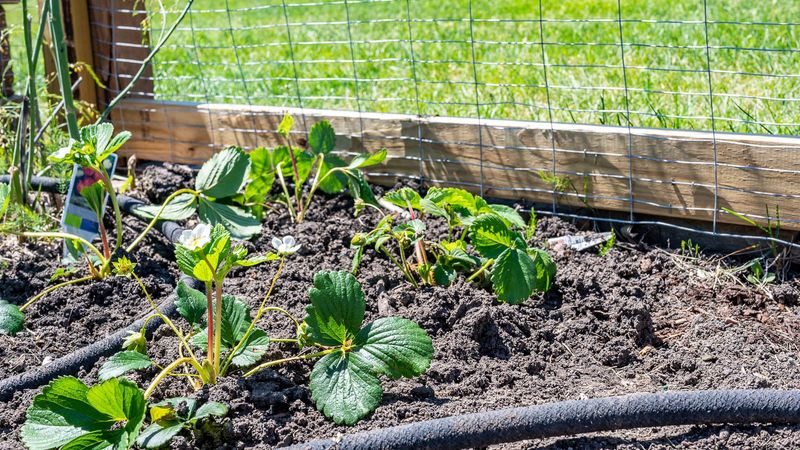
Water at the soil, not over the leaves. A soaker hose or drip line keeps foliage dry and puts moisture right where roots can drink it.
Early morning watering is best.
3. Build Rich, Slightly Acidic Soil
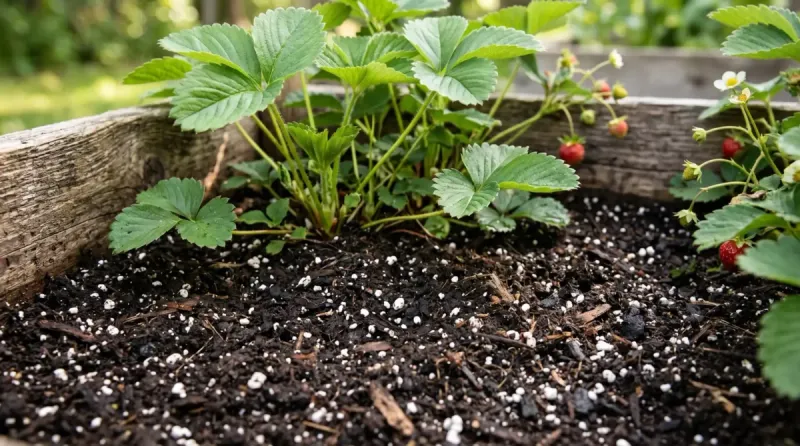
Good berries start underground. Strawberries like loose, well-drained, crumbly soil with a pH between about 5.5 and 6.8.
A simple soil test from a garden center or your local extension office shows where you stand. If soil is heavy clay or stays soggy after rain, roots may struggle and rot.
Work several inches of aged compost into the bed before planting. Raised beds are a smart move if your yard drains slowly.
Your plants will reward you with stronger roots and better fruit.
4. Go Easy on Nitrogen
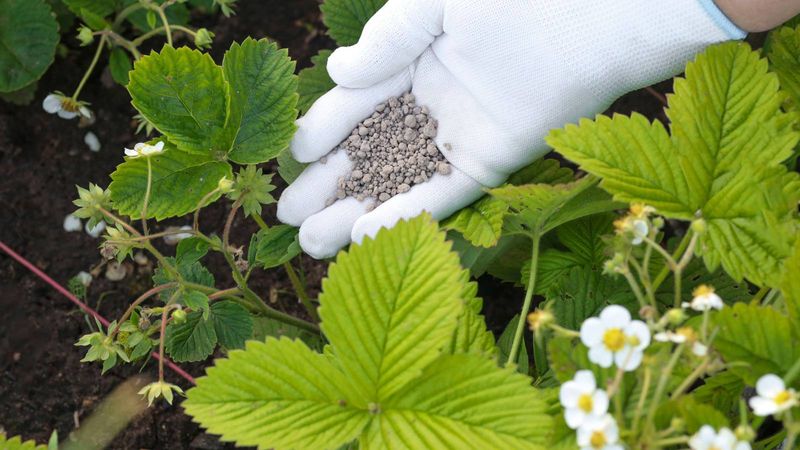
Big, gorgeous leaves and hardly any berries? That classic letdown often points to too much nitrogen.
Lawn fertilizer drifting into the bed is a sneaky cause.
Strawberries are hungry plants, but they need balance. Mix compost in before planting, then side-dress with a balanced, slow-release organic fertilizer every couple of months during the growing season.
A little phosphorus, such as bone meal, can support flowering and fruit. Potassium may help with sweetness.
Skip high-nitrogen blends, which push leaves at the expense of berries.
5. Choose a June-Bearing Variety
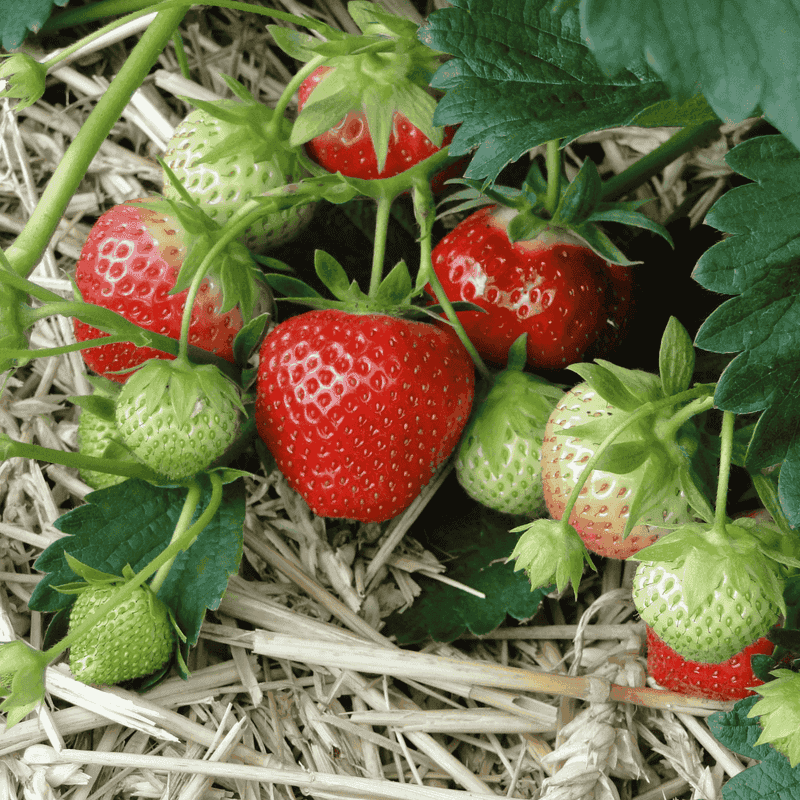
Want one big, glorious June harvest? Then the type of plant matters more than almost anything else on this list.
June-bearing strawberries make one heavy crop of larger fruit, usually over two or three weeks. Everbearing and day-neutral types spread smaller harvests across summer.
Both are nice, but only June-bearers deliver that bucket-filling burst.
Look for varieties suited to your region at a local nursery. Names like ‘Chandler’ and ‘Ruby June’ are known for flavor, while ‘Albion’ is a popular day-neutral pick if you prefer steady berries.
6. Space Plants 12 to 18 Inches Apart
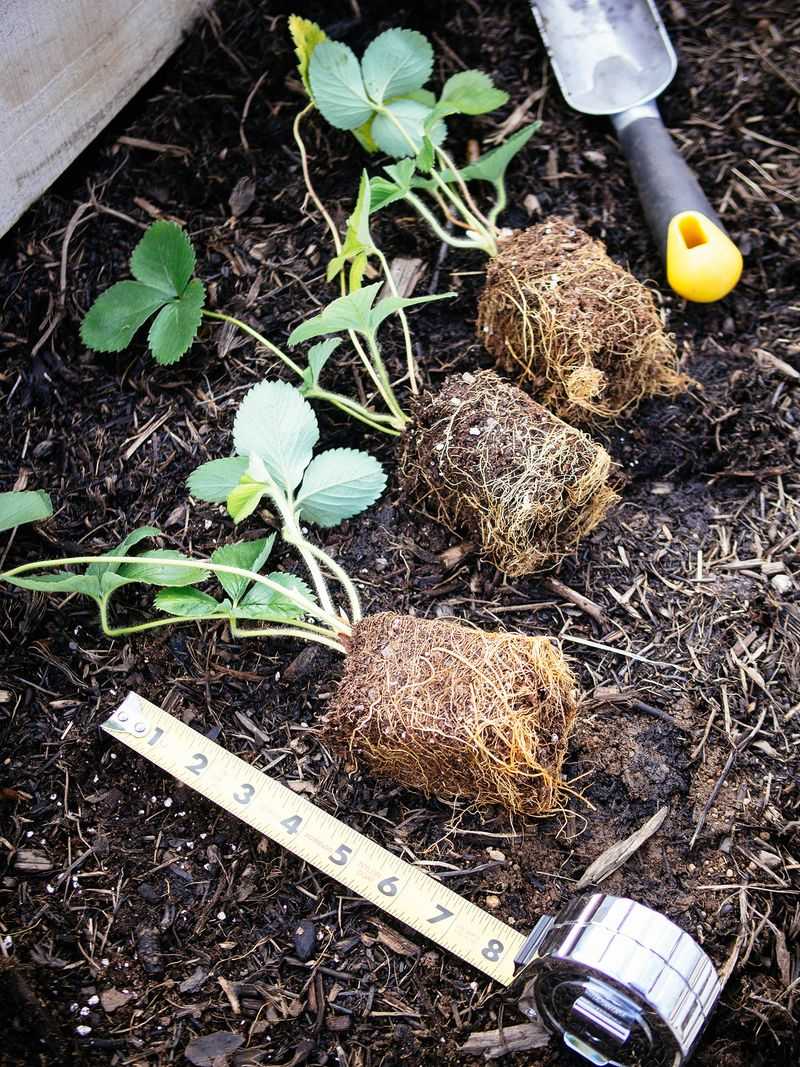
Crowded plants compete like siblings sharing one bag of chips. Nobody gets enough.
Set strawberries 12 to 18 inches apart. That room lets roots spread out and grab water and food, which shows up later as bigger berries.
Spacing also helps air move through the patch, so leaves dry faster after rain. It feels wasteful when plants are tiny, but by next June that empty-looking bed will be full.
7. Snip Extra Runners
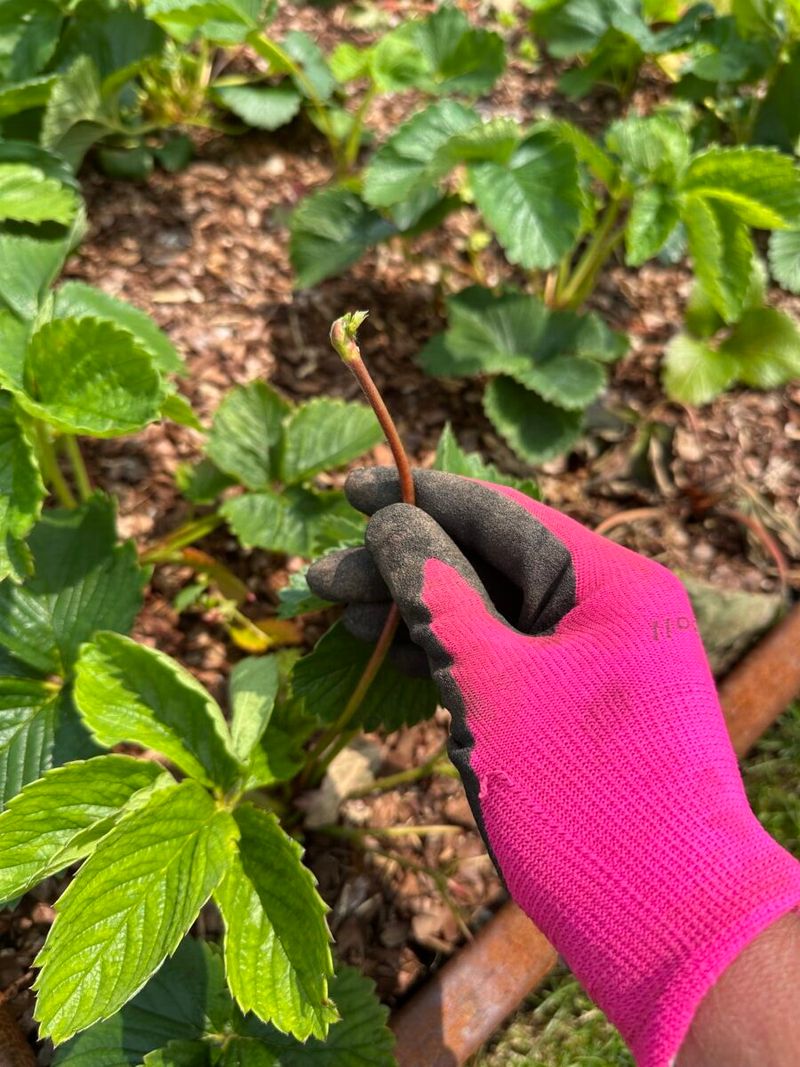
Those long, skinny stems shooting out from your plants are runners, and each one is trying to start a new baby plant. Cute, yes.
Costly, also yes.
Every runner pulls energy away from the mother plant. If you let them all grow, you get a jungle of crowded plants with smaller fruit.
Keep a few runners if you want to fill gaps or replace old plants, and snip the rest with clean scissors. Check every week or two during summer, because they appear fast.
8. Pinch First-Year Flowers
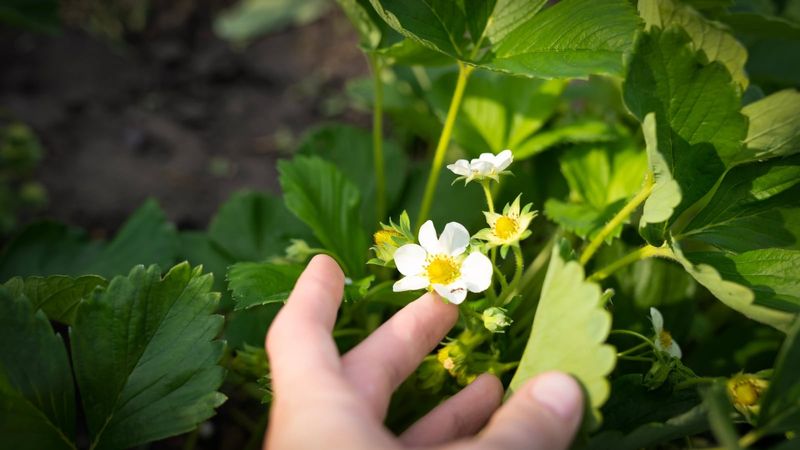
It sounds backward, but pulling off flowers can give you more berries. Patience is the secret ingredient here.
On newly planted June-bearers, pinch off blossoms in the first spring until about early May. The plant then puts its energy into roots and leaves instead of a tiny early crop.
Those stronger plants pay you back with a bigger harvest the next season. On established plants, thinning a few small developing fruits can help the rest size up and sweeten.
9. Tuck In a Thick Straw Mulch
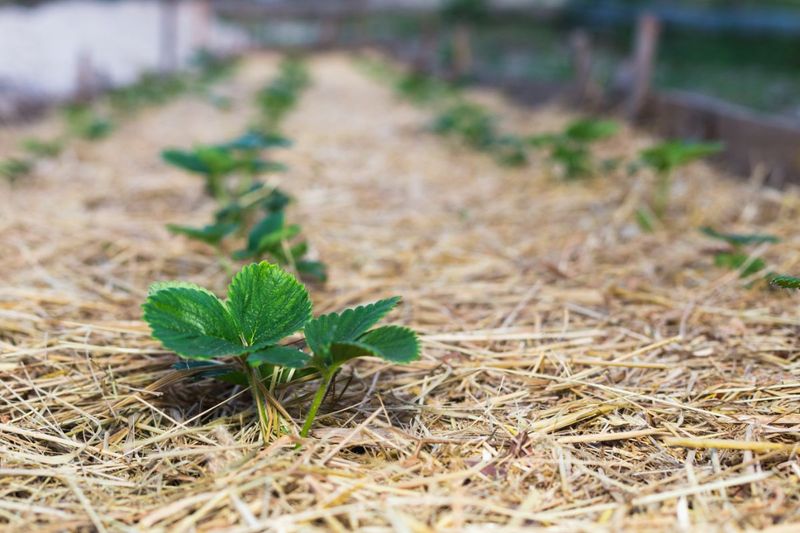
There is a reason they are called straw-berries in so many old garden stories. A layer of straw does a lot of quiet work.
Spread about 4 inches of clean straw around plants. It holds moisture, blocks weeds, keeps soil temperatures steady, and lifts berries off the dirt so they stay cleaner and less likely to rot.
In cold areas, a winter layer can protect crowns from freeze damage. Pull it back from the plants in spring once growth starts.
Use straw, not hay, which is full of weed seeds.
10. Renovate Right After Harvest
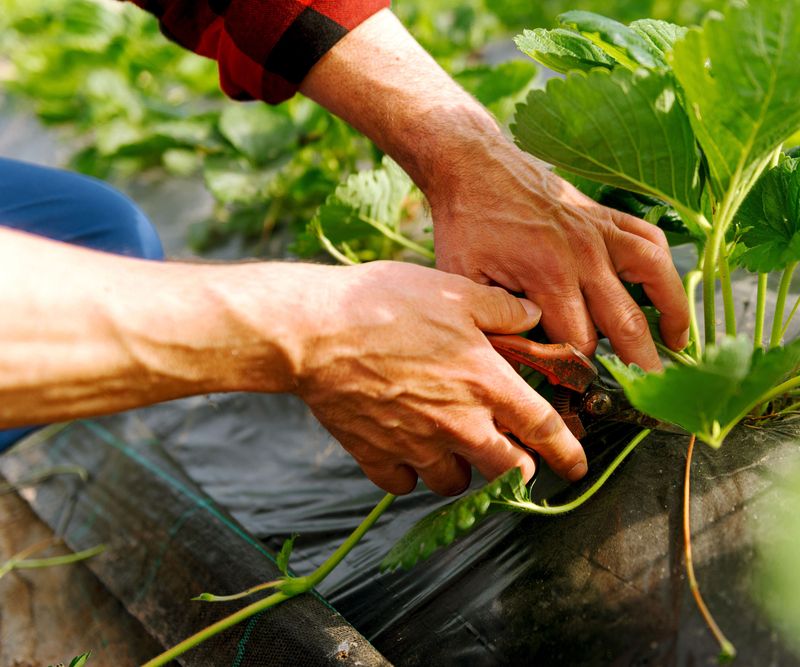
Once the June picking is over, most people walk away from the patch. That is exactly when your next crop starts forming its plan.
Renovating June-bearers soon after harvest means trimming or mowing old leaves a few inches above the crowns, thinning crowded plants, pulling weeds, and adding a light feeding and water.
Fresh new leaves grow back in summer, and the plant sets up its flower buds in fall. A tidy, refreshed patch now can mean bigger, healthier berries next June.
11. Replace Plants Every Three Years
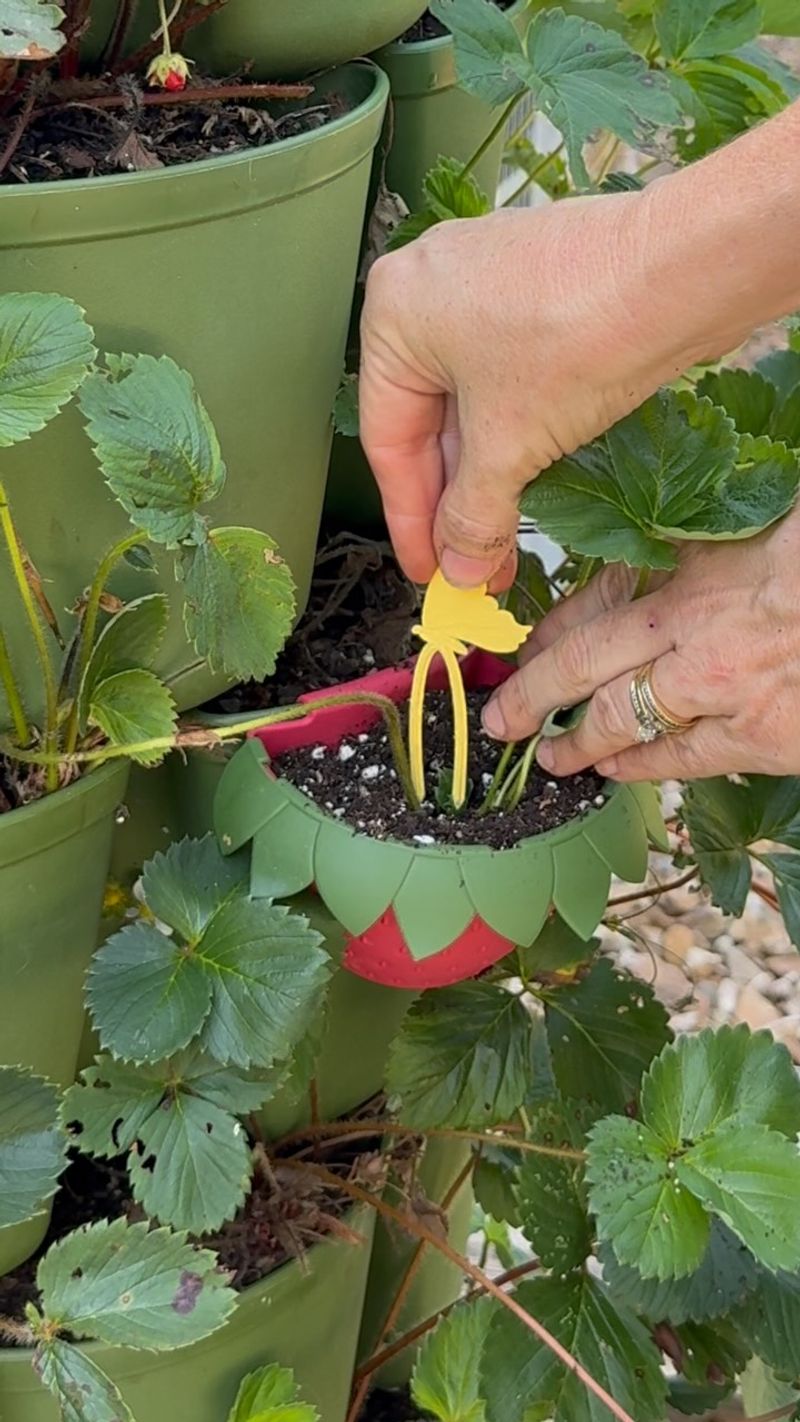
Strawberry plants have a short peak. They tend to be most productive for about two to three years, then the berries shrink and harvests thin out.
If your patch has been going for four or five seasons, shrinking fruit may simply be old age, not something you did wrong.
Root a few healthy runners in pots, or buy fresh plants, and start a new bed nearby. Rotating to a new spot also helps avoid soil diseases that build up over time.
12. Watch for Gray Mold and Pests
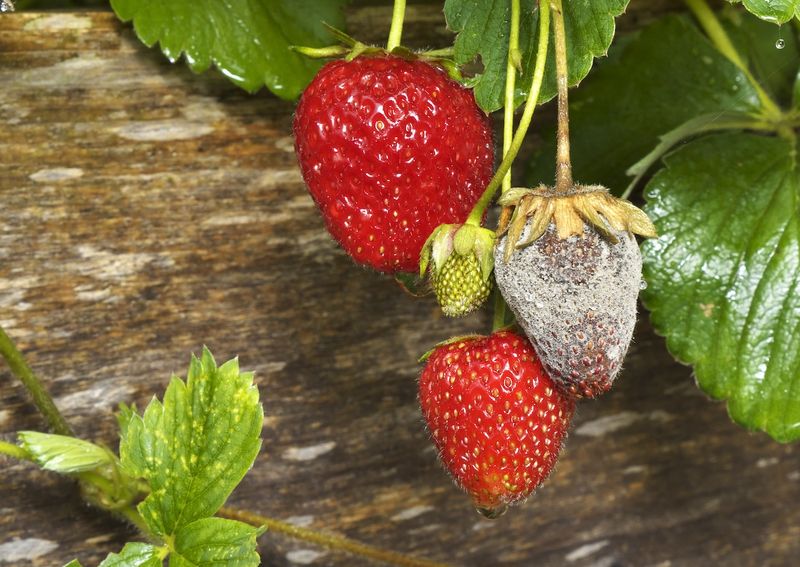
Few things sting like finding a perfect red berry covered in gray fuzz. That is gray mold, and damp, crowded patches invite it.
Walk your bed a couple of times a week. Remove moldy or rotting fruit right away, and look under leaves for spots, slugs, or chewed berries.
Good spacing, morning watering, and mulch can reduce disease. Netting may help keep birds off ripening fruit.
Choosing disease-resistant varieties also cuts down on trouble.
13. Pick Fully Red, Dry Berries
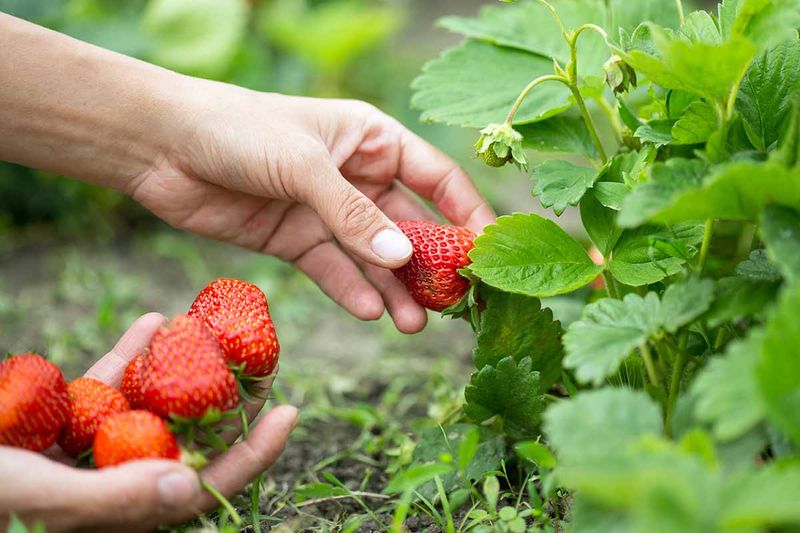
Grandma had it right when she waited until the berries were red all the way to the shoulders. Strawberries do not get sweeter after picking.
Harvest when fruit is fully red, ideally in the cool morning after dew dries. Wet berries spoil faster, so skip picking right after rain if you can.
Pinch the stem instead of pulling the berry, and pop your haul into the fridge quickly. Check plants every day or two in June, since ripe berries go soft fast.