
Violas Or Pansies, And The One That Keeps Blooming Through A Hard North Carolina Freeze
A January cold snap can turn a cheerful bed of winter flowers into a sad, soggy mess overnight. North Carolina gardeners love pansies and violas because they bring color when almost nothing else will, but they do not handle a hard freeze the same way.
One of them shrugs off the cold and keeps blooming, while the other often takes a long winter nap. Here is how to pick the right one for your yard and help it, and the pollinators that visit it, make it to spring.
1. Violas: The Freeze-Proof Winner
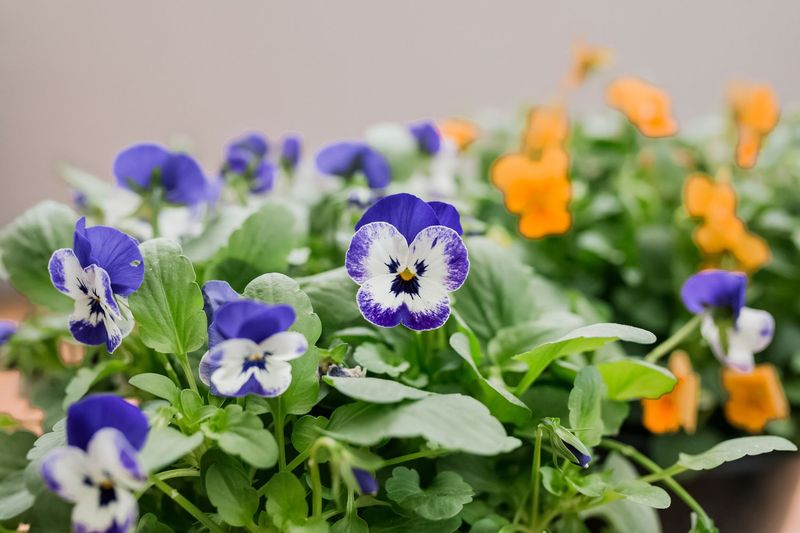
Picture a 15 degree morning in Greensboro. The pansies look flattened and gray, yet a few feet away the violas are already perking back up as the sun hits them.
Violas are the tougher of the two, and many varieties stay winter hardy down to about 0 degrees. Their flowers may slump during a severe frost, but they usually recover within hours once things warm a little.
Their small blooms seem to be the secret. Less tender petal surface means less to damage, so violas keep flowering through much of a mild NC winter and bounce back faster after a cold snap.
If you want steady color from December through March, violas are the safer bet in the Piedmont and mountains alike.
2. Pansies: Big Faces That Take a Winter Break
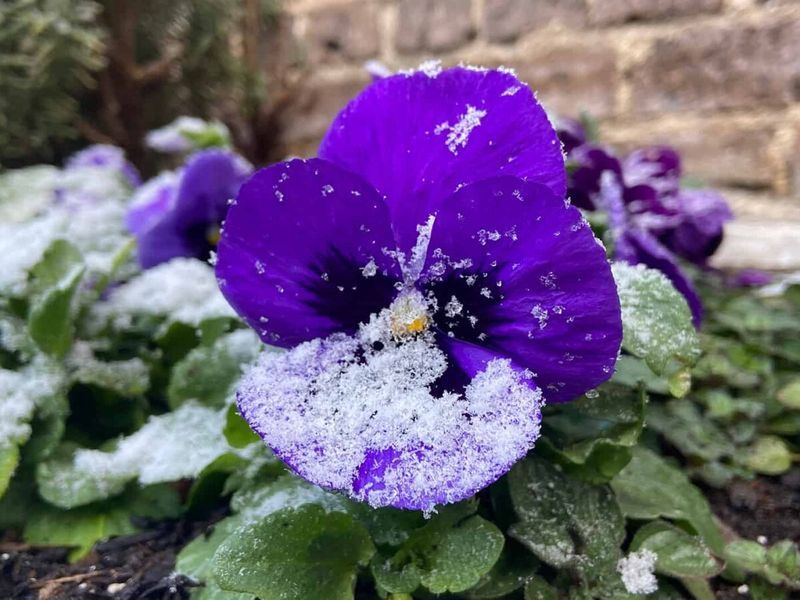
Nobody plants pansies for subtlety. Those big, bold faces in purple, gold, and burgundy are the reason so many Carolina mailboxes look cheerful in November.
Pansies handle light frost well and can survive temperatures around 25 degrees, and even single digits. The catch is that their large flowers often die back in serious cold, leaving green plants with no color for a while.
Don’t panic when that happens. The plants usually push out fresh buds as soon as the weather warms, and their true showtime in North Carolina is spring, when they explode into full bloom.
3. Panolas: The Best-of-Both Hybrid
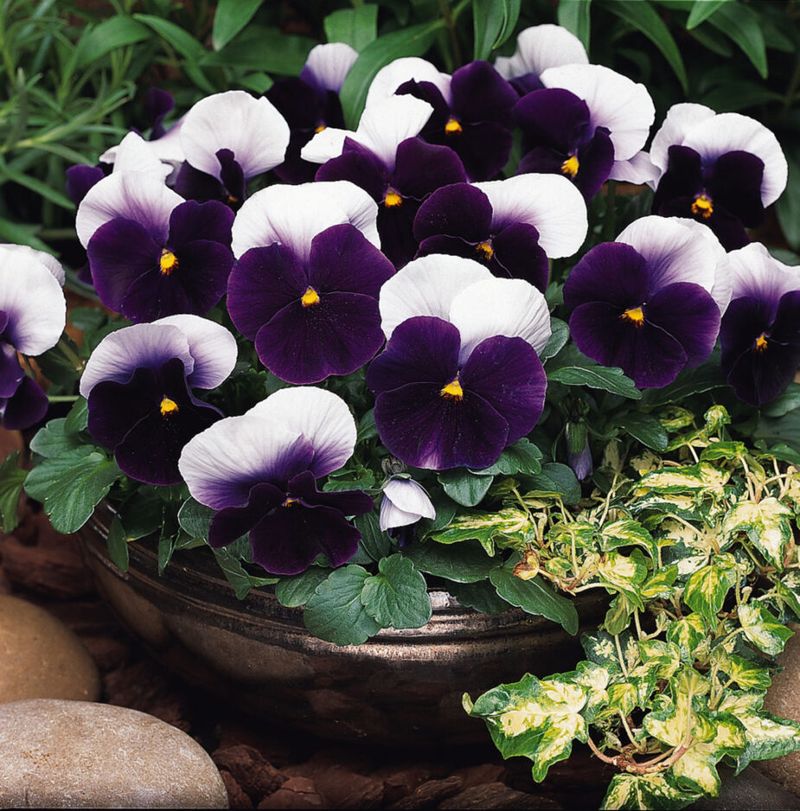
Can’t decide? Plant breeders couldn’t either, so they crossed the two and came up with panolas.
These hybrids carry much of the viola’s cold toughness and steady flowering, with blooms closer to pansy size. You get flowers you can see from the street that don’t quit at the first hard freeze.
Panolas are a smart pick for borders along driveways and walkways, where you want impact but don’t want to babysit plants every time a cold front rolls through.
4. Fall Planting Timing by NC Region
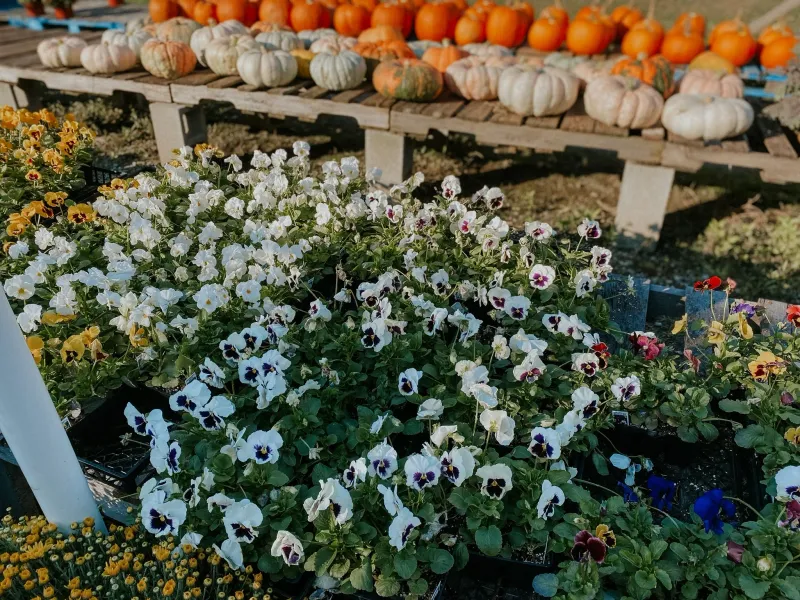
Timing matters more than most people think. A viola planted in September and one planted in December are basically two different plants by January.
In the mountains and Piedmont, aim for mid-September to early October. Coastal Plain gardeners in Zone 8a can push it to late October.
Early planting gives roots several weeks to spread before the ground gets cold. Strong roots are what carry both violas and pansies through a freeze, because a plant that can pull water from deeper soil is much less likely to dry out and collapse.
Late-season bargain flats can still work, but expect them to struggle more after the first hard cold.
5. Water and Mulch Before the Big Chill
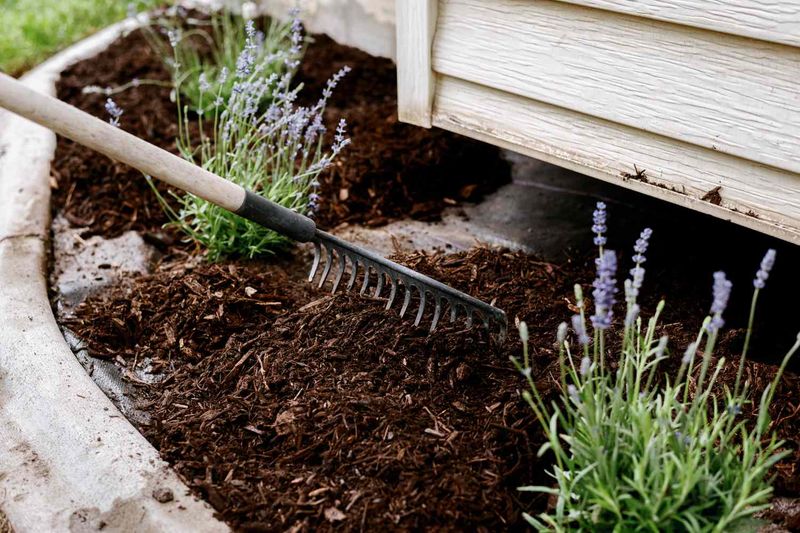
Here’s an odd truth: winter flowers often die of thirst, not just cold. When temperatures stay below 10 degrees for hours, frozen soil locks up water the roots can’t reach.
So water deeply a day or two before a forecast freeze. Moist soil holds heat better than dry soil and gives plants a reserve to draw on.
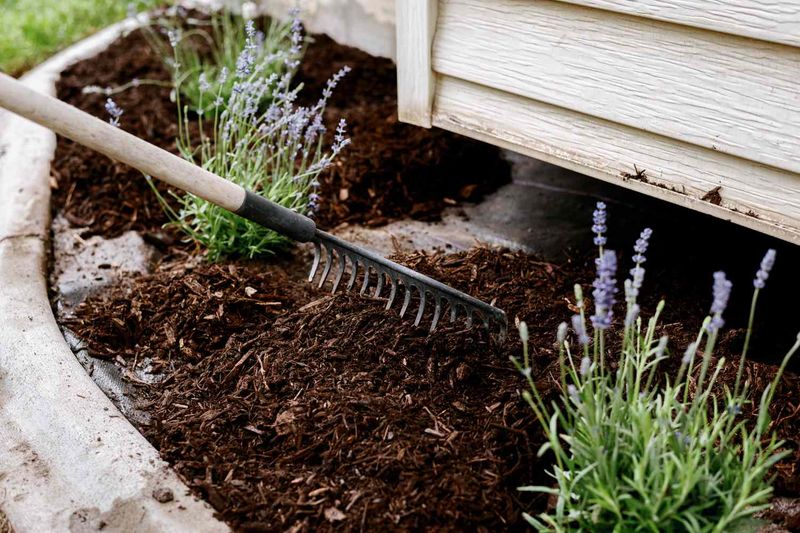
Then tuck in a layer of pine straw or shredded leaves. Your own fallen oak and maple leaves work great and are free, and leaving leaf litter in nearby beds also shelters overwintering native bees, butterfly pupae, and the insects that become firefly food come summer.
6. Frost Cloth for Sub-20 Nights
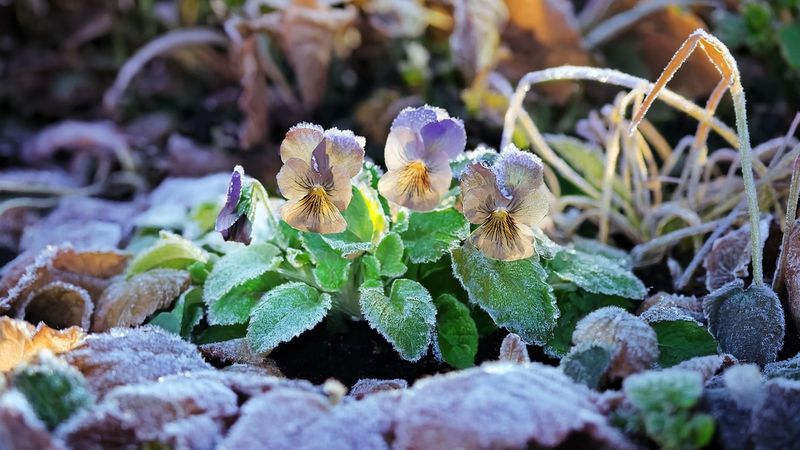
My grandmother used her oldest bedsheets for this, and honestly, they still work.
When the forecast calls for temperatures below 20 degrees, cover your beds with frost cloth or an old sheet in the evening. Weigh the edges down with bricks or rocks so wind can’t sneak underneath.
Skip plastic, since it can trap moisture and burn foliage. Pull the covers off the next morning once it warms up so the plants get sunlight.
And if snow falls? Leave it.
A blanket of snow insulates plants from harsh wind and bitter air.
7. Protecting Blooms From Deer and Rabbits
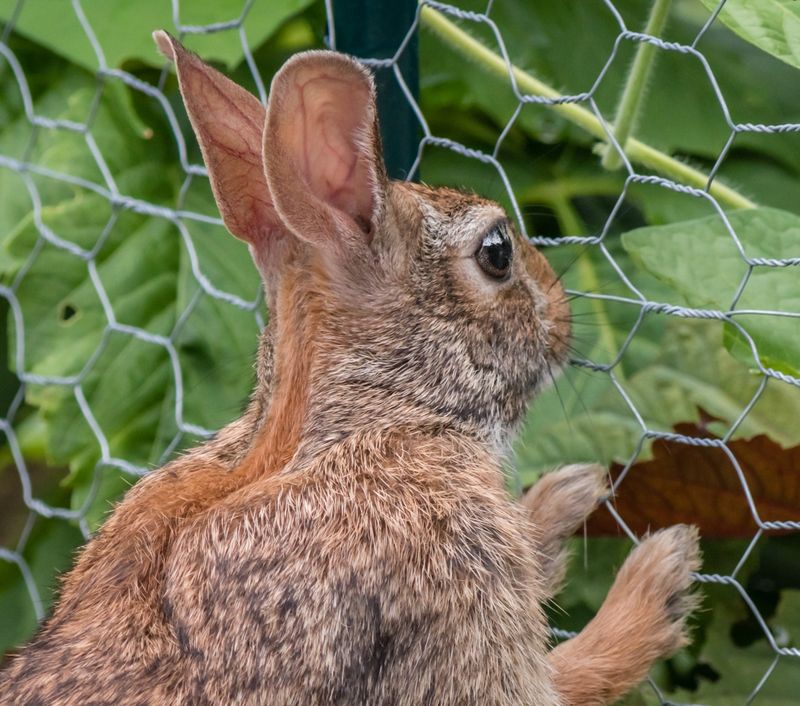
Hungry winter wildlife sees your pansy bed as a salad bar. Deer, rabbits, and squirrels all nibble on violas and pansies when other food runs short.
The kind approach is to protect plants, not punish animals. Low wire mesh around beds, containers on porches, or planting near the house can cut down losses without harming visitors.
Avoid poisons and sticky traps entirely. They can hurt box turtles, songbirds, and other creatures you want in your yard, and a few chewed petals are a fair trade for a healthy backyard ecosystem.
8. Native Violets for Early Pollinators
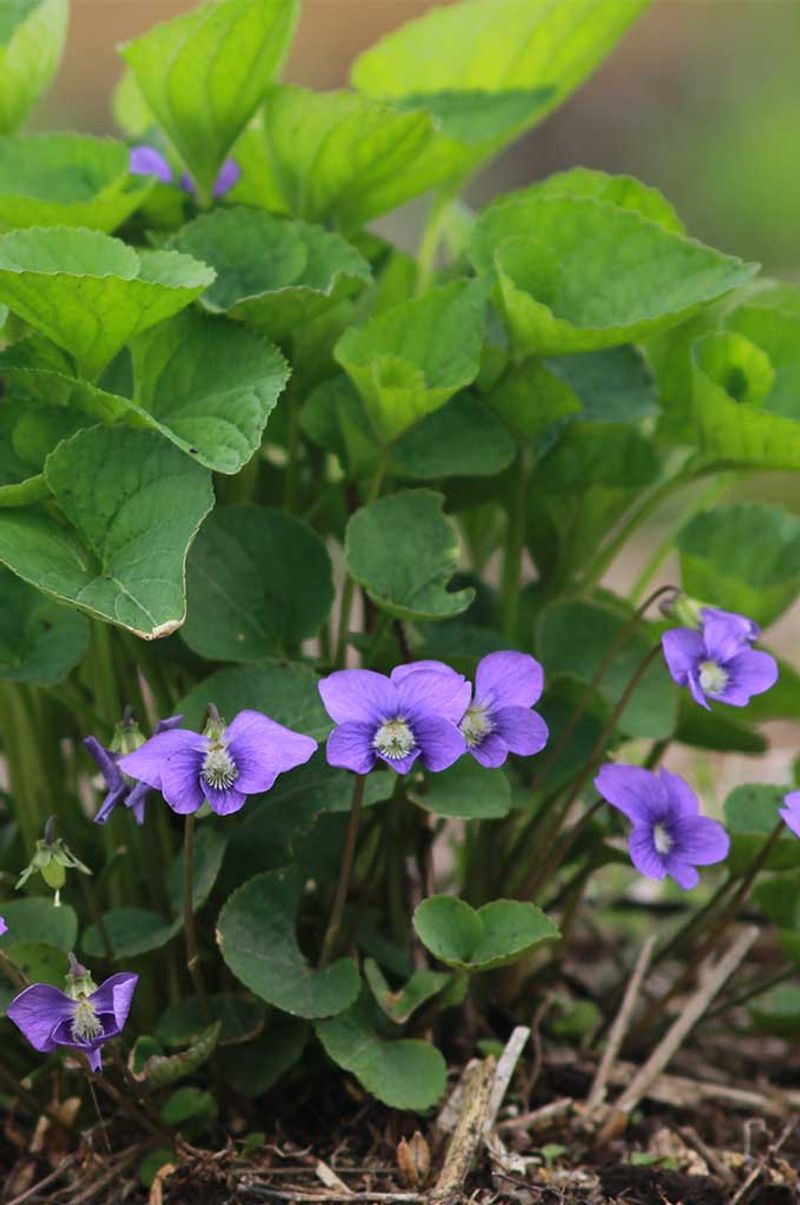
Fun fact: North Carolina has its own wild violas. Common blue violet, Viola sororia, pops up in lawns and woodland edges across the state every spring.
Garden violas can draw solitary bees on warm winter days, but our native violets go further. They are host plants for fritillary butterfly caterpillars and feed early native bees when little else is open.
Consider pairing your winter violas with a patch of native violets in a shady corner. Unlike invasives such as vinca or English ivy, they play nicely with the local ecosystem, so your yard keeps blooming long after the last freeze.