
Plant Your North Carolina Pansies This Month And They Bloom Straight Through The Coldest Winter Weeks
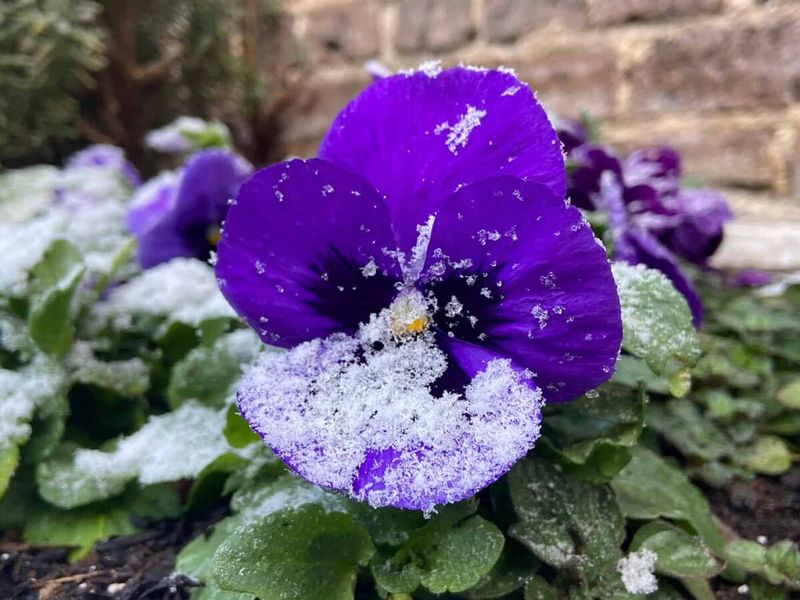
A pot of pansies can turn a gray winter yard into a patch of purple, yellow, and white. Getting them into the ground at a good time helps them settle in before the hard cold arrives.
North Carolina is a long state, though, so the best planting date in Wilmington is not always the best date in Boone. Here is how to pick your timing, set up the bed, and keep the color going as long as the weather allows.
October is a useful window, not a statewide deadline
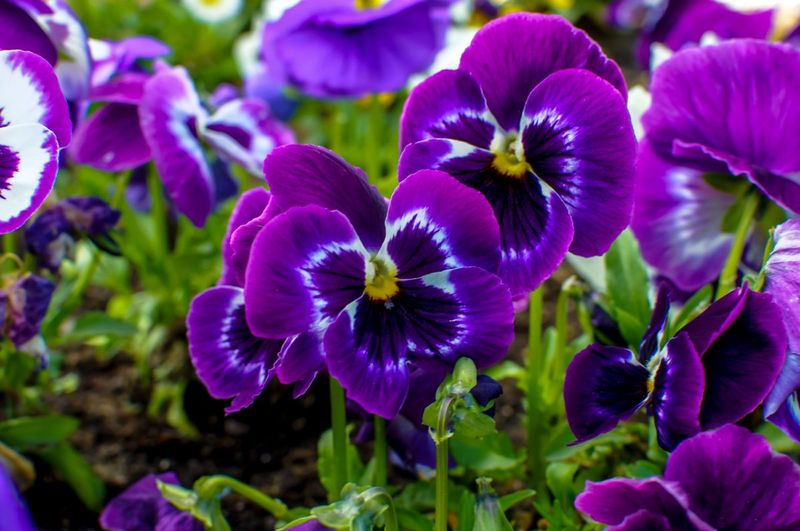
Fall planting gives pansy transplants time to settle in before colder weather arrives, which can support winter and early-spring color. That is the real payoff of planting in autumn.
It is a head start, and it is not a promise that flowers will never pause.
Local guidance shows how much the best date can shift. Lee County Extension names October as the best time for its area.
Farther south and east, Richmond County guidance points to late October through early November, and Wayne County guidance stretches from late October through November.
So October works well as a starting point for many yards, but it is not a cutoff for the whole state. A mountain gardener facing early frost may need to move sooner than someone near the coast.
Someone on the Coastal Plain with a warm fall may do better waiting a bit.
Your best move is to check the Extension office for your own county and then watch what your yard is doing. Cooling nights and a break from summer-like heat are better signals than a date circled on the calendar.
If you are unsure, plant a small first batch and add more as conditions settle.
Also keep in mind that timing is only one piece of the display. Plant quality, drainage, watering, sun exposure, and the winter itself all play a part, and the next sections cover each of them.
Choose compact transplants and wait for the heat to ease
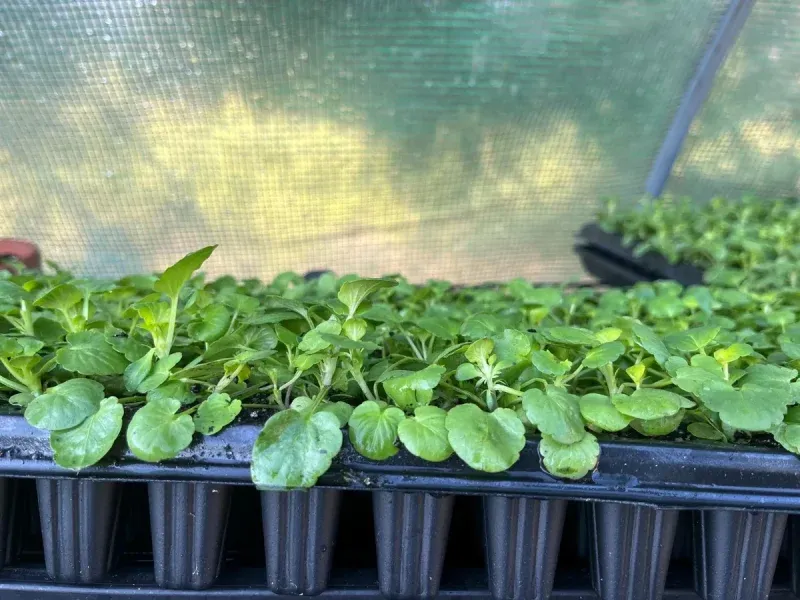
Walk past the biggest, floppiest pansies at the garden center. Tall, stretched-out plants with long stems are often leggy, and plants with roots circling the pot tightly are root-bound.
A compact, bushy transplant with healthy green leaves usually adjusts to a new bed more easily.
Slide one out of its cell if the store allows it. You want to see white, lively roots holding the soil together, not a tangled mat or a brown, dry plug.
A few open flowers are fine, but a plant covered in blooms and already tired may have been sitting too long.
Now think about the weather. Pansies are cool-season plants, so planting in lingering heat can weaken them before they ever get going.
Planting too late, on the other hand, leaves less time to establish before colder weather.
For a number to work with, Richmond County Extension gives a local soil-temperature range of 45 to 65 degrees Fahrenheit. Treat that as local guidance rather than a rule for the entire state, since a mountain bed and a coastal bed cool off on very different schedules.
An inexpensive soil thermometer pushed a few inches into the bed gives you a real reading. If the soil is still warm and the afternoons feel like summer, keep the transplants in a shady spot, water them, and wait a week or two.
That patience costs very little.
Choose a sunny, well-drained bed
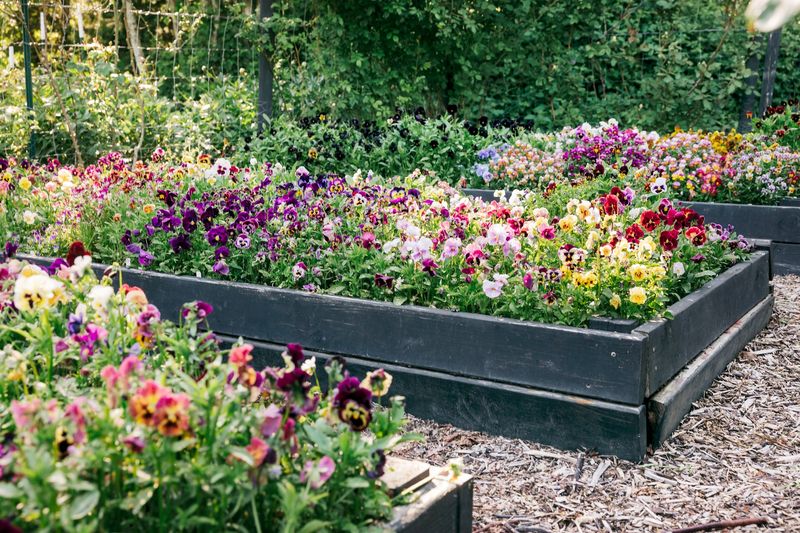
Where you plant matters as much as when. Pansies do best in full sun to part shade, and NC State’s Plant Toolbox describes them as preferring moist, well-drained soil.
In winter, when the sun sits low, a spot that gets a good share of daylight helps plants keep growing.
Walk your yard after a heavy rain and look for puddles that linger. Low corners, spots at the bottom of a slope, and areas near downspouts often stay soggy.
Waterlogged soil is a poor fit for pansies, and it also sets the stage for trouble above ground.
NC State lists fungal leaf diseases, including pansy leaf spot, among the problems that can show up, as covered in the Extension Gardener Handbook. Damp, crowded conditions tend to favor these diseases.
A site that drains well and has some air movement gives leaves a better chance to dry out.
If your soil is heavy Piedmont clay, loosen the top layer and mix in compost so water can move through. A raised bed or a container filled with quality potting mix is a handy fix for a spot that stays wet.
Rake the surface smooth, then set the plants at the same level they sat in their pots.
Give each transplant a little elbow room so air can circulate. Crowding plants shoulder to shoulder looks full on day one, but it can leave foliage damp for longer.
Water after planting and during dry winter spells
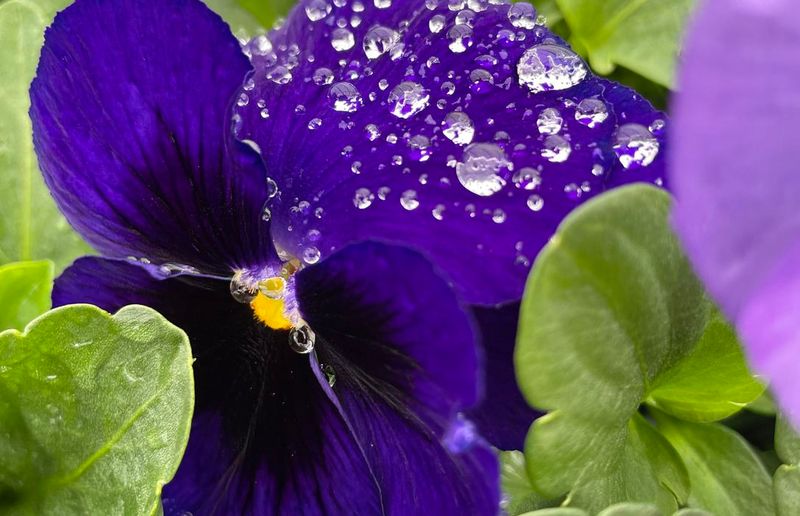
Fresh transplants need a good drink right after they go in. The roots are still finding their way into new soil, and a thorough soaking helps settle the soil around them.
Check the bed every few days for the first couple of weeks.
Winter can fool you. Cool temperatures make it easy to forget the hose, yet North Carolina often has dry spells between cold fronts.
Wayne County Extension notes that pansies still need attention during the winter season, so a dry week deserves a watering.
Try the finger test. Push a finger an inch or two into the soil, and if it feels dry, water.
If it feels damp, wait. The goal is soil that stays evenly moist, not soaked.
That difference matters. Hydrated plants and waterlogged soil are not the same thing, and soggy ground can invite the fungal problems discussed in the Extension Gardener Handbook.
Water in the morning when you can. That gives leaves time to dry before the cold night, which may reduce disease risk, though no watering habit can promise to prevent disease entirely.
Aim the water at the soil rather than the flowers, and use a gentle stream so you do not splash soil onto the foliage.
Winter survival does not mean nonstop flowers
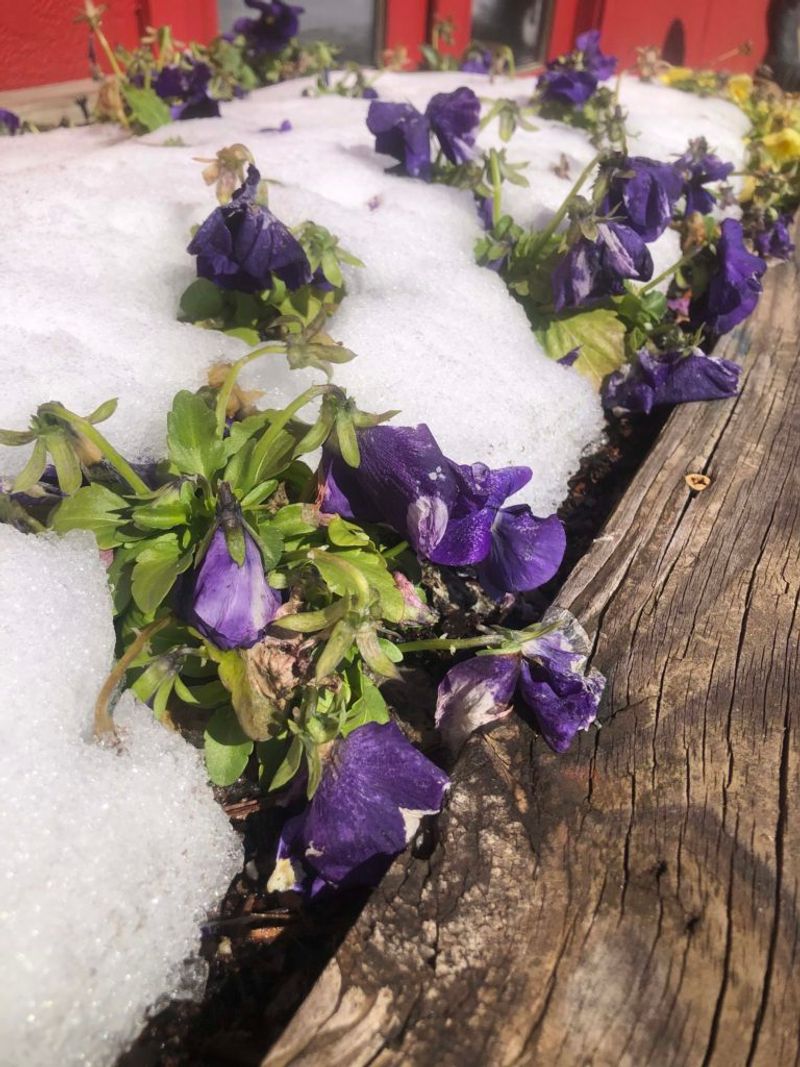
Here is the honest part. Pansies can handle freezing weather, but surviving a cold snap is not the same as flowering through it.
University of Georgia Extension reports that foliage may wilt and turn gray-green when temperatures fall below 25 degrees Fahrenheit, and that plants can recover as conditions warm.
If you wake up to droopy, dull plants after a hard freeze, hold off on pulling them. Give them a sunny afternoon or two and see what happens.
Blooms may pause, then return when the weather eases.
Spring is often the high point. Clemson Extension says peak bloom comes in spring, so expect the fullest show once days lengthen and warm up.
NC State describes pansies as able to flower for four to six months. Think of that as the possible season length, not a guarantee of uninterrupted flowers in every yard or every winter.
Deadheading helps stretch the display. Pinch off faded flowers along with their stems so the plant keeps putting energy into new buds instead of seeds.
It is a quick weekly chore, but it cannot override a harsh stretch of weather.
Save extra cover for an unusually severe cold event
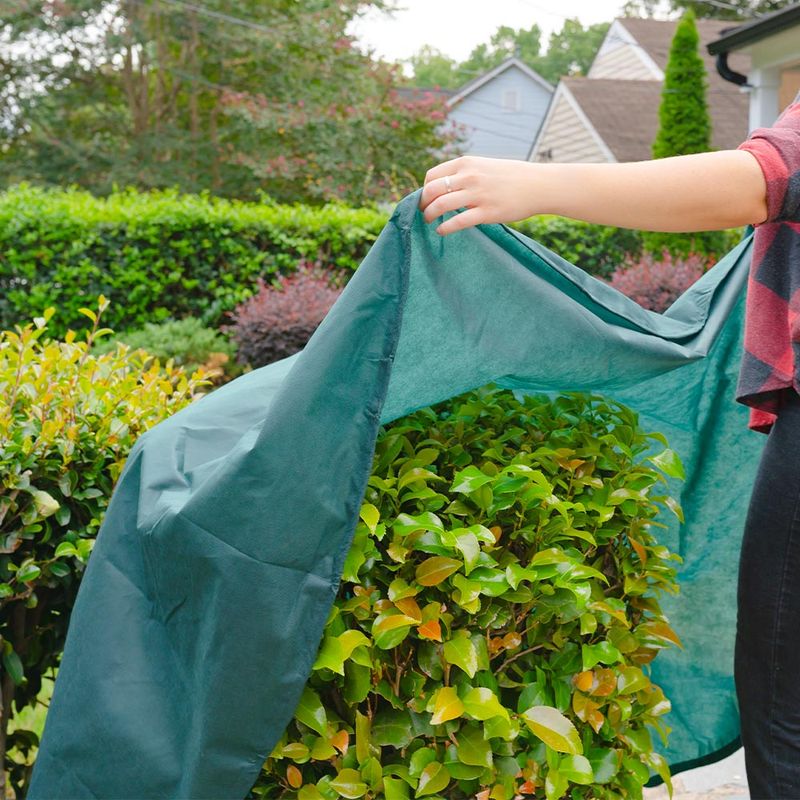
Most winters, pansies get by with no extra covering at all. When forecasters warn of an unusually severe cold event, though, a blanket of pine straw can add a layer of protection.
University of Georgia Extension describes spreading 2 to 4 inches of pine straw over the bed for this purpose.
Treat it as a short-term measure, not a routine part of winter care. Once the cold passes, pull the straw back off so the plants get light and air again.
Leaving it in place can smother the foliage and keep the bed damp.
Why bother at all? Damage risk depends on conditions.
Frozen soil can keep roots from taking up water, and drying winds can make that problem worse. A bed in an open, windy spot may fare differently from one tucked beside a south-facing wall.
Walk your yard and note which beds catch the wind and which stay sheltered. Those exposed spots are the first ones to cover when a hard freeze is in the forecast.
Water the bed a day or so ahead if the soil is dry, then add the straw.
Even with good care, no one can promise that every pansy will withstand every winter event. A few tired plants after a brutal week are normal, and fresh transplants can fill gaps.
Pansies are tough, not invincible, and a little attention at the right moment goes a long way.