
13 Things To Do The Moment Your Tomatoes Split After A Heavy Rain (And 3 That Make It Worse)
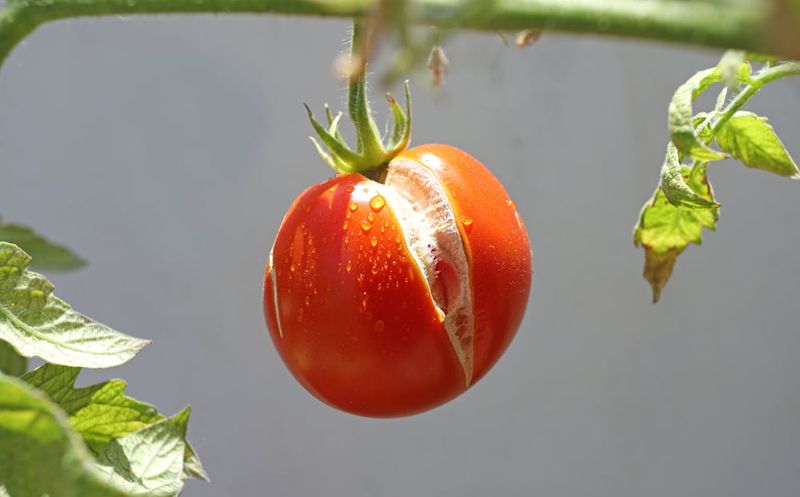
A big summer storm rolls through, and the next morning you find your beautiful tomatoes cracked wide open along the top. What happened is simple: the roots gulped up all that sudden rainwater, the insides swelled fast, and the skin split because it could not stretch quick enough. The good news is that a split tomato is not automatically ruined, and how you react in the first hour or two really matters. Here are the smart moves to make right away, plus three common mistakes that turn a fixable problem into a rotten mess.
1. Pick the deepest-cracked tomatoes first
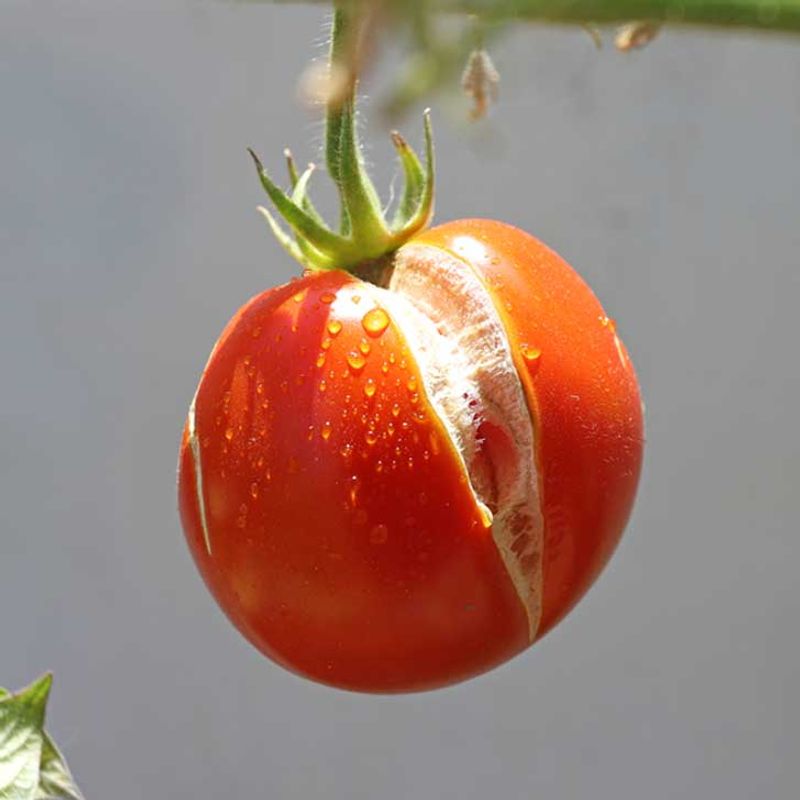
Grab a basket and head straight for the fruit with the widest, deepest splits. Those open wounds are basically an invitation for fruit flies, ants, and rot-causing fungi, and every hour they sit on the vine gives pests more time to move in.
A tomato that has cracked all the way down to the seed cavity will not heal back together, so leaving it out there does nothing but risk mold spreading to healthy neighbors. Twist or snip it off cleanly at the stem instead of yanking, which can bruise the vine.
Sort as you go. Deep-cracked ones head to the kitchen for immediate use, while the barely-nicked fruit can hang on a little longer. Getting the worst offenders off the plant fast is the single biggest thing you can do to protect the rest of your harvest.
2. Bring the ripe ones indoors to finish
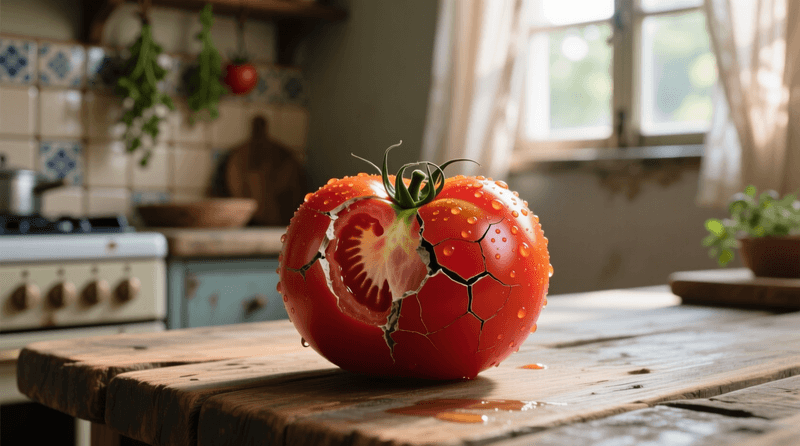
Any tomato that has already turned mostly red or pink should come inside the moment you spot a split. Left on the plant in humid, post-storm air, a ripe cracked tomato can go from edible to fuzzy in a single warm afternoon.
Set them stem-side up on your counter, spaced apart so air can circulate around each one. Skip the windowsill myth; direct sun softens them faster and does nothing to slow the splitting. A shaded, breezy kitchen corner works far better.
Cracked tomatoes ripen a touch quicker than perfect ones because the wound speeds up the natural process, so plan to eat, cook, or freeze them within a day or two. Bringing them in buys you time and keeps you in control of the timeline instead of the weather.
3. Inspect each split for early rot
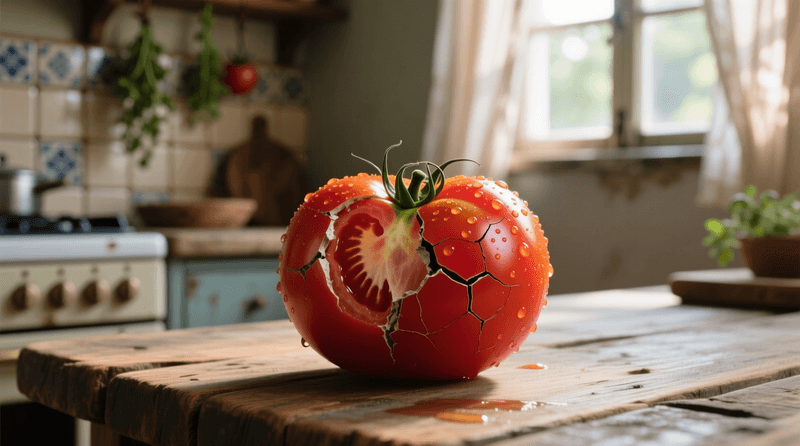
Not every crack means the tomato is doomed, but you have to look closely to tell the keepers from the losers. Run your thumb gently near the split and check for soft, mushy spots, a sour vinegary smell, or any hint of white or gray fuzz creeping out of the wound.
Clean cracks that are dry and slightly calloused at the edges are usually fine to eat once you cut the damaged part away. A crack that oozes, smells off, or feels squishy has already started breaking down and belongs in the compost, not the fruit bowl.
Give this a real minute of attention per tomato. It feels slow, but sorting carefully now saves you from a nasty surprise later, and it stops one rotting fruit from tainting a whole bowl of good ones sitting next to it.
4. Wipe the cracks dry with a clean cloth
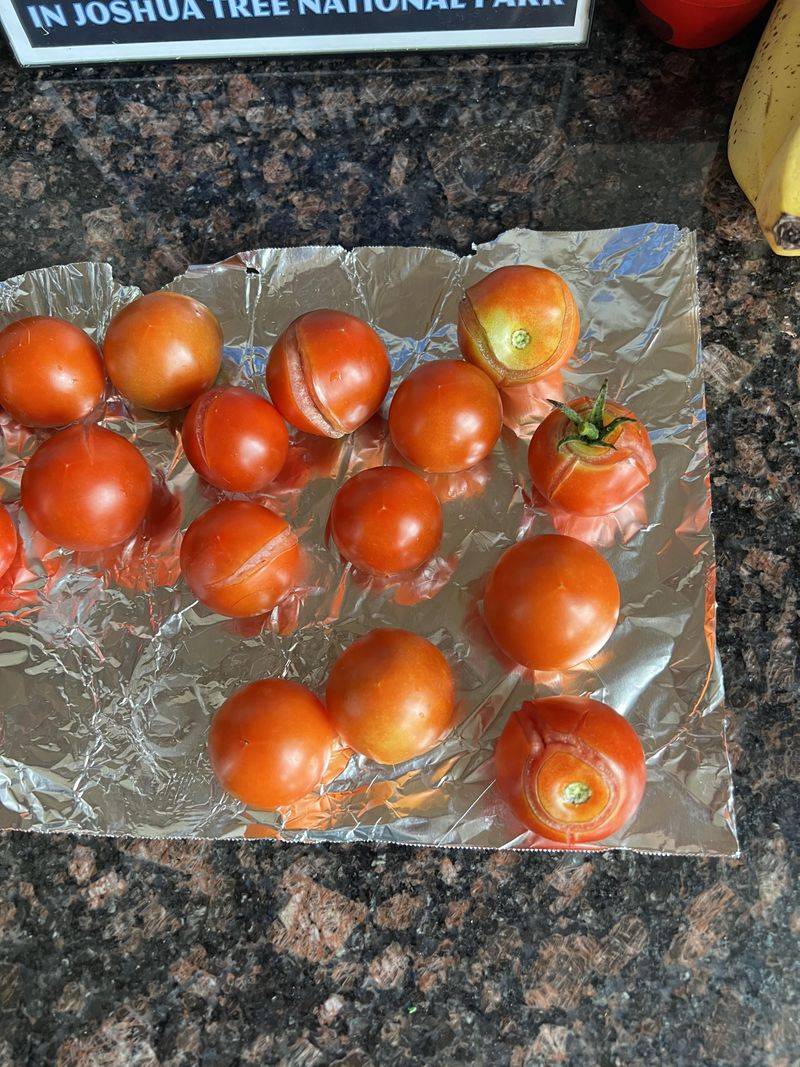
Moisture trapped inside a fresh split is exactly what mold spores are hoping for. A soft, dry paper towel or clean cloth dabbed gently into each crack removes the rainwater sitting in the wound and buys the fruit a lot more shelf life.
Be gentle here. You are patting, not scrubbing, since rough handling widens the tear and pushes bacteria deeper into the flesh. Let the tomato air out for a few minutes afterward so the surface of the crack can dry and firm up.
Think of it like caring for a small cut. Keeping it dry gives the tomato a fighting chance to callous over instead of turning to mush. It is a tiny, thirty-second step that people skip all the time, and it makes a real difference for fruit you want to eat later that week.
5. Cut out the damaged part and cook right away
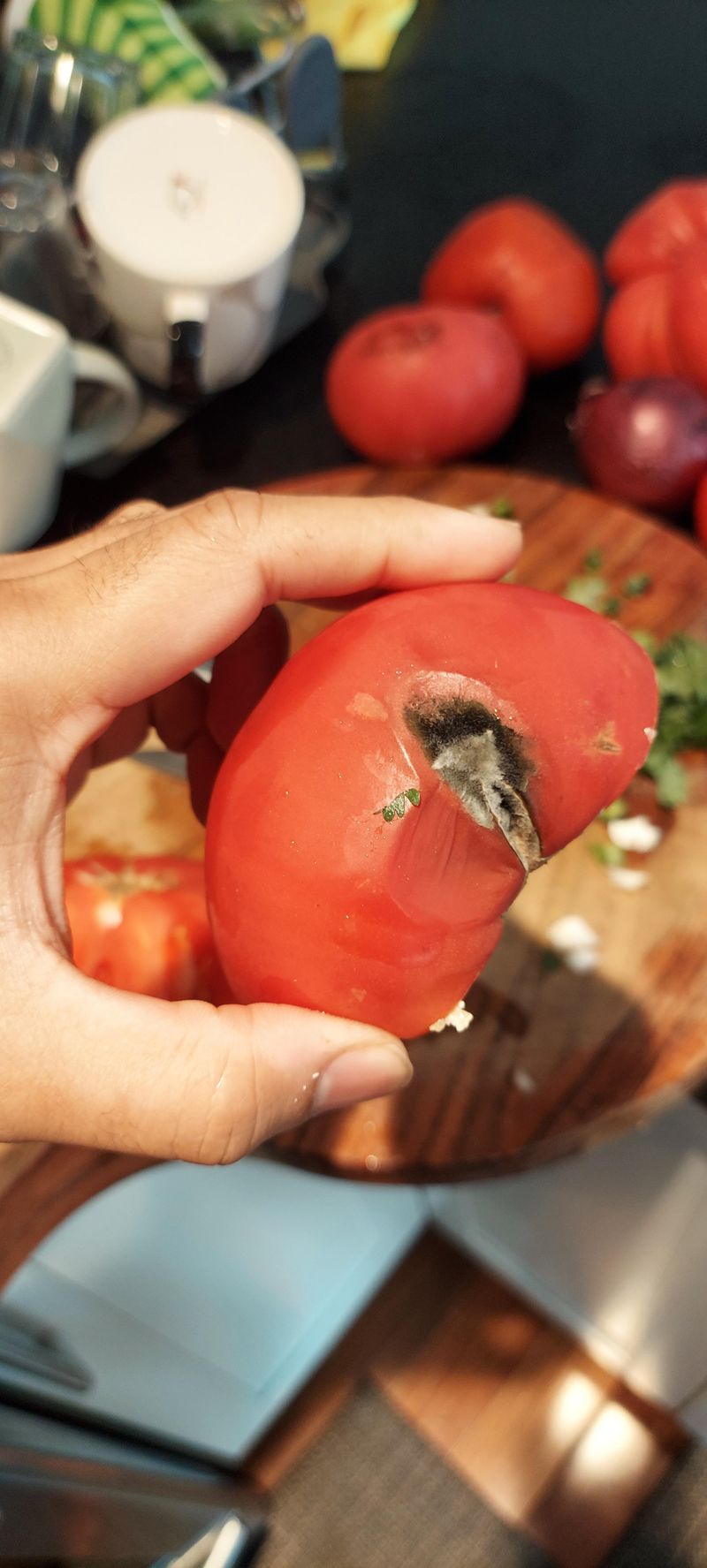
Here is the kitchen-saving trick your grandmother probably knew: a cracked tomato is still a delicious tomato once you trim off the split. Slice out the cracked crown with a sharp paring knife, cutting a little past the visible damage into clean flesh, and the rest is perfectly good.
Cooking is the fastest, tastiest way to use these up. Toss the trimmed pieces into a quick pan sauce, a pot of soup, or a tray for roasting, since heat does not care one bit about a cosmetic crack.
A fun bit of history: the classic Italian tradition of putting up tomato passata every August exists partly because gardeners always had a glut of imperfect, split, and overripe fruit to rescue before it spoiled. Your cracked tomatoes are prime sauce material, so lean into it.
6. Freeze the extras whole for later
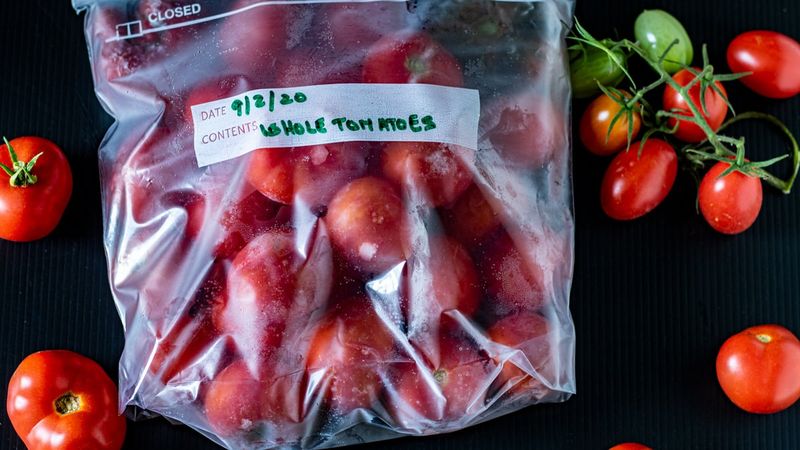
Drowning in cracked tomatoes and no time to cook? Your freezer is the low-effort hero. Wash the trimmed fruit, pat it dry, drop the whole tomatoes into a freezer bag, and press out the air before sealing.
Something almost magical happens in the freezer: as the tomatoes thaw later, the skins slip right off with a light squeeze, saving you the whole blanching step. Frozen tomatoes lose their fresh-slicing texture, but for sauces, stews, and chili they are every bit as good as fresh.
Label the bag with the date so you are not playing mystery-freezer roulette in January. Turning a storm-damaged harvest into a stash of ready-to-use tomatoes feels genuinely satisfying, and it means that heavy rain actually stocked your pantry instead of wrecking it.
7. Shade the plant if more rain is coming
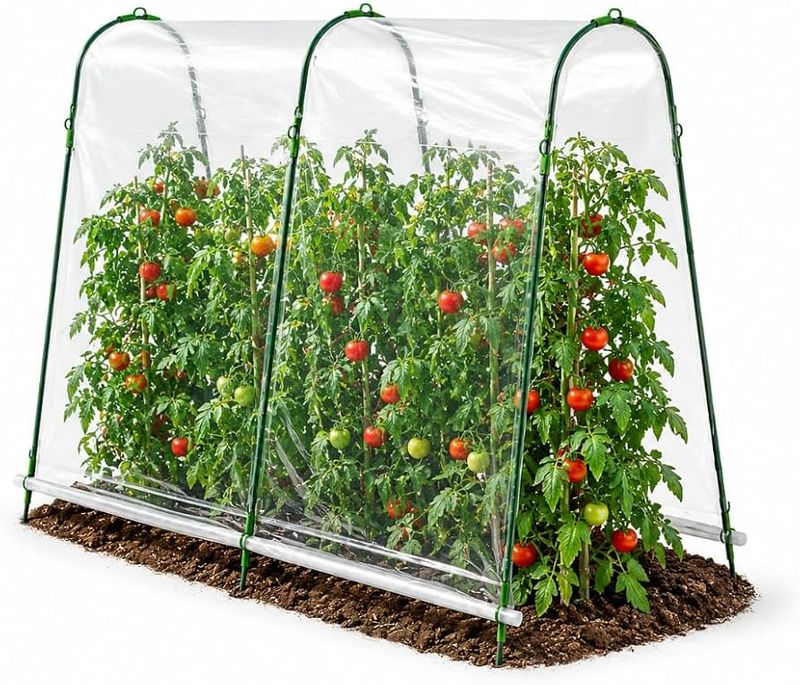
When the forecast shows another downpour on the way, a little quick cover can stop a second round of splitting before it starts. Drape a lightweight tarp, a row cover, or even an old bedsheet over stakes or a simple frame above the plants to shed some of the heaviest rain.
The goal is not to keep the plant bone dry, since tomatoes still need water and airflow. You just want to soften that sudden flood of moisture that shocks the roots and swells the fruit too fast.
Prop the cover so it does not sit directly on the leaves, because wet fabric pressed against foliage invites disease. Take it off once the storm passes so the plant can breathe and dry out. A five-minute cover job the night before a big storm can spare you a whole basket of cracked fruit the next morning.
8. Check and improve your soil drainage
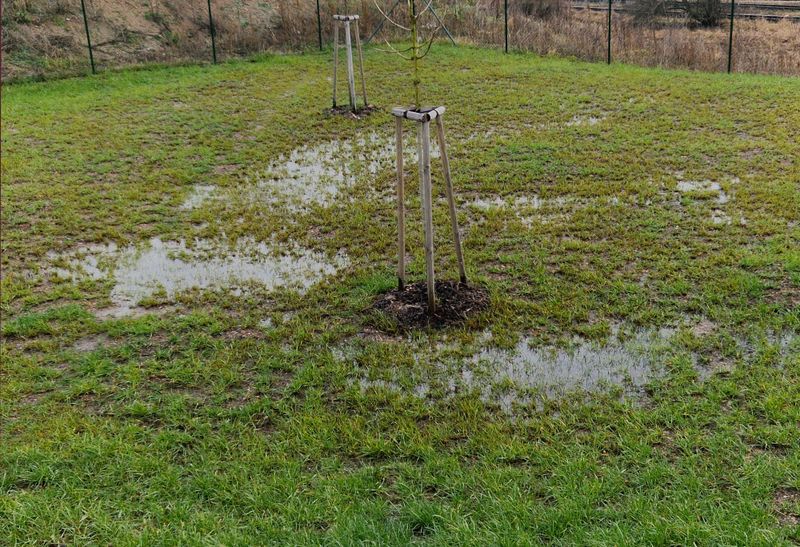
Splitting after rain is often the soil’s fault, not the sky’s. If water pools around your tomato bases and takes forever to soak in, the roots are drinking too much too fast, and that flood goes straight into the fruit.
Poke around the base after the storm. Standing puddles and heavy, compacted clay are warning signs that your bed needs help draining. Working in compost, aged bark, or planting in raised beds and mounds all help excess water move through instead of drowning the roots.
For an immediate fix, gently loosen the crusty top layer of soil with a hand fork so future rain filters down more evenly. Better drainage is a long-game investment, but it is the difference between a garden that shrugs off storms and one that cracks every single time the clouds open up.
9. Refresh the mulch layer around the base
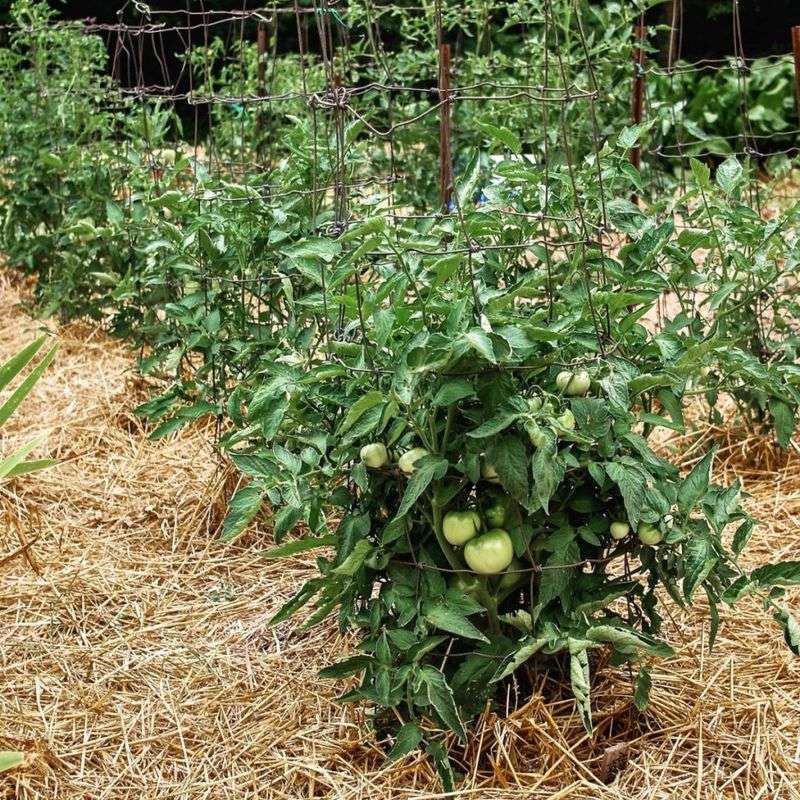
A steady layer of mulch is like a shock absorber for your tomato roots. It slows how fast rainwater reaches them and keeps soil moisture even, which is the real secret to skins that do not split.
After a storm, check whether your mulch got washed thin or matted down. Fluff it up and top it off with a fresh two to three inch layer of straw, shredded leaves, or dried grass clippings, keeping it a couple inches back from the main stem.
Consistent moisture is the whole point. When the soil swings from bone dry to soaking wet and back, tomatoes crack; mulch smooths out those swings so the fruit grows at a steady, crack-free pace. It is cheap, it takes ten minutes, and it protects you from the next storm and the next dry spell alike.
10. Harvest the near-ripe fruit a little early
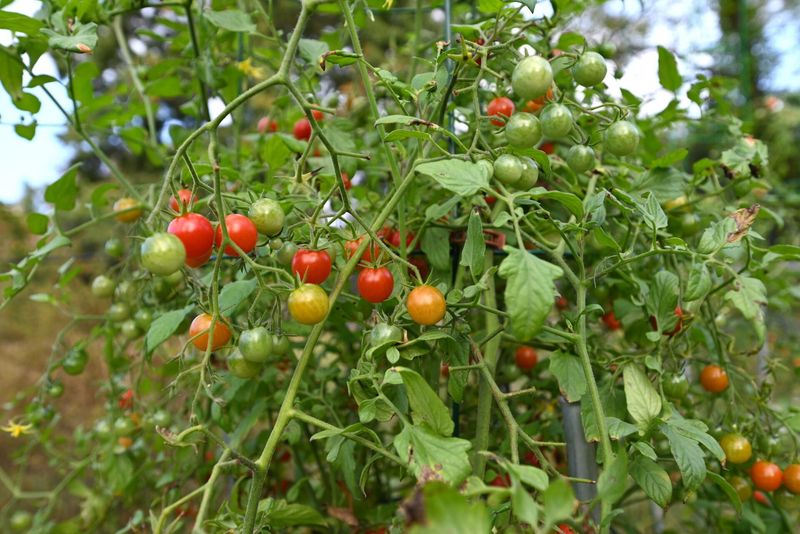
Fool the weather by picking slightly ahead of schedule. Tomatoes that have started blushing orange or pink will happily finish ripening on your counter, and pulling them before the next big rain keeps them from cracking on the vine.
There is real science on your side here. Once a tomato reaches the mature-green or breaker stage, it produces its own ripening hormone and no longer needs the plant to sweeten up. That means an early harvest costs you almost nothing in flavor.
Focus especially on the big, heavy, thin-skinned varieties and any fruit that already shows a hairline crack, since those are the most likely to burst next time the roots get flooded. Picking a few days early feels almost like cheating, but it is one of the surest ways to beat storm damage before it happens.
11. Rinse and sanitize your pruners between plants
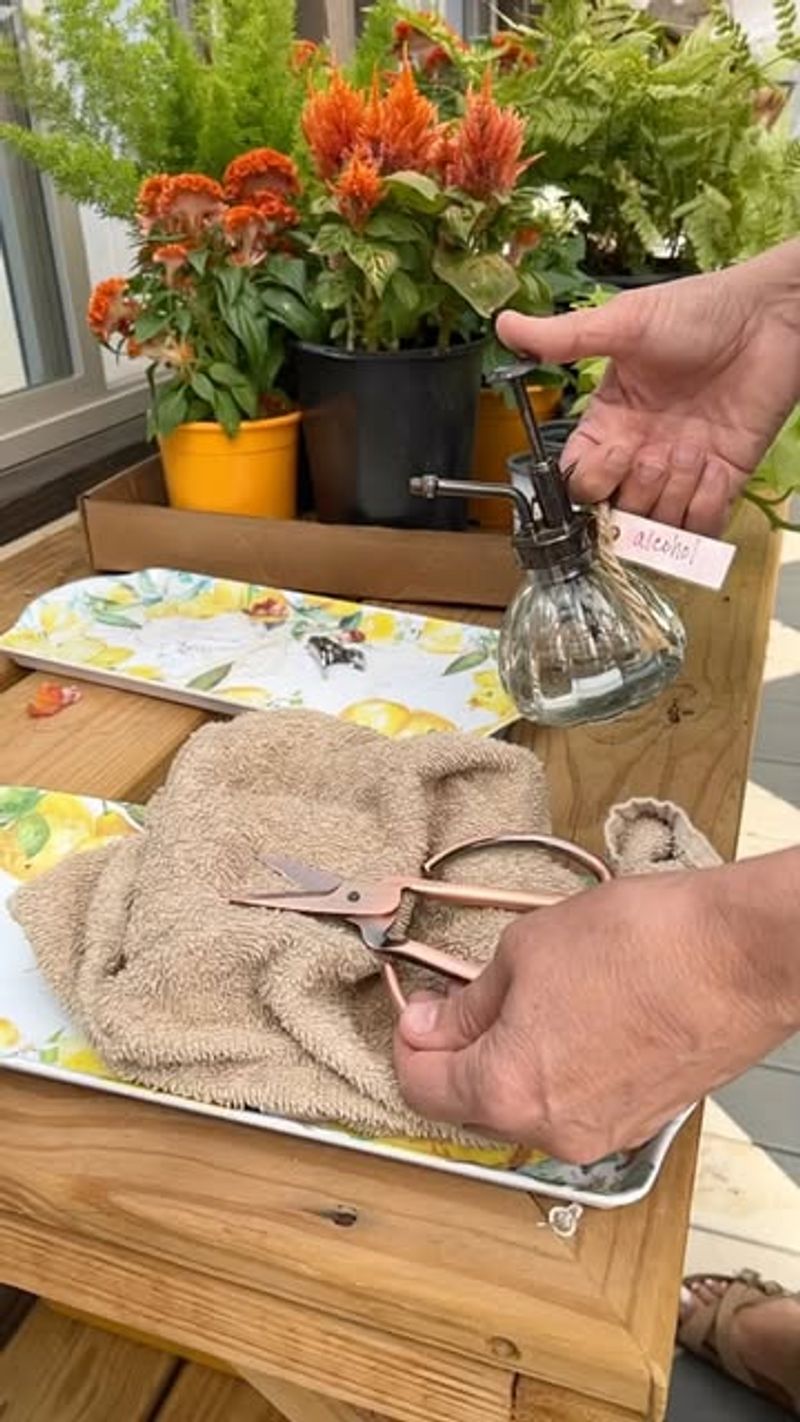
When you go around snipping off cracked fruit, your pruners can quietly carry disease from one plant to the next. Open wounds on split tomatoes are entry points for bacterial and fungal problems, and dirty blades spread trouble fast.
Keep a small spray bottle of diluted rubbing alcohol or a rag soaked in it right in your basket. A quick wipe of the blades as you move from plant to plant takes seconds and stops you from turning a routine cleanup into an outbreak.
Sharp, clean cuts also matter for the plant. Crushed or ragged stems heal slowly and leave the plant vulnerable, while a clean snip closes up quickly. Good tool hygiene is one of those unglamorous habits that separates gardens that stay healthy all season from ones that limp to the finish line.
12. Compost the unsalvageable tomatoes properly
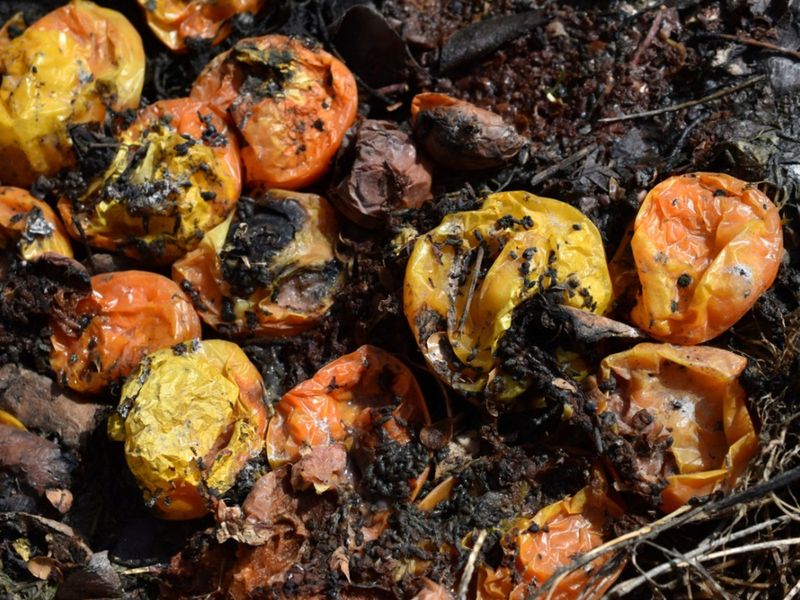
The truly mushy, moldy, foul-smelling ones have a job to do yet: feeding next year’s garden. Rather than tossing them in the trash, add the rotten fruit to your compost pile where all those nutrients get recycled.
Bury them down in the center of the pile rather than leaving them on top, which keeps fruit flies and curious critters from throwing a party. Cover them with a layer of dry browns like leaves or shredded cardboard to balance all that wet, green material.
One word of caution: if your plant showed signs of blight or serious disease, keep those fruits and vines out of the compost, since some pathogens survive and can reinfect next season. Otherwise, let the pile turn your storm losses into rich black gold. Nothing in the tomato patch has to go to waste.
13. Plan a steady watering routine going forward
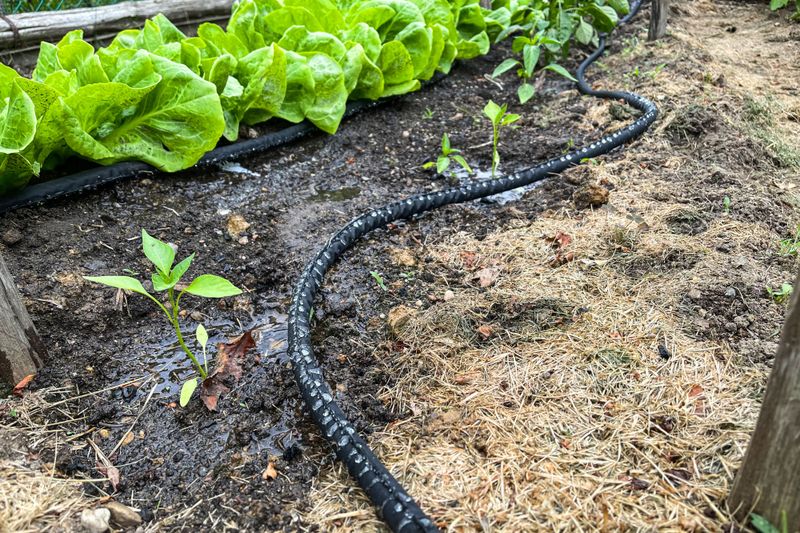
The best defense against future splits is a garden that never gets thirsty enough to gulp. Wildly uneven watering is the number one cause of cracking, so a boring, predictable routine actually protects your fruit better than any gadget.
Aim to give tomatoes a deep, consistent drink a few times a week rather than random splashes, and let the soil dry only slightly between sessions. A simple soaker hose on a timer keeps moisture even so that a sudden storm is just a little extra rather than a shock.
Group this habit with your mulch and drainage work and you build a plant that handles heavy rain calmly. When the roots are already used to steady moisture, a downpour barely registers, and your tomatoes keep their skins intact through the wildest summer weather.
14. Do not leave split fruit sitting on the vine
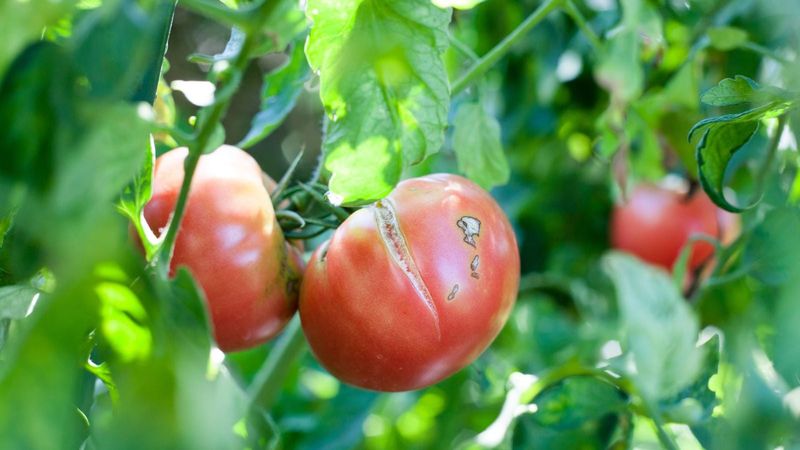
Tempting as it is to hope a cracked tomato will somehow finish ripening in place, leaving it out there is one of the fastest ways to lose more of your harvest. An open wound on a warm, humid plant is a beacon for fruit flies, ants, and rot that spreads to healthy fruit nearby.
Within a day or two, that crack usually goes soft, then moldy, then drops and splatters, leaving spores all over the soil and neighboring stems. What could have been a quick trim-and-cook becomes a mess that threatens the whole cluster.
Make the call early. Either bring the cracked fruit inside to use or pull it for the compost, but do not let it linger as bait. Procrastination is the enemy here, and the plant will not do the work of healing that you are hoping for.
15. Do not blast the plant with extra water to compensate
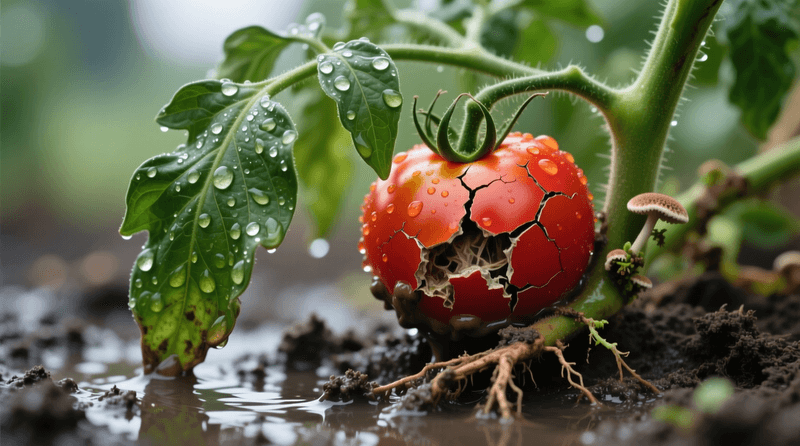
It seems backwards, but the instinct to water heavily after a storm makes splitting dramatically worse. The soil is already saturated, so pouring on more just keeps the roots swimming and the fruit swelling until even uncracked tomatoes burst.
Overwatering after heavy rain also robs the roots of oxygen and opens the door to root rot, a problem far nastier than a few cosmetic cracks. The plant needs a chance to drain and breathe, not another flood on top of the one nature just delivered.
Hold off on the hose entirely until the top couple inches of soil have dried out and feel merely damp, not soggy. Let the ground recover on its own schedule. Restraint is genuinely the helpful move here, even though doing nothing feels strange to a caring gardener.
16. Do not stuff cracked tomatoes into a sealed bag or bin
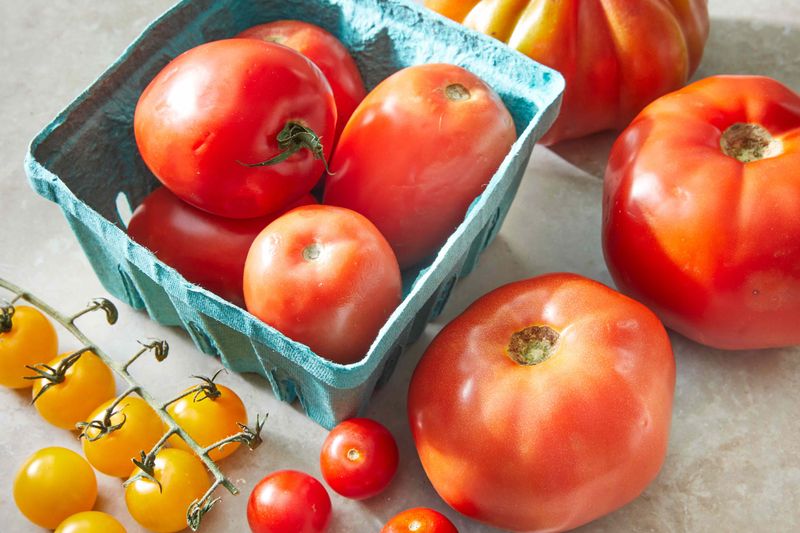
After a big pick, it is easy to dump all your cracked tomatoes into a plastic bag or a covered container and deal with them later. Do that and you will come back to a slimy, fermenting mess, because sealed-in moisture and no airflow are exactly what mold loves.
Split fruit is already leaking juice and running on a fast clock, so trapping it with its neighbors lets one rotting tomato spoil the entire batch in hours. Ripe fruit also gives off ethylene gas, and a closed bag concentrates it, speeding everyone’s decline.
Spread the cracked ones out in a single layer on a tray or open basket where air can move around each fruit, and keep them somewhere cool. A little breathing room is all it takes to keep your rescued harvest usable long enough to actually cook or freeze it.