
13 Winter Tomato Tips That Set Up Next Summer’s Best Harvest (And 2 That Are Totally Useless)
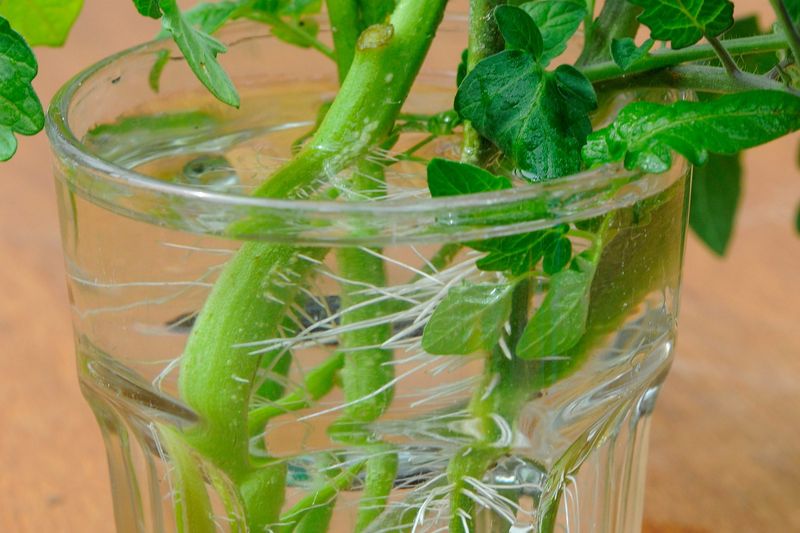
Your tomato plants may be gone for the year, but next summer’s harvest is already being decided right now. The choices you make in winter, from cleaning your beds to saving a cutting on the windowsill, can mean stronger plants and fewer problems in July.
Some popular winter habits help a lot, and a couple waste your time or even hurt your plants. Here are 13 moves worth making and 2 you can safely skip.
1. Pick Healthy Plants and the Right Varieties to Save
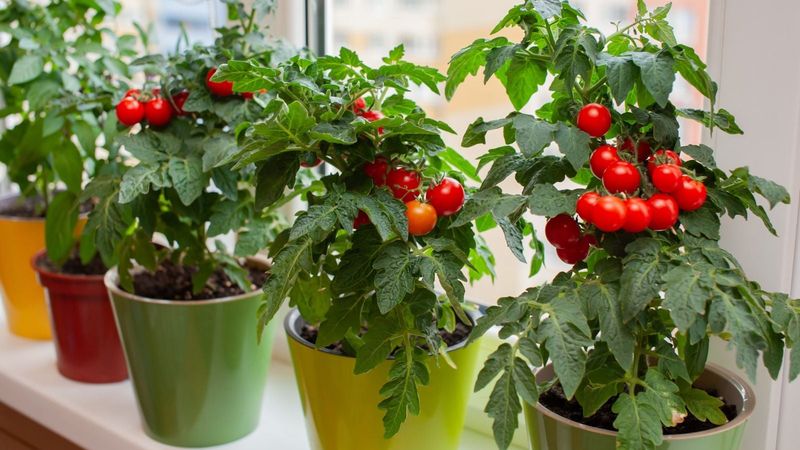
Not every tomato deserves a spot in your house for the winter. A plant covered in spotted, yellowing leaves will only carry its troubles indoors with it.
Look for vines with clean green foliage and sturdy stems. Compact determinate types and small wild or cherry varieties tend to handle overwintering as whole plants better than sprawling giants.
For big indeterminate vines like Brandywine or Sungold, skip the full plant. Taking cuttings is far more practical, and you will still keep that favorite variety going into spring.
2. Cut Whole Plants Back by Half Before Bringing Them In
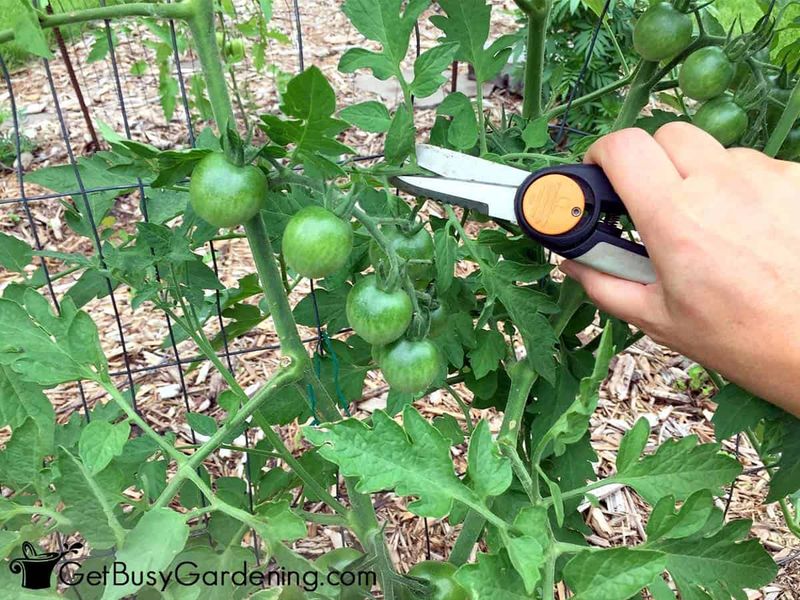
Snip, snip, and suddenly that leggy tomato looks a lot more manageable. Cutting a whole determinate plant back by about half before it comes indoors is one of the smartest favors you can do for it.
Indoor light is weaker, and the air dries out differently than outside. Fewer leaves mean less stress while the plant adjusts.
Use clean, sharp pruners and remove any damaged or yellow growth first. Then trim the remaining stems to a tidy, balanced shape so the plant can rest instead of struggling.
3. Root Tomato Cuttings for a Spring Head Start
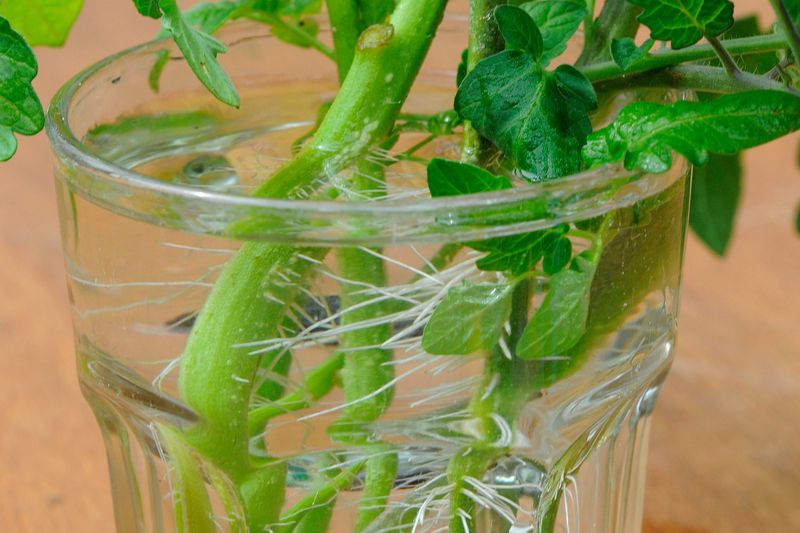
Here is a little garden magic that costs nothing. Those suckers you usually pinch off in summer can become brand new tomato plants.
Before the first frost, cut 4 to 6 inch shoot tips from a healthy plant. Strip off the lower leaves and set the stems in a jar of water or a pot of moist seed-starting mix.
Roots often appear within a week or two. You end up with exact copies of your favorite plant that take up a fraction of the space a full vine would.
By spring, those clones are already established and ready to grow. That can mean earlier fruit than plants you start from seed in March.
4. Add Grow Lights to Keep Plants From Stretching
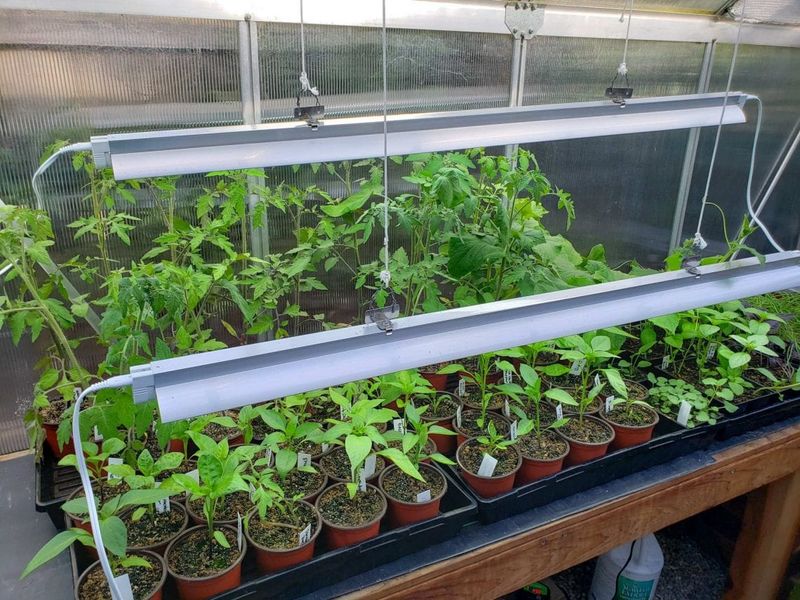
Tomatoes are true sun addicts. They want somewhere between 10 and 18 hours of strong light a day, and winter simply will not deliver that through a window.
Without enough light, your plants turn pale and stretch into thin, floppy stems. That weak growth sets them back badly once spring arrives.
A simple LED grow light hung a few inches above the leaves can fix the problem. Put it on a timer for about 14 to 16 hours, and raise it as the plants grow.
5. Keep Indoor Temperatures Steady and Draft-Free
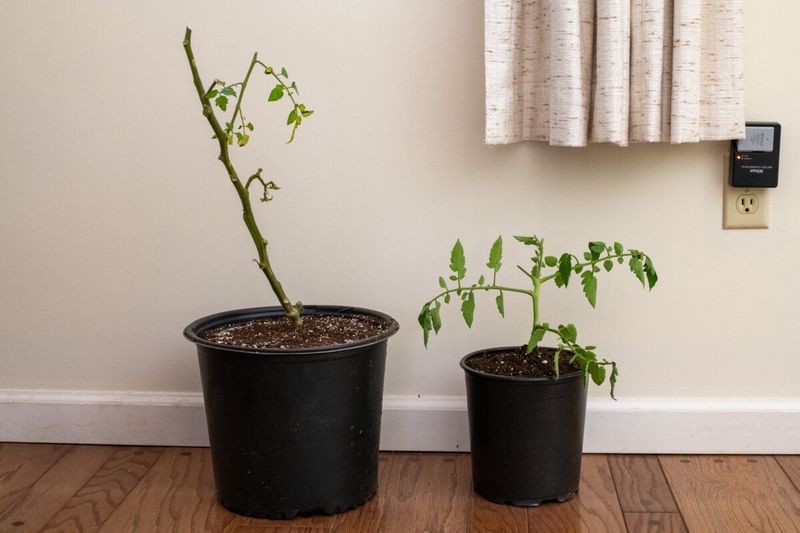
Picture your tomato sitting next to a door that opens every morning to a blast of January air. That is a recipe for a sulking, shocked plant.
Aim for a spot that stays between 55 and 75 degrees Fahrenheit. A spare bedroom, a warm basement corner under lights, or a sunroom often works well.
Keep plants away from drafty windows, exterior doors, and heating vents that blow hot, dry air. Steady conditions help them coast through winter without drama.
6. Water Less Than You Think
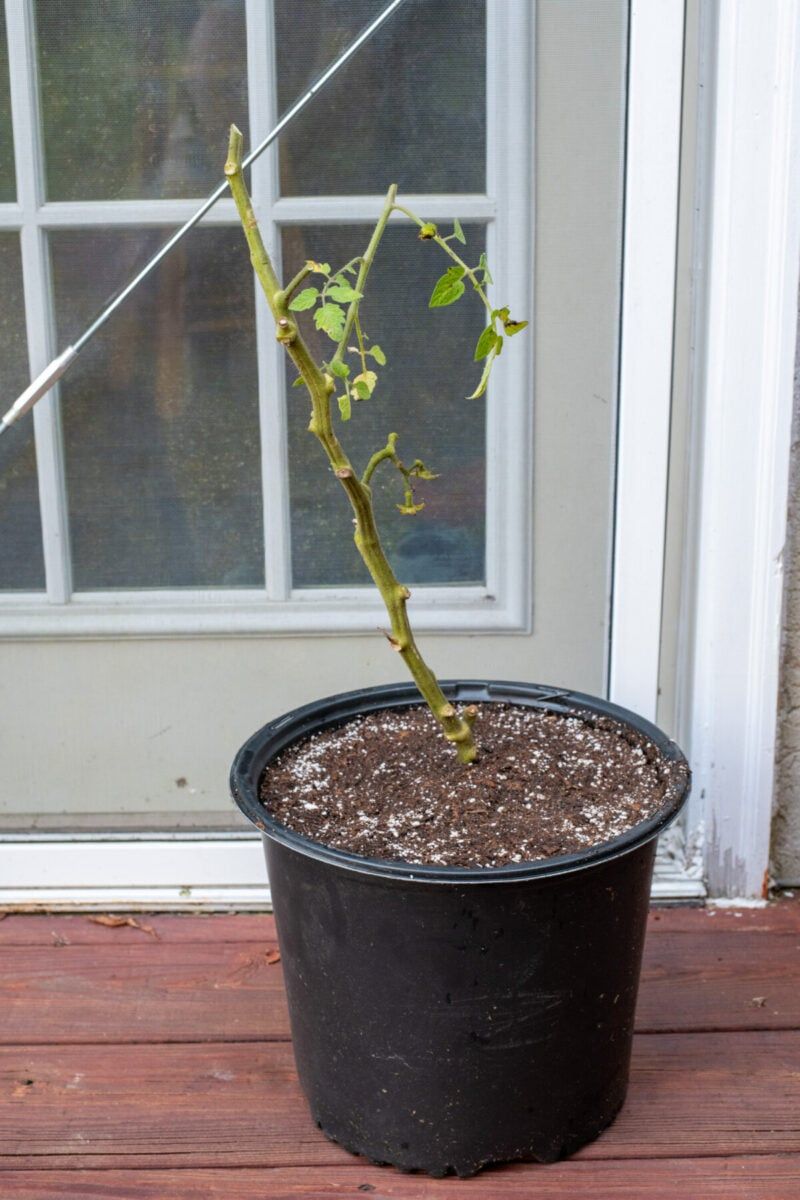
Overwatering kills more indoor tomatoes than cold ever does. It is an easy mistake, especially when you are used to soaking thirsty summer vines.
A resting tomato uses very little water. Push your finger into the soil, and only water when the top inch feels completely dry.
Always use a pot with drainage holes and empty the saucer afterward. Soggy roots can start to rot quietly, and by the time leaves droop, the damage may already be done.
7. Feed Lightly or Not at All
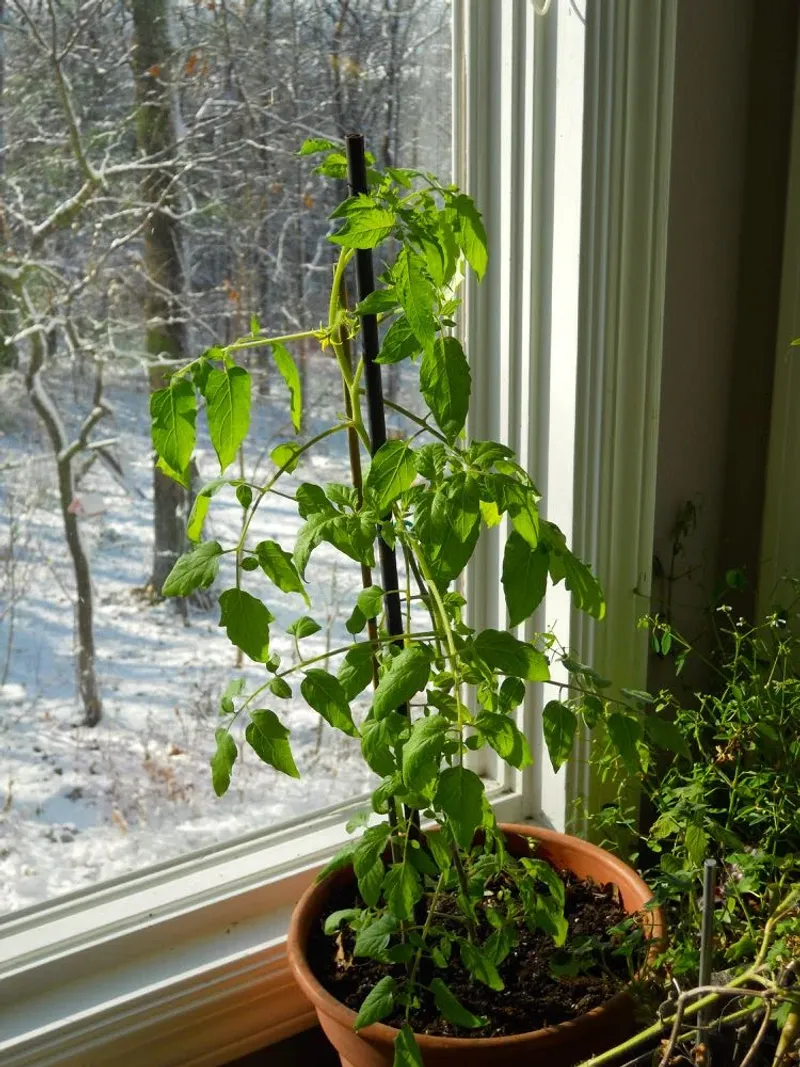
Think of a winter tomato like a bear in hibernation. It does not need a big meal while it rests.
If you just want the plant to survive until spring, you can skip fertilizer entirely. If you are encouraging a bit of growth under lights, use a low-nitrogen, higher-phosphorus fertilizer at half strength once in a while.
That approach supports roots instead of a jungle of soft leaves. A little calcium may also help reduce blossom end rot if any fruit does form.
8. Keep the Air Moving and the Humidity Moderate
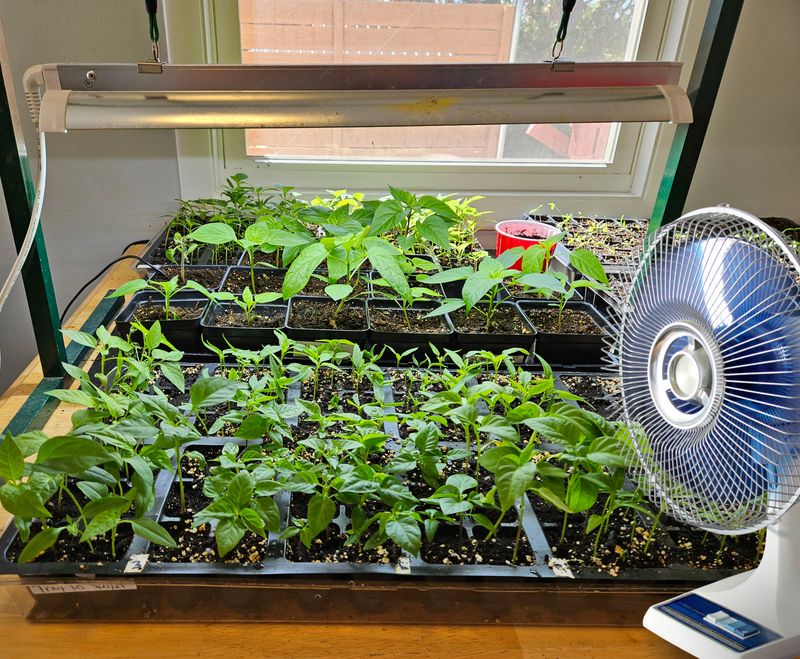
Stale, still air is where fungus loves to hang out. Crowded indoor plants with damp leaves can develop mold or leaf spots fast.
A small fan on a low setting nearby keeps air flowing and can even help stems grow sturdier. Space pots so leaves are not pressed together.
Indoor humidity around 50 to 70 percent feels most like summer to a tomato. A humidifier or a tray of pebbles and water can help in dry, heated homes.
9. Pinch Off Winter Flowers and Small Fruit
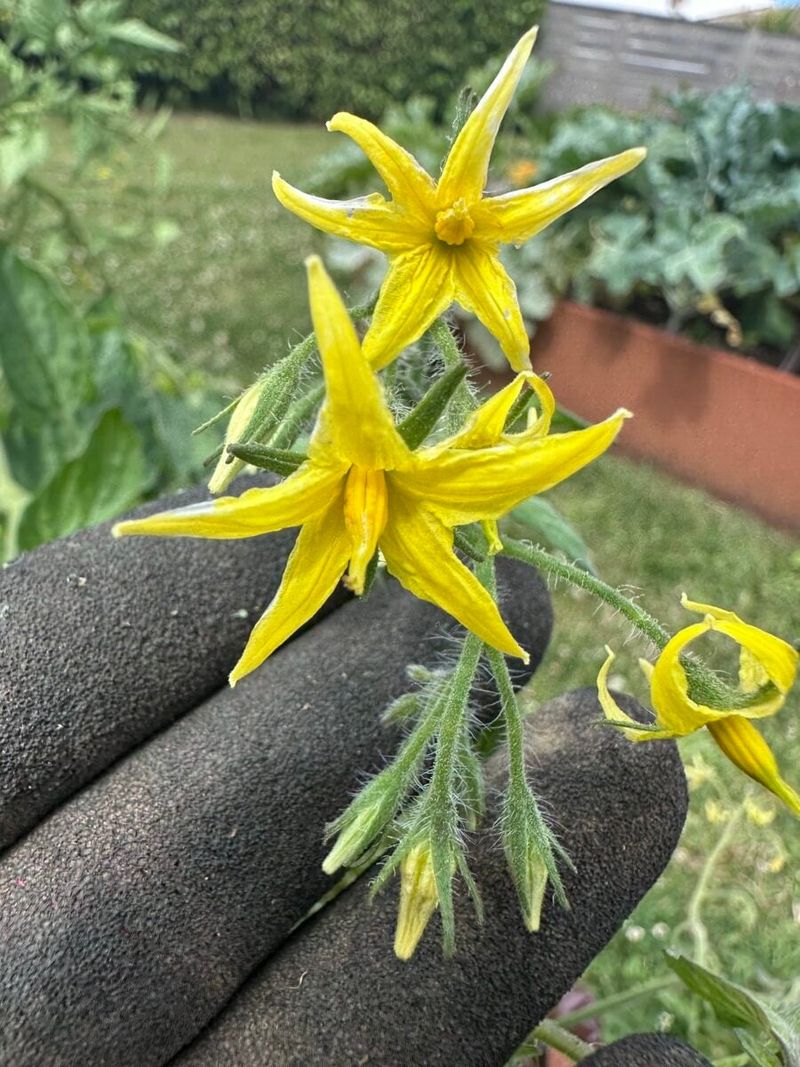
It feels wrong, we know. Your little indoor tomato puts out a cheerful yellow flower, and you are supposed to pinch it off?
Yes, in most cases. Making fruit takes a lot of energy, and a plant in winter does not have much to spare.
Removing flowers and tiny green fruit lets the plant save its strength for roots and stems. That stored energy pays off when it hits the garden in spring and starts producing for real.
10. Check Often for Indoor Pests
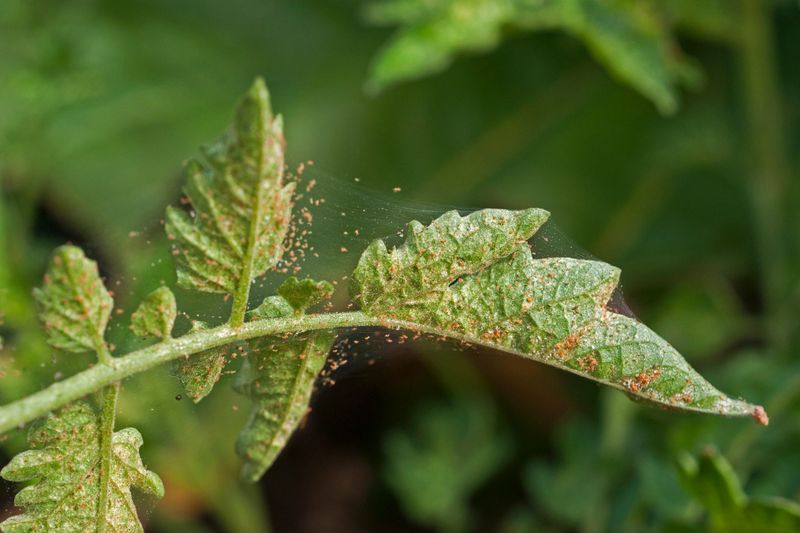
Aphids, spider mites, and fungus gnats think your living room is a winter resort. With no rain or natural predators around, they can multiply shockingly fast.
Once a week, flip leaves over and look closely. Watch for tiny clusters of bugs, fine webbing, sticky spots, or small flies around the soil.
Catch problems early and a strong rinse in the sink or a spray of insecticidal soap can often handle them. Letting soil dry between waterings may also help cut down fungus gnats.
11. Harden Off Before Spring Planting
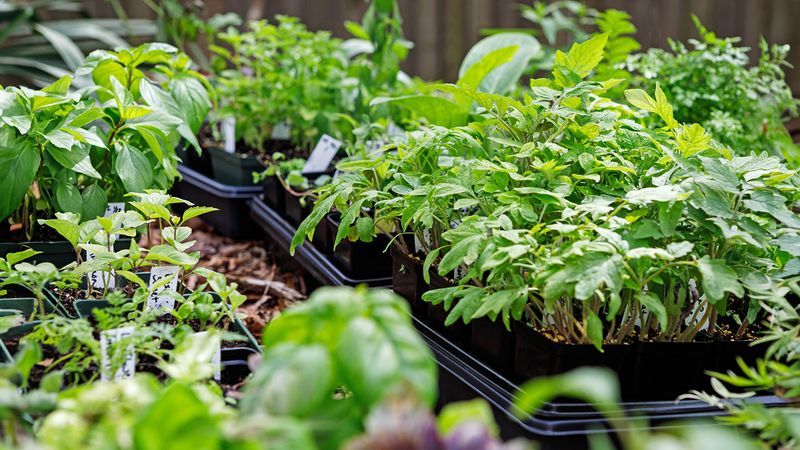
Moving a pampered indoor tomato straight into full sun is like sending someone from a dark room into a bright beach day. Sunburned, wind-whipped leaves are the result.
After your last frost date, start with an hour or two outside in a shady, sheltered spot. Each day, add more time and a little more sun.
Over one to two weeks, your plants toughen up. By planting day, they can handle the real world without wilting or scorch marks.
12. Clean Up Every Bit of Old Tomato Debris
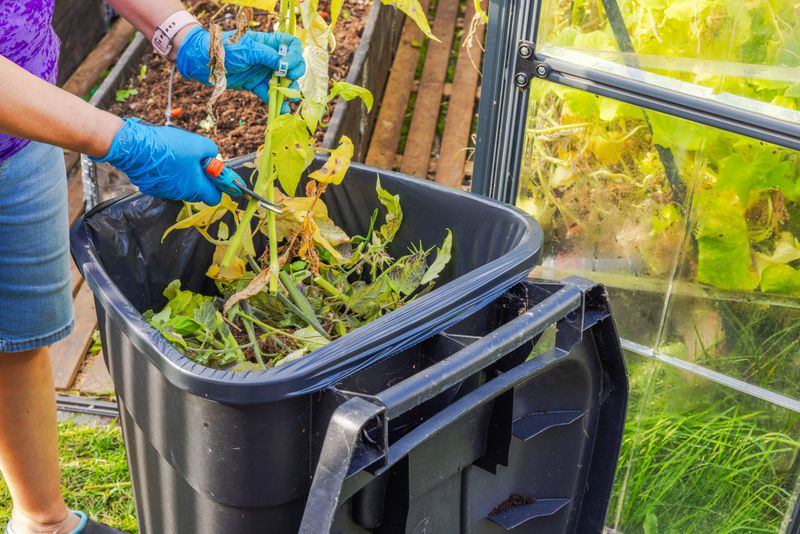
Early blight and other leaf diseases are sneaky. Spores can survive the winter on dead tomato leaves and vines, waiting to splash onto new plants next summer.
Pull out spent plants, fallen leaves, and rotten fruit after your final harvest. Wipe down cages and stakes too.
Bag or trash anything that looked diseased instead of composting it. A clean bed in fall may help reduce the spotted, yellowing leaves that frustrate so many gardeners in July.
13. Feed Your Soil With Compost and Cover Crops
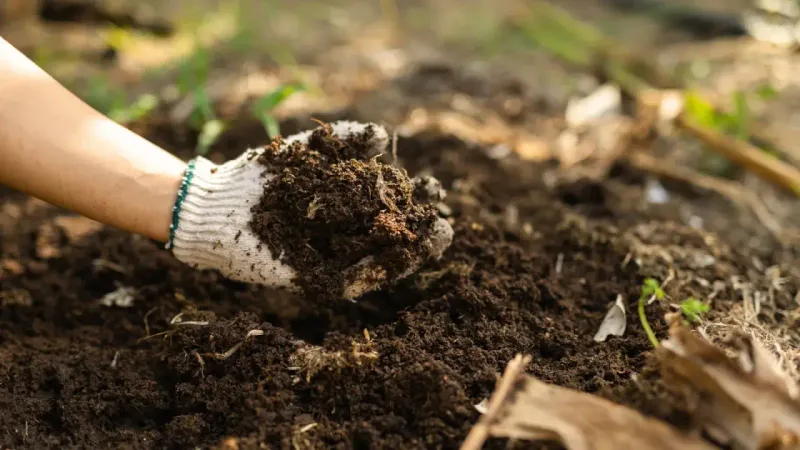
Great tomatoes start underground. Winter gives your soil months to soak up the good stuff you add now.
A simple soil test shows your pH and nutrient levels, so you are not guessing. Then spread a thick layer of compost, aged manure, or worm castings over the bed.
Planting a cover crop like clover or hairy vetch is another smart move. It protects soil from washing away, adds nitrogen, and gets turned under in spring as free fertilizer.
14. Useless: Counting on a Sunny Windowsill for Winter Tomatoes
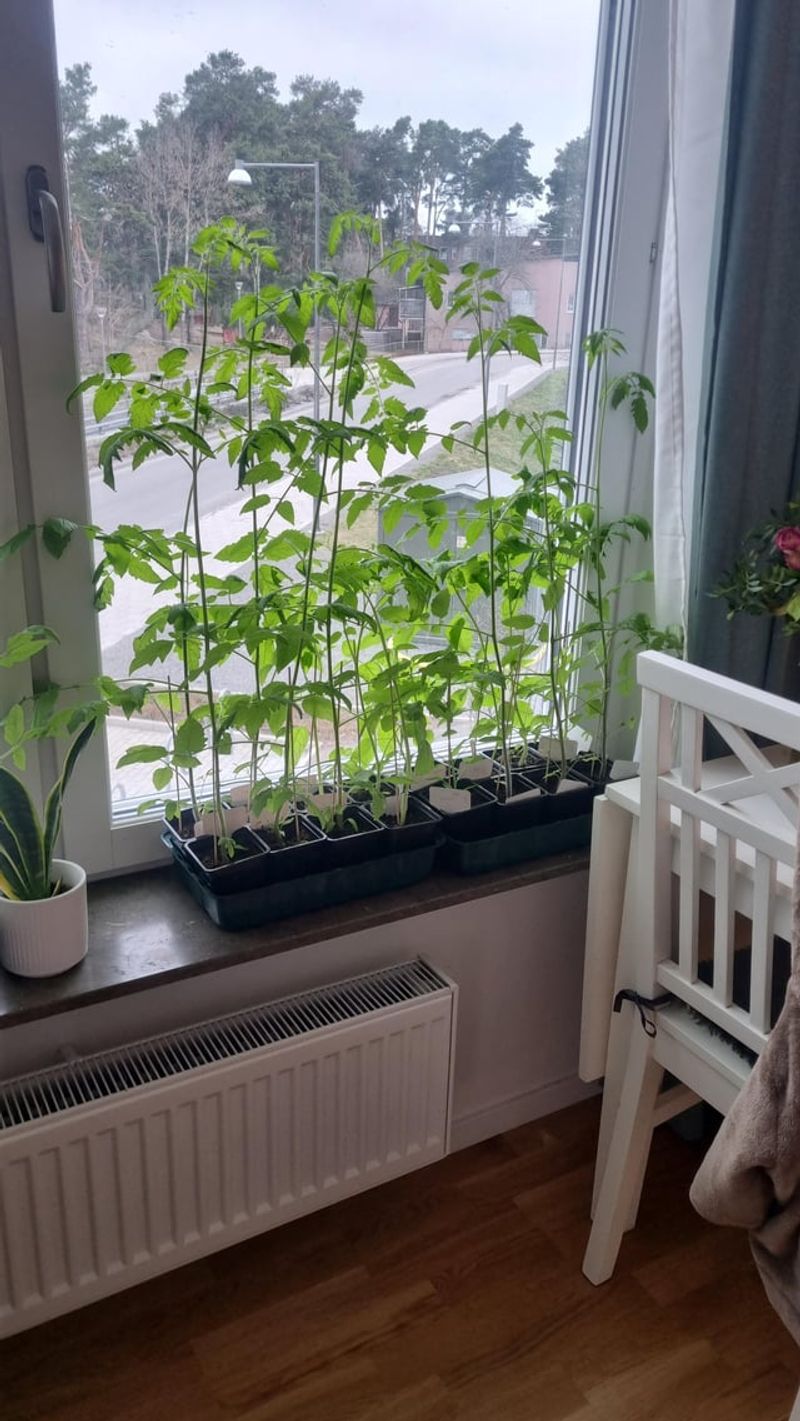
Plenty of gardeners dream of picking fresh tomatoes from the kitchen window in January. Sadly, that dream usually ends with a tall, skinny plant and zero fruit.
Winter sun is low, weak, and short. Even a south-facing window cannot give tomatoes the hours of strong light they need to flower and fruit well.
Keeping a plant alive on the sill is fine. Expecting a real harvest from it is the useless part, so save your hopes for summer.
15. Useless: Heavy Feeding a Dormant Tomato
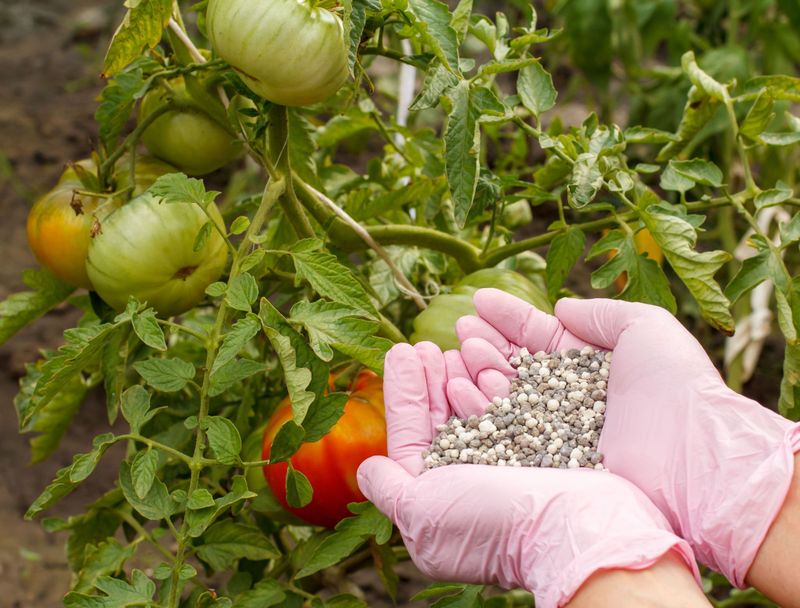
More food does not equal a stronger plant, at least not in winter. Loading a resting tomato with fertilizer is one of the most common well-meant mistakes.
The plant cannot use all those nutrients in low light. It may push out weak, stretched growth or develop brown, crispy leaf edges from fertilizer burn.
Let the plant rest and save the feeding for spring planting time. Your patience now can mean a healthier tomato when it counts.