
14 Tough Flowers That Shrug Off August Heat While The Weak Ones Fry (And 5 To Skip)
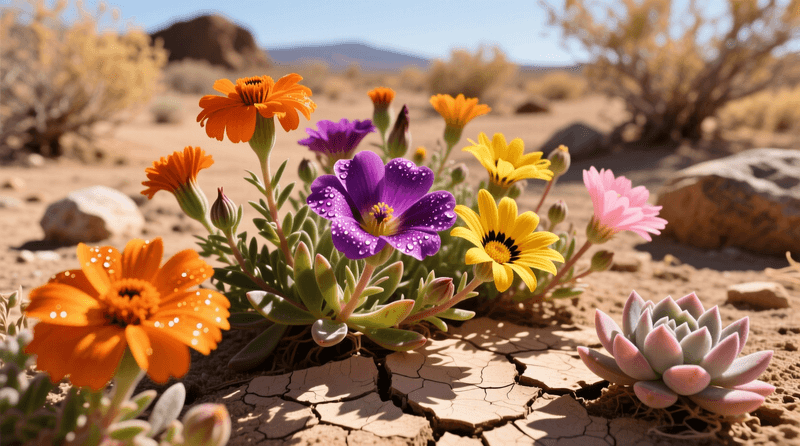
August can turn a beautiful garden into a crispy mess almost overnight. Some flowers just laugh at the blazing sun and keep blooming like nothing happened, while others flop over and burn the moment temperatures climb. Knowing which plants can take the heat saves you money, water, and a whole lot of heartbreak. Here are 14 tough bloomers that thrive when the weather gets brutal, plus 5 you should probably leave off your list.
1. Lantana
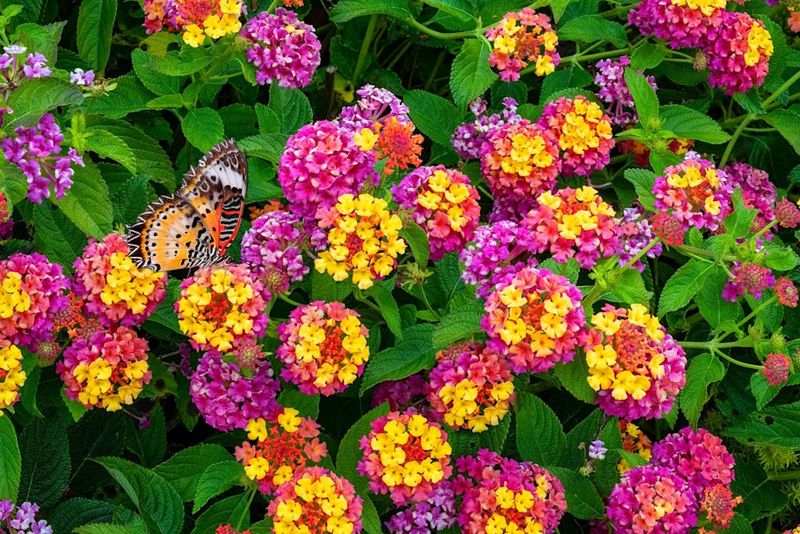
Ask any gardener in the sweltering South what still looks gorgeous in late August, and lantana almost always makes the list. It practically feeds on heat, pushing out clusters of tiny blooms in orange, pink, yellow, and red even when the thermometer refuses to drop below 95.
What sets it apart from the rest of this crew is how it doubles as a butterfly buffet. Swallowtails and monarchs cannot resist those color-packed flower heads, so you get pollinator traffic all day long.
Once established, lantana barely sips water. A deep soak once a week keeps it happy, and skipping a watering during a busy stretch will not send it into a sulk.
Fun bonus: the leaves have a spicy, almost citrusy smell when brushed, which many gardeners say helps keep certain nibbling pests at arm’s length. Give it full sun and it will reward you clear into fall.
2. Zinnia
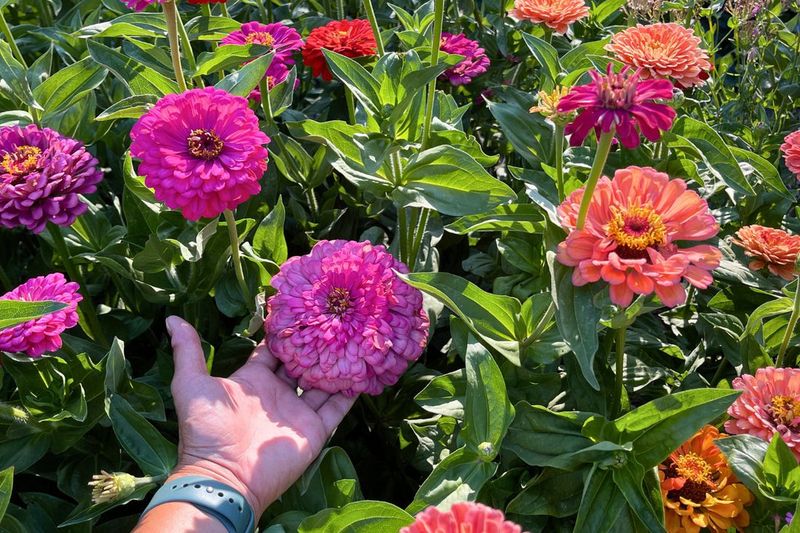
Few flowers give you this much color for so little fuss, which is exactly why zinnias earn their spot on the tough list. Sow the seeds directly in warm soil and stand back, because they explode into bold reds, hot pinks, and sunny golds by midsummer.
Their standout trick is the cut-and-come-again habit. Snip a bouquet for the kitchen table and the plant answers by pushing out even more blooms, keeping the show going straight through the hottest weeks.
Heat rarely bothers a zinnia, though they appreciate good airflow to keep their leaves clean. Space them out and they shrug off the sun without complaint.
Here is a neat piece of history: zinnias are native to the scorching grasslands of Mexico, so blistering August afternoons feel like home to them.
3. Coneflower (Echinacea)
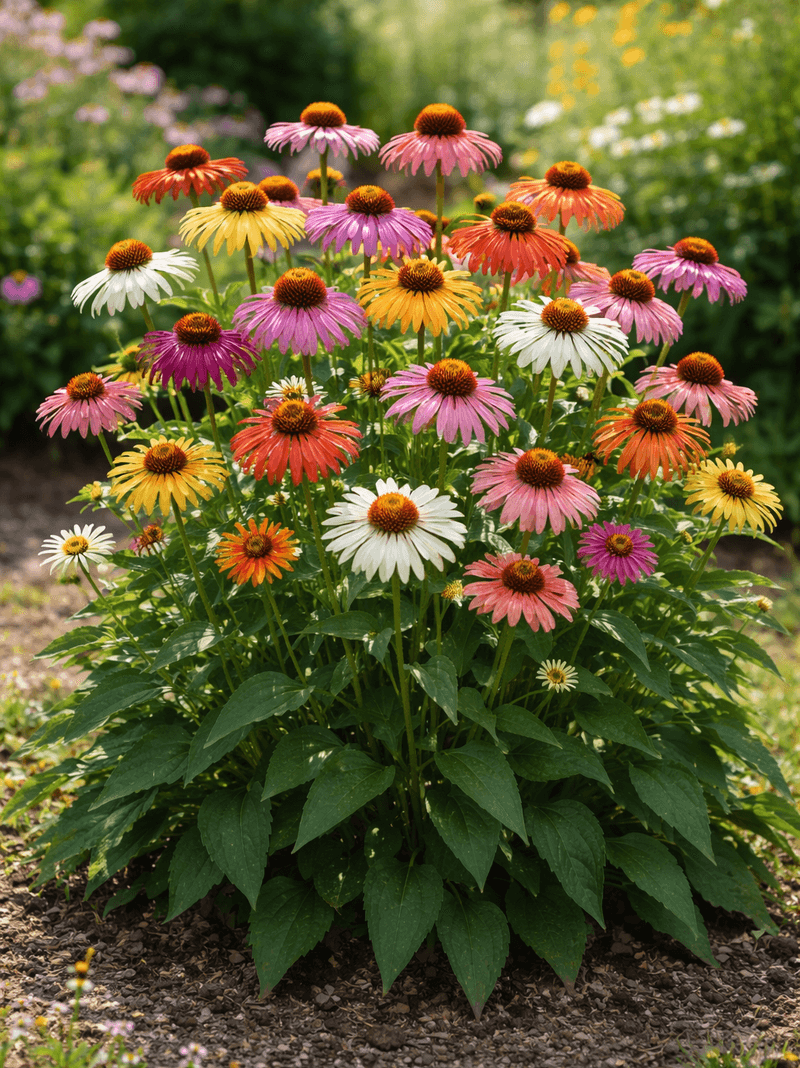
Sturdy is the word that comes to mind with coneflowers. These prairie natives stand tall on strong stems while flimsier plants around them wilt and fade.
What earns them a place here is their deep taproot, which drills down to find moisture other flowers never reach. That underground plumbing is why coneflowers keep blooming during dry, baking spells with almost no help from you.
The daisy-shaped petals in purple, pink, and coral surround a spiky central cone that finches adore later in the season. Leave the spent flowers standing and you feed the birds well into autumn.
Gardeners love coneflowers because they get tougher every year as their roots dig deeper. Plant one this season and it repays you with more blooms and better heat resistance the next.
4. Portulaca (Moss Rose)
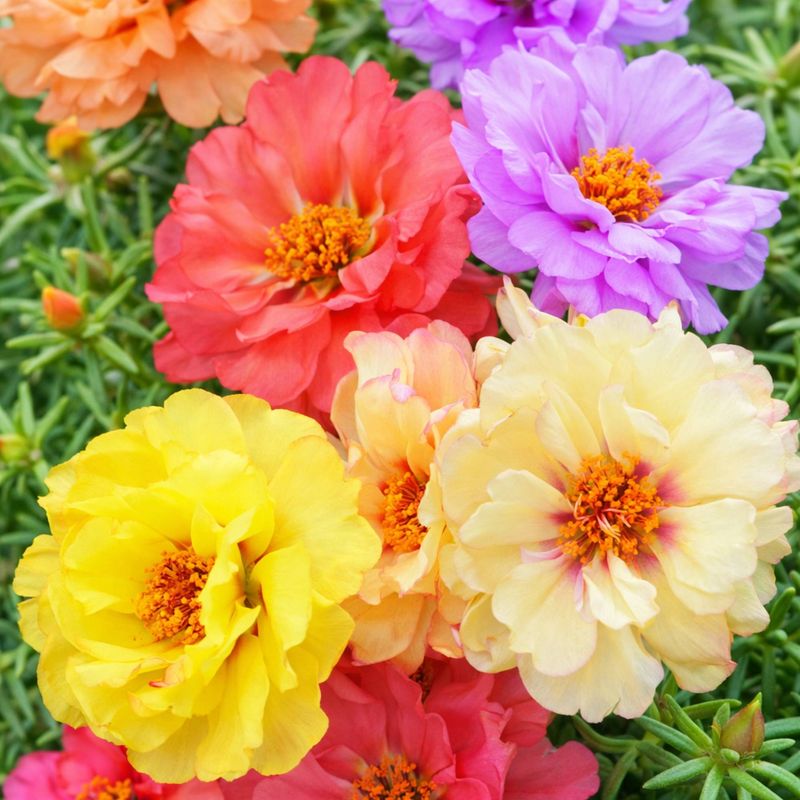
If your garden has a spot so hot and dry that nothing seems to survive, portulaca is your answer. This low, spreading succulent actually prefers the abuse, thriving in sandy, poor soil where pampered flowers would give up.
The reason it belongs on the tough list is those plump, water-storing leaves. They act like tiny reservoirs, letting the plant coast through drought while opening jewel-bright blooms in the morning sun.
Colors range from neon pink to buttery yellow, and the flowers seem to glow when the light hits them. Container gardeners love it for hot patios where regular annuals scorch.
One quirky habit worth knowing: the blooms close up on cloudy days and reopen when the sun returns, almost like they are sunbathing on their own schedule.
5. Black-Eyed Susan (Rudbeckia)
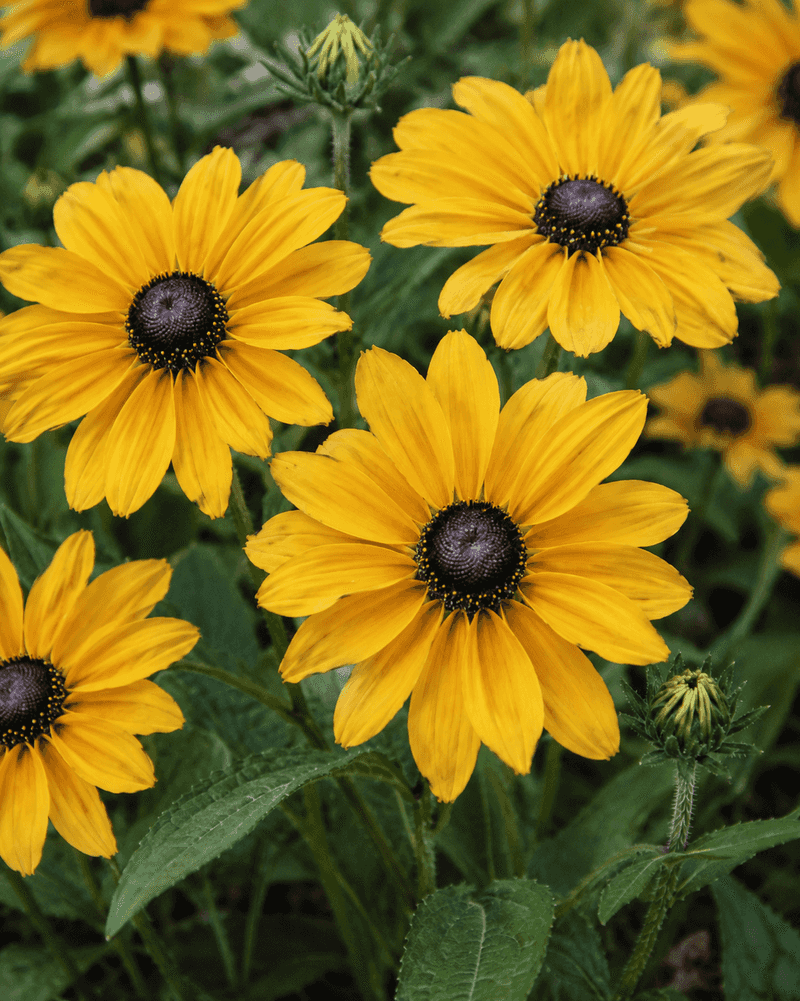
Cheerful and dependable, black-eyed Susans light up the late-summer garden with golden petals and dark chocolate centers. They bloom hardest right when many gardens start looking tired.
Their claim to fame among tough flowers is sheer reliability. Native across much of the United States, they handle heat, humidity, poor soil, and neglect while still putting on a knockout display.
Bees and butterflies work these blooms constantly, and songbirds pick at the seed heads once the petals drop. That makes them a workhorse for wildlife as well as color.
Plant a drift of them along a fence or the back of a border and you get weeks of glowing yellow that asks for almost nothing in return.
6. Salvia
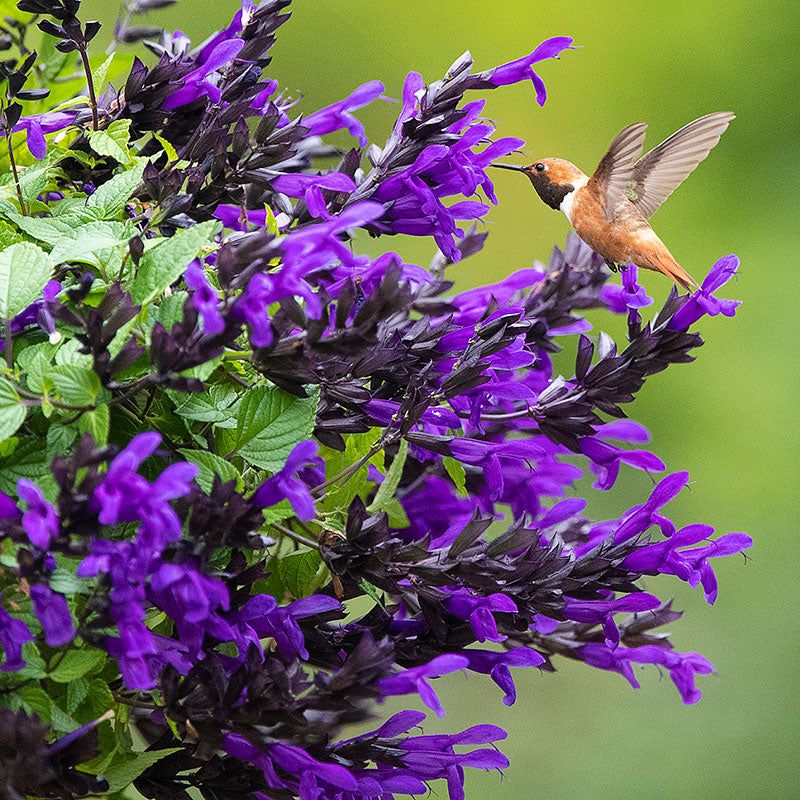
Tall spikes of purple, red, and blue rise above the foliage on salvia, and hummingbirds treat them like a personal soda fountain. Even when August air feels like a furnace, these spikes keep pumping out nectar-rich flowers.
What makes salvia special here is its aromatic foliage. The scented leaves are something many browsing pests tend to avoid, so you often get cleaner plants with less chewing damage.
Both perennial and annual types perform beautifully in the heat as long as they get full sun and decent drainage. Give the plant a light shearing after the first flush and it bounces back with a second wave.
Drought only seems to make it more determined. A salvia that has settled in will bloom through dry spells that flatten softer neighbors.
7. Marigold
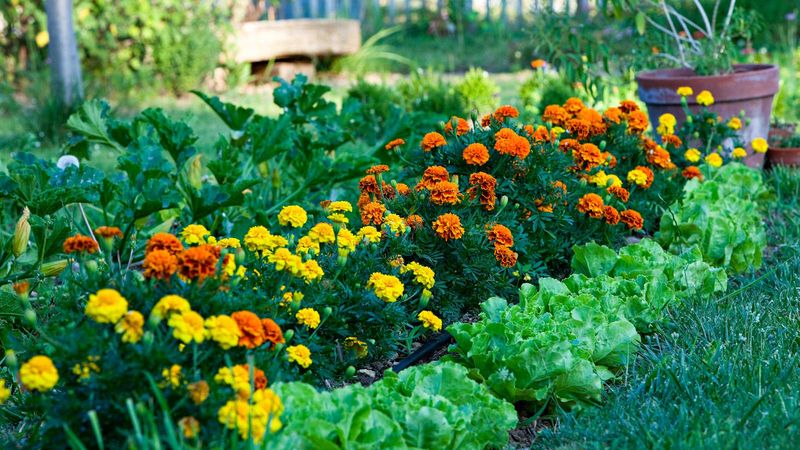
Bright, bold, and nearly indestructible, marigolds are the flower grandmothers swore by for good reason. Those pom-poms of orange and gold hold their color even when the sun turns everything else pale and tired.
Beyond good looks, marigolds carry a strong, spicy scent that many gardeners plant near vegetables to help keep certain pests at a distance. That double duty is what lifts them above a simple bedding flower.
They ask for very little: full sun, occasional deadheading, and a drink when the soil dries out. In return they bloom nonstop from early summer until frost.
Sprinkle a few seeds among your tomatoes or peppers and you get color, fragrance, and a hardworking companion all at once.
8. Coreopsis (Tickseed)
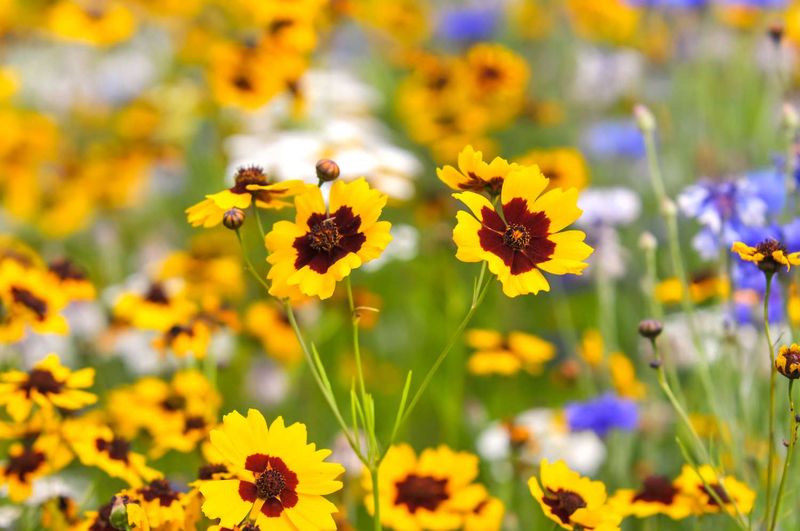
Airy and delicate-looking, coreopsis fools people into thinking it is fragile. Nothing could be further from the truth, because this native wildflower is one of the toughest bloomers a hot garden can hold.
Its edge over other flowers is the sheer volume of tiny daisy-like blooms it produces. A single healthy plant can carry hundreds of golden flowers at once, creating a cloud of color that dances in the wind.
Poor soil, drought, and beating sun barely register with coreopsis. It actually blooms better when you leave it a little hungry and thirsty rather than pampering it.
Shear the plant back by a third in midsummer and it rewards you with a fresh, full second bloom that carries the show into fall.
9. Gaillardia (Blanket Flower)
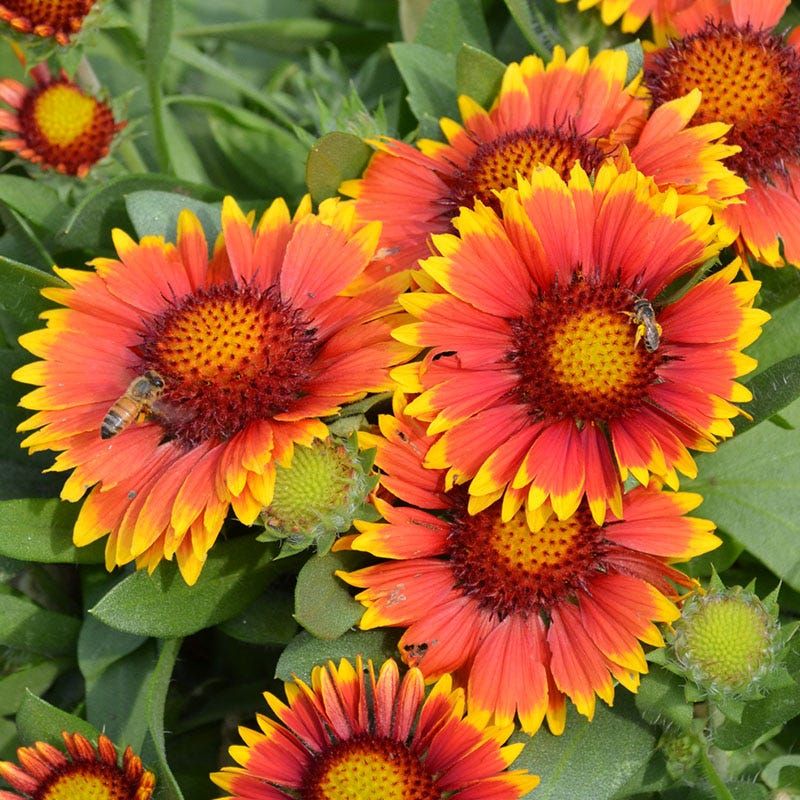
Named for the warm, blanket-like reds and yellows woven through its petals, gaillardia looks like a tiny sunset sitting in your flower bed. It blooms with wild abandon exactly when the heat peaks.
Coming from the open plains, this flower is built for wind, drought, and sun-baked soil. That rugged prairie heritage is precisely why it belongs on any tough-flower list.
The blooms just keep coming, especially if you snip off the spent ones, and butterflies flock to them all summer. Sandy or rocky ground that defeats other plants suits gaillardia just fine.
It even shrugs off salty coastal conditions, making it a favorite for beachside gardeners who fight both heat and sea spray.
10. Angelonia (Summer Snapdragon)
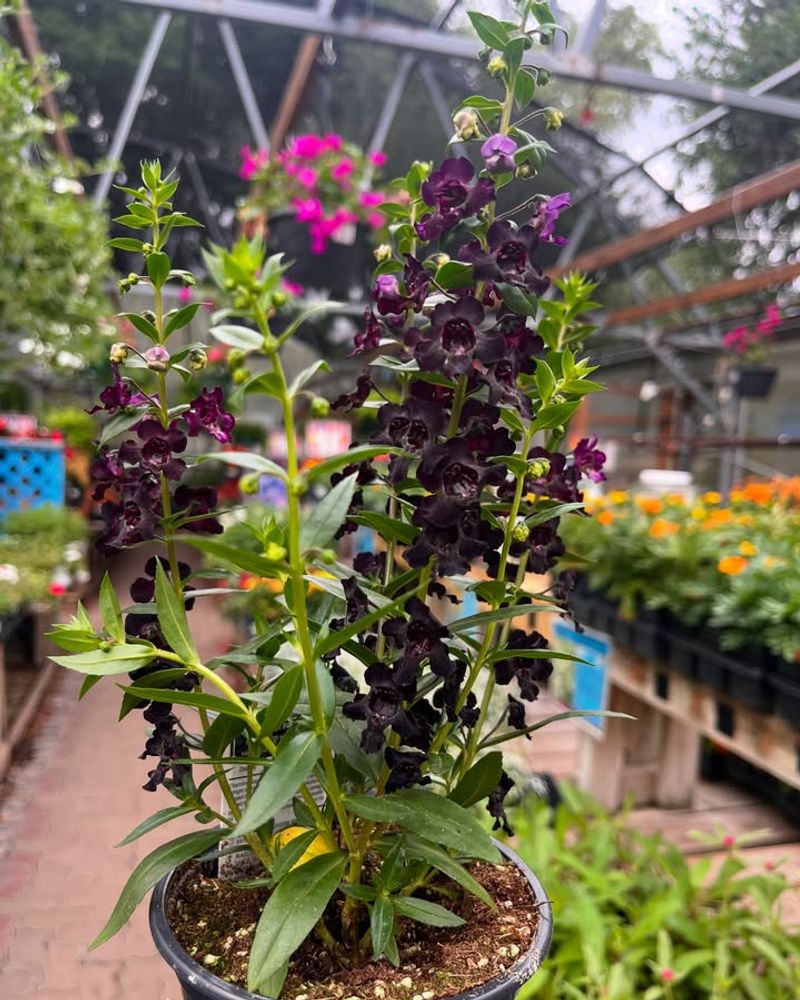
Sometimes called the summer snapdragon, angelonia gives you the elegant vertical spikes of a snapdragon without the springtime fragility. When true snapdragons melt in the heat, angelonia keeps standing tall.
The reason it earns a spot is its tidy, self-cleaning habit. You never have to deadhead it, because the plant simply drops old blooms and keeps producing new purple, white, and pink spikes all season.
Container growers adore it for exactly this reason: a pot of angelonia looks polished for months with barely any care. It also releases a soft, grape-like scent on warm afternoons.
Full sun and steady warmth are all it asks. The hotter your patio gets, the happier this plant seems to be.
11. Vinca (Madagascar Periwinkle)
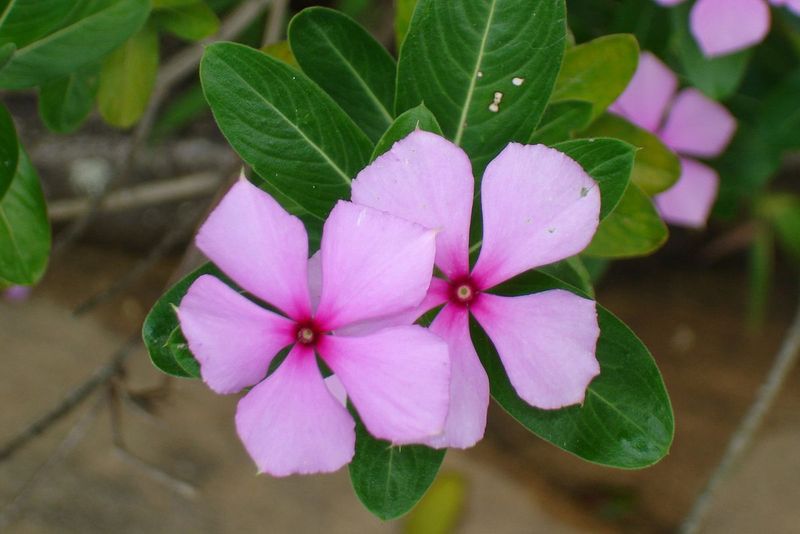
When the pavement is hot enough to fry an egg, vinca is out there blooming like it is on vacation. This glossy-leaved annual thrives in the kind of scorching, humid weather that flattens most bedding plants.
Its standout quality is disease resistance combined with drought toughness. While other flowers rot or fade in muggy heat, vinca stays crisp and keeps unfurling pink, white, and rosy blooms with clean white centers.
The waxy leaves help it hold moisture, so it forgives a missed watering without pouting. Poor, hot spots along driveways and sidewalks are practically made for it.
Do not confuse it with the ground-cover periwinkle, though. Despite the shared name, this heat-loving annual is a completely different plant built for sunny, sizzling beds.
12. Celosia
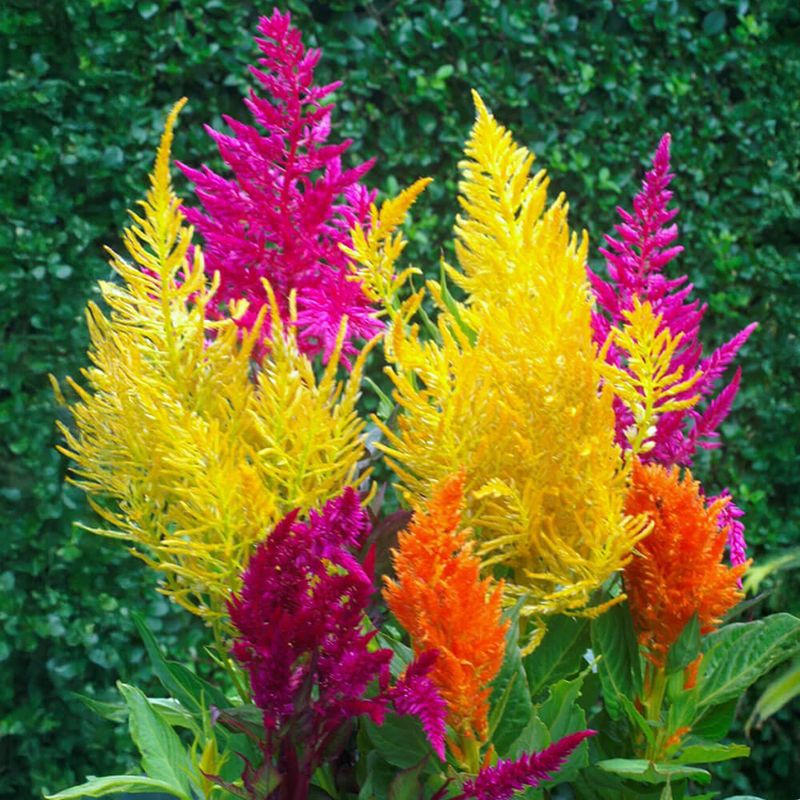
Few flowers look as wild and flame-like as celosia, with plumes and crested heads that seem to catch fire in the sunlight. Reds, oranges, and golds glow brightest when the weather turns brutally hot.
What separates celosia from softer summer flowers is its unusual velvety texture and long-lasting color. The blooms hold their shape for weeks, whether left in the garden or cut and dried for arrangements.
Heat and humidity only intensify the display, and the plant rarely wilts even during a dry stretch. Full sun and well-drained soil keep it thriving with minimal fuss.
Its bold, feathery shape adds drama that most heat-tough flowers cannot match, making it a favorite for gardeners who want more than the usual daisies.
13. Cosmos
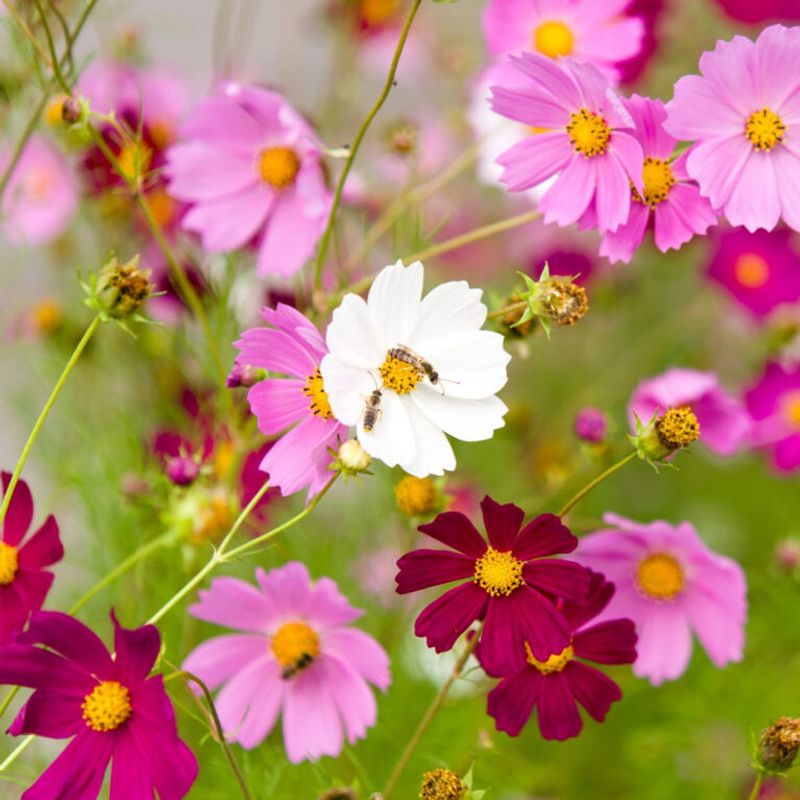
Breezy and romantic, cosmos brings a soft, wildflower charm to gardens that most tough plants lack. Do not let the delicate petals fool you, because these flowers thrive on neglect and heat.
The secret to their toughness is a preference for lean, poor soil. Feed them too well and you get lots of leaves but few flowers, so the hardest August conditions actually push out the best blooms.
Tall, feathery stems wave in pink, white, and magenta above nearly any other planting, and they self-sow freely for next year. Bees and butterflies drift among them constantly.
Once they get going, cosmos ask for almost nothing beyond full sun and a little space to sway.
14. Pentas (Egyptian Star Flower)
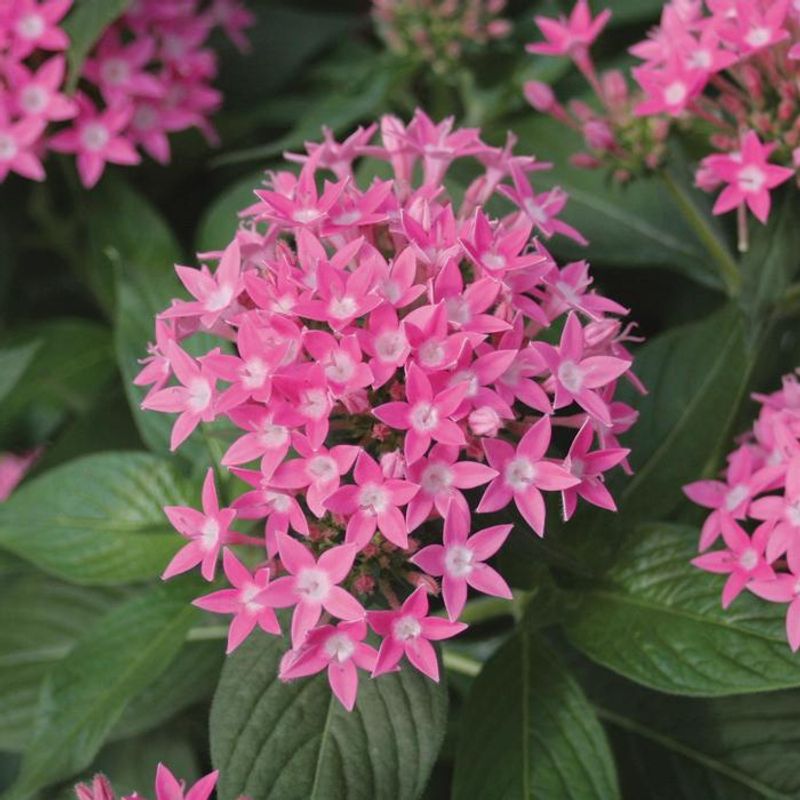
Clusters of tiny star-shaped blooms give pentas its nickname, and butterflies treat those flower heads like landing pads all summer long. Heat and humidity that wear down other plants only encourage more blooming.
Its place on this list comes from being a pollinator magnet that never quits. From June until frost, pentas keeps rolling out red, pink, and lavender clusters without any seasonal slowdown.
The plant handles containers and beds equally well, and it stays lush even through steamy Gulf Coast summers. A weekly deep watering keeps it looking its best without much effort.
For gardeners who want nonstop butterfly visits during the hottest weeks, few flowers deliver like this one.
15. Impatiens (The Ones To Skip)
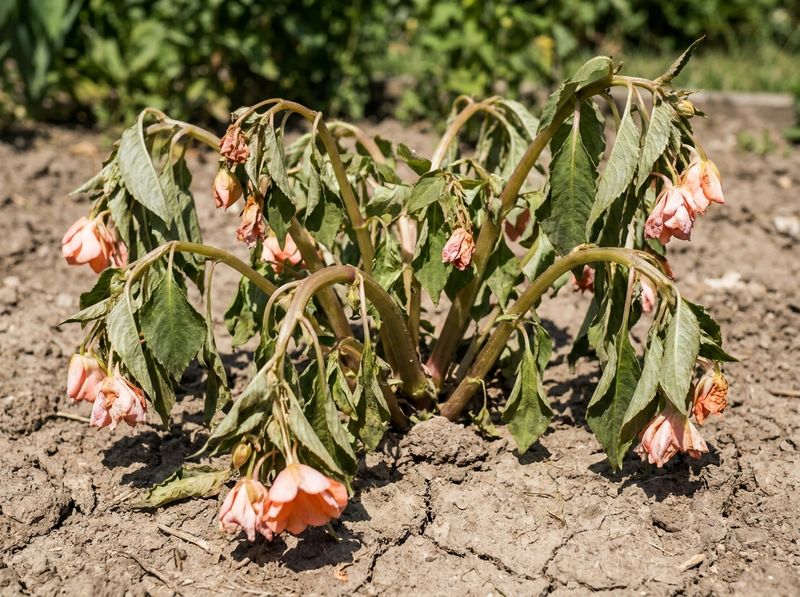
Beloved for shady spots, impatiens sadly cannot handle a real August scorcher. Set them where afternoon sun hits and they collapse into a limp, sad heap within hours.
The trouble is thin, water-hungry stems that lose moisture faster than the roots can replace it. During a heat wave they wilt dramatically, and repeated stress leaves them stunted and flowerless.
To make matters worse, common garden impatiens can fall prey to downy mildew, which spreads fast in warm, humid conditions and wipes out whole beds. Once it takes hold, there is little you can do.
If you love the look, keep them in deep shade and consistently moist soil, or swap in a tougher alternative for those blazing exposed spots.
16. Pansies (The Ones To Skip)
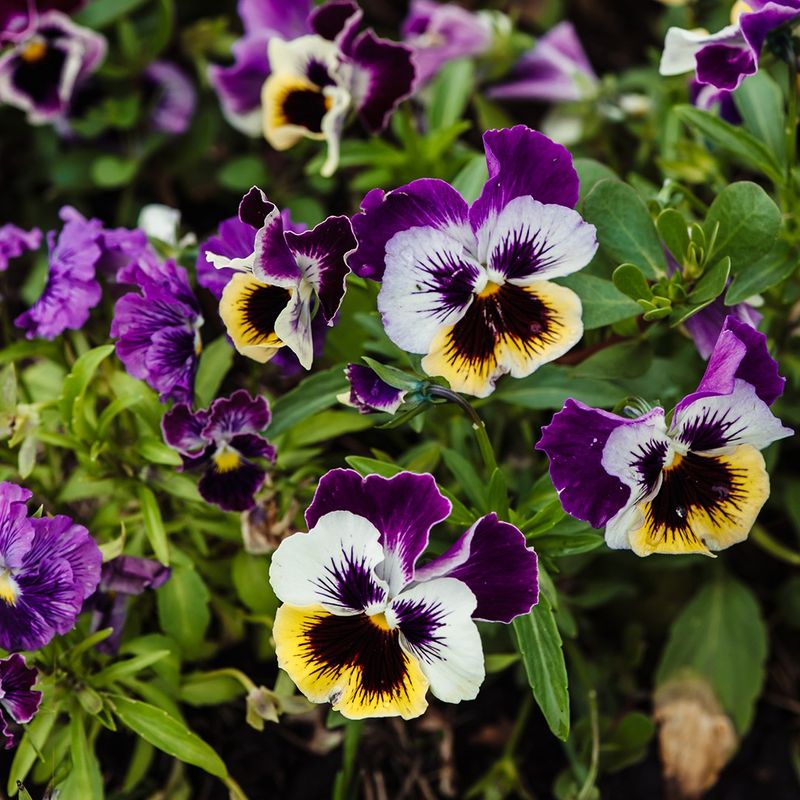
Charming as they are in spring, pansies are simply built for cool weather and cannot cope once summer bites. Their sweet faces stretch, fade, and stop blooming as the heat climbs.
The problem is timing and biology: pansies are cool-season flowers that set their best blooms in the 40 to 60 degree range. Push them into August sun and they turn leggy, pale, and exhausted.
Many gardeners feel cheated when a full flat of pansies fizzles by July, but it is not your fault. They were never designed for the dog days of summer.
Save them for fall and early spring plantings, and fill the hot-season gap with something like vinca or portulaca instead.
17. Delphinium (The Ones To Skip)
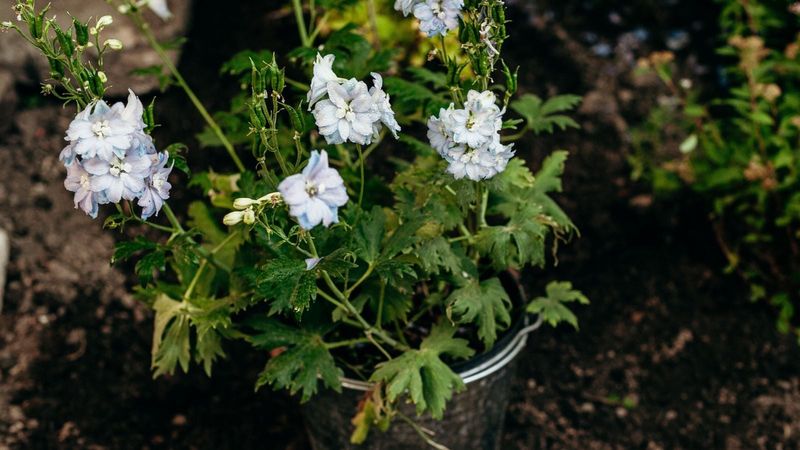
Towering blue spires make delphiniums a showstopper, but they belong to gardeners in cool northern climates, not sweltering summer beds. Real heat sends them into a rapid decline.
These plants crave cool nights and moist, rich soil, and they resent both high temperatures and humidity. In a hot region they often bloom briefly, then flop, brown out, and fail to return.
The tall hollow stems also snap easily in summer storms, adding insult to injury during the season they are least equipped to handle. Staking helps, but it cannot fix the underlying heat intolerance.
If you crave that vertical blue drama in a warm climate, reach for salvia or angelonia, which give you spikes without the meltdown.
18. Fuchsia (The Ones To Skip)
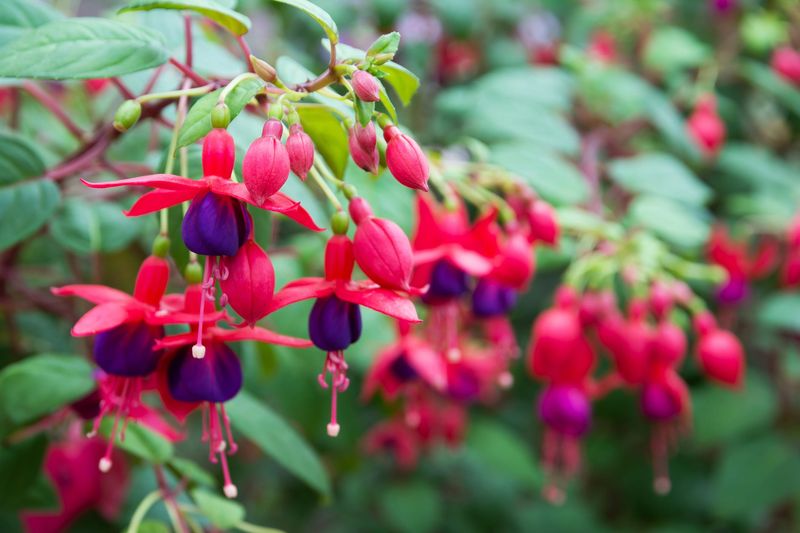
Those dangling, ballerina-like blooms make fuchsia irresistible, yet they are among the first flowers to surrender in a heat wave. Hang a basket in the afternoon sun and it can crisp by evening.
Fuchsias evolved for cool, misty, filtered-light conditions, so dry heat is essentially the opposite of what they want. Buds drop, leaves scorch, and blooming grinds to a halt when temperatures spike.
Even in shade they need constant moisture and cool air to keep going, which is a tall order during a brutal August. Miss a watering and the whole basket may not recover.
Gardeners in cool coastal or mountain areas can enjoy them, but hot-climate growers are usually better off choosing a heat-lover instead.
19. Lobelia (The Ones To Skip)
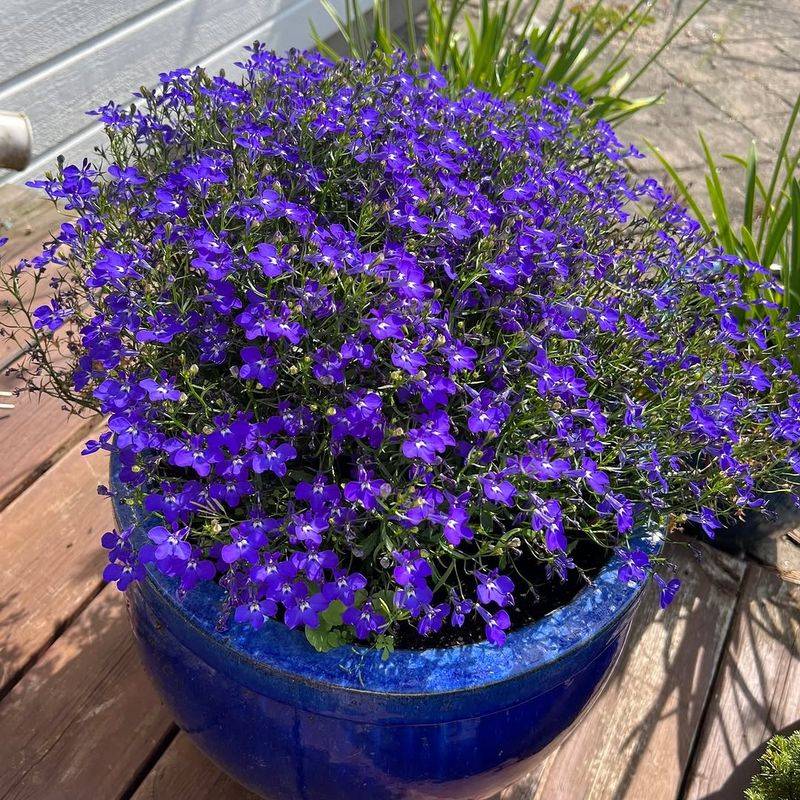
That electric-blue carpet of lobelia looks magical in a spring basket, but it rarely survives the leap into deep summer. Once the heat settles in, the plant tends to brown out and stop flowering.
Lobelia is another cool-season charmer that peaks in mild weather and struggles when nights stay warm. During a hot spell it often goes dormant or dies back entirely, leaving a bare patch in your container.
You can sometimes coax a rebound by shearing it back and hoping for cooler days, but that is a gamble in a truly hot climate. More often it simply fizzles out.
For that same cascading blue effect in the heat, trailing angelonia or a heat-friendly verbena will hold up far better through August.