
15 Easy Changes That Make Your Perennial Geraniums Bloom Stronger And Longer
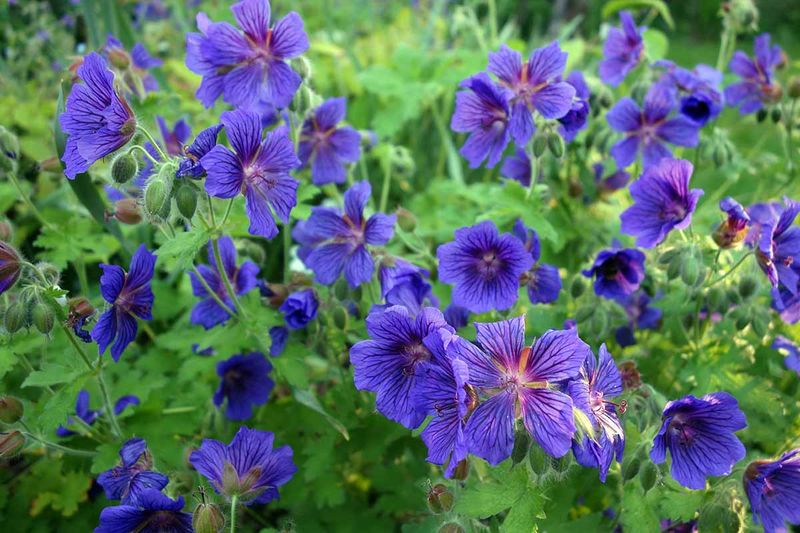
If your perennial geraniums look tired, floppy, or just refuse to flower the way you hoped, you are not alone, and you probably are not doing anything terribly wrong. Most of the time, a weak-blooming geranium just needs a couple of small tweaks to its care routine, not a full rescue mission.
The good news is that these plants are tough and forgiving, so even little changes can lead to fuller, longer-lasting flowers. Below are 15 simple adjustments you can start today to help your geraniums bloom stronger and keep going well into fall.
1. Deadhead Regularly
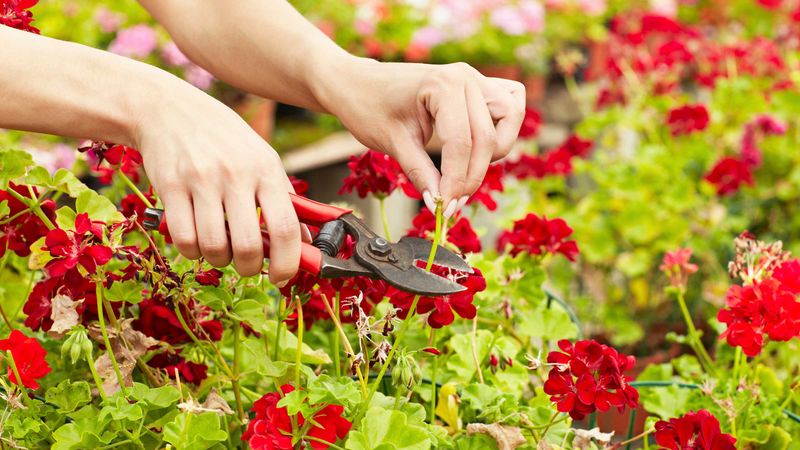
Snipping off spent flowers might feel like you are removing progress, but it is actually one of the fastest ways to trick your geranium into blooming again. Once a bloom fades and starts setting seed, the plant shifts its energy toward making seeds instead of new flowers.
Take that seed head away, and the plant gets the message that its work is not finished yet.
To do it right, follow the faded flower down its stem and snap or cut it just above a leaf node or joint where fresh growth starts. That little cut tells the plant where to push new buds.
Beyond the extra flowers, deadheading keeps the whole plant looking neat and tidy instead of brown and ragged. Many hardy geraniums will reward regular deadheading with a lighter second flush of color later in the season.
2. Prune After First Bloom
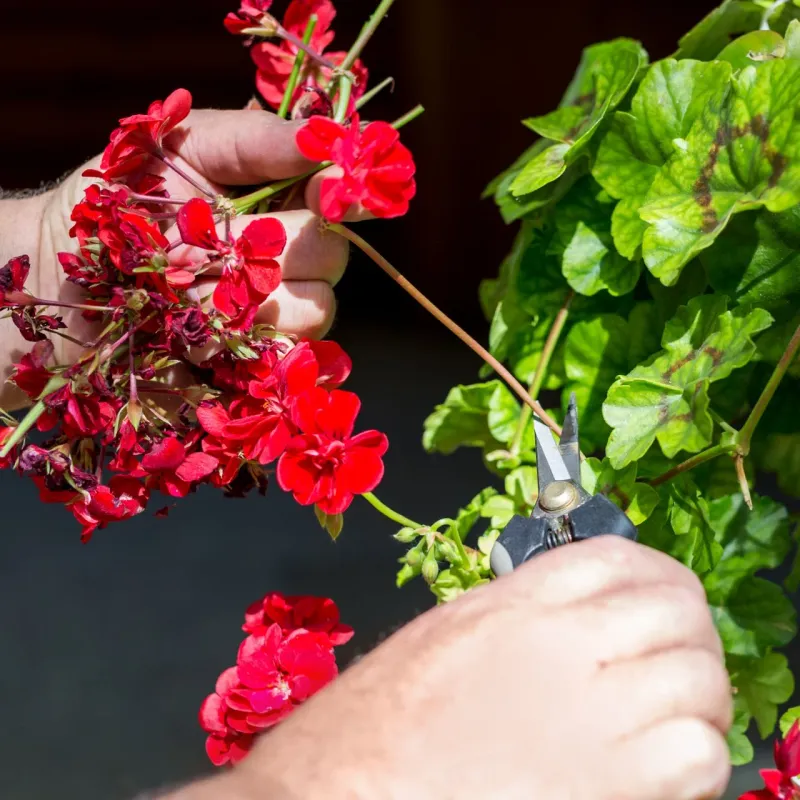
There is a moment in early to midsummer when your geranium finishes its big first show and suddenly looks flopped open and messy in the middle. That is your cue to grab the shears and cut the whole plant back by about a third.
It feels bold, almost brutal, but the plant bounces back better than ever.
Shearing like this does two useful things at once. It removes the tired, leggy growth, and it kickstarts a fresh flush of compact stems packed with new buds.
Within a few weeks you will notice tidy new leaves filling in, followed by another round of flowers that can carry the plant right into fall. A quick trim now saves you from staring at a sprawling, half-bald geranium for the rest of summer.
3. Ensure Sufficient Sunlight
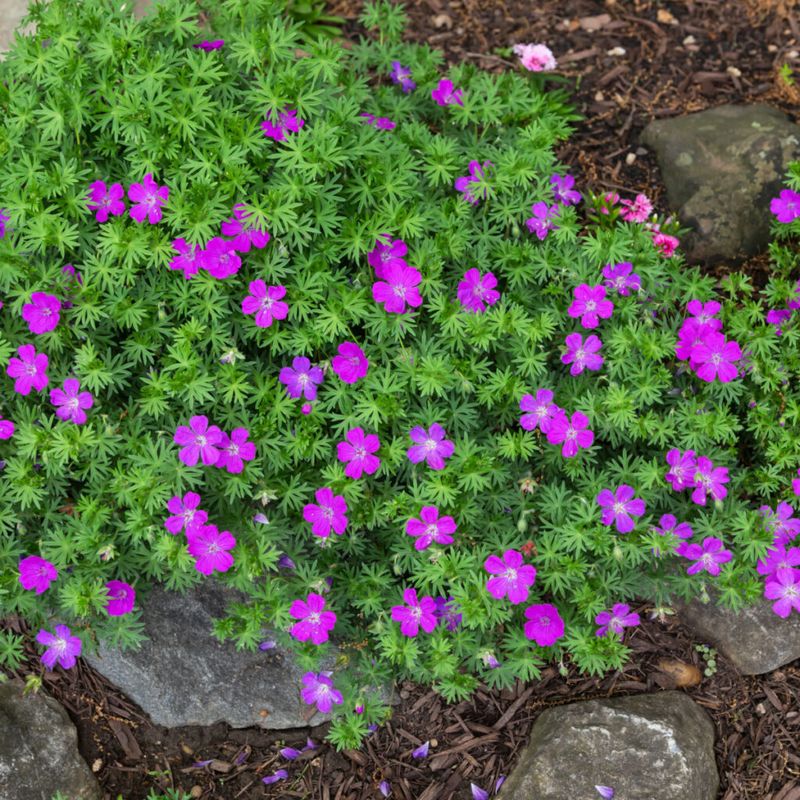
Light is the fuel behind every flower, so a geranium sitting in too much shade will give you plenty of leaves and hardly any blooms. Most perennial geraniums want at least four to six hours of direct, unfiltered sun each day to build the energy they need to flower well.
If your plant is stretching toward the light or refusing to bud up, take a hard look at where it lives. A nearby tree that leafed out, a growing shrub, or a fence shadow can quietly steal the sunlight it counted on last year.
Not every variety demands blazing full sun, and some hardy types are happy in part sun or dappled shade. Still, when blooming stalls, more light is one of the first things worth checking before you blame anything else.
4. Provide Well-Draining Soil

Soggy roots are a silent bloom-killer for perennial geraniums. When soil stays wet and heavy, air gets pushed out, roots start to rot, and a struggling root system simply cannot support a big display of flowers.
These plants much prefer soil that drains freely, holding just enough moisture without turning into a puddle. If your ground is dense clay that stays muddy for days after rain, that is a signal to make some changes.
Work in a few handfuls of organic matter like compost or leaf mold to loosen things up and give water somewhere to go. Better drainage means healthier roots, and healthier roots almost always translate to stronger, more reliable blooming above the surface.
5. Water Consistently, Avoid Overwatering
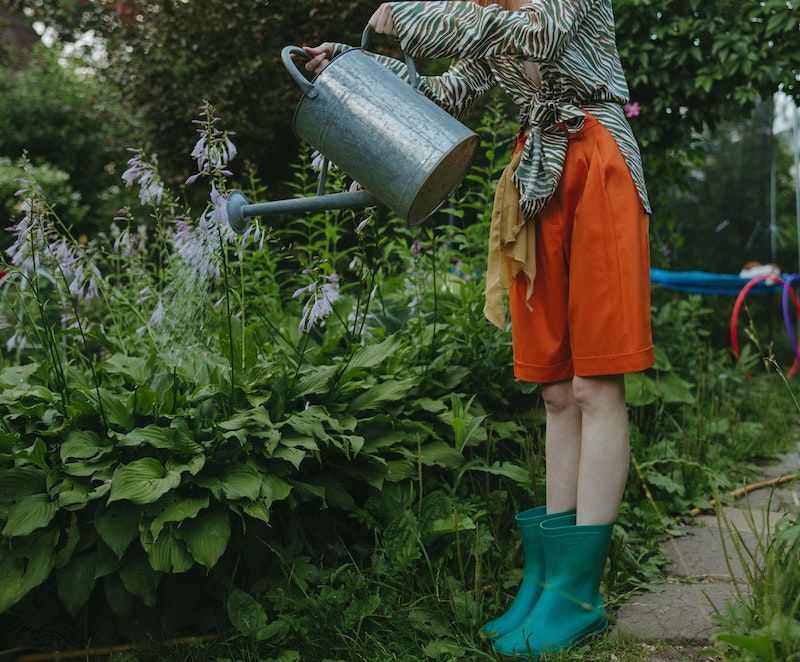
Watering geraniums is a balancing act, and leaning too far either way shows up fast. The sweet spot is deep, thorough watering when the top inch of soil feels dry, then letting the soil dry out a little before you water again.
Overwatering is the more common mistake, and it can fool you because the symptoms look like thirst. Yellowing leaves, wilting, and mushy stems often mean the roots are drowning, not parched.
Rather than watering on a rigid schedule, poke your finger into the soil first and let the plant tell you what it needs. That simple check keeps roots healthy and lets the plant spend its energy on flowers instead of fighting stress.
6. Fertilize Thoughtfully
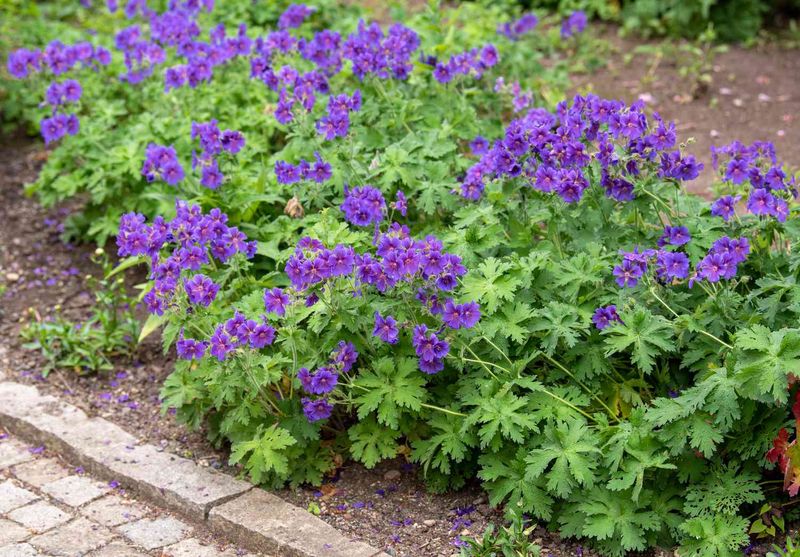
More food does not automatically mean more flowers, and geraniums prove it. Hardy geraniums are not heavy feeders, so dumping fertilizer on them can backfire in a frustrating way.
Too much nitrogen pushes the plant to grow lush, leafy, and green while quietly skipping the flowers you actually wanted. If your geranium looks bushy but bare of blooms, overfeeding may be part of the story.
When flowering is genuinely weak, a single spring feeding with a balanced fertilizer can help, or reach for one higher in phosphorus and potassium and lower in nitrogen during bloom season. Feed with a light hand, and you will steer the plant’s energy toward color instead of foliage.
7. Divide Older Plants
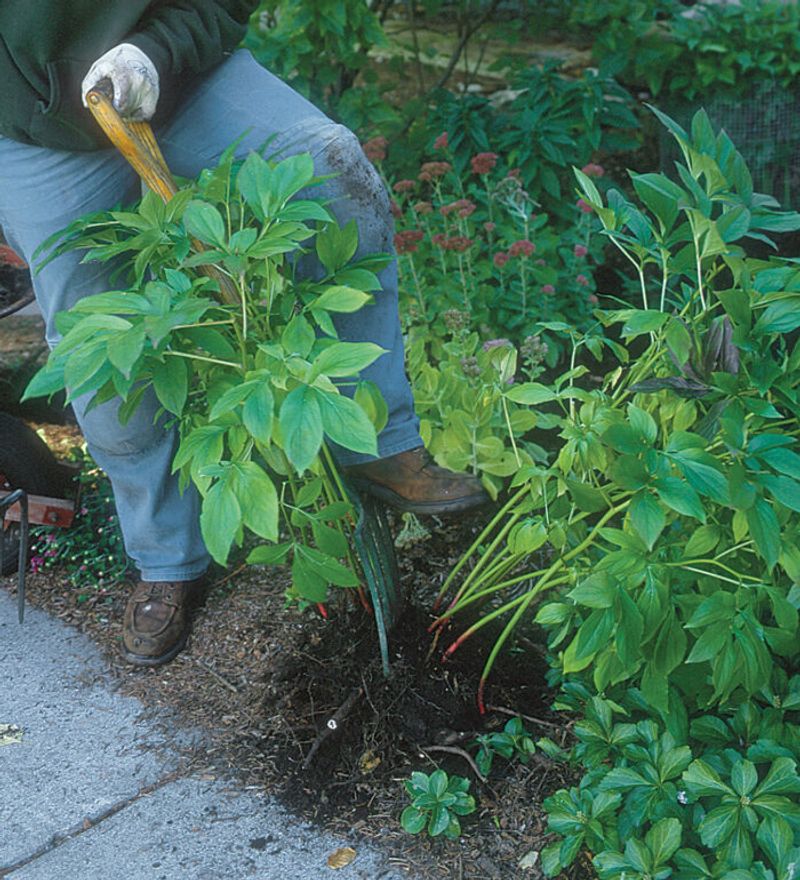
An old geranium that used to bloom its heart out but now just shrugs may be crowded from the inside out. Over the years the clump grows so dense that the center competes with itself for water and nutrients, and blooming fades as a result.
Digging up the plant and splitting it into smaller sections gives each piece breathing room and fresh access to the resources it needs. Think of it as a reset button for a plant that has outgrown its own success.
Replant the healthy divisions with a little space between them, and you will often watch a sleepy old clump come roaring back to life. As a bonus, you end up with free plants to spread around the garden or share with a neighbor.
8. Protect from Cold Temperatures
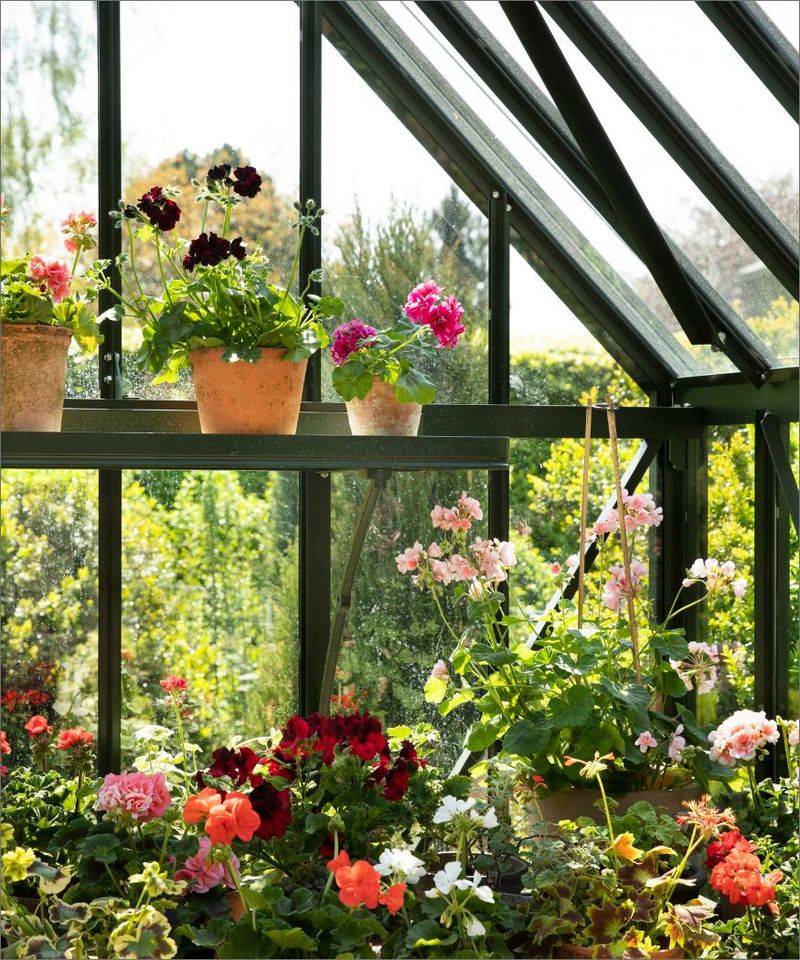
Cold nights can quietly put the brakes on flowering, even when everything else looks fine. Perennial geraniums tend to sulk and hold back their blooms when temperatures sit consistently below about 60 degrees Fahrenheit.
If your plant sits in a low, shady pocket where chilly night air settles, that lingering cool can explain a stubborn refusal to flower. The plant is not broken, it is just waiting for warmth.
Choosing a spot that warms up nicely and stays out of the coldest dips gives your geranium the steady temperatures it likes. When the nights turn comfortable, you will usually see buds respond and flowering pick right back up.
9. Remove Dead or Fading Leaves
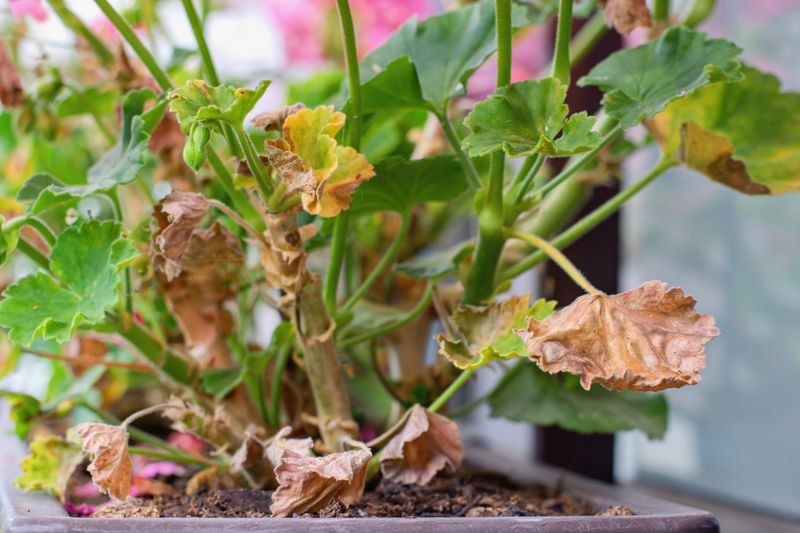
Yellowing and browning leaves are more than an eyesore, they are a drain on the plant. As long as a fading leaf hangs on, the geranium keeps sending some resources its way instead of putting everything into new growth and flowers.
Pinch or snip off those tired leaves whenever you spot them, and let the plant redirect its effort where it counts. It only takes a minute during a casual walk through the garden.
Clearing away dead foliage also improves air movement around the stems, which helps keep disease from taking hold. A cleaner plant is a healthier plant, and a healthier plant blooms with a lot more enthusiasm.
10. Pinch Back Leggy Growth
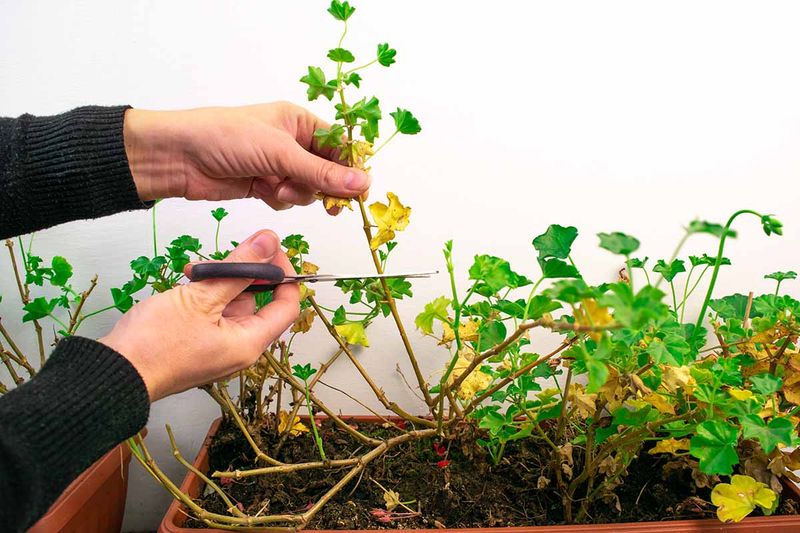
Ever notice how some geraniums shoot up long, floppy stems with only a few flowers at the very tips? That leggy habit is the plant telling you it wants pinching.
When you nip off those stretching stem tips, the plant branches out sideways instead of reaching skyward.
Each pinch encourages two or more new shoots to form below the cut, and every one of those shoots can carry its own set of flower buds. Do this early in the season and you build a stockier, fuller plant from the start.
The trade is worth it. You give up a few inches of stem now in exchange for a bushier shape and many more blooms later on.
11. Use High-Quality Planting Medium
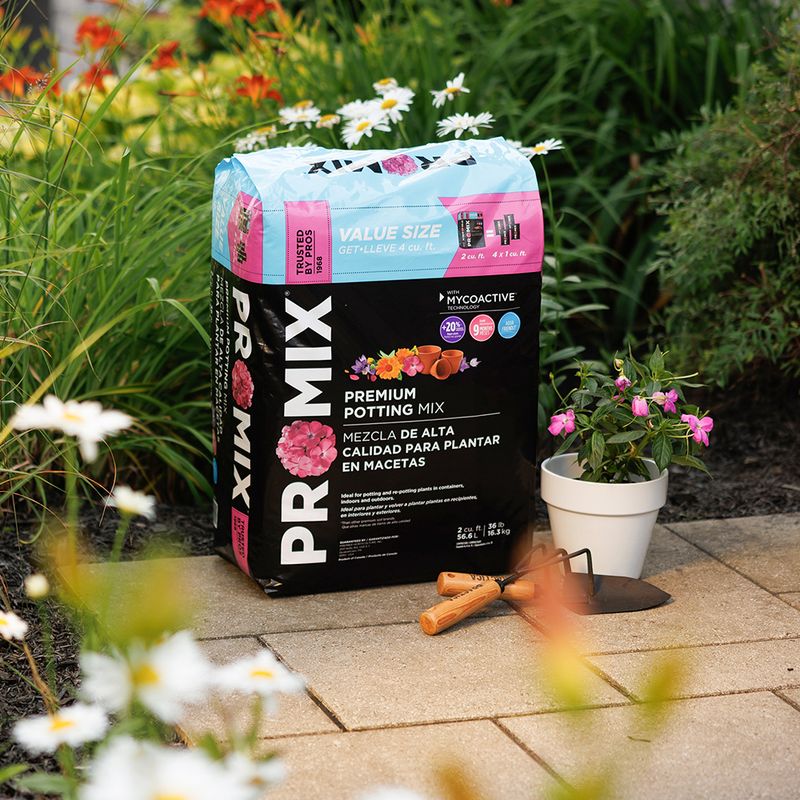
What you plant your geranium into sets the stage for everything that follows. Reaching for tired old soil or a cheap, compacted mix puts your plant behind before it even starts.
Fresh, good-quality geranium compost or potting mix comes loaded with a starter supply of nutrients and, just as important, a loose structure that lets air reach the roots. Roots that can breathe grow strong, and strong roots power strong flowering.
Whenever you plant something new or repot a crowded one, treat it to a clean batch of quality medium. That single upgrade gives the plant stable footing, steady moisture, and the healthy foundation it needs to bloom well.
12. Water at the Base
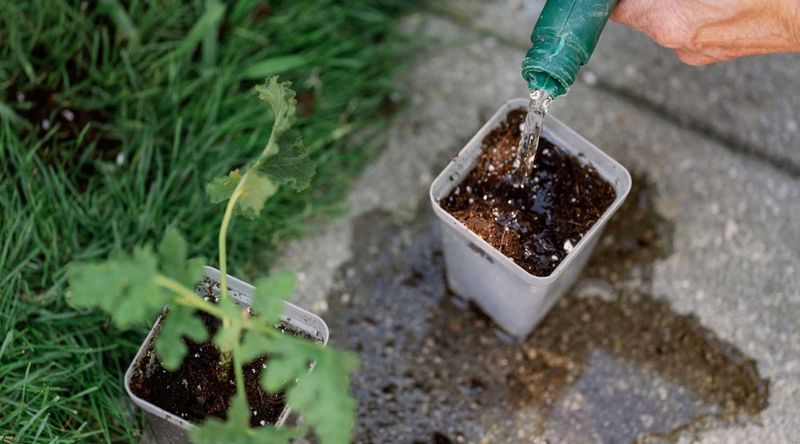
Where you aim the water matters more than most people realize. Splashing the hose over the top of a geranium leaves droplets sitting on leaves and blooms, and that lingering moisture is an open invitation for fungal problems.
Direct the water straight to the soil around the base of the plant instead. The moisture soaks down to the roots where it is actually useful, and the foliage stays dry.
Keeping leaves dry cuts down on spots, mildew, and rot that can weaken a plant and steal blooms. It is a tiny habit change with a real payoff for plant health and flower power.
13. Water in the Morning or Evening
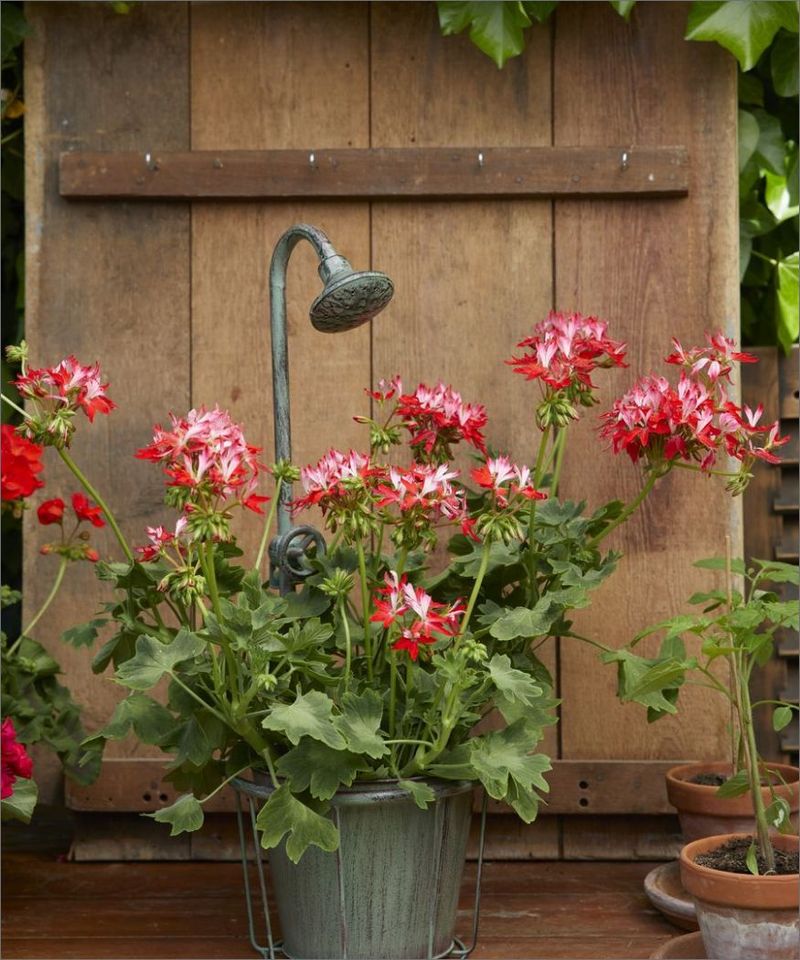
Timing your watering can make the same amount of water go a lot further. Water in the heat of the afternoon and much of it evaporates off before the roots ever get a proper drink.
Early morning is the prime window. The plant fills up before the day heats up, and any moisture on the foliage dries quickly as the sun climbs.
Late evening after sunset works too, giving the water time to soak in overnight without the harsh midday sun. Just try to water early enough that leaves are not sitting damp all night, which keeps fungal trouble at bay while your geranium stays well hydrated and ready to bloom.
14. Ensure Container Drainage
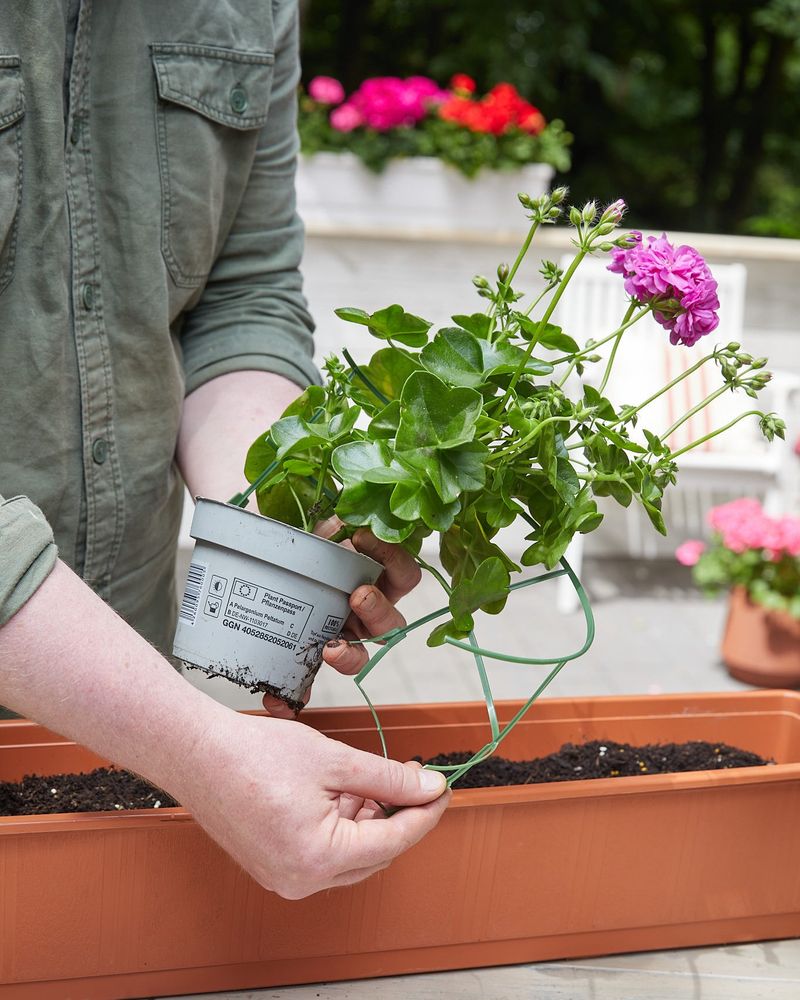
Growing geraniums in pots adds one trap that ground-planted gardeners never face: water with nowhere to go. A pot without proper drainage holes turns into a bucket, and roots sitting in trapped water quickly rot.
Before you plant, make sure every container has holes at the bottom that actually let water escape. If you love a decorative pot with no holes, use it as a cover and keep the plant in a plain nursery pot inside.
Watch out for saucers too, since a pot left standing in a dish of collected water stays soggy long after you meant it to drain. Empty those saucers, keep the drainage clear, and your potted geraniums will stay healthy enough to flower freely.
15. Apply a Light Mulch
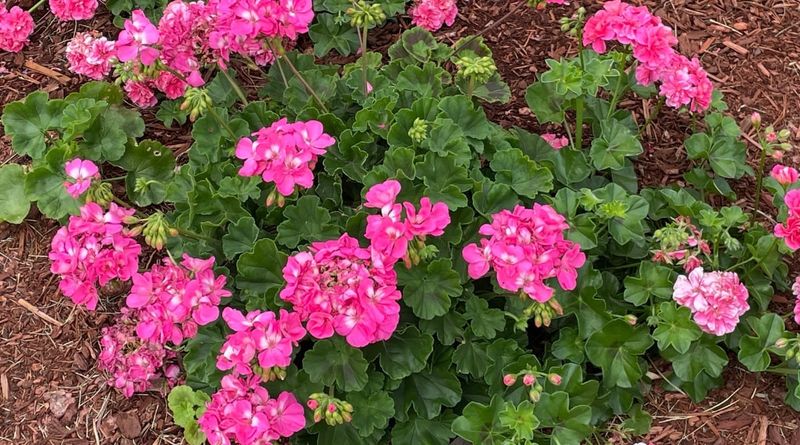
A thin blanket of mulch does quiet, steady work for geraniums planted in the ground. During hot summer stretches, it cools the root zone and slows down how fast the soil dries out, so your plant stays less stressed between waterings.
Roots that stay cool and evenly moist keep pumping out flowers instead of struggling to survive a heat wave. That steadiness alone can noticeably stretch your bloom season.
Choose an organic mulch like well-rotted compost, and you get bonus perks as it breaks down. It slowly feeds the soil, improves its structure, and leaves your geraniums with a richer, friendlier home for their roots.
Keep the layer light so air still reaches the crown of the plant.