
Stop Making These 9 Mistakes That Keep Your Climbing Clematis From Climbing
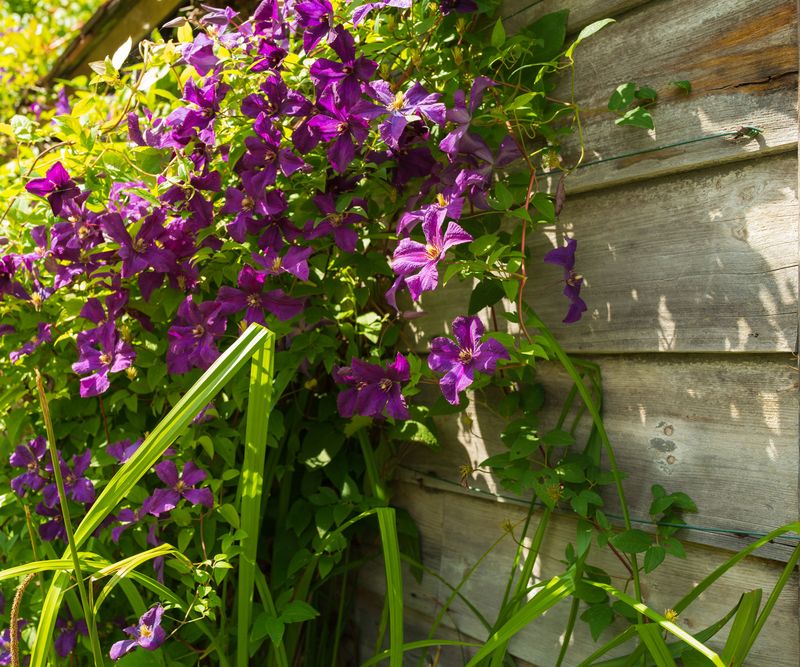
You planted a clematis dreaming of a wall covered in blooms, but instead it just flops around on the ground like it forgot what it was supposed to do. The frustrating part is that clematis rarely fails because it is a difficult plant.
Usually one small mistake is holding it back, and once you spot it, the fix is simple. Here are nine common slip-ups that keep your clematis stuck at ground level, plus exactly how to get it climbing.
1. Providing Inadequate or Incorrect Support
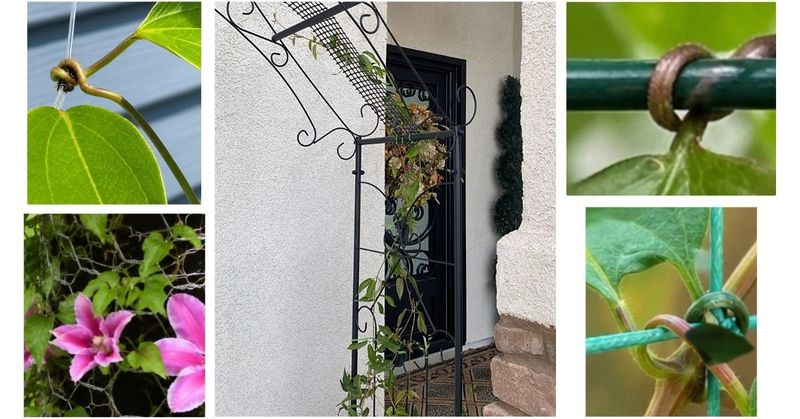
Here is something most people never learn until their vine is already sprawling: clematis climbs by wrapping its leaf stems, called petioles, around whatever it can grab. It has no sticky roots like ivy and no curly tendrils like a pea plant.
That means if your support is too fat for the petioles to curl around, the vine simply cannot hold on. A chunky wooden post or a thick pergola beam gives it nothing to grip, so it wanders, flops, or gives up entirely.
The fix: Give your plant thin, closely spaced things to grab. Wire, plastic mesh, netting, fishing line, or a trellis with slender bars all work beautifully.
If you use wire mesh, aim for openings of at least 2 inches so the leaves can weave through. Set the support in place at planting time so the vine grabs on from day one instead of hunting around for something to hold.
2. Not Guiding the Vines onto the Support Early Enough
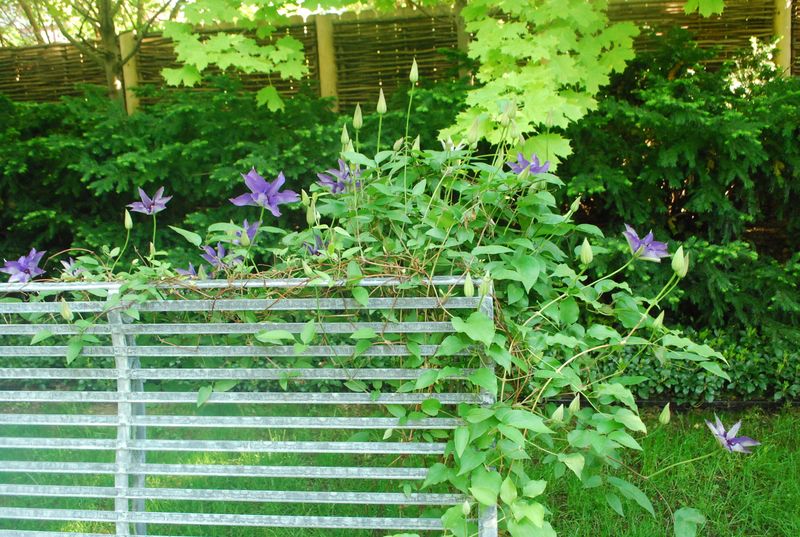
Even a clematis with the perfect trellis can act helpless when it is young. Picture a toddler learning to walk while holding onto furniture, that is basically what a new clematis needs from you.
When those first tender stems reach out and find nothing to grab, the growing tip can stall out and die back. A little hands-on help early makes a huge difference in whether the plant ever gets going.
The fix: As new growth appears, gently steer the stems toward your support. Loosely tie them in place with soft ties, garden clips, or a bit of twine, just enough to hold without pinching.
Once the plant catches on, it will grip on its own, but those early weeks are when your guidance matters most.
3. Planting in Too Much Shade
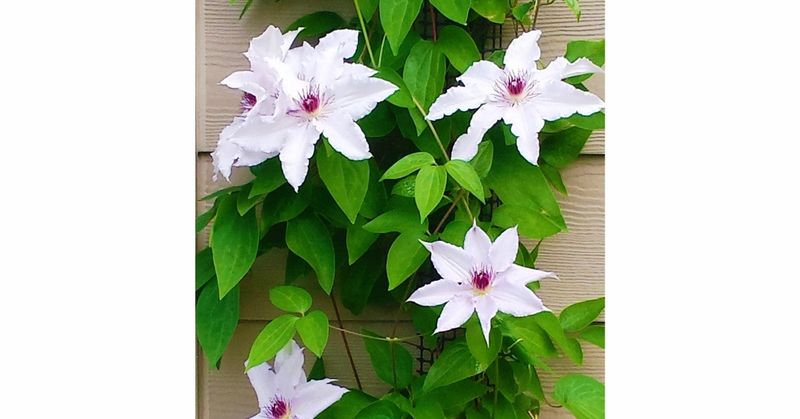
A clematis tucked into a dim, shady corner often turns into a leggy plant with barely a bloom in sight. Sunlight is the fuel behind vigorous growth, and without enough of it, your vine simply lacks the energy to climb and flower well.
Most varieties want at least six hours of direct sun a day. A handful of cultivars will tolerate part shade, but the majority reward you for a bright spot with faster growth and far more flowers.
The fix: Scout your yard for a location that gets a solid six hours of sunshine daily before you dig the hole. If you garden somewhere with brutal afternoon heat, a little shade during the hottest part of the day can actually help, but morning and midday sun should be plentiful.
4. Allowing Roots to Get Hot and Dry
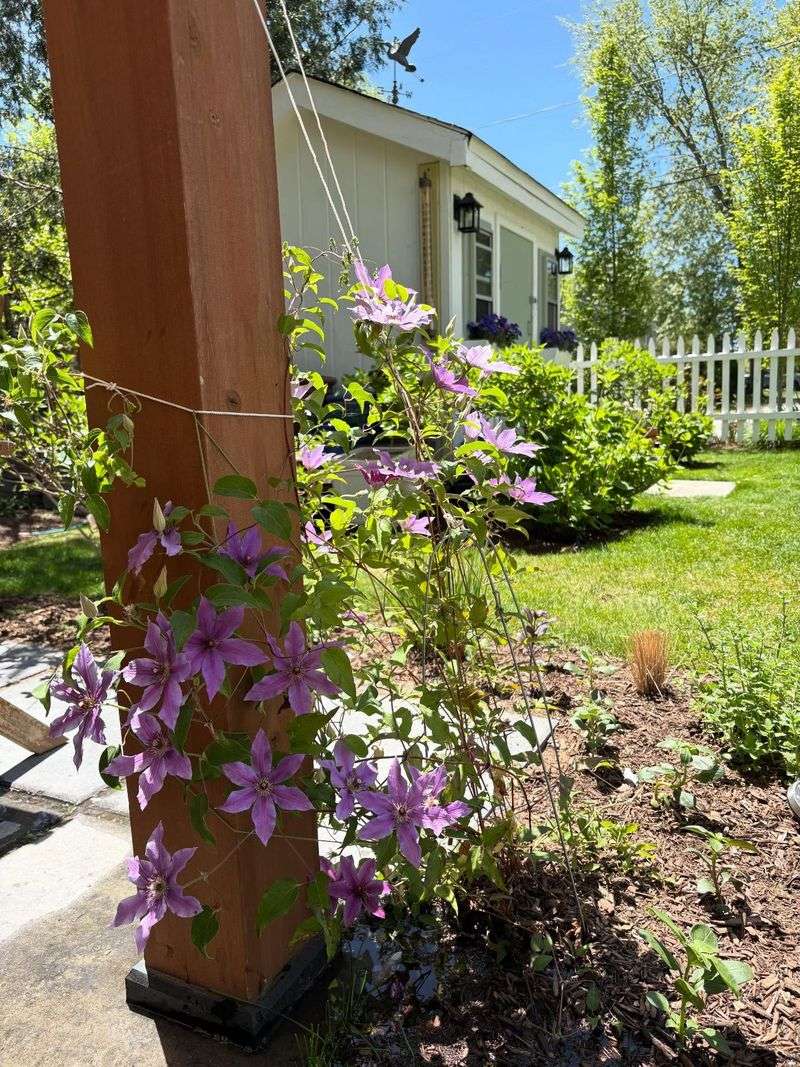
Gardeners love to describe clematis with a memorable phrase: head in the sun, feet in the shade. The top of the plant soaks up light happily, but down at the roots it craves cool, steady moisture.
Let those roots bake and dry out and the whole plant gets stressed, which drains the energy it needs to send up strong climbing shoots. Hot roots are one of the sneakiest reasons a sun-loving clematis still underperforms.
The fix: Blanket the base with a layer of mulch such as shredded leaves or compost to keep the soil cool and damp. You can also tuck low-growing annuals or perennials around the base to shade the root zone naturally.
Water deeply and regularly, especially through that first growing season and during any dry stretch.
5. Incorrect Pruning for the Clematis Type
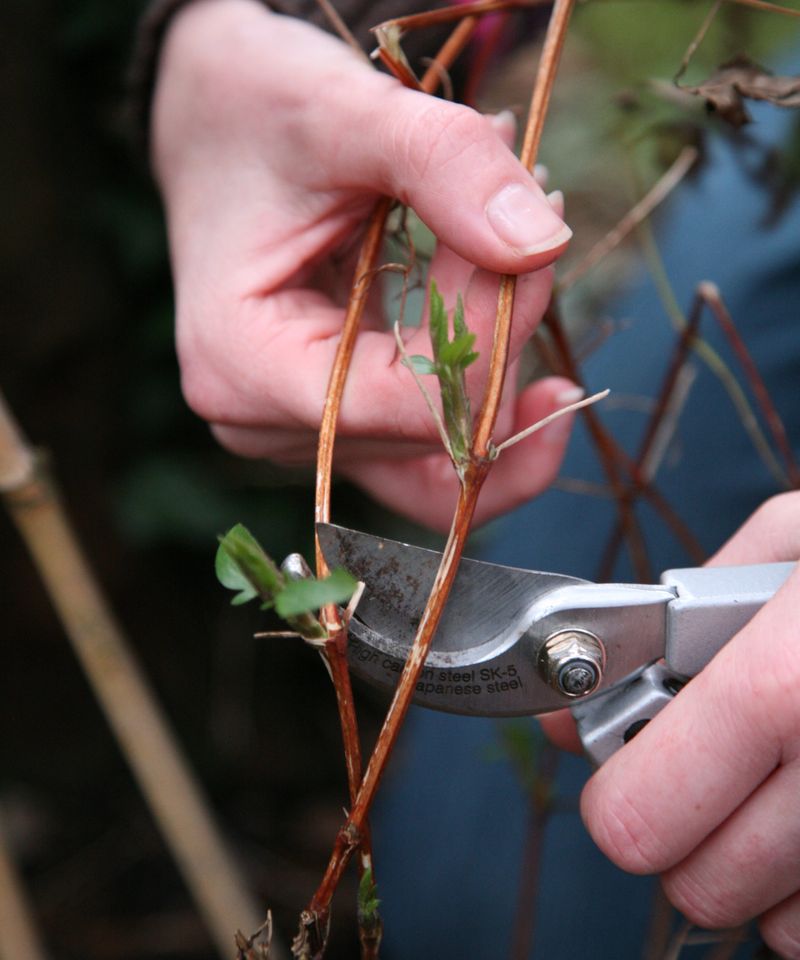
Few things trip up clematis growers more than pruning, because there is no single rule that fits every plant. Clematis fall into three pruning groups, and each blooms at a different time on different wood.
Cut at the wrong moment and you can snip off the very stems that were about to flower. Never pruning at all can leave you with a tangled, woody mess that struggles to climb and blooms less each year.
The fix: Figure out which group your plant belongs to, then prune accordingly, always removing dead, damaged, or weak stems.
Group 1 (early spring bloomers on old wood): prune minimally, just tidy up after flowering.
Group 2 (early and late summer bloomers on old and new wood): prune lightly in late winter or early spring, then give a light trim after the first flush.
Group 3 (late summer and fall bloomers on new wood): hard prune in late winter or early spring, cutting stems back to 6 to 12 inches above the ground.
6. Planting Too Close to a Solid Wall or Fence
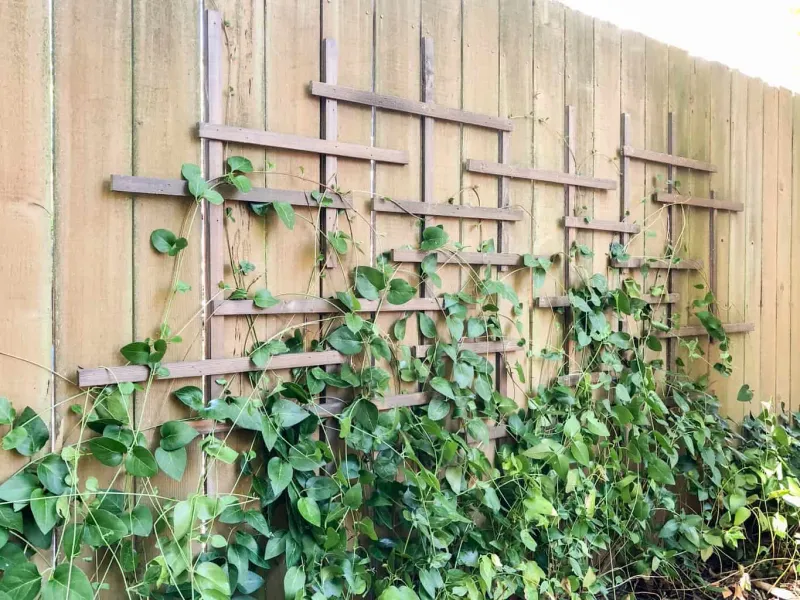
Shoving a clematis right up against a wall feels natural, since that is exactly where you want it to climb. Unfortunately, that spot is often the worst place for the plant to actually live.
Right at the base of a solid structure, the soil tends to be dry, poor, and starved of rain that gets blocked by the overhang. Walls also radiate heat, creating a hot pocket that punishes those moisture-loving roots and makes it hard for the vine to establish.
The fix: Set your clematis 6 to 18 inches out from the wall or fence, where the soil stays cooler and wetter. Then bridge the gap by attaching a grid of galvanized wire or a thin trellis to the wall, giving the vine a slender path to climb up onto the structure itself.
7. Using a High-Nitrogen Fertilizer

Reaching for a heavy nitrogen feed seems like a good idea when you want fast growth, but it can backfire in a big way. Nitrogen pushes leaves, and lots of them, often at the expense of the flowers you were hoping to see.
All that extra foliage also makes the vine bulky and heavy, which can be harder to manage and support as it climbs. You end up with a green monster and hardly any blooms.
The fix: Feed with a balanced fertilizer such as 10-10-10, or better yet one aimed at roots and blooms with lower nitrogen and higher phosphorus and potassium, like 5-10-10, 3-5-4, or 6-10-12. Fertilize monthly from early spring through mid-September, and hold off during peak bloom so the plant can focus on flowering.
8. Incorrect Planting Depth
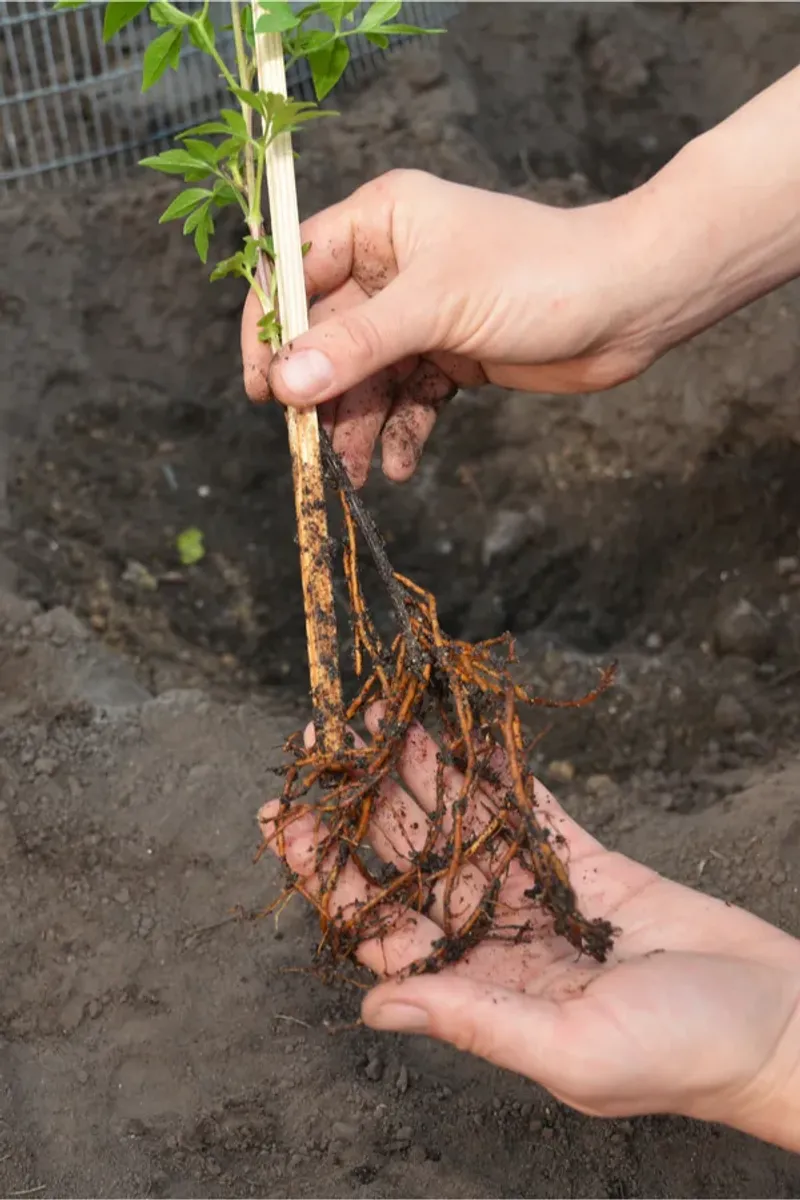
Most plants hate being buried too deep, so it surprises people that clematis actually wants the opposite. Plant it too shallow and you leave the delicate crown, where roots meet stem, exposed and vulnerable.
An exposed crown gets battered by heat, cold, and physical damage, which stunts the strong new shoots your vine needs to climb. Burying it a little gives that crown protection and encourages fresh growth from below.
The fix: When you plant, settle the crown about 2 to 6 inches beneath the soil surface. That extra depth shelters dormant buds and often triggers multiple new stems to push up, giving you a fuller, more vigorous climber over time.
9. Choosing a Non-Vining or Inappropriate Clematis Variety
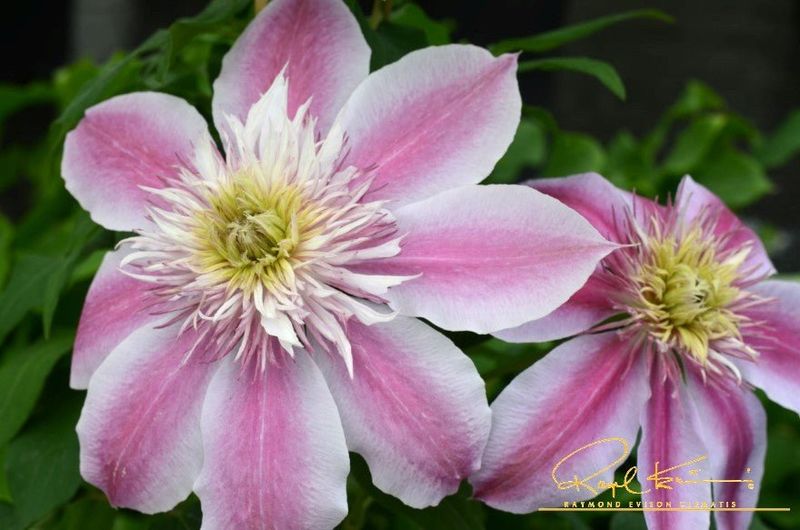
Sometimes the plant is not doing anything wrong at all, because it was never built to climb in the first place. Not every clematis is a rambling vine; some grow as tidy bushes and others sprawl as ground covers.
Pick one of those by accident and no amount of trellising will convince it to shoot skyward. Even among true climbers, size matters, since a vigorous variety can overwhelm a flimsy support meant for a modest grower.
The fix: Before you buy, check the label or ask a nursery whether the variety is a climbing type. Look up its mature size too, so it matches both your support structure and the space you have.
A little research up front saves you a whole season of wondering why your clematis refuses to climb.