
15 Tips To Keep Your Coneflowers Blooming Through Late-Summer Heat (And What’s Quietly Causing The Wilt)

Coneflowers are tough little troopers, but even they can start drooping and sulking when late-summer heat rolls in. If your plants suddenly look tired, wilted, or stingy with blooms, something quiet is usually going on beneath the surface.
The good news is that most coneflower slumps come down to a few simple fixes you can make today. Here are 15 practical tips to keep those cheerful daisy-like flowers going strong all the way into fall.
1. Water Deeply and Consistently (But Not Too Much)
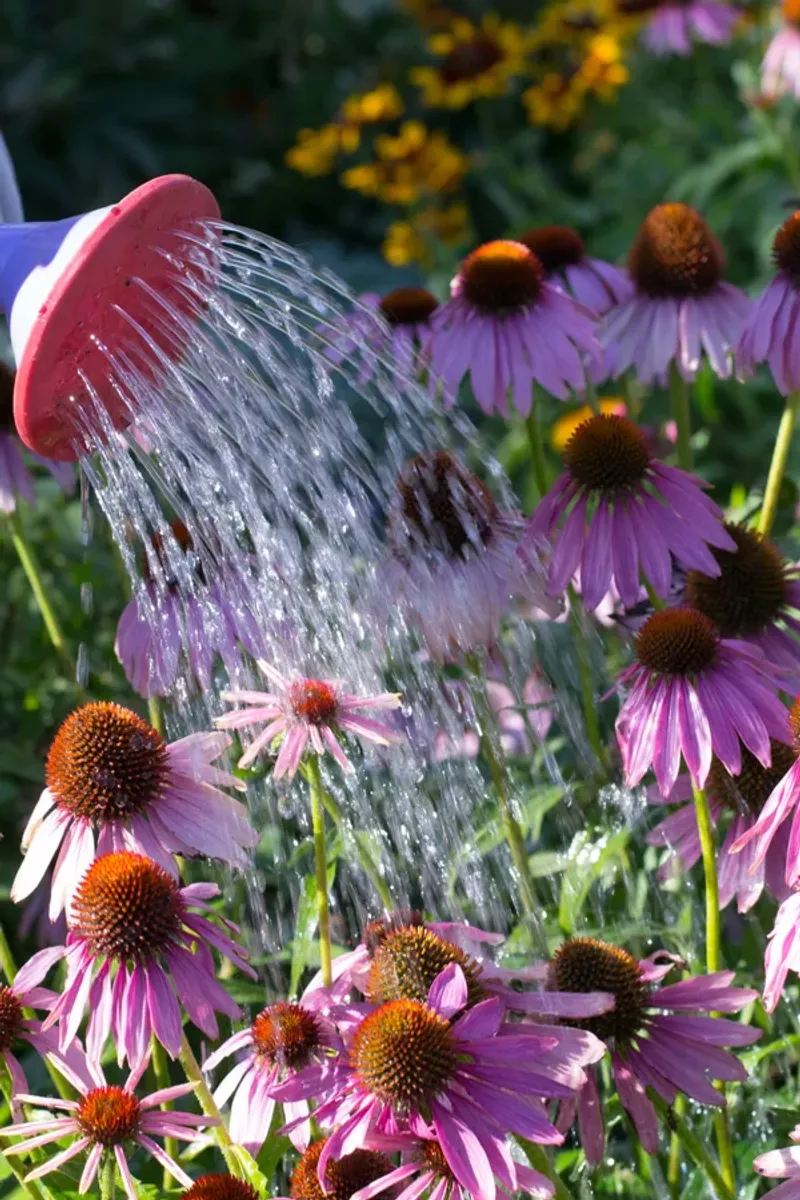
Wilting coneflowers trick a lot of gardeners into grabbing the hose too often, when the real answer is fewer, deeper drinks. Established coneflowers are drought-tolerant, so they don’t need daily babying like a thirsty annual would.
During dry stretches, aim for one deep soak about once a week that reaches well down into the root zone. Shallow sprinkles only wet the top inch and train roots to stay near the hot surface, which makes heat stress worse.
Keep an eye on the balance, because overwatering can suffocate roots and invite rot just as quickly as drought can dry them out. When you water deeply but space it out, you get sturdy roots and blooms that hold up through the hottest weeks.
2. Check Soil Moisture Regularly
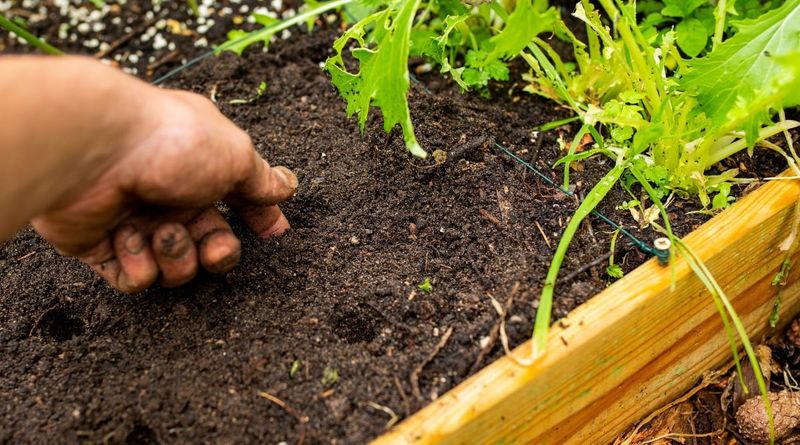
Guessing whether your coneflowers need water is where a lot of trouble starts. A five-second finger test tells you far more than a glance at the surface ever could.
Push your finger about five inches down into the soil near the plant. If it feels dry at that depth, give the bed a thorough drink; if it still feels cool and damp, hold off a day or two.
Late-summer heat can bake the top layer bone-dry while the deeper soil stays moist, which fools people into overwatering. Making this quick check a habit keeps you from drowning healthy roots or leaving them parched.
3. Water at the Base of the Plant
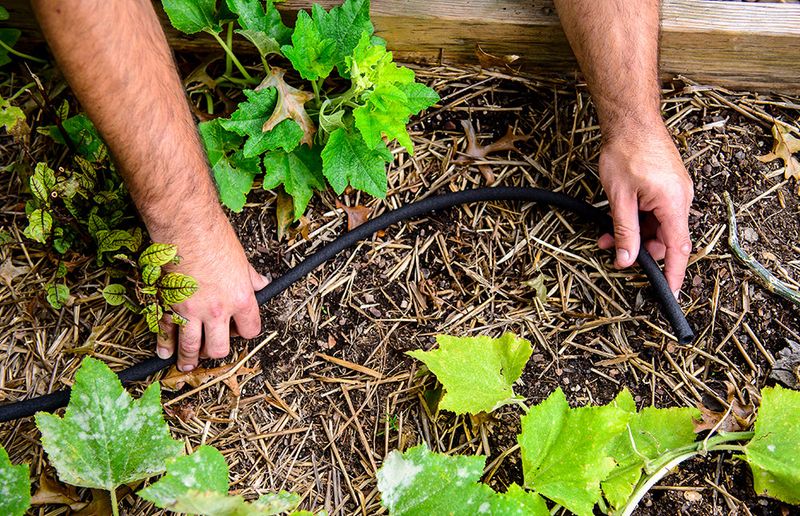
Blasting water over the top of your coneflowers might feel efficient, but it quietly sets the stage for problems. Wet leaves that sit through a humid night become a welcome mat for fungal diseases.
Direct the water right at the base of each plant where the roots can actually use it. A soaker hose or a wand held low does the job without splashing soil and spores up onto the foliage.
Base watering also delivers moisture straight to the root zone instead of losing it to the leaves and air. Your coneflowers stay hydrated where it counts, and the leaves stay dry and disease-resistant.
4. Time Your Watering Right
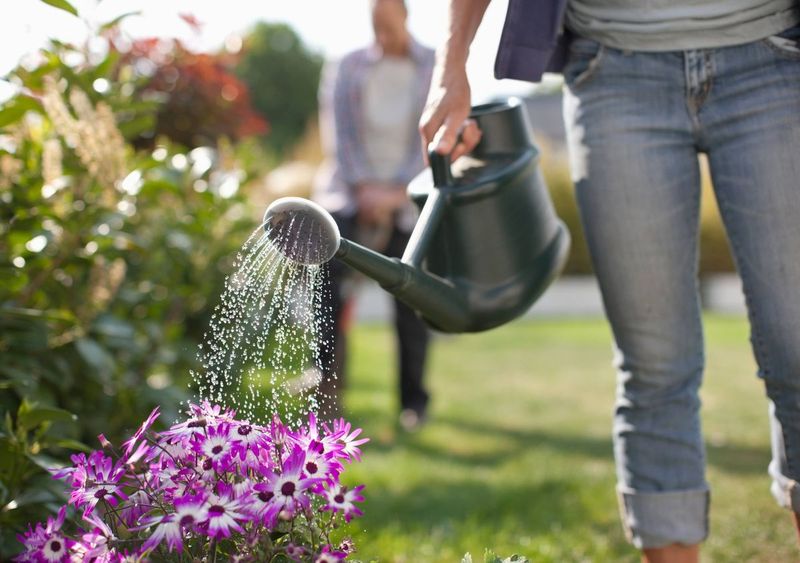
When you water matters almost as much as how much you pour. Midday watering during a heat wave sends a big share of that moisture straight into the air before roots ever taste it.
Early morning is the sweet spot, giving plants a full drink before the sun climbs high and letting any splashed leaves dry quickly. Evening watering works too, especially on cooler or cloudy days when evaporation slows down.
Cloudy afternoons are fair game as well, since the reduced sun keeps water from vanishing so fast. Smart timing means less waste and far less heat stress on your coneflowers.
5. Ensure Excellent Drainage
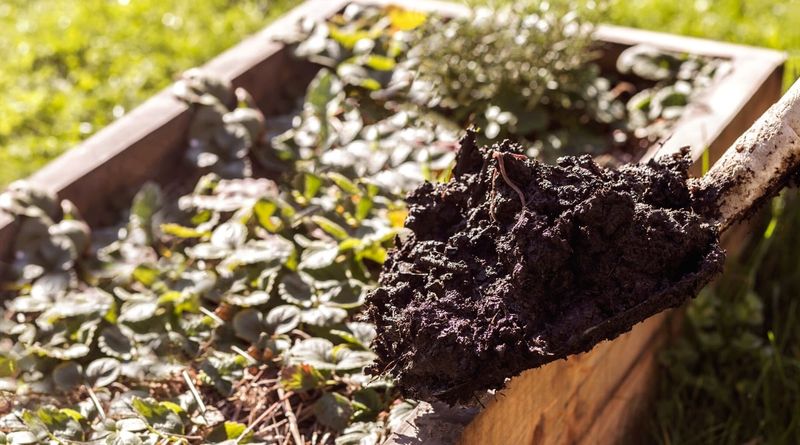
Soggy feet are one of the quietest killers of an otherwise happy coneflower. Roots sitting in waterlogged soil can’t breathe, and rot moves in fast when drainage is poor.
Coneflowers want soil that lets water pass through rather than pool. If you’re stuck with heavy clay, work in compost or other organic matter to loosen it up and open channels for water to escape.
Raised beds or mounded planting spots can also help water move away from the crown. Get the drainage right and you sidestep crown rot, root rot, and a whole lot of mysterious late-summer wilting.
6. Provide Full Sun with Afternoon Shade in Hotter Climates

Sunshine is a coneflower’s best friend, but there’s a limit to a good thing in scorching climates. Plants that get less than six hours of direct sun tend to grow weak, floppy stems and skimp on flowers.
Give them at least six hours of full sun to keep those stems upright and blooms coming. In regions where afternoons turn brutally hot, a little dappled shade during the harshest part of the day can ease heat stress.
Morning sun with some afternoon relief is often the ideal combination in the hottest areas. That balance keeps the plants strong without cooking them during peak heat.
7. Apply Mulch
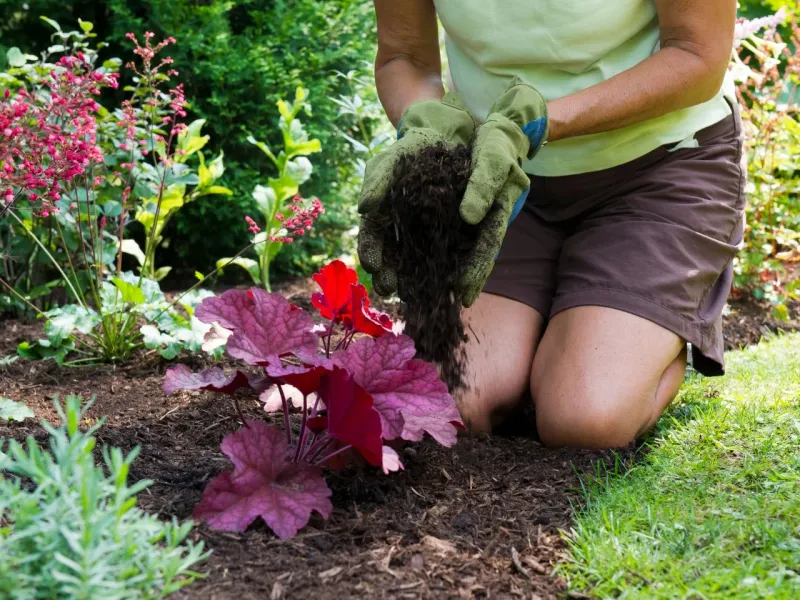
A simple ring of mulch does more heavy lifting than most people realize. During a heat wave, that layer acts like a blanket in reverse, keeping roots cooler and the soil evenly moist.
Spread a couple of inches of organic mulch around the base, keeping it slightly back from the stems to avoid trapping moisture against the crown. It slows evaporation, so you water less often, and it smothers weeds that would otherwise compete for water.
Skip piling on stone or rock mulch, which soaks up heat and can stress plants further. Wood chips, shredded bark, or leaf mold cool things down instead of adding to the roast.
8. Deadhead Strategically for More Blooms
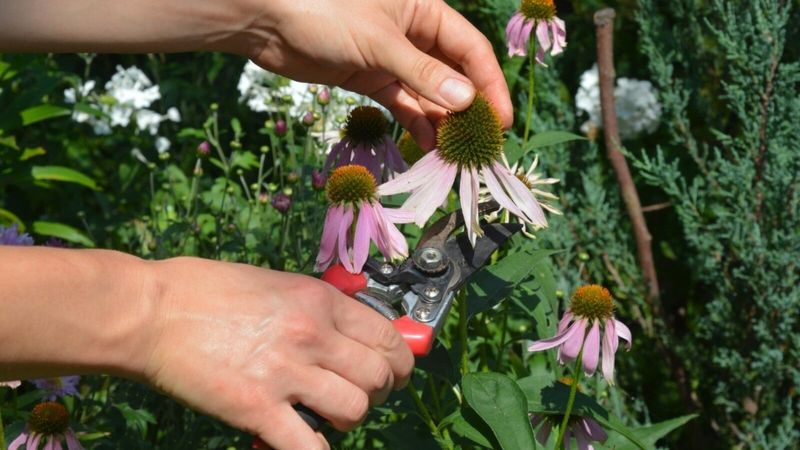
Every spent flower left on the plant is quietly telling it to make seeds instead of more blooms. Snipping those faded heads flips that signal and pushes energy back into fresh flowers.
Cut the stem down to a set of healthy leaves or a new bud rather than just nipping the top. That clean cut encourages branching and a stronger rebloom rather than a bare stub.
Regular deadheading through summer can stretch the flowering show into early fall. Keep at it and your coneflowers reward you with wave after wave of color when other plants are fading.
9. Disinfect Pruning Tools
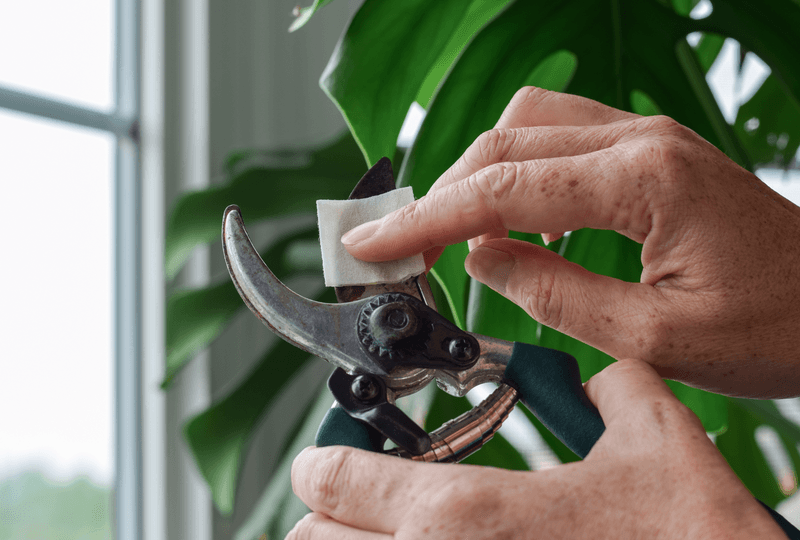
Here’s a habit that quietly prevents disaster: cleaning your shears between plants. Dirty blades can carry fungal spores and bacteria from a sick plant straight into a healthy one.
Wipe or dip your pruners in a disinfecting solution as you move from coneflower to coneflower, especially if you’ve been cutting anything that looked off. Sharp, clean blades also make cleaner cuts that heal faster and invite fewer problems.
A quick swipe with rubbing alcohol or a diluted bleach solution takes seconds. That small step keeps a single trouble spot from spreading through your whole bed.
10. Allow Some Seed Heads for Wildlife
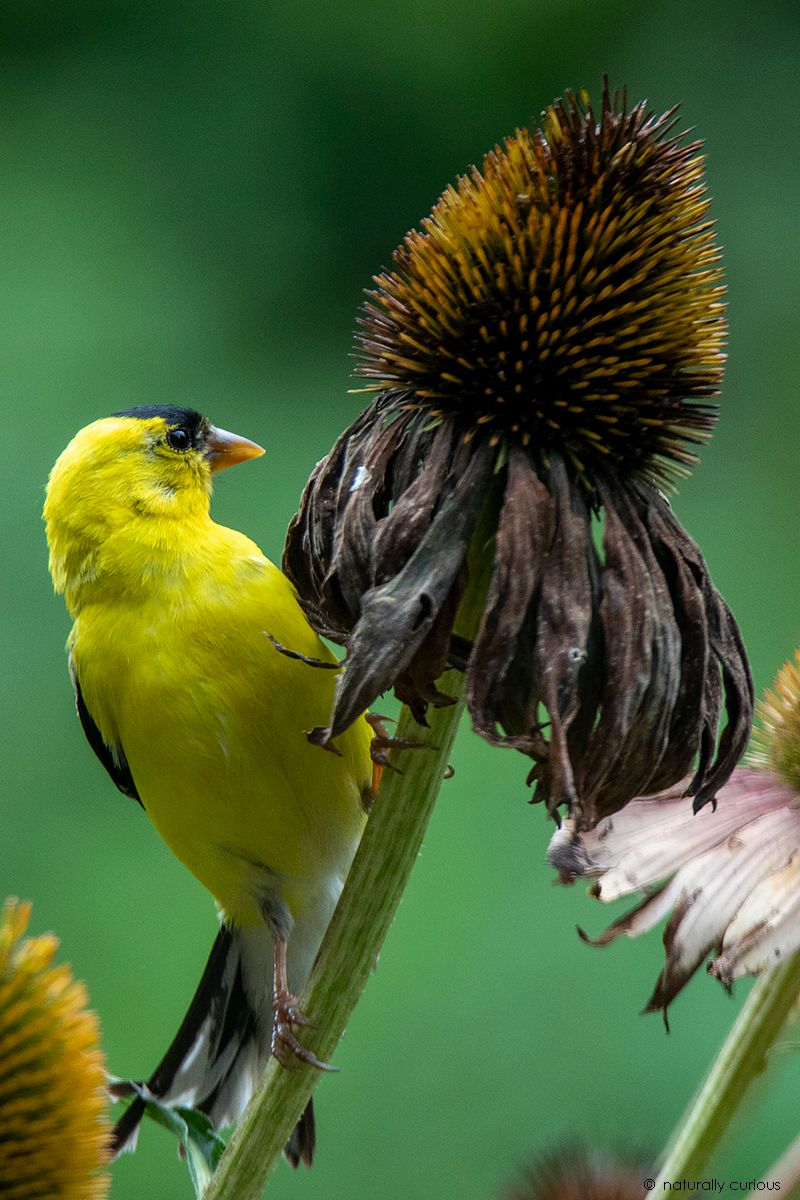
Not every faded flower needs to go under the shears, and leaving a few has a delightful payoff. Those seed heads become a self-serve buffet for goldfinches and other hungry birds.
Set aside a section of your coneflowers to go to seed in late summer and fall while you deadhead the rest for continued blooming. The spiky central cones hold plenty of seed that draws in cheerful visitors.
You get the best of both worlds: a longer bloom season on the plants you groom and a lively bird show on the ones you don’t. It’s a small choice that makes your whole garden feel more alive.
11. Avoid Over-Fertilizing
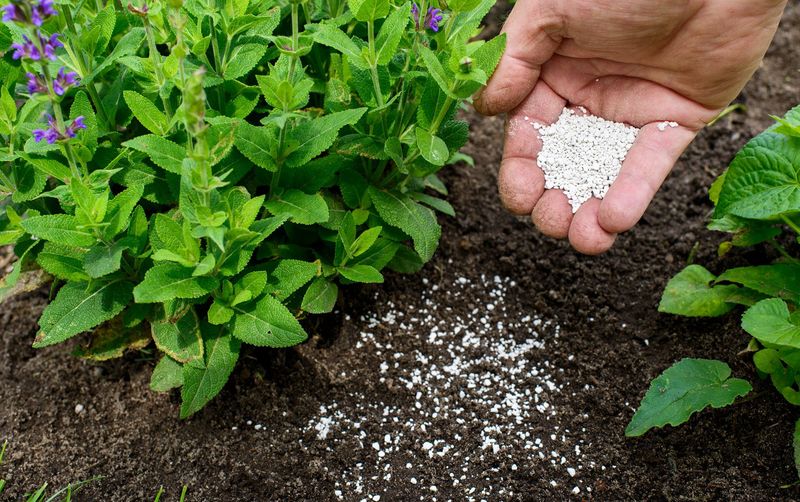
More food does not mean more flowers when it comes to coneflowers. Pile on the fertilizer and you’ll often get a jungle of leaves with surprisingly few blooms to show for it.
These prairie natives are used to lean soil and need little to no supplemental feeding. If your ground is truly poor, a balanced slow-release fertilizer in early spring is plenty; there’s no need to keep dosing through summer.
Feeding during the hottest stretch can actually stress plants and push weak, leafy growth. Go light, and your coneflowers will spend their energy on the flowers you actually want.
12. Ensure Good Air Circulation
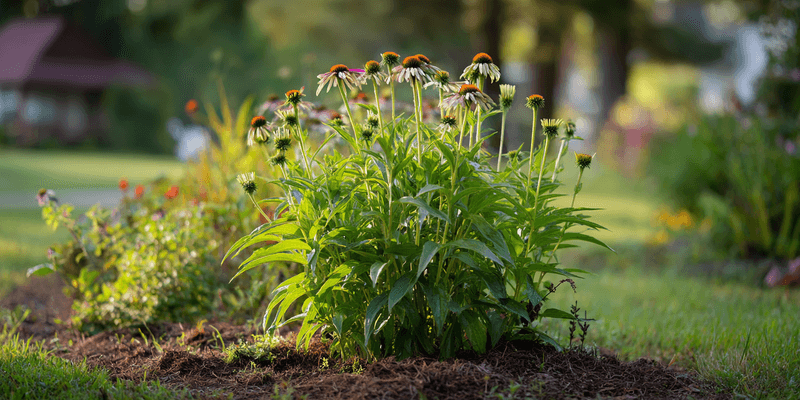
Crowded coneflowers might look lush at first, but tight quarters set them up for trouble. Stagnant, humid air trapped between plants is exactly what fungal diseases love.
Give each plant enough elbow room when you plant or divide so breezes can move freely through the foliage. Occasional thinning of dense growth opens things up even more and helps leaves dry quickly after rain or watering.
Good airflow keeps humidity down around the leaves and discourages powdery mildew and other fungal issues. A little breathing space goes a long way toward healthier, longer-blooming plants.
13. Monitor for Pests and Act Promptly
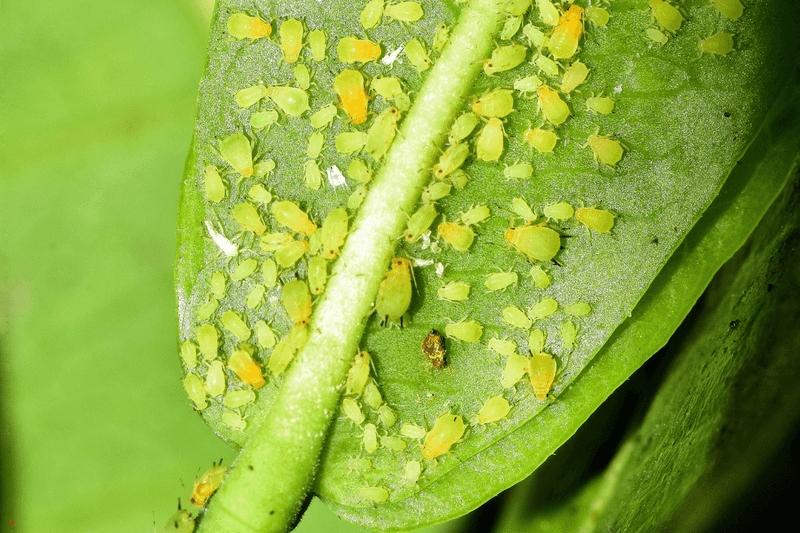
Coneflowers shrug off most pests, but sap-suckers can quietly drain them dry in a heat wave. Aphids, whiteflies, and mealybugs pull out moisture and nutrients, leaving drooping, yellowing leaves and sticky residue behind.
Peek under the leaves and along the stems every few days so you catch trouble early. A spray of neem oil or insecticidal soap usually knocks back small infestations before they snowball.
For chunky Japanese beetles, a bucket of soapy water and a quick flick of the wrist does the trick. Catching pests early keeps a minor nuisance from turning into a full-blown wilt.
14. Remove Diseased Plant Material
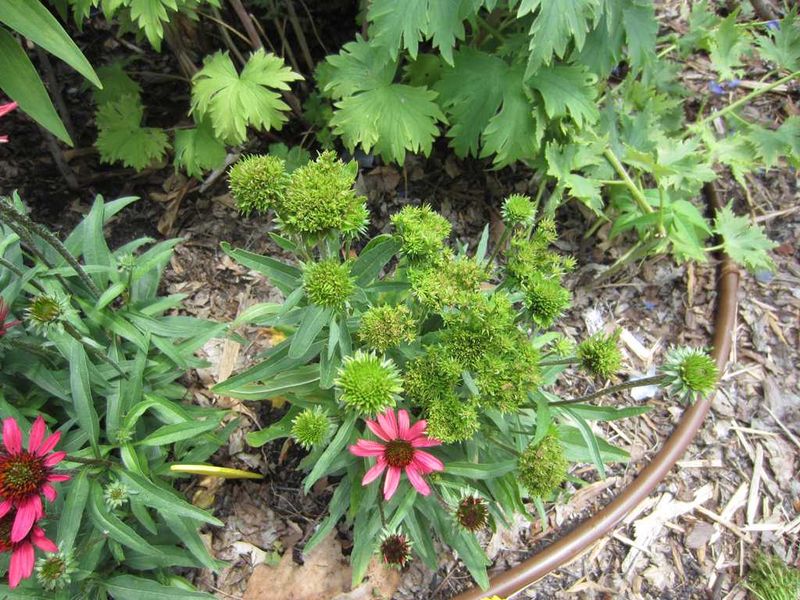
Sometimes the kindest thing you can do for your bed is pull a plant out entirely. Diseases like Aster Yellows, Fusarium wilt, and stem rot spread fast, and hesitating only lets them travel.
Watch for warning signs such as twisted, distorted flower heads, weird green rosette tufts growing from the cone, mushy stems, or plants that wilt even in cool morning light. Cut out and discard affected stems the moment you spot them.
With Aster Yellows, snipping off just the flower can actually make things worse, so the whole plant usually needs to go. Bag it in the trash rather than composting to keep spores and leafhopper-borne infections from returning.
15. Consider Staggered Cutting Back
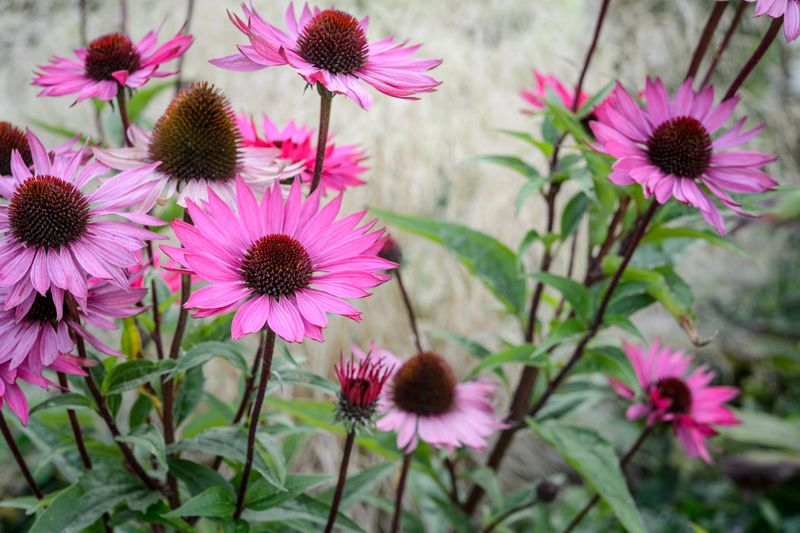
Gardeners in the know use a clever trick called the Chelsea chop to stretch the season. By trimming some plants back early, you can delay their blooms and avoid a single big burst that fizzles fast.
In early summer, around June, cut back about a third of the height on a portion of your coneflowers while leaving the rest untouched. The trimmed plants bloom later, so your bed keeps producing fresh flowers over a longer window.
Staggering the cut also gives you shorter, bushier plants that stand up better in heat and wind. The result is a rolling parade of color that carries your coneflowers deep into late summer.