
18 Fall Vegetables You Should Be Seeding Right Now For A Strong Autumn Harvest
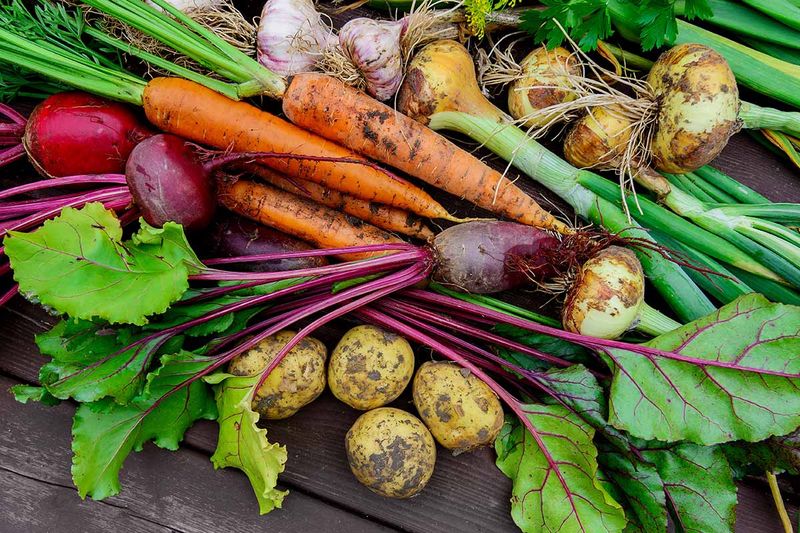
Late summer is secretly the best time to start a whole new round of crops in your backyard garden. Cool weather ahead means sweeter flavors, fewer bugs chewing on your leaves, and plants that are far less likely to bolt and go to seed too early.
The trick is getting your seeds in the ground now, while there is still enough warmth and daylight for them to get established. Here are 18 fall vegetables that reward you with a strong, tasty harvest when you plant them right about now.
1. Asian Greens
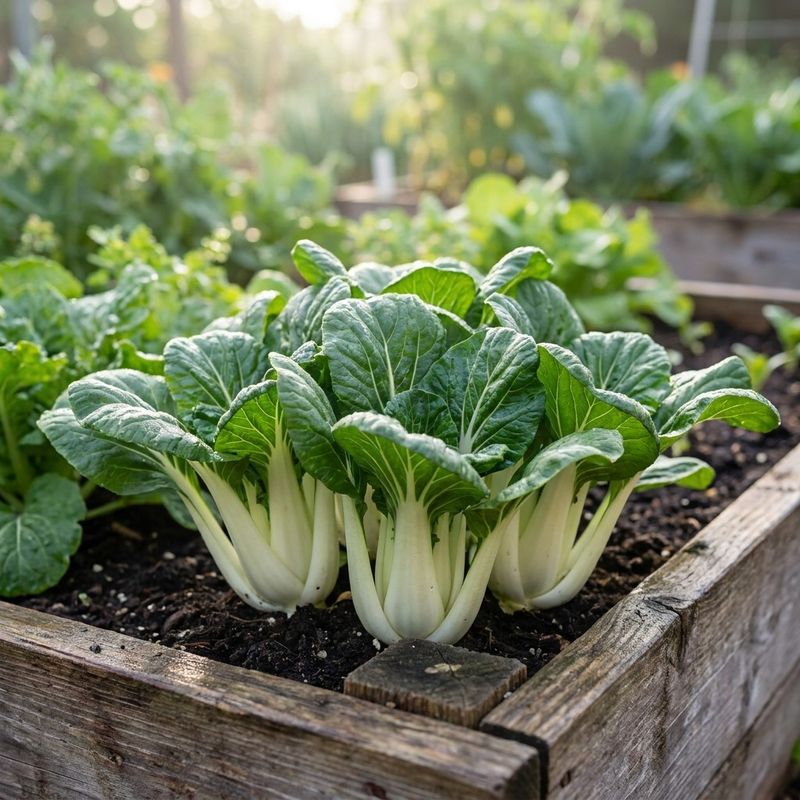
Speed is the whole selling point here. Bok choy, mizuna, and tatsoi race from seed to plate in as little as 30 to 40 days, so you can squeeze in a crop even if summer overstayed its welcome.
These greens shrug off light frosts and actually taste better once nights turn crisp. A quick stir-fry or a handful tossed raw into a salad shows off their mild, slightly peppery bite.
Because they mature so fast, you can sow a fresh row every couple of weeks and keep the harvest rolling well into autumn. Just keep the soil moist and give them a little afternoon shade if late-summer heat is still hanging around.
2. Arugula
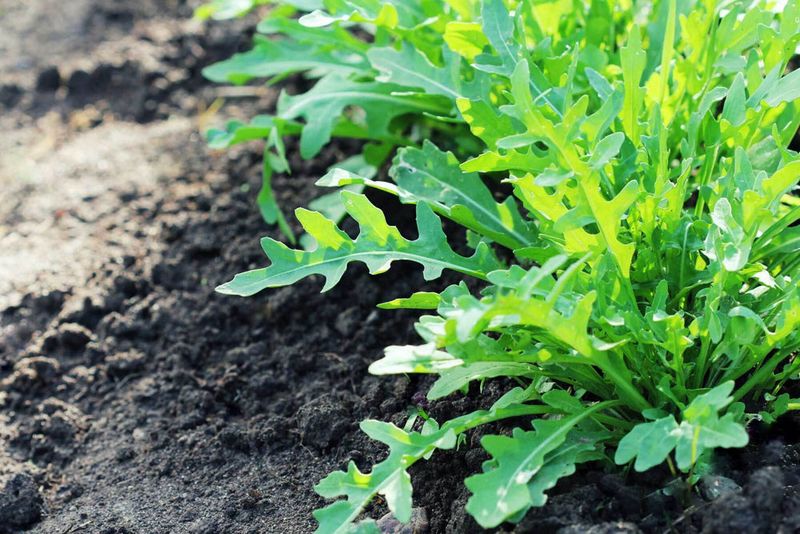
If you love a green with attitude, arugula delivers a spicy, peppery punch that mellows nicely in cooler weather. Spring-sown arugula tends to bolt the moment temperatures spike, but fall plantings stay tender and leafy far longer.
Seeds sprout quickly and you can start snipping baby leaves within a few weeks. The cooler the nights, the sweeter and less bitter the flavor becomes.
Scatter seeds thinly across a bed, water gently, and thin the seedlings so each plant has room to fill out. Cut-and-come-again harvesting means one planting can feed your salads for weeks.
3. Beets
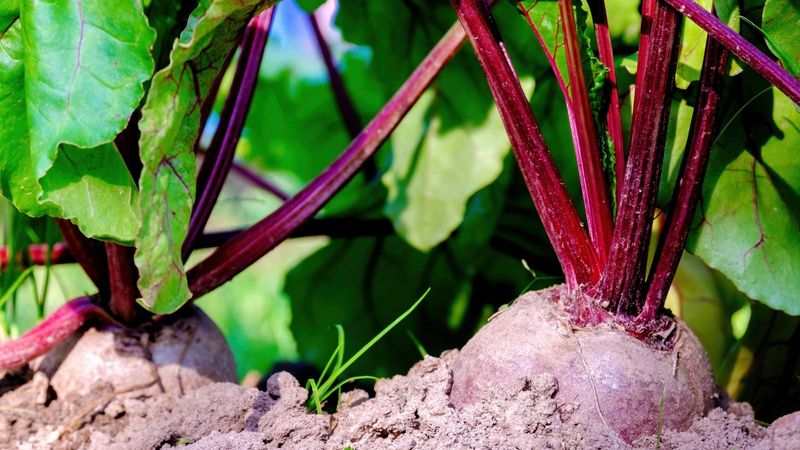
Two harvests from one plant makes beets a smart pick for a busy fall garden. The roots turn deep and jewel-toned while the leafy tops double as nutritious cooking greens.
Cooler weather works magic on their flavor, coaxing out extra sweetness that summer heat tends to wash out. A light freeze only deepens the color and richness even more.
Sow the knobby seed clusters about half an inch deep and thin the seedlings once they pop up, since each cluster can produce several plants. Keep the soil evenly watered and you will be pulling tender roots and clipping greens all season.
4. Broccoli
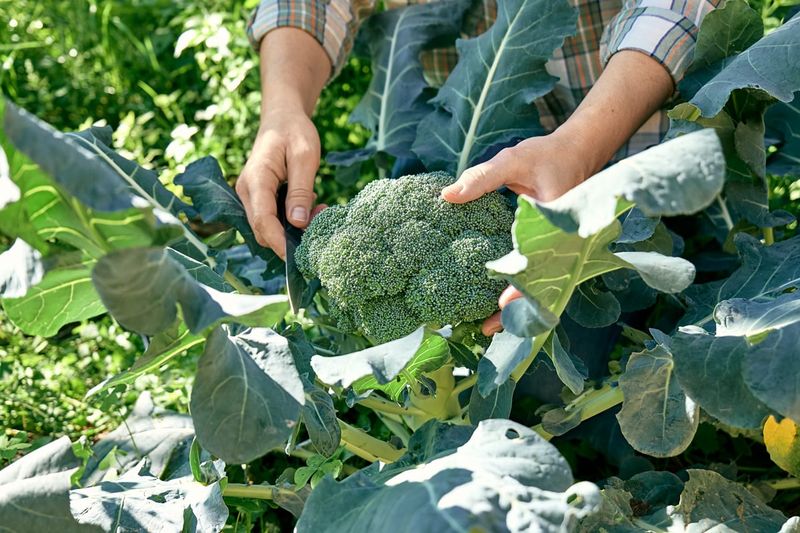
Cool weather is where broccoli truly shines, producing tight, flavorful heads without the bitterness that hot spells can cause. Fall crops often turn out far nicer than spring ones because the temperature drops steadily instead of climbing.
Depending on your zone, you can start seeds indoors in mid-summer and transplant, or direct sow in late summer. Either way, aim to have plants maturing while the air is crisp.
Once you cut the main head, do not yank the plant. Many varieties keep pushing out smaller side shoots for weeks, stretching your harvest much further than you might expect.
5. Brussels Sprouts
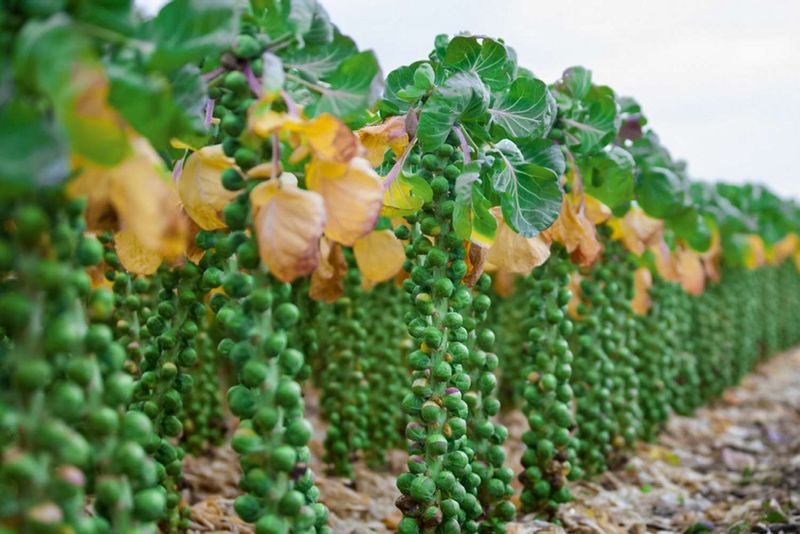
Patience is the name of the game with these little cabbages on a stalk, but the payoff is worth every day. Brussels sprouts adore cool weather and actually get sweeter after a good cold snap or two.
The plants grow tall and sturdy, with sprouts forming in a tidy spiral up the main stem. Frost signals the plant to convert starches into sugars, which is exactly why fall harvests taste so much better.
Give them a long runway by seeding now, plenty of room to spread, and steady water. Come the first frosty mornings of autumn, you will be twisting off sprouts far tastier than anything from the store.
6. Cabbage
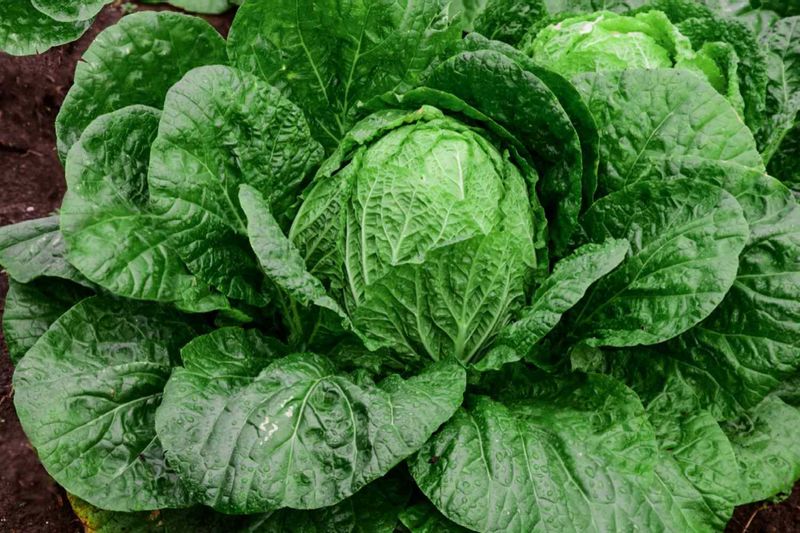
Reduced heat stress is the quiet reason fall cabbage often beats the spring crop hands down. Without the summer swelter working against them, the heads form dense, crisp, and remarkably sweet.
For an August planting, reach for varieties that mature in about 70 to 80 days so heads fill out before hard frost. Green, red, and crinkly savoy types all handle the cooling season with ease.
Space plants generously so air can move between the heads, which helps keep pests and rot at bay. A steady drink of water keeps the leaves from splitting as they plump up.
7. Carrots
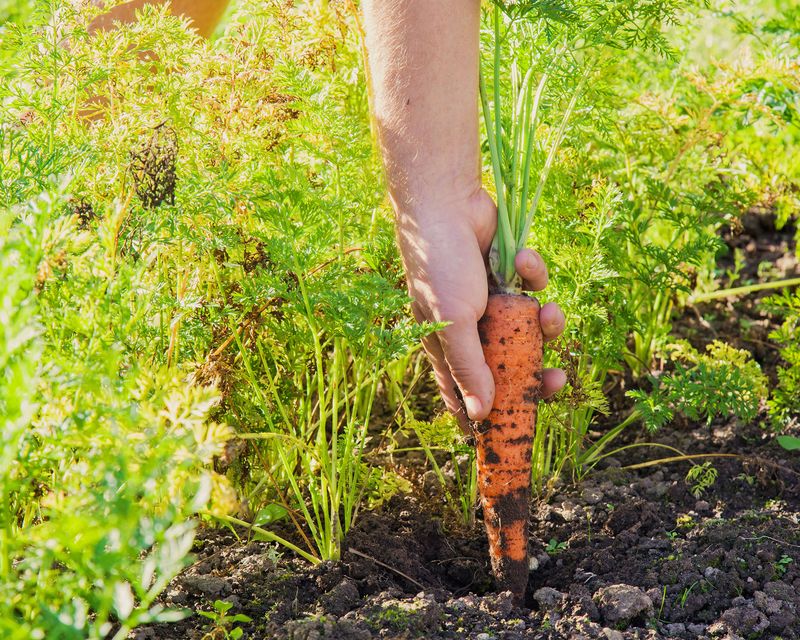
A frosty morning is a carrot lover’s best friend. Sown in August and September, carrots slowly sweeten as the weather cools, and a light frost turns them downright candy-like.
The seeds are tiny and slow to germinate, so keep the top of the soil consistently damp until sprouts appear. A thin layer of fine compost over the seed row helps hold that moisture.
Thinning is the step most gardeners skip and later regret, since crowded carrots stay stubby. Give each seedling elbow room and you will pull long, crunchy roots for late fall and even winter.
8. Cauliflower
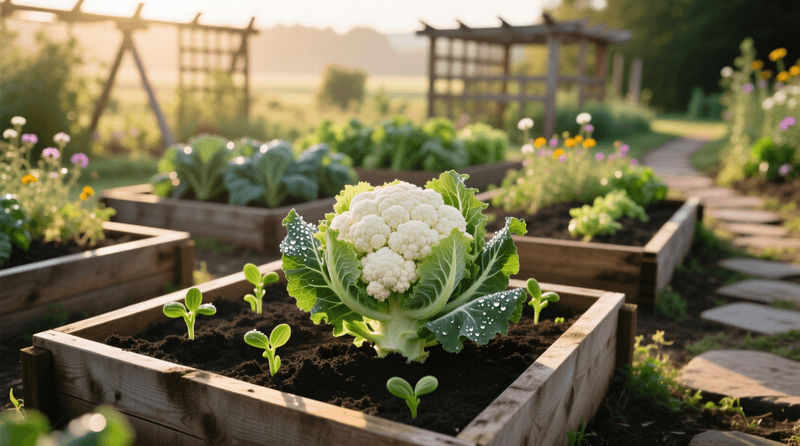
Fussy about temperature, cauliflower rewards a fall schedule by dodging the wild swings that wreck spring plantings. Steady cool air lets the curds form into those tight, snowy heads everyone hopes for.
Most varieties need roughly 70 to 85 days from seed to harvest, so count backward from your first frost and get seeds started now. Starting indoors and transplanting gives you a reliable head start.
To keep the heads bright white, some gardeners fold the outer leaves over the developing curd to shade it, a trick called blanching. The result is a picture-perfect cauliflower you grew yourself.
9. Cilantro
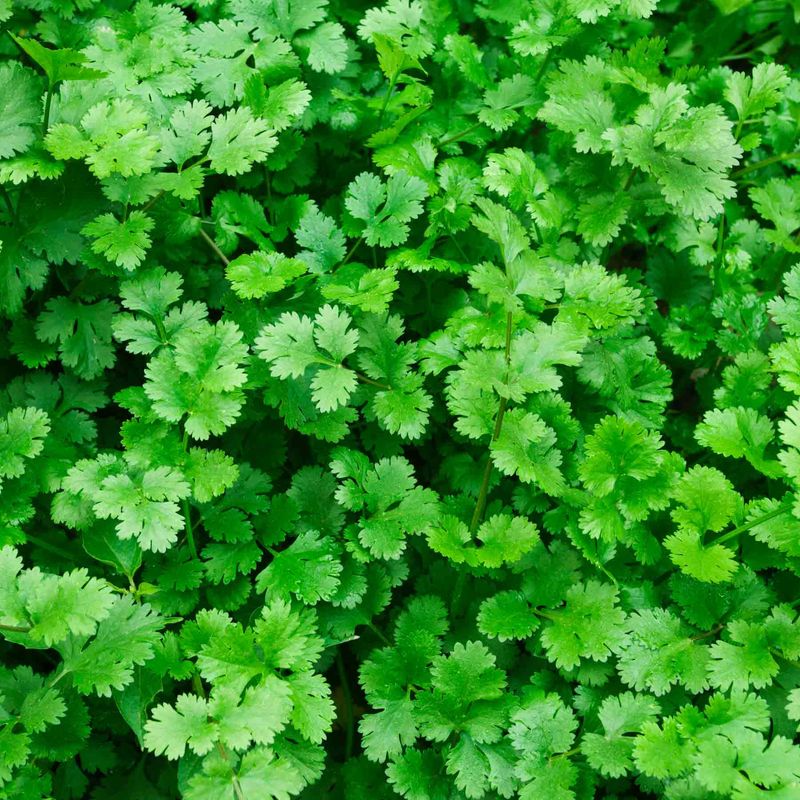
Anyone who has watched cilantro bolt to seed in July knows the frustration well. Cooler fall temperatures keep this herb leafy and productive far longer, so the flavor stays fresh instead of racing to flower.
Direct sow the seeds where they will grow, since cilantro dislikes being transplanted and resents having its roots disturbed. Snip the outer leaves as you need them and the plant keeps giving.
Let a few plants flower at season’s end and you get bonus coriander seeds to save or cook with. Fresh salsa and taco nights suddenly have a homegrown upgrade.
10. Green Onions (Scallions)
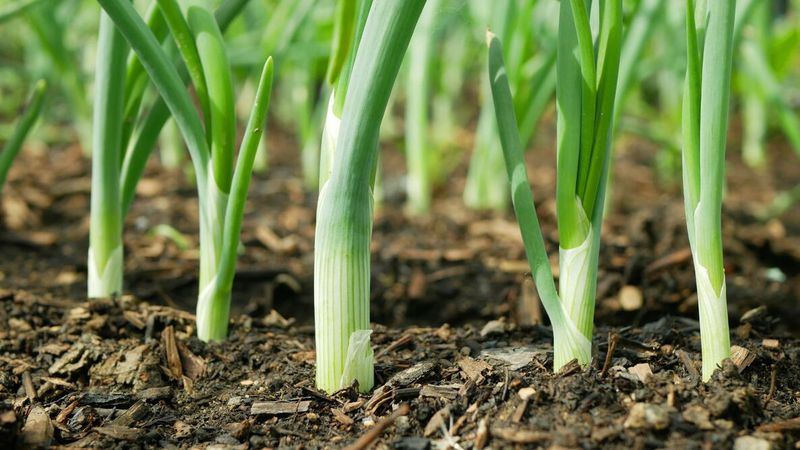
Few crops are as forgiving or as useful as scallions. Direct sow them in late summer and you can keep clipping the green tops throughout fall and right into early winter.
They take up almost no space, tucking neatly between larger vegetables or along the edge of a bed. Because you harvest them young, there is no long wait for a bulb to form.
Snip what you need and the plants often regrow, giving you a steady supply for soups, stir-fries, and garnishes. A pot on the porch works just as well as a garden row.
11. Kale
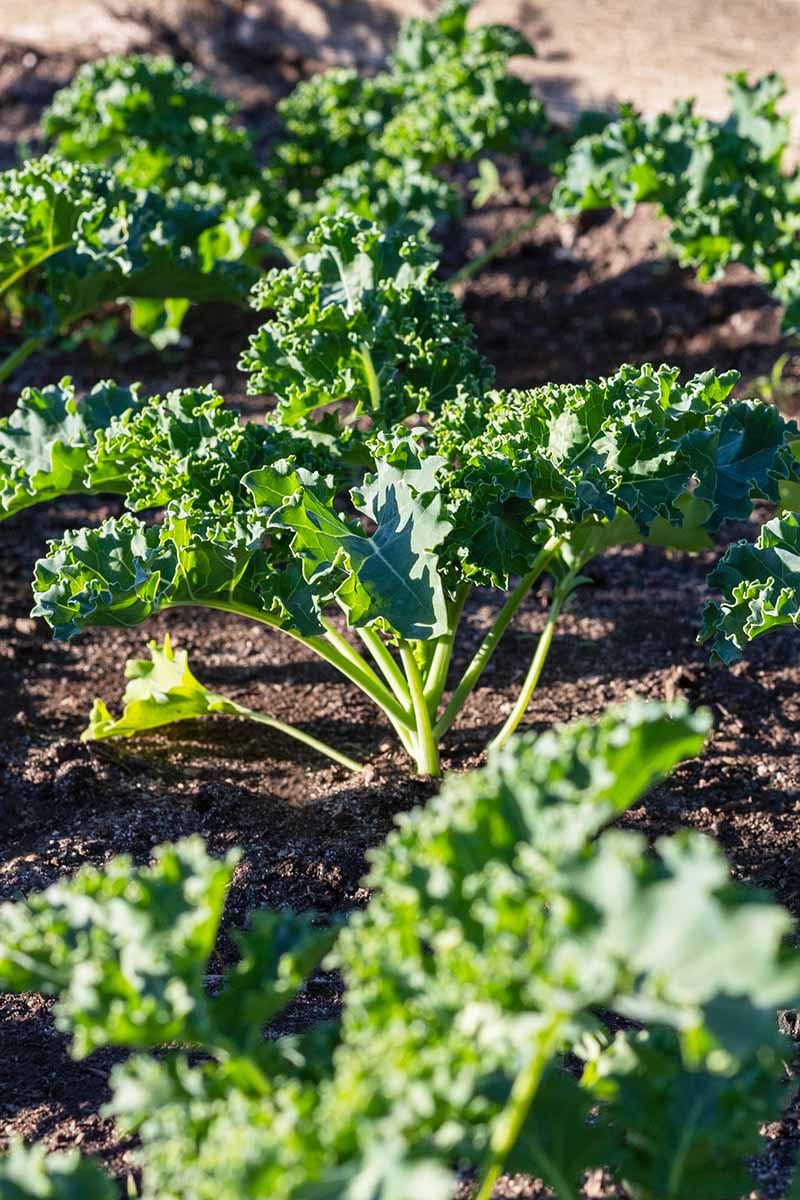
Cold-weather toughness is kale’s superpower. This leafy green not only survives frost, it welcomes it, converting its starches to sugar so the leaves taste noticeably sweeter after a chill.
Start seeds indoors in mid-summer or direct sow in late summer, depending on how quick your first frost arrives. The curly, flat, and dinosaur types all handle cold with the same easygoing grit.
Harvest the lower leaves first and let the center keep producing, and a single plant can feed you for months. Under a simple cover, kale often soldiers on straight through winter.
12. Kohlrabi
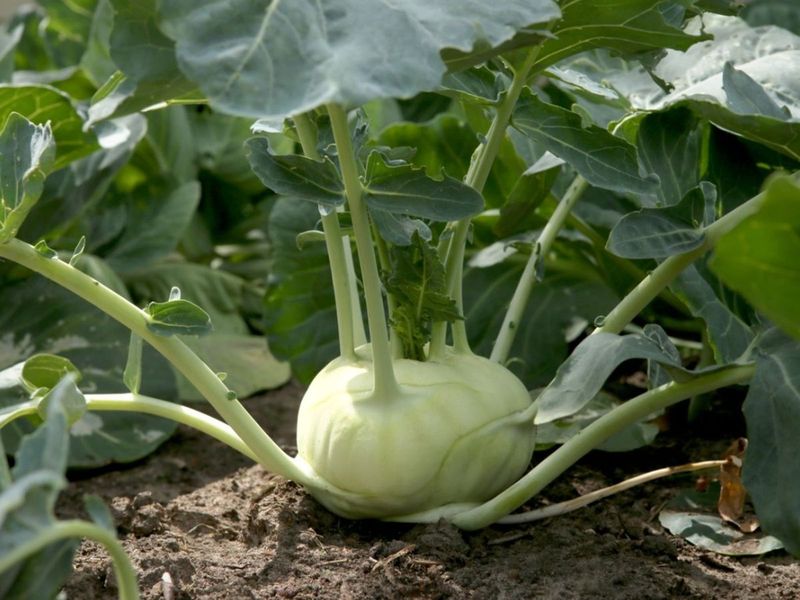
Looking like a vegetable from outer space, kohlrabi grows a swollen, bulbous stem that tastes like a sweet, crisp cross between broccoli and an apple. Best of all, it is ready in roughly six weeks.
The whole plant is edible, from the crunchy bulb to the leafy greens up top. Frost tolerance means it keeps improving as autumn cools, with flavor sweetening after a chilly night.
Slice the raw bulb into sticks for snacking or shred it into slaw for a fresh crunch. Its quick turnaround makes it a satisfying choice for gardeners who like fast rewards.
13. Lettuce
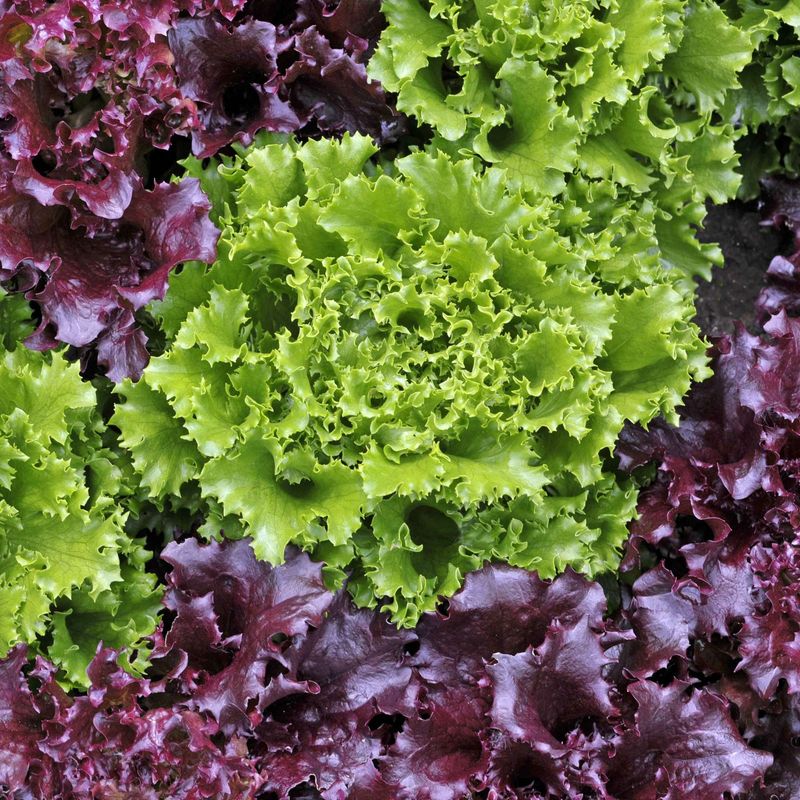
Instant gratification lives in the lettuce patch. Looseleaf varieties can be ready to harvest in as little as 30 days, making them one of the quickest wins in the whole fall garden.
Cool autumn air is exactly what lettuce craves, keeping the leaves tender, crisp, and free of the bitterness that heat brings on. The plants rarely bolt now, so they stay usable much longer.
Pick outer leaves as you go and the plant keeps growing from the center, stretching one sowing across many meals. Mix a few colors and textures for salads that look as good as they taste.
14. Parsnips
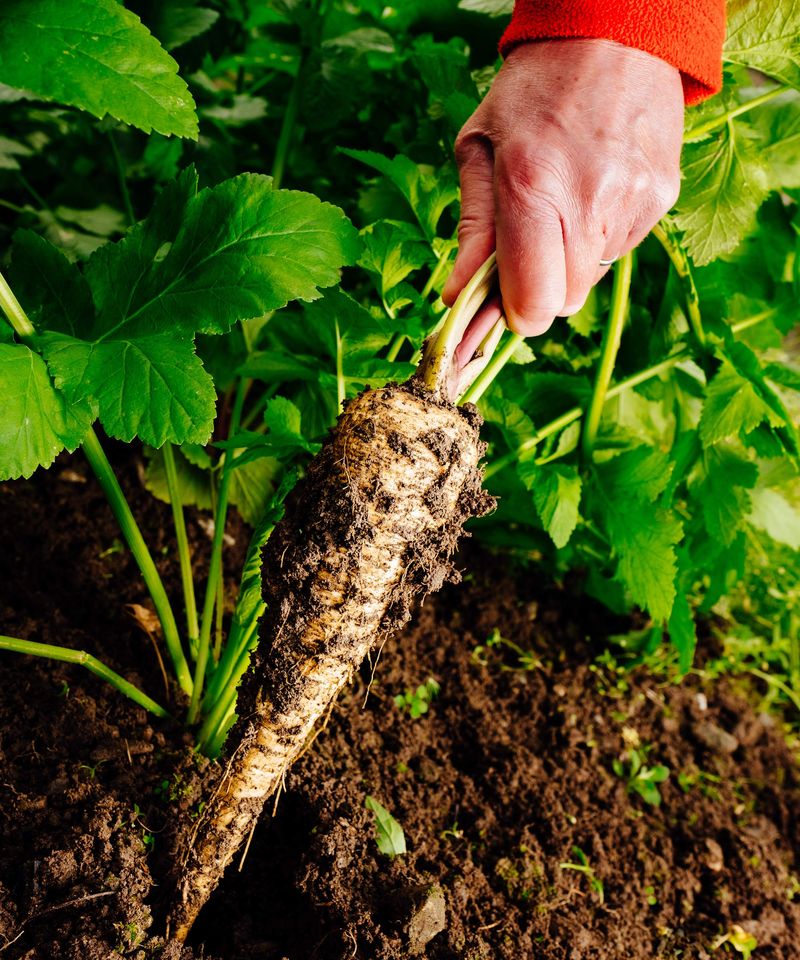
Old-fashioned and often overlooked, parsnips are the patient gardener’s reward. Direct sow them in summer for a fall harvest, and hold off pulling until after the first frost, which transforms their flavor into something rich and nutty-sweet.
The seeds germinate slowly and lose vigor quickly, so use fresh seed and keep the soil moist while you wait. Loose, deep, stone-free soil lets the long roots grow straight.
In many areas you can leave parsnips right in the ground through winter and dig them as needed. Few vegetables reward a little patience quite so generously.
15. Peas
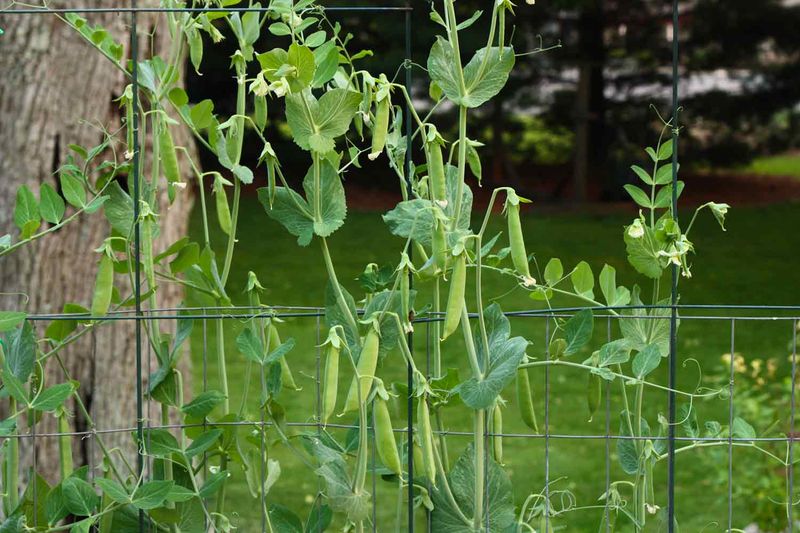
Sweetness on the vine makes peas an autumn treat worth the timing effort. Short-season types like Sugar Snap and Snow Peas thrive as the weather cools, rewarding you with pods you can eat straight off the plant.
Sow them outdoors once daytime temperatures start settling into the 70s Fahrenheit or below. They dislike lingering heat, so waiting for that cooldown pays off in better germination.
Give climbing varieties a trellis or netting and they will happily scramble upward, saving ground space. Pick pods often to keep the plants producing right up to frost.
16. Radishes
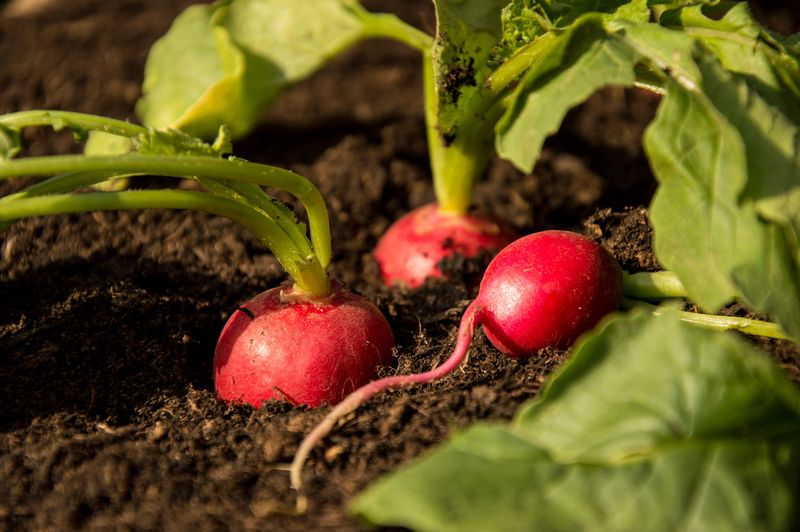
Nothing beats a radish for near-instant results. Some spring types are ready in a jaw-dropping 25 days, which means you can squeeze in several successive plantings before frost shuts things down.
Their speed makes them perfect for filling gaps between slower crops or teaching kids how satisfying gardening can be. Sow a short row every couple of weeks and you will always have some pulling-size.
For a change of pace, plant winter and oriental radishes in August for larger, spicier roots that store well. Crisp, colorful, and quick, radishes keep the fall garden lively.
17. Spinach
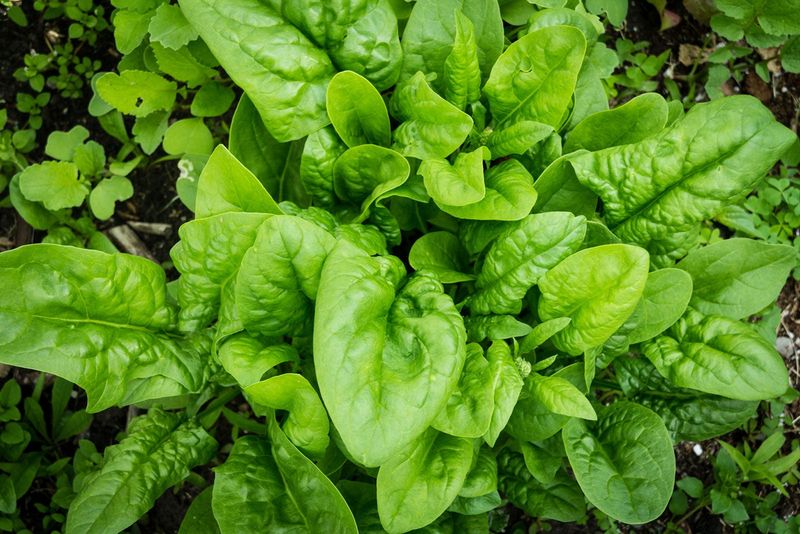
Built for the cold, spinach practically celebrates when soil temperatures drop between 45 and 68 degrees Fahrenheit. Fast to sprout and wonderfully hardy, it is a fall garden staple for good reason.
The leaves grow tender and mild in cool weather, perfect for salads, smoothies, or a quick saute. Sow seeds directly and thin the seedlings so each plant has space to bush out.
With a simple row cover or cold frame, spinach can keep feeding you well into winter. Few greens combine such toughness with such tender leaves.
18. Swiss Chard
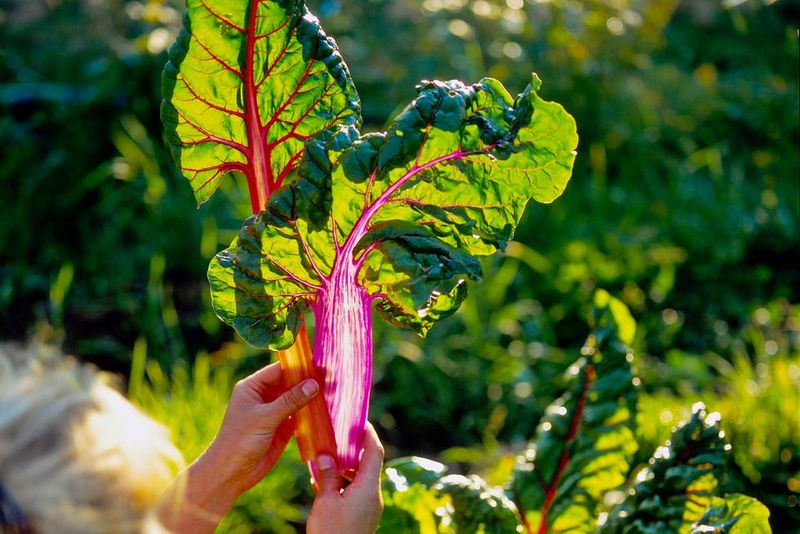
Colorful stems make Swiss chard as pretty as it is practical, with ribs of red, gold, pink, and white glowing against deep green leaves. It grows quickly and shrugs off frost without missing a beat.
Harvest young leaves for tender salads or let them mature into hearty greens for sauteing and soups. Cut the outer stalks and the plant keeps generating new growth from the center.
One planting can produce for a remarkably long stretch, often outlasting many of its garden neighbors. Beautiful, tough, and generous, chard earns its spot in any autumn bed.