
16 Tricks To Get Your Petunias Blooming Like Crazy Before Summer Runs Out
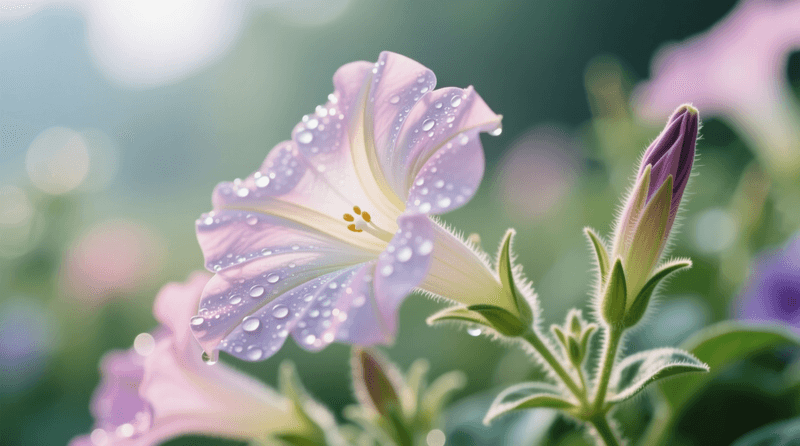
Petunias should be spilling color all summer, but sometimes they just sit there with more leaves than flowers. The good news is that a few small changes can wake them right back up, even in the middle of a hot season.
Most bloom problems come from simple mistakes like too little sun, the wrong food, or skipping a trim. Here are 16 easy fixes to get your petunias covered in flowers before summer slips away.
1. Provide Ample Sunlight
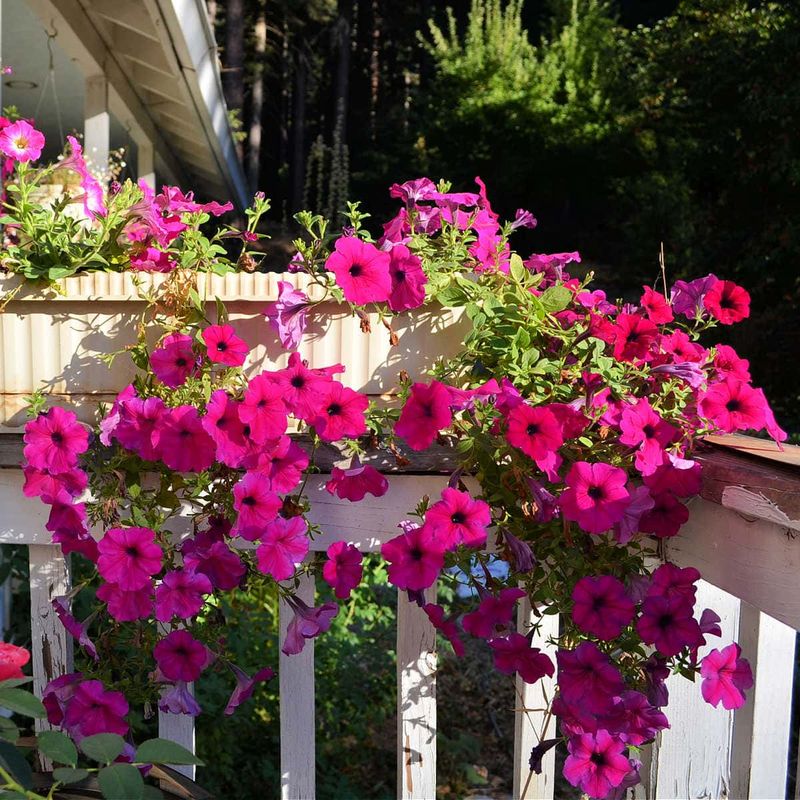
Petunias are true sun lovers, and skimping on light is the number one reason a healthy-looking plant refuses to flower. They want at least six hours of direct sun every day, and honestly, more is even better.
If your plant is lush and green but stingy with blooms, the fix might be as simple as moving the pot. Try shifting it to a brighter spot on the porch or a sunnier corner of the bed.
Watch it for a week or two after the move. A petunia that was hiding in the shade will often reward you with a whole new wave of color once it finally gets the light it craves.
2. Water Consistently and Deeply
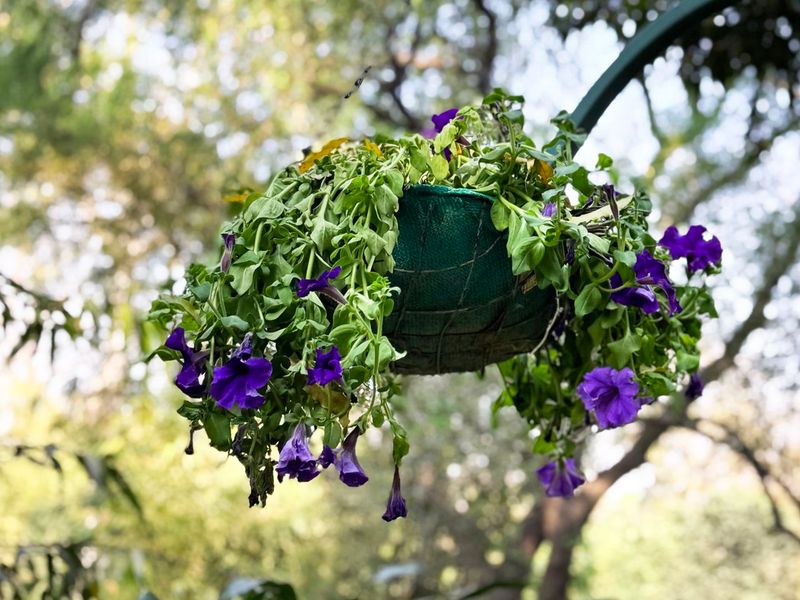
Ever notice how a petunia droops dramatically the moment it gets thirsty? That wilting is more than a bad look.
When a plant is stressed for water, it stops making new buds until it recovers.
The goal is steady moisture without turning the soil into a swamp. Give your petunias a good, deep soak so the water runs all the way through and drains out the bottom of the pot.
Deep drinks encourage roots to grow strong and reach down, which keeps the plant happier during hot spells. Shallow little sprinkles, on the other hand, leave your petunias gasping by afternoon.
3. Check Soil Moisture Before Watering
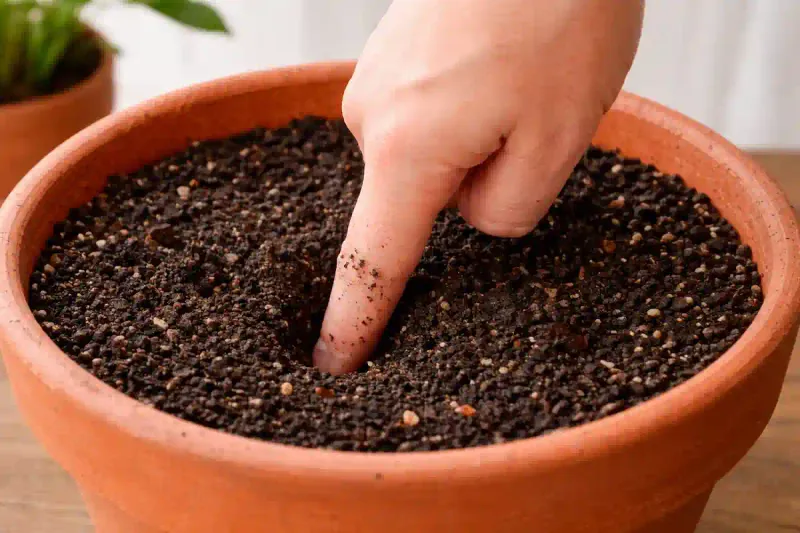
Guessing when to water is how a lot of petunias end up drowned or dried out. Your finger is the cheapest moisture meter you will ever own.
Poke it about an inch down into the soil. If that top inch feels dry, go ahead and water; if it still feels damp, wait another day and check again.
Container petunias dry out faster than ones in the ground, sometimes needing a drink twice a day in peak heat. Building this quick finger test into your routine takes the guesswork out and protects the roots from both extremes.
4. Water at the Plant’s Base
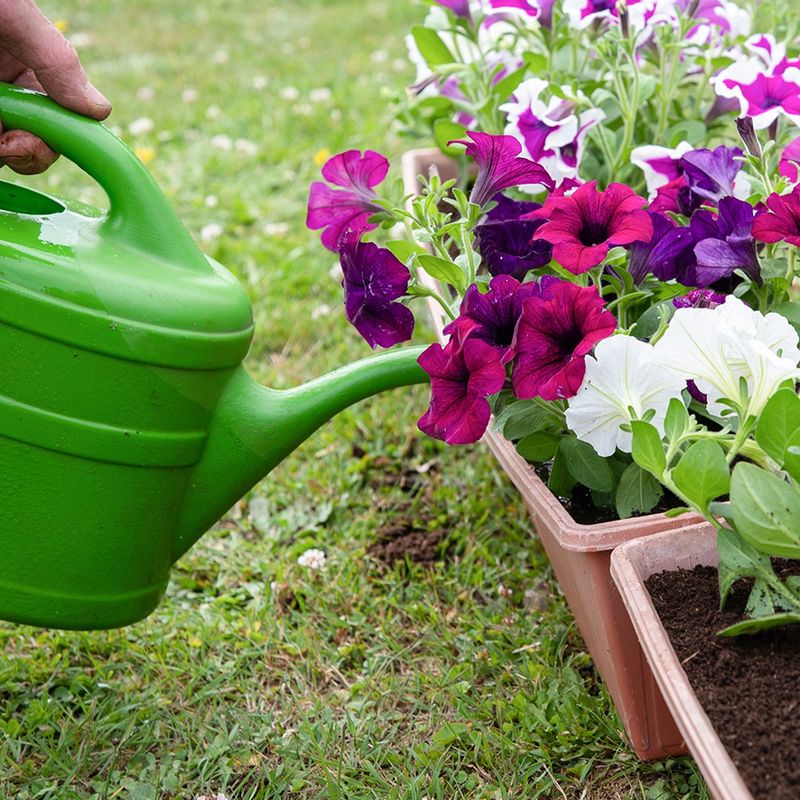
Splashing water all over the leaves feels efficient, but it quietly invites trouble. Wet foliage that sits overnight becomes a welcome mat for fungal problems.
Aim the spout or hose at the soil around the base of the plant instead of showering the whole thing from above. This is especially important for petunias packed into containers and hanging baskets where air moves slowly.
Keeping the leaves dry helps the plant put its energy into flowers rather than fighting off disease. As a bonus, base watering delivers moisture straight to the roots where it actually matters.
5. Fertilize Regularly with Bloom-Boosting Formula
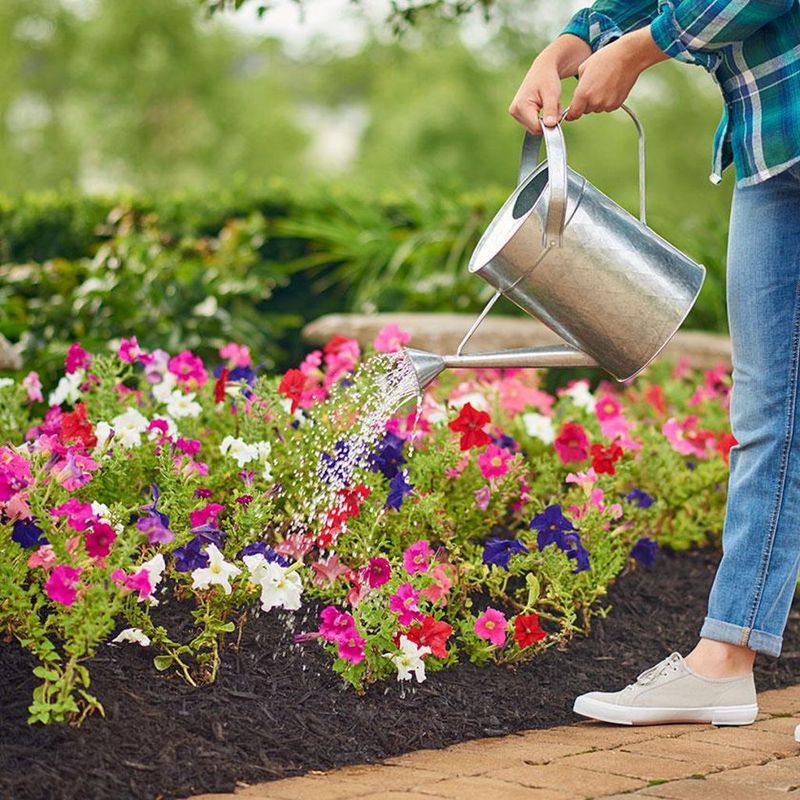
Petunias eat like teenagers. They are heavy feeders, and how well they perform all summer often comes down to whether you keep the buffet open.
Reach for a water-soluble fertilizer that is higher in phosphorus, which is the middle number in the NPK ratio on the label. Phosphorus is the nutrient most tied to flower production.
Feed them every one to three weeks during the growing season for a steady stream of blooms. Skipping meals for too long is a common reason a once-glorious basket starts to fizzle by August.
6. Avoid High-Nitrogen Fertilizers
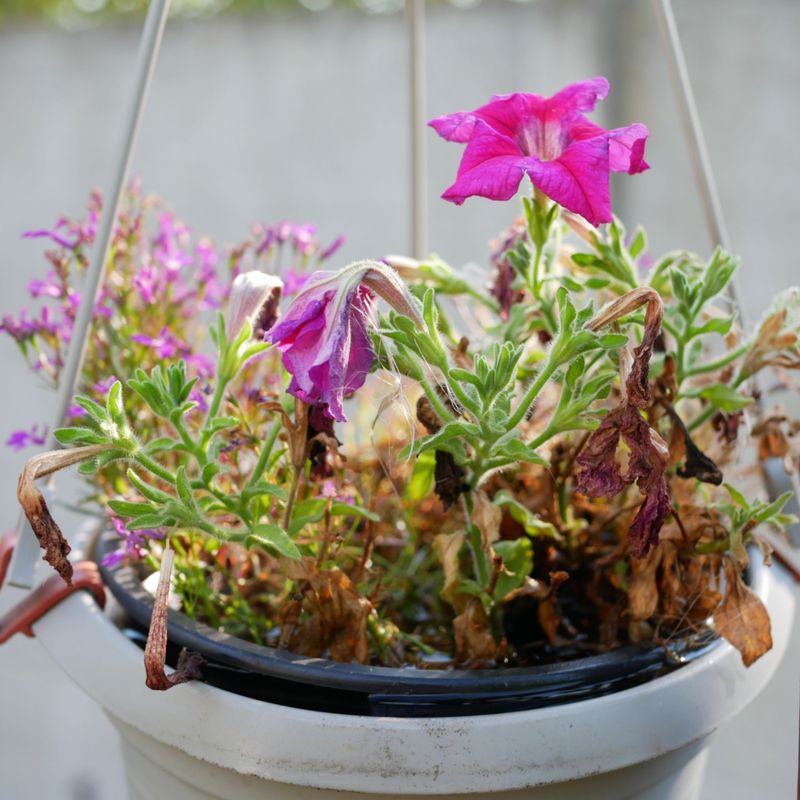
More fertilizer is not always better, and the wrong kind can backfire in a frustrating way. Feed your petunias something loaded with nitrogen and you may grow a gorgeous jungle of leaves with hardly a flower in sight.
Nitrogen, the first number on the bag, pushes leafy green growth. Great for a lawn, not so great when you are chasing blooms.
Stick with a balanced formula or one leaning higher in phosphorus so the plant channels its effort into flowering. If your petunias look bushy but bare, an overdose of nitrogen is a likely suspect worth ruling out.
7. Start with Slow-Release Fertilizer
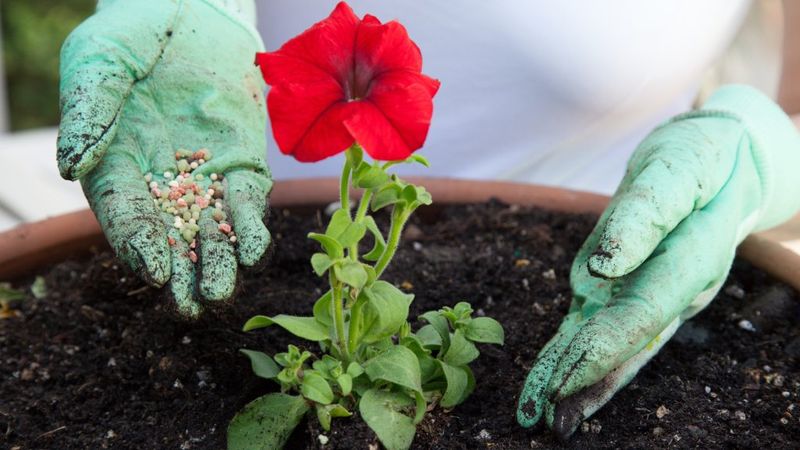
Setting your petunias up right at planting time saves a lot of headaches later. Mixing a controlled-release granular fertilizer into the soil gives them a slow, steady meal that lasts for weeks.
Think of it as a pantry the plant can dip into whenever it needs a little something. Those tiny coated granules break down gradually with each watering.
As the season rolls on and the plant’s appetite grows, top it off with liquid feed for extra punch. Pairing the two methods keeps nutrients flowing without the risk of feast-or-famine feeding.
8. Deadhead Spent Blooms Properly
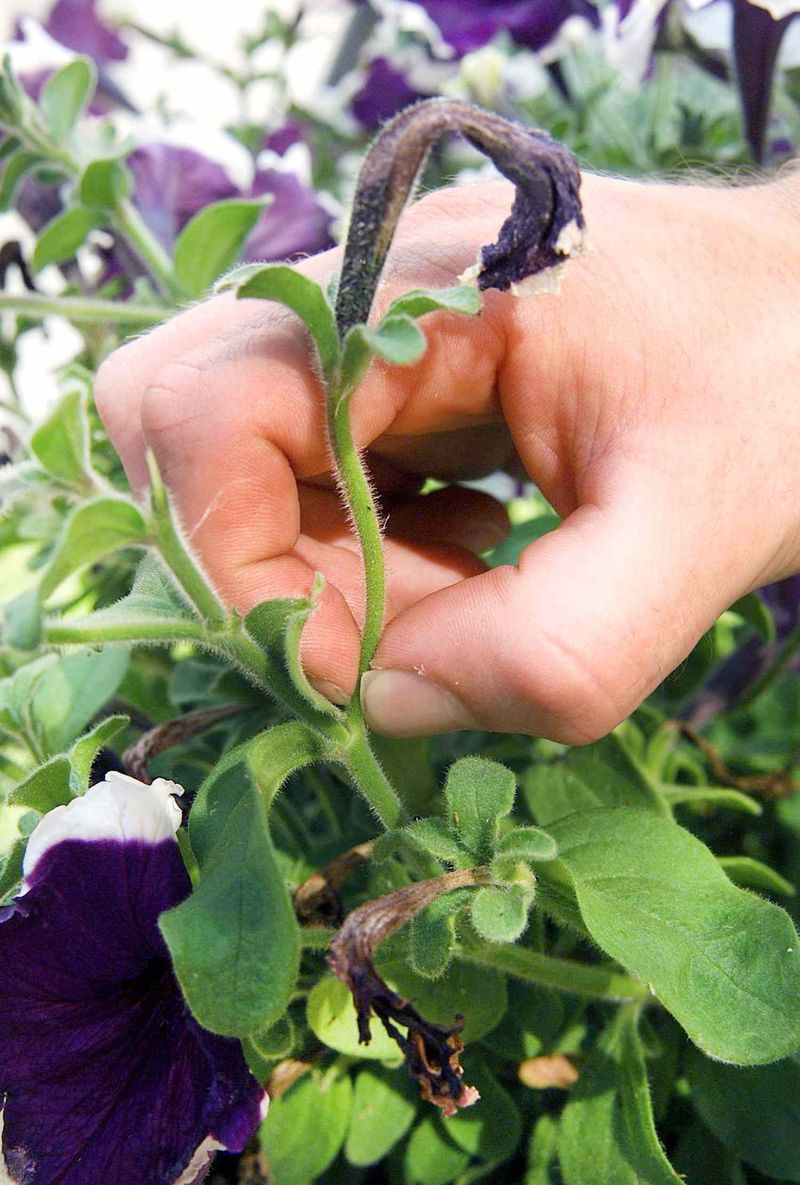
Snipping off faded flowers might feel a little cruel, but it is one of the kindest things you can do for a petunia. When a bloom dies and forms a seed pod, the plant thinks its job is done and starts pouring energy into seeds instead of new flowers.
Pinch off the whole spent flower, including that little swollen pod at its base, not just the wilted petals. This redirects the plant’s effort back toward fresh buds.
Self-cleaning types like Supertunias and Wave petunias mostly handle this on their own. Even so, they appreciate an occasional grooming to stay tidy and full.
9. Give a Mid-Summer Haircut
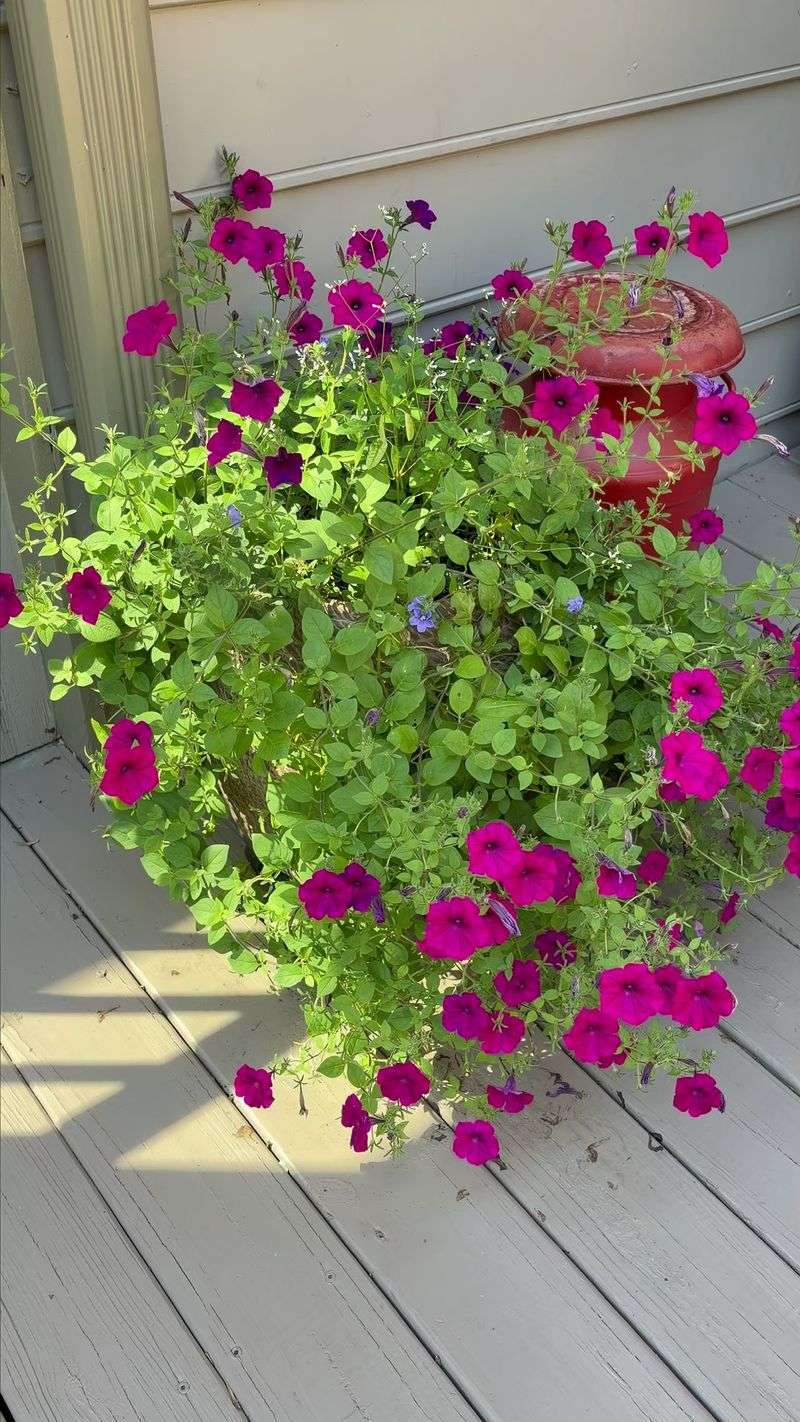
By the time early July rolls around, many petunias start looking tired, stretched out, and a bit sad in the middle. A bold mid-summer haircut is exactly the reset they need.
Trimming the whole plant back might feel drastic when you are staring at long, leggy stems. Trust the process, because that cut signals the petunia to push out fresh, bushy growth.
Within a couple of weeks you will usually see a brand-new flush of flowers taking over. It is one of the most satisfying rescue moves a discouraged gardener can make.
10. Trim Leggy Stems Regularly
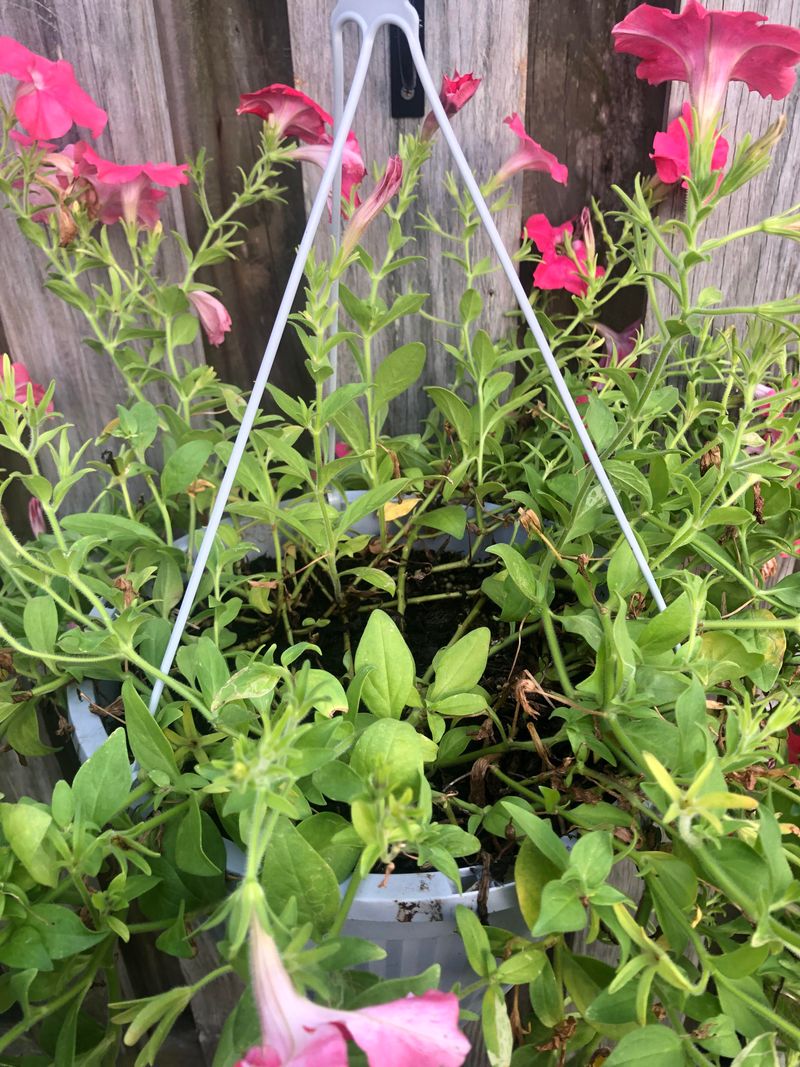
Not every trim has to be a full chop. When you spot a few stems shooting out longer and scragglier than the rest, a little targeted snipping keeps the plant looking full.
Cutting those wanderers back encourages the petunia to branch out and grow bushier where you want it. A good rule is to trim about 20 percent up to a third of the branches at a time.
Doing this here and there throughout the season keeps blooms coming rather than letting the plant sprawl into bare, floppy vines. Small tidy-ups add up to a much fuller display.
11. Don’t Over-Prune
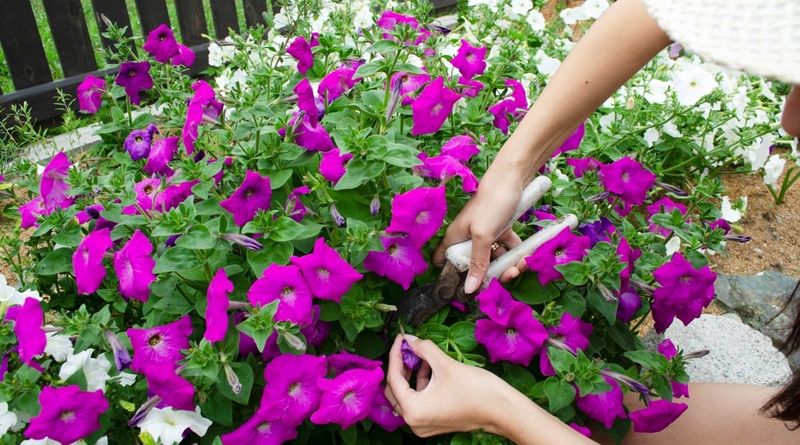
Here is where enthusiastic gardeners sometimes get carried away. It is tempting to hack a messy petunia down to nubs, but taking off too much at once can shock the plant.
Keep any single trimming session to no more than 20 to 33 percent of the plant. That leaves enough leaves to keep feeding the roots while it regrows.
The reassuring part is that petunias are fast growers and bounce back quickly. Trim a moderate amount, let it recover, and repeat later if it still needs shaping instead of doing it all in one go.
12. Check for and Address Root-Bound Conditions
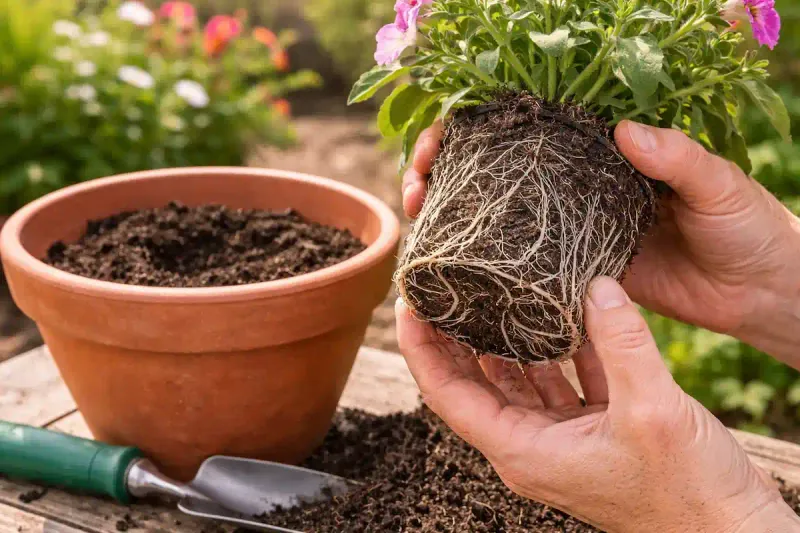
A petunia that suddenly wilts fast and stops blooming might be pot-bound and out of room. These plants grow so quickly that container roots can fill every inch of space by mid-summer.
Once the roots are cramped and circling, the plant struggles to soak up water and nutrients, and flowering slows to a crawl. Slide the plant out and take a peek if you suspect trouble.
If you see a dense, tangled mass of roots, move it into a bigger pot with fresh soil. Giving those roots room to spread out often brings the blooms roaring back.
13. Protect from Extreme Heat
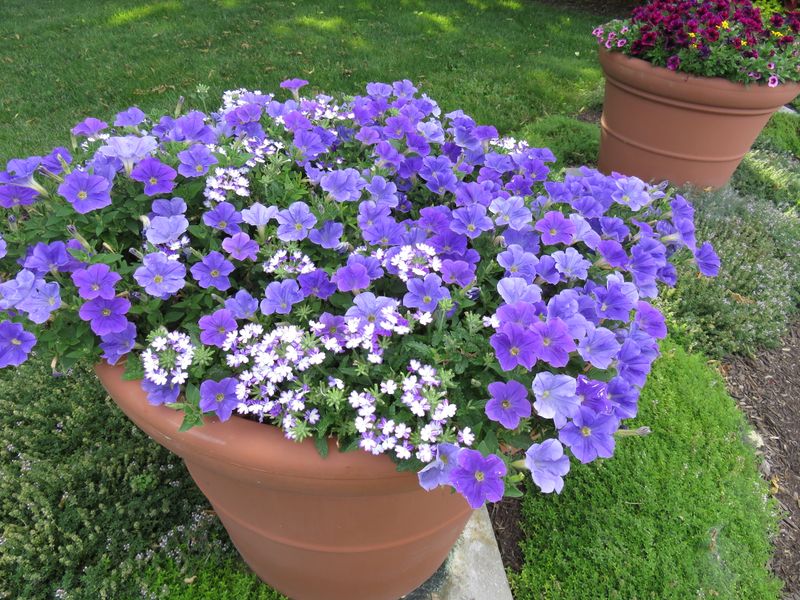
Petunias handle warmth well, but even sun lovers can throw in the towel during a brutal heat wave. Stretches of days in the upper 80s and 90s can cause blooming to stall out.
During those scorchers, a little afternoon shade goes a long way toward keeping flowers coming. Moving containers where they catch morning sun but escape the harshest midday blast can make a real difference.
Gardeners in reliably hot areas may want to lean on heat-tolerant varieties from the start. Choosing tough cultivars means fewer bloom slowdowns when the thermometer refuses to cooperate.
14. Ensure Good Soil Drainage
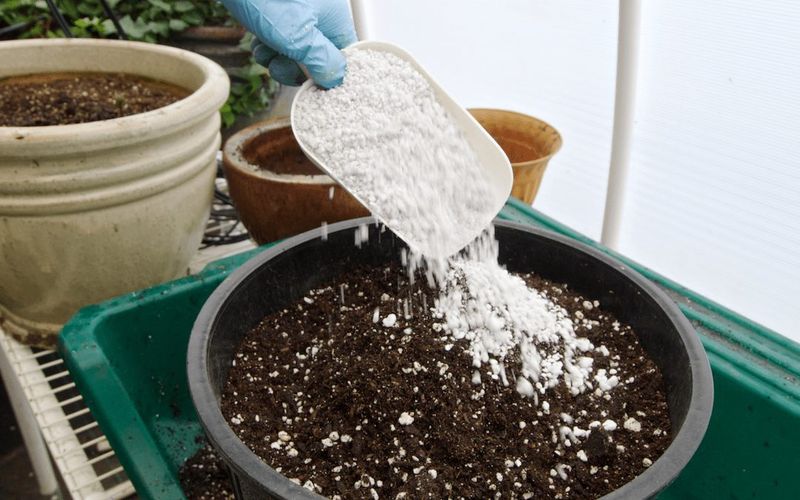
Soggy feet are a petunia’s worst nightmare. When water lingers around the roots because the soil will not drain, root rot sets in and blooming suffers along with it.
Good drainage lets excess water escape while still holding onto enough moisture for the plant. Heavy clay soil is the usual culprit, sitting wet long after a rain.
Work in organic matter like compost or peat moss to loosen things up and improve the flow. For containers, make sure the drainage holes are open and the mix is light and fluffy rather than dense and packed.
15. Monitor for Pests like Budworms
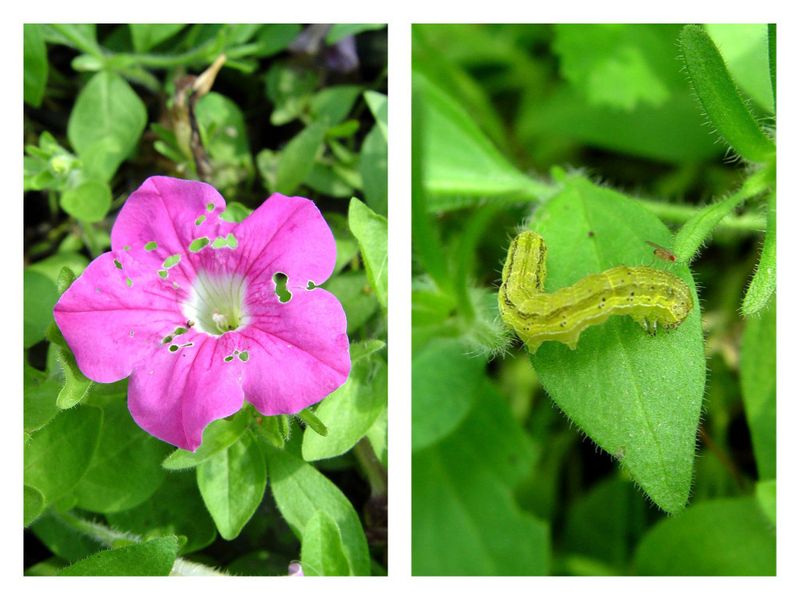
Picture this: your petunias are watered, fed, and trimmed perfectly, yet the flowers keep vanishing. The sneaky villain might be the petunia budworm.
These small caterpillars chew right into flower buds before they even open, leaving tiny holes and ragged, blossom-free plants. Look closely for little dark droppings on the leaves and buds as a telltale clue.
Handpicking the worms in the evening, when they are most active, can reduce the damage. Catching an infestation early keeps these hungry pests from wiping out your whole flower show.
16. Prevent Fungal Diseases with Proper Watering
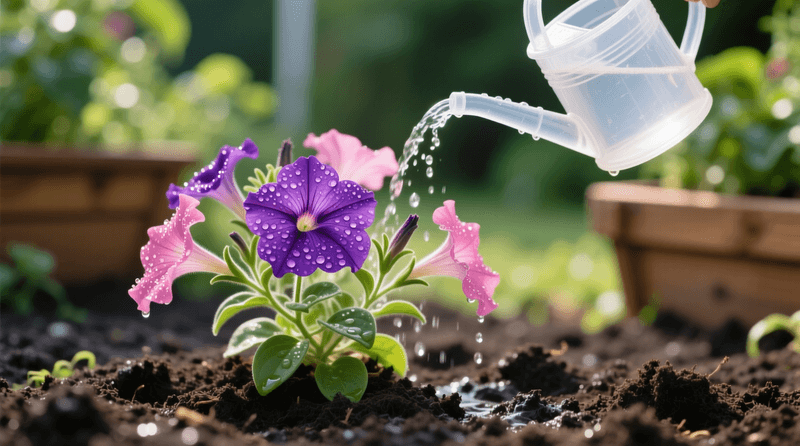
Fungus tends to show up uninvited when petunias stay too wet for too long. Overwatering and leaves that never dry out open the door to problems like botrytis and powdery mildew.
A stressed, diseased plant simply cannot spare the energy to keep blooming. Fuzzy gray mold or a dusty white coating on the foliage are signs something has taken hold.
Keep watering consistent but never soggy, and always aim for the base so the leaves stay dry. Giving the plant good airflow and dry foliage may prevent most fungal issues before they ever start.