
15 Genius Reasons Marigolds Belong In Your Vegetable Garden (Most Gardeners Have No Idea)

Marigolds might look like nothing more than cheerful splashes of orange and gold, but these little flowers pull serious weight in a vegetable patch. Backyard growers who tuck them between tomatoes and beans often notice fewer pests, busier pollinators, and healthier soil without even trying hard. The best part is how cheap and easy they are to grow from a packet of seeds. Here are fifteen surprisingly clever reasons to make room for marigolds among your veggies this season.
1. They Confuse Pests With Their Strong Scent

Walk past a bed of French marigolds on a warm afternoon and you will catch a sharp, spicy smell that some people love and plenty of bugs can’t stand. That aroma is the flower’s built-in defense, and it does double duty in your garden by masking the scent of the vegetables growing nearby.
Cabbage moths, aphids, and squash bugs often find their favorite plants by smell. When marigolds crowd the air with their own pungent perfume, those pests may struggle to zero in on your crops. It won’t build an invisible force field, but scattering marigolds through the rows can make your beds a harder target to sniff out.
Plant them thickly along the edges and between plants rather than in one tidy clump, so the scent spreads where your vegetables actually grow.
2. Their Roots Fight Off Root-Knot Nematodes
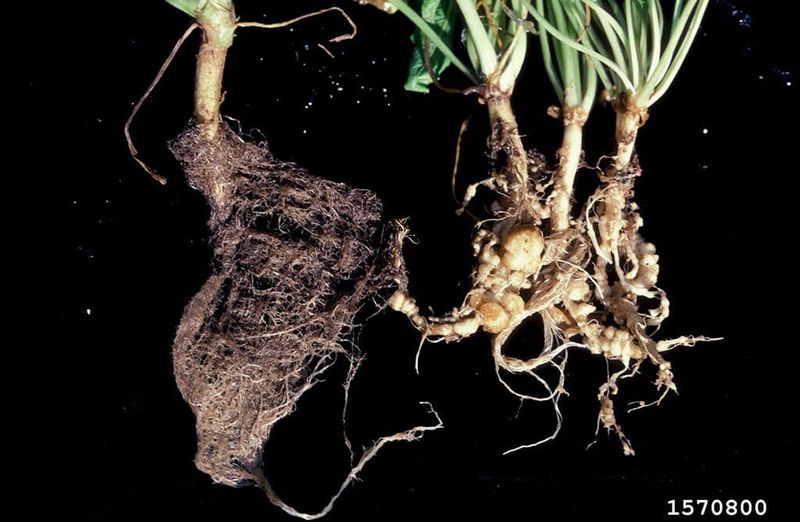
Hidden below the soil, tiny worms called root-knot nematodes can wreck a tomato or carrot harvest by chewing into roots and leaving swollen knots behind. Here is where marigolds earn their reputation as an underground bodyguard.
French marigolds release natural compounds from their roots that can suppress these microscopic pests. The trick many old-time gardeners swear by is planting a solid stand of marigolds as a cover crop for a full season, then following up with vegetables the next year. Sprinkling a few flowers here and there won’t do much for nematodes, so density and timing matter.
If you have a bed that keeps producing stunted, sickly plants for no clear reason, a season of marigolds may help reset the soil before you try growing there again.
3. They Roll Out The Welcome Mat For Pollinators
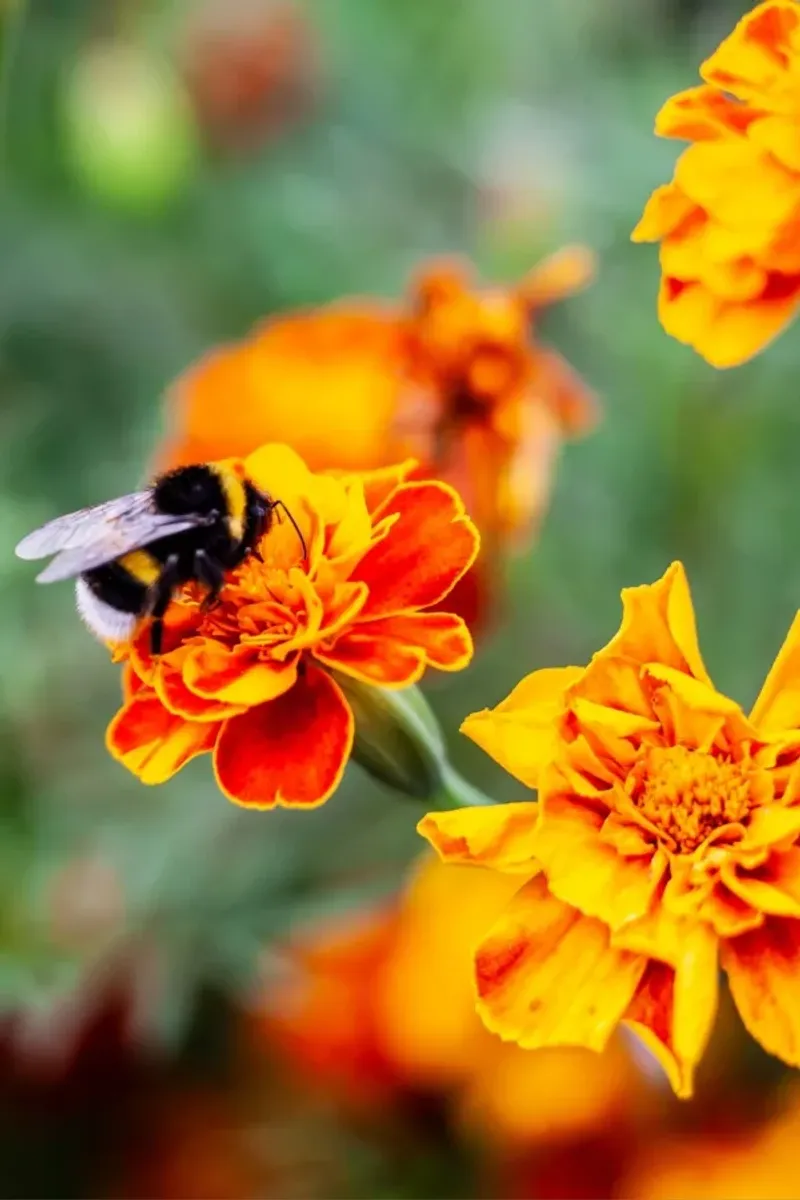
Ever notice how a patch of single-petal marigolds hums with activity on a sunny morning? Bees, hoverflies, and butterflies drop in constantly, and that traffic is great news for anything you want to fruit.
Squash, cucumbers, melons, and beans all rely on pollinators to move pollen from flower to flower. More visitors usually means more vegetables and fewer sad, shriveled fruits that quit halfway through growing. Open, flat-faced marigold varieties give insects an easy landing pad and quick access to nectar.
Skip the tightly packed double blooms if pollinators are your goal, since those fluffy flowers can be harder for bees to work through. A mix of simple single blooms scattered near your fruiting crops keeps the whole neighborhood buzzing.
4. They Lure Aphids Away From Your Crops
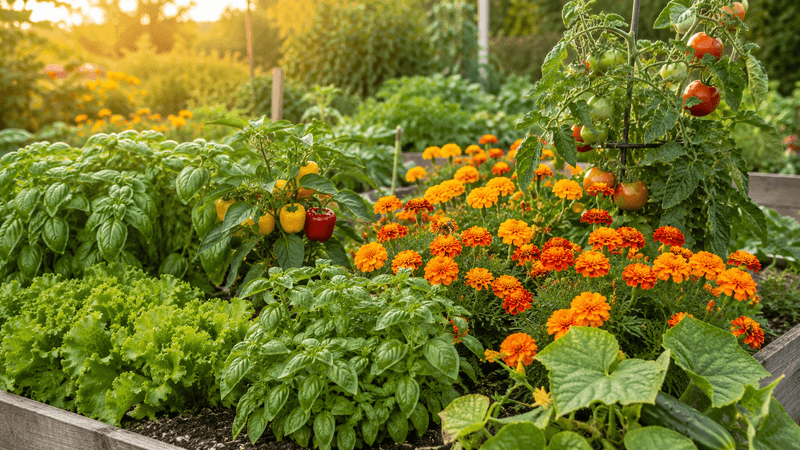
Aphids have a soft spot for marigolds, and clever gardeners use that crush to their advantage. By acting as a so-called trap crop, marigolds can pull clusters of aphids toward themselves and away from prized peppers and tomatoes.
Once the pests gather on the marigold leaves, you know exactly where to find them. A quick blast from the hose or a squish between your fingers handles the problem in one spot instead of chasing bugs across the whole bed. Some growers even snip off the worst-infested marigold and toss it to reset.
Better still, all those clustered aphids act like a dinner bell for ladybugs and lacewings, which show up to feast and stick around to patrol your vegetables.
5. They Bring In Bug-Eating Good Guys
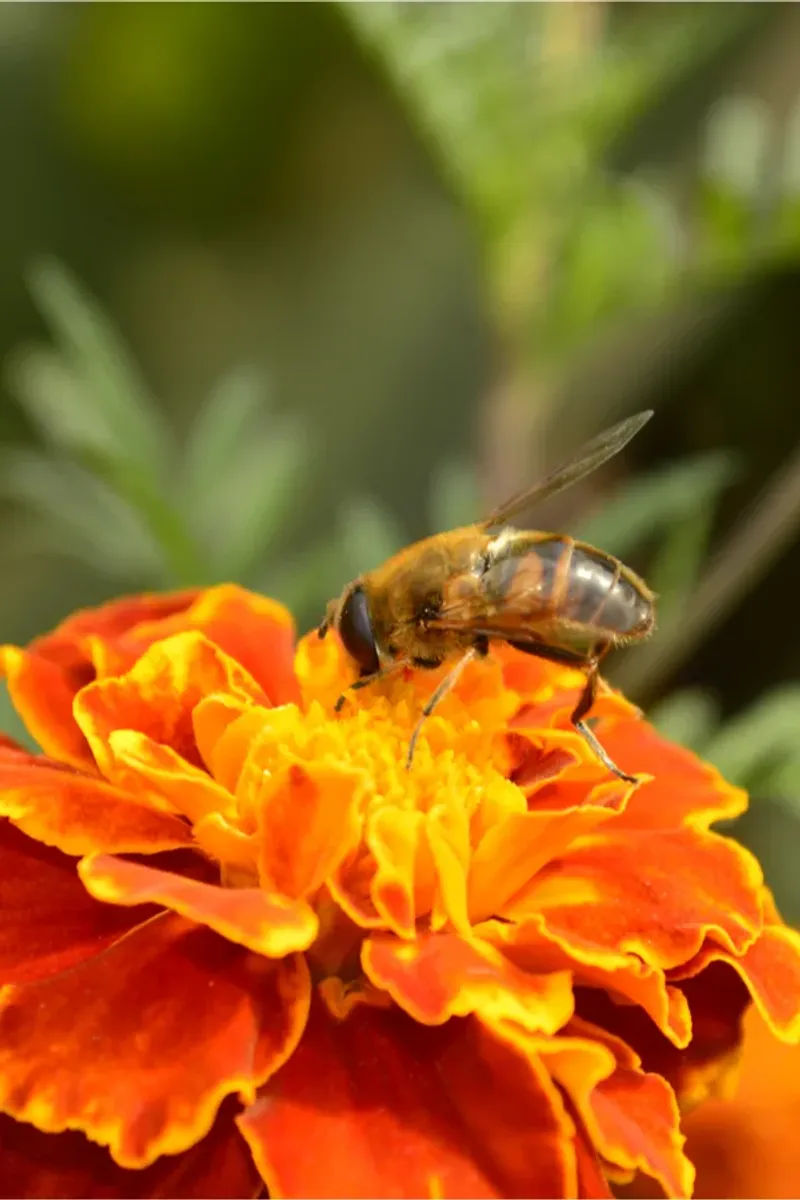
Not every insect in your garden is a villain, and marigolds are surprisingly good at recruiting the heroes. Their pollen and nectar feed beneficial insects that spend the rest of their day hunting the pests eating your greens.
Ladybugs, parasitic wasps, hoverfly larvae, and lacewings all appreciate a nectar snack between meals. When you keep these predators well fed and happy, they hang around and keep aphid and caterpillar numbers in check for free. It turns your garden into a working ecosystem instead of a battlefield you fight alone.
Think of marigolds as a tiny cafeteria that keeps your unpaid pest-control crew showing up for work every single day.
6. They May Keep Whiteflies Guessing
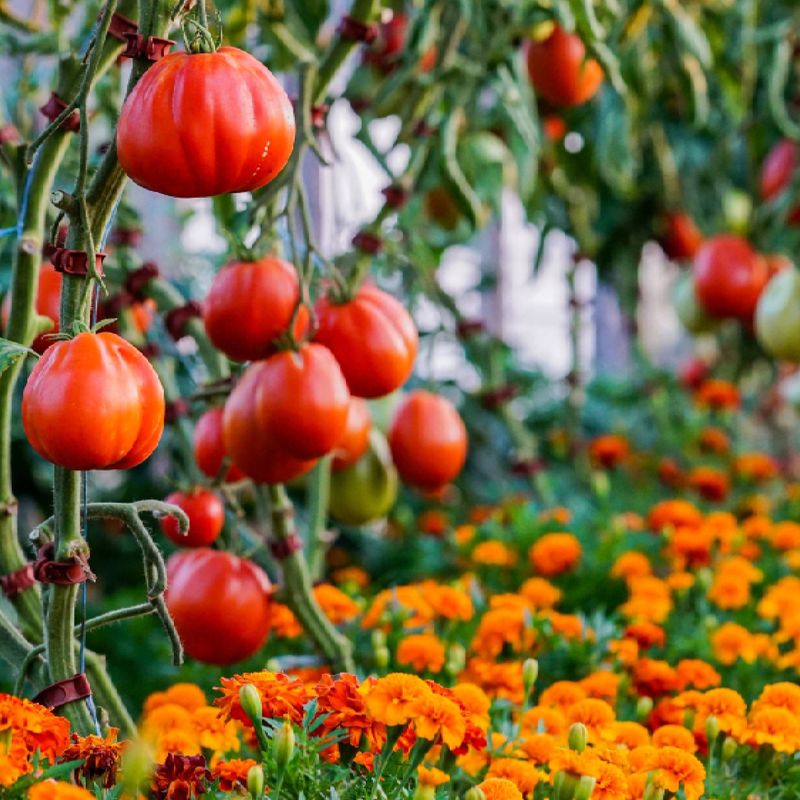
Whiteflies are those maddening little specks that puff up in a cloud the moment you brush a tomato plant. Greenhouse and backyard growers alike have leaned on marigolds to help throw these pests off track.
The strong-smelling foliage of certain marigold types can mask the scent cues whiteflies use to settle on tomatoes and other favorites. Tucking a few pots of marigolds right among your tomato plants gives the flowers a fighting chance to interfere with the pests’ search. It may not clear an existing swarm, but it can make your plants less inviting from the start.
Combine the flowers with regular leaf checks, and you build a layered defense rather than betting everything on one trick.
7. They Cover Bare Soil And Block Weeds
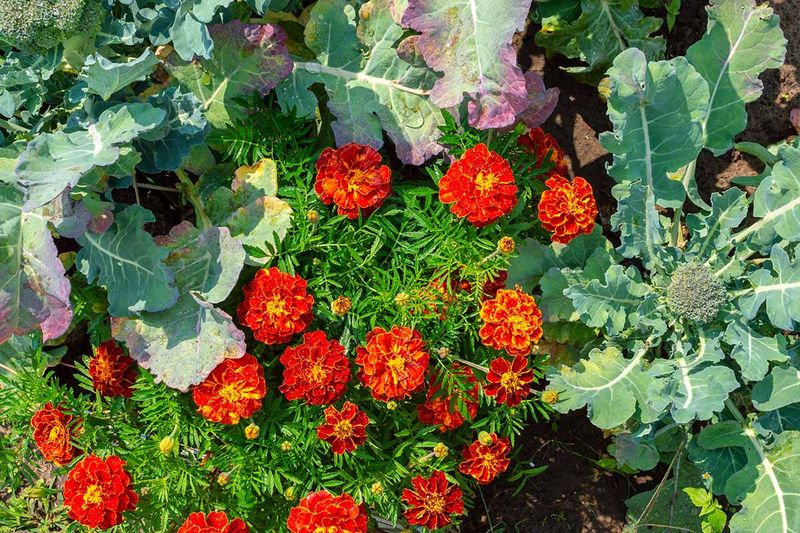
Empty patches of dirt are basically an open invitation for weeds to move in. A generous planting of marigolds fills those gaps with leafy growth that shades the ground and crowds out unwanted sprouts.
As the plants bush out, their foliage acts like a living mulch, keeping the soil surface cooler and slowing down the weed seeds waiting for a chance to germinate. That means less time on your knees yanking crabgrass and more time actually enjoying your garden. Lower-growing French marigolds work especially well for this along pathways and bed edges.
Space them close enough that the leaves nearly touch as they mature, and you will get the fullest weed-smothering effect.
8. They Add A Splash Of Color That Lifts The Whole Garden
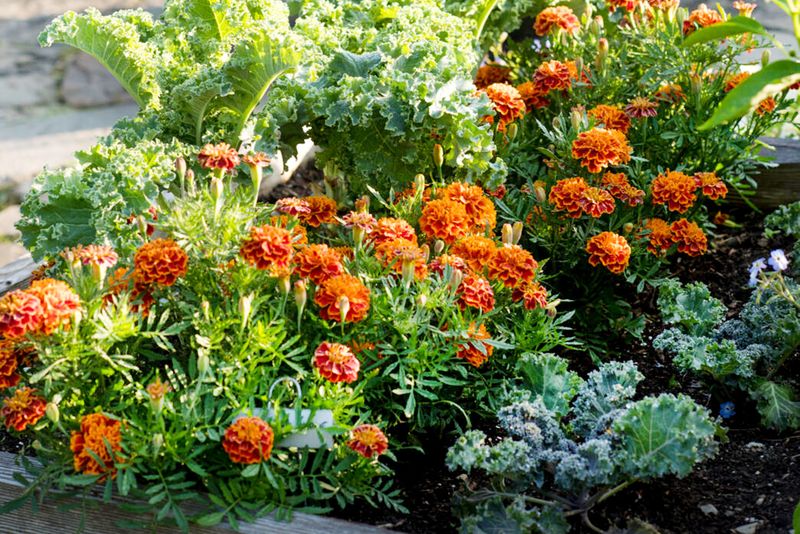
Let’s be honest, a vegetable garden can look like a lot of green all summer long. Marigolds break up that monotony with bold orange, yellow, and rusty red blooms that make the whole plot feel alive.
Beyond just looking pretty, that pop of color has a real payoff. Gardens people love to look at are gardens people actually walk through, and daily visits mean you spot problems early, whether it’s a nibbled leaf or a thirsty plant. A cheerful bed simply pulls you outside more often.
Beauty and function rarely come this cheap. One inexpensive seed packet turns a plain patch of dirt into something you are proud to show the neighbors.
9. They Are Ridiculously Easy To Grow From Seed
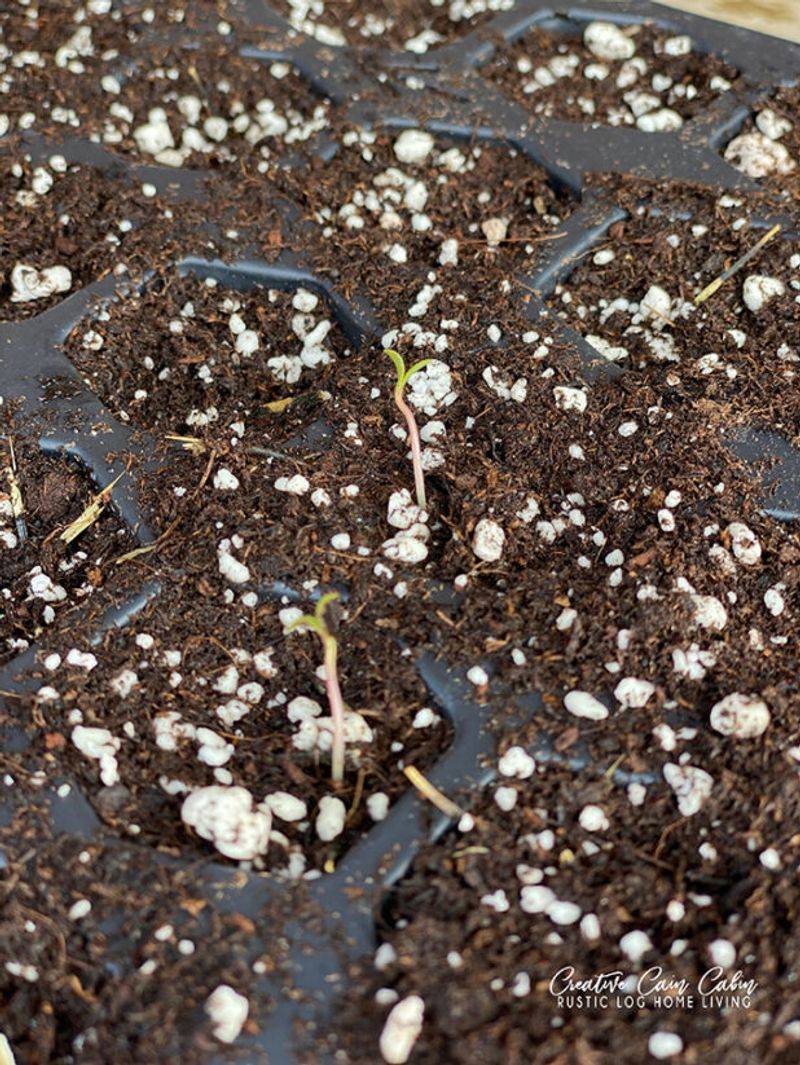
If you have ever killed a houseplant and sworn off gardening, marigolds are here to rebuild your confidence. These flowers sprout fast, forgive beginners, and rarely throw a tantrum over less-than-perfect conditions.
Drop seeds into warm soil after the last frost, keep them damp, and you will see green shoots within a week or so. They tolerate poor soil, shrug off heat, and bloom their hearts out from early summer until frost with barely any fuss. Deadheading spent flowers keeps even more buds coming, but they will flower plenty even if you forget.
Fun fact: a single marigold flower head can hold dozens of seeds, so one plant can supply next year’s whole garden for free.
10. They Make A Handy Companion For Tomatoes
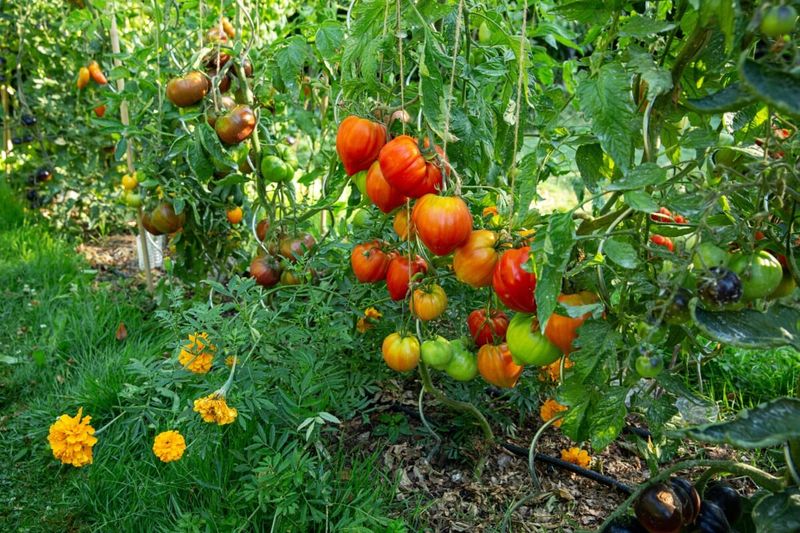
Ask any old-school gardener what to plant beside tomatoes, and marigolds almost always make the list. The pairing has been passed down for generations, and there is solid reasoning behind the tradition.
Marigolds can help mask the tomato’s scent from hornworms and other hungry visitors while their roots may discourage nematodes that damage tomato roots below the surface. Meanwhile, the flowers draw in the pollinators and predators that keep the whole tomato patch productive. It’s a friendship that works above and below ground at the same time.
Set marigolds around the base of your tomato cages, and you get pest support and a splash of color in the exact spot you visit most all summer.
11. They Handle Heat Without Complaining
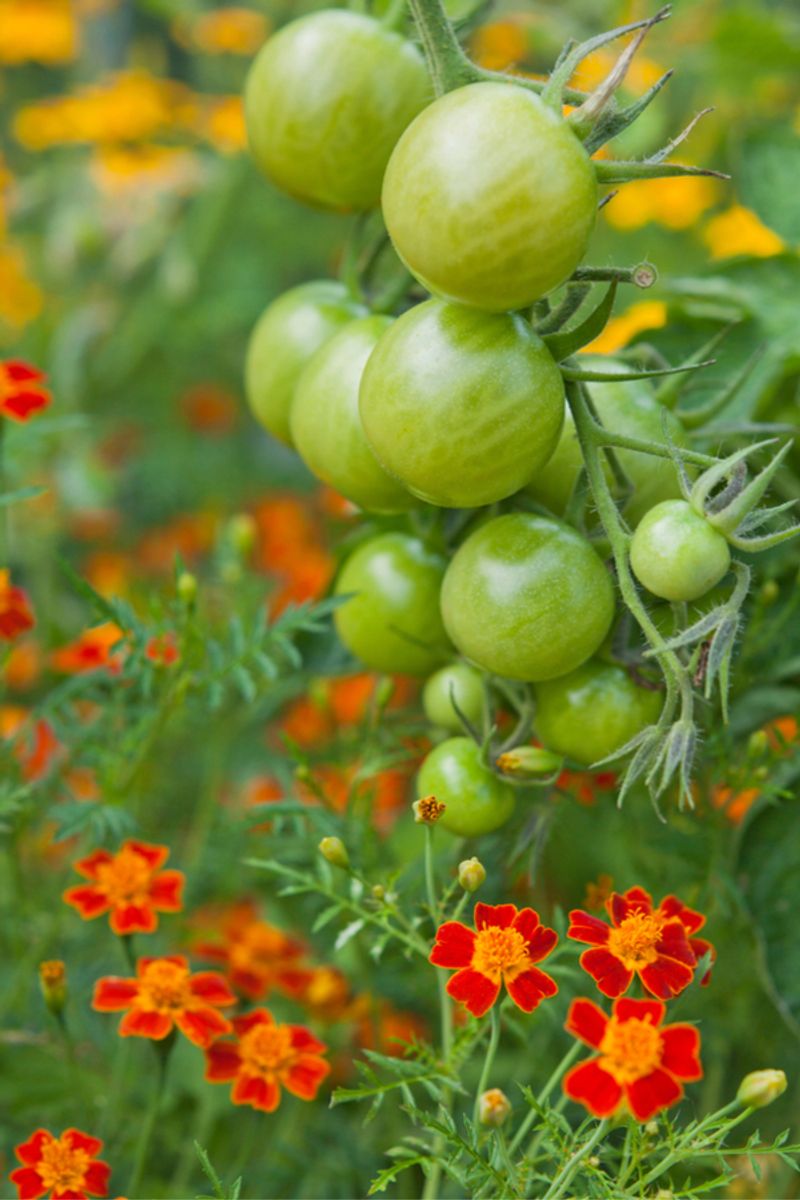
When July sun bakes the garden and half your plants look ready to quit, marigolds keep right on blooming. These flowers actually thrive in the kind of heat that stresses out more delicate ornamentals.
Their toughness makes them a reliable partner for warm-season vegetables like peppers, okra, and eggplant that also love a hot spot. While tender flowers fade and flop, marigolds hold their color and keep feeding pollinators through the dog days. They ask for little more than the occasional deep drink and full sun.
For gardeners in the hotter corners of the United States, that dependability is worth its weight in gold. A plant that shrugs off summer is a plant you can count on.
12. Their Petals Are Actually Edible

Surprise, the flower earning its keep in your pest patrol can also land on your dinner plate. Certain marigolds, especially the signet types, have petals that are safe and tasty to eat.
Signet marigold petals carry a mild citrusy, peppery flavor that brightens up salads, rice dishes, and summer drinks. Cooks sometimes call them the poor man’s saffron because the golden petals lend a warm color and gentle taste to food. Just be sure you are growing an edible variety and skip any flowers treated with chemicals.
Scatter a few fresh petals over a plate of garden veggies, and you have a homegrown garnish that impresses guests and costs nothing.
13. They Signal Trouble Before Your Veggies Do
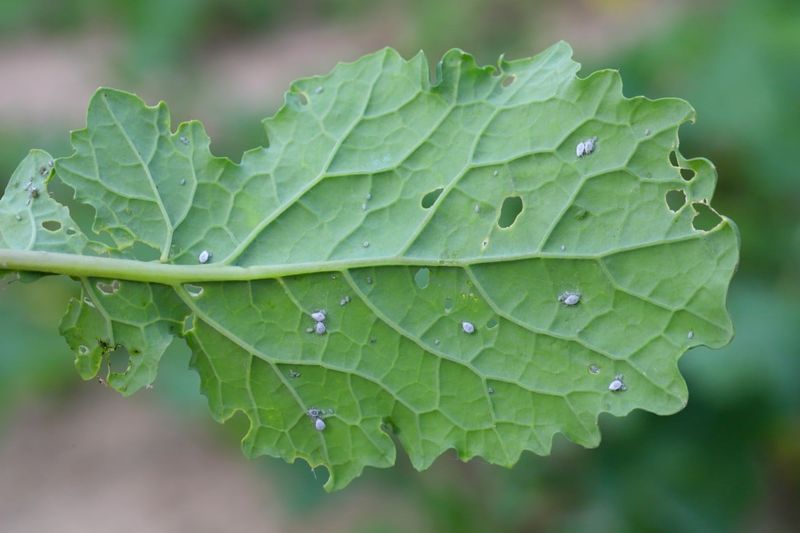
Because marigolds are so sensitive to certain pests, they often show damage before your vegetables raise the alarm. That makes them a kind of early-warning system planted right in your rows.
Spider mites, aphids, and slugs will frequently hit the marigolds first, so speckled or chewed flower leaves tip you off that trouble is moving in. Catching an outbreak on a sacrificial flower buys you time to act before it spreads to your crops. A quick daily glance at the marigolds becomes a health check for the whole bed.
Watch for yellow stippling, curled leaves, or sticky residue on the flowers, and treat those clues as a nudge to inspect everything growing nearby.
14. They Fit Anywhere, Even The Tiniest Space
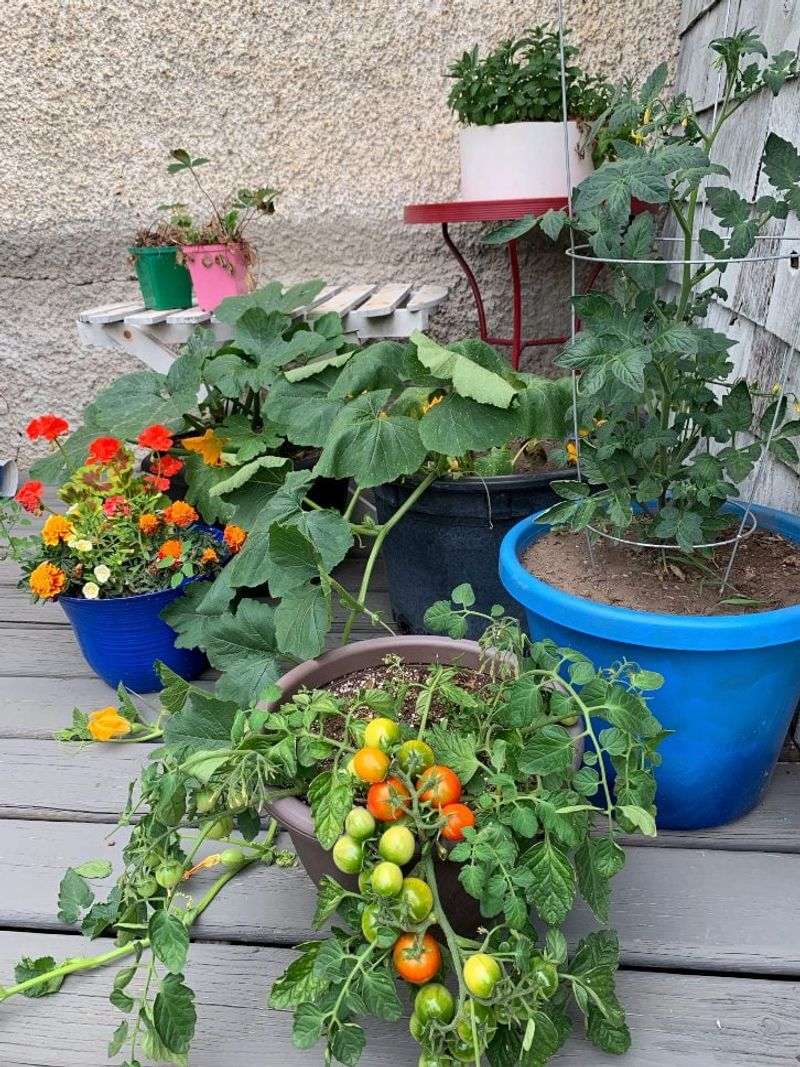
No sprawling backyard? No problem. Marigolds squeeze happily into containers, window boxes, hanging baskets, and the narrow gaps between raised beds where nothing else wants to grow.
Apartment balconies and small patios can still get in on the companion-planting action with a single pot of marigolds tucked beside a tomato or pepper. Their compact root systems and bushy shape mean they play nicely in crowded quarters without stealing everything from their neighbors. You can move potted marigolds around to protect whichever plant needs backup most.
For city gardeners working with a few square feet, that flexibility turns a cramped balcony into a functioning little ecosystem.
15. They Feed The Soil When The Season Ends
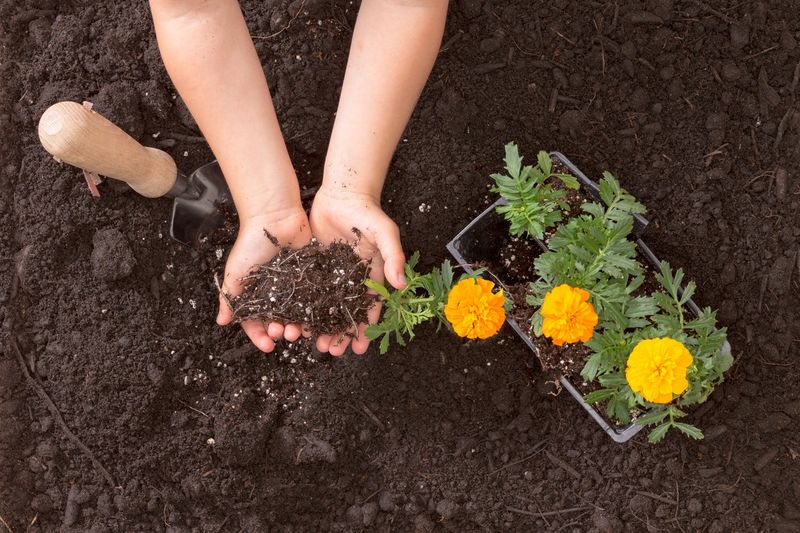
Marigolds keep giving even after their final bloom fades in fall. Rather than yanking them to the trash, savvy gardeners put those spent plants back to work in the soil.
Chopped-up marigold foliage breaks down quickly in a compost pile, adding organic matter that feeds next year’s vegetables. Some growers chop and drop the plants right onto the bed as a light mulch, letting the leaves rot in place over winter. The roots left behind also loosen and enrich the ground as they decompose.
By turning the last of the marigolds into free fertilizer, you close the loop and set your garden up stronger for the following spring.