
Here Are The 5 Reasons To Top Your Tomato Plants And Exactly When To Make The Cut
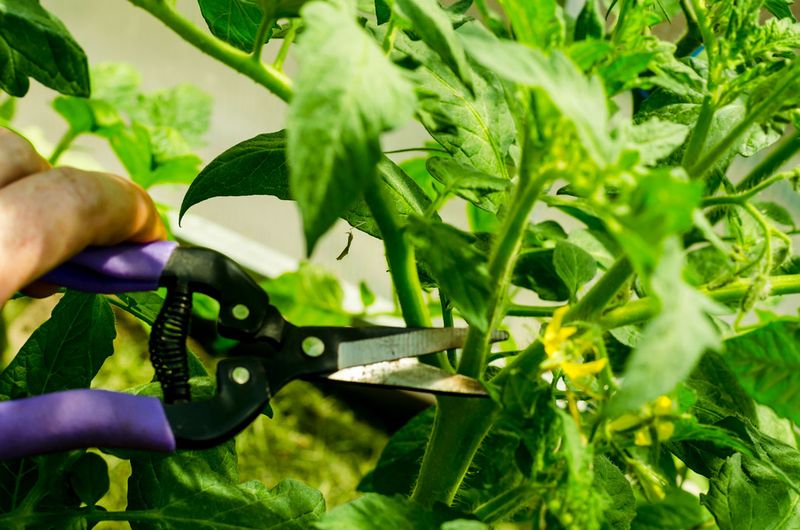
Late summer has a way of sneaking up on gardeners, and suddenly those sprawling tomato vines are taller than the cage and still flowering like it’s June. One well-timed cut near the top of each main stem can stop new flower production and help the fruit already on the plant get the attention it needs before cold weather arrives. That cut is called topping, and it works best under specific conditions, not on every plant in the garden. Understanding when it helps, when it doesn’t, and exactly how to do it can make the difference between a solid fall harvest and a pile of green tomatoes on the counter.
Topping is generally for indeterminate tomatoes
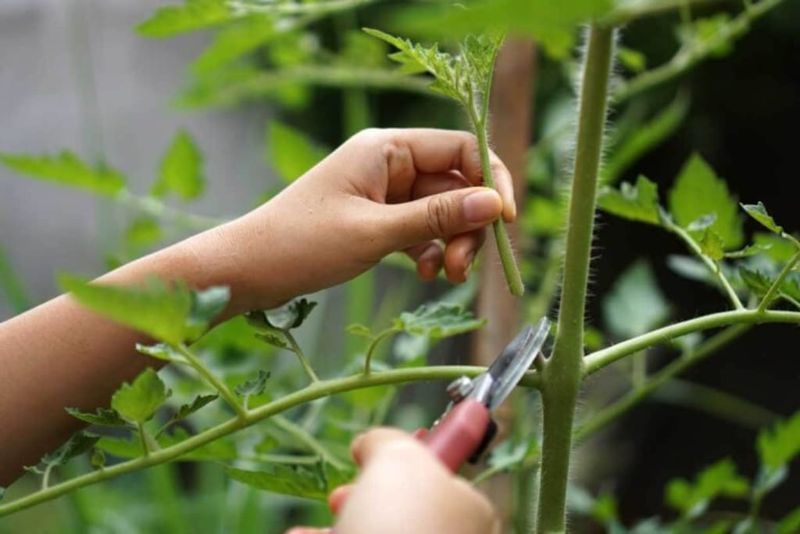
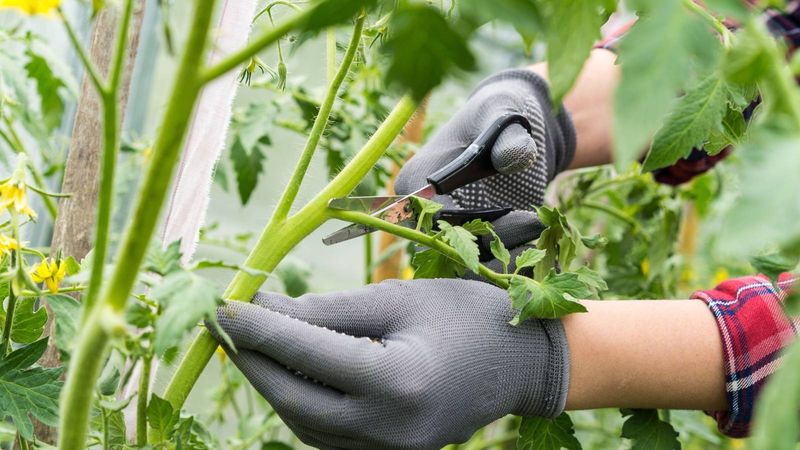
Topping means removing the terminal growing tip of a main stem, which is the actively elongating shoot at the very top of a vine. That is different from removing suckers, which are the side shoots that sprout in the crotch between a leaf stem and the main stem. The two practices are sometimes confused, but the advice for one does not automatically apply to the other.
Growth habit is the first thing to check before reaching for pruners. Iowa State Extension guidance on pruning tomatoes makes clear that topping is generally intended for indeterminate varieties, the vining types that keep producing new stems, leaves, and flowers throughout the season until frost kills them. Common indeterminate varieties include Brandywine, Cherokee Purple, and most large beefsteak types.
Determinate and semideterminate tomatoes behave differently. They grow to a genetically programmed height and then set a terminal flower cluster at the top of each stem, naturally stopping their own elongation. Cutting that terminal cluster off can reduce the number of fruit the plant produces, because you are removing a productive flowering point the plant was counting on. University of Minnesota Extension notes that determinate plants generally should not be pruned the same way as indeterminate ones.
Bush varieties, paste types like Roma, and many patio or container-bred cultivars are often determinate or semideterminate. Check the seed packet, plant tag, or variety description before assuming topping is appropriate. Topping is a conditional late-season management choice for healthy indeterminate plants, not a routine step every tomato gardener should take.
Five practical reasons to top an indeterminate plant
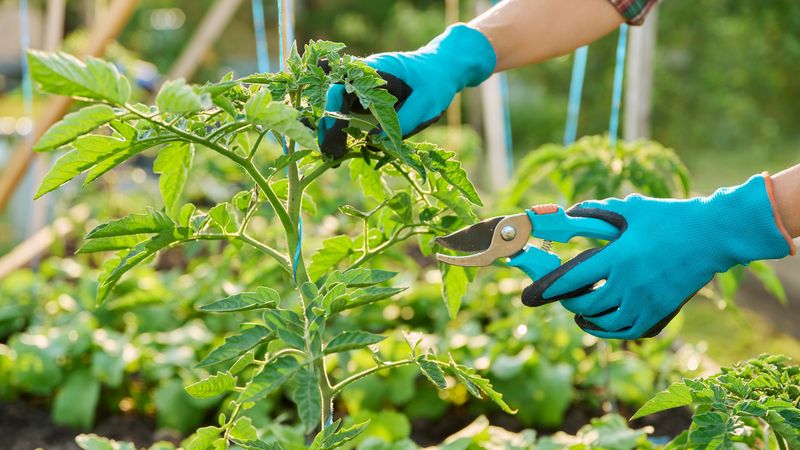
Topping an indeterminate tomato does not send all the plant’s energy rushing into existing fruit like flipping a switch. What it actually does is stop that topped terminal from elongating further and producing additional flowers. That narrower benefit still turns out to be useful in five practical situations late in the growing season.
First, height control. Indeterminate tomatoes can easily run six, eight, or even ten feet and spill over the top of a stake or cage. University of Missouri Extension points to managing plant height as one of the clear reasons to prune or top vining tomatoes, especially in smaller gardens or container setups where uncontrolled growth creates access problems and structural strain on supports.
Second, improved access. A plant that has been topped at a manageable height is easier to monitor for pests, spot disease early, and harvest without crawling under drooping vines. NC State Cooperative Extension highlights better visibility and access as a practical pruning benefit for home gardeners.
Third, stopping new flowers at that terminal. When the first frost is only weeks away, flowers forming at the very tip of a long vine have little realistic chance of becoming ripe tomatoes. Cutting the terminal prevents that topped stem from adding more flowers that will not have time to mature.
Fourth, keeping stems within the support structure. A vine that has outrun its trellis or cage is vulnerable to wind damage and breakage. Topping holds the plant where the support can actually do its job.
Fifth, prioritizing fruit already on the plant. University of Vermont Extension notes that late-season pruning can help shift the plant’s resources toward developing fruit that already exists. Keep in mind that other main stems and any existing side shoots can continue growing and may need separate management.
Use the first-frost date to choose the window
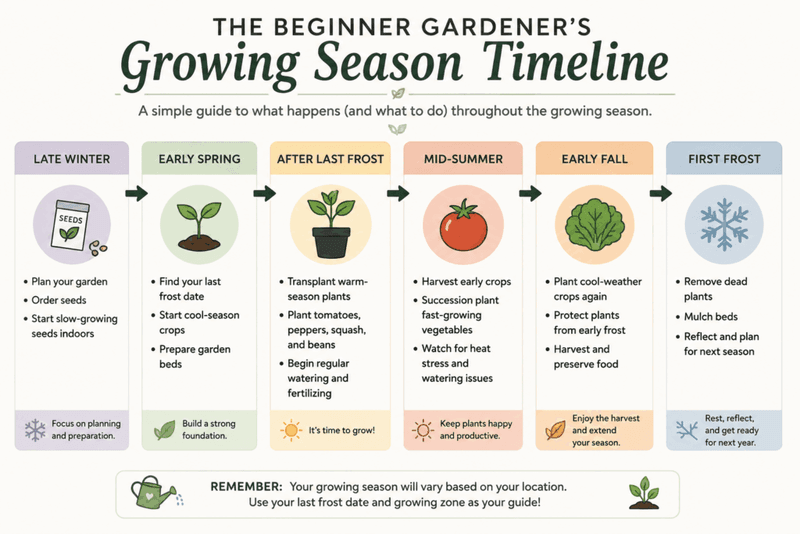
Picking the right moment to top comes down to one local number: the average date of the first fall frost in your area. Tying the decision to a specific calendar month, such as “top in July,” is too broad for the continental United States, where first frost can arrive anywhere from September in northern Minnesota to December in southern Texas.
Iowa State Extension recommends topping indeterminate tomatoes approximately four to six weeks before the expected first fall frost. That window gives green fruit already on the plant time to continue enlarging and, conditions permitting, to ripen before cold arrives. Cutting too early in a long growing season removes flowers that could have produced good fruit. Cutting too late leaves little time for any benefit.
Four to six weeks is a starting estimate, not a guarantee. Adjust it based on a few additional factors. Cultivar maturity matters: a variety that takes 85 days from transplant to ripe fruit needs more lead time than one rated at 65 days. Current fruit size matters too.
A cluster of golf-ball-sized green tomatoes has a better chance of finishing than a cluster of marble-sized ones. Local temperatures factor in as well, because ripening slows significantly in hot weather and speeds up in mild conditions. University of Vermont Extension echoes this point, noting that gardeners should account for local conditions rather than following a fixed date.
Gardeners growing tomatoes in a cold frame, low tunnel, or unheated greenhouse can push the window a bit later, since those structures offer a degree of frost protection. Outdoor plants in open ground should use the unprotected local frost date. Look up your average first fall frost date through your local cooperative extension office or a USDA zone map, and count backward from there to find the practical topping window for your garden.
The likely payoff is harvest timing, not more total fruit
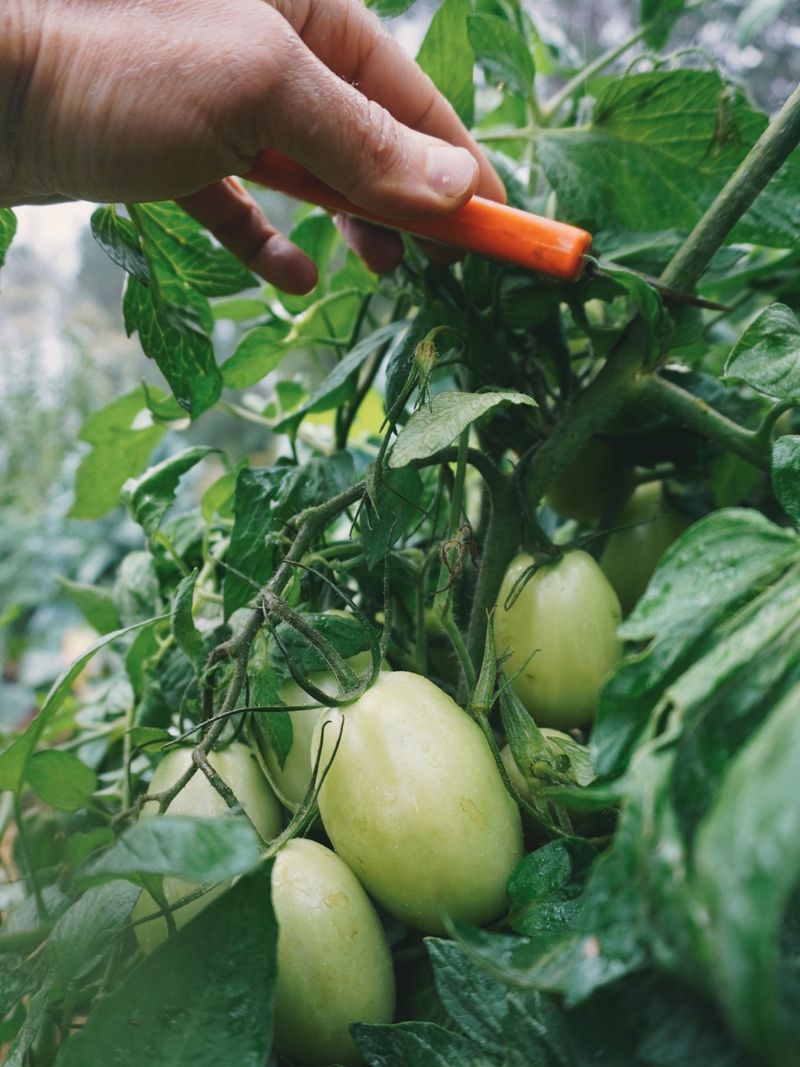
Before making any cut, understand what topping realistically offers. The honest payoff is a better chance that fruit already on the plant ripens before frost, not a larger total harvest. Those are two different outcomes, and mixing them up leads to disappointment.
Research on pruning and tomato yields consistently shows that results depend on cultivar, climate, timing, support system, and growing goals. A 1978 Oregon State study on tomato pruning methods found that pruning affected both yield and quality, with outcomes varying based on how and when cuts were made rather than producing a universal improvement. That finding has been reinforced by more recent work.
A field study of indeterminate tomatoes found that unpruned plants or those with minimal side-shoot removal produced the highest marketable yields per plant, while more intensive pruning to one or two stems reduced yield under the tested conditions. Commercial production research adds another data point: a high-tunnel study comparing trellising systems found that an unpruned stake-and-weave setup outperformed plants pruned to one or two stems on a vertical-string system in marketable yield. Those trials involve commercial support systems and are not a direct test of one late-season topping cut, but they reinforce that pruning can trade total yield for timing or manageability.
For a home gardener in a short-season climate with frost coming fast, the tradeoff often makes sense: accept a smaller total crop but get more of it ripe before the season ends. For a gardener in a long frost-free climate who wants every tomato the plant can produce, leaving an indeterminate vine growing without topping is a perfectly reasonable choice. Know which goal matters more in your garden before you cut.
Make one clean terminal cut per main stem you intend to stop
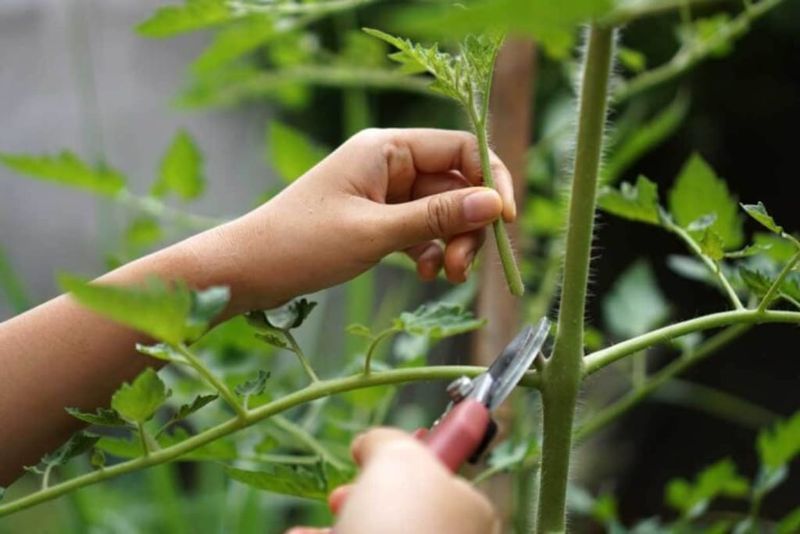
Many indeterminate tomatoes are trained to two or three main stems, and each stem that the gardener wants to stop requires its own terminal cut. The method is not one cut per plant. Walk the plant and identify every main stem before starting.
On each stem you plan to stop, locate the active growing tip, which is the soft, actively extending shoot at the very top. Cut just above a leaf or a fruit cluster using a sharp, clean pruner. Iowa State Extension and University of Vermont Extension both recommend cutting just above a leaf node to leave a clean wound without a long, dangling stub that could invite disease or dry out unevenly.
After you top a stem, that terminal stops elongating and stops producing new flowers at that point. Any existing side shoots lower on the same stem, and any other main stems you chose not to top, can continue growing. If the plant has vigorous side shoots that are also running long, those can be managed separately, but that is a different decision from topping the main terminal.
One firm caution: do not pair topping with heavy leaf removal on the same day. Leaves are the plant’s solar panels, and they also shade developing fruit from direct sun. Penn State Extension and University of Minnesota Extension on tomato disorders both flag sunscald as a real risk when fruit is suddenly exposed after significant foliage removal. Strip away only leaves that are clearly dead, yellowed, or diseased, and leave the healthy canopy intact to keep photosynthesis going and fruit shaded.
Prepare only healthy plants and dry foliage
Plant condition and timing within the day both matter before any pruning cut happens. Topping a plant that is already struggling compounds its problems rather than helping. Iowa State Extension specifically advises against topping plants stressed by drought, disease, or nutrient deficiency. If the plant looks wilted from dry soil, its leaves show signs of deficiency like yellowing between veins, or it carries obvious disease symptoms, address those problems first or skip topping entirely for that plant.
Work only when foliage is dry. Wet leaves create ideal conditions for bacterial and fungal pathogens to move from plant to plant through hands, sleeves, and tools. University of Minnesota Extension on tomato leaf spot diseases notes that splashing water and wet plant surfaces are primary ways pathogens spread in the garden. Pruning in the morning after dew has dried, rather than right after rain or irrigation, reduces that risk meaningfully.
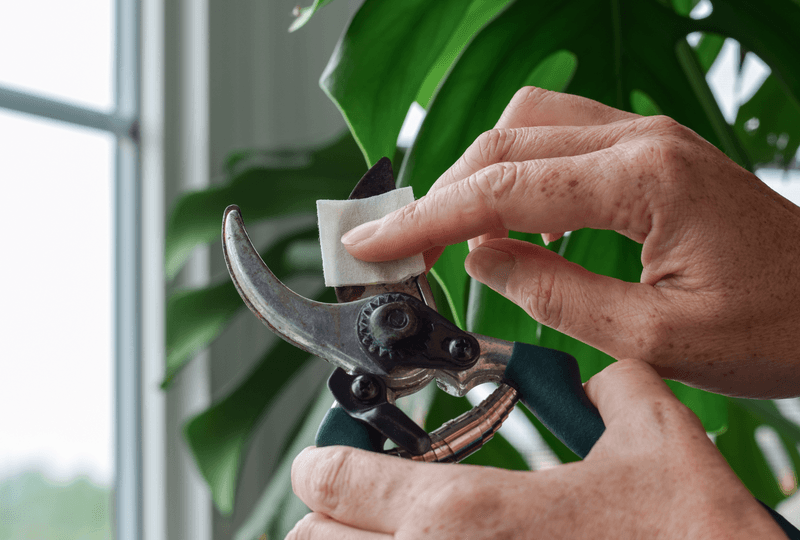
Sanitize pruners between plants, and be especially careful when any plant in the garden shows disease symptoms. University of Minnesota Extension on tomato viruses identifies a 1:9 dilution of germicidal bleach as one extension-documented sanitation method effective against some tomato viruses. That is one part bleach to nine parts water.
Use that method with a few practical qualifications. University of Minnesota Extension guidance on cleaning garden tools notes that bleach solutions can corrode metal over time, so tools should be rinsed thoroughly after use and dried before storage. Follow the sanitizer’s label instructions, and consider wiping tools with a light oil after the session to protect the metal. A 70-percent isopropyl alcohol wipe is another widely used option that is less corrosive, though effectiveness varies by pathogen type.
Weather and remaining foliage still determine ripening
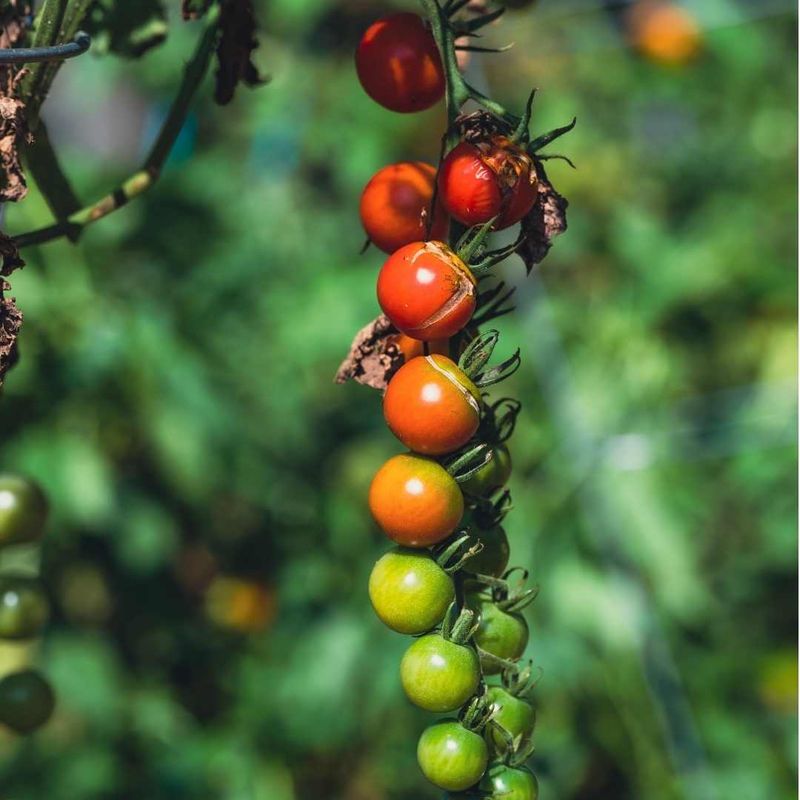
After the cut is made, the plant still operates by the same rules it always did. Topping cannot override weather. Tomato ripening is temperature-sensitive, and Oregon State Extension notes that tomatoes ripen fastest around 70-75 degrees Fahrenheit, and that temperatures above 85 degrees can actually slow or stall ripening. A gardener who tops plants during a heat wave in late August should not expect the fruit to suddenly rush toward red.
The ripening clock is set by temperature, not by the pruning cut.
Fruit size and development stage at the time of topping also matter. A tomato that is nearly full-sized and starting to show any color change has a realistic shot at finishing before frost. A tomato that is still marble-sized or a flower that just opened may not have enough time, regardless of when the top was removed. Manage expectations accordingly and focus energy on the fruit that looks closest to done.
Ordinary plant care continues after topping. Keep watering on a consistent schedule appropriate to the weather, because water stress during fruit development can cause blossom end rot and cracking. Do not treat topping as a reason to ease up on basic maintenance.
University of Wisconsin-Madison Extension on tomato pruning and University of Illinois Extension both reinforce that broader disease management requires more than a single cut. Airflow, plant spacing, keeping foliage dry, reducing soil splash onto lower leaves, and selectively removing diseased or crowded growth are the practices that address disease-favorable conditions. Topping one terminal does not substitute for those habits. Side shoots on topped stems and any untopped main stems may also continue growing and can need separate attention as the season closes out.
Skip the cut when the plant or season does not justify it
Run through a short checklist before committing to any cut. First, confirm the growth habit. Determinate and semideterminate tomatoes should normally be left untopped because removing their terminal flower clusters can reduce the crop. If the plant tag or seed description says determinate or bush, put the pruners away.
Second, estimate the local frost window. Iowa State Extension’s recommendation of roughly four to six weeks before the expected first frost is a practical starting point. If the first frost is still ten or twelve weeks out, topping now cuts off productive flowering time that could yield more fruit. Wait or skip it entirely.
Third, assess plant health and soil moisture. A plant showing stress, disease, or drought symptoms is not a good topping candidate. Fourth, weigh the actual goal. Research on pruning methods supports the idea that topping can shift the balance toward earlier ripe fruit, but may reduce total production.
If maximum long-season yield matters more than tidiness or pre-frost harvest, leaving the plant to grow is a valid choice.
When topping does make sense, make one clean terminal cut for each main stem you intend to stop, leave healthy foliage in place, and keep up with regular watering and care. The best gardening decisions are the ones that match the actual plant, the actual season, and the actual goal, not a rule applied automatically to everything in the bed.