
15 Kitchen Ingredients That Quietly Fix Common Garden Problems (And 4 That Do More Harm Than Good)
Your kitchen is full of quiet garden helpers you probably walk past every day. When your tomatoes get spotty leaves or slugs chew through your hostas, the fix might already be sitting in your pantry.
This list shows you 15 everyday items that can rescue struggling plants, plus 4 popular tricks that actually cause more damage than they cure. Let’s help you save the plants you love without a trip to the store.
1. Baking Soda
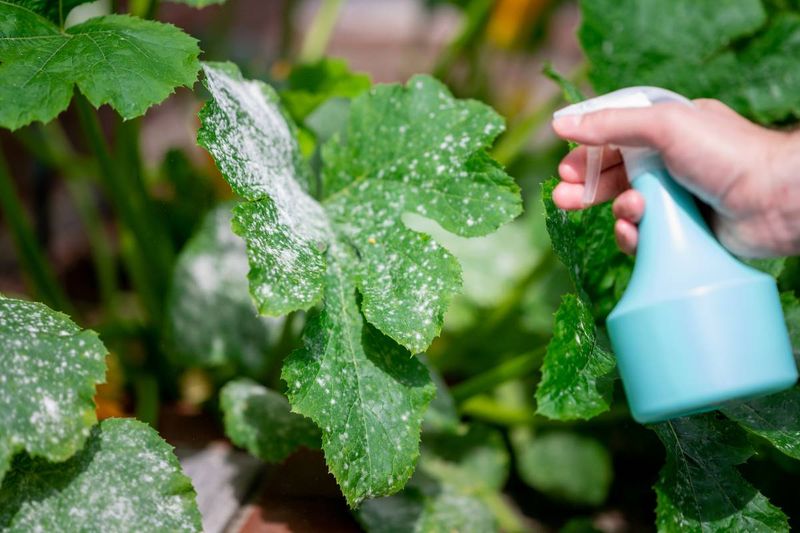
Spot a chalky white dust creeping across your squash or zinnia leaves? That is powdery mildew, and baking soda is one of the cheapest ways to slow it down before it spreads.
Baking soda works by raising the pH on the leaf surface, which makes it hard for new fungus spores to take hold. It shines as a preventative or an early-stage rescue, not a miracle cure once the plant is coated.
Mix 1 teaspoon of baking soda with 1 teaspoon of mild liquid soap in a quart of water and spray the affected leaves. For tougher outbreaks, try 1 tablespoon of baking soda with a teaspoon of insecticidal soap in a gallon of water.
Go easy though. Too much can scorch tender leaves, so stick to the recommended amounts and test a small patch first.
2. Milk
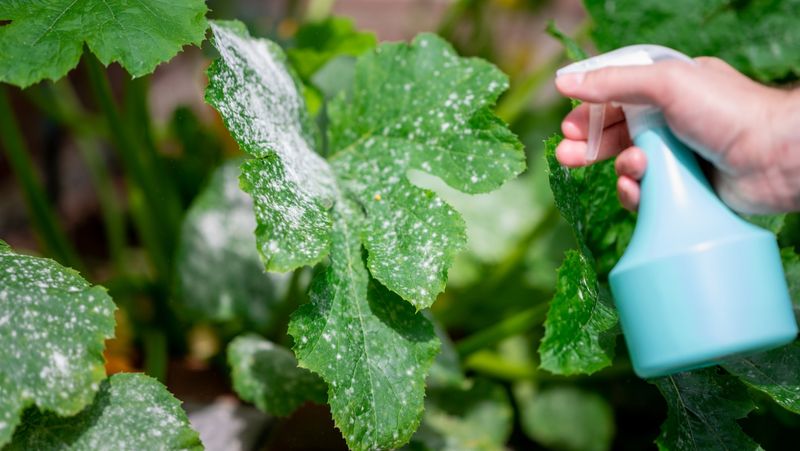
Here is a trick that sounds too odd to work: spraying milk on your plants. Yet the proteins and enzymes in milk genuinely fight off powdery mildew, especially on cucumbers and pumpkins.
When milk meets sunlight, it creates conditions the fungus dislikes, helping stop the spread across leaves. Gardeners have leaned on this one for years because it uses something almost everyone has in the fridge.
Blend 1 part milk with 2 parts water, or go weaker at 1 part milk to 9 parts water, and spray weekly. Coat both the top and underside of the leaves for the best results.
Catch it early. The first sign of that telltale white powder is your cue to start spraying.
3. Garlic
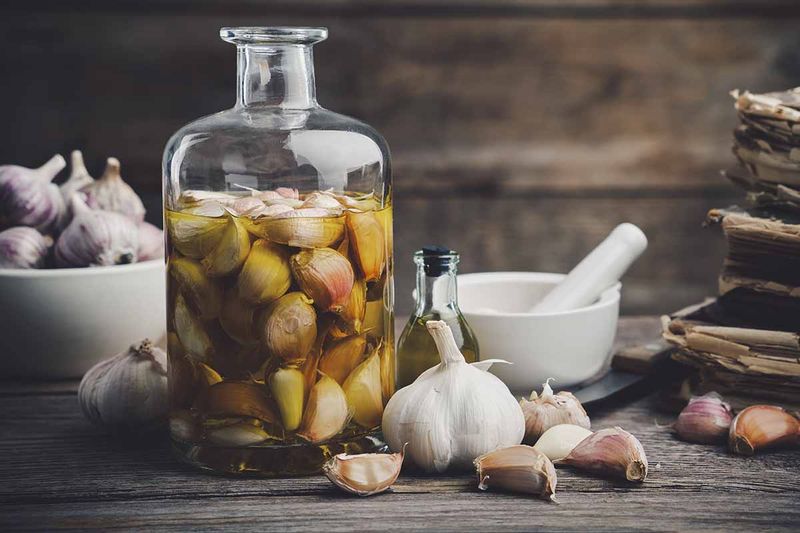
Aphids clustering on your rose buds? Garlic’s powerful smell sends a lot of garden pests packing.
The compound allicin scrambles insect senses and can even act as a contact killer on soft-bodied bugs like mites and whiteflies.
To brew a batch, blend 5 to 10 garlic cloves with a cup of water, then strain and dilute it into about a liter of water. Add a teaspoon of mild dish soap so it clings to leaves.
Timing matters here. Spray in the evening to avoid burning leaves in strong sun and to keep bees and other pollinators out of harm’s way.
One nice bonus: garlic spray is gentle on your wallet and works against a wide range of troublemakers, from caterpillars to slugs.
4. Dish Soap
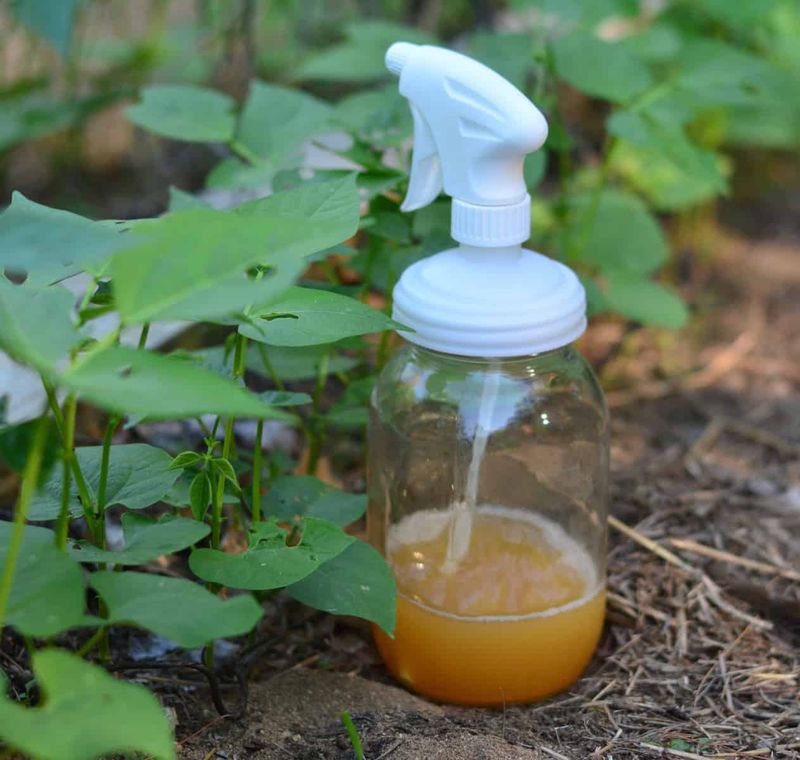
Few things feel as satisfying as watching aphids give up after a simple soap spray. Diluted dish soap breaks down the waxy coating that protects soft insects, and without it they dry out fast.
It handles whiteflies, thrips, mealybugs, and spider mites too, making it a reliable first line of defense for most backyard bug troubles.
Mix just 1 teaspoon of mild liquid dish soap into a liter of water, then spray directly on the pests and the undersides of leaves where they hide.
Read the label before you pour. Soaps with degreasers, bleach, antibacterial agents, or heavy fragrance can hurt your plants, so choose the plainest one you can find.
5. Coffee Grounds
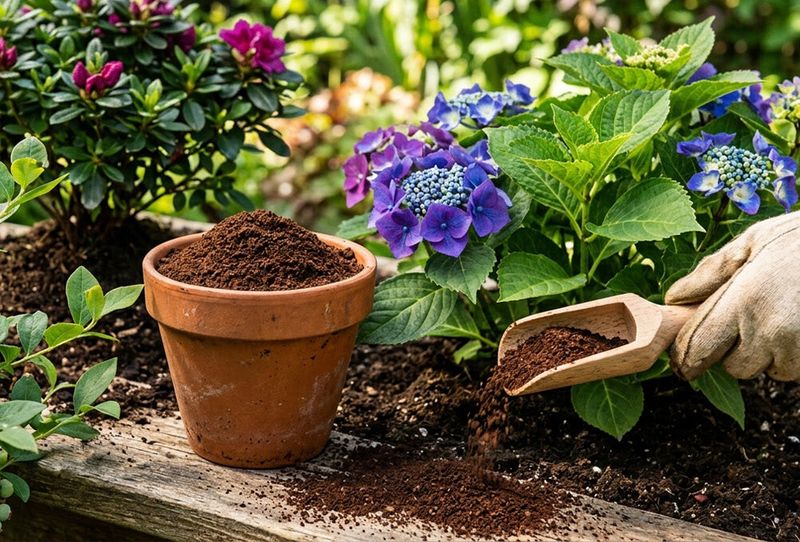
If your hydrangeas could talk, they might ask for a splash of your morning brew. Used coffee grounds are mildly acidic and add organic matter plus a touch of nitrogen, which acid-loving plants appreciate.
For blue-blooming hydrangea fans, grounds can nudge the soil chemistry in the right direction over time. They also create a gritty layer that slugs, snails, and ants would rather avoid.
Sprinkle a thin layer around the base of hydrangeas or other acid-lovers and let it work into the soil naturally.
Don’t overdo it. Piling on grounds can flood the plant with nitrogen, giving you lots of leaves but fewer blooms, and a thick crust can actually block water from soaking in.
6. Mayonnaise
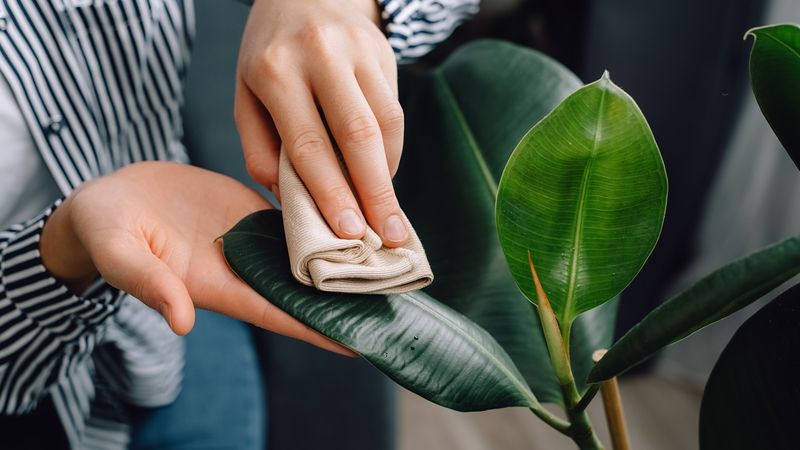
This one is for your indoor greenery. Dusty, dull houseplant leaves can’t soak up light well, and a dab of mayonnaise brings back their shine while lifting off grime.
The oils in mayo clean and polish, wiping away dust and sticky residue so the plant can photosynthesize more freely. Your rubber plant or peace lily will look showroom fresh.
Put a small amount on a clean, soft cloth and gently wipe the top of each leaf. Then go back over with a fresh cloth to remove any leftover mayo.
Less is more with this trick. Too much can clog the tiny pores on leaves and turn into a snack sign for pests, so a light touch keeps things healthy.
7. Eggshells
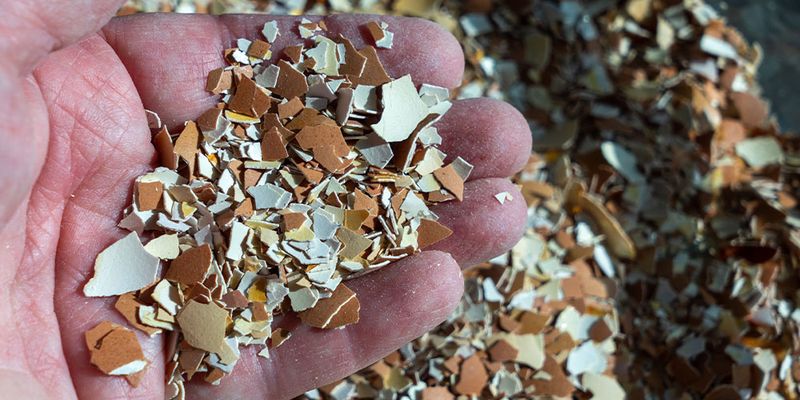
Ever pulled a tomato off the vine only to find an ugly black patch on the bottom? That blossom end rot usually means a calcium shortage, and eggshells are packed with it.
Made mostly of calcium carbonate, shells slowly release calcium as they break down, helping build strong cell walls in tomatoes and peppers. Their sharp edges also make slugs, snails, and cutworms think twice.
Crush clean shells into small bits or a fine powder and work them into the soil around vulnerable plants. A ring of crushed shell around the base doubles as a pest barrier.
Keep in mind they act slowly. Big chunks take ages to decompose, and loading the soil with too much calcium can block other nutrients your plants need.
8. Used Tea Bags
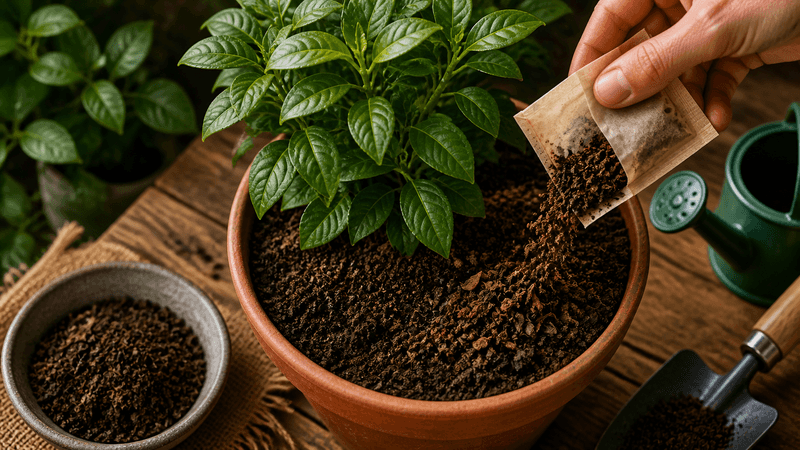
Your afternoon cuppa can keep giving long after the last sip. Spent tea leaves add organic matter, a little nitrogen and potassium, and trace minerals as they rot into the soil.
Roses and azaleas particularly enjoy the slight acidity, and the tannins may help mask soil scents that draw certain pests. Earthworms tend to show up too, which is a good sign for soil health.
Make sure the bags are plastic-free and cooled, then bury the leaves in the soil or toss them in the compost. You can even steep used bags again for a weak liquid feed.
Two small rules: skip any bag that isn’t plastic-free, and never use hot tea straight onto roots, since heat can damage them.
9. Rice Water
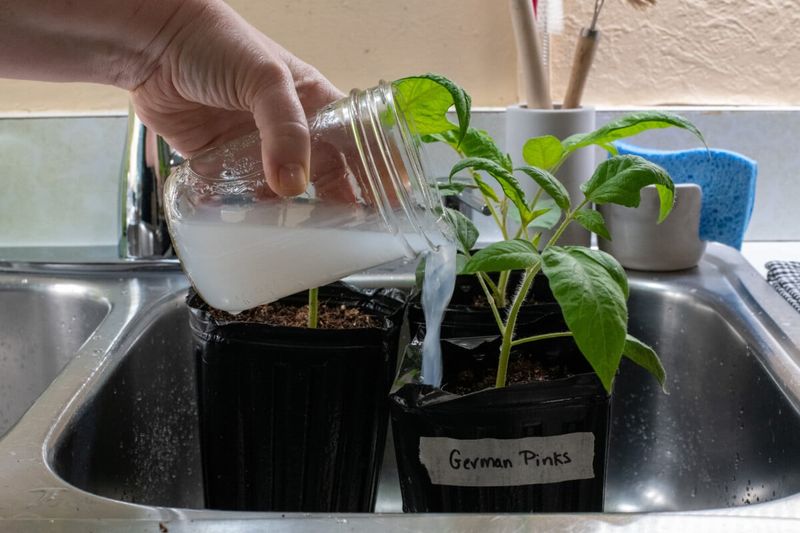
Instead of tipping that starchy rice water down the drain, save it for your plants. It carries small amounts of nitrogen, phosphorus, potassium, plus vitamins and amino acids that support leafy growth and roots.
Let it ferment a bit and it can even bring beneficial bacteria to the soil, giving those helpful microbes a gentle boost.
Cool the plain, unsalted water and use it now and then in place of a regular watering. Think of it as a light snack rather than a full meal for your plants.
A word of caution: too much starch can attract ants, slugs, or fungus, especially in humid weather. And salted rice water is a hard no, since salt harms roots.
10. Unflavored Gelatin
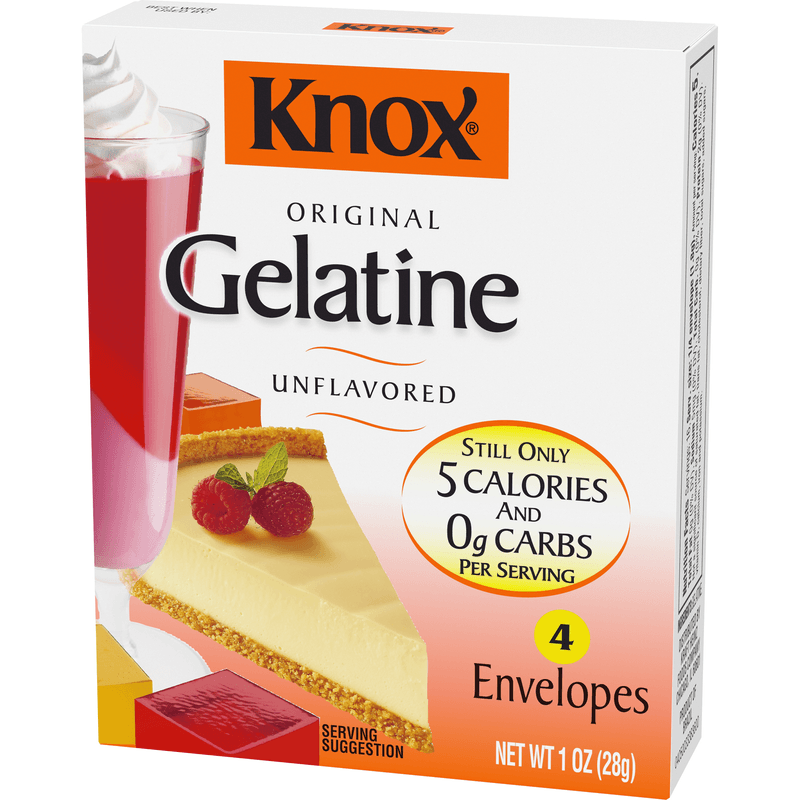
An unexpected pantry find for plant lovers: unflavored gelatin. It acts as a biostimulant, handing plants ready-made protein building blocks so they can skip a few steps and put more energy into growing.
The result is a gentle, slow-release nitrogen boost that leafy houseplants really seem to enjoy.
Dissolve one packet in a quart of hot water, then top it up to a full gallon with more water. Use this to water houseplants about once a month.
Skip it for tomatoes and other fruiting crops, since the nitrogen push favors leaves over fruit. Mix a fresh batch each time too, because the solution ferments within a couple of days.
11. Mustard Powder
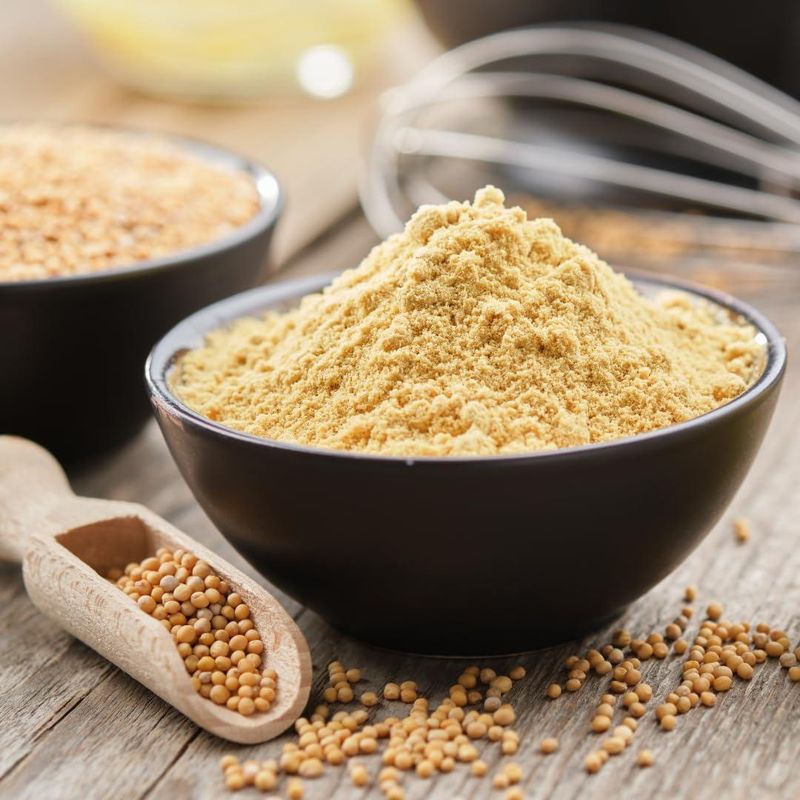
Sharp and pungent, mustard powder does more than spice up your sandwiches. Its compound sinigrin repels a long list of soft-bodied pests, from aphids and flea beetles to caterpillars, slugs, and ants.
It even works against parasitic root nematodes and can slow down weed seeds if sprinkled as a pre-emergent barrier.
Stir mustard powder into water for a spray, or dust it lightly around the base of plants that keep getting nibbled.
One important safety note: sinigrin is toxic to mammals if eaten, so keep the powder and treated areas away from curious pets.
12. Potato Peels
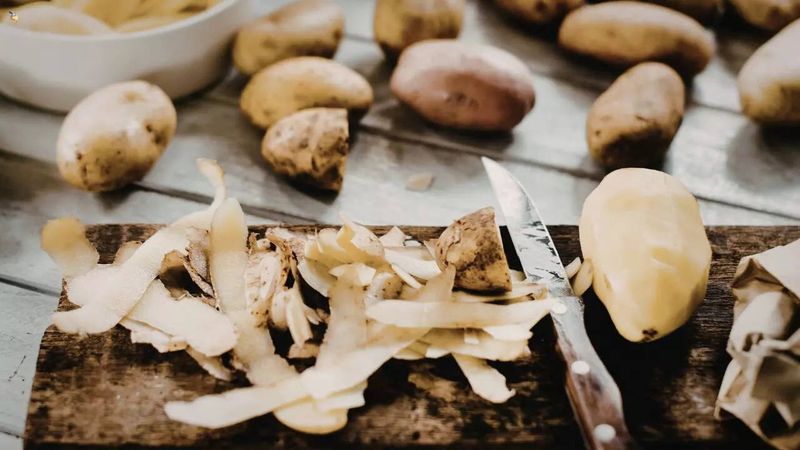
Before you toss those potato peels, know they are loaded with potassium, phosphorus, magnesium, and B vitamins your plants can use. Steeped in water, they make a mild liquid feed that seedlings and developing roots appreciate.
Dropped into a compost pile, the peels break down and enrich the finished soil, so nothing goes to waste.
To make potato peel tea, steep clean peels in hot water, let it cool, strain, then dilute before watering. Or simply chop the peels and add them to an active compost heap.
Avoid burying raw peels straight into garden beds. They can sprout, carry blight, or invite rodents and slugs you would rather keep out.
13. Beer
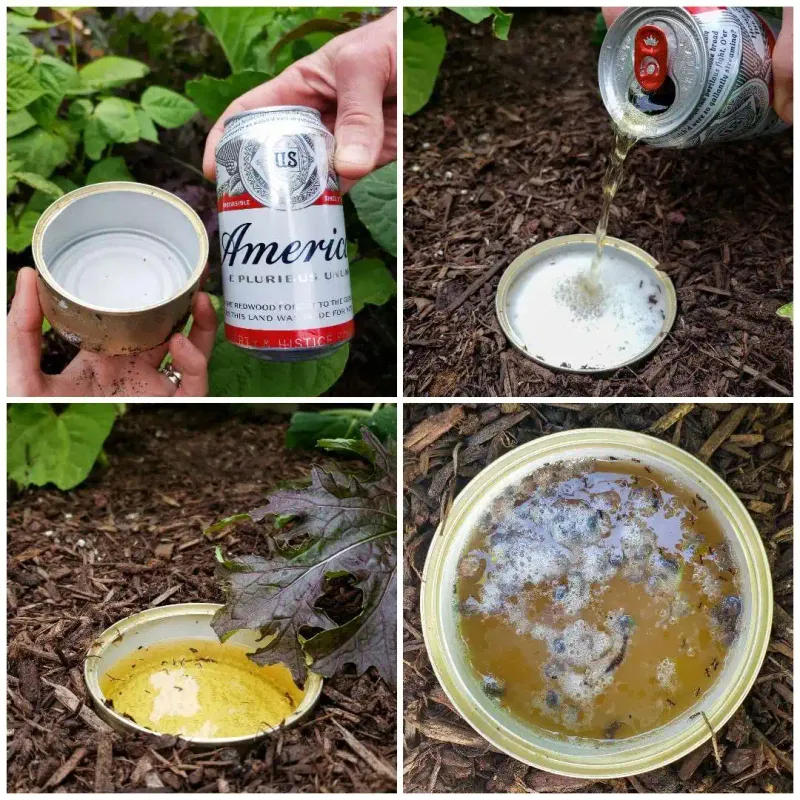
Slugs have a weakness, and it happens to be beer. The yeasty aroma is irresistible to them, luring them into a container where they crawl in and drown.
For frustrated gardeners tired of chewed hosta leaves, a beer trap is a surprisingly simple overnight fix.
Sink a deep plastic cup so its rim sits just above the soil, fill it with beer, and leave a little space at the top. Check it every few days and refill as needed.
Here is the catch: the smell can pull slugs in from neighboring yards, sometimes drawing more than you started with. Place traps a bit away from your prized plants to lead them off the trail.
14. Unsalted Vegetable Cooking Water
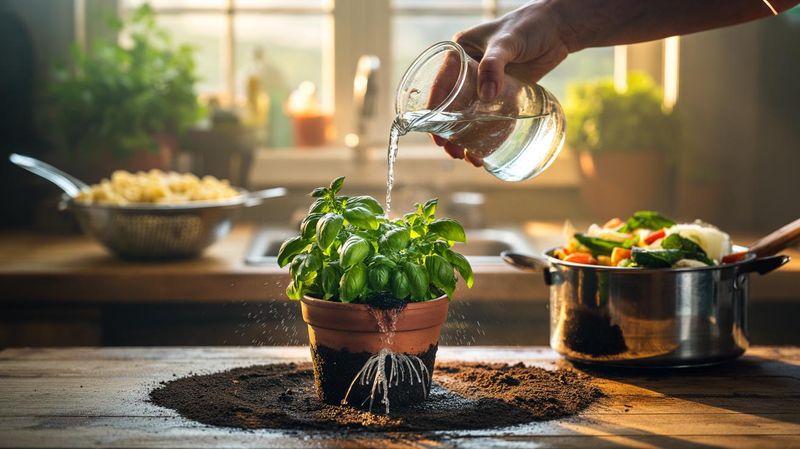
The water left after boiling veggies is basically a free, mild fertilizer. As vegetables cook, minerals like phosphorus, nitrogen, iron, and magnesium leach into the water, and your plants can drink those right up.
It is a small, everyday habit that turns kitchen leftovers into a gentle plant boost.
Let the plain, unsalted water cool completely to room temperature, then pour it at the soil base of your plants.
Never reach for salted cooking water, though. Salt is toxic to most plants, burns roots, and can leave soil barren.
When you can, use water from organic vegetables to skip any pesticide residue.
15. Egg-Boiling Water

Boiling eggs for breakfast? That leftover water quietly picks up calcium from the shells as they cook.
Pour it on your tomatoes and peppers and you deliver a small dose of the very nutrient that helps prevent blossom end rot.
Stronger cell walls mean sturdier plants and fewer of those disappointing rotten fruit bottoms.
Just let the water cool all the way to room temperature before using it to water your plants at the base.
The only rule is simplicity itself: make sure no salt went into the pot, since salted water does far more harm than good.
16. Salt
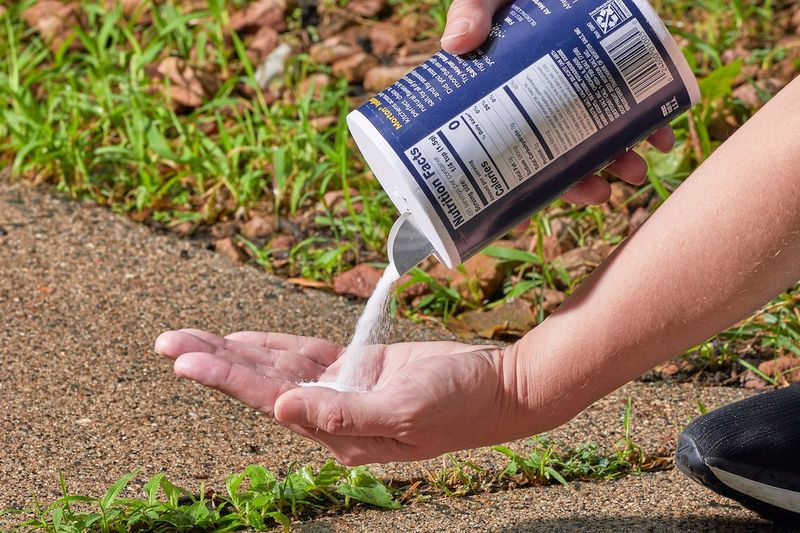
Salt gets passed around as a quick weed killer, and while it does dry weeds out, the damage runs much deeper than the weeds you see.
Sodium chloride sterilizes the soil, making it toxic for the plants you actually want, sometimes for years. It throws off soil pH and creeps outward to hurt nearby roots too.
For weeds in your beds, stick with pulling them by hand or using a targeted organic herbicide. Save salt only for spots where you never want anything to grow, like cracks in pavement, and even then use it sparingly.
17. Bleach
Bleach might feel like a powerful problem-solver, but in the garden it is pure trouble. Highly corrosive and toxic, it kills not just weeds but the beneficial microbes your soil depends on.
It swings soil pH wildly, damages surrounding plants, and can seep into water sources. Worst of all, it doesn’t kill weed roots, so those weeds simply grow back while your soil suffers.
Keep bleach out of the garden completely. For weeds, safer sprays or a bit of hand-pulling will serve you far better without poisoning the ground.
18. Sugar Water
The idea that sugar water gives plants an energy boost sounds sweet, but plants make their own sugar through photosynthesis and can’t absorb sucrose through their roots.
Pour it on and you risk upsetting the plant’s water balance, feeding harmful fungi and bacteria, and choking off root respiration. It is also a dinner bell for fungus gnats and ants.
Rather than sugar, give your plants what they truly need: balanced fertilizer, steady watering, enough light, and loose, airy soil. Do that and they will produce all the sugar they require on their own.
19. Raw Banana Peels
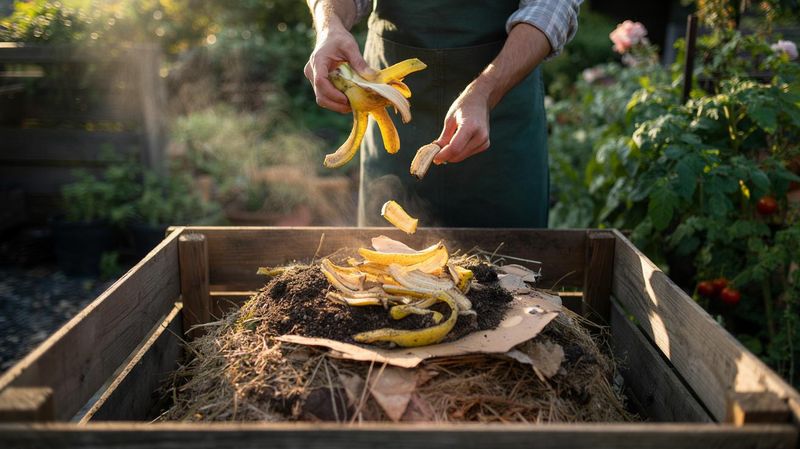
Banana peels get talked up as a potassium powerhouse, and they do contain good nutrients, but buried raw they break down painfully slowly. That means the nutrients stay locked away and out of reach for your plants in the short term.
Worse, raw peels in the soil attract flies, ants, rodents, and even raccoons, plus mold and bad smells. Banana peel tea, made by soaking peels, mostly disappoints because very little nutrient actually leaches into the water.
For real results, drop banana peels into a hot, active compost pile where they decompose properly. If you want quicker access to their nutrients, blend them into a solution instead of burying them whole.
Think of banana peels as compost material, not an instant fertilizer, and you will avoid the mess while still putting them to use.