
15 Places You Should Never Plant Coneflowers (And 4 Spots Where They Suddenly Thrive)
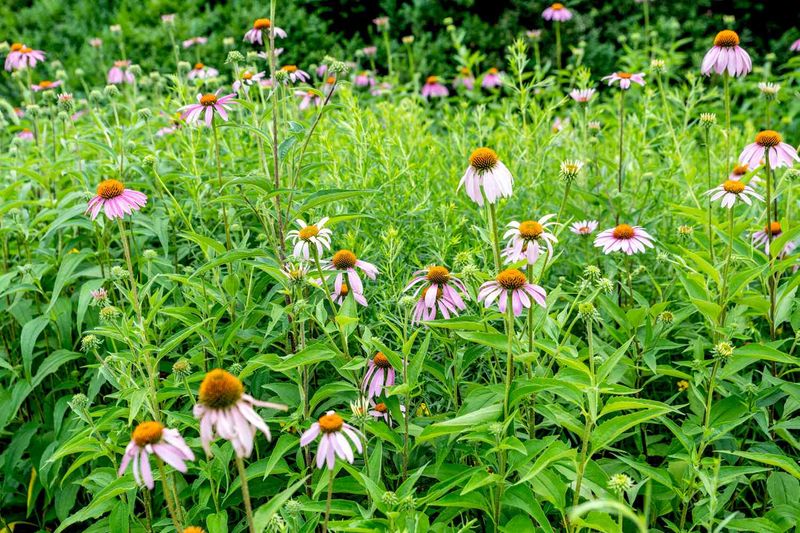
Coneflowers look tough, and mostly they are, but drop them in the wrong corner of your yard and they sulk, flop, or quietly rot away. The trick most gardeners miss is that location matters more than fertilizer, mulch, or any fancy trick you buy at the garden center. Below you will find fifteen spots that quietly sabotage your echinacea, plus four surprising places where these prairie natives explode with color. Save yourself a season of frustration and read before you dig.
1. Soggy Low Spots Where Rain Collects
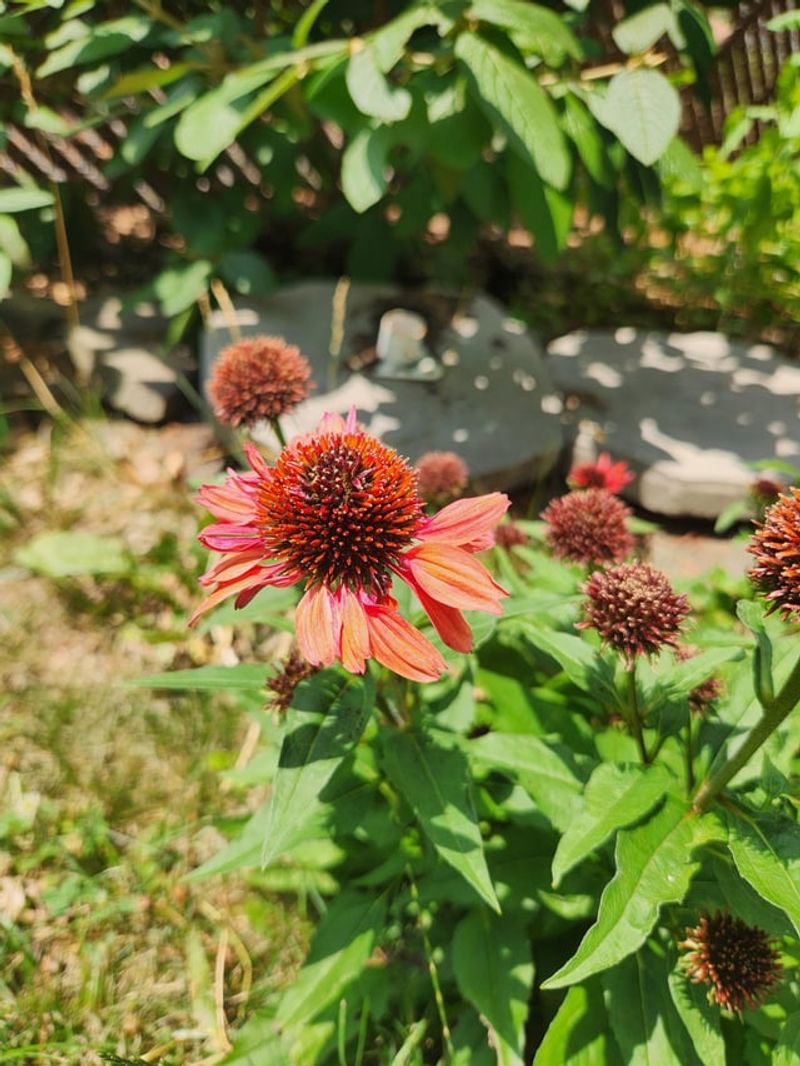
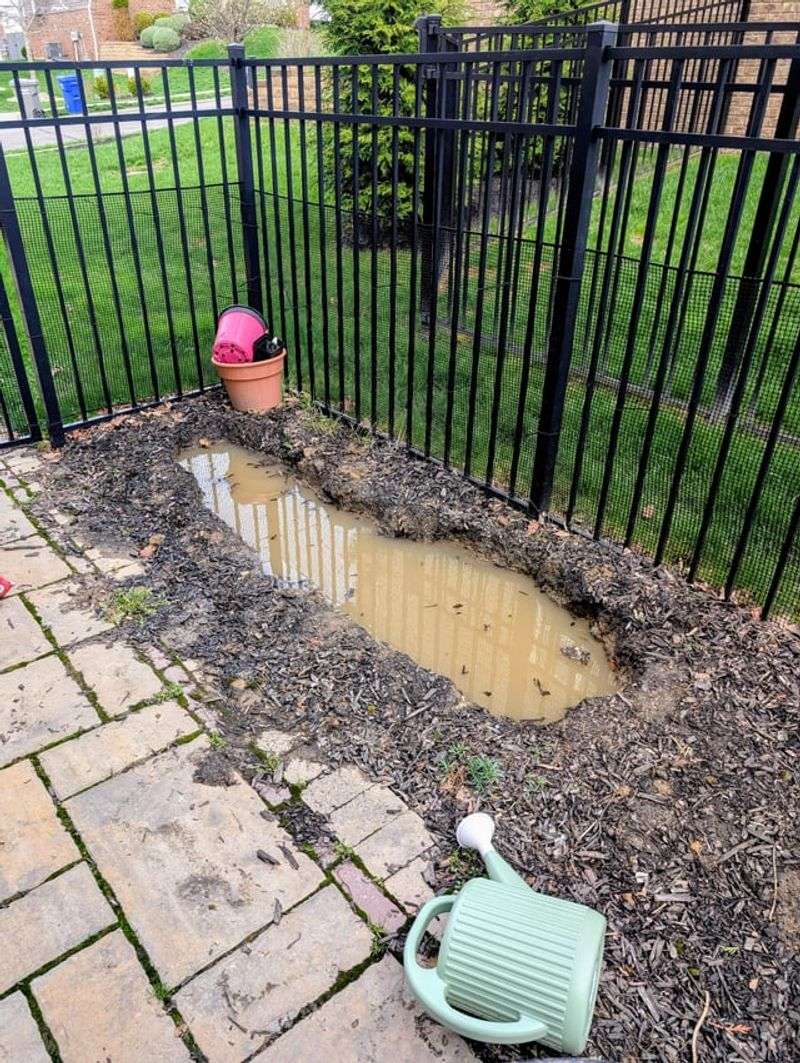
Picture the corner of the yard where puddles linger for a day after every storm. That standing water is a slow death sentence for coneflowers, which grew up on well-drained prairie soil and hate having wet feet.
Their crowns and roots rot fast when moisture never drains away. You might see healthy plants in spring, then watch them collapse into mush by midsummer with no obvious cause.
If you only have a boggy area to work with, build a raised mound or amend heavily with grit and compost first. Otherwise, save that low spot for plants that actually enjoy soggy conditions, like Joe Pye weed or cardinal flower.
2. Deep Shade Under Mature Trees
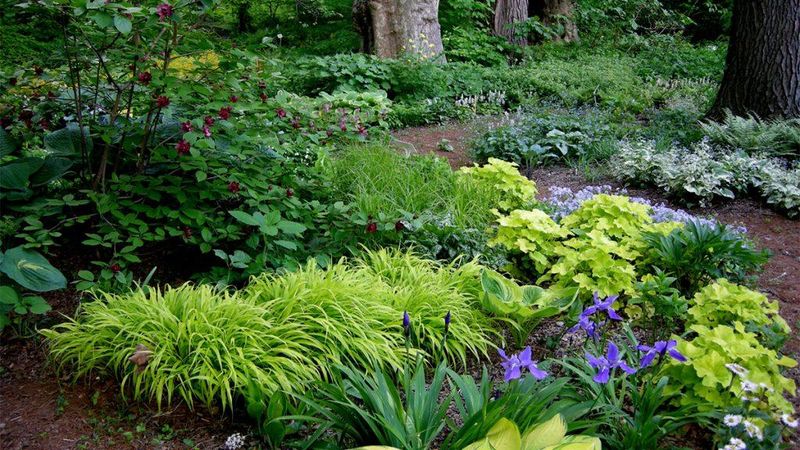
Coneflowers are sun worshippers at heart, and tucking them beneath a big oak or maple is asking for trouble. In dense shade they stretch tall and skinny, reaching desperately for light they will never get.
The blooms shrink to sad little buttons, if they appear at all. Weak stems flop over at the first breeze, and the whole plant looks perpetually tired.
Tree roots make it worse by hogging every drop of water and nutrient in the soil. Leave the shady understory for hostas and ferns, and give your echinacea the wide-open sunshine it genuinely craves.
3. Cramped Between Aggressive Groundcovers
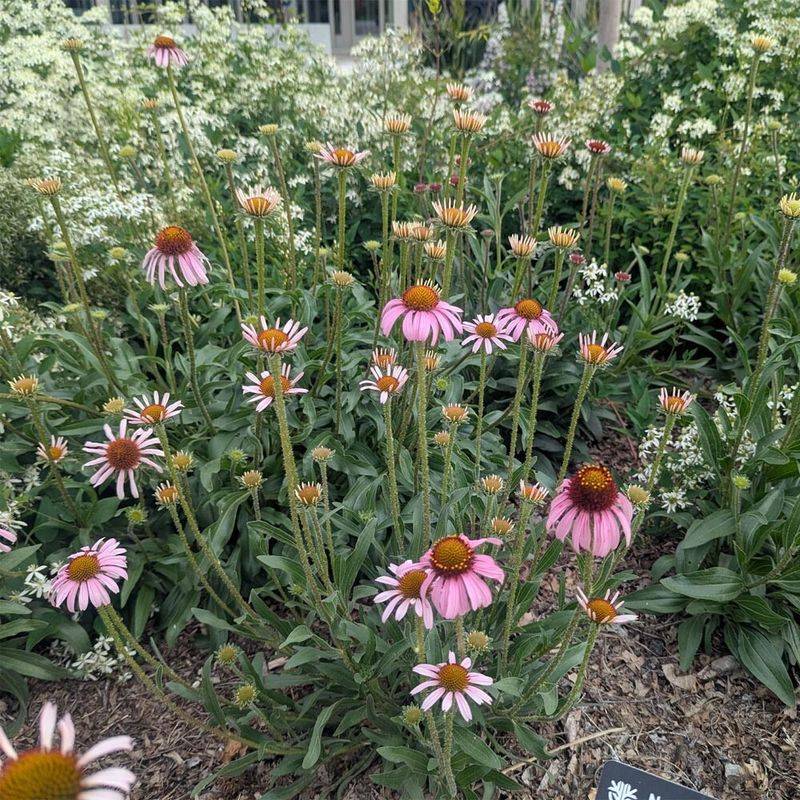
Ever planted something delicate next to a bully that just kept spreading? Vigorous groundcovers like creeping Jenny, vinca, or mint will swallow a young coneflower alive.
The runners weave through the crown and steal moisture, light, and elbow room. Your echinacea ends up stunted, half-buried, and unable to send up strong flower stalks.
Give coneflowers breathing space away from anything that spreads by runners. If you love that carpet effect, plant a physical barrier or keep the groundcover in its own contained bed a good distance away.
4. Heavy Clay That Never Drains
Dig a hole in dense clay, fill it with water, and watch it sit there for hours. That same slow drainage suffocates coneflower roots and invites the fungal rot they despise.
Clay compacts hard around the crown, holding cold moisture through winter when the plants are most vulnerable. Many gardeners lose their echinacea over winter and blame the cold, when soggy clay was really the culprit.
You can rescue clay by working in coarse sand, compost, and expanded shale to open it up. Better yet, plant into a raised bed where the roots stay high and dry.
5. Right Against the House Foundation
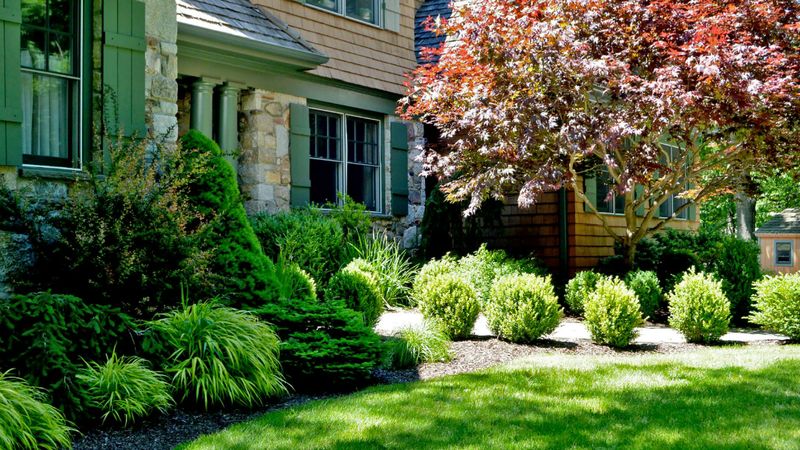
The strip hugging your foundation seems convenient, but it hides a few nasty surprises for coneflowers. Rain runoff from the roof dumps concentrated water there, drowning the roots during storms while leaving them bone dry under wide eaves the rest of the time.
Concrete leaches lime into the soil, nudging the pH higher than echinacea prefers. Reflected heat off the wall can also cook the plants on hot afternoons.
That yo-yo of flood, drought, and heat stresses coneflowers into a short, unhappy life. Pull them a few feet away from the wall where conditions stay steadier.
6. Overcrowded in a Packed Flower Bed

It is tempting to tuck one more plant into a full border, but coneflowers hate feeling squeezed. Jammed shoulder to shoulder with neighbors, they lose the air circulation that keeps their leaves dry and healthy.
Stagnant, humid air is a welcome mat for powdery mildew, which coats the foliage in dusty gray film. Crowded plants also compete fiercely for light and go leggy trying to rise above the crowd.
Space each coneflower about eighteen inches from its neighbors. That gap looks sparse the first year, then fills in beautifully once the plants mature.
7. North-Facing Walls With Little Sun
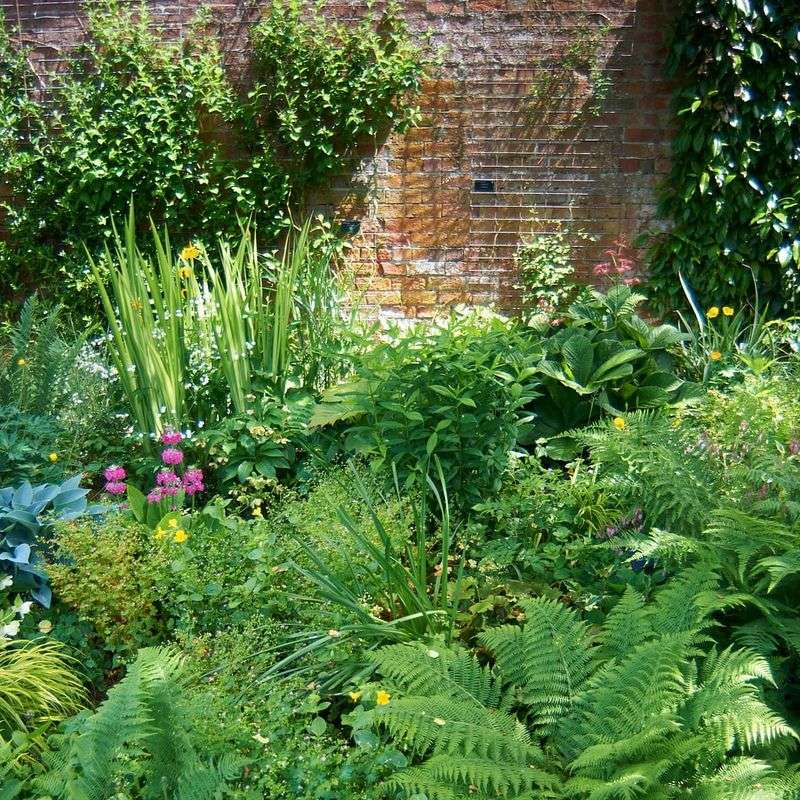
A bed on the north side of the house gets stuck in the shadow of the building for most of the day. Coneflowers planted there simply never bank enough sunlight to fuel a good bloom show.
Six hours of direct sun is the bare minimum these prairie plants want, and eight is even better. North exposures rarely deliver that, especially once nearby structures block the low winter and spring light.
The result is a floppy, flowerless clump that limps along year after year. Reserve north beds for shade lovers and move your echinacea to a brighter aspect.
8. Beneath Roof Drip Lines and Gutters
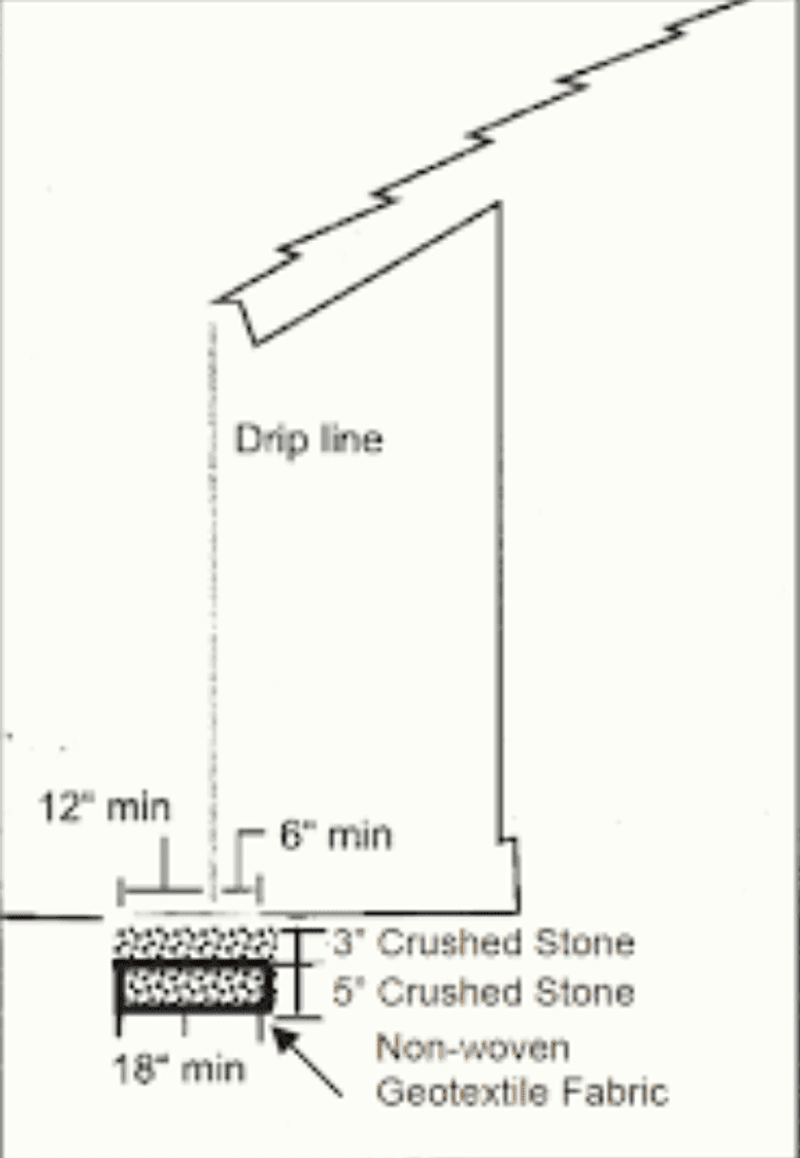
There is a hidden zone right under the edge of your roof where water pours down in sheets during every rain. Coneflowers planted in that drip line get pummeled and waterlogged, then parched during dry spells when the eave shelters them.
The constant pounding batters their stems and splashes soil onto the leaves, spreading disease. Roots sitting in that repeated soak start to rot within a season or two.
Check where your gutters and roof edges shed water before you plant. Shift coneflowers well clear of those channels so they get even, gentle moisture instead.
9. In Constantly Fertilized Vegetable Rows
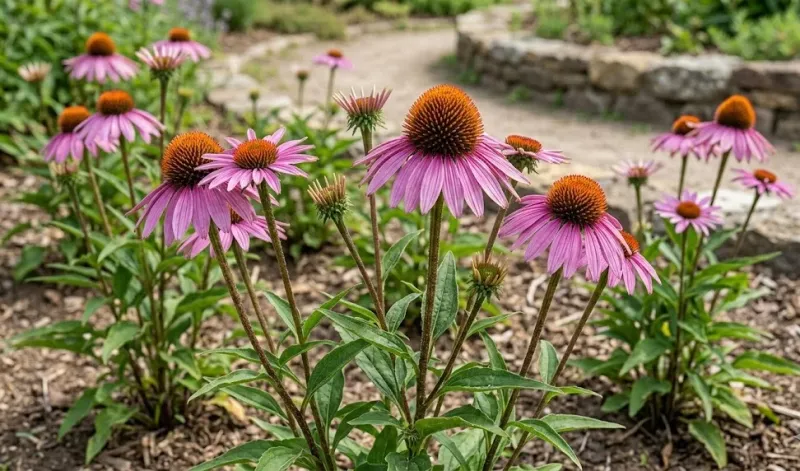
Slotting coneflowers into your rich, well-fed veggie garden feels neighborly, but it backfires. All that nitrogen meant for tomatoes and squash pushes echinacea to grow lush, floppy foliage at the expense of flowers.
Tall, leggy stems tip over under their own leafy weight and rarely stand back up. You end up with a jungle of green and hardly a bloom to enjoy.
Coneflowers evolved on lean prairie soil and actually flower best when a little hungry. Keep them in a separate, unfussed border away from the fertilizer routine.
10. Windy Open Corners Without Support
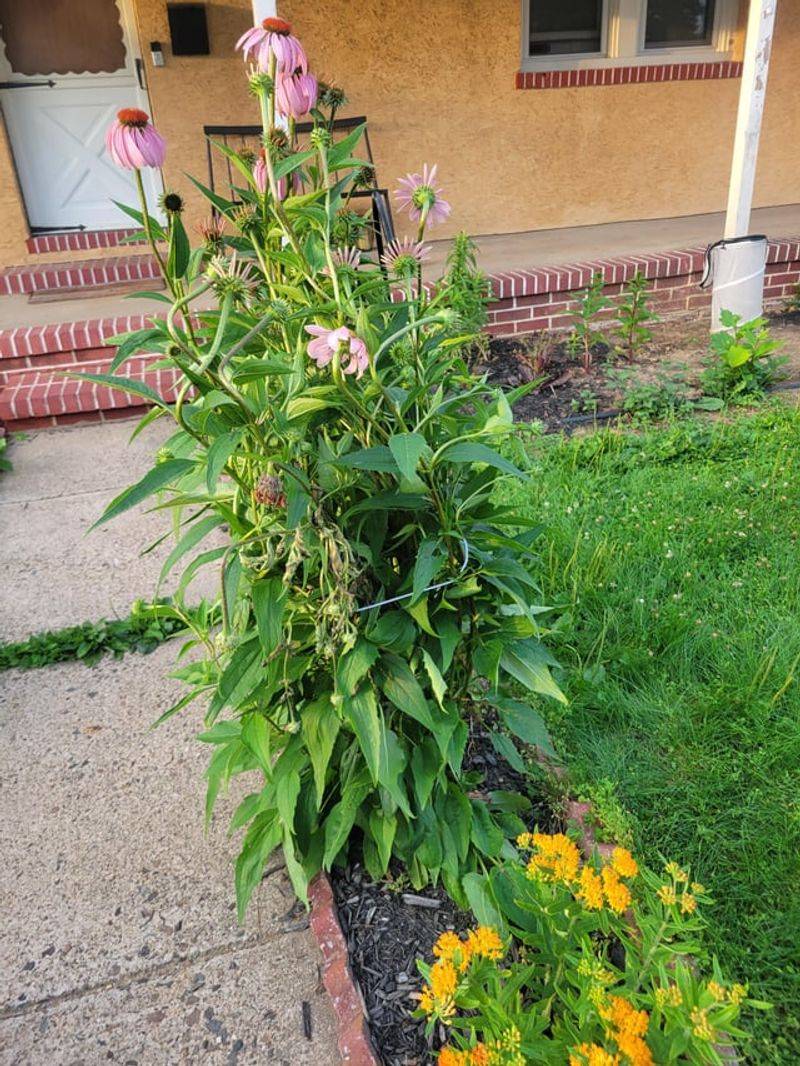
An exposed corner where gusts whip across the yard can snap coneflower stems like dry spaghetti. Tall varieties in particular catch the wind like sails and topple just as the flowers peak.
Broken stems ruin the display and open wounds that invite disease. Repeated thrashing also loosens the root ball, weakening the whole plant over time.
If a windy spot is all you have, choose sturdy compact cultivars and plant them in a tight group so they brace each other. A nearby fence or shrub windbreak helps enormously too.
11. Salt-Splashed Strips Along Driveways
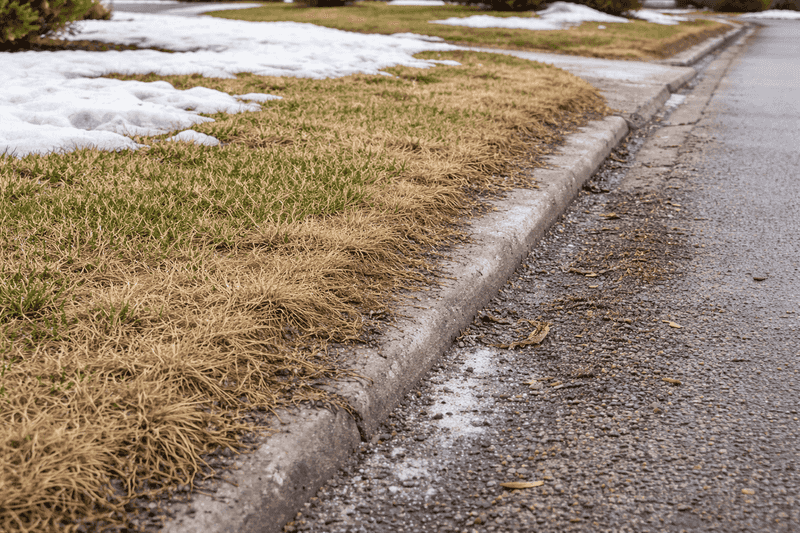
The narrow band beside a driveway or sidewalk takes a beating from winter de-icing salt. Coneflowers are not salt lovers, and that buildup burns their roots and stunts spring growth.
Salty runoff lingers in the soil long after the snow melts, quietly poisoning anything sensitive planted there. Leaf edges brown and curl, and plants often fail to return the following year.
If you must plant near a salted path, flush the soil well in early spring and switch to salt-tolerant options like daylilies. Move your echinacea to a bed the plows and shovels never touch.
12. Fast-Draining Pure Sand With No Organic Matter

Coneflowers like sharp drainage, but there is such a thing as too much of a good thing. Pure sand drains so fast that water and nutrients race straight past the roots before the plant can drink.
Without any organic matter to hold moisture, the plants wilt daily and stay small no matter how often you water. Sandy beds also heat up fiercely, adding to the stress.
The fix is easy: blend in a generous helping of compost to give the sand some sponge. That single amendment turns a starvation bed into a productive one.
13. Right Where Walnut Trees Drop Their Roots
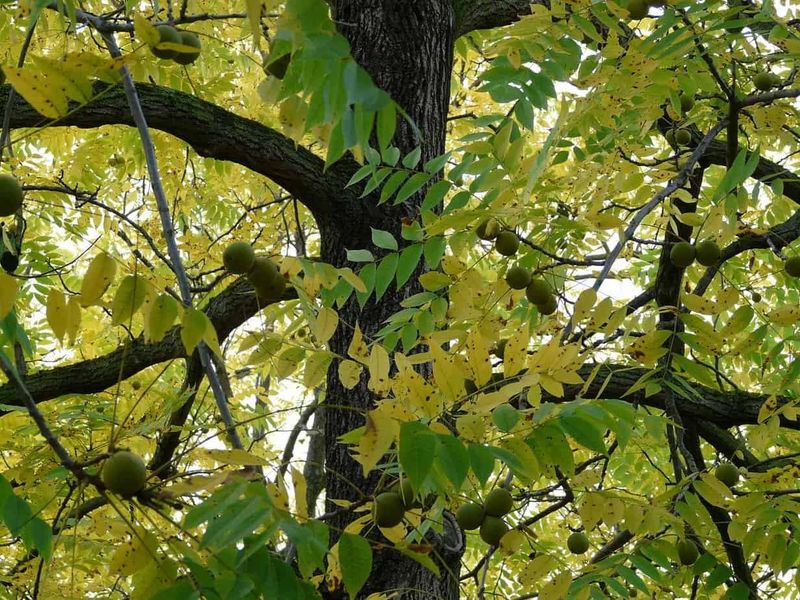
Black walnut trees play a sneaky chemical trick, releasing a compound called juglone from their roots and leaves. Many garden plants wilt and die within that zone, and coneflowers sit on the questionable list.
Even plants that survive often grow poorly, looking yellowed and stunted for reasons that baffle the gardener. The toxin lingers in the soil long after leaves fall or a tree is removed.
Keep coneflowers well outside the root spread of any walnut, which can reach far beyond the branch tips. When in doubt, grow them in containers set on a hard surface nearby instead.
14. Shallow Containers That Dry Out by Noon
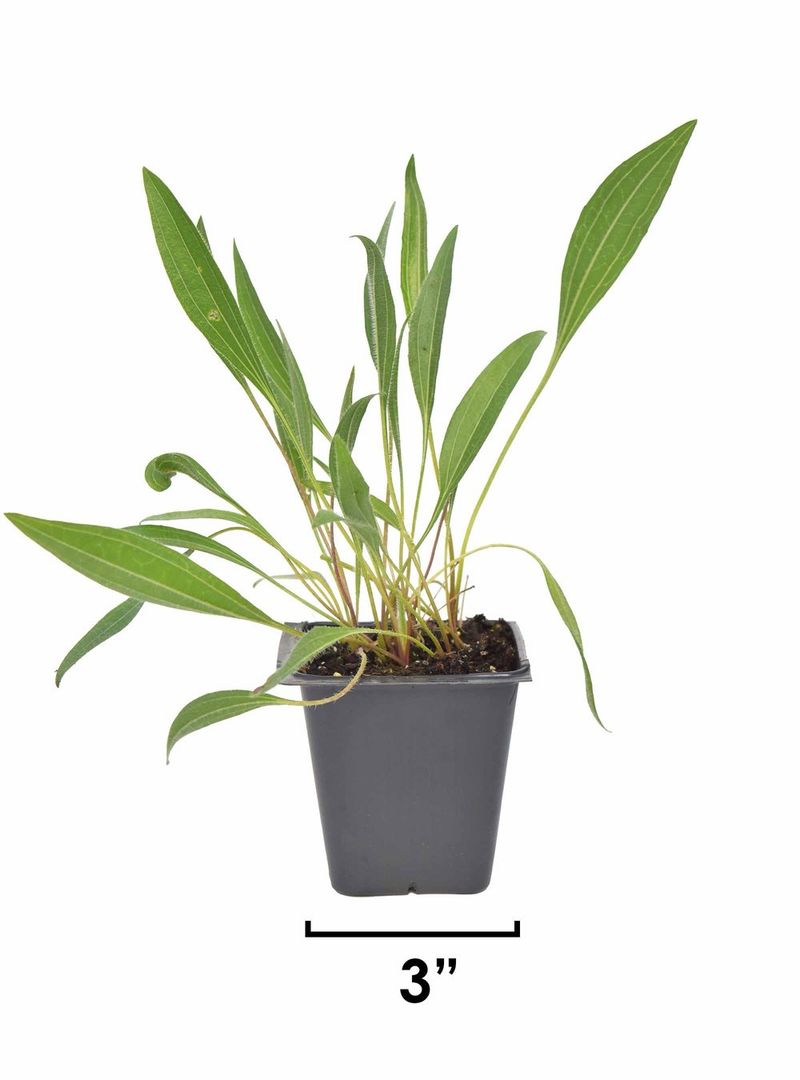
A cute little pot might seem fine for a young coneflower, but these plants send down a surprisingly deep taproot. Cram that root into a shallow container and it circles, bakes, and gives up.
Small pots dry out completely by midday in summer heat, swinging the roots between drought and drowning. The plant burns energy just surviving and never settles into steady growth.
When growing coneflowers in containers, reach for a deep, roomy pot at least a foot across and just as deep. Their roots want room to stretch straight down, not sideways.
15. Tucked Behind Taller Perennials That Block the Light

Layout mistakes sneak up on the best of us, and burying coneflowers behind a wall of taller plants is a common one. Once the neighbors leaf out, they cast a shadow that leaves your echinacea starved for sun all season.
The shaded coneflowers lean forward and stretch, producing floppy stems and a thin scattering of blooms. From the front of the border, you barely notice they exist.
Plan your heights so coneflowers sit toward the front or middle of a bed, never lost behind giants like hollyhocks or ornamental grasses. Give them their own patch of open sky.
16. A Sunny Raised Bed With Lean, Gritty Soil
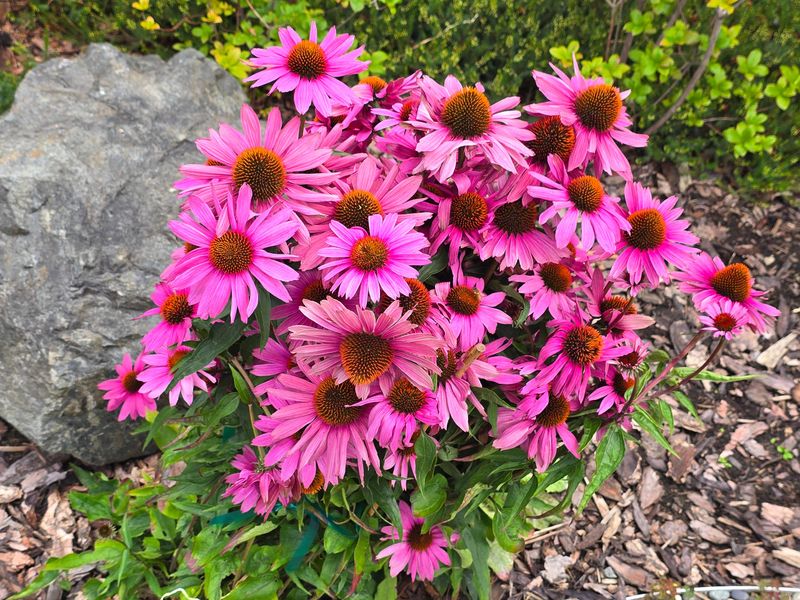
Now for the good news, and this first spot is where coneflowers absolutely shine. A raised bed drains freely, warms early in spring, and keeps the crown high and dry through soggy weather.
Fill it with a lean mix of native soil, compost, and a little grit, and echinacea rewards you with sturdy stems and armloads of bloom. The elevation also puts those cheerful daisies right at eye level.
Pollinators find them easily in an open raised bed, so expect a steady parade of bees and butterflies. It is honestly the setup coneflowers would choose for themselves.
17. A Hot, South-Facing Slope
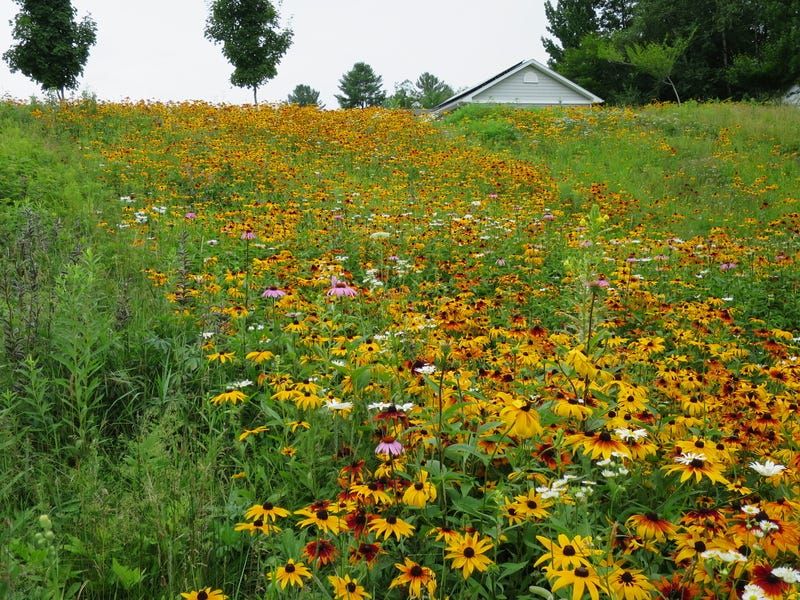
Slopes that most plants find punishing are exactly where coneflowers feel at home. A south-facing incline bakes in full sun and sheds water quickly, mimicking the open prairie hillsides where echinacea evolved.
The drainage is effortless on a slope, so the roots never sit wet even after heavy rain. That fast runoff and generous sunshine translate into strong plants and blooms that keep coming for weeks.
Slopes are notoriously hard to plant, which makes coneflowers a smart pick for erosion-prone banks. Their deep roots grip the soil and hold the hillside together while they bloom.
18. A Neglected Corner You Forget to Water
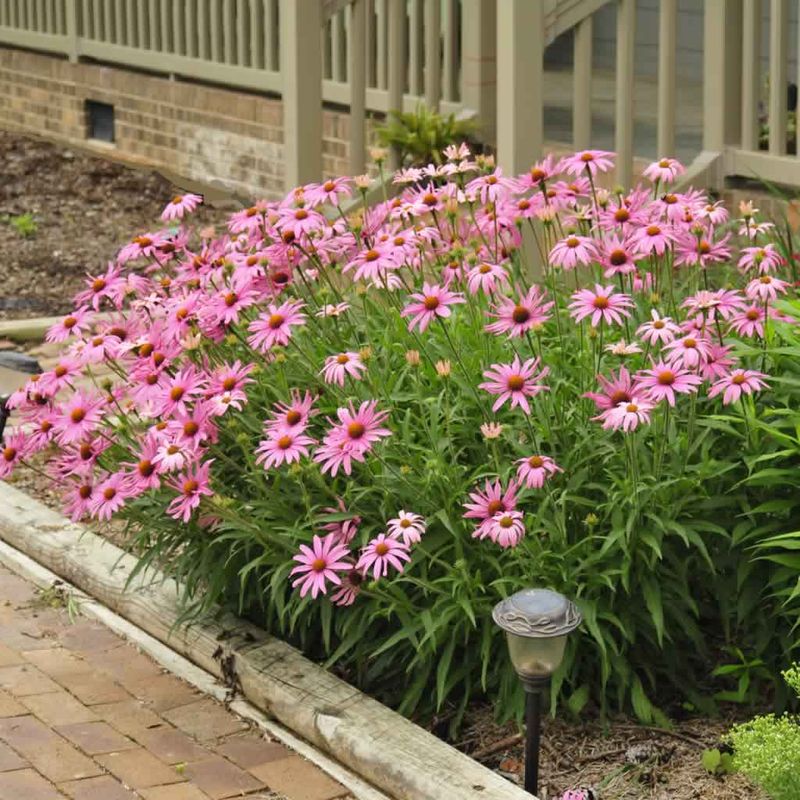
Here is a spot that surprises almost everyone: the dry, ignored corner where nothing else survives. Established coneflowers are genuinely drought tough, and a little neglect often brings out their best flowering.
Too much pampering makes them floppy and lazy, while a lean, dry patch keeps the stems short and the blooms plentiful. Once their taproots reach down deep, they shrug off the dry spells that would flatten fussier flowers.
That forgotten strip by the mailbox or the far fence line can become a low-effort showpiece. Plant, water them the first season to establish, then mostly leave them alone.
19. A Pollinator Meadow Left to Go Natural
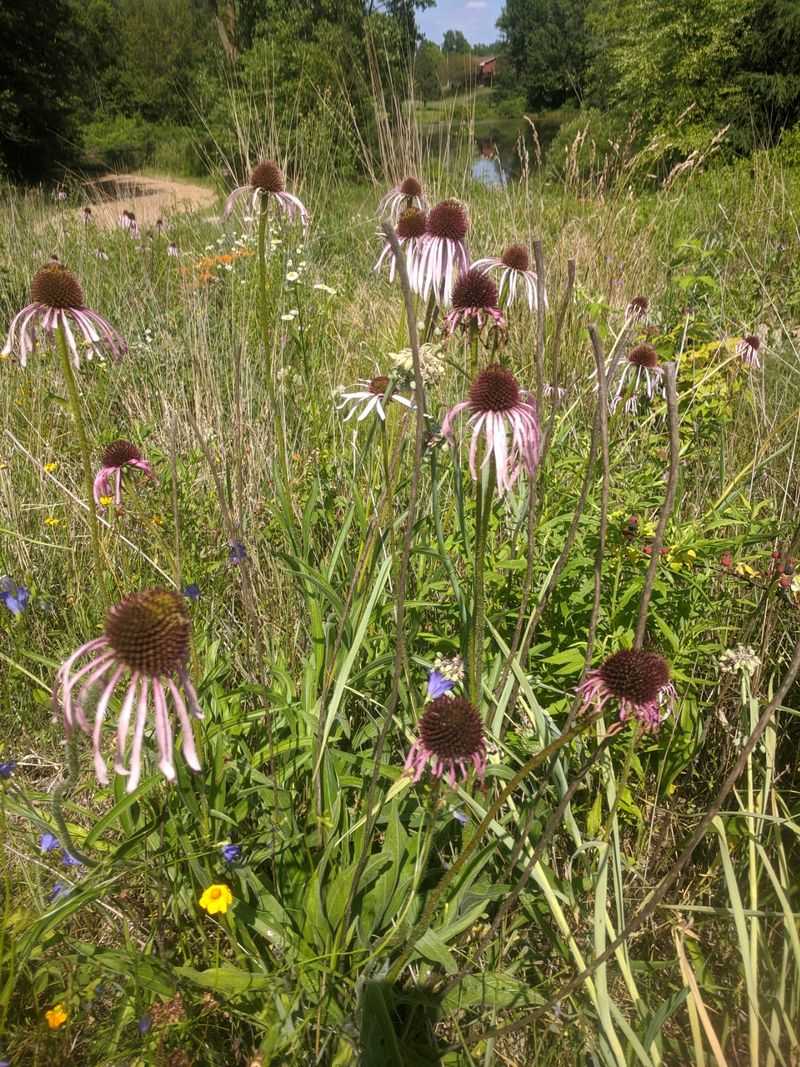
Coneflowers were born for the wild look of a meadow planting, and turning them loose there feels like coming home. Mixed among native grasses and other prairie flowers, they self-sow, spread, and settle into a rhythm that needs almost no help from you.
The grasses provide natural support, so those tall stems lean on their neighbors instead of flopping. Seed heads left standing feed goldfinches through fall and winter, adding life long after the petals drop.
A meadow lets echinacea do what it does best, growing in loose drifts that pulse with bees and butterflies. Skip the tidy edging, let it ramble, and enjoy the wildest, easiest coneflowers you will ever grow.