
15 Shrubs That Give Hungry Winter Birds Berries Right Outside Your Window All Season
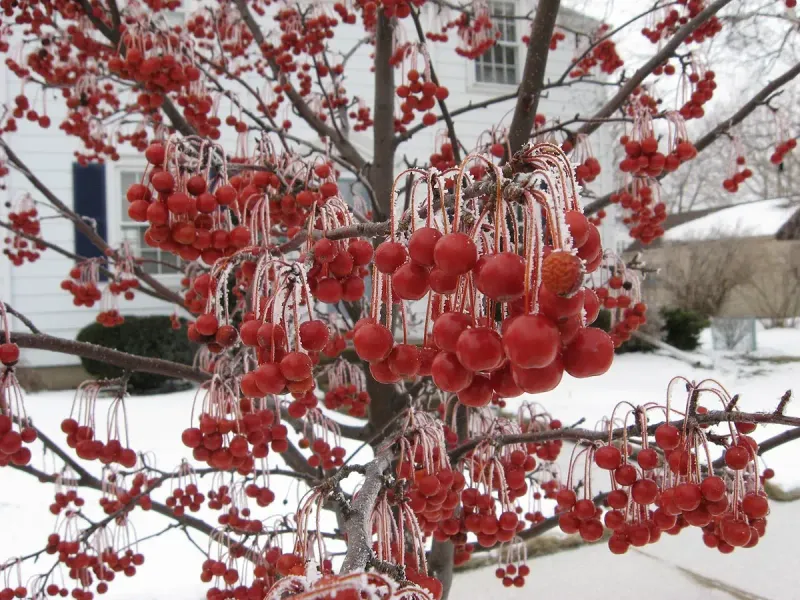
When snow covers the ground, birds have a hard time finding food. Bugs are gone, seeds are buried, and many birds go hungry on the coldest days.
The good news is that the right shrubs can hold onto their berries for months, turning your yard into a winter snack bar you can watch from your kitchen window. Here are 15 shrubs that keep feeding birds long after the garden goes quiet.
1. Winterberry Holly
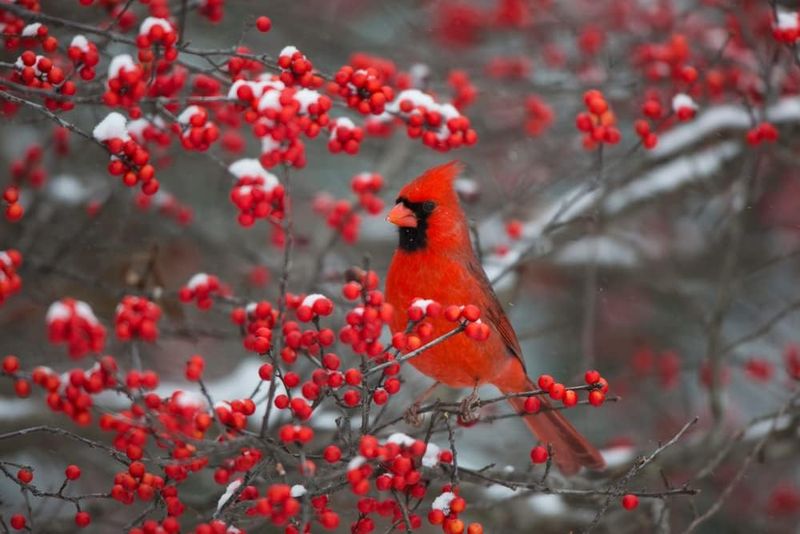
Picture a gray January morning, and then a shrub glowing with red berries like holiday lights. Winterberry drops its leaves in fall, so nothing hides the fruit.
More than 40 bird species eat these berries, including robins, bluebirds, cardinals, and cedar waxwings. A flock of waxwings can strip a bush in an afternoon, which is a show worth watching.
Here is the catch most new growers miss. Winterberry needs a male plant nearby to make berries on the female plants.
One male can serve about five to ten females, so ask your nursery for a matching pollinator when you buy.
2. Red Chokeberry
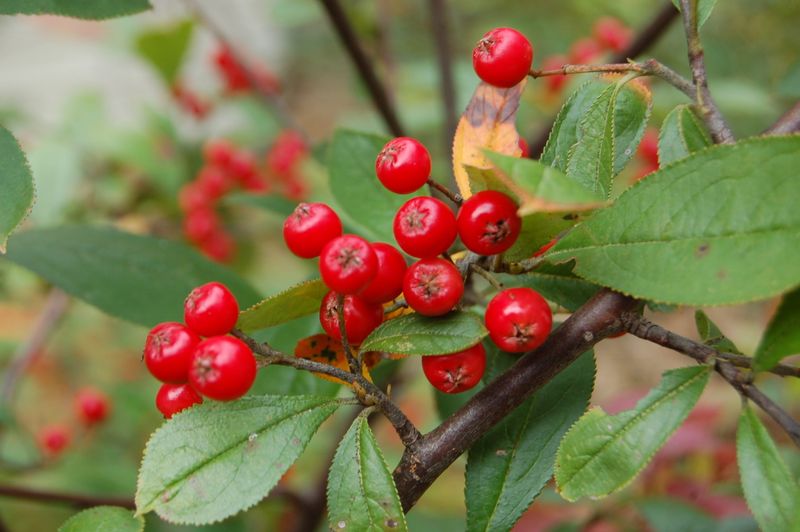
Birds can be picky eaters, and red chokeberry uses that to your advantage. Its berries taste bitter at first, so birds mostly ignore them in fall.
After a few rounds of freezing and thawing, the fruit softens and sweetens. That means the berries are still hanging around in late winter, right when other food has run out.
Thrushes, flickers, thrashers, and waxwings all come calling.
The shrub itself is tough and forgiving. It handles wet spots, clay soil, and partial shade, and its fall leaves turn a fiery red that rivals any maple.
3. Northern Bayberry
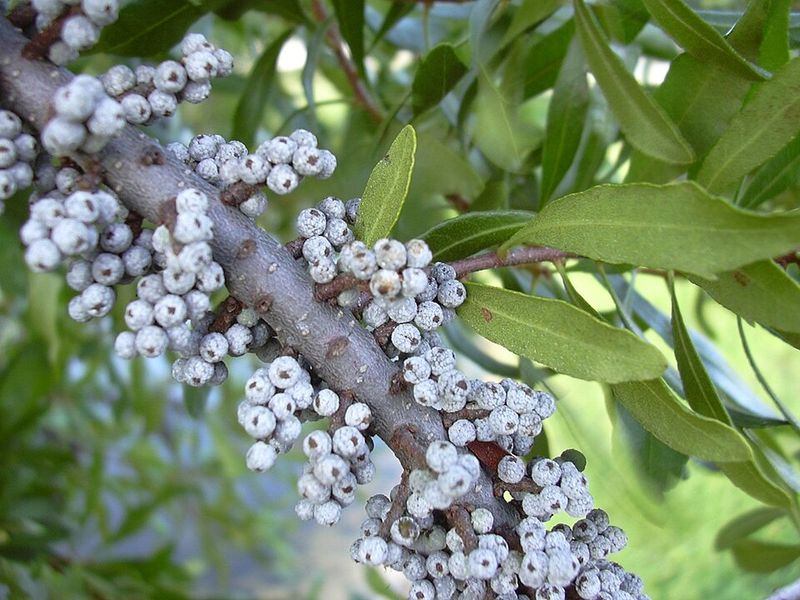
Colonial families once boiled bayberries to make fragrant candles. Birds have a better use for that wax: fuel.
The small gray-blue berries are packed with fat, which helps birds stay warm through long, freezing nights. Yellow-rumped warblers are especially good at digesting the waxy coating, and some stay farther north in winter partly because of bayberry.
Bayberry grows in poor, sandy soil and shrugs off salt spray, so it works near driveways and roads. Like winterberry, you need both male and female plants for fruit.
The leaves smell lovely when crushed, too.
4. Staghorn Sumac
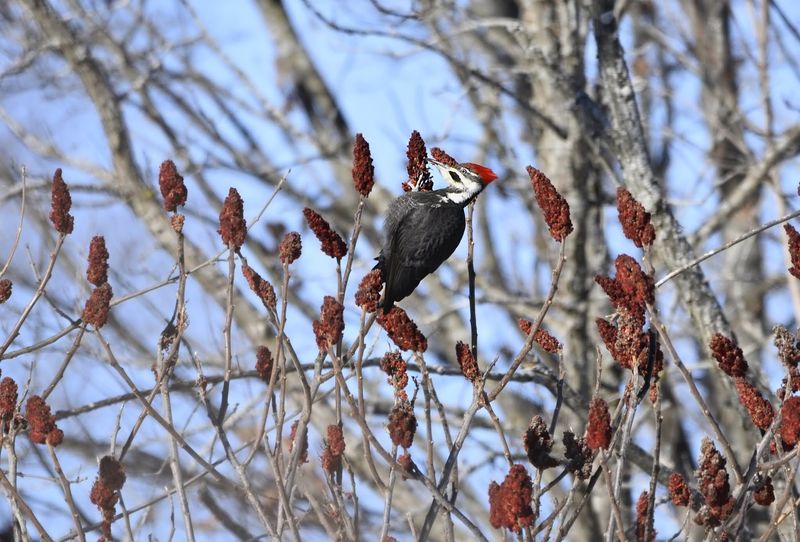
Think of sumac as the emergency pantry of the bird world. Its fuzzy, cone-shaped red clusters stand upright all winter, and birds often save them for last.
When deep snow and ice lock away everything else, bluebirds, robins, and even wild turkeys turn to sumac. It may not be their favorite meal, but it can be the one that gets them through a rough week.
One warning: staghorn and smooth sumac spread by roots. Give them room at the back of a yard or slope.
The harmless red-fruited kinds are not poison sumac, which has white berries and grows in swamps.
5. Hawthorn
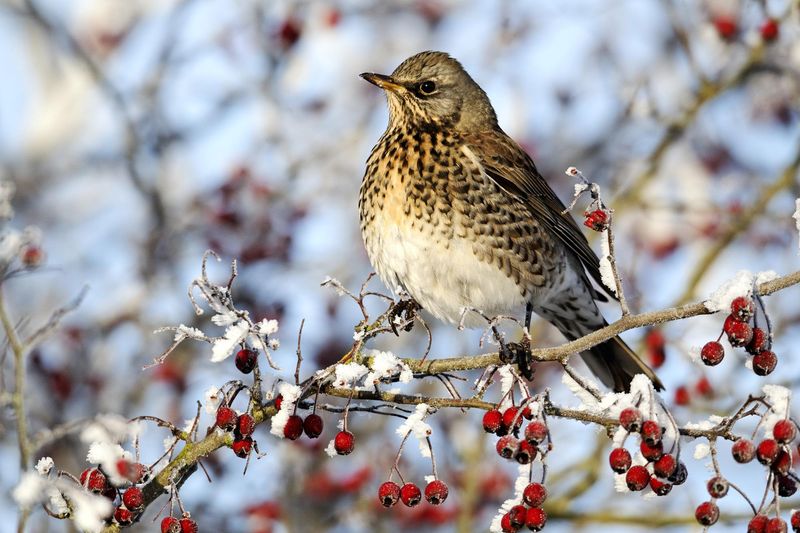
Those thorns are not a flaw. They are a feature birds love.
Hawthorn makes small red fruits called haws that ripen in fall and often cling on well into winter. Robins, cedar waxwings, and pine grosbeaks feast on them, while the sharp branches keep hawks and cats from sneaking close.
Many birds also nest in hawthorn come spring, so you get year-round visitors. Plant it away from walkways where little hands might grab a branch.
Thornless types like ‘Crusader’ cockspur hawthorn offer a gentler option.
6. Inkberry Holly
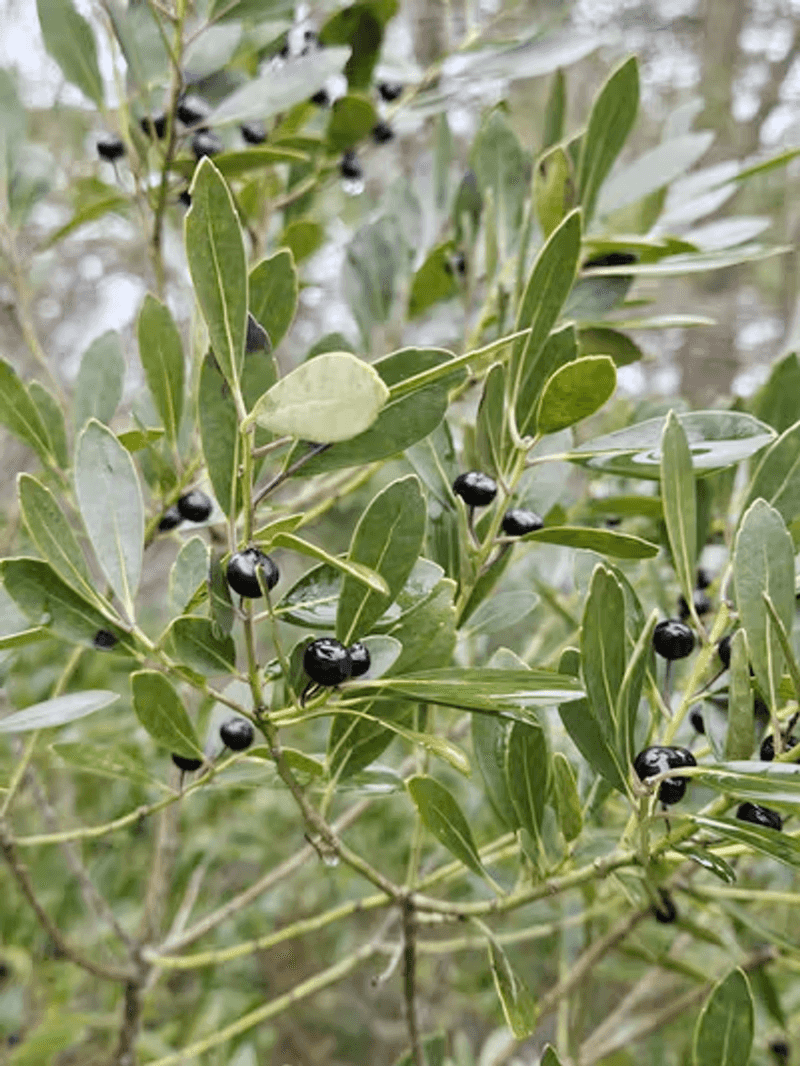
Not every shrub needs to shout. Inkberry stays green all year and quietly offers small, glossy black berries tucked among its leaves.
The real gift is two in one. Birds get a snack and a place to hide from wind and predators in the same spot, which matters a lot on bitter nights.
Inkberry is a great choice if you wanted boxwood but worry about boxwood blight. It fits neatly along foundations and handles wet soil.
Choose a female variety and keep a male nearby for berries.
7. American Beautyberry
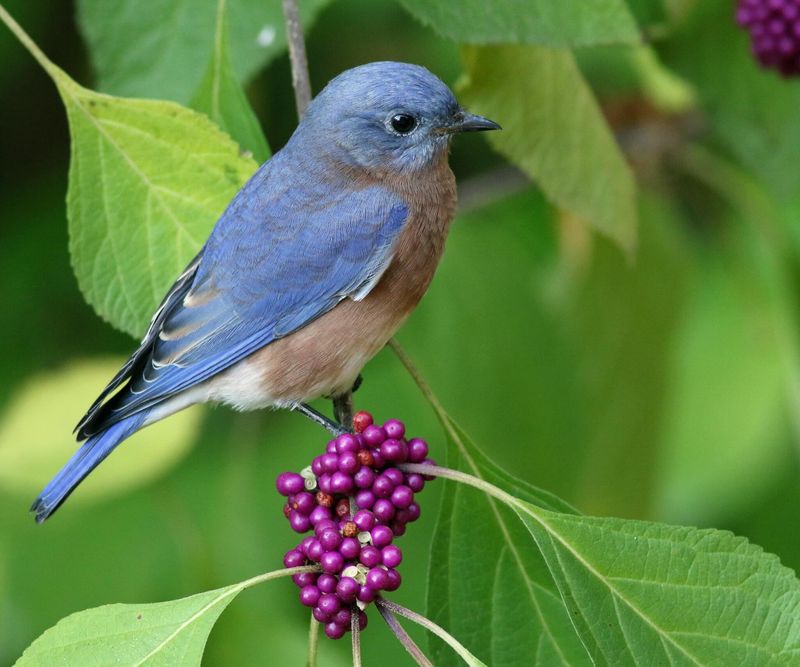
Neighbors will stop and ask if those purple berries are real. They are, and they look almost painted on.
Beautyberry wraps its arching stems in bright violet clusters that can last into midwinter. Mockingbirds, catbirds, and brown thrashers gobble them up, especially across the Southeast where the shrub grows wild.
Fun fact: old-time farmers rubbed crushed leaves on their skin to help keep mosquitoes away, and scientists later found compounds in the plant that may help repel bugs. Cut it back hard in late winter, since it blooms and fruits on new growth.
8. Eastern Red Cedar
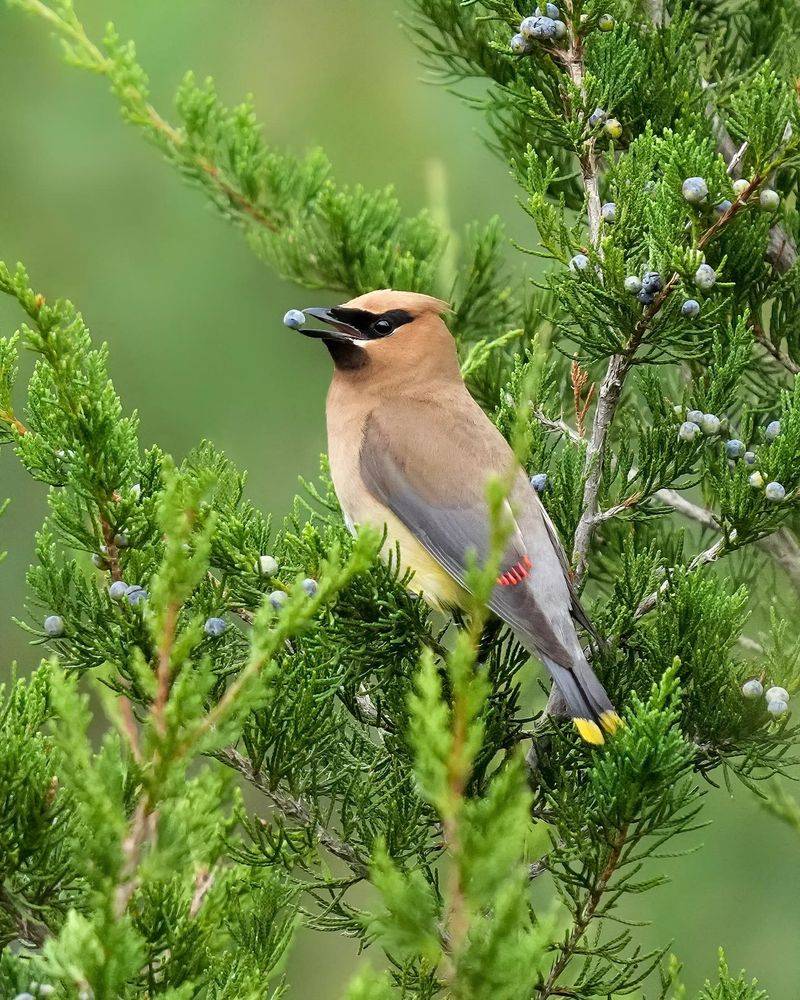
The cedar waxwing literally carries this plant in its name. That tells you how much birds adore it.
Eastern red cedar is a small evergreen tree that often acts like a big shrub. Its blue, berry-like cones stay soft through winter and feed waxwings, hermit thrushes, and yellow-rumped warblers.
Thick needles also give birds a warm roosting spot on snowy nights. It thrives in dry, rocky ground where little else grows.
If you grow apples nearby, know that cedar can host cedar-apple rust, so keep some distance between them.
9. American Cranberrybush Viburnum
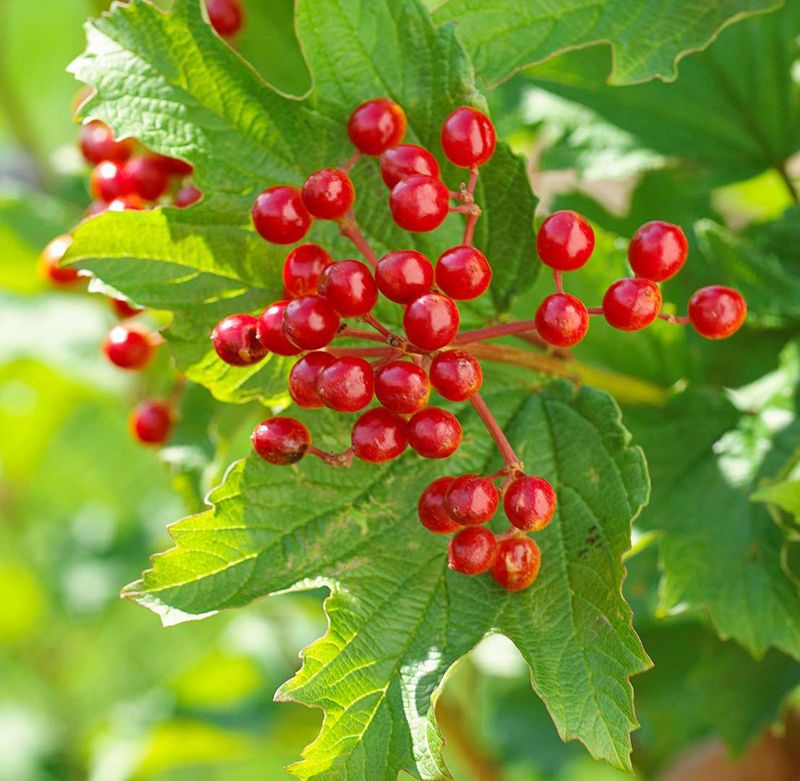
Some berries are eaten right away. Cranberrybush viburnum plays the long game.
Its glossy red fruit clusters look like cranberries and hang on through winter, often until late in the season. Birds tend to leave them until other food is scarce, so they work like a backup supply when you need it most.
Viburnums come in many forms, including nannyberry and arrowwood, with berries in red, blue, and black. Planting two or three types can stretch the feeding season.
Grow more than one plant of the same kind for better fruit.
10. Red Twig Dogwood
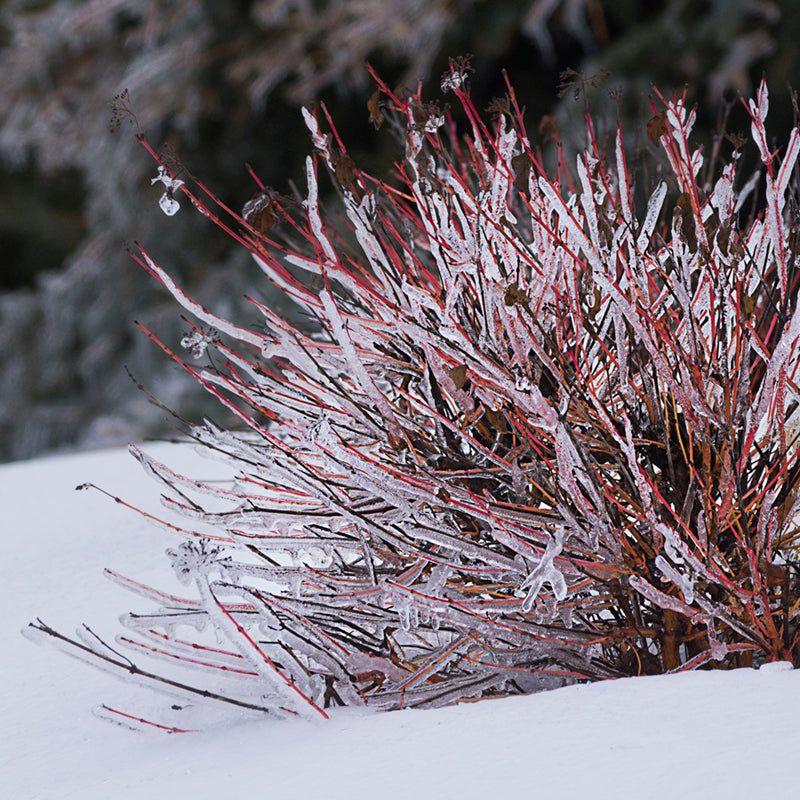
Bright red stems against fresh snow make this shrub a winter favorite even without birds. Add the birds, and it gets better.
In late summer it makes clusters of bluish-white berries. Many get eaten in fall, but some hang on into colder months for thrushes, cardinals, and other hungry visitors.
Easy tip: the youngest stems have the reddest color. Each spring, cut about a third of the oldest stems to the ground.
Your shrub stays bright, tidy, and full of fresh growth for next year.
11. Snowberry
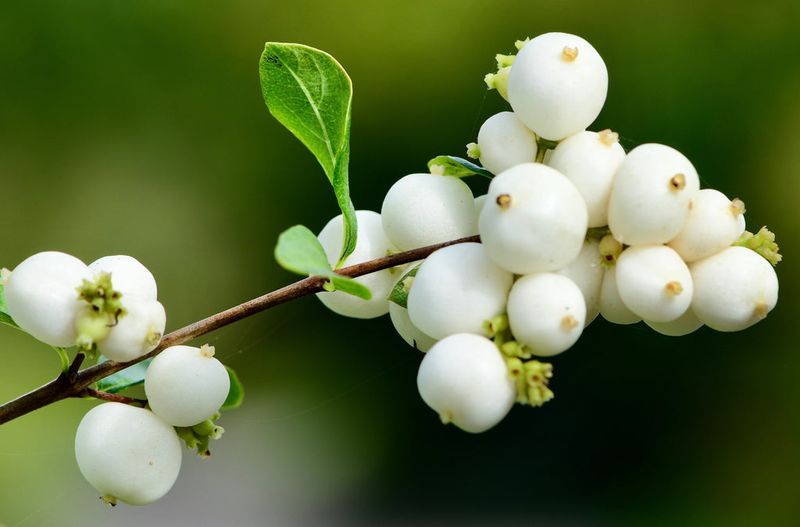
Round white berries dangle like tiny pearls from bare twigs. Kids often call snowberry the marshmallow bush.
The fruit hangs on well into winter and draws towhees, thrushes, robins, and waxwings. Ground-feeding birds also scratch for fallen berries underneath.
Snowberry grows in shade, dry soil, and on slopes, places where many shrubs sulk. One caution: the berries are not safe for people to eat, so teach curious children to look but not taste.
12. Coralberry
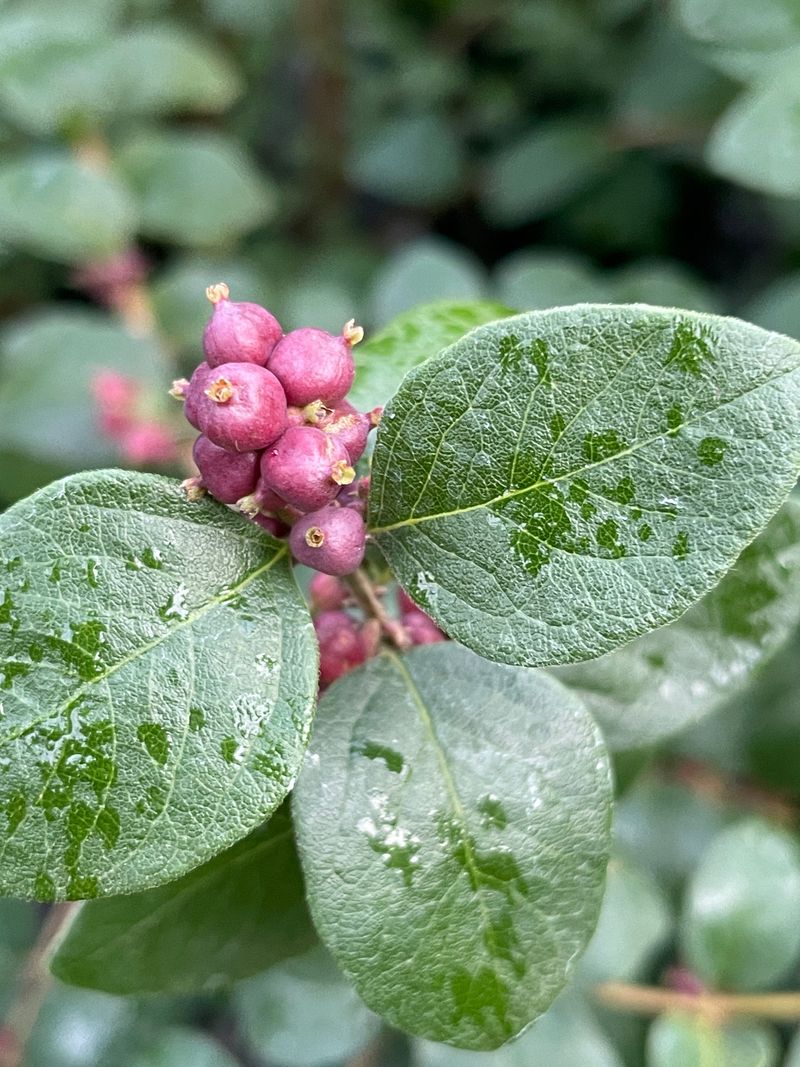
Snowberry has a colorful cousin. Coralberry swaps white fruit for clusters of rosy, coral-purple berries along its low, arching stems.
The berries stick around through winter and become a lifeline when other choices are gone. Bluebirds, robins, and quail are among the birds that will nibble.
Coralberry stays fairly short and spreads into a thicket, which makes it handy for holding soil on banks. It tolerates shade and poor soil, so it can fill those tough corners where nothing else seems to work.
13. Oregon Grape
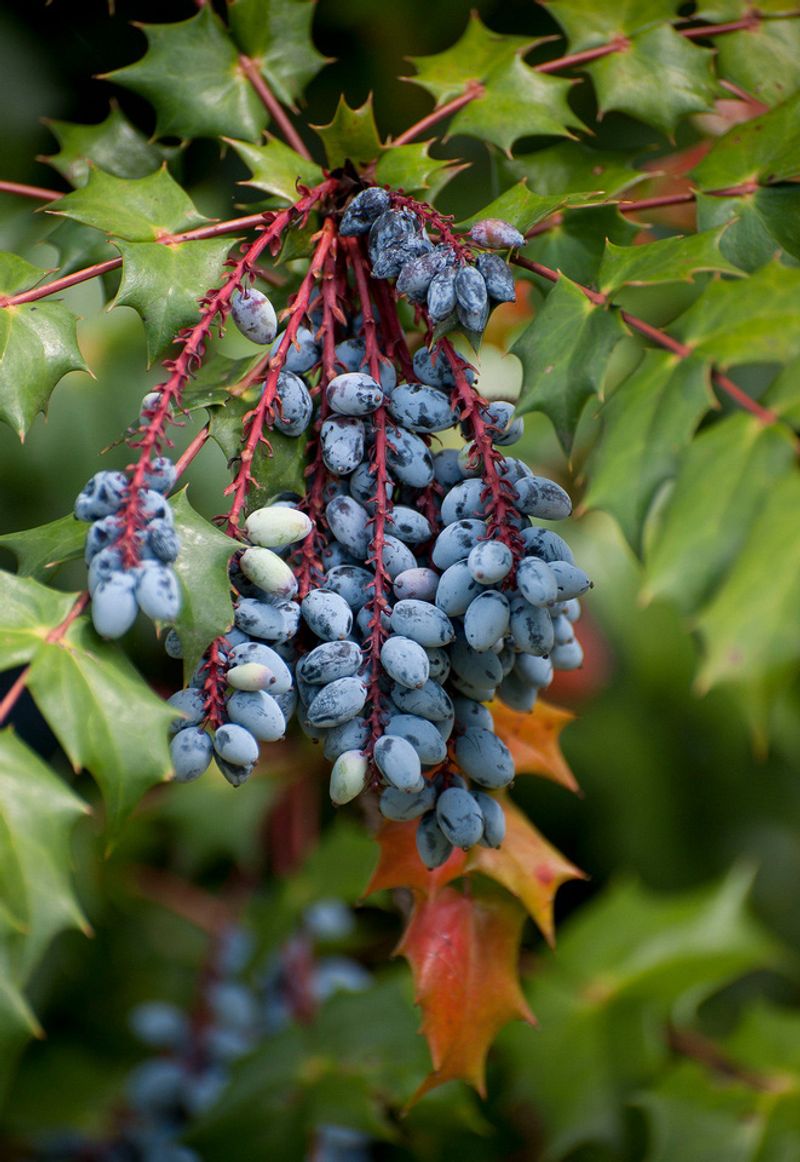
Spiky leaves that look like holly, plus fruit that looks like tiny grapes. Oregon grape is a bit of a mix-up in the best way.
Its dusty blue-black berries feed robins, waxwings, juncos, and sparrows, while the evergreen leaves turn bronze or purple in cold weather. In late winter, yellow flowers show up early for the first bees.
Native to the West, Oregon grape handles shade and dry spots under trees. It’s the state flower of Oregon, which says plenty about how loved it is there.
14. Virginia Rose
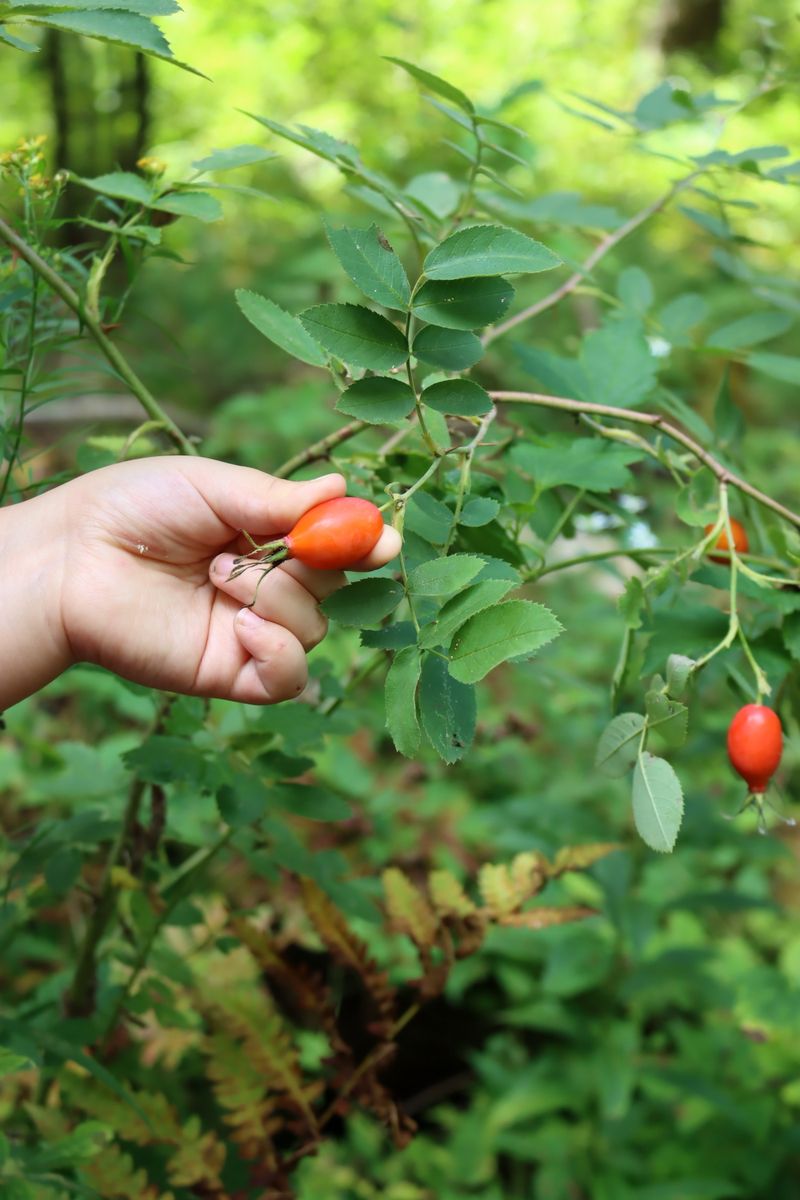
Most people deadhead roses all summer. Leave some flowers on a native rose, and you get a winter bonus.
Virginia rose and pasture rose form shiny red hips that hold on through fall and winter. They often become a key meal late in the season, after flashier berries have been eaten.
Mockingbirds, bluebirds, and grosbeaks are fans.
These natives are far tougher than fussy hybrid teas, with fewer disease problems. Skip invasive multiflora rose, which can take over woods.
Stick with native species for a safe pick.
15. Crabapple
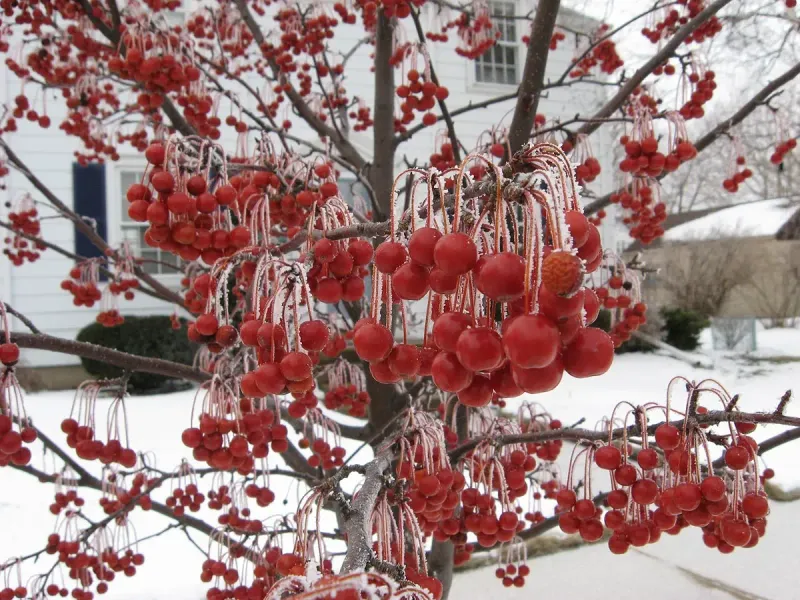
Spring blossoms are only the opening act. The real reward arrives when tiny fruits glow on bare branches in January.
Many crabapples can be grown as large shrubs. Small-fruited types like ‘Donald Wyman’ and ‘Red Jewel’ hold their red fruit well into winter, giving robins, waxwings, and bluebirds a big energy boost.
Pick a variety with fruit smaller than half an inch, since birds can swallow those easily. Look for disease-resistant types too, and you’ll have fewer spotted leaves to worry about in summer.
Whichever shrubs you choose, a mix of a few kinds keeps berries coming from fall to spring, so your window always has a show.