
Fig Tree Pruning Done Now Sets Up Next Summer’s Crop – 11 Cuts That Help And 3 That Hurt
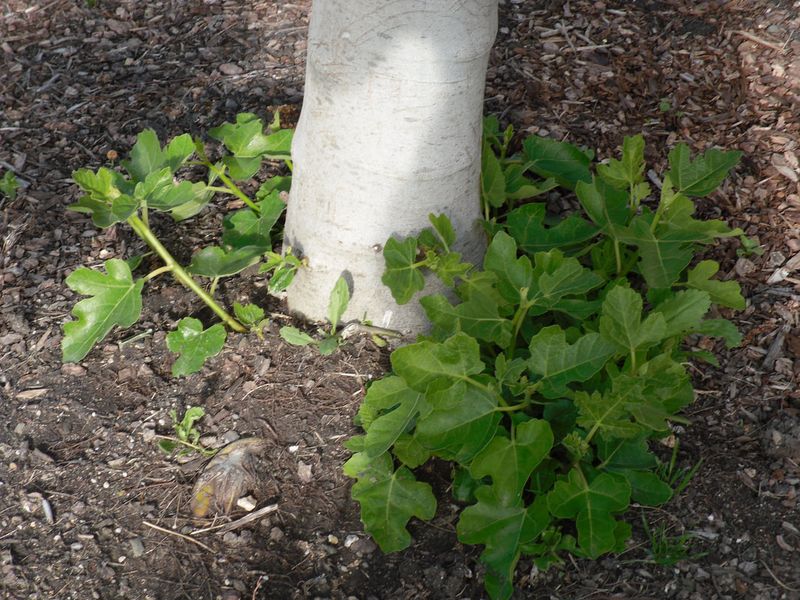
Your fig tree is quietly deciding right now how many figs it will hand you next summer. The cuts you make while it rests can mean buckets of sweet fruit or a sad handful of hard green ones.
The good news is that pruning a fig is simpler than most people fear, and you only need sharp pruners and a little know-how. Here are 11 cuts that help your tree and 3 that can quietly ruin your harvest.
1. Remove Dead, Broken, or Diseased Wood
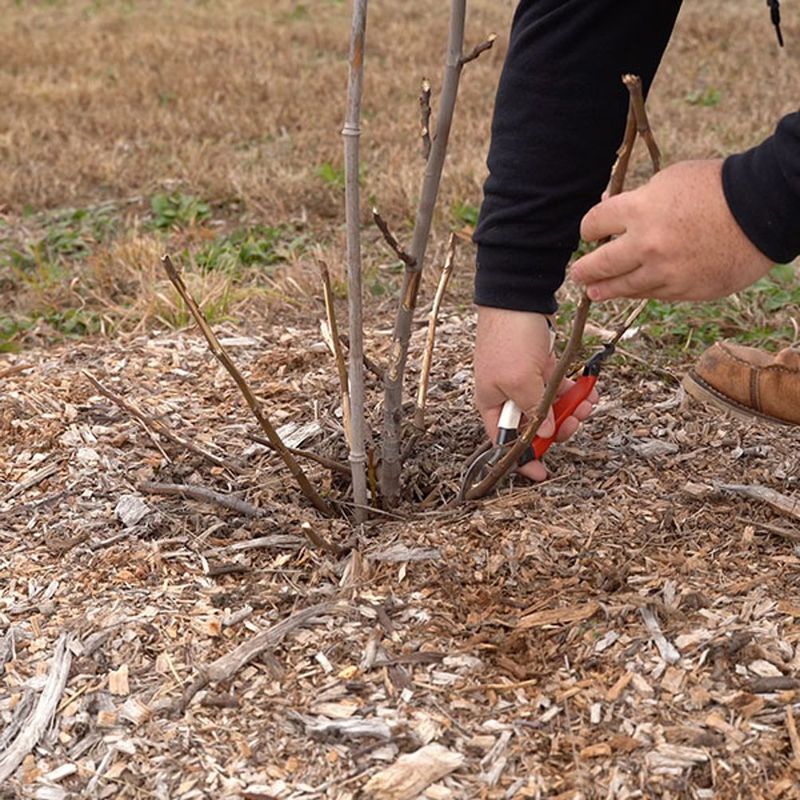
Start with the easy wins. Dead wood on a fig looks gray, brittle, and snaps instead of bending, and it’s doing your tree zero favors.
Scratch the bark lightly with a fingernail. Green underneath means alive, while brown and dry means it can go.
Cut back to healthy wood, just above a bud or side branch.
Broken limbs from storms and branches with sunken, cracked, or oozing patches also belong on the cut list. Wipe your blades with rubbing alcohol between cuts on sick wood so you don’t carry problems around the tree.
You can do this cleanup any time of year, but bare winter branches make the trouble spots much easier to see.
2. Eliminate Suckers
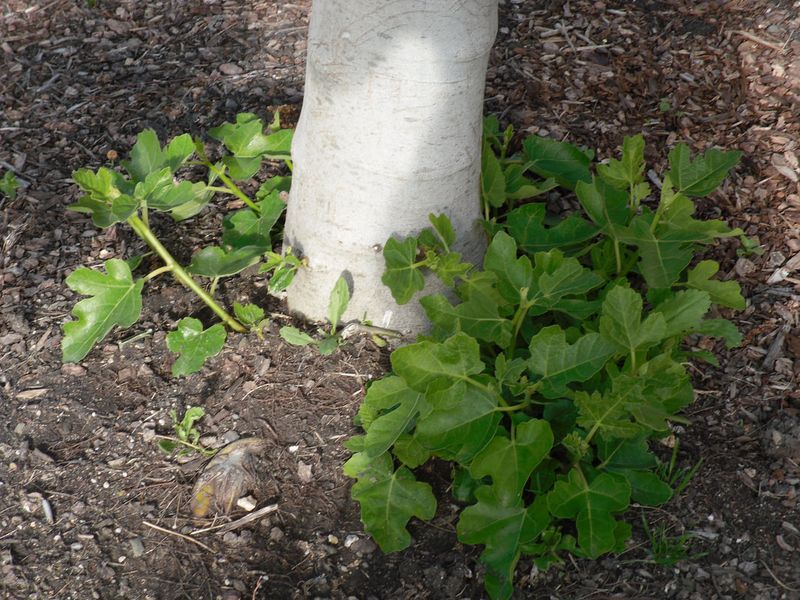
Ever notice skinny shoots popping up around the bottom of your fig like uninvited party guests? Those are suckers, and they’re hungry.
Each one pulls water and energy that could be swelling figs up in the branches. Clip them as close to where they start as you can, even brushing back a little soil to get at the base.
One exception: if you grow your fig as a multi-stem bush in a cold area, you might keep one or two strong suckers as backup trunks. Otherwise, snip them every time you spot them, spring through fall.
3. Thin Crowded Interior Growth
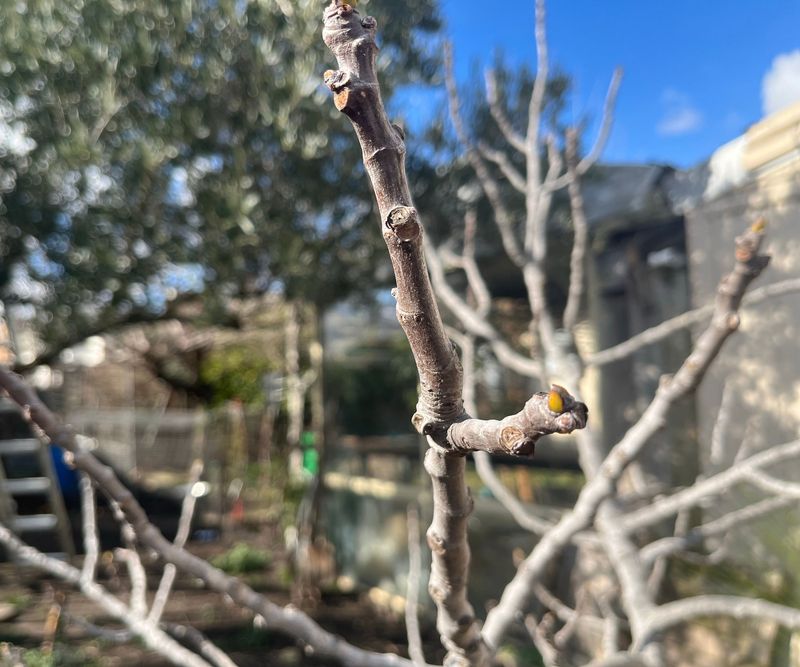
Figs love sunshine the way cats love a warm windowsill. When the middle of the tree turns into a tangle, the inner fruit sits in shade and ripens slowly, if at all.
Look for branches pointing back toward the trunk, and pairs that cross and rub. Pick the weaker one and remove it at its base.
The payoff goes beyond sweeter figs. Better airflow helps leaves dry faster after rain, which can reduce problems like fig rust.
A quick rule: if you can’t see daylight through the center, keep thinning a bit.
4. Open Up the Canopy Into a Vase Shape
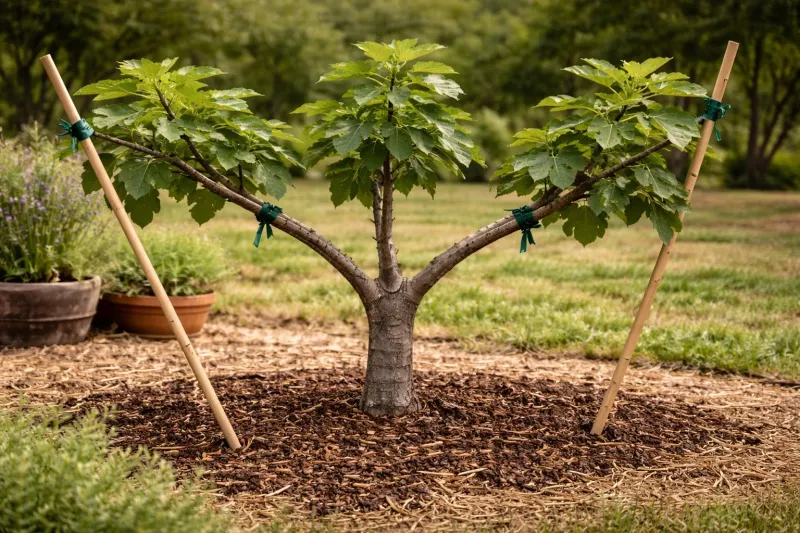
Picture a wide bowl with an open middle. That’s the shape many orchard growers aim for, and it works beautifully on backyard figs too.
A vase form lets light reach every limb and makes picking easier because you can step close and reach in. It also keeps branches spread out so heavy fruit loads don’t pile onto one spot.
You don’t need to get it perfect in one winter. Nudge the tree toward that shape a little each year, removing a branch here and there that clogs the center.
5. Lower the Height Selectively
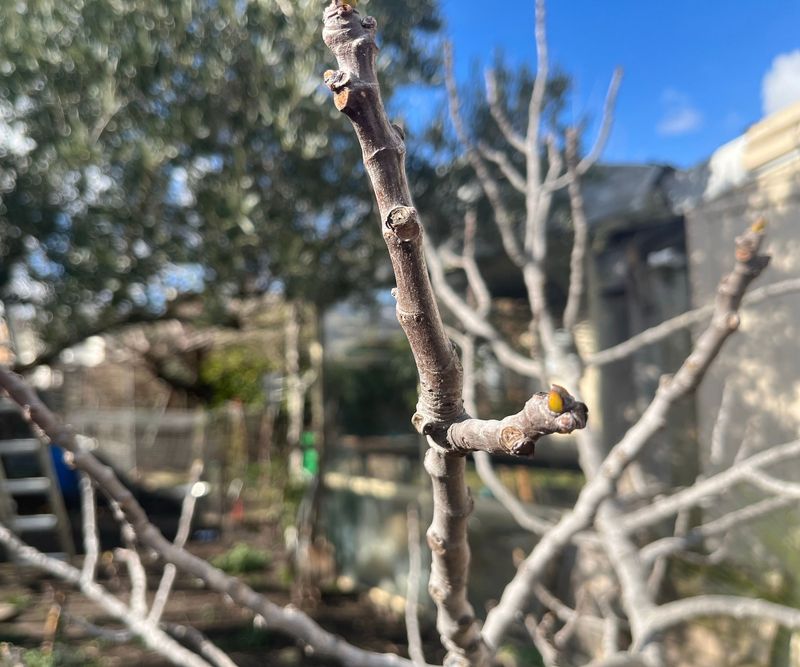
A fig that towers over the fence mostly feeds the birds. If you need a ladder to reach your fruit, it’s time to bring the tree down to earth.
Follow a too-tall limb down to a strong side branch that points outward, then cut just above it. That side branch takes over as the new tip, so the tree stays natural looking instead of chopped.
Skip the flat-top haircut, which triggers a mess of weak upright shoots. Lowering a few limbs per year keeps things tidy and sturdy.
6. Choose Scaffold Branches on Young Trees
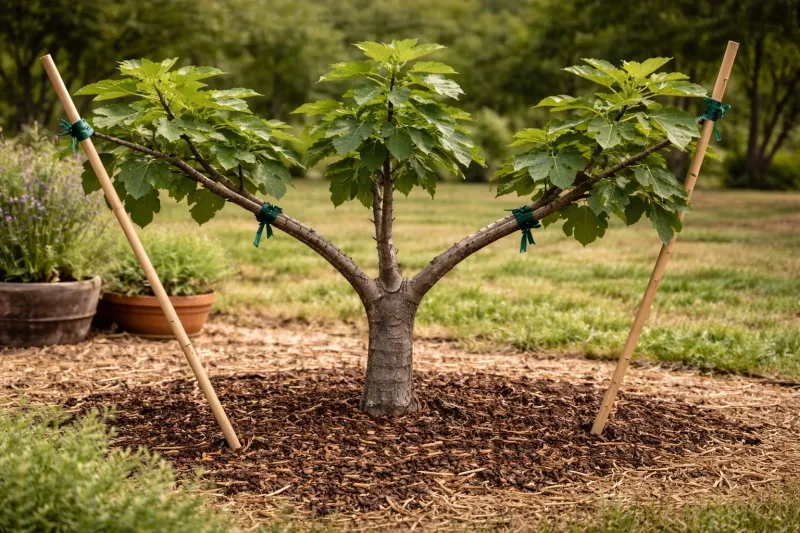
Think of a young fig like a kid picking a sturdy backpack. The frame you choose now carries every crop for decades.
Pick 4 to 6 healthy branches spaced around the trunk that grow out at roughly a 45-degree angle. Those become your scaffold limbs, and everything else competing with them can be removed.
Fun fact: figs have been grown for over 11,000 years, possibly making them one of the first domesticated crops. Ancient growers figured out that a good framework early means easy harvests later.
7. Cut Back Main Branches in Year One
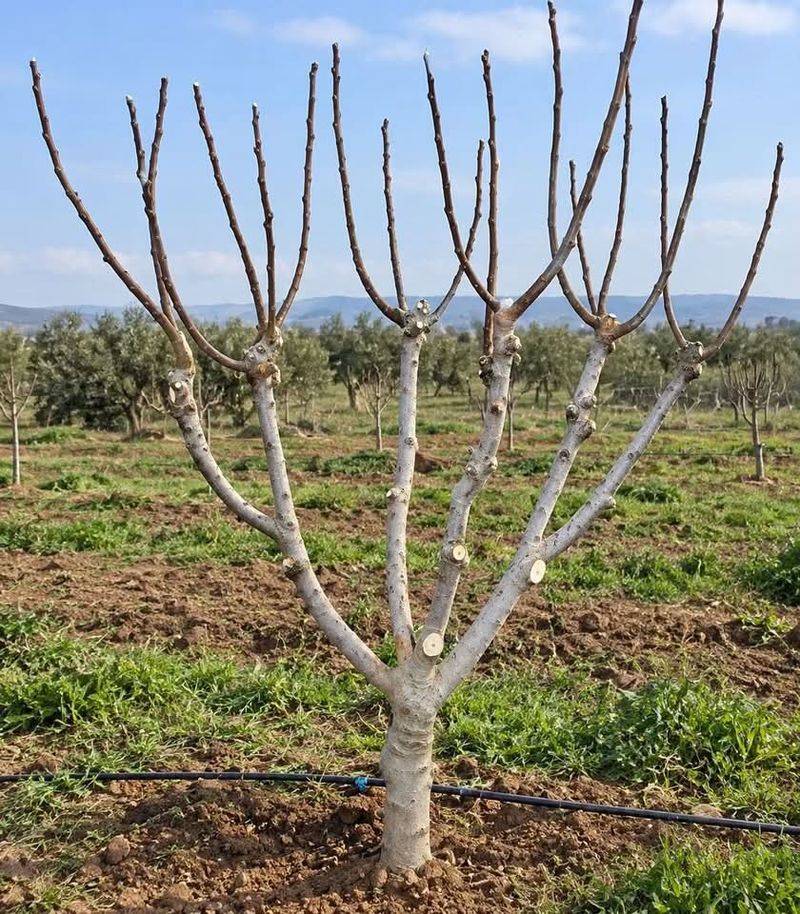
It feels backward to cut a baby tree you just planted. Stick with it, because this one move pays off.
During the first dormant season, shorten each chosen main branch by one-third to one-half. The tree responds by putting energy into roots and pushing out new side shoots.
More side shoots means more places for figs to form down the road. Yes, you may give up a few early fruits, but your tree will be fuller and stronger by year three.
8. Shorten Last Year’s Fruiting Wood
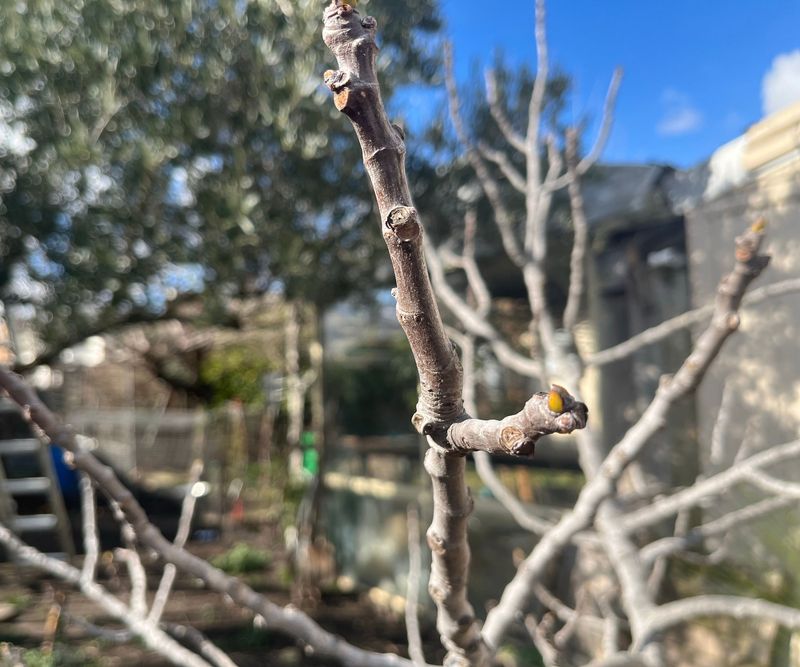
Here’s the cut that matters most for that big late-summer harvest. Most of the main fig crop grows on new shoots that sprout this coming spring.
On mature trees, trim branches that grew last year back by about one-third. Cut just above a bud facing the direction you want new growth to go.
That cut wakes up buds lower on the branch, giving you a flush of fresh shoots loaded with fruit. Don’t trim every branch this way, though, for reasons you’ll see in the cuts that hurt.
9. Pinch New Shoot Tips in Early Summer
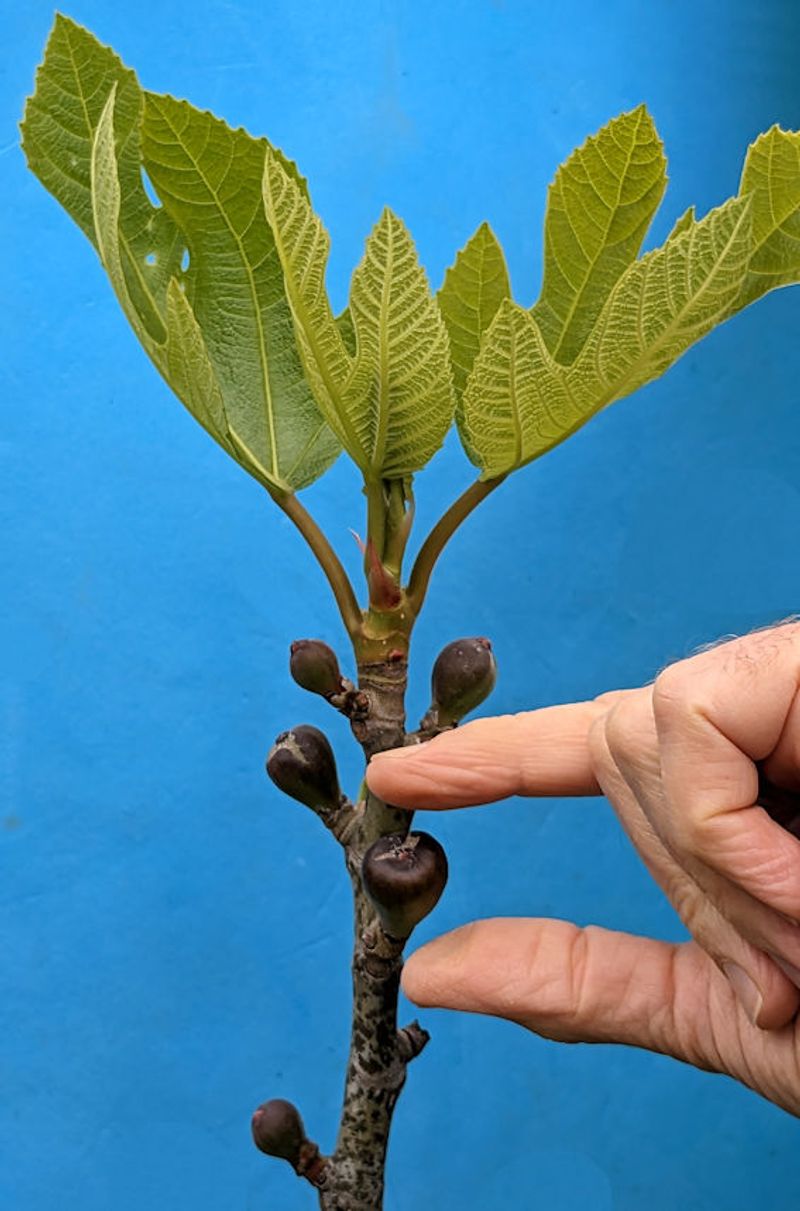
No tools needed for this one, just your thumb and finger. It’s the sneaky trick experienced fig growers swear by.
In early summer, once a new shoot has five or six leaves, pinch off its soft tip. That encourages branching and can trigger tiny embryo figs that ripen as next year’s early breba crop.
Stop by midsummer. Pinching too late pushes tender growth that winter cold may damage, especially in cooler parts of the country.
10. Prune Long, Bare Branches Hard
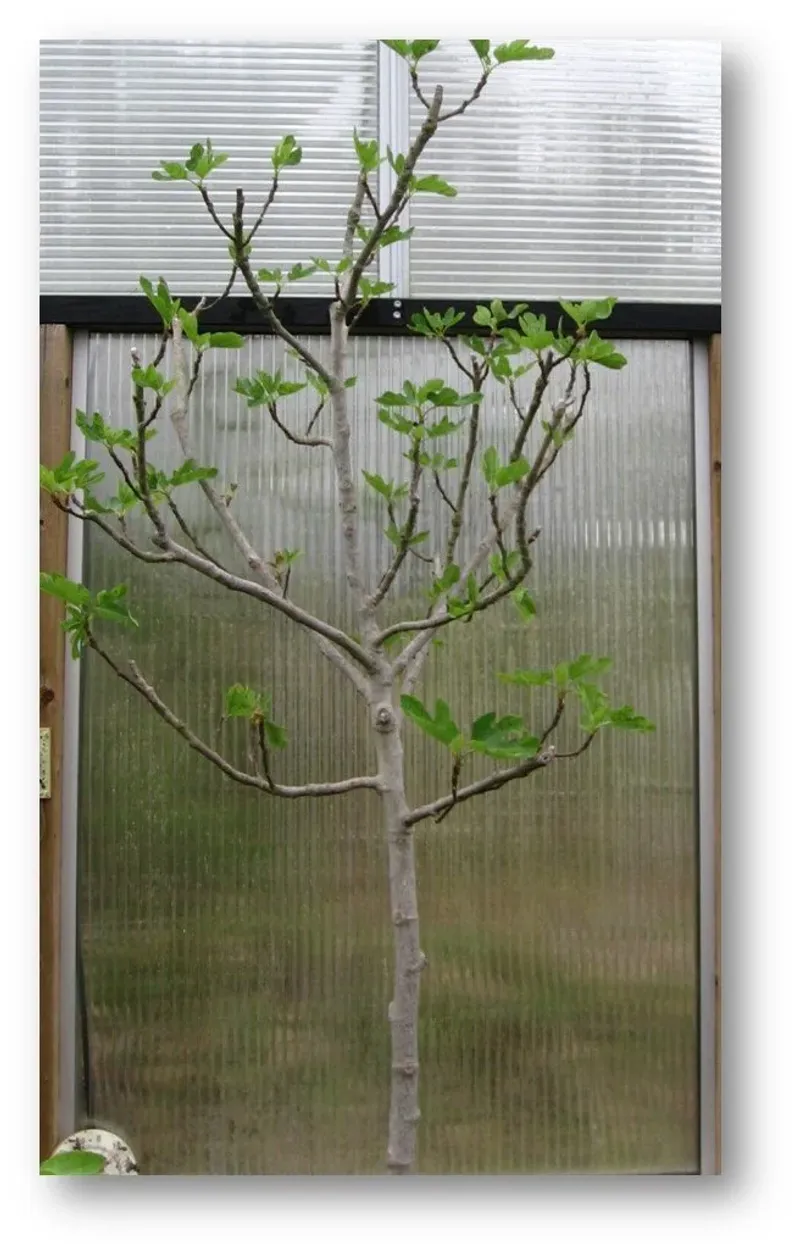
Some fig branches act like a giraffe’s neck, long and bare with a tuft of leaves only at the end. They’re taking up space and giving you very little fruit.
In spring, cut those branches back hard, leaving a short stub with a few buds. Figs bounce back fast, and fresh shoots will usually sprout lower down where you can actually reach them.
Tackle one or two of these per season rather than all at once. Your tree stays productive while it renews itself.
11. Remove Narrow-Angled Branches
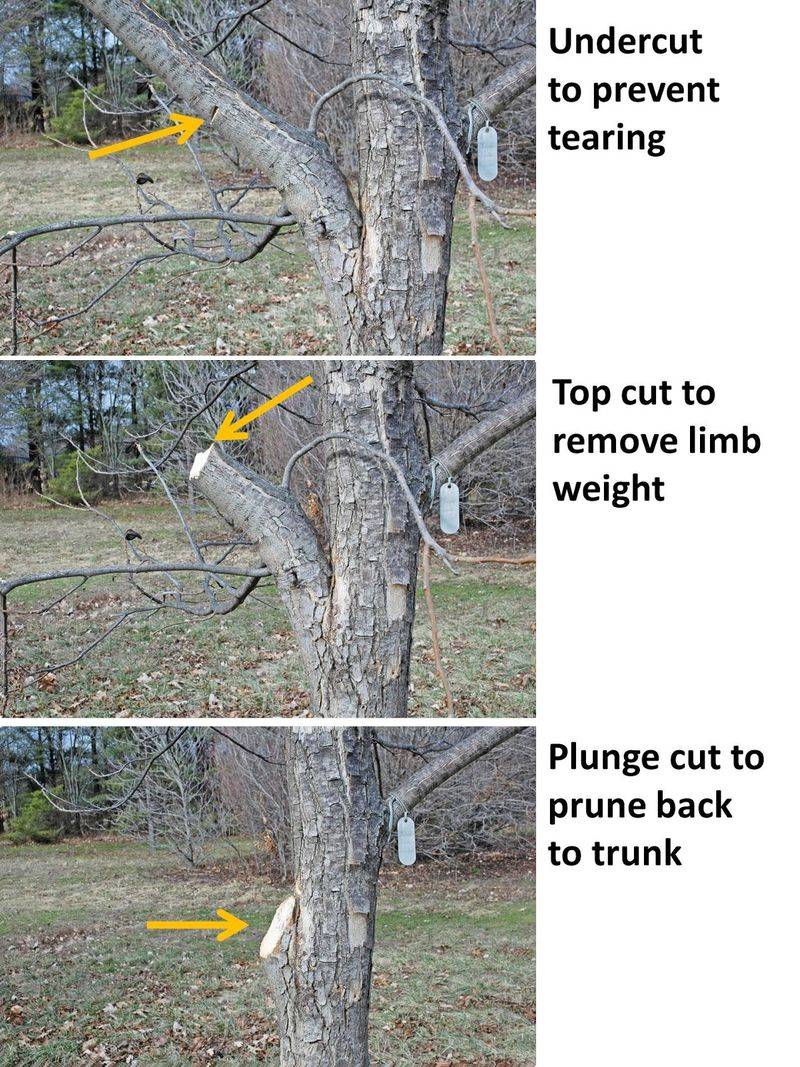
A tight V where a side branch meets a main limb is a weak spot waiting for a heavy crop or summer storm. Bark gets trapped in the crotch, so the wood never fuses well.
Look for secondary branches growing at less than 45 degrees from their parent limb. Remove them and keep the ones with wider, U-shaped angles.
Wide angles hold weight better and tend to spread fruit out into the sun. One small cut now could save you from a split limb in August.
12. Hurtful Cut: Removing All the Old Wood
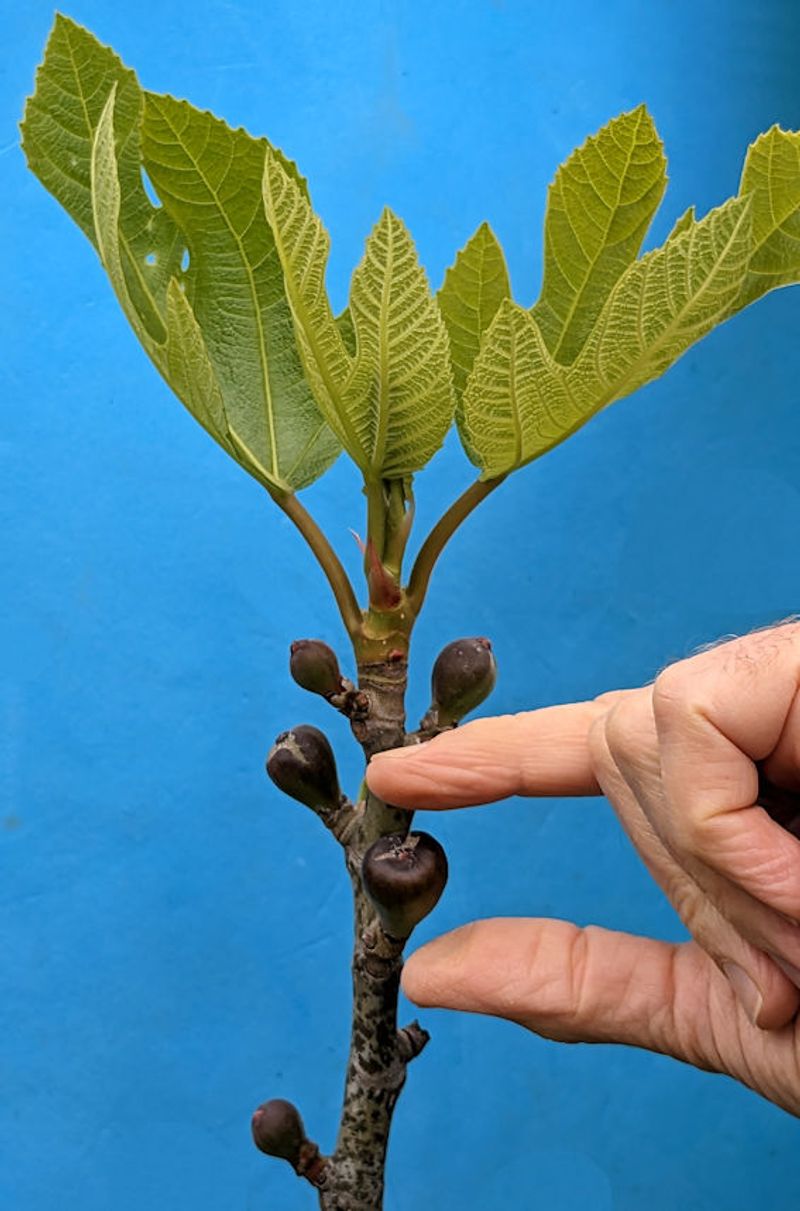
Plenty of gardeners have done this and then wondered where their early figs went. Many varieties, like Brown Turkey and Desert King, set a breba crop on last year’s wood.
Chop off all those branches and you’ve erased that first harvest before it starts. The tree isn’t sick, it simply has nothing left to fruit on in June.
The fix is easy. Leave a healthy share of one-year-old shoots untouched each winter, and shorten only some of them.
13. Hurtful Cut: Flush Cuts Against the Trunk
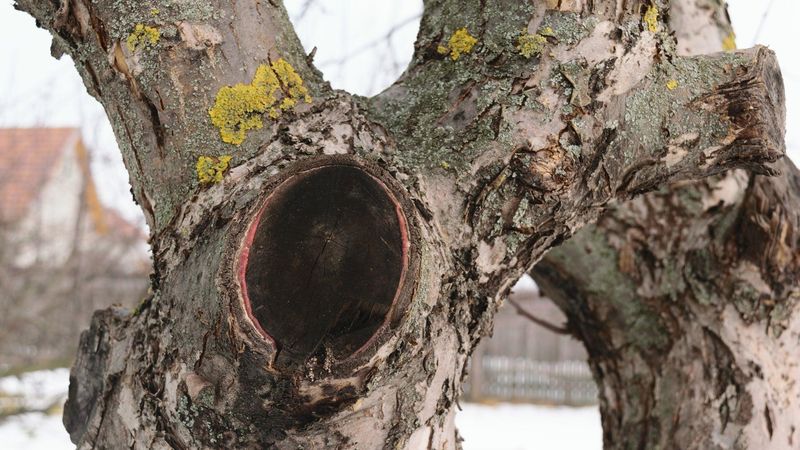
Cutting a branch perfectly flat against the trunk looks neat. Unfortunately, it strips away the branch collar, that slightly swollen ring where branch meets trunk.
The collar holds cells that seal the wound. Without it, healing slows and decay or rot can creep inside.
Instead, cut just outside the collar, angling slightly away from the trunk. Skip wound paint too, since a clean cut usually heals best in open air.
14. Hurtful Cut: Taking More Than One-Third at Once
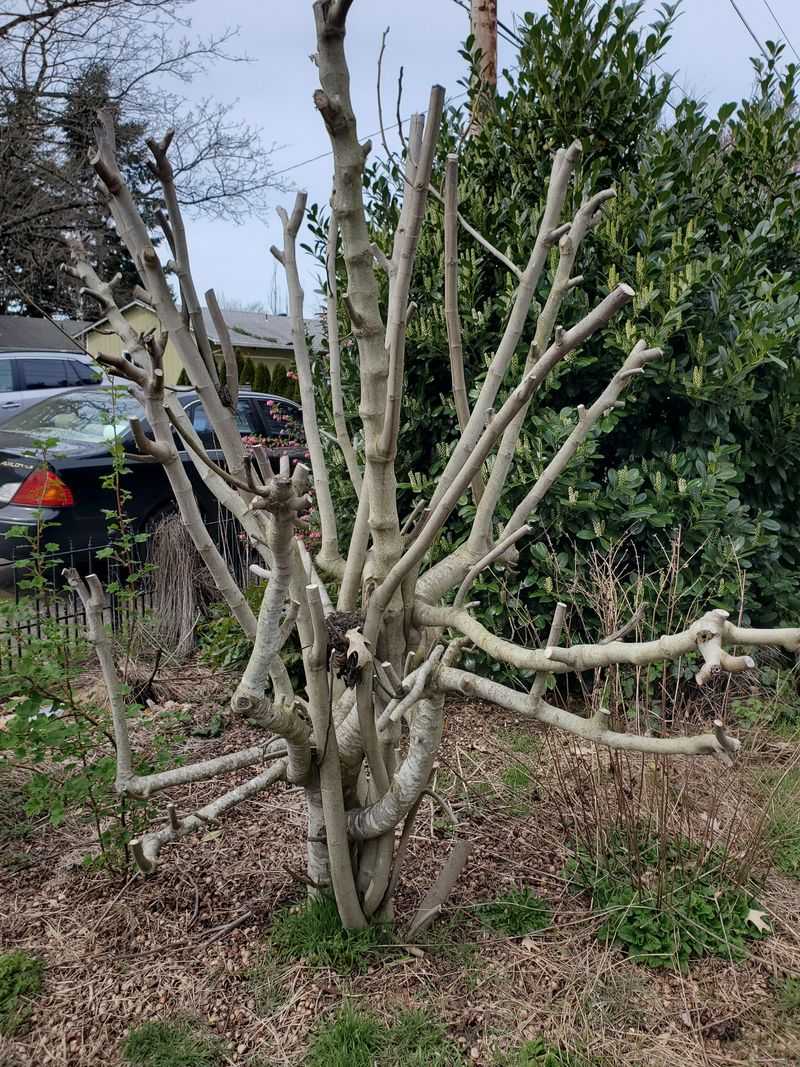
Getting carried away happens to all of us once the pruners start clicking. Step back every few cuts and look at the whole tree.
Removing more than one-third of the canopy in one session stresses a fig hard. You may see a flood of leafy water sprouts, a weaker structure, and a smaller or later harvest.
If your tree needs a big overhaul, spread it over two or three winters. Patience here usually means more figs, not fewer.
Make these cuts with care, skip the three mistakes, and next summer your fig may reward you with more fruit than you can eat.